



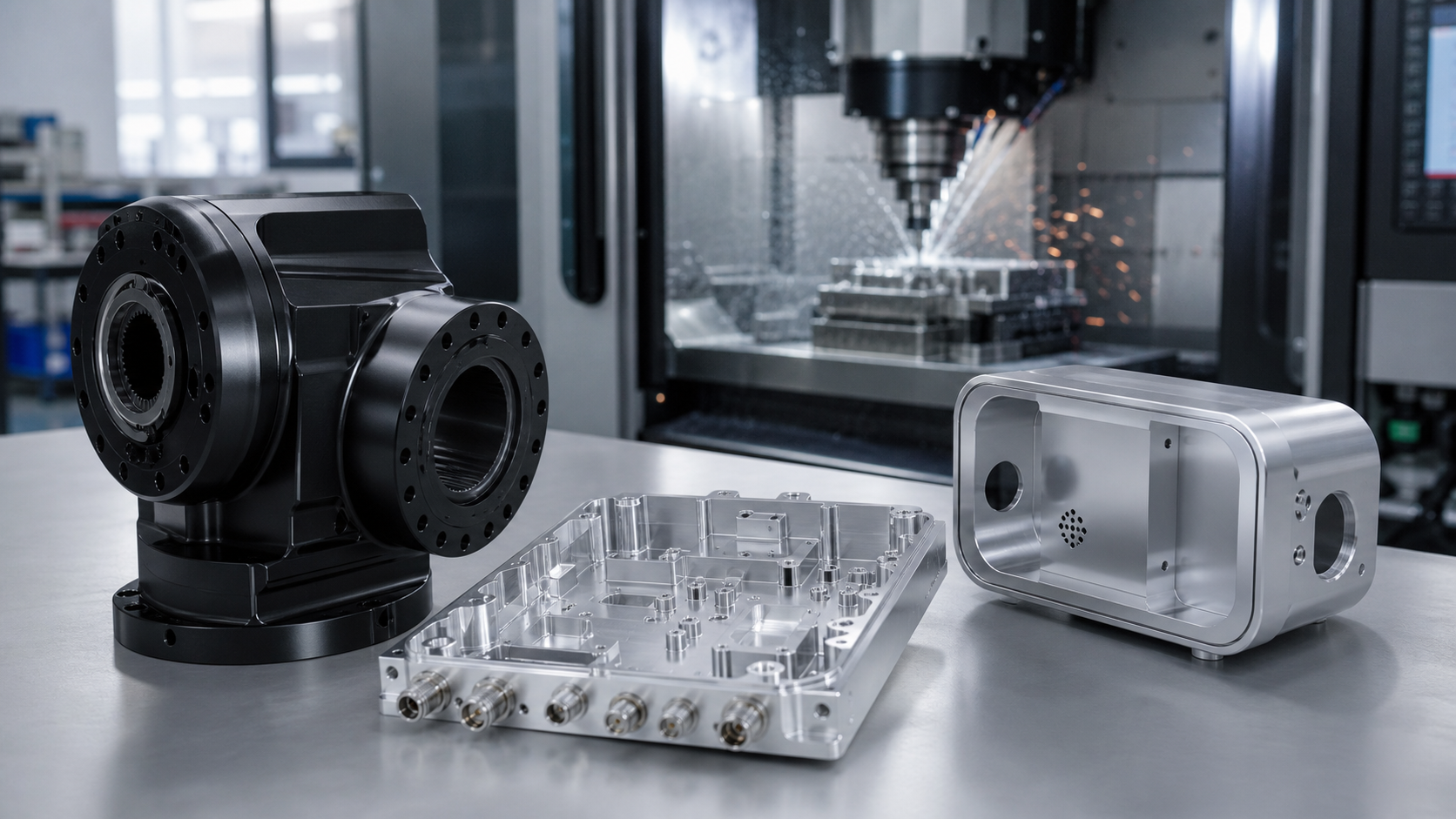
Praktyczny przewodnik inżynieryjny po 6061-T6 obróbka aluminium CNC, łącznie z zachowaniem materialnym, T6 temperament, porównania stopów, parametry obróbki, wykończenia powierzchni, czynniki kosztowe, Zasady DFM, i prawdziwe przykłady projektów.
Wstęp
6061-Aluminium T6 jest jednym z najczęściej wybieranych materiałów na precyzyjnie obrabiane części, ponieważ zapewnia praktyczną równowagę wytrzymałości, odporność na korozję, obrabialność, dostępność, i koszt. Inżynierowie używają go do wsporników, obudowy, radiatory, oprawy, komponenty robotyczne, Ubytki RF, i wiele innych zastosowań w obróbce aluminium CNC.
Nadal, wybór 6061-T6 nie gwarantuje automatycznie dobrego wyniku. Grubość ścianki, strategia tolerancji, wybór narzędzia, kontrola temperatury, naddatek na anodowanie, i geometria części wpływają na jakość obróbki i ostateczny koszt. W tym przewodniku wyjaśniono, jak zachowuje się 6061-T6 podczas niestandardowa obróbka CNC i jak projektować, cytat, i sprawdzić wykonane z niego części.
Co obejmuje ten przewodnik
- 6061-Właściwości materiału T6: chemiczny, mechaniczny, termiczny, i dane elektryczne
- Co oznacza temperament T6 i kiedy T651 jest lepszym wyborem
- 6061-Porównanie T6 z 7075, 6063, 5052, 304 stal nierdzewna, i ADC12
- Parametry obróbki CNC, obróbka, mocowanie, i kontrola tolerancji
- Wykończenia powierzchni części 6061-T6, łącznie z powłokami anodującymi i przewodzącymi
- Czynniki kosztowe i efekty objętościowe w obróbce CNC 6061-T6
- Wytyczne DFM dotyczące ścian, dziury, tolerancje, i obróbka powierzchni
- Przykłady projektów typowych wyzwań związanych z obróbką 6061-T6
- Często zadawane pytania inżynierskie
Właściwości materiału
Wartość 6061-T6 pochodzi z jego zrównoważonego zestawu właściwości. Nie jest to najmocniejszy stop aluminium, ani najtańszy, ale to jest przewidywalne, powszechnie dostępne, i łatwe w ciągłej obróbce.
Skład chemiczny
6061 jest poddającym się obróbce cieplnej stopem Al-Mg-Si. Magnez i krzem w postaci Mg2Si wytrącają się podczas starzenia, co jest głównym źródłem wzmocnienia. Miedź dodaje siły, podczas gdy chrom pomaga kontrolować wzrost ziaren i poprawia odporność na korozję.
| Element | Min (%) | Maks (%) | Rola |
| Aluminium (Glin) | 95.80 | 98.60 | Metal nieszlachetny |
| Magnez (Mg) | 0.80 | 1.20 | Podstawowe wzmocnienie (Mg₂Si) |
| Krzem (I) | 0.40 | 0.80 | Podstawowe wzmocnienie (Mg₂Si), poprawia płynność |
| Miedź (Cu) | 0.15 | 0.40 | Zwiększa siłę, sprzyja hartowaniu z wiekiem |
| Chrom (Kr) | 0.04 | 0.35 | Kontroluje wzrost ziaren, poprawia odporność na korozję |
| Żelazo (Fe) | — | 0.70 | Pozostałości zanieczyszczeń |
Właściwości mechaniczne
6061-T6 zazwyczaj zapewnia 310 MPa wytrzymałość na rozciąganie i 276 Granica plastyczności MPa. To mniej niż w przypadku wielu stali, ale stop ma tylko około jednej trzeciej gęstości stali, co daje mu dużą przewagę wytrzymałości w stosunku do masy. Znaczenie ma także niższy moduł: w porównaniu ze stalą, 6061 części uginają się bardziej pod tym samym obciążeniem, dlatego sztywność należy sprawdzić na początku projektowania.
| Nieruchomość | Wartość | Jednostka |
| Wytrzymałość na rozciąganie | 310 | MPa |
| Siła plonu (0.2% zrównoważyć) | 276 | MPa |
| Wydłużenie | 8-12 | % |
| Moduł sprężystości | 68.9 | GPa |
| Twardość Brinella | 95 | HB |
| Siła zmęczenia | 96.5 | MPa |
| Gęstość | 2.70 | g/cm3 |
Właściwości termiczne i elektryczne
6061-T6 dobrze przewodzi ciepło, co pomaga, aby ciepło skrawania opuściło powierzchnię styku narzędzie-przedmiot obrabiany i zapewnia wyższe prędkości skrawania. Kompromisem jest rozszerzalność cieplna. A 10 zmiana temperatury w stopniach C może spowodować z grubsza 0.0236 mm ruchu wymiarowego na a 100 funkcja mm, która jest już większa niż wiele tolerancji precyzyjnych.
Jego 40-47% Przewodność elektryczna IACS sprawia, że 6061 przydatne do obudów elektronicznych, Ubytki RF, I niestandardowa obróbka CNC radiatora aplikacje. Jednakże, anodowanie tworzy izolującą warstwę tlenku, dlatego powierzchnie przewodzące mogą zamiast tego wymagać maskowania lub powłoki przewodzącej.
Powiązany artykuł dotyczący klastra: 6061-Właściwości aluminium T6: Chemiczny, Mechaniczny, i dane termiczne
Co oznacza T6?
T6 to oznaczenie temperamentu. Dla 6061, oznacza to, że materiał został poddany obróbce cieplnej przesycającej i sztucznie starzony. Jest to najczęstszy warunek w przypadku obróbki CNC 6061 części, ponieważ zapewnia stabilność, powtarzalną wytrzymałość bez utrudniania obróbki stopu.
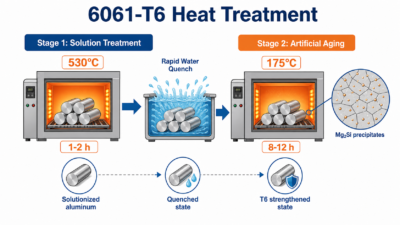
Proces obróbki cieplnej T6
Leczenie roztworem: stop nagrzewa się do temperatury około 530 ty C, utrzymywany wystarczająco długo, aby rozpuścić magnez i krzem w aluminiowej matrycy, a następnie szybko przerwano, aby zachować przesycony roztwór stały.
Sztuczne starzenie się: materiał jest ponownie podgrzewany do temperatury około 175 stopni C i trzymano przez kilka godzin. Na tym etapie wytrąca się drobny Mg2Si, zwiększenie wytrzymałości i twardości poprzez ograniczenie ruchu dyslokacyjnego.
T6 kontra inne temperamenty
| Hartować | Rozciągający (MPa) | Dawać (MPa) | Wydłużenie (%) | HB | Aplikacja |
| O (Wyżarzone) | 124 | 55 | 25 | 30 | Głębokie formowanie |
| T4 | 241 | 145 | 22 | 65 | Pochylenie się + po starzeniu się |
| T6 | 310 | 276 | 8-12 | 95 | Obróbka CNC, części konstrukcyjne |
| T651 | 310 | 276 | 8-12 | 95 | Gruba płyta/pręt, pozbawiony stresu |
| T5 | 262 | 207 | 12 | 75 | Profile wytłaczane |
T6 jest szeroko stosowany w obróbce CNC, ponieważ łączy w sobie dobrą wytrzymałość, przewidywalna obrabialność, stabilne właściwości, silne właściwości anodowania, i szeroką podażą rynkową.
T651 ma takie same nominalne właściwości mechaniczne jak T6, ale obejmuje etap rozciągania w celu zmniejszenia naprężeń szczątkowych. Do grubych płyt i długich części, T651 jest często bezpieczniejszym wyborem, ponieważ jest mniej prawdopodobne, że poruszy się podczas obróbki zgrubnej i wykańczającej.
Porównania materiałów
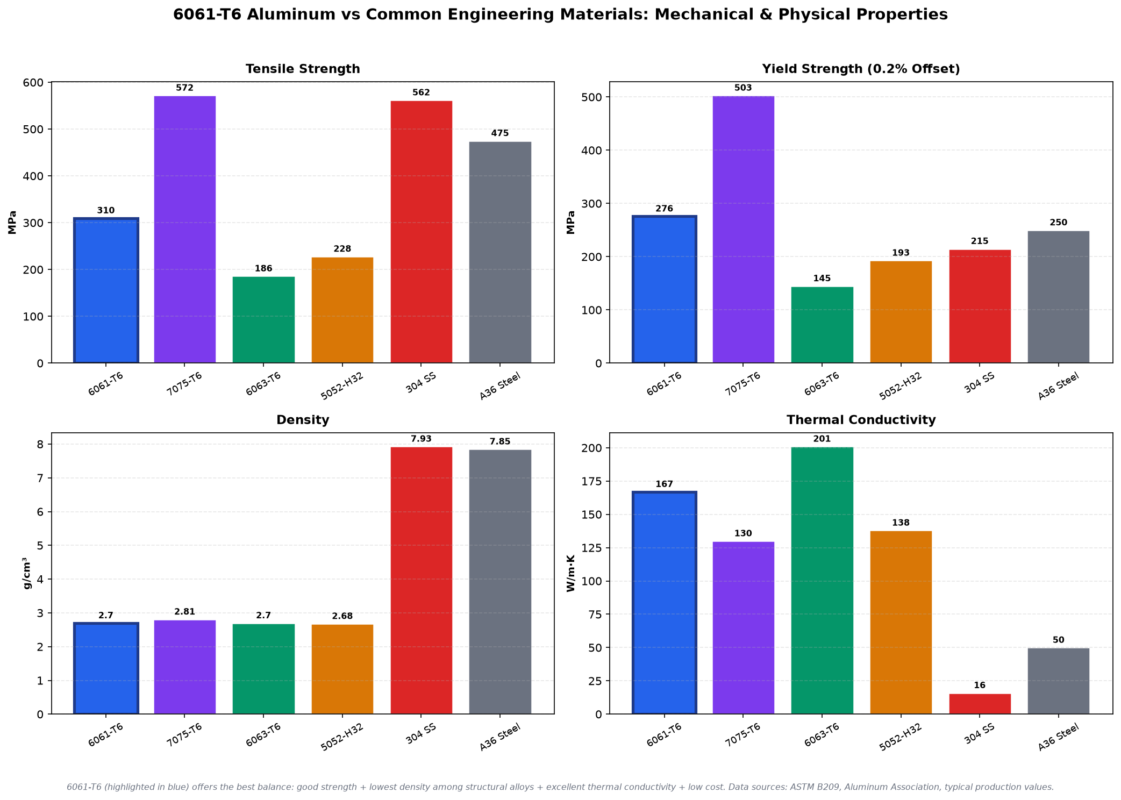
Wybór materiału zaczyna się od wielu problemów związanych z kosztami i wydajnością. Właściwy wybór zależy od obciążenia, sztywność, narażenie na korozję, wymagania kosmetyczne, wielkość produkcji, i czy część będzie obrabiana z blachy, bar, wyrzucenie, lub odlewanie.
6061-T6 kontra 7075-T6
7075-T6 jest znacznie mocniejszy niż 6061-T6 i jest często wybierany do zastosowań w przemyśle lotniczym i przy dużych obciążeniach. Kompromisem są wyższe koszty materiałów, niższa odporność na korozję, gorsza spawalność, i bardziej wymagającą kontrolę obróbki. Używać 7075 gdy siła jest czynnikiem ograniczającym, nie tylko dlatego, że brzmi bardziej premium.
Powiązany artykuł dotyczący klastra: 6061-T6 kontra aluminium 7075-T6: Wytrzymałość, Koszt, i obrabialność
6061-T6 kontra 6063-T6
6063 jest głównie stopem wytłaczanym. Oferuje czysty anodowany wygląd i niższy koszt, ale jest znacznie słabszy od 6061. Wybierać 6063 do profili wytłaczanych, elementy dekoracyjne, i kilka radiatorów; wybierać 6061 do elementów konstrukcyjnych obrabianych CNC.
6061-T6 vs 5052-H32
5052 to niepoddający się obróbce cieplnej stop Al-Mg o doskonałej odporności na korozję i odkształcalności. Często lepiej pasuje do blachy, wygięte części, oraz środowiska morskie lub chemiczne, podczas gdy 6061-T6 jest zwykle lepszy w przypadku frezowanych części konstrukcyjnych.
6061-T6 vs 304 Stal nierdzewna
304 stal nierdzewna zapewnia większą odporność na korozję i znacznie lepszą wydajność w wysokich temperaturach. Jest też znacznie gęstszy, droższe objętościowo, i wolniejszy w obróbce maszynowej. W przypadku korozji należy stosować stal nierdzewną, temperatura, lub wymagania higieniczne uzasadniają dodatkowy koszt i czas obróbki.
6061-T6 vs ADC12 Odlew aluminiowy
ADC12 jest przeznaczony do odlewania ciśnieniowego na dużą skalę. Może obniżyć koszt jednostkowy, gdy wielkość produkcji będzie wystarczająco duża, aby uzasadnić zastosowanie oprzyrządowania, ale zapewnia niższą precyzję, możliwa porowatość, i gorszą wydajność anodowania. Dla prototypów, produkcja niskonakładowa, wąskie tolerancje, i czyste anodowanie, obrabiane CNC 6061 jest zwykle bardziej elastyczną ścieżką.
Powiązany artykuł dotyczący klastra: 6061-T6 vs ADC12 Odlew aluminiowy: Obróbka CNC a odlewanie ciśnieniowe
Obróbka CNC 6061-T6: Narzędzia, Prędkości, i Kanały
6061-T6 wybacza wiele błędów w porównaniu z wieloma metalami konstrukcyjnymi, ale nadal potrzebuje ostrych narzędzi, dobre odprowadzanie wiórów, stabilne mocowanie, i świadomość temperatury. Najczęstszym problemem jest narost na krawędzi, ruch cienkościenny, zadziory, i dryf wymiarowy w przypadku elementów precyzyjnych.
Wybór narzędzia
| Materiał narzędzia | Aplikacja | Koszt |
| Niepowlekany węglik | Ogólna obróbka zgrubna/wykańczająca | Średni |
| Węglik diamentowy (DLC) | Wykańczanie z dużą szybkością | Wysoki |
| PCD (Diament polikrystaliczny) | Wysoka głośność, wysoka precyzja | Bardzo wysoki |
| HSS | Opukanie, rozwiertaki, niska głośność | Niski |
Dla generała Frezowanie CNC, niepowlekane frezy trzpieniowe z węglików spiekanych z dwoma lub trzema rowkami, duży kąt pochylenia linii śrubowej, i duże wręby wiórowe stanowią niezawodny punkt wyjścia. Narzędzia z powłoką diamentową mogą pomóc w obróbce wykańczającej z dużą szybkością lub przy długich seriach produkcyjnych. Niezależnie od powłoki, krawędź tnąca musi pozostać ostra; Tępe narzędzia rozmazują aluminium i zwiększają narost na krawędzi.
Parametry skrawania dla narzędzi węglikowych
| Działanie | Szybkość cięcia (m/min) | Posuw na ząb (mm/z) | DOK (mm) |
| Zgrubne (młyn boczny) | 300-500 | 0.05-0.15 | 0.5-1.0×D |
| Zgrubne (młynek do twarzy) | 400-600 | 0.10-0.20 | 1-3 |
| Półwykończenie | 500-800 | 0.03-0.08 | 0.3-0.5 |
| Wykończeniowy | 600-1000+ | 0.02-0.05 | 0.1-0.3 |
| Wiercenie (5-10mm) | 150-300 | 0.10-0.20mm/obr | — |
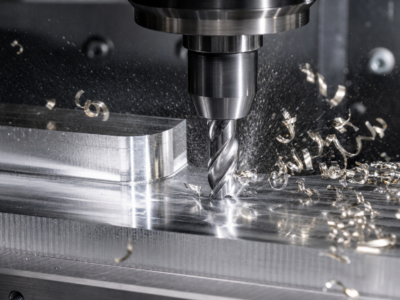
Praktyczna zasada jest prosta: użyj wystarczającej prędkości wrzeciona i posuwu, aby zapewnić ruch wiórów. Gdy prędkość obrotowa maszyny jest ograniczona, nie kompensuj poprzez pocieranie przy bardzo niskim posuwie. Stabilny posuw, prawidłowe obciążenie chipem, i skuteczna strategia podawania chłodziwa mają zwykle większe znaczenie niż pogoń za teoretyczną liczbą prędkości.
Mocowanie i zapobieganie deformacjom
Ponieważ 6061 ma niższy moduł niż stal, cienkie ścianki mogą uginać się pod wpływem sił zaciskających i tnących. Stosuj umiarkowany nacisk mocowania, miękkie szczęki, w stosownych przypadkach, mocowanie próżniowe, i oddzielić obróbkę zgrubną od wykańczającej. Do cienkich lub wartościowych części, pozostaw materiał do ostatniego lekkiego przejścia po rozluźnieniu części.
Osiąganie wąskich tolerancji
6061-T6 może utrzymywać tolerancje dokładności, ale często decydującym czynnikiem jest kontrola temperatury. Dla wymiarów krytycznych, pozwolić, aby materiał i maszyna osiągnęły równowagę termiczną, zakończyć w kontrolowanym środowisku, i sprawdź funkcje za pomocą odpowiednich Usługi kontroli CNC zamiast polegać wyłącznie na przesunięciach maszynowych.
Powiązany artykuł dotyczący klastra: 6061-Parametry obróbki CNC T6: Prędkości, Kanały, Obróbka, i Tolerancje
Wykończenia powierzchni części 6061-T6
6061-T6 dobrze reaguje na wiele osób wykończenie powierzchni procesy. Właściwe wykończenie zależy od wyglądu, odporność na korozję, przewodność, nosić , wymagania dotyczące maskowania, i naddatek wymiarowy.
Anodowanie
Anodowanie tworzy kontrolowaną warstwę tlenku glinu, która poprawia odporność na korozję i twardość powierzchni, jednocześnie umożliwiając barwienie. Anodowanie siarkowe typu II jest standardowym wykończeniem wielu obrabiarek 6061 strony; Anodowanie twarde typu III stosuje się, gdy odporność na zużycie ma większe znaczenie niż jasność koloru.
| Typ | Film (µm) | Twardość (WN) | Kolor | Koszt |
| Typ I (Chromowy) | 2-7 | 200-400 | Przezroczysty/szary | Średni |
| Typ II (Siarkowy) | 5-25 | 300-500 | Możliwość barwienia na wszystkie kolory | Niski |
| Typ III (Twardy) | 25-100 | 400-800 | Szary/czarny | Wysoki |
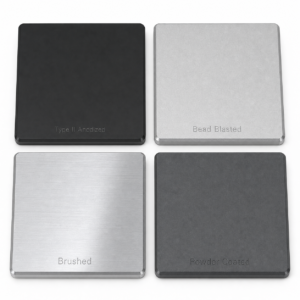
Częstym błędem projektowym jest ignorowanie nawarstwień anodowanych. Jako zasada, około połowa grubości warstwy rośnie na zewnątrz. A 10 Film mikrometryczny może dodać około 5 mikrometrów na powierzchnię, co ma znaczenie w przypadku otworów, szczeliny, wątki, i ściśle dopasowane zespoły.
Powiązany artykuł dotyczący klastra: 6061-Anodowanie T6: Typy, Zabarwienie, Grubość, i Przewodnik po procesie
Inne wykończenia powierzchni
| Skończyć | Wygląd | Korozja | Koszt | Aplikacja |
| Wydmuchiwanie perełek | Jednolity mat | Sprawiedliwy (tylko baza) | Niski | Anodowanie wstępne, matowy wygląd |
| Szczotkowanie | Tekstura liniowa | Sprawiedliwy | Średni | Wysokiej klasy elektronika użytkowa |
| Konwersja chromianu | Bezbarwny/żółty | Dobry | Niski | Przewodząca ochrona przed korozją, podkład malarski |
| Malowanie proszkowe | Różne kolory/tekstury | Doskonały | Średni | Obudowy, sprzęt plenerowy |
| Malowanie płynem | Różne efekty | Dobry | Niski-Średni | Części wyglądu, dekoracyjny |
JADE-CNC wspiera koordynację od obróbki do wykończenia, łącznie z anodowaniem, piaskowanie perełek, szczotkowanie, i partnerskie procesy powlekania. Ważną kwestią nie jest tylko to, czy dostępne jest wykończenie, ale czy maskowanie, dodatek tolerancyjny, spójność koloru, i inspekcja są planowane przed rozpoczęciem obróbki.
Koszt obróbki CNC 6061-T6
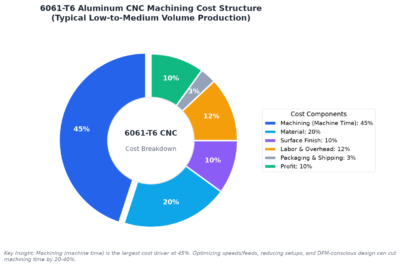
Koszt części 6061-T6 w mniejszym stopniu zależy od nazwy stopu, a bardziej od geometrii, czas cyklu, wymagania dotyczące tolerancji, liczba ustawień, wykończenie powierzchni, poziom inspekcji, i wielkość produkcji. Cena materiału ma znaczenie, ale czas obróbki jest zwykle większym czynnikiem kosztowym.
Struktura kosztów
| Pozycja kosztowa | Procent |
| Tworzywo | 10-30% |
| Obróbka (czas maszynowy) | 40-60% |
| Wykończenie powierzchni | 5-20% |
| Praca/koszty ogólne | 10-20% |
| Pakowanie/wysyłka | 2-5% |
| Zysk | 10-20% |
Orientacyjna cena materiału
Poniższe liczby przedstawiają orientacyjne zakresy rynkowe na sierpień 2026. Należy je traktować jako cytowanie kontekstu, nie stałe ceny zakupu. Ostateczny koszt zależy od regionu, dostawca, formularz magazynowy, grubość, potrzeby certyfikacyjne, i wielkość zamówienia.
| Formularz | Specyfikacja | Cena (USD/kg) |
| 6061-Płyta T6 | 1-10mm | 3.7-6.0 |
| 6061-Płyta T6 | 10-50mm | 3.3-5.2 |
| 6061-Gruba płyta T651 | >25mm | 4.5-7.5 |
| 6061-Pasek T6 | 10-150mm | 3.0-5.2 |
Trend cenowy aluminium
| Rok | Przeciętny | Zakres | YoY |
| 2024 | $2,970 | $2,806-3,164 | — |
| 2025 | $3,257 | $3,015-3,552 | +9.7% |
| 2026 (prognoza) | $3,507-3,657 | $3,343-3,761 | +7.7-12.3% |
Koszt według objętości
| Tom | Cena jednostkowa | Czas realizacji |
| Prototyp (1-5) | 3-5x wartość podstawowa | 3-7 dni |
| Niski (10-50) | 1.5-2x wartość podstawowa | 7-12 dni |
| Średni (100-500) | 1.0-1.3x wartość podstawowa | 12-20 dni |
| Wysoki (1000+) | 0.7-1.0x wartość podstawowa | 20-40 dni |
Największy spadek ceny jednostkowej zwykle występuje pomiędzy jednorazowym prototypem a małą partią. Po mniej więcej 100 sztuki, oszczędności są kontynuowane, ale krzywa się spłaszcza. Do bardzo dużych ilości, wytłaczanie lub odlewanie ciśnieniowe może stać się bardziej ekonomiczne, ale te procesy wymagają narzędzi i wiążą się z różnymi ograniczeniami w zakresie tolerancji i wykończenia.
Dla obróbka CNC na małą skalę, JADE-CNC skupia się na stabilności procesu, Informacje zwrotne DFM, i kontrolę konsystencji pomiędzy partiami, zamiast po prostu podawać najniższą cenę za jedną sztukę.
Wytyczne DFM dotyczące części 6061-T6
Dobry DFM to najszybszy sposób na obniżenie kosztów i uniknięcie niespodzianek związanych z obróbką. Celem nie jest rozluźnienie wszystkich funkcji; polega na zarezerwowaniu wąskich tolerancji i trudnej geometrii dla cech, które faktycznie wpływają na funkcjonalność.
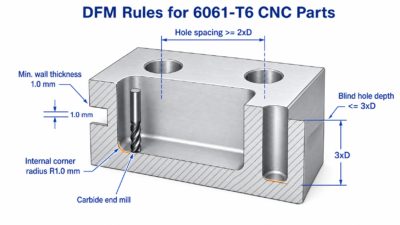
Grubość ścianki
- Minimum: 0.5 mm dla krótkich ścian ze specjalnym mocowaniem
- Zalecony: 1.0 mm lub grubsze dla większości obrobionych ścian
- Wysokie ściany powyżej 20 mm: przynajmniej użyć 1.5 mm grubości lub dodać żebra
Otwory i gwinty
- Minimalna średnica otworu: 0.5 mm, z 1.0 preferowane mm lub większe
- Głębokość otworu ślepego: jeśli to możliwe, trzymaj średnicę poniżej 3x
- Minimalna liczba wątków: Możliwe M1.6, Preferowane M3 lub większe
- Efektywna głębokość gwintu: zwykle nie więcej niż 2,5x średnica nominalna
- Dotknij szacunkowej wartości wiertła: średnica nominalna minus 1,0825x podziałka
Narożniki i zaokrąglenia
- Wewnętrzny promień narożnika: 0.5 mm minimalne, 1.0 preferowane mm
- Promienie wewnętrzne muszą odpowiadać dostępnym rozmiarom narzędzi; unikaj określania ostrych narożników wewnętrznych
- Przełam ostre krawędzie zewnętrzne za pomocą fazowań C0.2-C0.5 lub zaokrągleń R0.2-R0.5
Tolerancje
- Ogólna tolerancja: +/-0.1 mm dla funkcji niekrytycznych
- Tolerancja precyzji: +/-0.02-0.05 mm tam, gdzie wymaga tego funkcja
- Wysoka precyzja: +/-0.005-0.01 mm tylko przy specjalnej kontroli procesu
- Zastosuj wąskie tolerancje tylko w przypadku łączenia, opieczętowanie, wyrównanie, lub wymiary funkcjonalne
Projekt obróbki powierzchni
- Umożliwiają anodowanie osadów na precyzyjnie współpracujących powierzchniach
- Zamaskuj powierzchnie przewodzące, gdy wymagany jest kontakt elektryczny
- Maskuj lub wycinaj otwory gwintowane, gdy grubość powłoki może mieć wpływ na montaż
Powiązany artykuł dotyczący klastra: 6061-Wytyczne T6 DFM: Projekt listy kontrolnej i wskazówek dotyczących produkcji
Przykłady projektów
Poniższe przykłady pokazują, jak zachowuje się materiał, mocowanie, wykończeniowy, i inspekcja łączą się w rzeczywistych projektach 6061-T6.
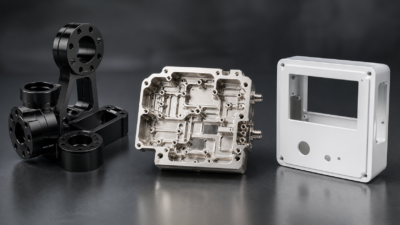
Przykłady projektów
Sprawa 1: Zestaw robotycznych komponentów konstrukcyjnych
- Zakres: ramię, przedramię, kołnierze łączące, płyta efektowa, i mocowania silnika
- Tworzywo: 6061-T6/T651
- Wymagania krytyczne: +/-0.02 mm otwory na złącza i +/-0.01 bicie czołowe mm
- Skończyć: piaskowanie i anodowanie na czarno
- Strategia procesu: 5-planowanie ustawienia osi, separacja zgrubna/wykończeniowa, odprężenie, i ujednolicone anodowanie wsadowe
- Wynik: 12-dostawa jednodniowa z zachowaniem tolerancji, kontrolowana konsystencja koloru, i montaż wstępny przeszedł
Sprawa 2: Wnęka komunikacyjna RF
- Część: 5Wnęka filtra G, 120 X 80 X 30 mm
- Tworzywo: 6061-Solidny półprodukt T6, aby uniknąć porowatości odlewu
- Wymagania krytyczne: wgłębienie +/-0.02 mm i płaskość 0.01 mm
- Skończyć: Bezprądowy nikiel wewnątrz i naturalne anodowanie na zewnątrz
- Wyzwanie: sekwencja maskowania i obróbki powierzchni pod kątem wydajności RF
- Wynik: płaskość 0.008 mm, wewnętrzny Ra 0.6, gazoszczelność minęła, i wydajność RF została spełniona
Sprawa 3: Obudowa i wspornik urządzenia medycznego
- Zakres: obudowa górna/dolna, wspornik wewnętrzny, i ramka wyświetlacza
- Tworzywo: klasa medyczna 6061-T6
- Skończyć: Białe anodowanie na obudowach i ciemnoszare anodowanie na ramce
- Wyzwanie: cienkie ściany, konsystencja kosmetyczna, I 0.1 mm szczeliny skorupy
- Wynik: 10-dostawa jednodniowa, brak widocznych wad wykończenia, 0.1 +/-0.015 mm odstępu, i kontrola przeszła pomyślnie
Wniosek
6061-T6 pozostaje domyślnym wyborem aluminium do wielu precyzyjnie obrobionych części, ponieważ jest wystarczająco mocny do wielu zastosowań, łatwe do źródła, wydajny w obróbce maszynowej, i kompatybilne z popularnymi wykończeniami. Nie zawsze jest to najlepszy materiał, chociaż. Używać 7075 gdy niezbędna jest maksymalna siła, 6063 do profili wytłaczanych, 5052 do formowanych, odpornych na korozję części blaszanych, 304 stal nierdzewna na silną korozję lub wysoką temperaturę, i ADC12, gdy objętość odlewu uzasadnia zastosowanie oprzyrządowania.
Udany projekt 6061-T6 zwykle zależy od ostrych narzędzi, prawidłowe obciążenie chipem, stabilne mocowanie, kontrola temperatury, realistyczne tolerancje, i planowanie wykończenia powierzchni. Kiedy te decyzje zostaną podjęte wcześniej, 6061-T6 może zapewnić wysoką wydajność za rozsądną cenę.
Możliwości JADE-CNC 6061-T6
- 6061-Płyty i pręty T6/T651 dostępne do produkcji prototypowej i seryjnej
- 3-oś, 4-oś, i 5-osiowe centra obróbcze oraz tokarki CNC
- Anodowanie, piaskowanie perełek, szczotkowanie, i skoordynowanych partnerów zajmujących się powłokami
- Inspekcja CMM i ISO 9001:2015 zarządzanie jakością
- Prototyp, niska głośność, i wsparcie produkcji średnionakładowej
- Analiza DFM, zalecenia dotyczące procesu, i wsparcie w doborze materiałów
Aby przejrzeć projekt 6061-T6, wyślij swój model 3D i rysunki 2D do JADE-CNC i poproś o wycenę obróbki CNC. Dla większości projektów, zespół może sprawdzić wykonalność, wybór materiału, wykończenie powierzchni, i wymagania dotyczące inspekcji przed rozpoczęciem produkcji.
Często zadawane pytania
Czy 6061-T6 jest dobry do obróbki CNC??
Tak. 6061-T6 obrabia czysto ostrymi narzędziami, obsługuje duże prędkości skrawania, i może zapewniać dobre wykończenie powierzchni przy niskim zużyciu narzędzi.
Jaka jest różnica pomiędzy 6061 i 6061-T6?
6061 jest gatunkiem stopu. T6 to temperament, co oznacza, że materiał został poddany obróbce cieplnej i sztucznie starzony. Do części obrabianych, 6061 bez dalszych szczegółów zwykle odnosi się do kolby 6061-T6 lub 6061-T651.
Czy 6061-T6 można anodować?
Tak. 6061-T6 to jeden z najbardziej niezawodnych stopów aluminium do anodowania typu II. Może być również anodowany na twardo, gdy ważna jest odporność na zużycie.
Czy 6061-T6 jest silniejszy niż 7075-T6?
NIE. 7075-T6 jest znacznie silniejszy, ale jest też droższy i mniej odporny na korozję. 6061-T6 jest często lepszym wyborem, gdy zrównoważona wydajność i koszt są ważniejsze niż maksymalna wytrzymałość.
Jakie tolerancje może wytrzymać 6061-T6?
Często występują ogólne tolerancje obróbki skrawaniem +/-0.05 Do +/-0.1 mm. Precyzyjne funkcje mogą dotrzeć +/-0.02 mm lub ciaśniej za pomocą odpowiednich maszyn, mocowanie, kontrola temperatury, i inspekcja.
Ile kosztuje 6061-T6?
Koszty materiałów zmieniają się wraz z warunkami rynkowymi, formularz magazynowy, orzecznictwo, i głośność. W wielu obrabianych częściach, czas i konfiguracja maszyny są większymi czynnikami kosztowymi niż sam surowiec.
Czy wybrać obróbkę CNC 6061-T6 czy odlew ciśnieniowy ADC12??
Wybierz obrabiane CNC 6061 dla prototypów, głośność niska i średnia, wąskie tolerancje, anodowanie, i solidną integralność materiału. Wybierz odlew ciśnieniowy ADC12 w przypadku skomplikowanych kształtów o dużej objętości, gdy koszt oprzyrządowania jest uzasadniony.
Jaka minimalna grubość ścianki jest praktyczna dla części 6061-T6?
A 0.5 mm może być możliwa w przypadku krótkich elementów ze specjalnym mocowaniem, Ale 1.0 mm lub grubszy jest bezpieczniejszym celem projektowym dla większości części obrabianych CNC.
Powiązane artykuły 6061-T6
- 6061-Kompletny przewodnik po obróbce aluminium CNC T6
- 6061-T6 kontra aluminium 7075-T6: Wytrzymałość, Koszt & Skrawalność
- 6061-Anodowanie aluminium T6: Typy, Zabarwienie, Grubość & Zasady projektowania
- 6061-Parametry obróbki CNC T6: Prędkości, Kanały, Obróbka & Kontrola procesu
- 6061-T6 kontra aluminium ADC12: Obróbka CNC lub odlewanie ciśnieniowe?
- 6061-Wytyczne DFM dotyczące obróbki CNC T6: Zasady projektowania & Lista kontrolna
- 6061-Właściwości aluminium T6: Mechaniczny, Termiczny & Dane chemiczne
Niniejszy przewodnik opiera się na opublikowanych danych materiałowych, informacje o rynku publicznym, i praktyczne doświadczenie w obróbce. Ceny referencyjne są orientacyjne i obowiązują na sierpień 2026 i powinien zostać potwierdzony podczas wyceny projektu.

Leo Lianga, Założyciel Najlepszy Partner z R&D
Założyciel JADE-CNC, LEO, który wnosi ponad dwudziestoletnie doświadczenie branżowe, Leo rozpoczął karierę jako praktykant i ćwiczy swoje umiejętności w zakresie obróbki powierzchni i obróbki CNC.