


Frezowanie CNC tworzyw sztucznych
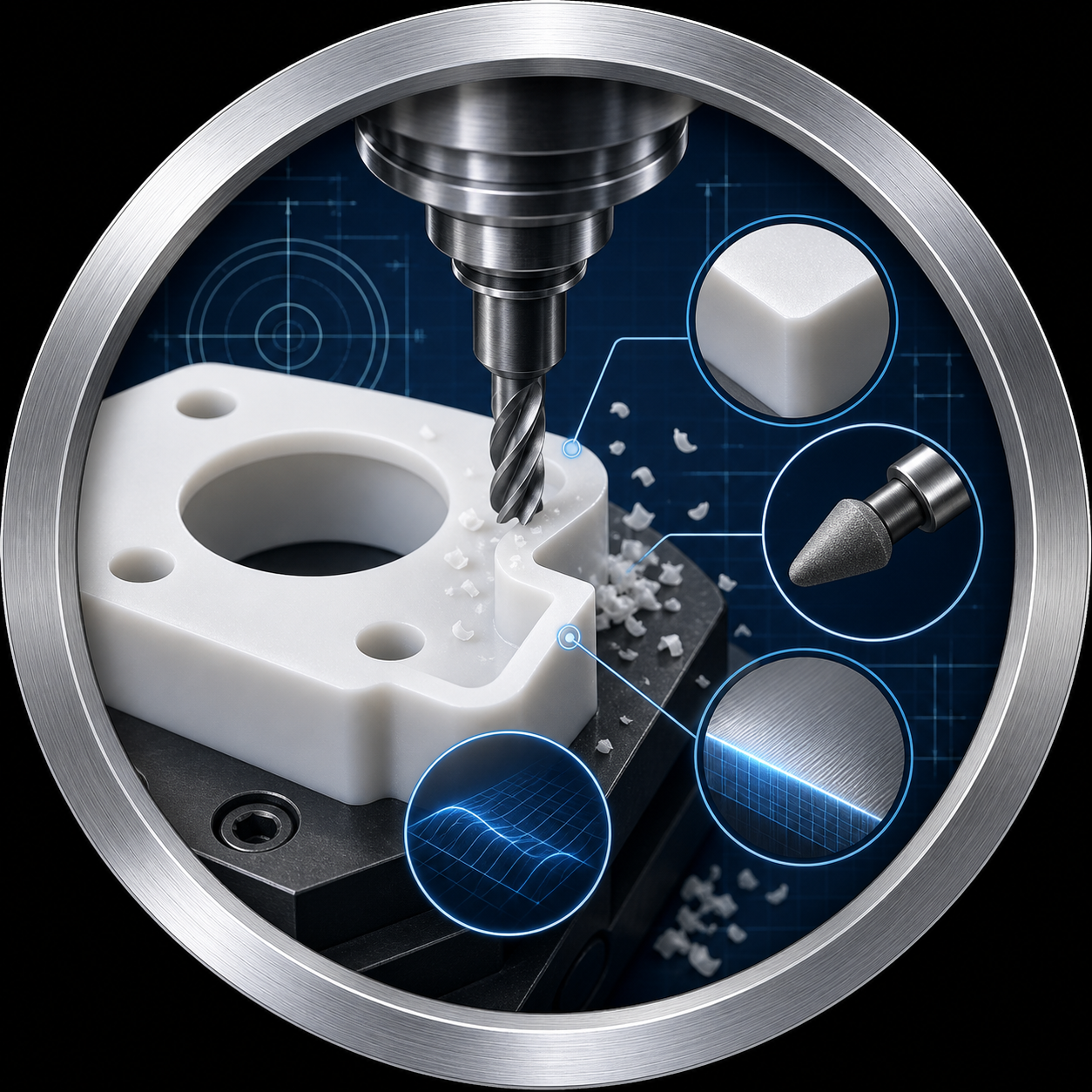
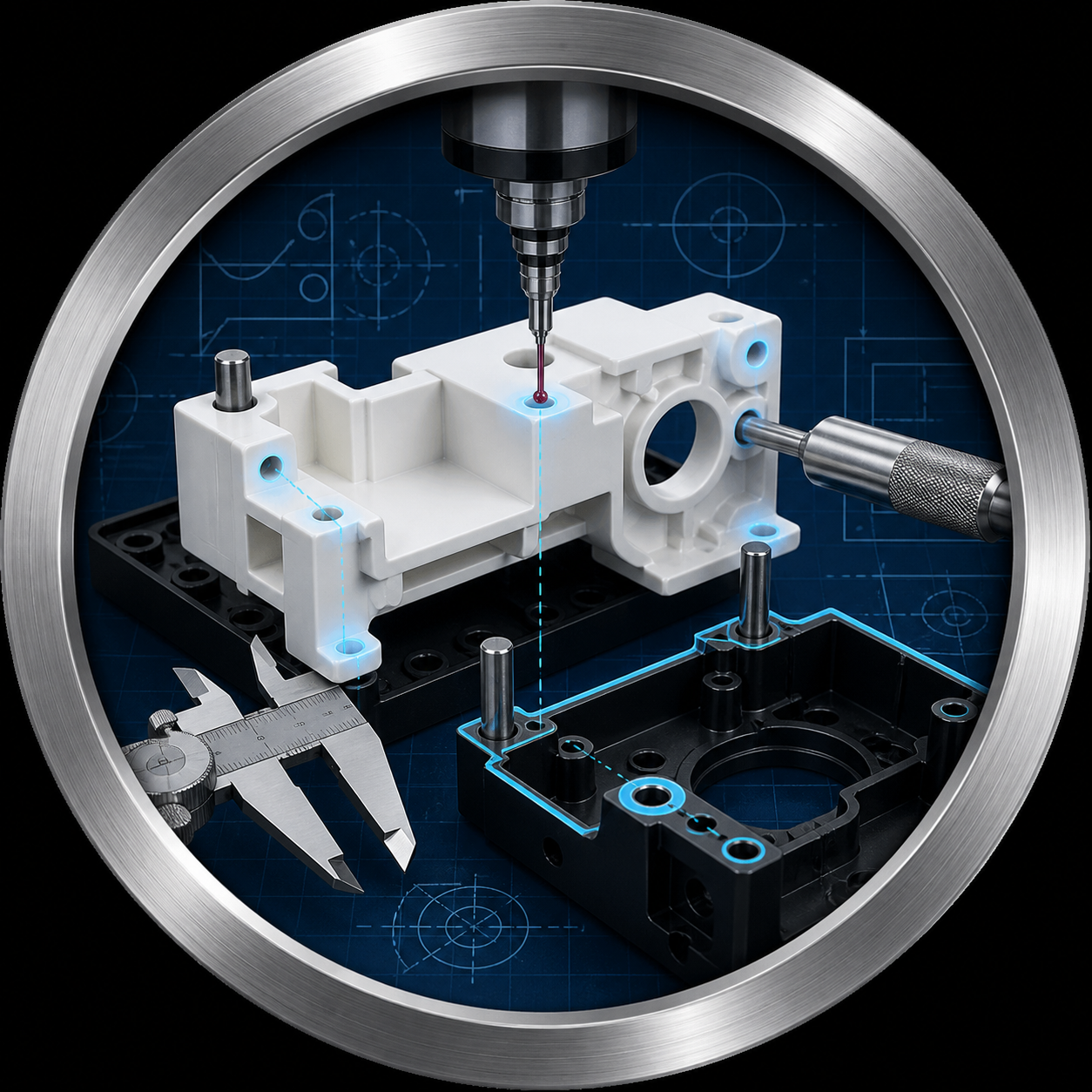
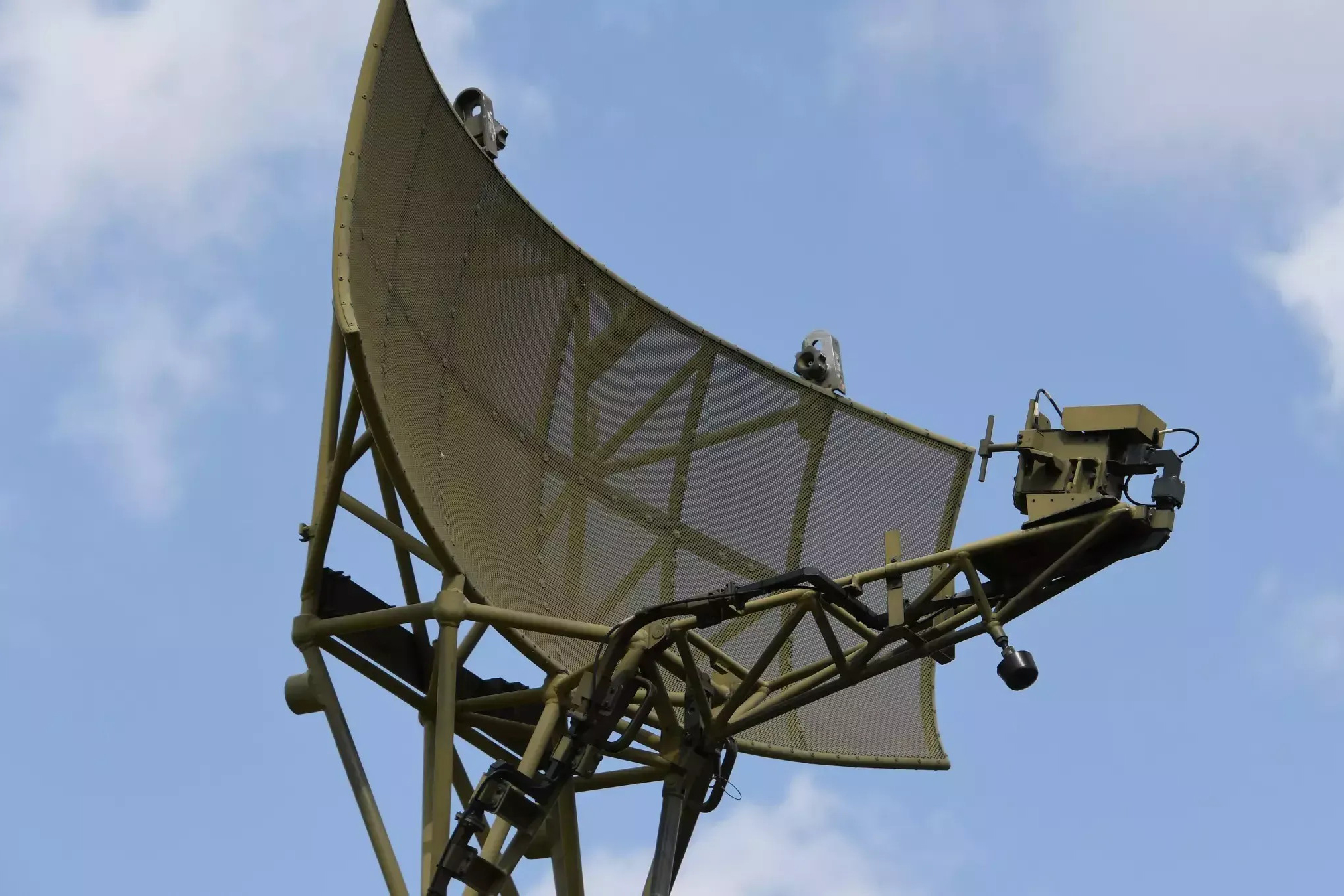
Podobnie jak w przypadku obróbki metalu, ale dobre frezowanie tworzyw sztucznych zazwyczaj wymaga wyższych prędkości wrzeciona i ostrzejszych narzędzi.
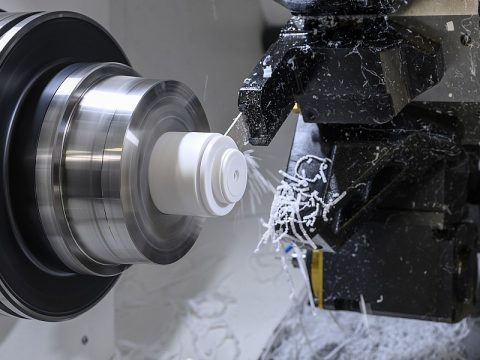
Toczenie tworzyw sztucznych CNC
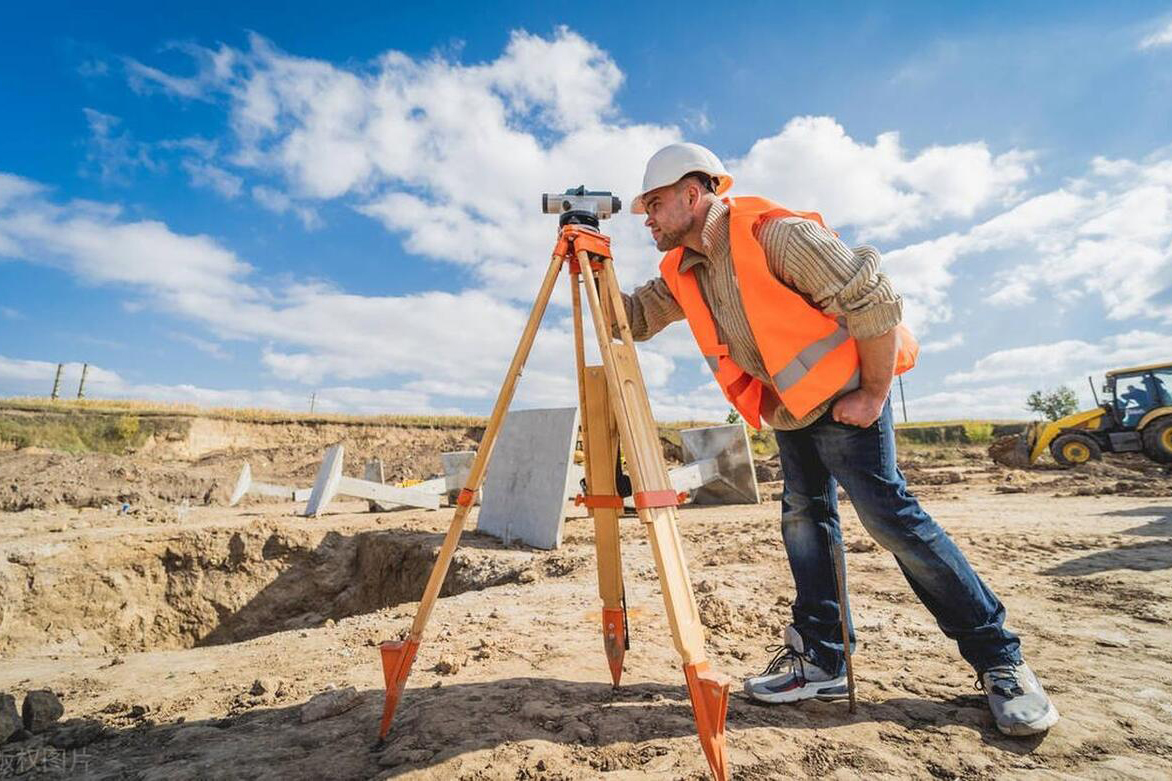
Obrabiany przedmiot obraca się, podczas gdy narzędzie porusza się liniowo, Idealny do części cylindrycznych i stożkowych.
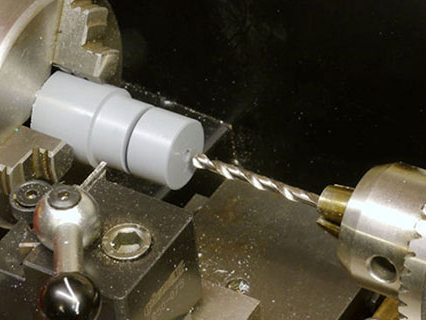
Wiercenie CNC w plastiku
Podczas gwintowania tworzyw sztucznych należy zwrócić uwagę na wytrzymałość materiału i wytrzymałość gwintu.
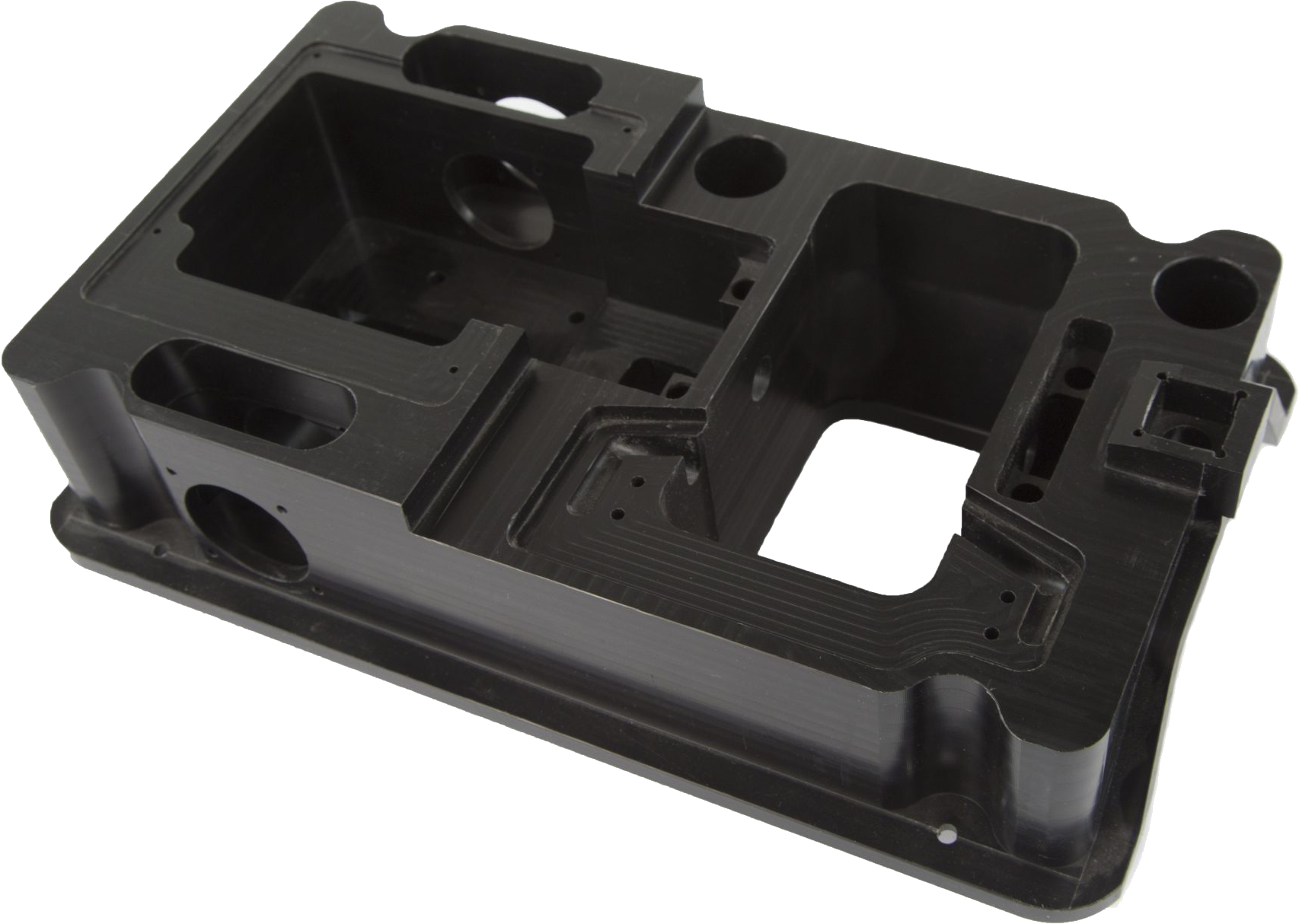
Preferowany wybór w przypadku taniego prototypowania, szczególnie w przypadku części wymagających testów funkcjonalnych, kontrole montażu, i ocenę estetyczną. Można to rozważyć Obudowy produktów, części wnętrza samochodu, I funkcjonalne prototypy.
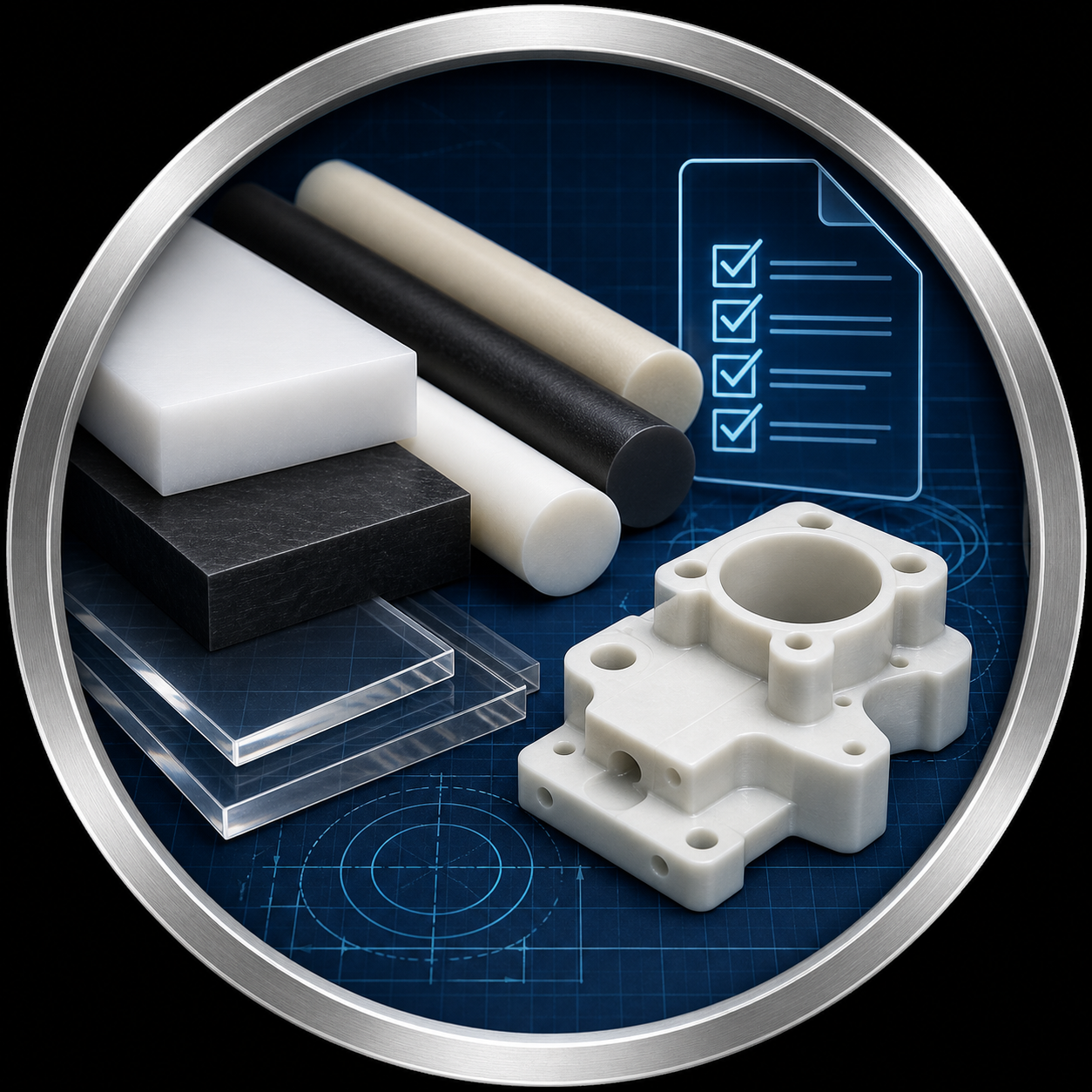
Stopień materiału, formularz magazynowy, projekt ściany, tolerancja, skończyć, dokumentacja, i harmonogram są potwierdzane podczas zapytania ofertowego na podstawie rysunku i zachowania tworzywa sztucznego.
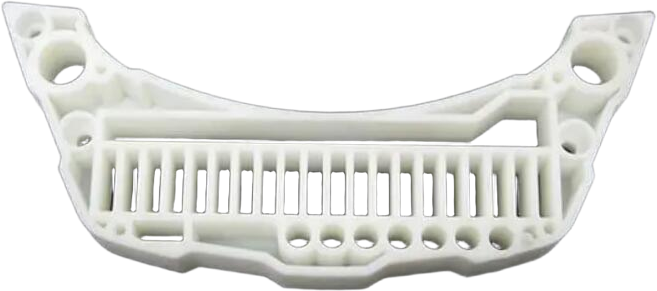
PEEK to tworzywo konstrukcyjne stosowane do części obrabianych, które wymagają wyższej odporności na temperaturę, wydajność noszenia, odporność chemiczna, lub stabilność wymiarową niż zwykłe tworzywa sztuczne.
Stopień materiału, formularz magazynowy, projekt ściany, tolerancja, skończyć, dokumentacja, i harmonogram są potwierdzane podczas zapytania ofertowego na podstawie rysunku i zachowania tworzywa sztucznego.

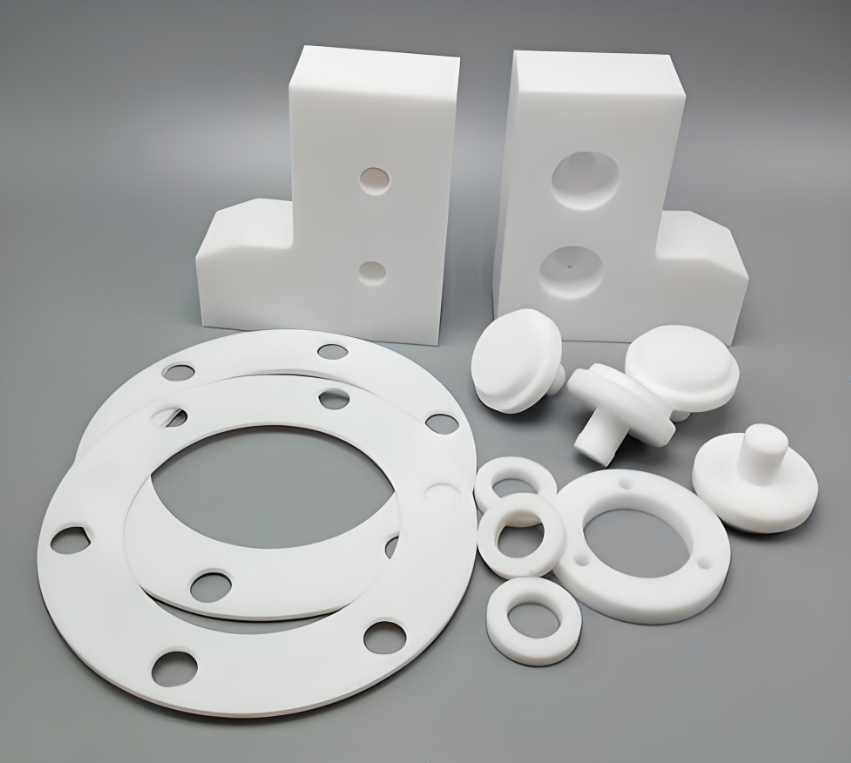
PTFE jest zawsze zarezerwowany dla specjalistycznych środowisk wymagających ekstremalnej odporności na temperatury, odporność na silne chemikalia, lub bardzo niskie tarcie/nieprzywierające właściwości. I był używany do Pieczęci, uszczelki, tulejki zaworowe, części izolacyjne, sprzęt laboratoryjny, podłoże pod powłoki nieprzywierające.
Stopień materiału, formularz magazynowy, projekt ściany, tolerancja, skończyć, dokumentacja, i harmonogram są potwierdzane podczas zapytania ofertowego na podstawie rysunku i zachowania tworzywa sztucznego.
PC zawsze był znany jako najlepiej wybierany do zastosowań wymagających połączenia wysokiej odporności na uderzenia, przezroczystość, i stabilność termiczna. Można to rozważyć w przypadku części o wysokiej przezroczystości, takie jak okulary ochronne, tarcze zamieszek, osłony świateł samochodowych, obudowy urządzeń elektronicznych, przezroczyste komponenty o wysokiej wytrzymałości.
Stopień materiału, formularz magazynowy, projekt ściany, tolerancja, skończyć, dokumentacja, i harmonogram są potwierdzane podczas zapytania ofertowego na podstawie rysunku i zachowania tworzywa sztucznego.

PMMA ma ewyjątkowa klarowność optyczna (>92%), dobra odporność na warunki atmosferyczne, wysoka twardość powierzchni, i można go polerować do krystalicznie czystego wykończenia. To jest tjest najlepszym wyborem, gdy wymagana jest wysoka przejrzystość, doskonały wygląd, i odporność na promieniowanie UV/warunki atmosferyczne. Można to rozważyć światłoprototypy.
Stopień materiału, formularz magazynowy, projekt ściany, tolerancja, skończyć, dokumentacja, i harmonogram są potwierdzane podczas zapytania ofertowego na podstawie rysunku i zachowania tworzywa sztucznego.

Płyta epoksydowa jest ceniona w obróbce CNC ze względu na doskonałą izolację elektryczną, dobra wytrzymałość mechaniczna, stabilność wymiarowa, i wszechstronność. Można je stosować do obudów urządzeń elektrycznych, lekkie panele konstrukcyjne, w których kluczowa jest izolacja elektryczna. Można go zaprojektować do części konstrukcyjnych wymagających większej sztywności niż akryl, ale gdzie metal jest niepotrzebny.
Stopień materiału, formularz magazynowy, projekt ściany, tolerancja, skończyć, dokumentacja, i harmonogram są potwierdzane podczas zapytania ofertowego na podstawie rysunku i zachowania tworzywa sztucznego.

POM„inne imię to “substytut metalu.” który fcharakteryzuje się dużą sztywnością, doskonała stabilność wymiarowa, bardzo niski współczynnik tarcia, i doskonałą odporność na pełzanie. Maszyny do gładkości, wykończenie przypominające satynę. POM jest strIdealny do precyzyjnych części mechanicznych wymagających dużej sztywności, niskie tarcie, i dokładność wymiarowa, często zastępuje metal w celu zmniejszenia masy lub uniknięcia korozji. POM można wykorzystać do strprzekładnie recyzyjne, namiar, kamery, zawory, rękojeści noża, I zamek komponenty.
Stopień materiału, formularz magazynowy, projekt ściany, tolerancja, skończyć, dokumentacja, i harmonogram są potwierdzane podczas zapytania ofertowego na podstawie rysunku i zachowania tworzywa sztucznego.

Nylon jest An jaumowa tworzywo do części ruchomych wymagających dużej odporności na zużycie, niskie tarcie, i trwałość pod obciążeniem cyklicznym. Można rozważyć nylon Przekładnie, namiar, rolki, przyrządy, tuleje odporne na zużycie.
Stopień materiału, formularz magazynowy, projekt ściany, tolerancja, skończyć, dokumentacja, i harmonogram są potwierdzane podczas zapytania ofertowego na podstawie rysunku i zachowania tworzywa sztucznego.

PP ma gdobra odporność na zmęczenie, doskonała odporność na rozpuszczalniki chemiczne, i dobrą izolację elektryczną. Kruchy w niskich temperaturach, co jest odpowiednie do apwarstwowo w częściach wymagających niewielkiej wagi, odporność chemiczna, projekt zawiasu żywego, lub przedmioty jednorazowego użytku/jednorazowego użytku.
Stopień materiału, formularz magazynowy, projekt ściany, tolerancja, skończyć, dokumentacja, i harmonogram są potwierdzane podczas zapytania ofertowego na podstawie rysunku i zachowania tworzywa sztucznego.