



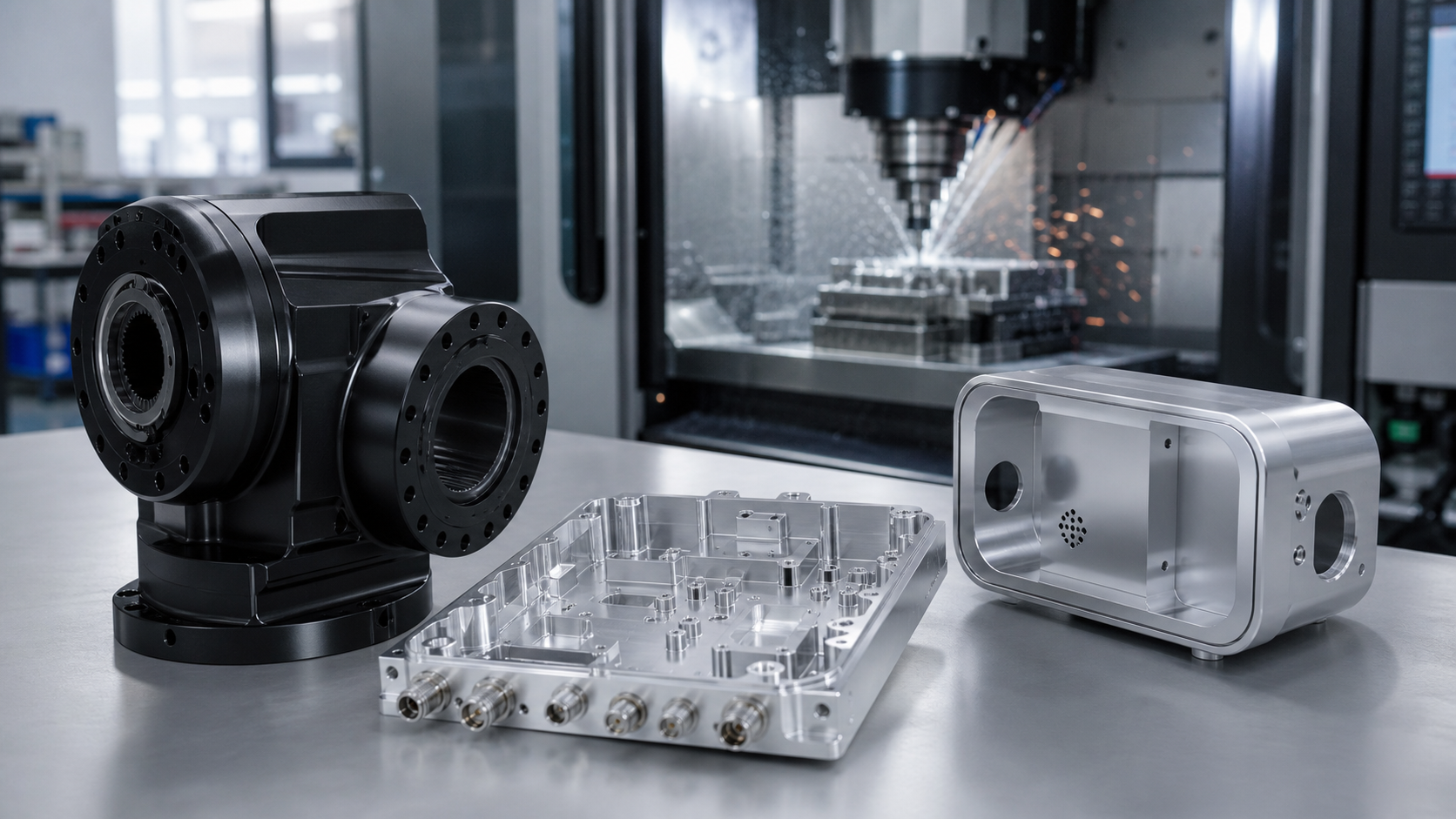
دليل هندسي عملي ل6061-T6 تصنيع الألومنيوم باستخدام الحاسب الآلي, بما في ذلك السلوك المادي, مزاج T6, مقارنات سبائك, معلمات التصنيع, التشطيبات السطحية, عوامل التكلفة, قواعد سوق دبي المالي, وأمثلة المشاريع الحقيقية.
مقدمة
6061-يعد الألومنيوم T6 أحد أكثر المواد المحددة شيوعًا للأجزاء المصنعة بدقة لأنه يوفر توازنًا عمليًا للقوة, مقاومة التآكل, القدرة على الماكينات, التوفر, والتكلفة. يستخدمه المهندسون للأقواس, المساكن, بالوعة الحرارة, تركيبات, المكونات الروبوتية, تجاويف الترددات اللاسلكية, والعديد من تطبيقات تصنيع الألومنيوم باستخدام الحاسب الآلي الأخرى.
ما زال, اختيار 6061-T6 لا يضمن تلقائيًا نتيجة جيدة. سمك الجدار, استراتيجية التسامح, اختيار الأداة, التحكم في درجة الحرارة, بدل أنودة, والهندسة الجزئية كلها تؤثر على جودة التصنيع والتكلفة النهائية. يشرح هذا الدليل كيفية تصرف 6061-T6 أثناء التصنيع باستخدام الحاسب الآلي المخصصة وكيفية التصميم, يقتبس, وفحص الأجزاء المصنوعة منه.
ما يغطيه هذا الدليل
- 6061-خصائص المواد T6: كيميائية, ميكانيكية, الحرارية, والبيانات الكهربائية
- ماذا يعني مزاج T6 ومتى يكون T651 خيارًا أفضل
- 6061-مقارنات T6 مع 7075, 6063, 5052, 304 الفولاذ المقاوم للصدأ, وADC12
- معلمات التصنيع باستخدام الحاسب الآلي, الأدوات, تركيب, ومراقبة التسامح
- التشطيبات السطحية لأجزاء 6061-T6, بما في ذلك الطلاءات المؤكسدة والموصلة
- محركات التكلفة وتأثيرات الحجم في التصنيع باستخدام الحاسب الآلي 6061-T6
- إرشادات سوق دبي المالي للجدران, الثقوب, التسامح, والمعالجة السطحية
- أمثلة المشروع لتحديات التصنيع 6061-T6 الشائعة
- الأسئلة الهندسية الشائعة
خصائص المواد
تأتي قيمة 6061-T6 من مجموعة خصائصها المتوازنة. إنها ليست أقوى سبائك الألومنيوم, ولا أرخص, ولكن يمكن التنبؤ به, متاحة على نطاق واسع, وسهلة الآلة باستمرار.
التركيب الكيميائي
6061 عبارة عن سبيكة Al-Mg-Si قابلة للمعالجة بالحرارة. يترسب المغنيسيوم والسيليكون من Mg2Si أثناء الشيخوخة, وهو المصدر الرئيسي للتقوية. يضيف النحاس القوة, بينما يساعد الكروم على التحكم في نمو الحبوب ويحسن مقاومة التآكل.
| عنصر | دقيقة (%) | الأعلى (%) | دور |
| الألومنيوم (آل) | 95.80 | 98.60 | المعدن الأساسي |
| المغنيسيوم (ملغ) | 0.80 | 1.20 | تقوية أولية (ملغ سي) |
| السيليكون (و) | 0.40 | 0.80 | تقوية أولية (ملغ سي), يحسن السيولة |
| نحاس (النحاس) | 0.15 | 0.40 | يزيد من القوة, يعزز تصلب السن |
| الكروم (كر) | 0.04 | 0.35 | يتحكم في نمو الحبوب, يحسن مقاومة التآكل |
| حديد (الحديد) | — | 0.70 | النجاسة المتبقية |
الخواص الميكانيكية
6061-يوفر T6 عادة 310 قوة الشد MPa و 276 قوة الخضوع MPa. وهذا أقل من العديد من الفولاذ, لكن كثافة السبيكة لا تتجاوز ثلث كثافة الفولاذ, مما يمنحها ميزة قوية من حيث القوة إلى الوزن. معاملها السفلي مهم أيضًا: مقارنة مع الصلب, 6061 تنحرف الأجزاء أكثر تحت نفس الحمل, لذلك يجب التحقق من الصلابة في وقت مبكر من التصميم.
| ملكية | قيمة | وحدة |
| قوة الشد | 310 | MPa |
| قوة العائد (0.2% إزاحة) | 276 | MPa |
| استطالة | 8-12 | % |
| معامل المرونة | 68.9 | المعدل التراكمي |
| صلابة برينل | 95 | غ.ب |
| قوة التعب | 96.5 | MPa |
| كثافة | 2.70 | جم/سم3 |
الخصائص الحرارية والكهربائية
6061-T6 يوصل الحرارة بشكل جيد, مما يساعد على قطع الحرارة خارج واجهة قطعة العمل ويدعم سرعات القطع الأعلى. المقايضة هي التمدد الحراري. أ 10 يمكن أن يؤدي التغير في درجة الحرارة إلى درجة مئوية تقريبًا 0.0236 ملم من حركة الأبعاد على 100 ميزة مم, وهو بالفعل أكبر من العديد من تفاوتات الدقة.
إنه 40-47% IACS يجعل الموصلية الكهربائية 6061 مفيدة للمرفقات الإلكترونية, تجاويف الترددات اللاسلكية, و التصنيع باستخدام الحاسب الآلي بالوعة الحرارة المخصصة التطبيقات. لكن, أنودة يخلق طبقة أكسيد عازلة, لذلك قد تحتاج الأسطح الموصلة إلى إخفاء أو طلاء موصل بدلاً من ذلك.
مقالة المجموعة ذات الصلة: 6061-خصائص الألمنيوم T6: كيميائي, ميكانيكية, والبيانات الحرارية
ماذا يعني T6?
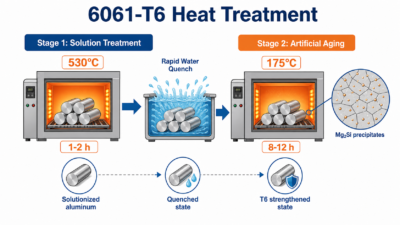
T6 هو تسمية المزاج. ل 6061, هذا يعني أن المادة تمت معالجتها حرارياً وتم تقادمها بشكل مصطنع. هذا هو الشرط الأكثر شيوعًا لآلة CNC 6061 أجزاء لأنه يعطي مستقرة, قوة قابلة للتكرار دون جعل السبائك صعبة التصنيع.
عملية المعالجة الحرارية T6
علاج الحل: يتم تسخين السبائك إلى حوالي 530 أنت ج, تم الاحتفاظ به لفترة كافية لإذابة المغنيسيوم والسيليكون في مصفوفة الألومنيوم, ثم يتم إخماده بسرعة للاحتفاظ بمحلول صلب مفرط التشبع.
الشيخوخة الاصطناعية: يتم إعادة تسخين المادة إلى حوالي 175 درجة مئوية وعقد لعدة ساعات. غرامة Mg2Si يترسب النموذج خلال هذه الخطوة, زيادة القوة والصلابة عن طريق الحد من حركة الخلع.
T6 مقابل أعصاب أخرى
| حِدّة | الشد (MPa) | أَثْمَر (MPa) | استطالة (%) | غ.ب | طلب |
| يا (صلب) | 124 | 55 | 25 | 30 | تشكيل عميق |
| T4 | 241 | 145 | 22 | 65 | الانحناء + ما بعد الشيخوخة |
| T6 | 310 | 276 | 8-12 | 95 | التصنيع باستخدام الحاسب الآلي, الأجزاء الهيكلية |
| T651 | 310 | 276 | 8-12 | 95 | لوحة سميكة / شريط, تخفيف التوتر |
| T5 | 262 | 207 | 12 | 75 | لمحات مقذوف |
يستخدم T6 على نطاق واسع في التصنيع باستخدام الحاسب الآلي لأنه يجمع بين القوة الجيدة, إمكانية التنبؤ بالآلات, خصائص مستقرة, أداء أنودة قوي, وإمدادات السوق الواسعة.
T651 له نفس الخواص الميكانيكية الاسمية مثل T6, ولكنها تتضمن خطوة تمدد لتقليل الضغط المتبقي. للألواح السميكة والأجزاء الطويلة, غالبًا ما يكون T651 هو الخيار الأكثر أمانًا لأنه أقل عرضة للتحرك أثناء التخشين والتشطيب.
مقارنات المواد
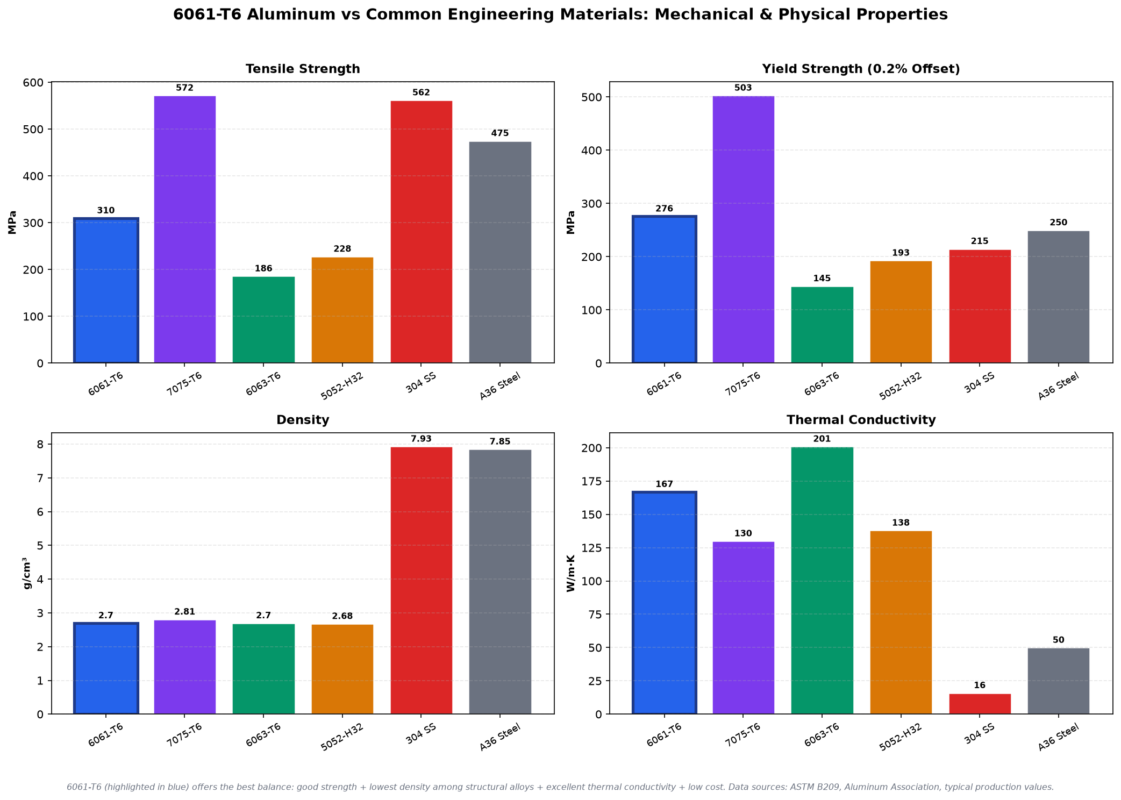
اختيار المواد هو المكان الذي تبدأ فيه العديد من مشكلات التكلفة والأداء. الاختيار الصحيح يعتمد على الحمل, صلابة, التعرض للتآكل, متطلبات التجميل, حجم الإنتاج, وما إذا كان سيتم تشكيل الجزء من اللوحة, حاجِز, قذف, أو الصب.
6061-T6 مقابل 7075-T6
7075-T6 أقوى بكثير من 6061-T6 وغالبًا ما يتم اختياره لتطبيقات الفضاء الجوي والتطبيقات ذات الأحمال العالية. المقايضات هي ارتفاع تكلفة المواد, انخفاض مقاومة التآكل, ضعف قابلية اللحام, والتحكم في الآلات أكثر تطلبا. يستخدم 7075 عندما تكون القوة هي العامل المحدد, ليس فقط لأنه يبدو أكثر تميزًا.
مقالة المجموعة ذات الصلة: 6061-T6 مقابل 7075-T6 الألومنيوم: قوة, يكلف, والقدرة على الآلات
6061-T6 مقابل 6063-T6
6063 هي في الأساس سبيكة قذف. إنه يوفر مظهرًا مؤكسدًا نظيفًا وتكلفة أقل, لكنه أضعف بكثير من 6061. يختار 6063 لمحات مقذوف, الأجزاء الزخرفية, وبعض المشتتات الحرارية; يختار 6061 للمكونات الهيكلية المصنعة باستخدام الحاسب الآلي.
6061-T6 مقابل 5052-H32
5052 عبارة عن سبيكة Al-Mg غير قابلة للمعالجة بالحرارة وتتميز بمقاومة ممتازة للتآكل وقابلية للتشكيل. غالبًا ما يكون أكثر ملاءمة للصفائح المعدنية, أجزاء عازمة, والبيئات البحرية أو الكيميائية, في حين أن 6061-T6 عادة ما يكون أفضل للأجزاء الهيكلية المطحونة.
6061-T6 مقابل 304 الفولاذ المقاوم للصدأ
304 يوفر الفولاذ المقاوم للصدأ مقاومة أقوى للتآكل وأداء أفضل بكثير في درجات الحرارة العالية. كما أنها أكثر كثافة, أكثر تكلفة من حيث الحجم, وأبطأ للآلة. استخدم الفولاذ المقاوم للصدأ عند التآكل, درجة حرارة, أو متطلبات النظافة تبرر التكلفة الإضافية ووقت المعالجة.
6061-T6 مقابل ADC12 ألومنيوم مصبوب
تم تصميم ADC12 لصب القوالب بكميات كبيرة. يمكن أن يخفض تكلفة الوحدة بمجرد أن يكون الحجم مرتفعًا بما يكفي لتبرير الأدوات, لكنه يجلب دقة أقل, المسامية المحتملة, وأداء أنودة فقير. للنماذج الأولية, إنتاج منخفض الحجم, التحمل الصارم, وأنودة نظيفة, تشكيله باستخدام الحاسب الآلي 6061 هو عادة المسار الأكثر مرونة.
مقالة المجموعة ذات الصلة: 6061-T6 مقابل ADC12 ألومنيوم مصبوب: التصنيع باستخدام الحاسب الآلي مقابل يموت الصب
التصنيع باستخدام الحاسب الآلي 6061-T6: أدوات, سرعات, والأعلاف
6061-T6 متسامح مقارنة بالعديد من المعادن الهندسية, لكنها لا تزال بحاجة إلى أدوات حادة, إخلاء جيد للرقاقة, تثبيت مستقر, والوعي بدرجة الحرارة. المشاكل الأكثر شيوعًا هي الحافة المبنية, حركة الجدران الرقيقة, نتوءات, والانجراف الأبعاد على ميزات الدقة.
اختيار الأداة
| مادة الأداة | طلب | يكلف |
| كربيد غير مطلي | التخشين العام/التشطيب | واسطة |
| كربيد مطلي بالماس (محتوى قابل للتنزيل) | تشطيب عالي السرعة | عالي |
| PCD (الماس متعدد البلورات) | حجم كبير, عالية الدقة | عالية جدا |
| الأحرار | الصنابير, موسعات الثقب, حجم منخفض | قليل |
للعامة الطحن باستخدام الحاسب الآلي, مطاحن نهاية كربيد غير مصقولة مع اثنين أو ثلاثة مزامير, زاوية حلزونية عالية, وتعتبر المريء الكبيرة نقطة انطلاق موثوقة. يمكن للأدوات المطلية بالماس أن تساعد في التشطيب عالي السرعة أو فترات الإنتاج الطويلة. مهما كان الطلاء, يجب أن تظل حافة القطع حادة; الأدوات الباهتة تشوه الألومنيوم وتزيد من الحافة المبنية.
معلمات القطع لأدوات الكربيد
| عملية | سرعة القطع (م/دقيقة) | تغذية لكل سن (مم/ض) | وثيقة (مم) |
| التخشين (مطحنة جانبية) | 300-500 | 0.05-0.15 | 0.5-1.0×د |
| التخشين (مطحنة الوجه) | 400-600 | 0.10-0.20 | 1-3 |
| نصف تشطيب | 500-800 | 0.03-0.08 | 0.3-0.5 |
| التشطيب | 600-1000+ | 0.02-0.05 | 0.1-0.3 |
| حفر (5-10مم) | 150-300 | 0.10-0.20مم/دورة | — |
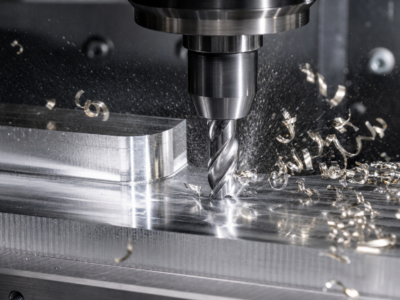
القاعدة العملية بسيطة: استخدم ما يكفي من سرعة المغزل والأعلاف للحفاظ على حركة الرقائق. عندما يكون عدد دورات الآلة في الدقيقة محدودًا, لا تعوض عن طريق فرك تغذية منخفضة للغاية. معدل تغذية مستقر, تحميل الشريحة الصحيحة, وعادة ما تكون استراتيجية التبريد الفعالة أكثر أهمية من مطاردة رقم السرعة النظري.
التثبيت ومكافحة التشوه
لأن 6061 لديه معامل أقل من الفولاذ, يمكن أن تنثني الجدران الرقيقة تحت قوى التثبيت والقطع. استخدم ضغط لقط معتدل, فكي ناعمة, فراغ العمل عند الاقتضاء, وفصل التخشين عن التشطيب. للأجزاء الرقيقة أو ذات القيمة العالية, اترك المخزون لتمرير الضوء النهائي بعد استرخاء الجزء.
تحقيق التسامح الصارم
6061-يمكن لـ T6 أن يحمل تفاوتات الدقة, لكن التحكم في درجة الحرارة غالبًا ما يكون هو العامل الحاسم. للأبعاد الحرجة, السماح للمخزون والآلة بالوصول إلى التوازن الحراري, الانتهاء في بيئة تسيطر عليها, والتحقق من الميزات مع المناسبة خدمات التفتيش باستخدام الحاسب الآلي بدلاً من الاعتماد فقط على إزاحات الآلة.
مقالة المجموعة ذات الصلة: 6061-معلمات التصنيع باستخدام الحاسب الآلي T6: سرعات, يغذي, الأدوات, والتسامح
التشطيبات السطحية لأجزاء 6061-T6
6061-يستجيب T6 جيدًا للكثيرين التشطيب السطحي العمليات. النهاية الصحيحة تعتمد على المظهر, مقاومة التآكل, الموصلية, يرتدي, متطلبات اخفاء, وبدل الأبعاد.
أنودة
تشكل الأنودة طبقة أكسيد الألومنيوم الخاضعة للرقابة والتي تعمل على تحسين مقاومة التآكل وصلابة السطح مع السماح بصبغ الألوان. أنودة الكبريتيك من النوع الثاني هي اللمسة النهائية القياسية للعديد من الآلات 6061 أجزاء; يتم استخدام الأنودة الصلبة من النوع الثالث عندما تكون مقاومة التآكل أكثر أهمية من سطوع اللون.
| يكتب | فيلم (ميكرومتر) | صلابة (الجهد العالي) | لون | يكلف |
| النوع الأول (كروميك) | 2-7 | 200-400 | شفاف/رمادي | واسطة |
| النوع الثاني (الكبريتيك) | 5-25 | 300-500 | قابل للصبغ جميع الألوان | قليل |
| النوع الثالث (صعب) | 25-100 | 400-800 | رمادي/أسود | عالي |
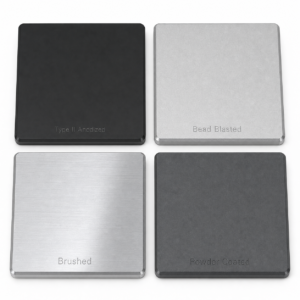
من الأخطاء الشائعة في التصميم تجاهل تراكم الأنودة. كقاعدة عامة, حوالي نصف سمك الفيلم ينمو إلى الخارج. أ 10 فيلم ميكرومتر يمكن أن يضيف حوالي 5 ميكرومتر لكل سطح, الذي يهم على المملون, فتحات, المواضيع, والتجمعات القريبة.
مقالة المجموعة ذات الصلة: 6061-T6 Anodizing: أنواع, الألوان, سماكة, ودليل العملية
التشطيبات السطحية الأخرى
| ينهي | مظهر | تآكل | يكلف | طلب |
| تفجير الخرزة | ماتي موحدة | عدل (قاعدة فقط) | قليل | أنودة مسبقة, مظهر غير لامع |
| تنظيف الأسنان بالفرشاة | الملمس الخطي | عدل | واسطة | الالكترونيات الاستهلاكية المتميزة |
| تحويل الكرومات | عديم اللون/أصفر | جيد | قليل | الحماية من التآكل الموصلي, الطلاء التمهيدي |
| طلاء مسحوق | ألوان/أنسجة مختلفة | ممتاز | واسطة | العبوات, المعدات في الهواء الطلق |
| الرسم السائل | تأثيرات مختلفة | جيد | منخفض-متوسط | أجزاء المظهر, ديكور |
يدعم JADE-CNC التنسيق من التصنيع إلى النهاية, بما في ذلك أنودة, تفجير حبة, تنظيف الأسنان بالفرشاة, وعمليات طلاء الشريك. النقطة المهمة ليست فقط ما إذا كانت النهاية متاحة أم لا, ولكن ما إذا كان اخفاء, بدل التسامح, تناسق اللون, ويتم التخطيط للتفتيش قبل بدء التشغيل الآلي.
تكلفة التصنيع باستخدام الحاسب الآلي 6061-T6
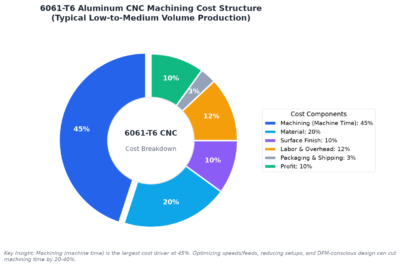
يتم تحديد تكلفة الجزء 6061-T6 بشكل أقل من خلال اسم السبيكة وأكثر من خلال الهندسة, وقت الدورة, متطلبات التسامح, عدد الإعداد, الانتهاء من السطح, مستوى التفتيش, وحجم الإنتاج. سعر المواد يهم, لكن وقت التصنيع عادة ما يكون هو المحرك الأكبر للتكلفة.
هيكل التكلفة
| عنصر التكلفة | نسبة مئوية |
| مادة | 10-30% |
| بالقطع (وقت الآلة) | 40-60% |
| الانتهاء من السطح | 5-20% |
| العمل/النفقات العامة | 10-20% |
| التعبئة والتغليف/الشحن | 2-5% |
| ربح | 10-20% |
سعر المواد الإرشادية
الأرقام الواردة أدناه هي نطاقات السوق الإرشادية اعتبارًا من أغسطس 2026. يجب أن يتم التعامل معها كسياق اقتباس, عدم تحديد أسعار الشراء. التكلفة النهائية تعتمد على المنطقة, مزود, شكل المخزون, سماكة, احتياجات الشهادة, وحجم الطلب.
| استمارة | مواصفة | سعر (دولار أمريكي/كجم) |
| 6061-لوحة T6 | 1-10مم | 3.7-6.0 |
| 6061-لوحة T6 | 10-50مم | 3.3-5.2 |
| 6061-لوحة سميكة T651 | >25مم | 4.5-7.5 |
| 6061-T6 Bar | 10-150مم | 3.0-5.2 |
اتجاه أسعار الألومنيوم
| سنة | متوسط | يتراوح | سنويا |
| 2024 | $2,970 | $2,806-3,164 | — |
| 2025 | $3,257 | $3,015-3,552 | +9.7% |
| 2026 (تنبؤ بالمناخ) | $3,507-3,657 | $3,343-3,761 | +7.7-12.3% |
التكلفة حسب الحجم
| مقدار | سعر الوحدة | مهلة |
| النموذج الأولي (1-5) | 3-5× خط الأساس | 3-7 أيام |
| قليل (10-50) | 1.5-2× خط الأساس | 7-12 أيام |
| واسطة (100-500) | 1.0-1.3× خط الأساس | 12-20 أيام |
| عالي (1000+) | 0.7-1.0× خط الأساس | 20-40 أيام |
عادة ما يحدث أكبر انخفاض في سعر الوحدة بين النموذج الأولي دفعة واحدة والدفعة الصغيرة. بعد تقريبًا 100 قِطَع, تستمر المدخرات ولكن المنحنى يتسطح. لكميات عالية جدا, قد يصبح البثق أو الصب أكثر اقتصادا, لكن هذه العمليات تتطلب أدوات وتجلب قيودًا مختلفة على التسامح والإنهاء.
ل التصنيع باستخدام الحاسب الآلي ذات الحجم المنخفض, يركز JADE-CNC على استقرار العملية, ردود فعل سوق دبي المالي, والتحكم في الاتساق من دفعة إلى دفعة بدلاً من مجرد عرض أقل سعر للقطعة الواحدة.
إرشادات سوق دبي المالي لأجزاء 6061-T6
إن سوق دبي المالي الجيد هو أسرع طريقة لخفض التكلفة وتجنب مفاجآت التصنيع. الهدف ليس جعل كل ميزة فضفاضة; إنه الاحتفاظ بتفاوتات صارمة وهندسة صعبة للميزات التي تؤثر فعليًا على الوظيفة.
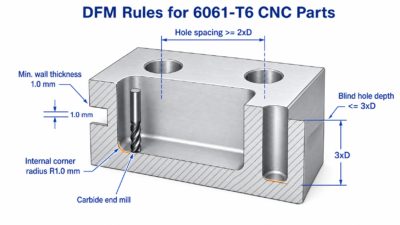
سمك الجدار
- الحد الأدنى: 0.5 مم للجدران القصيرة مع تركيبات خاصة
- مُستَحسَن: 1.0 مم أو أكثر سمكًا لمعظم الجدران المُشكَّلة
- الجدران العالية أعلاه 20 مم: استخدم على الأقل 1.5 سمك مم أو إضافة الأضلاع
الثقوب والخيوط
- الحد الأدنى لقطر الثقب: 0.5 مم, مع 1.0 ملم أو أكبر المفضل
- عمق الثقب الأعمى: احتفظ بقطر أقل من 3x عندما يكون ذلك ممكنًا
- الحد الأدنى للخيط: M1.6 ممكن, يفضل M3 أو أكبر
- عمق الخيط الفعال: عادة لا يزيد القطر الاسمي عن 2.5x
- اضغط على تقدير الحفر: القطر الاسمي ناقص 1.0825x الملعب
زوايا وشرائح
- نصف قطر الزاوية الداخلية: 0.5 مم الحد الأدنى, 1.0 مم يفضل
- يجب أن يتطابق نصف القطر الداخلي مع أحجام الأدوات المتاحة; تجنب تحديد زوايا داخلية حادة
- قم بكسر الحواف الخارجية الحادة باستخدام حواف C0.2-C0.5 أو شرائح R0.2-R0.5
التسامح
- التسامح العام: +/-0.1 مم للميزات غير الحرجة
- التسامح الدقة: +/-0.02-0.05 مم حيث تتطلب الوظيفة ذلك
- دقة عالية: +/-0.005-0.01 مم فقط مع التحكم في العمليات الخاصة
- تطبيق التفاوتات الصارمة فقط على التزاوج, ختم, تنسيق, أو الأبعاد الوظيفية
تصميم المعالجة السطحية
- يسمح بتراكم الأنودة على أسطح التزاوج الدقيقة
- قناع الأسطح الموصلة عندما يكون الاتصال الكهربائي مطلوبًا
- قم بإخفاء أو مطاردة الثقوب الملولبة عندما يؤثر سمك الطلاء على التجميع
مقالة المجموعة ذات الصلة: 6061-إرشادات سوق دبي المالي T6: تصميم قائمة مرجعية للتصنيع ونصائح
أمثلة المشروع
الأمثلة أدناه توضح كيفية السلوك المادي, تركيب, التشطيب, والتفتيش معًا في مشاريع 6061-T6 الفعلية.
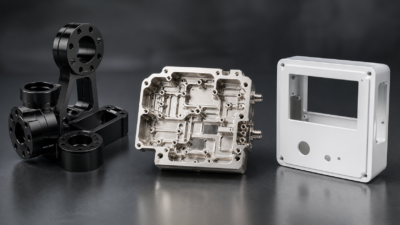
أمثلة المشروع
قضية 1: مجموعة المكونات الهيكلية الروبوتية
- نِطَاق: الجزء العلوي من الذراع, الساعد, الشفاه المشتركة, لوحة المؤثر النهائي, وتركيبات المحرك
- مادة: 6061-T6/T651
- المتطلبات الحاسمة: +/-0.02 ثقوب مشتركة مم و +/-0.01 مم نفاذ الوجه
- ينهي: تفجير حبة بالإضافة إلى أنودة سوداء
- استراتيجية العملية: 5-تخطيط إعداد المحور, الفصل الخام / النهائي, تخفيف التوتر, وأنودة دفعة موحدة
- نتيجة: 12-تسليم اليوم مع التفاوتات التي تم الوفاء بها, التحكم في تناسق الألوان, ومرت التجميع المسبق
قضية 2: تجويف الاتصالات الترددات اللاسلكية
- جزء: 5تجويف مرشح G, 120 س 80 س 30 مم
- مادة: 6061-T6 مخزون صلب لتجنب مسامية الصب
- المتطلبات الحاسمة: تجويف +/-0.02 مم والتسطيح 0.01 مم
- ينهي: نيكل غير كهربائي داخليًا وأنودة طبيعية خارجيًا
- تحدي: تسلسل الإخفاء والمعالجة السطحية لأداء الترددات اللاسلكية
- نتيجة: التسطيح 0.008 مم, رع الداخلي 0.6, مرت ضيق الغاز, واجتمع أداء الترددات اللاسلكية
قضية 3: الضميمة الأجهزة الطبية وقوس
- نِطَاق: العلبة العلوية/السفلية, قوس داخلي, وشاشة العرض
- مادة: الطبية الصف 6061-T6
- ينهي: أنودة بيضاء على العبوات وأكسيد رمادي داكن على الحافة
- تحدي: جدران رقيقة, الاتساق التجميلي, و 0.1 فجوة قذيفة مم
- نتيجة: 10-تسليم اليوم, لا توجد عيوب نهائية مرئية, 0.1 +/-0.015 فجوة مم, وتم التفتيش
خاتمة
6061-يظل T6 هو الاختيار الافتراضي للألمنيوم للعديد من الأجزاء المصنعة بدقة لأنه قوي بما يكفي للعديد من التطبيقات, من السهل المصدر, فعالة للآلة, ومتوافقة مع التشطيبات المشتركة. إنها ليست دائمًا أفضل المواد, رغم ذلك. يستخدم 7075 عندما تكون القوة القصوى ضرورية, 6063 لمحات مقذوف, 5052 لأجزاء الألواح المقاومة للتآكل المشكلة, 304 الفولاذ المقاوم للصدأ للتآكل الشديد أو الحرارة, و ADC12 عندما يبرر حجم الصب القالب الأدوات.
يعتمد مشروع 6061-T6 الناجح عادةً على الأدوات الحادة, تحميل الشريحة الصحيحة, تثبيت مستقر, التحكم في درجة الحرارة, التسامح واقعية, وتخطيط السطح النهائي. عندما يتم اتخاذ تلك القرارات في وقت مبكر, 6061-يمكن لـ T6 تقديم أداء قوي بتكلفة معقولة.
قدرات JADE-CNC 6061-T6
- 6061-تتوفر ألواح وقضبان T6/T651 للنماذج الأولية وإنتاج الدفعات
- 3-محور, 4-محور, ومراكز تصنيع ذات 5 محاور بالإضافة إلى مخارط CNC
- أنودة, تفجير حبة, تنظيف الأسنان بالفرشاة, وشركاء الطلاء المنسقين
- فحص CMM و ISO 9001:2015 إدارة الجودة
- النموذج الأولي, حجم منخفض, ودعم الإنتاج المتوسط الحجم
- تحليل سوق دبي المالي, توصيات العملية, ودعم اختيار المواد
لمراجعة مشروع 6061-T6, أرسل نموذجك ثلاثي الأبعاد ورسوماتك ثنائية الأبعاد إلى JADE-CNC و طلب عرض أسعار التصنيع باستخدام الحاسب الآلي. لمعظم المشاريع, يمكن للفريق مراجعة قابلية التصنيع, اختيار المواد, الانتهاء من السطح, ومتطلبات التفتيش قبل بدء الإنتاج.
الأسئلة المتداولة
هل 6061-T6 جيد لتصنيع الآلات باستخدام الحاسب الآلي?
نعم. 6061-آلات T6 نظيفة بأدوات حادة, يدعم سرعات القطع العالية, ويمكن أن تنتج تشطيبات سطحية جيدة مع تآكل منخفض للأداة.
ما هو الفرق بين 6061 و6061-T6?
6061 هو الصف سبيكة. T6 هو المزاج, مما يعني أن المادة تمت معالجتها حرارياً وتم تقادمها بشكل مصطنع. للأجزاء الآلية, 6061 بدون مزيد من التفاصيل يشير عادةً إلى مخزون 6061-T6 أو 6061-T651.
يمكن أن يكون بأكسيد 6061-T6?
نعم. 6061-T6 هي واحدة من سبائك الألومنيوم الأكثر موثوقية للأكسدة من النوع الثاني ويمكن أيضًا أن تكون مؤكسدة بشدة عندما تكون مقاومة التآكل مهمة.
هل 6061-T6 أقوى من 7075-T6?
لا. 7075-T6 أقوى بكثير, ولكنها أيضًا أكثر تكلفة وأقل مقاومة للتآكل. 6061-غالبًا ما يكون T6 هو الخيار الأفضل عندما يكون الأداء المتوازن والتكلفة أكثر أهمية من القوة القصوى.
ما هي التفاوتات التي يمكن أن يحملها 6061-T6?
غالبًا ما تكون التفاوتات الآلية العامة موجودة +/-0.05 ل +/-0.1 مم. يمكن الوصول إلى ميزات الدقة +/-0.02 مم أو أكثر إحكاما مع الآلات المناسبة, تركيب, التحكم في درجة الحرارة, والتفتيش.
كم تكلفة 6061-T6?
تتغير تكلفة المواد مع ظروف السوق, شكل المخزون, شهادة, والحجم. في العديد من الأجزاء الآلية, يعد وقت الماكينة والإعداد من العوامل الدافعة للتكلفة أكبر من المواد الخام وحدها.
هل يجب أن أختار التصنيع باستخدام الحاسب الآلي 6061-T6 أو الصب بالقالب ADC12?
اختر آلة CNC 6061 للنماذج الأولية, حجم منخفض إلى متوسط, التحمل الصارم, أنودة, وسلامة المواد الصلبة. اختر قالب ADC12 المصبوب للأشكال المعقدة ذات الحجم الكبير عندما تكون تكلفة الأدوات مبررة.
ما هو الحد الأدنى لسمك الجدار العملي لأجزاء 6061-T6?
أ 0.5 قد يكون الجدار مم ممكنًا للميزات القصيرة ذات التركيبات الخاصة, لكن 1.0 يعد ملم أو أكثر سمكًا هدف تصميم أكثر أمانًا لمعظم الأجزاء المصنعة باستخدام الحاسب الآلي.
مقالات ذات صلة بـ 6061-T6
- 6061-T6 الألومنيوم التصنيع باستخدام الحاسب الآلي الدليل الكامل
- 6061-T6 مقابل 7075-T6 الألومنيوم: قوة, يكلف & القدرة على التصنيع
- 6061-أنودة الألومنيوم T6: أنواع, الألوان, سماكة & قواعد التصميم
- 6061-معلمات التصنيع باستخدام الحاسب الآلي T6: سرعات, يغذي, الأدوات & التحكم في العمليات
- 6061-T6 مقابل ADC12 الألومنيوم: التصنيع باستخدام الحاسب الآلي أو يموت الصب?
- 6061-T6 التصنيع باستخدام الحاسب الآلي المبادئ التوجيهية لسوق دبي المالي: قواعد التصميم & قائمة التحقق
- 6061-خصائص الألمنيوم T6: ميكانيكية, الحرارية & البيانات الكيميائية
يعتمد هذا الدليل على بيانات المواد المنشورة, معلومات السوق العامة, والخبرة العملية في الآلات. مراجع الأسعار إرشادية اعتبارًا من أغسطس 2026 ويجب تأكيده أثناء اقتباس المشروع.

ليو ليانغ, أفضل شريك مؤسس مع R&د
JADE-CNC مؤسس LEO, الذي يجلب أكثر من عقدين من الخبرة في الصناعة, بدأ ليو حياته المهنية كمتدرب ومارس مهاراته في معالجة الأسطح والتصنيع باستخدام الحاسب الآلي.