



Mikroobróbka precyzyjnych małych części
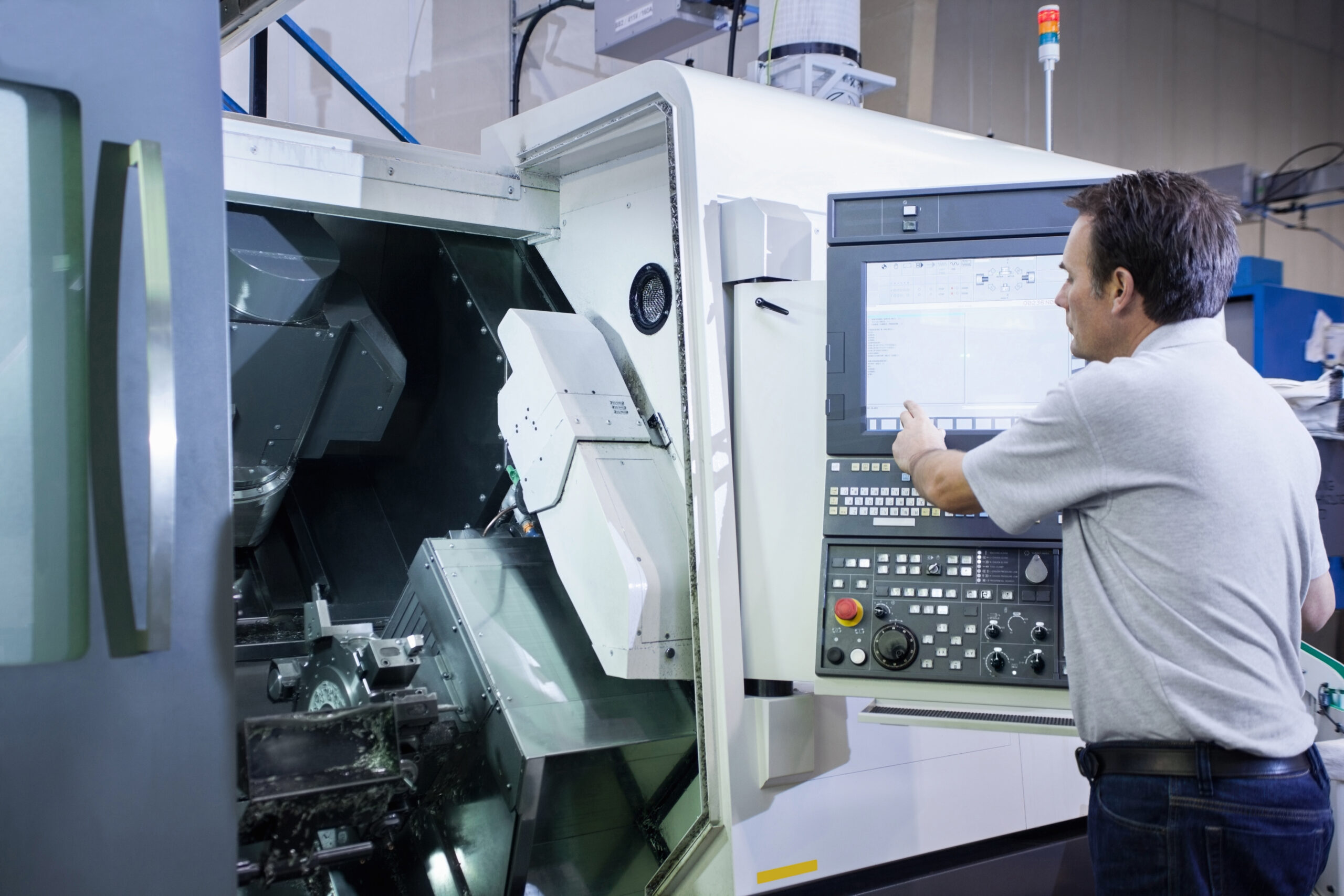
JADE-CNC zapewnia mikroobróbkę miniaturowych elementów metalowych i plastikowych, które wymagają precyzyjnych funkcji, małe dziury, cienkie ściany, obróbka o wąskich tolerancjach, kontrola zadziorów, i praktyczne planowanie inspekcji. Nasza precyzyjna mikroobróbka i mikroobróbka CNC obsługują komponenty poddane mikroobróbce, części mikro CNC, małe, precyzyjne elementy, i inne komponenty o wysokiej precyzji na podstawie rysunków klienta.
- Przegląd tolerancji oparty na rysunkach
- Opcje wykończenia powierzchni
- Szybka koordynacja dostaw
- Metale i tworzywa sztuczne sprawdzone przez rysunek
Usługa precyzyjnej mikroobróbki JADE-CNC
Do miniaturowych części precyzyjnych i małych projektów związanych z obróbką precyzyjną, nasz zespół recenzuje rysunki, materialne zachowanie, głębokość cechy, dostęp do narzędzi, wykończenie powierzchni, i metody pomiaru przed zatwierdzeniem procesu. Ta miniaturowa usługa obróbki jest stosowana w przypadku mikroczęści medycznych, mikroelementy elektroniczne, precyzyjne małe części, i projekty, które wymagają niezawodnego producenta mikroelementów.
Orzecznictwo
- ISO 9001:2015 atestowany
Standardy przemysłowe
- Zespoły robotyczne
- Zgodny z wymogami przemysłowymi
- Wsparcie kontroli wymiarowej
- Przegląd inżynieryjny
Mikroobróbka drobnych elementów i małych części
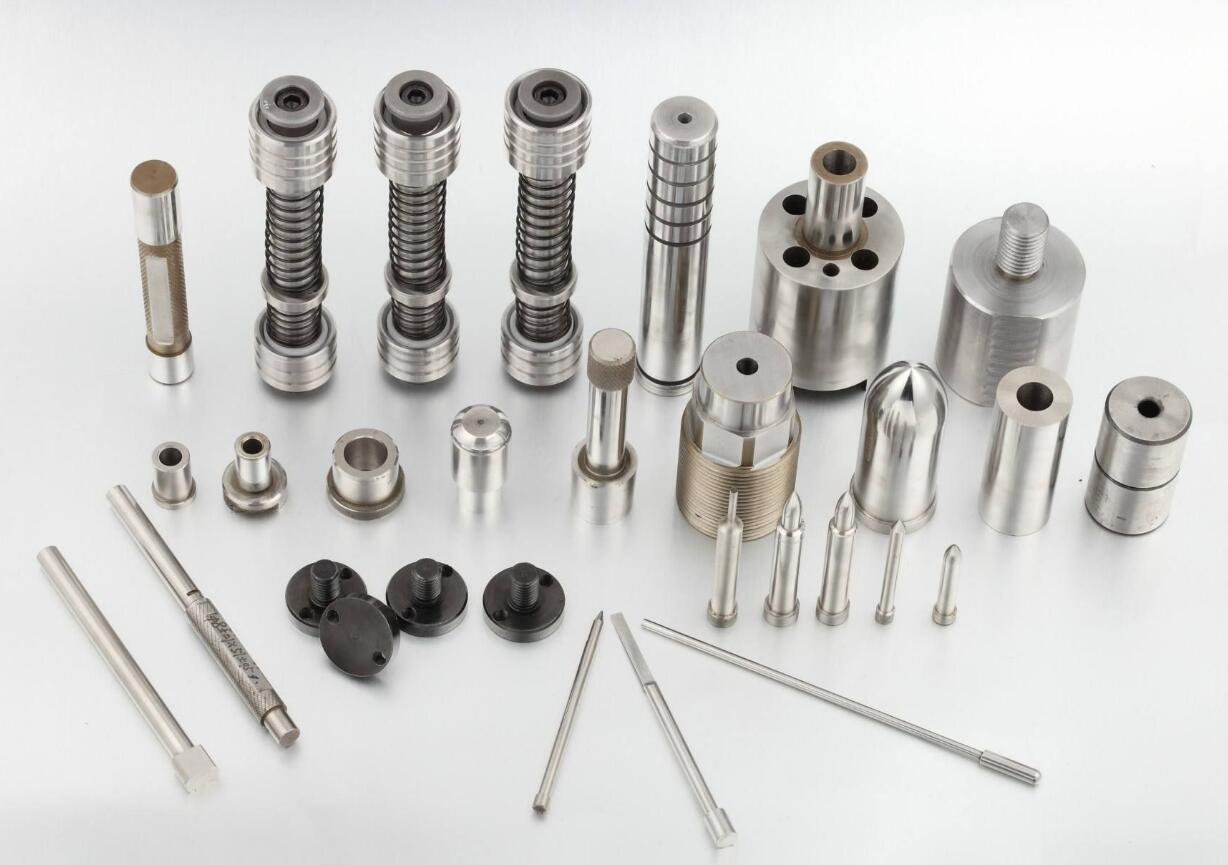
Mikroobróbka jest używany do małych części CNC, miniaturowe komponenty, drobne dziury, cienkie ściany, szczeliny, małe kieszenie, szczegółowe profile, oraz funkcje wymagające ostrożnego dostępu do narzędzia i kontroli zadziorów.
Przed cytatem, JADE-CNC przegląda rysunek, tworzywo, rozmiar funkcji, głębokość, grubość ścianki, wykończenie powierzchni, i metodę kontroli, tak aby trasa obróbki odpowiadała rzeczywistym wymaganiom części.
Charakterystyka mikroobróbki
|
Skala |
Świetne funkcje, małe dziury, cienkie ściany, i kompaktowych części, w przypadku których należy dokładnie zaplanować dostęp do narzędzi i metodę kontroli. |
|---|---|
|
Tolerancje |
Potwierdzone rysunkiem, tworzywo, geometrię cech, strategia spotkań, i sposób kontroli. |
|
Obróbka |
Podczas obróbki geometrii wykorzystuje narzędzia o małej średnicy i metody związane z EDM, tworzywo, i dostęp do funkcji ich wymagają. |
|
Wymagania dotyczące maszyny |
Wymaga stabilnego mocowania, kontrolowane bicie narzędzia, odpowiednią strategię cięcia, i planowanie inspekcji obiektów miniaturowych. |
|
Koncentracja na procesie |
Uzyskuje geometrię w mikroskali bezpośrednio poprzez usuwanie materiału (odejmowanie), w przeciwieństwie do litografii półprzewodnikowej (oparte na wzorach). |
Jakie recenzje JADE-CNC przed obróbką mikro

Rozmiar funkcji
Małe dziury, szczeliny, rowki, cienkie ściany, i dokładne profile są sprawdzane pod kątem dostępu do narzędzi, głębokość, i możliwość przeprowadzenia inspekcji.
Materialne zachowanie
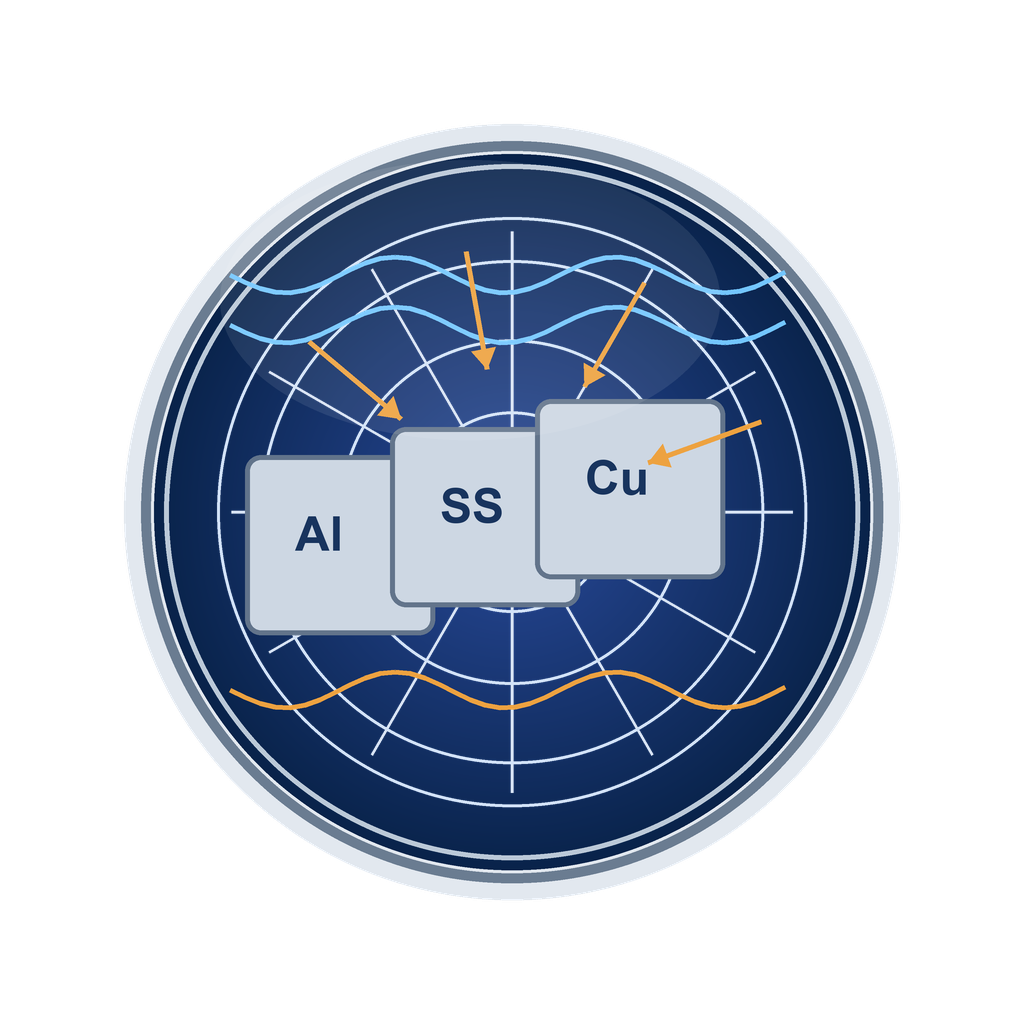
Aluminium, stal nierdzewna, miedź, mosiądz, tytan, i konstrukcyjne tworzywa sztuczne są sprawdzane pod kątem ryzyka zadziorów, odkształcenie, i zakończyć potrzeby.
Dostęp do narzędzi
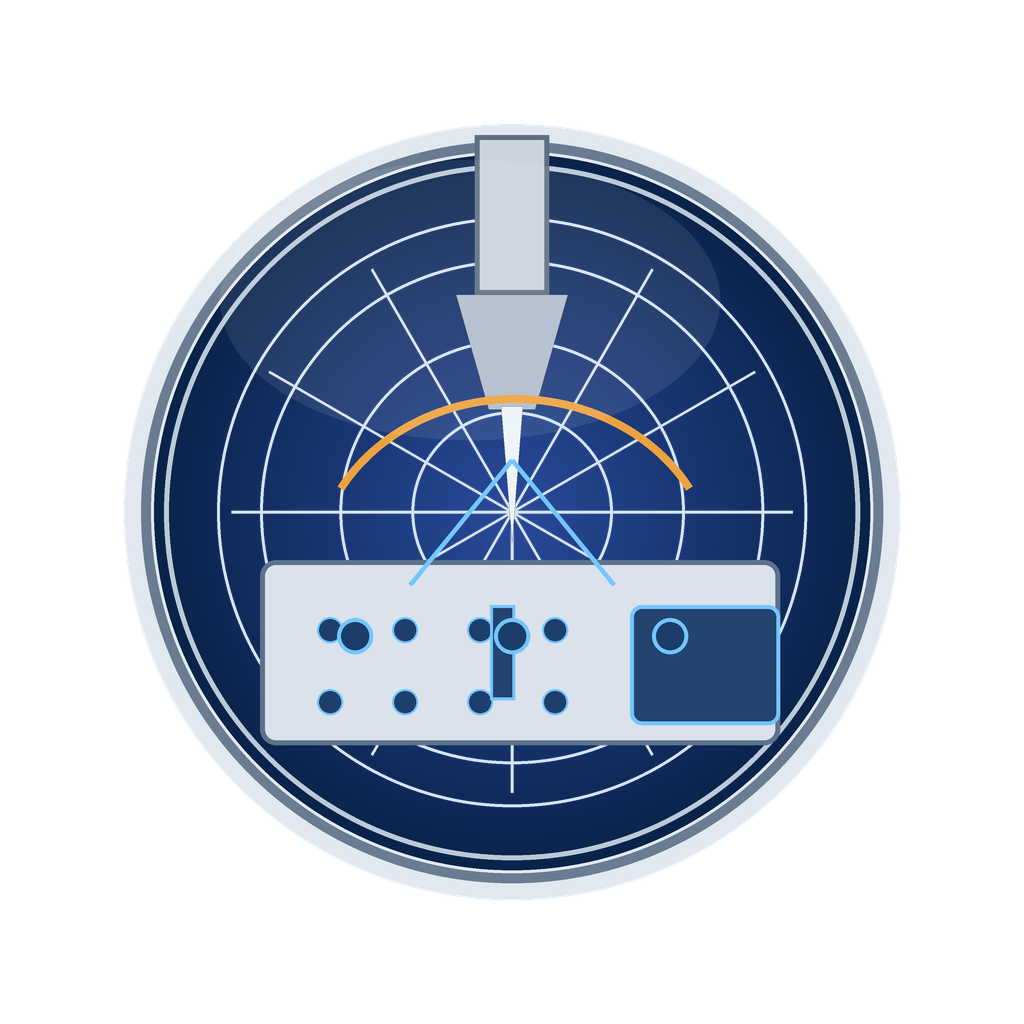
Małe narzędzia, głębokie rysy, promienie narożników, i ograniczenia zasięgu są sprawdzane przed zatwierdzeniem metody obróbki.
Kontrola zadziorów i krawędzi
Krawędzie, dziury, wątki, szczeliny, i kosmetyczne twarze są sprawdzane pod kątem usuwania zadziorów, czyszczenie, i wymagania dotyczące wykończenia powierzchni.
Metoda inspekcji
Wymiary krytyczne mogą wymagać przeglądu pod mikroskopem, mierniki, CMM sprawdza, kontrola wizualna, lub protokoły pomiarowe określone przez klienta.
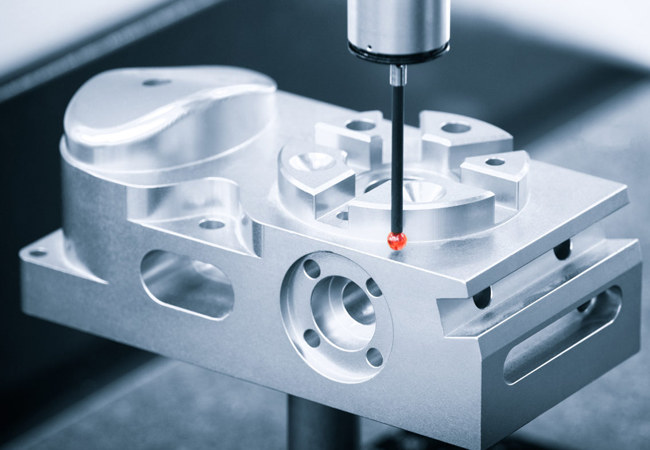
Mikrofrezowanie
Mikrofrezowanie wykorzystuje małe obrotowe narzędzia skrawające do obróbki drobnych elementów, małe kieszenie, szczeliny, dziury, i szczegółowe powierzchnie w miniaturowych komponentach.
JADE-CNC przegląda mikrofrezowane części według materiału, głębokość cechy, grubość ścianki, dostęp do narzędzi, wymagania dotyczące kontroli zadziorów, wykończenie powierzchni, i metodę kontroli przed potwierdzeniem trasy obróbki i tolerancji.
Kluczowe funkcje
Mikrofrezowanie vs. Frezowanie konwencjonalne
|
Aspekt |
Frezowanie konwencjonalne |
Mikrofrezowanie |
|---|---|---|
|
Średnica narzędzia |
> 1 mm |
Narzędzia o małej średnicy wybrane według rozmiaru elementu, tworzywo, głębokość, i dostęp. |
|
Tolerancje |
± 0.01 mm (10 µm) lub więcej |
Przegląd tolerancji specyficzny dla projektu na podstawie rysunku i metody kontroli. |
|
Sztywność maszyny & Wrzeciono |
Standardowa sztywność, Obroty w 1000s |
Stabilne wrzeciono, osprzęt, bicie narzędzia, i strategia cięcia są ważne dla drobnych elementów. |
|
Tworzenie się chipów |
Wióry ciągłe lub segmentowe |
Przypominający kurz, rozdrobnione chipy; odprowadzanie wiórów jest poważnym wyzwaniem |
|
Dominująca siła |
Siła cięcia |
Ugięcie narzędzia, wyczerpanie, i wibracje stać się głównymi czynnikami ograniczającymi |
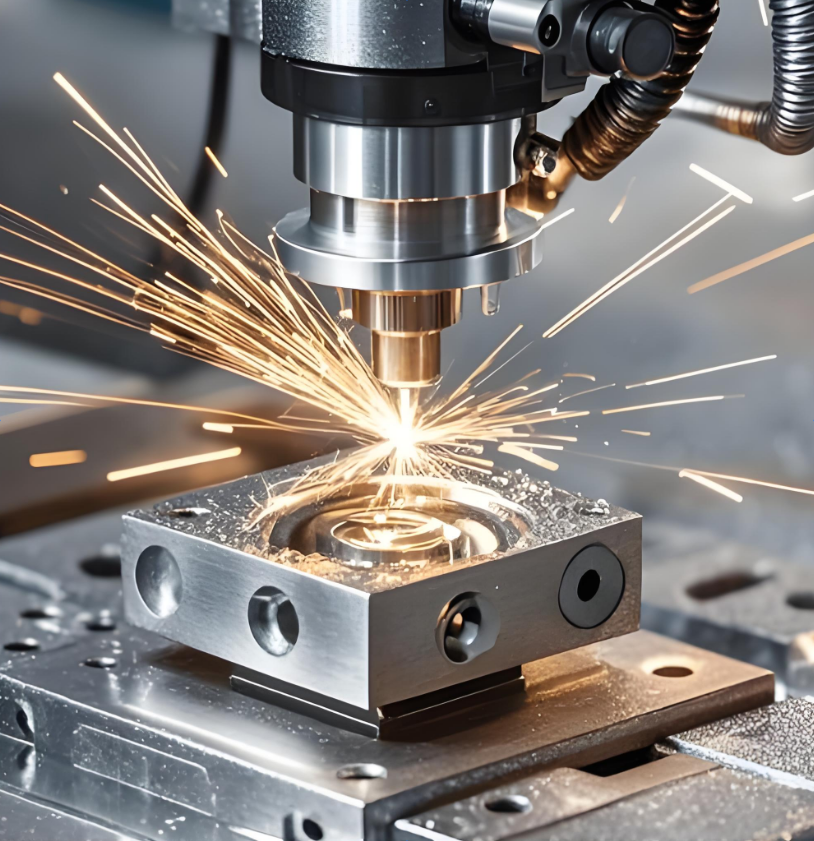
MikroEDM
Micro EDM stosuje się, gdy materiały przewodzące wymagają drobnych szczelin, małe dziury, cienkie profile, lub szczegółowe elementy, które są trudne do obróbki za pomocą narzędzi skrawających. Ostateczna wykonalność zależy od przewodności materiału, rozmiar funkcji, głębokość, wymóg tolerancji, stan powierzchni, i sposób kontroli.
JADE-CNC przegląda wymagania Micro EDM poprzez rysunek przed potwierdzeniem, czy EDM, mikrofrezowanie, wiercenie, lub inna trasa obróbki jest bardziej odpowiednia.
Zalety w Micro EDM
- Twardość nie ma znaczenia.
- Brak naprężeń mechanicznych/ugięć narzędzia
- Ekstremalne współczynniki proporcji
- Tolerancje wewnątrz ± 1 µm
Główne typy Micro EDM
|
Typ |
Opis procesu |
Podstawowe zastosowania |
|---|---|---|
|
Mikrodrut EDM |
Wykorzystuje cienki drut elektrodowy do cięcia małych profili 2D i szczegółowych kształtów w materiałach przewodzących, gdy odpowiednia jest elektroerozja. |
Małe profile, płaskie elementy przewodzące, szczeliny, koła zębate, oprawy, i szczegółowe elementy metalowe, jeśli są określone. |
|
Mikrowiercenie EDM (lub Dziurkowanie) |
Wykorzystuje cienką elektrodę do tworzenia małych otworów w materiałach przewodzących, gdy rysunek wymaga wiercenia EDM. |
Małe dziury, otwory rozrusznika, funkcje wentylacji, precyzyjne otwory, oraz mikroczęści przewodzące, jeśli określono to na rysunku. |
|
Mikroobróbka wgłębna EDM |
Wykorzystuje ukształtowaną elektrodę do obróbki małych wnęk, tajniki, lub szczegółowe właściwości przewodzące; należy sprawdzić zużycie elektrody i geometrię elementu. |
Małe ubytki, tajniki, funkcje związane z teksturami, oraz szczegółową geometrię części przewodzącej po potwierdzeniu wymagań projektu. |
Przegląd możliwości mikroobróbki JADE-CNC
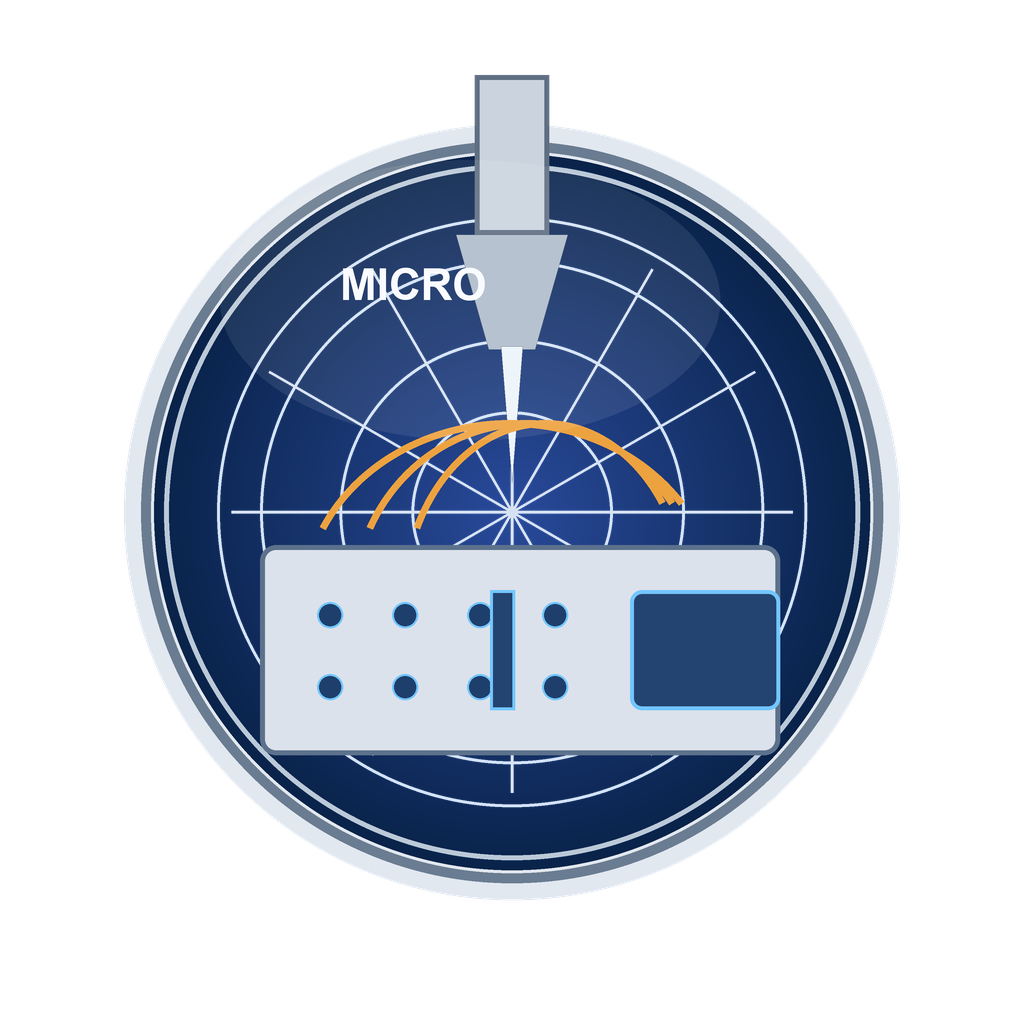
Mikrofrezowanie
Używany do drobnych kieszeni, małe szczeliny, profile kompaktowe, cienkie ściany, i szczegółowe powierzchnie, gdy odpowiedni jest dostęp do narzędzia i kontrola zadziorów.
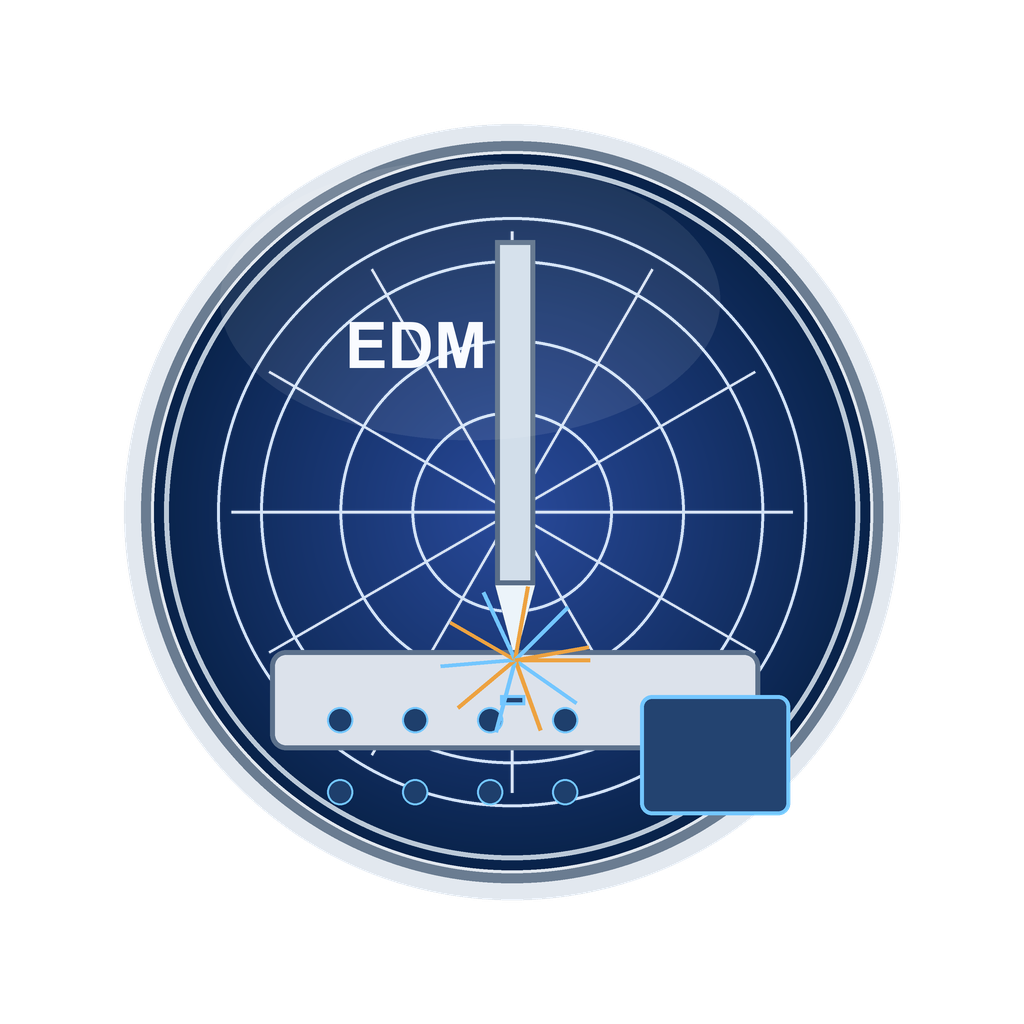
Recenzja mikro EDM
Stosowany do materiałów przewodzących w przypadku drobnych otworów, profile, lub trudno dostępne funkcje wymagają przeglądu obróbki w oparciu o EDM.
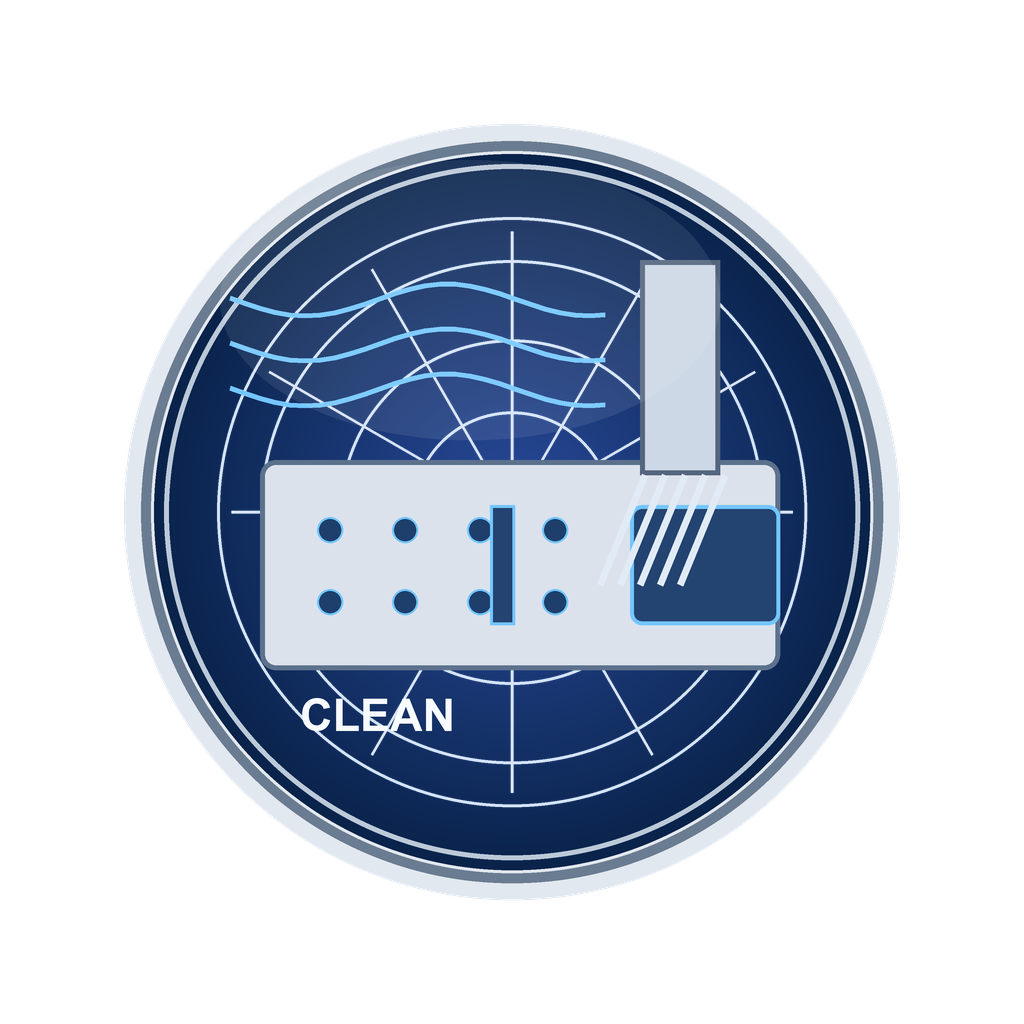
Kontrola zadziorów i czyszczenie
Małe elementy są sprawdzane pod kątem ryzyka zadziorów, złamanie krawędzi, metoda czyszczenia, kosmetyczne twarze, i funkcjonalne powierzchnie stykowe.
Planowanie inspekcji
Metodę pomiaru potwierdza się na podstawie rozmiaru elementu, notatki dotyczące tolerancji, wymagania dotyczące rysunku, i potrzeb dokumentacyjnych klienta.
Typowe materiały do mikroobróbki
Typowe grupy materiałów obejmują stopy aluminium, stale nierdzewne, stopy miedzi, mosiądz, stale narzędziowe, inżynieryjne tworzywa sztuczne, oraz wybrane stopy specjalne po określeniu przez klienta gatunku i wymagań akceptacyjnych.
Typowe zastosowania
|
Sprzęt medyczny |
Małe obudowy urządzeń, oprawy, sprzęt związany z instrumentem, precyzyjne śruby, oraz części prototypowe na podstawie zatwierdzonych rysunków. |
|---|---|
|
Sprzęt komunikacyjny i precyzyjny |
Małe złącza, nawiasy, obudowy, szczeliny, dziury, i funkcje wyrównywania stosowane w sprzęcie precyzyjnym. |
|
Elektronika |
Mikrozłącza, obudowy czujników, miniaturowe nawiasy, małe talerze, i kompaktowy sprzęt elektroniczny. |
|
Narzędzie & Tworzenie form |
Małe ubytki, szczegółowe wstawki, funkcje związane z teksturami, i kompaktowe komponenty narzędzi, jeśli dostarczane są rysunki. |
Często zadawane pytania
W przypadku małych części stosuje się mikroobróbkę, drobne dziury, cienkie ściany, szczeliny, miniaturowe komponenty, i szczegółowe funkcje, które wymagają dokładnego przeglądu procesu.
Zalecane jest użycie pliku CAD 3D i rysunku 2D, zwłaszcza w przypadku małych funkcji, wąskie tolerancje, kontrola zadziorów, lub wymagania dotyczące inspekcji są ważne.
Małe otwory można przeglądać według średnicy, głębokość, tworzywo, tolerancja, ryzyko zadziorów, oraz metodę kontroli przed potwierdzeniem wykonalności.
Typowe materiały obejmują aluminium, stal nierdzewna, mosiądz, miedź, tytan, stal, ZERKAĆ, i inne tworzywa konstrukcyjne.
Ryzyko zadziorów ocenia się w oparciu o materiał, stan krawędzi, rozmiar funkcji, metoda obróbki, dostęp do gratowania, i funkcjonalne powierzchnie.
Tak. Może obsługiwać prototypy, próbki funkcjonalne, oraz małe części o małej objętości, gdy wymagania dotyczące rysunku i kontroli są jasne.
Mikro EDM może być przydatny w przypadku materiałów przewodzących z małymi otworami, drobne profile, lub trudno dostępne elementy, które nie są idealne dla narzędzi skrawających.
Kontrola może obejmować przegląd mikroskopowy, kontrole wizualne, mierniki, CMM sprawdza, raporty wymiarowe, lub protokoły kontroli określone przez klienta.
NIE. Oznaczenie tylko krytycznych cech pomaga poprawić możliwości produkcyjne, przejrzystość inspekcji, i dokładność cytatów.
Podaj klasę materiału, rozmiar funkcji, wymiary krytyczne, wykończenie powierzchni, wymagania dotyczące zadziorów, potrzeby inspekcji, i oczekiwana ilość.