Obróbka metali CNC
JADE-CNC supports metal CNC machining for drawing-defined aluminum, stal nierdzewna, miedź, mosiądz, tytan, stal stopowa, and other engineering metal parts. This page helps you compare metal machining methods, material choices, surface finish options, tolerance planning, and inspection requirements for prototypes, low-volume parts, and repeat production.
- Material and stock form matched to the drawing
- Przemiał, obrócenie, wiercenie, EDM, and finishing route reviewed
- Tolerance and inspection scope planned around critical features
- Prototyp, niska głośność, i powtórz wsparcie produkcyjne
What Is Metal CNC Machining?
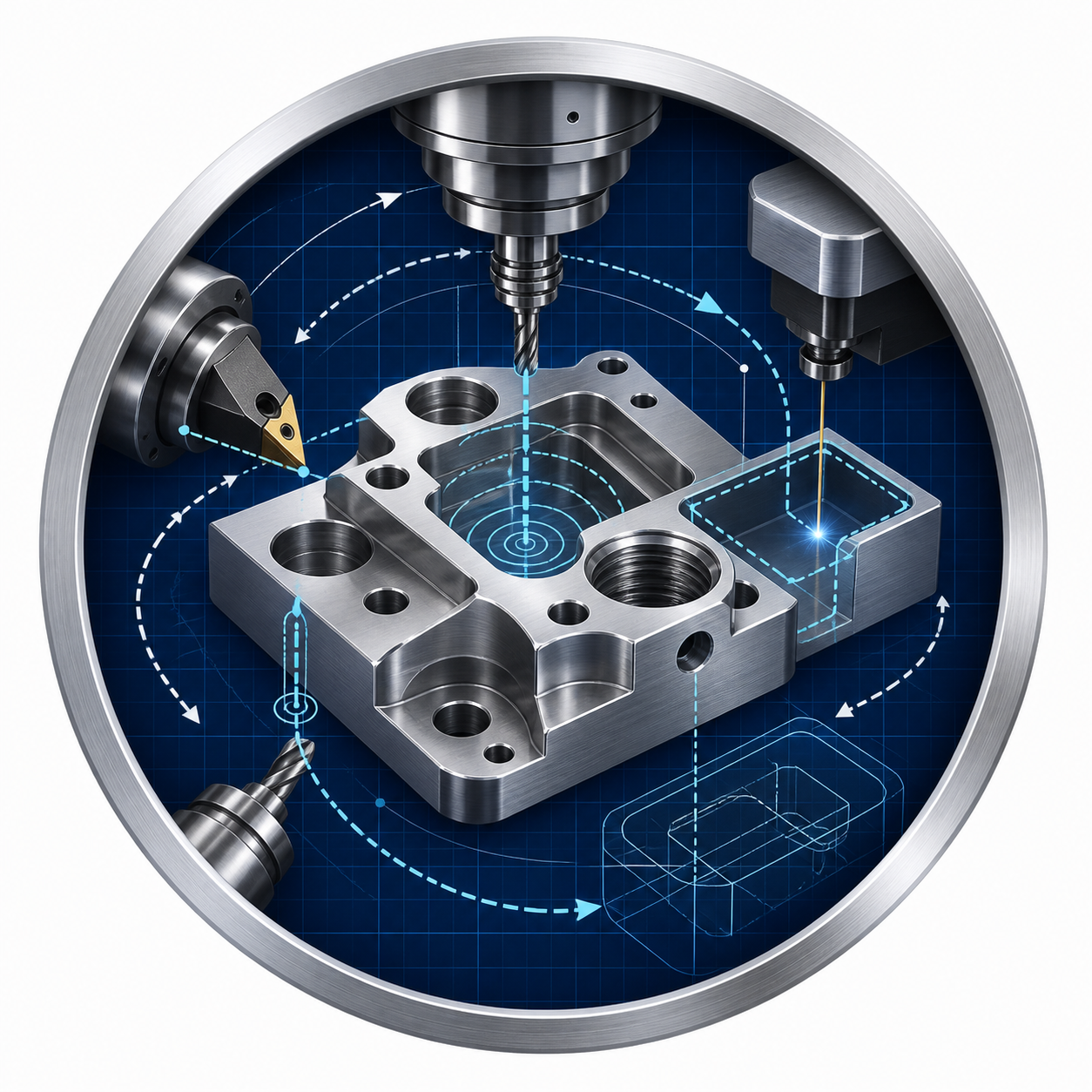
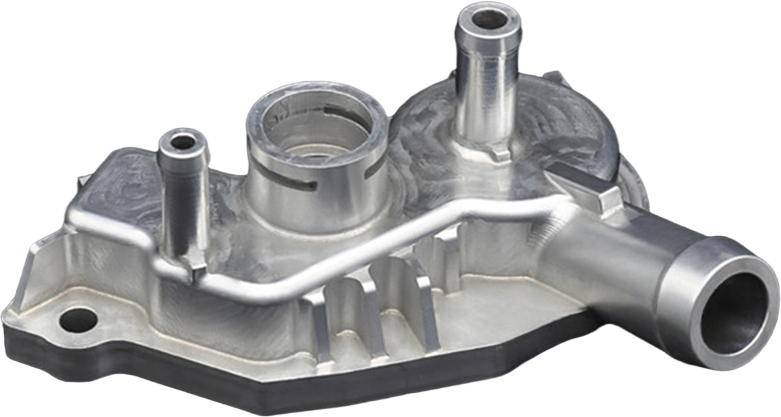
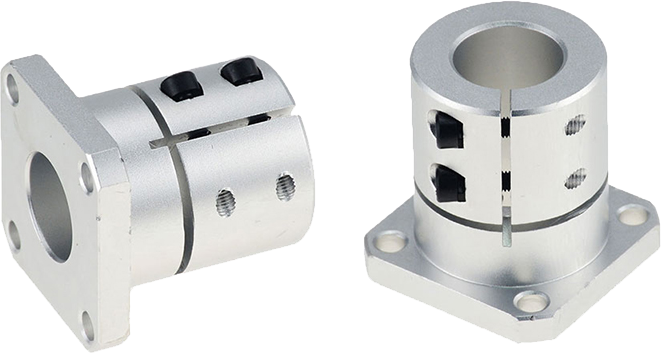
Metal CNC machining shapes metal blanks through milling, obrócenie, wiercenie, stukający, EDM, and finishing operations using computer-controlled equipment. JADE-CNC supports CNC milling machining for CNC milling metals, as well as turned metal components, prototypy, oprawy, obudowy, nawiasy, wały, and production parts that need stable dimensions and repeatable inspection.
Rodzaje obróbki metali CNC
During RFQ machining review, JADE-CNC confirms the material grade, formularz magazynowy, machining tolerance, wykończenie powierzchni, documentation needs, and schedule based on the drawing and available supply. For aluminum metal cutting, machining aluminum parts, or producing other metal components, our team checks machinability, dostęp do oprawy, burr risk, coating impact, and inspection method before production.

Toczenie metali CNC
The workpiece rotates while the cutting tool removes material, making turning suitable for shafts, tuleje, szpilki, sleeves, części gwintowane, and other cylindrical metal components.

Frezowanie metali CNC
Rotating cutting tools remove material from a fixed workpiece, making milling suitable for plates, obudowy, nawiasy, kieszenie, szczeliny, złożone kontury, and precision metal features.

Wiercenie CNC w metalu
Służy do tworzenia otworów i gwintów.

Drut EDM
Stosowany do obróbki metali przewodzących o dużej twardości lub złożonej geometrii.
What JADE-CNC Reviews Before Metal CNC Machining
Metal parts can fail manufacturing expectations when material, geometria, wykończenie powierzchni, tolerancja, and inspection requirements are treated separately. JADE-CNC reviews these points together so the machining route can match the drawing and application.
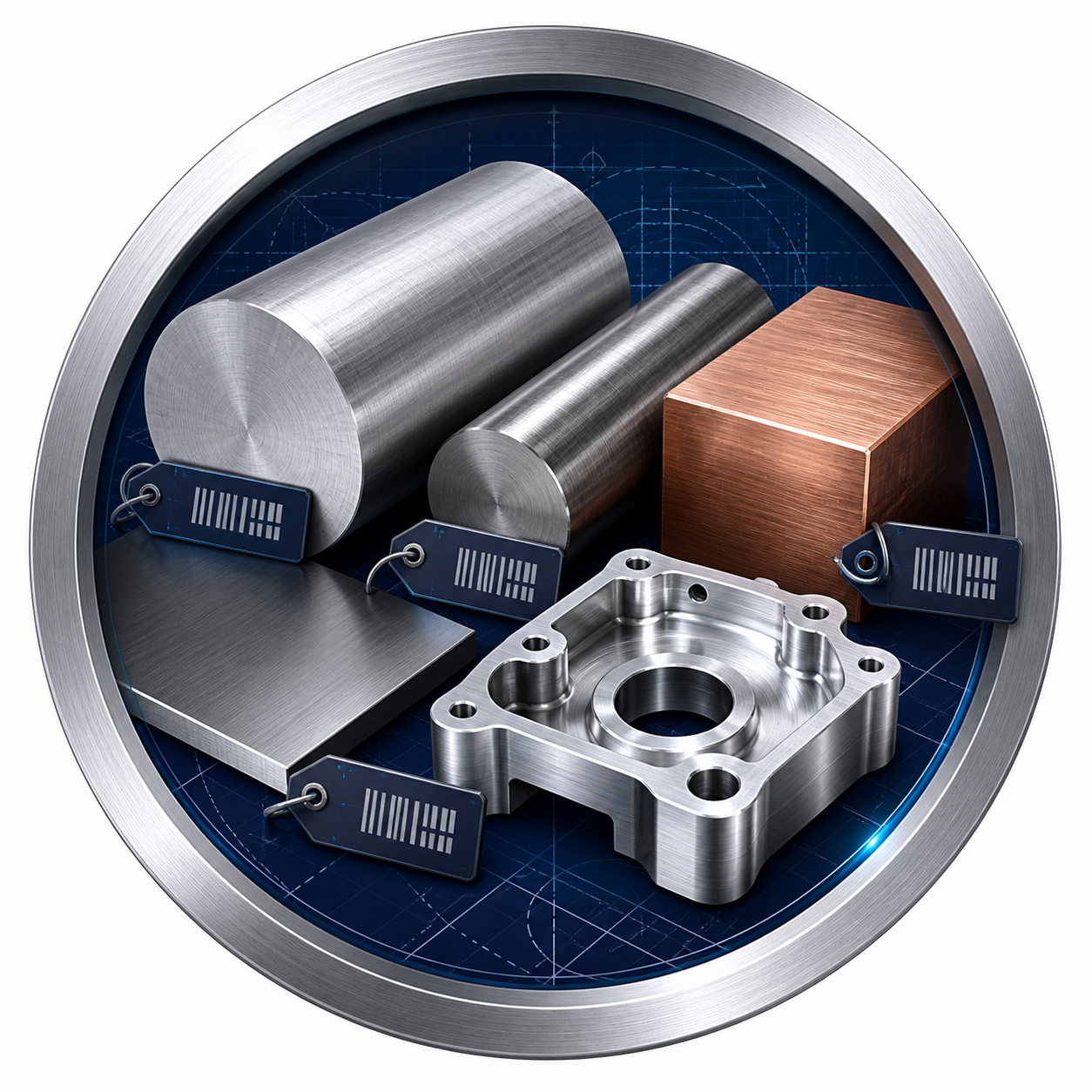
Metal Grade and Stock Form
Stopień materiału, twardość, stock size, blank allowance, równoważne opcje materiałowe, and documentation needs are checked before machining route planning.
Machining Route and Tool Access
Przemiał, obrócenie, wiercenie, stukający, EDM, and multi-axis access are reviewed around pockets, dziury, wątki, deep features, narożniki wewnętrzne, and setup direction.
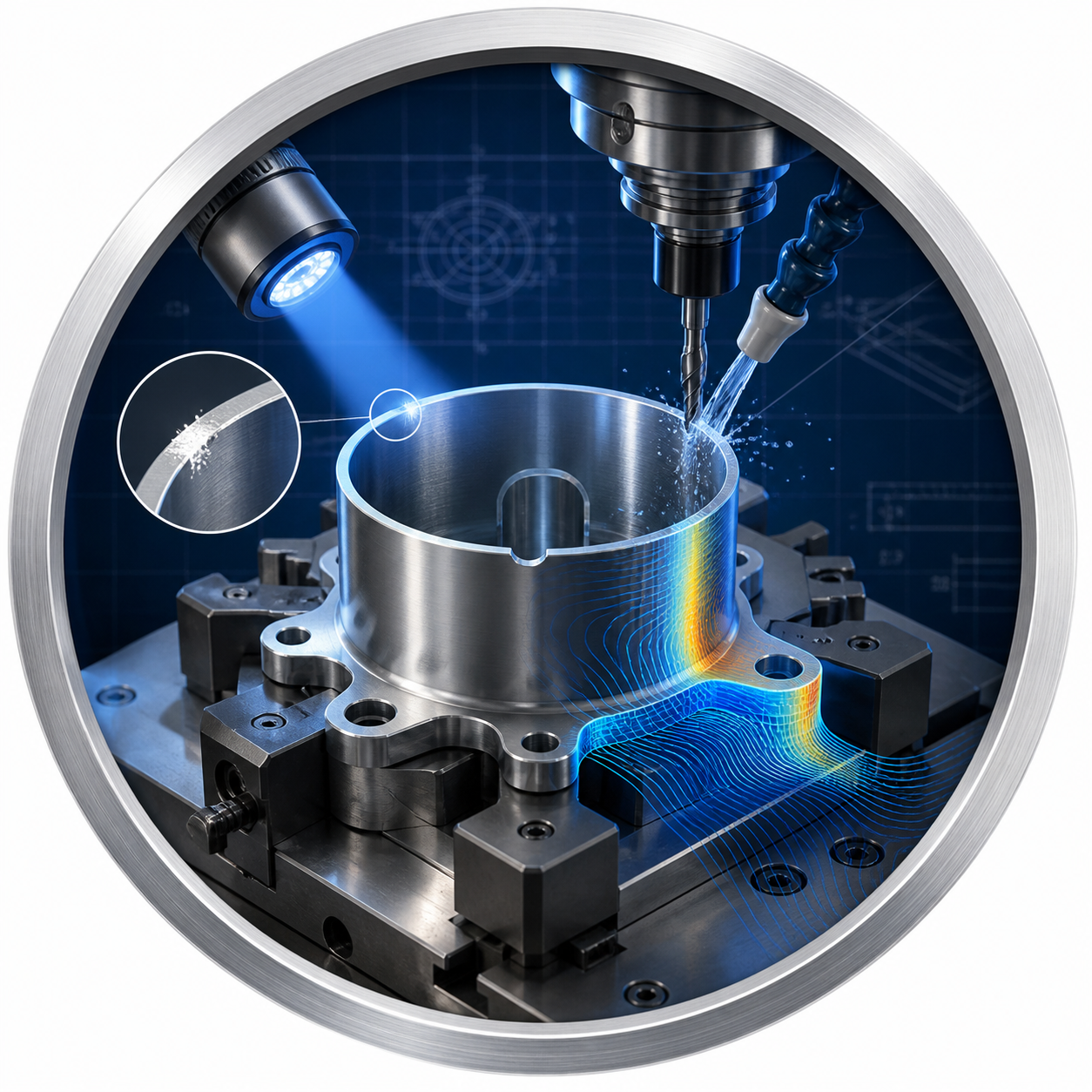
Burr, Deformation, and Heat Control
Cienkie ściany, ostre krawędzie, soft metals, hard alloys, heat buildup, and stress release are reviewed to reduce burrs, zniekształcenie, ślady narzędzi, and dimensional movement.
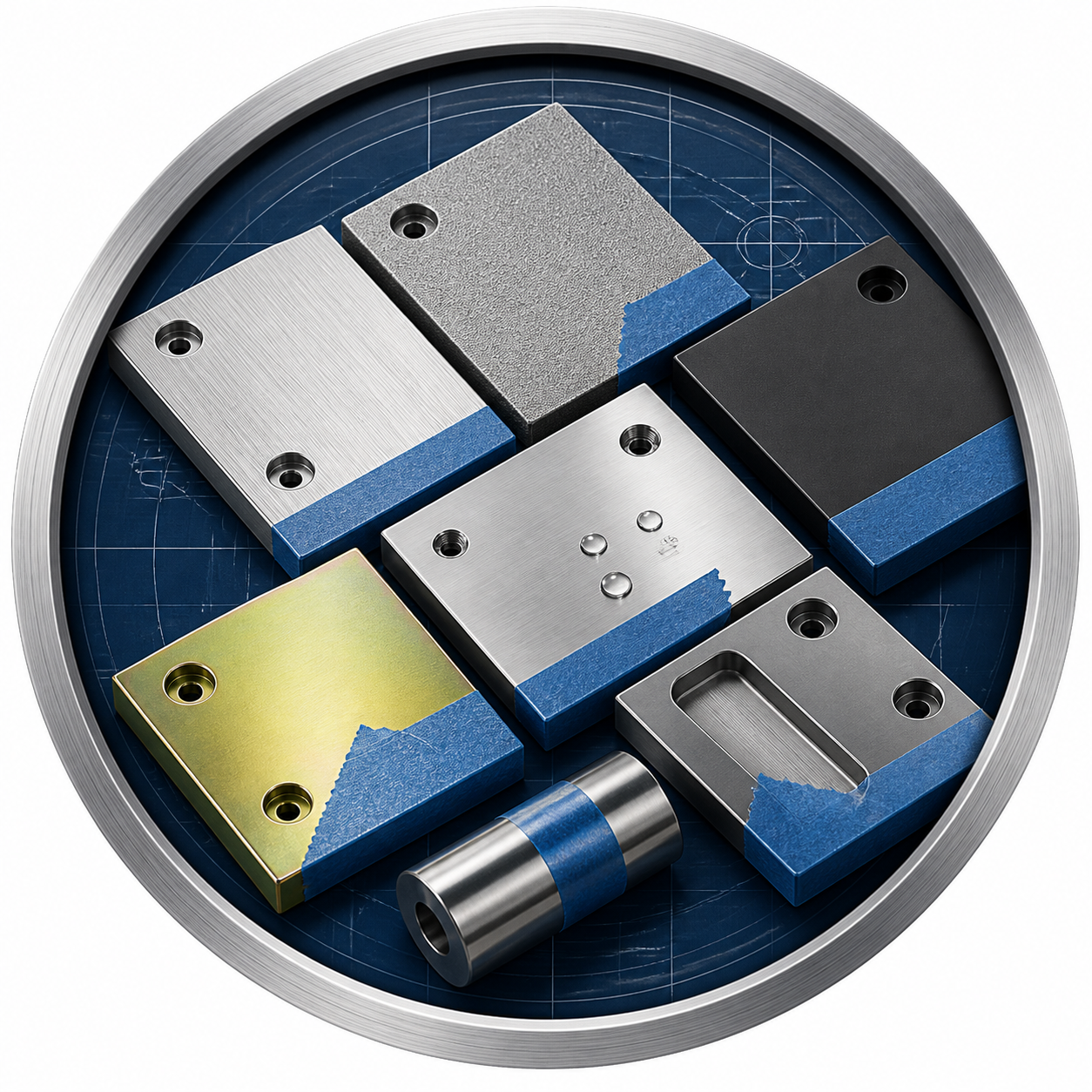
Surface Finish and Corrosion Protection
Anodowanie, pasywacja, platerowanie, czarny tlenek, polerowanie, piaskowanie perełek, malarstwo, and masking are matched to material, funkcjonować, wygląd, and corrosion exposure.
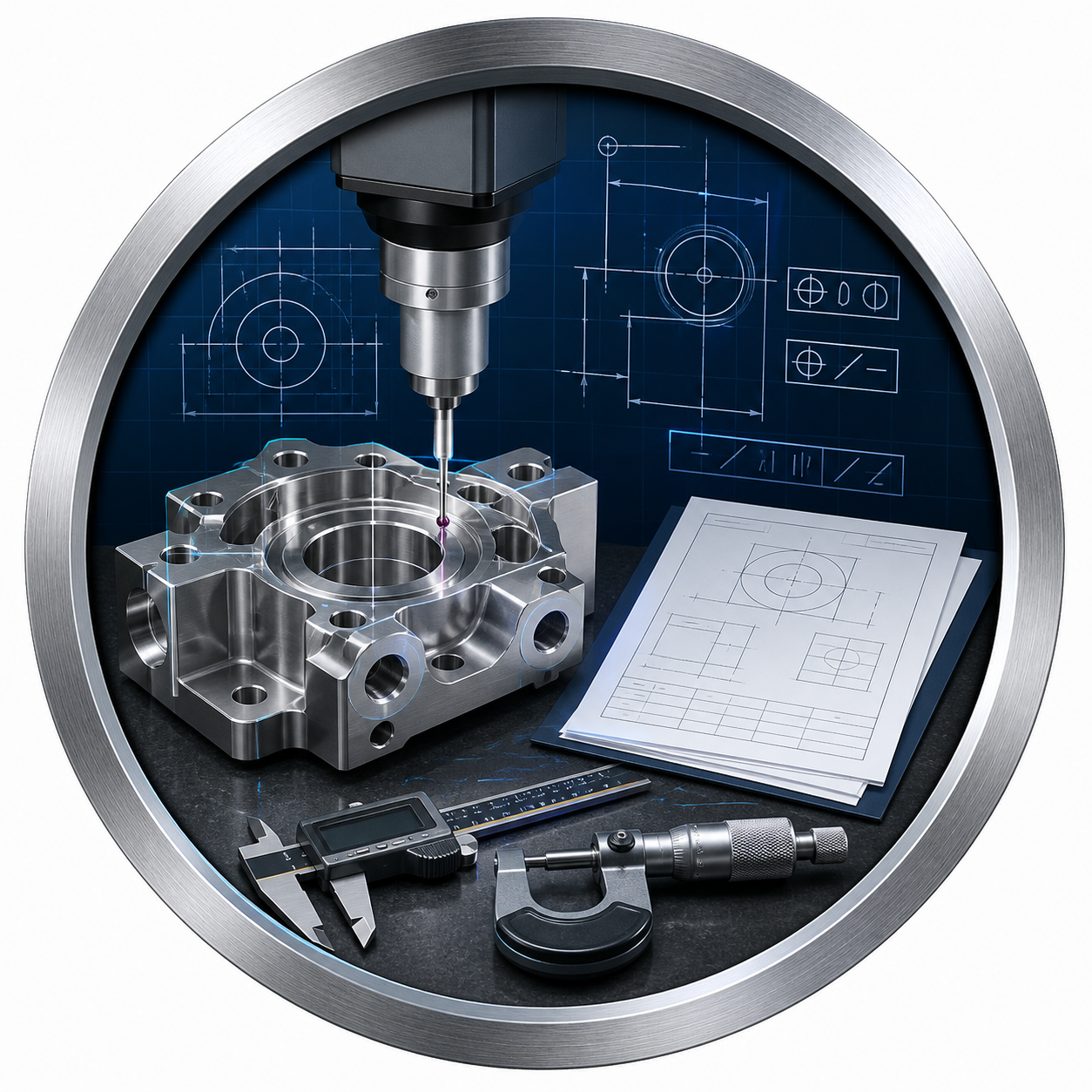
Kontrola i dokumentacja
Wymiary krytyczne, płaskość, thread fit, hole position, współpracujące powierzchnie, zapisy materialne, and dimensional reports can be coordinated according to project requirements.
Materiały do obróbki metali, które serwujemy
Aluminium jest bWschód wybór z “wytrzymałość-waga-obrabialność-koszt” metal. które mogą wykonać dużą prędkość obróbki, doskonałe wykończenie powierzchni, odporny na korozję, i może być anodowany w celu uzyskania koloru.
Stopnie reprezentatywne: 6061-T6, 7075-T6, ADC12
Stopień materiału, formularz magazynowy, skończyć, tolerancja, documentation, and schedule are confirmed during RFQ based on the drawing and available supply.

Podstawowe zastosowania to mechaniczne części konstrukcyjne, jak prototypy, oprawy, wały, koła zębate, śruby — części funkcjonalne, które nie wymagają ekstremalnej wytrzymałości ani odporności na korozję.
Stopnie reprezentatywne: 304/316L (Austenityczny); 303 (Obróbka swobodna)
Stopień materiału, formularz magazynowy, skończyć, tolerancja, documentation, and schedule are confirmed during RFQ based on the drawing and available supply.

High hardness and wear resistance, stosowany do narzędzi do obróbki innych materiałów lub części narażonych na silne ścieranie. Które wspólne ma zastosowanie w Uderzenia, umiera, narzędzia tnące, elementy eksploatacyjne przyrządów, mierniki
Stopień materiału, formularz magazynowy, skończyć, tolerancja, documentation, and schedule are confirmed during RFQ based on the drawing and available supply.

Najwyższa przewodność elektryczna i cieplna wśród powszechnie stosowanych metali konstrukcyjnych (ustępując jedynie srebrowi), ale miękki i gumowaty, co czyni go trudniejszym w obróbce niż mosiądz. Miedź jest powszechnie stosowana w szynach zbiorczych, radiatory, Elektrody EDM, elementy kuchenki mikrofalowej, applications demanding high thermal/electrical conductivity
Stopień materiału, formularz magazynowy, skończyć, tolerancja, documentation, and schedule are confirmed during RFQ based on the drawing and available supply.

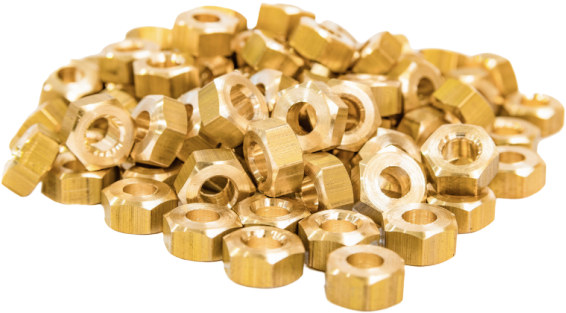
Mosiądz to wszechstronny stop miedzi i cynku, znany ze swojej doskonałej obrabialności, atrakcyjny wygląd przypominający złoto, oraz dobre właściwości mechaniczne i odporność na korozję. Jest to podstawowy materiał w obróbce CNC, szczególnie w przypadku części wymagających dużej precyzji, gładkie wykończenia, i złożone geometrie.
Stopień materiału, formularz magazynowy, skończyć, tolerancja, documentation, and schedule are confirmed during RFQ based on the drawing and available supply.

Brąz jest ceniony za swoje wysoka wytrzymałość, doskonała odporność na zużycie, dobra odporność na korozję (zwłaszcza do wody morskiej), i niskie właściwości tarcia w stosunku do innych metali. Jest podstawowym materiałem łożysk, tuleje, koła zębate, i komponenty morskie.
Stopień materiału, formularz magazynowy, skończyć, tolerancja, documentation, and schedule are confirmed during RFQ based on the drawing and available supply.

Najniższy koszt, łatwe w obróbce, doskonała spawalność, ale podatne na rdzę (zwykle wymaga galwanizacji lub malowania). The Podstawowe zastosowania są mechanicznymi częściami konstrukcyjnymi, prototypy, oprawy, wały, koła zębate, śruby — części funkcjonalne, które nie wymagają ekstremalnej wytrzymałości ani odporności na korozję.
Stopień materiału, formularz magazynowy, skończyć, tolerancja, documentation, and schedule are confirmed during RFQ based on the drawing and available supply.

Najlżejszy metal komercyjny (gęstość ~2/3 aluminium), wysoka wytrzymałość właściwa, dobra zdolność tłumienia, łatwe w obróbce, Magnesium alloy may be considered for lightweight components when handling, skończyć, and project requirements are confirmed.
Stopień materiału, formularz magazynowy, skończyć, tolerancja, documentation, and schedule are confirmed during RFQ based on the drawing and available supply.

Tytan jest wysoka wydajność, lekki metal słynie z wyjątkowości stosunek wytrzymałości do masy, wybitny odporność na korozję, i doskonałe biokompatybilność. Choć trudne i drogie w obróbce, jest niezastąpiony w lotnictwie, medyczny, i zaawansowane zastosowania inżynieryjne dzięki swoim unikalnym właściwościom.
Stopień materiału, formularz magazynowy, skończyć, tolerancja, documentation, and schedule are confirmed during RFQ based on the drawing and available supply.

Common Metals for CNC Machined Parts
Different metals require different machining strategies, tolerance planning, wykończenie powierzchni, and inspection attention. The table below helps buyers compare common CNC metals before sending an RFQ.
| Metal | Najlepsze dla | Watch-outs | Typical CNC Parts | Related Finish Options |
|---|---|---|---|---|
| Aluminium 6061 | Balanced machining, koszt, waga, i odporność na korozję | Lower strength than 7075 | Obudowy, oprawy, panele, heat-transfer parts | Anodowanie, piaskowanie perełek |
| Aluminium 7075 | High-strength lightweight components | Higher cost; thin-wall stress and distortion may matter | Structural brackets, części robotyki, precision frames | Anodowanie twarde, piaskowanie perełek |
| Stal nierdzewna 304 | Corrosion-resistant general stainless parts | More difficult to machine than aluminum | Industrial parts, medical device components, oprawy | Pasywacja, polerowanie |
| Stal nierdzewna 316 | Stronger corrosion resistance in demanding environments | Higher cost and machining difficulty | Medyczny, morski, chemical-exposure parts | Pasywacja, electropolishing |
| Copper C110 | Thermal and electrical conductivity | Soft material; burr and deformation control matter | Heat-transfer parts, conductive components, RF parts | Polerowanie, niklowanie |
| Brass C360 | Stable, efficient machining and clean finish | Lower conductivity than pure copper | Fittings, złącza, części toczone | Nickel plating, polerowanie |
| Stal węglowa 1018 | Cost-effective general mechanical parts | Requires finish for corrosion protection | Wały, talerze, nawiasy, machinery components | Black oxide, zinc plating, malarstwo |
Need help selecting a metal for CNC machining?
Udostępnij swój rysunek, required metal grade, wykończenie powierzchni, tolerancja, and quantity so JADE-CNC can review machinability and quote requirements.
Zalety obróbki metali CNC
Precyzja i dokładność
Supports drawing-based tolerances and repeatable inspection for reliable metal part quality.
High Repeatability & Stability
Zapewnia stałą jakość części od prototypowania po produkcję średnioseryjną.
Złożone geometrie
Możliwość wytwarzania skomplikowanych kształtów i elementów wieloosiowych w jednym ustawieniu.
Wszechstronność
Nadaje się do szerokiej gamy metali, rozmiary części, i wielkości produkcji — od prototypów po produkcję masową.
Opłacalność
Zmniejsza ilość odpadów, praca, i błędy, oferując wysoką wartość w przypadku serii o niskim i średnim nakładzie.
Zrównoważony rozwój
Cechy 100% możliwość recyklingu odpadów i wysokie wykorzystanie materiałów.
Applications of Metal CNC Machining
Get Your Custom Metal CNC Machining Parts Today!
Send your metal part drawings with material grade, ilość, notatki dotyczące tolerancji, wykończenie powierzchni, i wymagania dotyczące inspekcji. JADE-CNC can help align the machining route, finish process, and inspection scope with the approved drawing.
Często zadawane pytania
Tak. If the drawing allows equivalent material, JADE-CNC can review available grades and confirm whether the substitute matches the functional and manufacturing requirement.
Tolerance depends on part size, tworzywo, geometria, organizować coś, grubość ścianki, and inspection method. Critical tolerance zones should be marked clearly on the drawing.
Tak. Common options include anodizing, pasywacja, platerowanie, czarny tlenek, piaskowanie perełek, polerowanie, malarstwo, and other finishes depending on material and application.
Tak. Harder materials may require slower cutting, more tool wear control, additional setup planning, or post-machining treatment, which can affect cost and lead time.
Burrs can come from sharp edges, cienkie ściany, soft metals, intersecting holes, szczeliny, and tool exit areas. Deburring requirements should be confirmed for functional and cosmetic surfaces.
Aluminum and brass are usually easier to machine than stainless steel, tytan, and hardened tool steel. The final machining plan depends on grade, geometria, tolerancja, and finish requirement.
Tak. JADE-CNC can support prototype, niska głośność, and repeat metal CNC machining when drawings, tworzywo, ilość, tolerancja, and finish requirements are available.
Useful files include 3D CAD models, 2Rysunki D, klasa materiału, ilość, wykończenie powierzchni, notatki dotyczące tolerancji, wymagania inspekcyjne, and any assembly or packaging requirements.
Mark critical dimensions, wątki, płaskość, pozycje otworów, współpracujące powierzchnie, and functional areas on the drawing. JADE-CNC can align inspection scope with the project requirement.
JADE-CNC can review aluminum, stal nierdzewna, miedź, mosiądz, brązowy, stal miękka, stal narzędziowa, tytan, magnez, and other engineering metals according to the drawing and material requirement.