



Micro Machining for Precision Small Parts
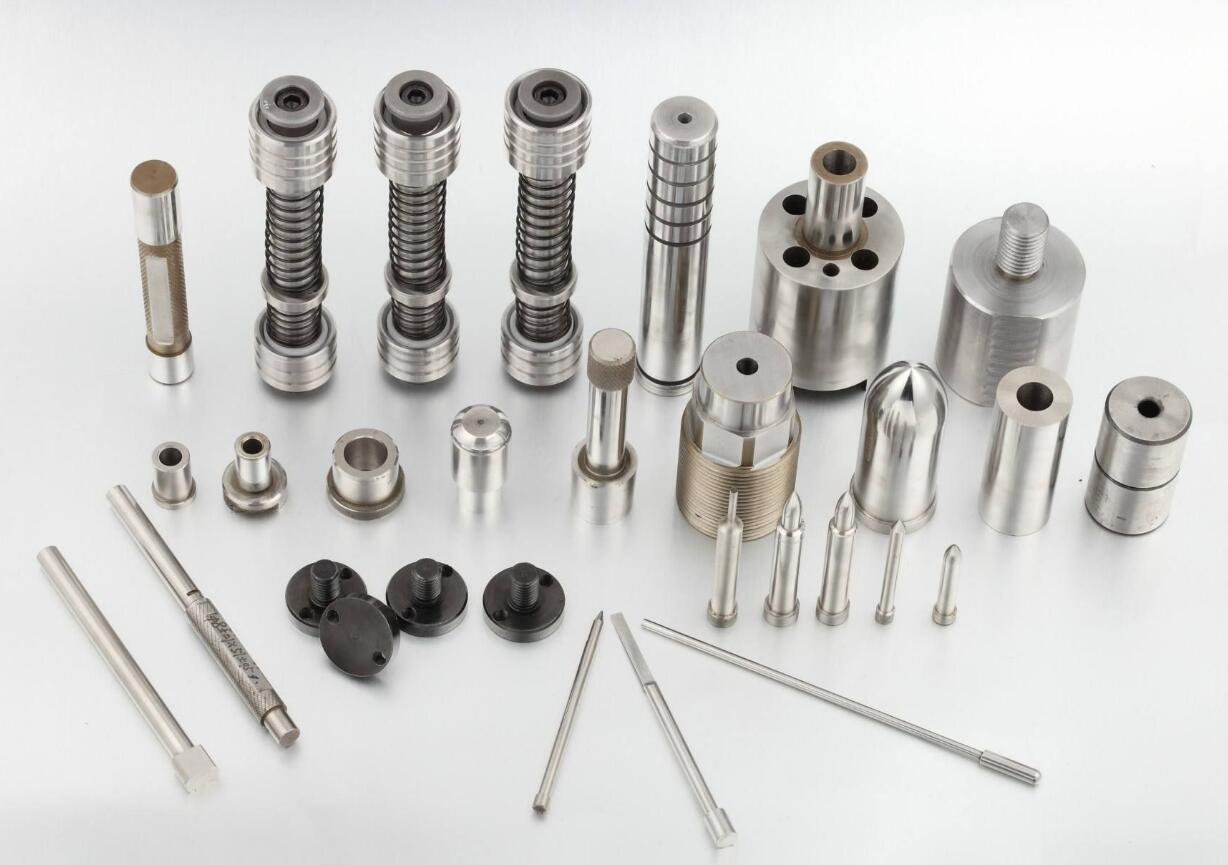
JADE-CNC provides Micro Machining for miniature metal and plastic components that require fine features, small holes, thin walls, tight tolerance machining, burr control, and practical inspection planning. Our precision micro machining and micro CNC machining support micro machined components, micro CNC parts, small precision components, and other high precision components based on customer drawings.
- Drawing-Based Tolerance Review
- Surface Finish Options
- Fast delivery coordination
- Metals and Plastics Reviewed by Drawing
JADE-CNC High Precision Micro Machining Service
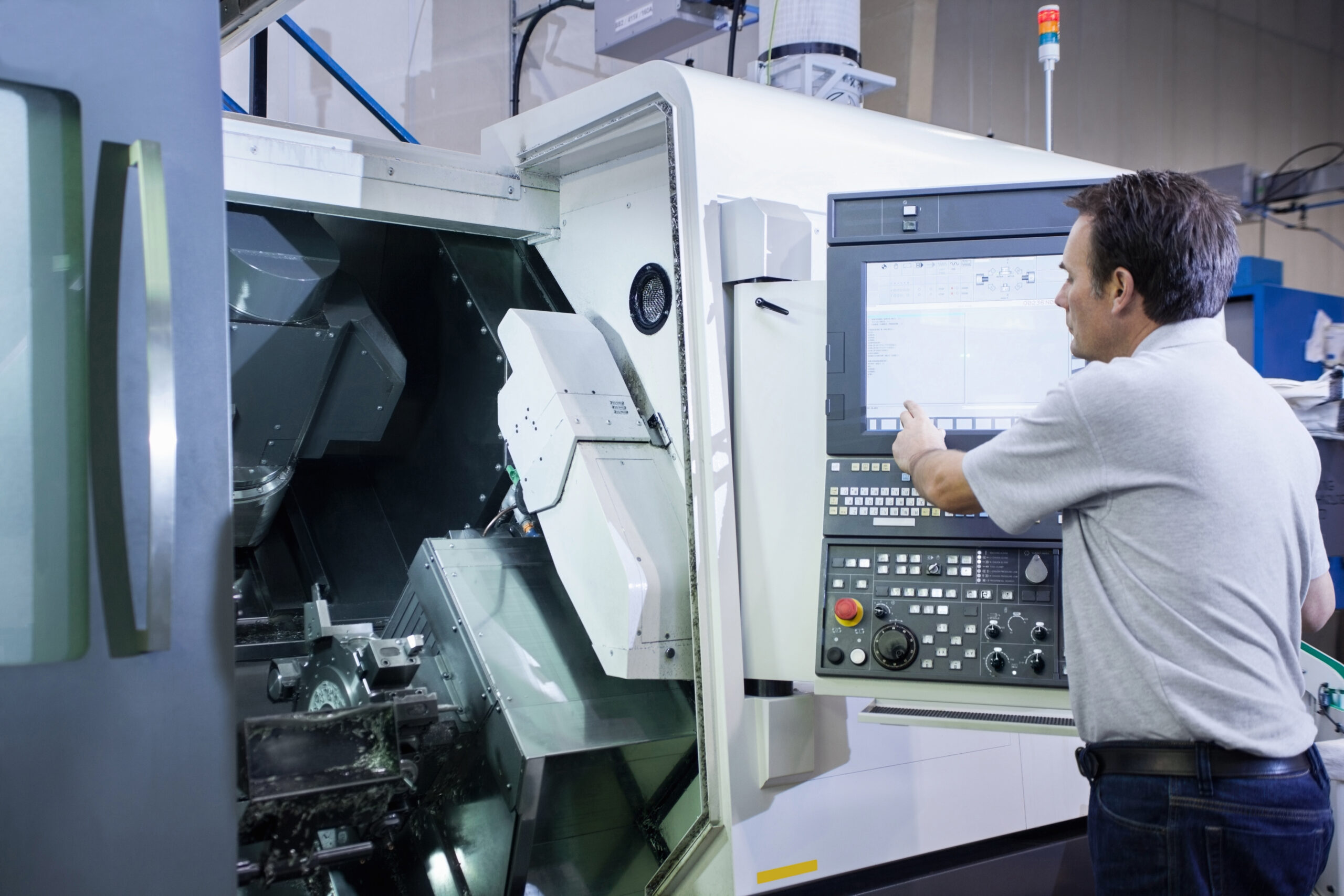
For miniature precision parts and small precision machining projects, our team reviews drawings, material behavior, feature depth, tool access, surface finish, and measurement method before confirming the process. This miniature machining service is used for medical micro parts, electronic micro components, precision small parts, and projects that need a reliable micro component manufacturer.
Certification
- ISO 9001:2015 certified
Industrial Standards
- Robotic assemblies
- Compliant with industrial requirements
- Dimensional Inspection Support
- Engineering Review
Micro Machining for Fine Features and Small Parts
Micromachining is used for small CNC parts, miniature components, fine holes, thin walls, slots, small pockets, detailed profiles, and features that require careful tool access and burr control.
Before quotation, JADE-CNC reviews the drawing, material, feature size, depth, wall thickness, surface finish, and inspection method so the machining route matches the actual part requirement.
The Micromachining Characteristics
|
Scale |
Fine features, small holes, thin walls, and compact parts where tool access and inspection method must be planned carefully. |
|---|---|
|
Tolerances |
Confirmed by drawing, material, feature geometry, fixture strategy, and inspection method. |
|
Tooling |
Uses small-diameter tools and EDM-related methods when the geometry, material, and feature access require them. |
|
Machine Requirements |
Requires stable fixturing, controlled tool runout, suitable cutting strategy, and inspection planning for miniature features. |
|
Process Focus |
Achieves micro-scale geometry directly via material removal (subtractive), unlike semiconductor lithography (pattern-based). |
What JADE-CNC Reviews Before Micro Machining

Feature Size
Small holes, slots, grooves, thin walls, and fine profiles are reviewed against tool access, depth, and inspection feasibility.
Material Behavior
Aluminum, stainless steel, copper, brass, titanium, and engineering plastics are reviewed based on burr risk, deformation, and finish needs.
Tool Access
Small tools, deep features, corner radii, and reach limitations are checked before confirming the machining method.
Burr and Edge Control
Edges, holes, threads, slots, and cosmetic faces are reviewed for deburring, cleaning, and surface finish requirements.

Inspection Method
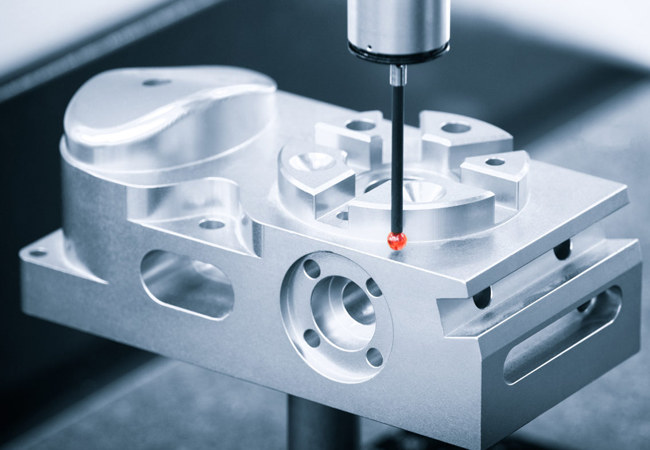
Critical dimensions may require microscope review, gauges, CMM checks, visual inspection, or customer-specified measurement records.
Micro Milling
Micro milling uses small rotating cutting tools to machine fine features, small pockets, slots, holes, and detailed surfaces in miniature components.
JADE-CNC reviews micro-milled parts by material, feature depth, wall thickness, tool access, burr-control requirements, surface finish, and inspection method before confirming the machining route and tolerances.
Key Features
Micro Milling vs. Conventional Milling
|
Aspect |
Conventional Milling |
Micro Milling |
|---|---|---|
|
Tool Diameter |
> 1 mm |
Small-diameter tools selected by feature size, material, depth, and access. |
|
Tolerances |
± 0.01 mm (10 µm) or more |
Project-specific tolerance review based on the drawing and inspection method. |
|
Machine Rigidity & Spindle |
Standard rigidity, RPMs in the 1,000s |
Stable spindle, fixture, tool runout, and cutting strategy are important for fine features. |
|
Chip Formation |
Continuous or segmented chips |
Dust-like, fragmented chips; chip evacuation is a major challenge |
|
Dominant Force |
Cutting force |
Tool deflection, runout, and vibration become primary limiting factors |
Micro EDM
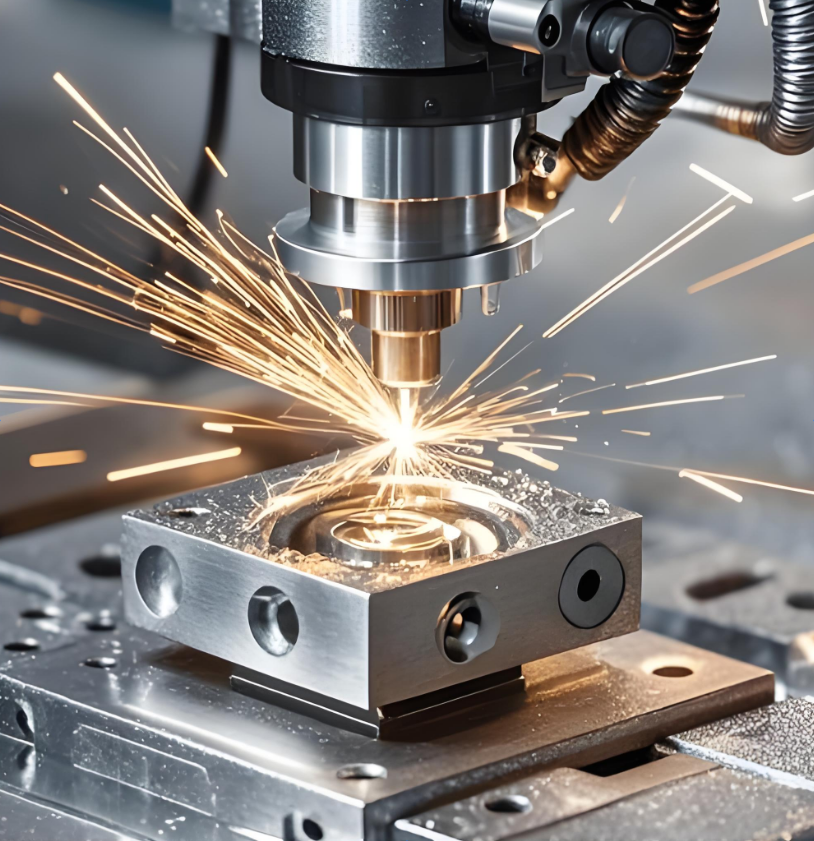
Micro EDM is used when conductive materials require fine slots, small holes, thin profiles, or detailed features that are difficult to machine with cutting tools. The final feasibility depends on material conductivity, feature size, depth, tolerance requirement, surface condition, and inspection method.
JADE-CNC reviews Micro EDM requirements by drawing before confirming whether EDM, micro milling, drilling, or another machining route is more suitable.
Advantages in Micro EDM
- Hardness is irrelevant.
- No Mechanical Stress/Tool Deflection
- Extreme Aspect Ratios
- Tolerances within ± 1 µm
Main Types of Micro EDM
|
Type |
Process Description |
Primary Applications |
|---|---|---|
|
Micro Wire EDM |
Uses a fine wire electrode to cut small 2D profiles and detailed shapes in conductive materials when EDM is suitable. |
Small profiles, flat conductive components, slots, gears, fixtures, and detailed metal features when specified. |
|
Micro Drilling EDM (or Hole Popping) |
Uses a fine electrode to create small holes in conductive materials when the drawing requires EDM drilling. |
Small holes, starter holes, vent features, precision openings, and conductive micro parts when specified by the drawing. |
|
Micro Die-Sinking EDM |
Uses a shaped electrode to machine small cavities, recesses, or detailed conductive features; electrode wear and feature geometry must be reviewed. |
Small cavities, recesses, texture-related features, and detailed conductive part geometry when the project requirements are confirmed. |
JADE-CNC Micro Machining Capability Review
Micro Milling
Used for fine pockets, small slots, compact profiles, thin walls, and detailed surfaces when tool access and burr control are suitable.
Micro EDM Review
Used for conductive materials when fine holes, profiles, or difficult-access features require EDM-based machining review.

Burr Control and Cleaning
Small features are reviewed for burr risk, edge break, cleaning method, cosmetic faces, and functional contact surfaces.
Inspection Planning
Measurement method is confirmed based on feature size, tolerance notes, drawing requirements, and customer documentation needs.
Common Materials for Micro Machining
Common material groups include aluminum alloys, stainless steels, copper alloys, brass, tool steels, engineering plastics, and selected special alloys when the customer specifies the grade and acceptance requirements.
Typical Applications
|
Medical Device Hardware |
Small device housings, fixtures, instrument-related hardware, precision screws, and prototype parts based on approved drawings. |
|---|---|
|
Communication and Precision Equipment |
Small connectors, brackets, housings, slots, holes, and alignment features used in precision equipment. |
|
Electronics |
Micro-connectors, sensor housings, miniature brackets, small plates, and compact electronic hardware. |
|
Tool & Mold Making |
Small cavities, detailed inserts, texture-related features, and compact tooling components when drawings are provided. |
FAQ
Micro machining is used for small parts, fine holes, thin walls, slots, miniature components, and detailed features that require careful process review.
A 3D CAD file and 2D drawing are recommended, especially when small features, tight tolerances, burr control, or inspection requirements are important.
Small holes can be reviewed by diameter, depth, material, tolerance, burr risk, and inspection method before confirming feasibility.
Common materials include aluminum, stainless steel, brass, copper, titanium, steel, PEEK, and other engineering plastics.
Burr risk is reviewed based on material, edge condition, feature size, machining method, deburring access, and functional surfaces.
Yes. It can support prototypes, functional samples, and low-volume small parts when the drawing and inspection requirements are clear.
Micro EDM may be useful for conductive materials with small holes, fine profiles, or difficult-access features that are not ideal for cutting tools.
Inspection may include microscope review, visual checks, gauges, CMM checks, dimensional reports, or customer-specified inspection records.
No. Marking only critical features helps improve manufacturability, inspection clarity, and quotation accuracy.
Provide material grade, feature size, critical dimensions, surface finish, burr requirements, inspection needs, and expected quantity.