



Communication Equipment CNC Machining
JADE-CNC supports communication equipment CNC machining for RF enclosures, microwave cavity parts, waveguide-related components, antenna structures, filter hardware, heat-dissipation parts, brackets, and telecom equipment components based on customer drawings. The page focuses on shielding fit, thermal contact surfaces, conductive finishes, tolerance control, and inspection support for communication hardware.
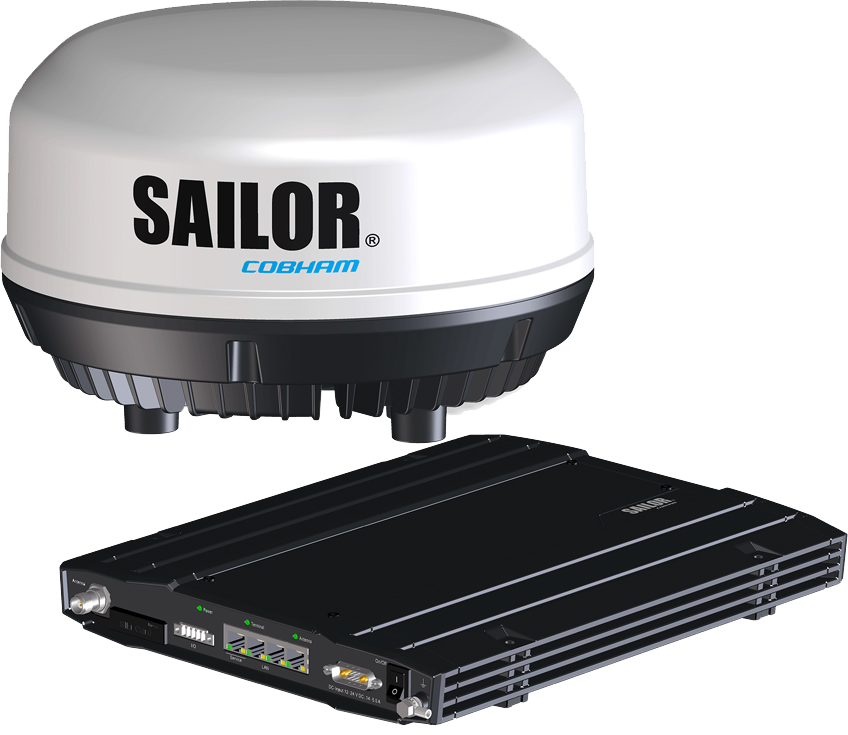
Why CNC Machining Is Essential for Communications
For RF component machining, microwave hardware, satellite communication parts, telecom components, and electronic equipment machining, part quality affects fit, shielding, thermal paths, alignment, assembly reliability, and repeatable production control.
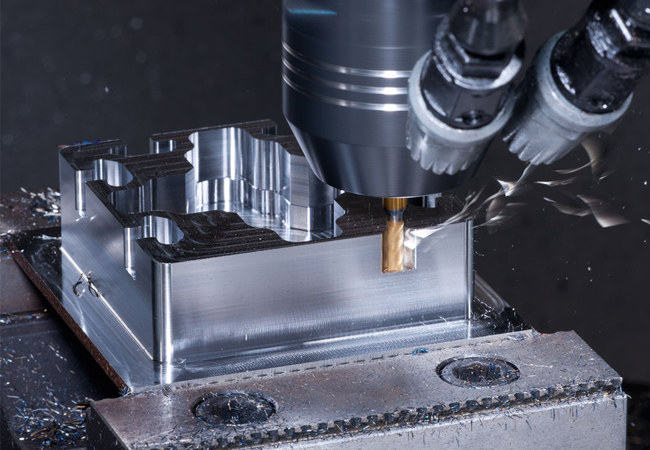
JADE-CNC Technical Capabilities for the Communications Industry
JADE-CNC supports communication hardware parts and custom electronic parts by machining drawing-defined metal and plastic components with engineering review, process planning, finishing coordination, and inspection support.

Multi-Axis Precision Machining (5-Axis)
For complex contours on reflectors, waveguides, and array plates in a single setup.
High-Speed Micro-Milling
For intricate features on miniaturized RF components and connectors.
Clean Handling and Surface Protection Planning
For parts where surface condition, burr control, masking, packaging, or handling requirements must be clarified before production.
Advanced Surface Finishing
Anodizing, chemical conversion coating, plating coordination, bead blasting, passivation, and other finishes are reviewed by material, conductivity, corrosion, and assembly requirements.
Assembly and Inspection Support
Including fit checks, alignment support, inspection documentation, and preparation for customer-side functional validation when required.
Material Selection Guide for Communication Components
|
Material |
Key Properties |
Common Communication Hardware Uses |
|---|---|---|
|
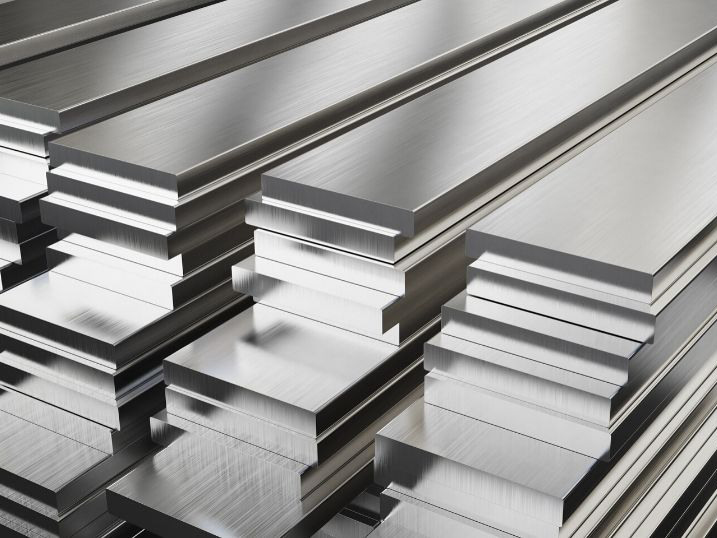
Aluminum 6061 / 7075 |
Excellent machinability, good strength-to-weight, silver-plating for conductivity. |
Wave guides, chassis, structural brackets, antenna parts. |
|
Kovar / Invar Alloys |
low coefficient of thermal expansion (CTE) matching ceramics/glass. |
Matched-expansion assemblies, thermal-stability parts, and feed-through-related mechanical components when specified by the drawing. |
|
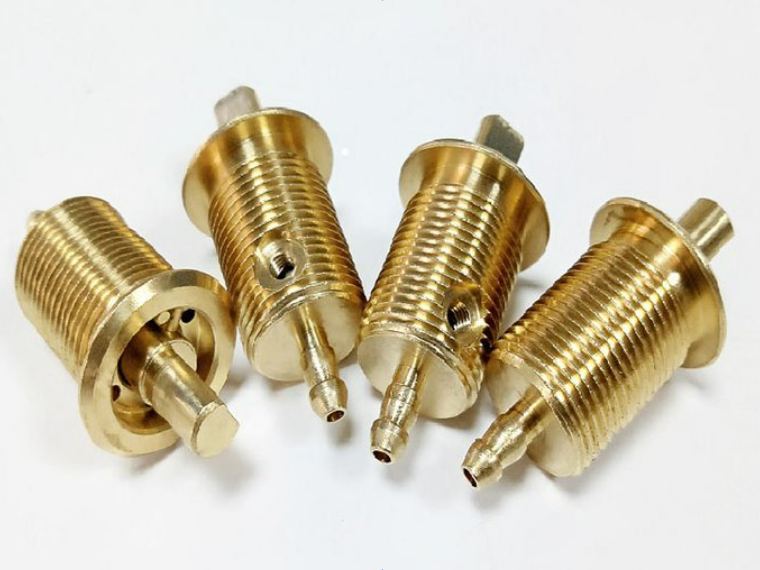
Copper & Brass |
Superior electrical & thermal conductivity. |
High-power amplifier heat sinks, RF cavity resonators, waveguide sections. |
|
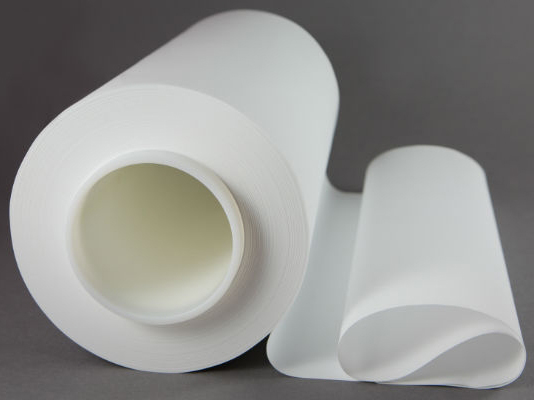
PTFE and RF-grade engineering plastics |
Stable dielectric constant, low signal loss at high frequencies. |
Insulating parts, RF support components, and antenna-related mechanical structures when specified. |
|
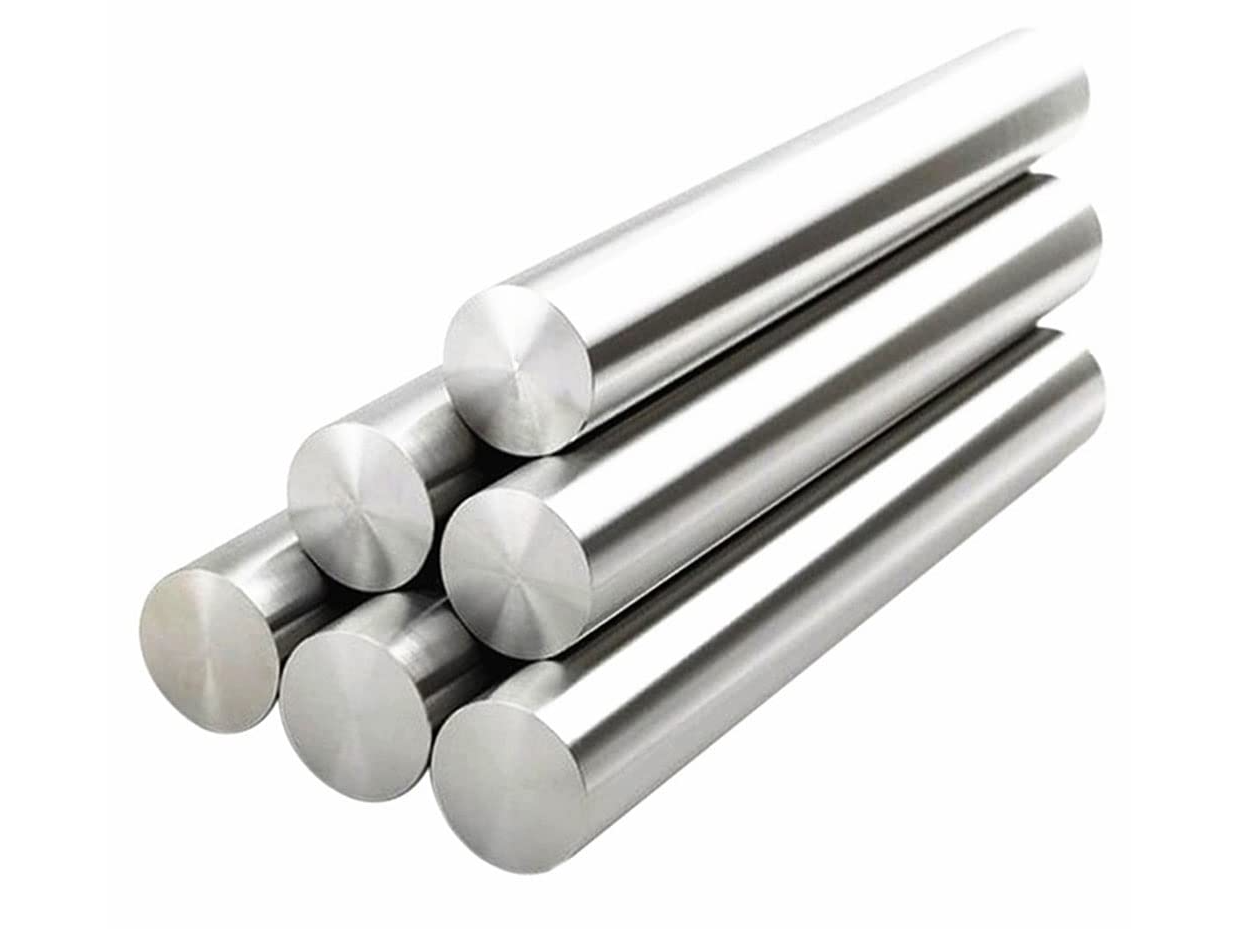
Stainless Steel (304, 316) |
High strength, excellent corrosion resistance. |
Outdoor enclosure hardware, durable connectors, marine-grade terminals. |
|
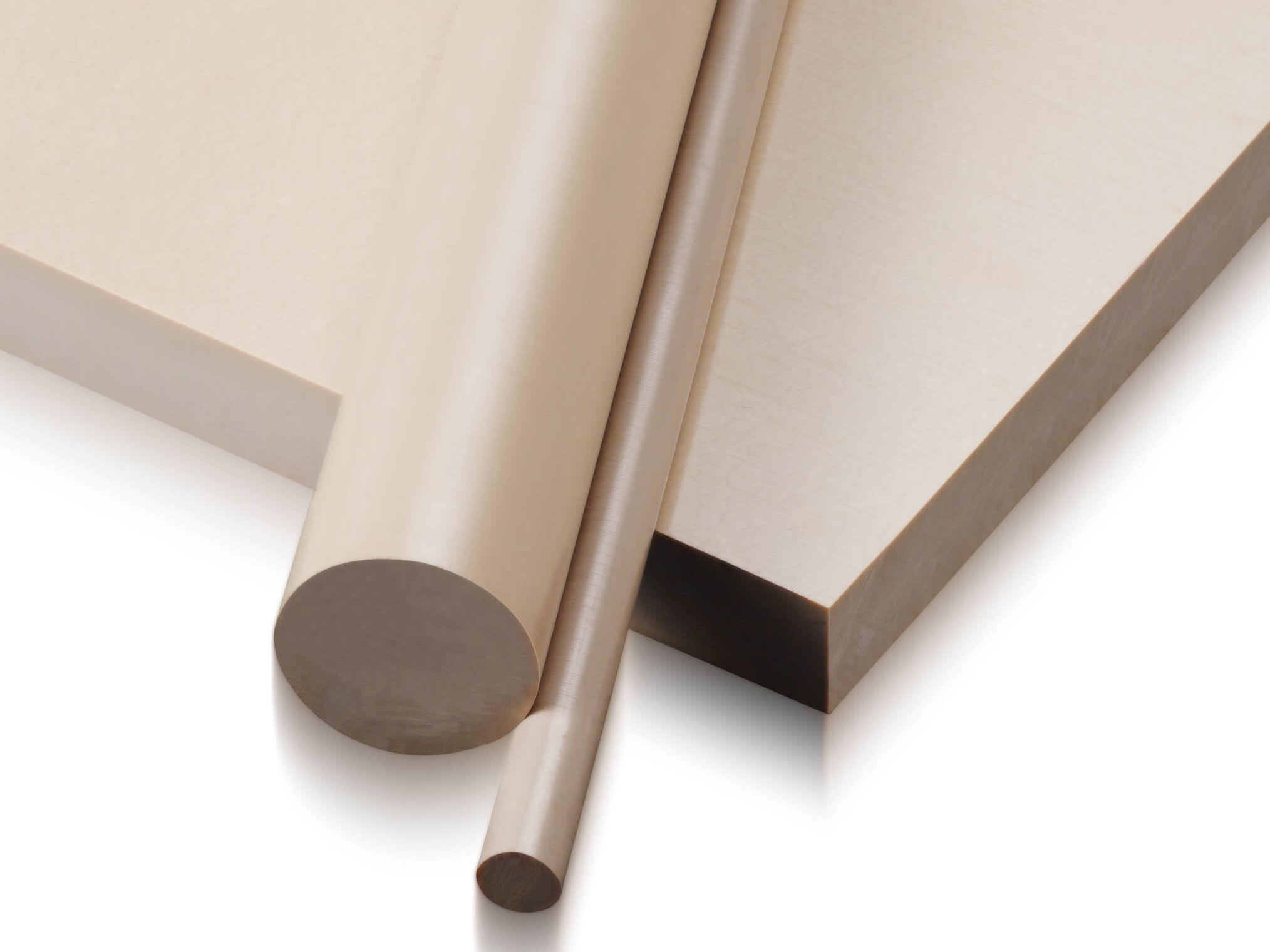
PEEK & PEI (Ultem) |
High strength, low moisture absorption, excellent dielectric properties. |
Radome supports, internal insulating components, cable management. |
What JADE-CNC Reviews for Communication Equipment CNC Machining
Communication hardware often depends on small dimensional details that affect fit, shielding, heat transfer, conductivity, and assembly. JADE-CNC reviews these manufacturing points so RF, microwave, satellite, and telecom components can be machined with controlled process planning.
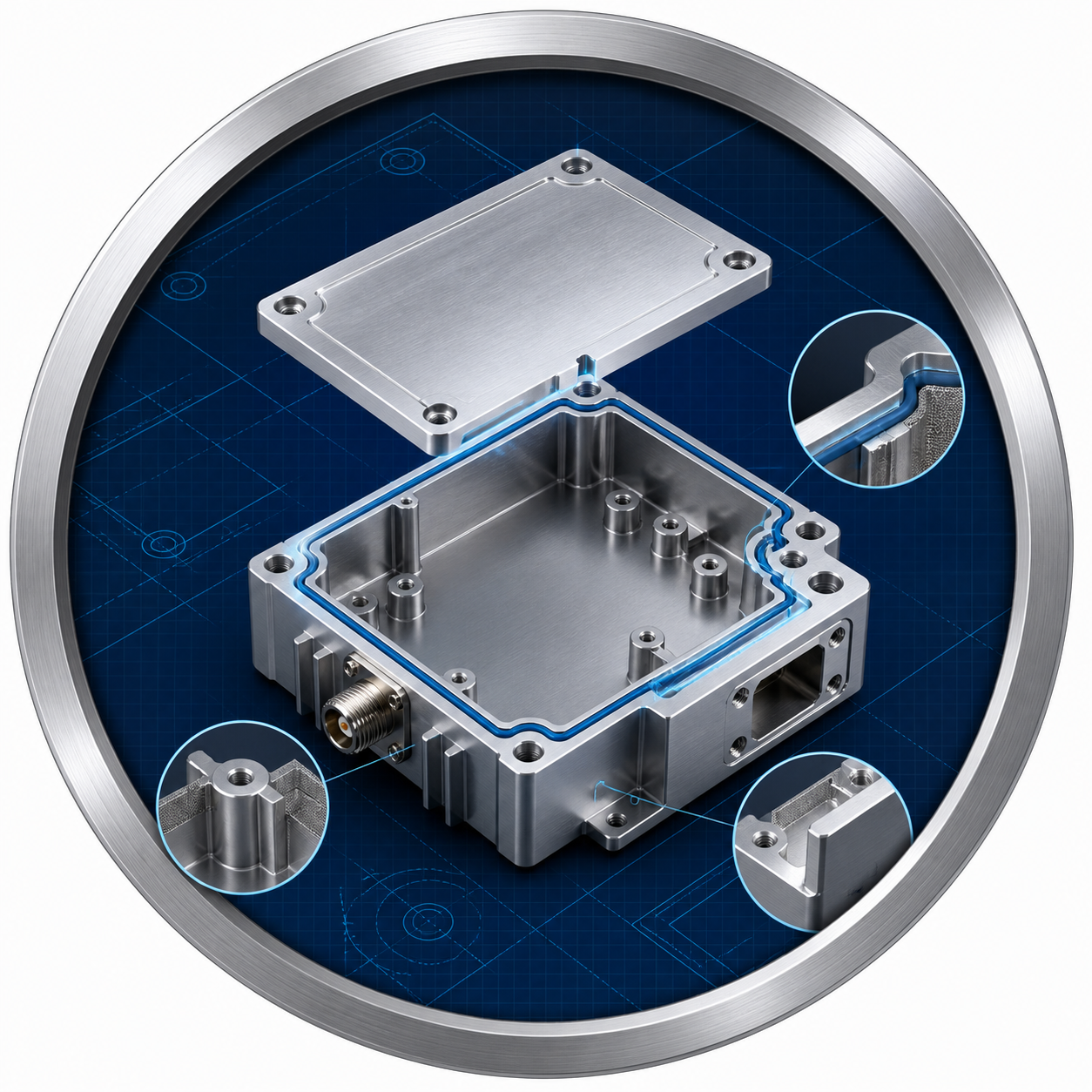
RF Housing and Shielding Fit
RF enclosures, covers, gasket grooves, screw bosses, connector openings, and mating faces are reviewed for shielding contact, flatness, sealing fit, and assembly alignment.
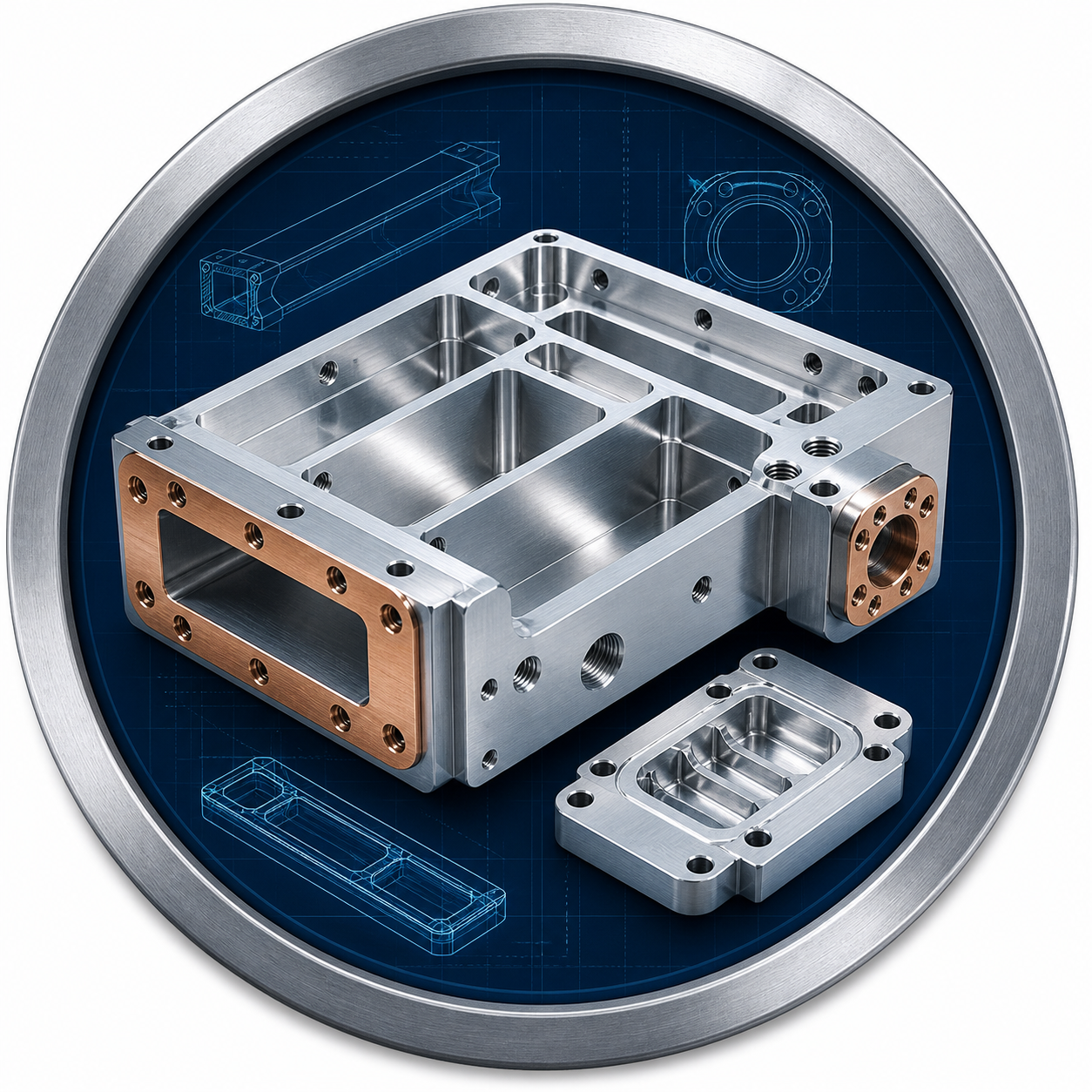
Waveguide and Microwave Cavity Features
Waveguide-related parts, cavity blocks, filter housings, flanges, pockets, and internal surfaces are checked for tool access, burr risk, surface quality, and dimensional consistency.
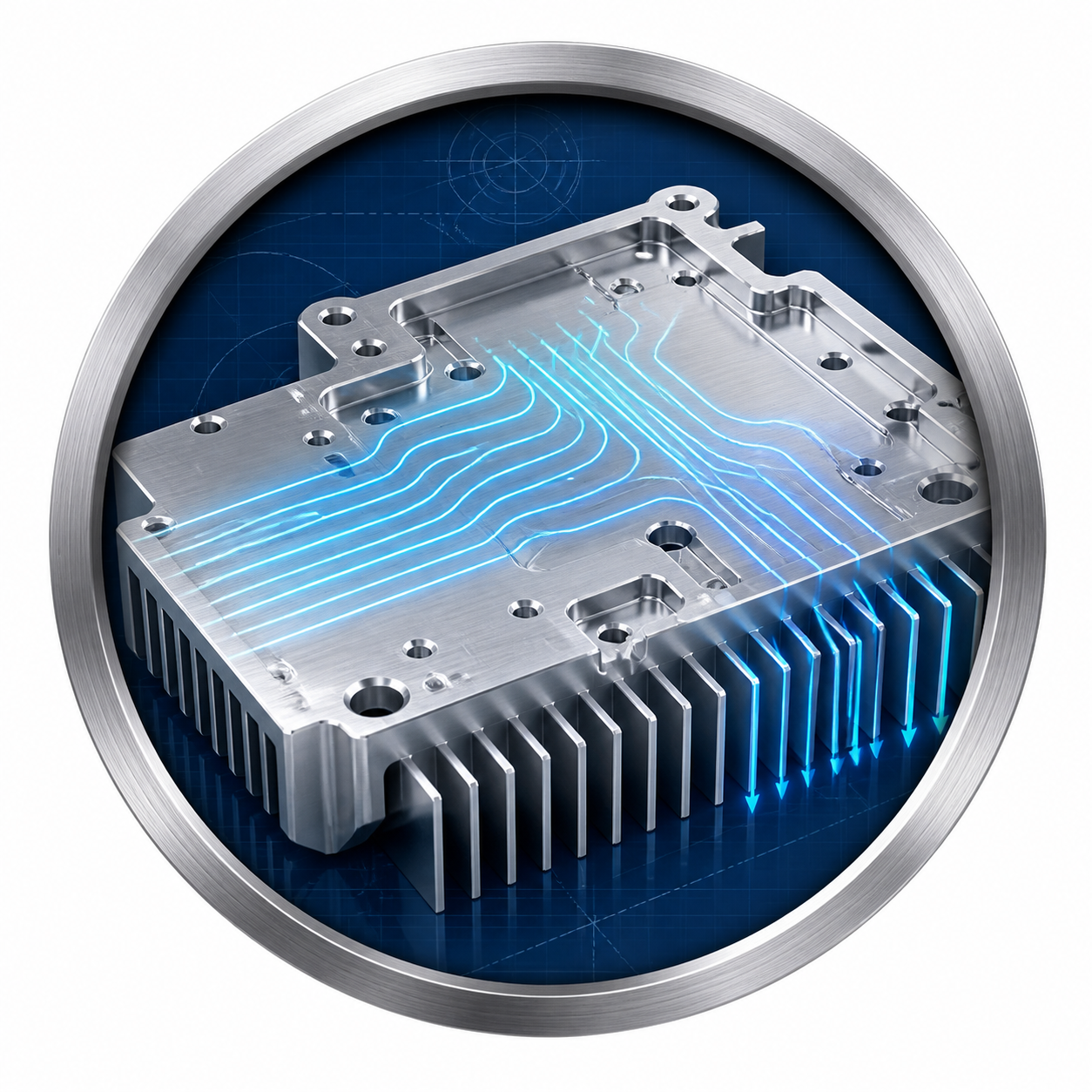
Thermal Path and Heat Dissipation
Heat sink bases, amplifier plates, thermal contact faces, cooling fins, and mounting surfaces are reviewed for flatness, contact area, material choice, and finish impact.
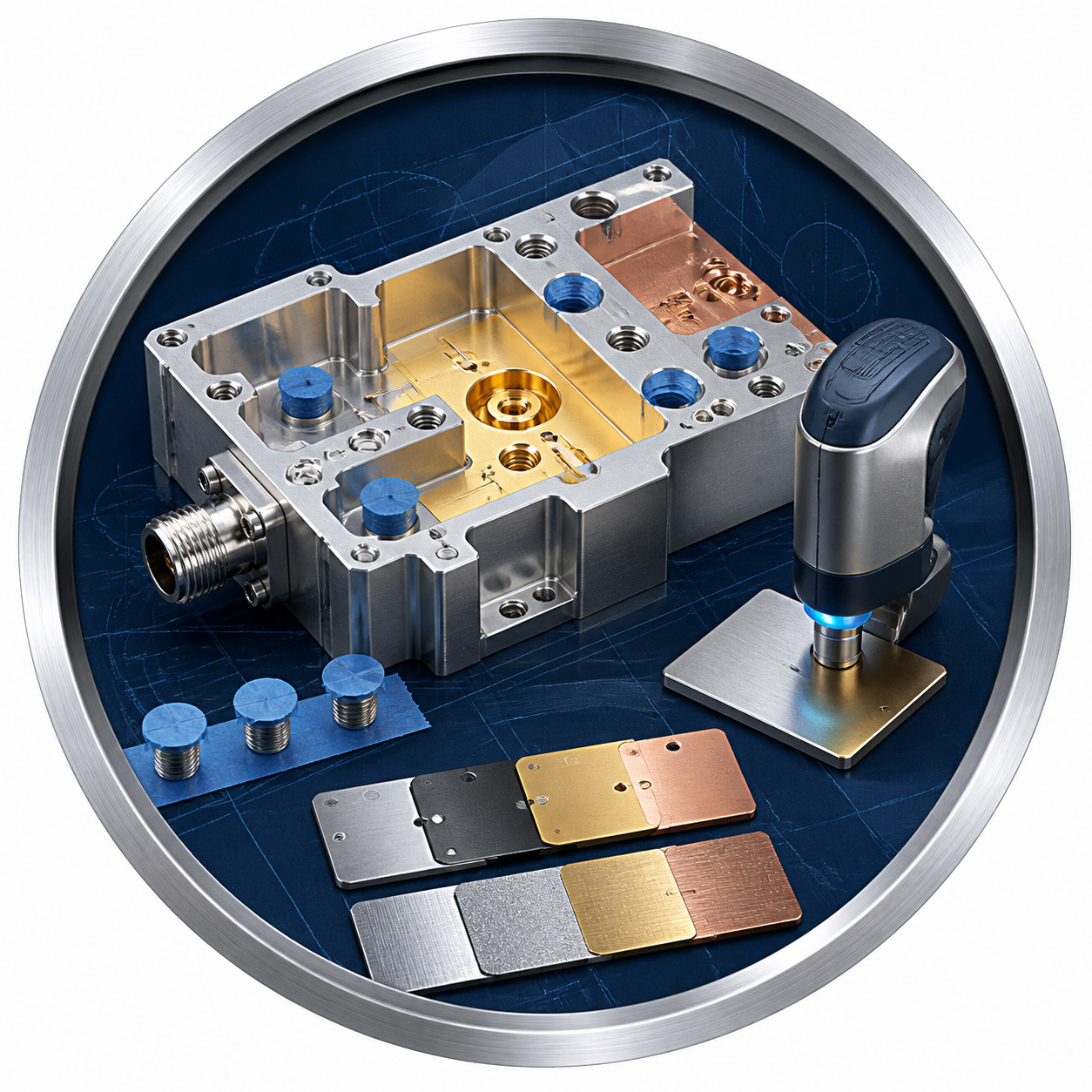
Conductive Finish and Masking
Anodizing, plating, chemical conversion coating, passivation, masking, and coating thickness are reviewed around conductive faces, threads, connector areas, and cosmetic surfaces.
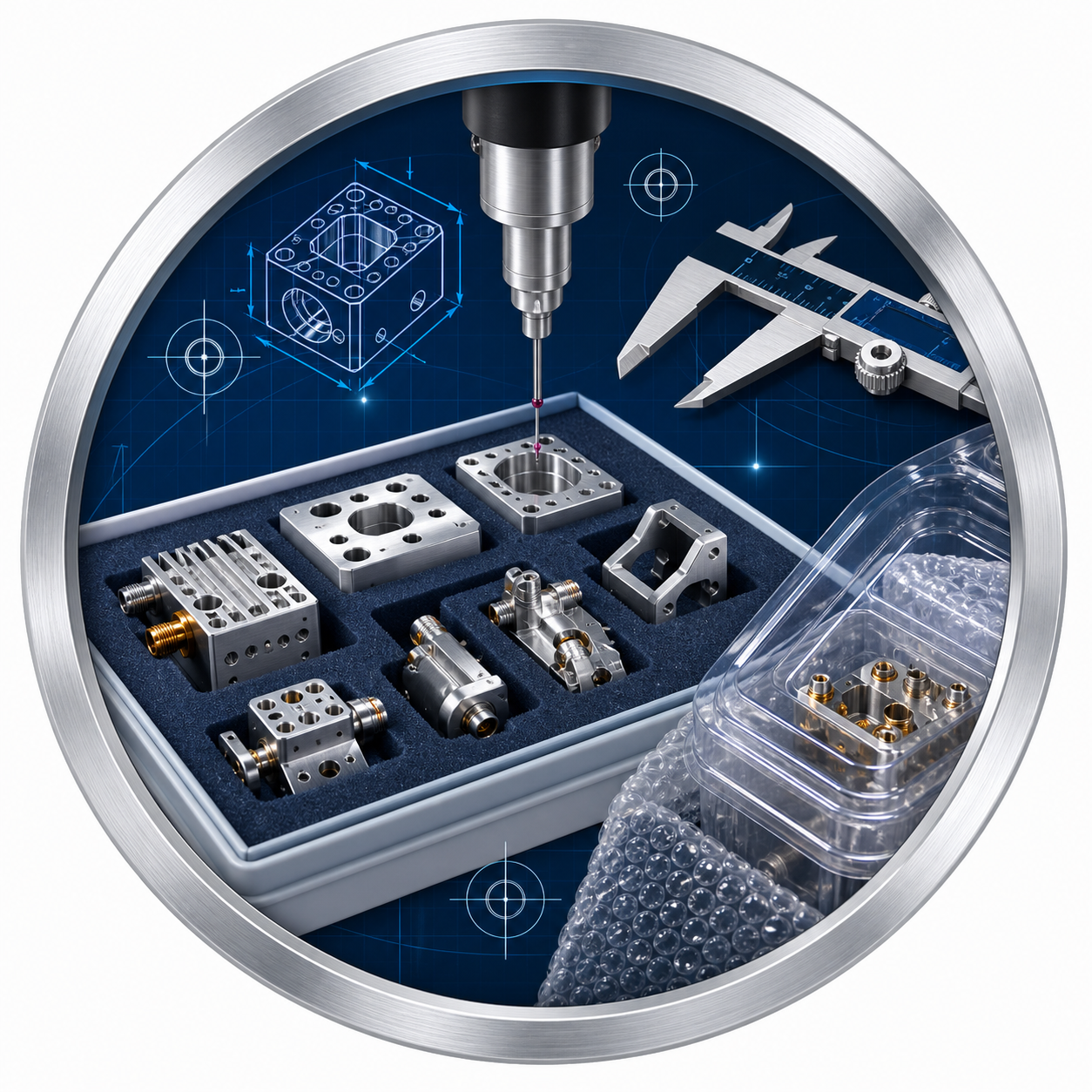
Precision Inspection and Protective Packaging
Critical dimensions, connector features, flatness, hole positions, finish surfaces, and packaging needs can be coordinated with inspection records and handling requirements.
From Design to Deployment: CNC Workflow for Communication Equipment
Collaborative Design Review (DFM/A)
We review CAD models and drawings for manufacturability, tolerance risks, material and finish notes, thermal or assembly concerns, and inspection requirements before quotation or production.
Material & Process Optimization
Review material, machining route, finish, inspection, and quantity requirements so the quote reflects the part function and production path.
Rapid Prototyping and Customer Validation
Produce prototypes or small batches for fit checks, thermal-interface review, assembly trials, and customer-side functional testing.
Pre-Production & Qualification Batches
Manufacture qualification or pilot batches with inspection documentation for customer-side environmental, assembly, or functional validation.
Scalable, Documented Production
Support repeat orders with controlled machining records, inspection checks, packaging, and communication around drawing or process changes.
Build Your Link to the Future with Precision
JADE-CNC helps communication equipment teams manufacture precision machined parts for RF housings, antenna structures, waveguide-related components, enclosures, brackets, heat-dissipation parts, and mechanical assemblies.
Send your drawings and requirements to review material, tolerance, finish, inspection, and production options for your communication equipment parts.

Communication CNC Machining FAQ
Yes. RF enclosures can be reviewed for cover fit, gasket grooves, screw bosses, connector openings, shielding contact faces, flatness, surface finish, and inspection requirements.
Waveguide-related components can be reviewed when the drawing defines cavity geometry, flange details, internal surfaces, tolerances, material, finish, and acceptance requirements.
Common materials include aluminum 6061, aluminum 7075, copper, brass, stainless steel, Kovar, Invar, PTFE, PEEK, PEI, and other specified engineering materials.
Conductive faces, threaded areas, sealing surfaces, connector zones, cosmetic faces, and coating masks should be identified on the drawing so finish planning can match the part function.
Yes. Prototype and low-volume communication parts can support assembly fit checks, thermal-interface review, finish confirmation, and customer-side functional validation.
Dimensional reports, CMM checks, selected feature inspection, surface finish review, material records, or first article review can be coordinated when required by the project scope.
Repeat orders can be supported with confirmed drawings, revision control, inspection notes, packaging requirements, and production communication based on the approved part specification.
Heat sink bases, amplifier plates, cooling fins, and thermal contact faces are reviewed for flatness, material choice, surface condition, mounting holes, and finish impact.