
5 Axis CNC Machining Services for Complex Precision Parts
JADE-CNC supports 5-axis CNC machining for complex metal and plastic parts that need multi-side access, angled features, tight feature alignment, fewer setups, finishing, and inspection.
- Prototype and low-volume orders supported
- Tolerance reviewed by drawing and geometry
- Lead time confirmed after drawing review
- Finishing options matched to part requirements
- Metal and plastic material options
Precision 5 Axis CNC Machining Services from China
What Is 5 Axis CNC Machining?
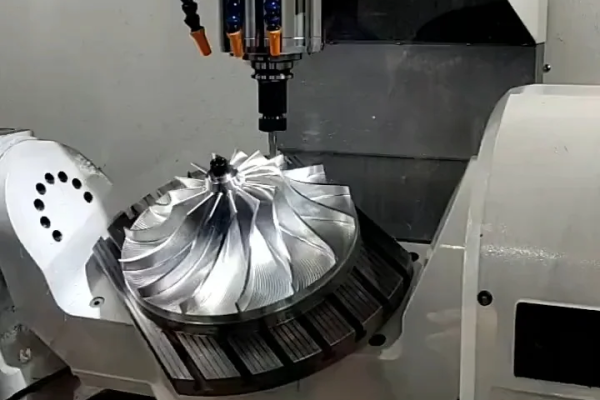
5-axis CNC machining allows the cutting tool or workpiece to move across five axes, helping reach angled surfaces, deep features, undercuts, and multi-sided geometry with fewer setups.
It is useful when standard 3-axis milling cannot provide enough tool access, feature alignment, or surface control for a complex part.
5-axis CNC machining enables complex components to be manufactured with greater precision, fewer setups, and improved efficiency. JADE-CNC provides professional 5-axis CNC machining services for custom metal and plastic parts, delivering tight tolerances, superior surface finishes, and reliable quality from prototype to mass production.
JADE-CNC 5 Axis Machining for Complex Precision Parts
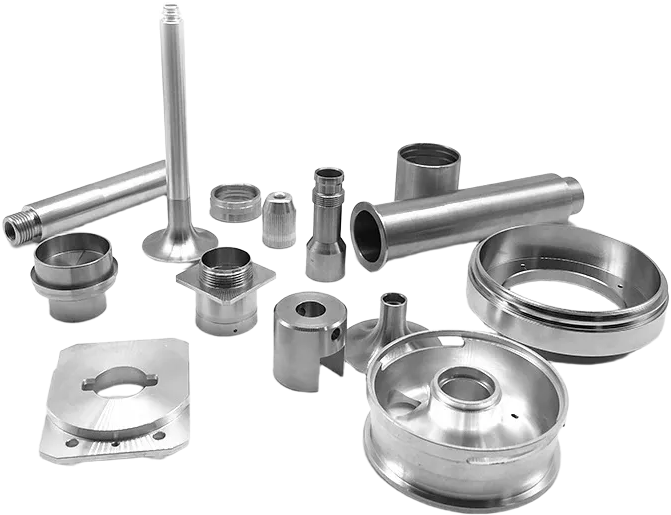
JADE-CNC provides 5-axis CNC machining for prototypes, low-volume production, and complex precision components. This process is often used for housings, cavities, brackets, robotics parts, optical components, medical device parts, aerospace-style features, and other geometry that requires careful tool access and setup planning.
When 5-Axis CNC Machining Adds Value
5-axis machining is not required for every part. It is most valuable when geometry, tool access, feature alignment, surface finish, or setup reduction directly affects the manufacturing result.
Fewer Setups
Multi-side machining can reduce repeated clamping and help maintain feature alignment.
Better Tool Access
Rotary axes help reach angled surfaces, deep features, and difficult cutting positions.
Complex Geometry
Suitable for cavities, contours, undercuts, curved surfaces, and multi-angle features.
Surface Control
Improved tool angle can help reduce tool marks when the cutting strategy is planned correctly.
Fixture Reduction
Some complex parts may need fewer custom fixtures when 5-axis access is practical.
3-Axis vs 4-Axis vs 5-Axis CNC Machining
The best machining method depends on part geometry, feature access, tolerance requirements, surface finish, setup risk, and budget. 5-axis machining is valuable when fewer setups or better tool access improves the final result.
|
Feature |
3-Axis CNC |
4-Axis CNC |
5-Axis CNC |
|---|---|---|---|
|
Movement |
X, Y, and Z axes |
X, Y, Z axes + rotation around one axis (A or B) |
X, Y, Z axes + rotation around two or more axes (A, B, C) |
|
Precision |
High precision for simple parts |
High precision for multi-sided machining |
Strong feature alignment for suitable complex geometries |
|
Complexity of Parts |
Suitable for simple, 2D shapes or parts with simple features |
Can handle parts with multiple sides and slightly complex geometries |
Ideal for intricate, highly complex 3D shapes and designs |
|
Set-Up Time |
Shorter setup time, simpler programming |
Moderate setup time, requires more setup than 3-axis |
Longer setup time, requires more complex programming |
|
Tool Access |
Limited to machining along one plane at a time |
Able to access multiple sides of a part in one setup |
Capable of machining from virtually any angle, reducing the need for re-fixturing |
|
Surface Finish |
Good for basic surface finishes |
Better for complex parts with better surface finishes |
Improved surface consistency when tool access is optimized |
|
Cost |
Most cost-effective |
More expensive than 3-axis but less than 5-axis |
Higher setup and programming cost; best used when geometry justifies it |
|
Best Fit |
Simple flat or 2.5D features |
Parts needing indexing or side access |
Complex multi-sided geometry where fewer setups help alignment |
|
Typical Industries |
Automotive, electronics, prototyping |
Aerospace, automotive, manufacturing, general industries |
Medical devices, robotics, optical parts, tooling, and complex precision components |
Materials for 5-Axis CNC Machining
JADE-CNC machines common metals and engineering plastics for 5-axis CNC projects. Material choice affects tool wear, wall stability, surface finish, tolerance control, and machining cost.
Metals
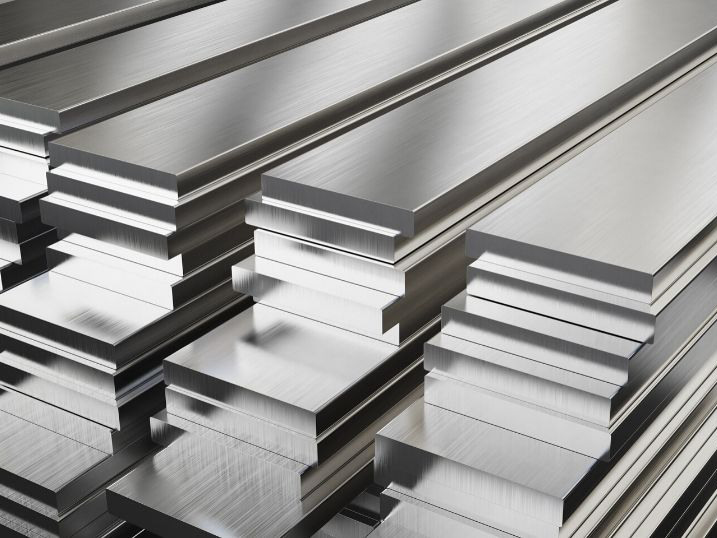
Aluminum, stainless steel, steel, brass, copper, bronze, titanium, magnesium, tool steel, and selected alloys.
Plastics
POM, PA nylon, PTFE, PEEK, PMMA, PC, ABS, epoxy board, and other engineering plastics.
Special Materials
Carbon fiber, ceramic materials, superalloys, Kovar, and application-specific materials can be reviewed based on drawing requirements.
5 Axis CNC Machining Tolerances
5-axis machining tolerances should be reviewed by material, geometry, wall thickness, feature depth, tool access, setup strategy, surface finish, and inspection method. Critical dimensions should be marked clearly on the 2D drawing before quotation.
|
Type |
Tolerance |
|---|---|
| Standard Tolerances | Metals: ISO 2768-f / Plastics: ISO 2768-m |
| Maximum Part Size | 157.5 * 59.1 * 23.6 inch |
| Minimum Part Size | 0.1×0.1 inch |
| Minimum Feature Size | Φ 0.00197 inch |
| Linear Dimension | +/- 0.001 inch |
| Hole Diameters(Not Reamed) | +/- 0.001 inch |
| Shaft Diameters | +/- 0.001 inch |
What JADE-CNC Reviews Before 5-Axis Machining

Geometry Review
Angled surfaces, undercuts, cavities, deep features, and multi-side datum relationships are reviewed.
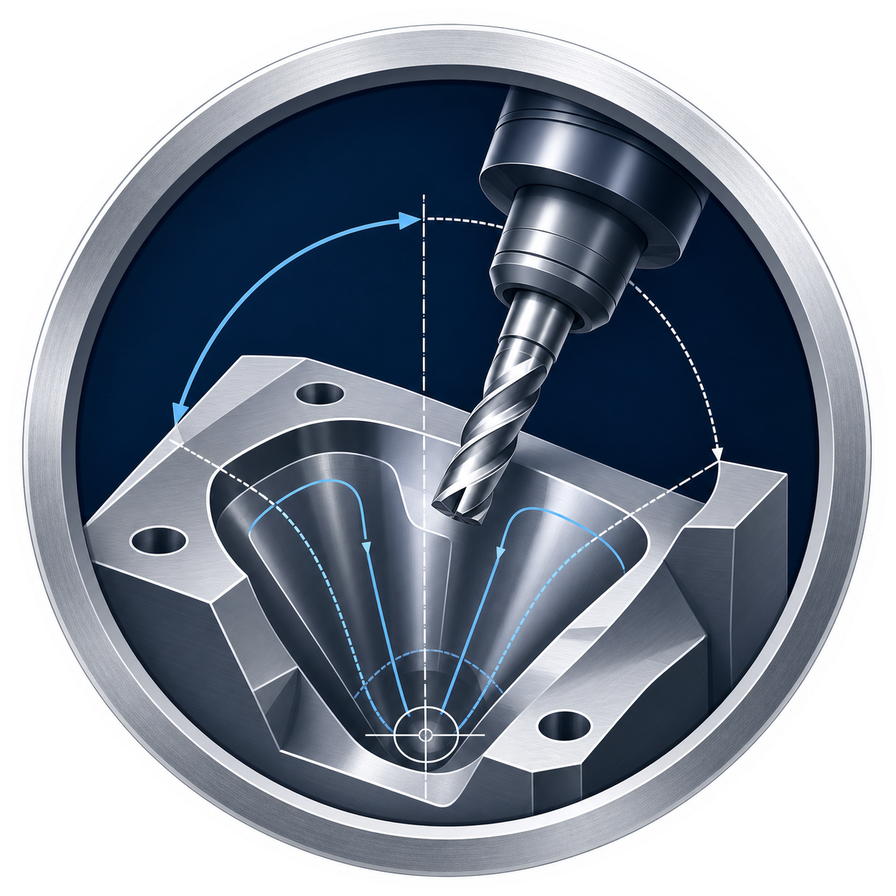
Tool Access
Tool reach, cutter angle, collision risk, and internal corner requirements are checked.
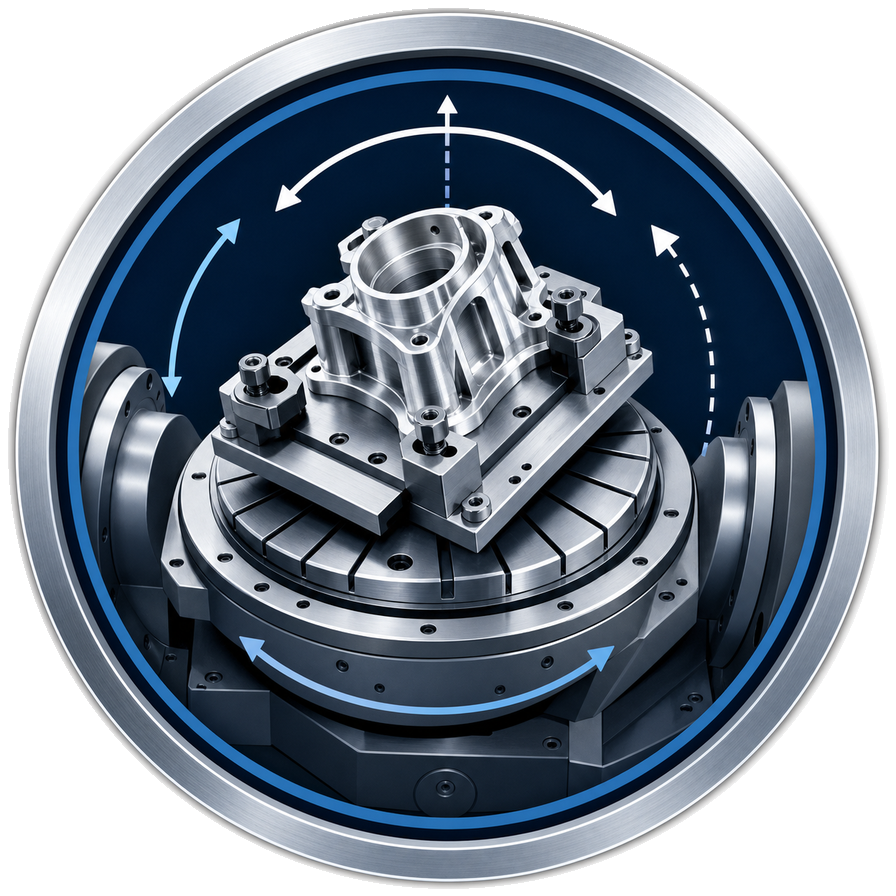
Setup Strategy
JADE-CNC reviews whether 3-axis, indexed 4-axis, or 5-axis machining is the practical route.
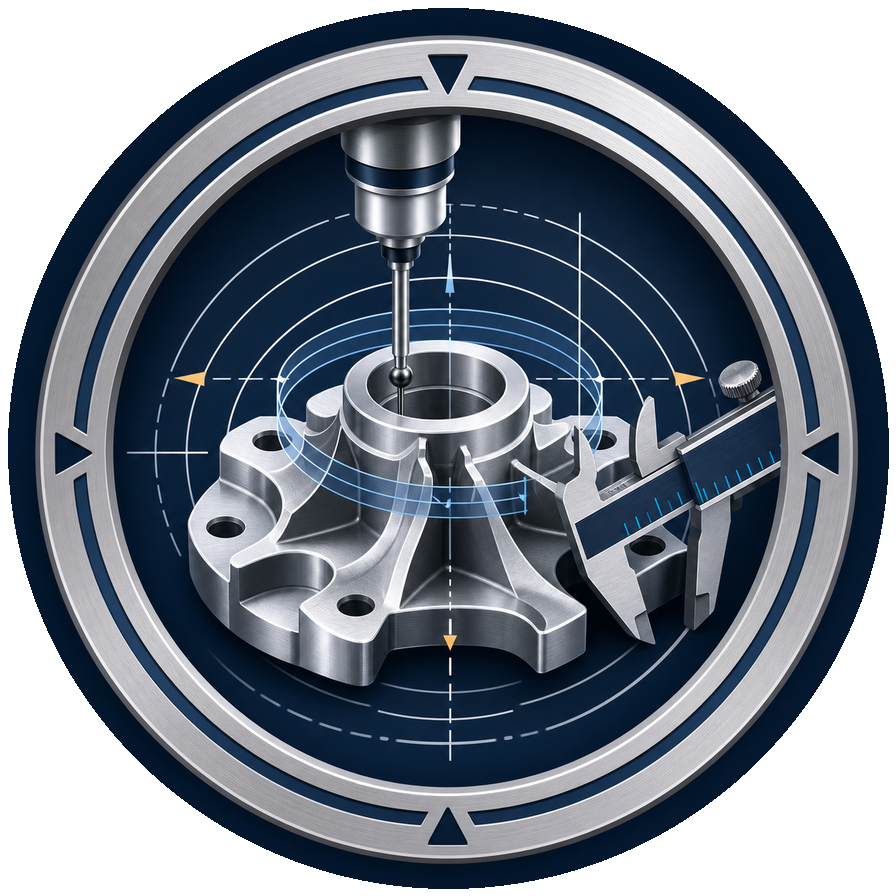
Tolerance Risk
Feature alignment, wall thickness, material movement, and inspection access are reviewed.
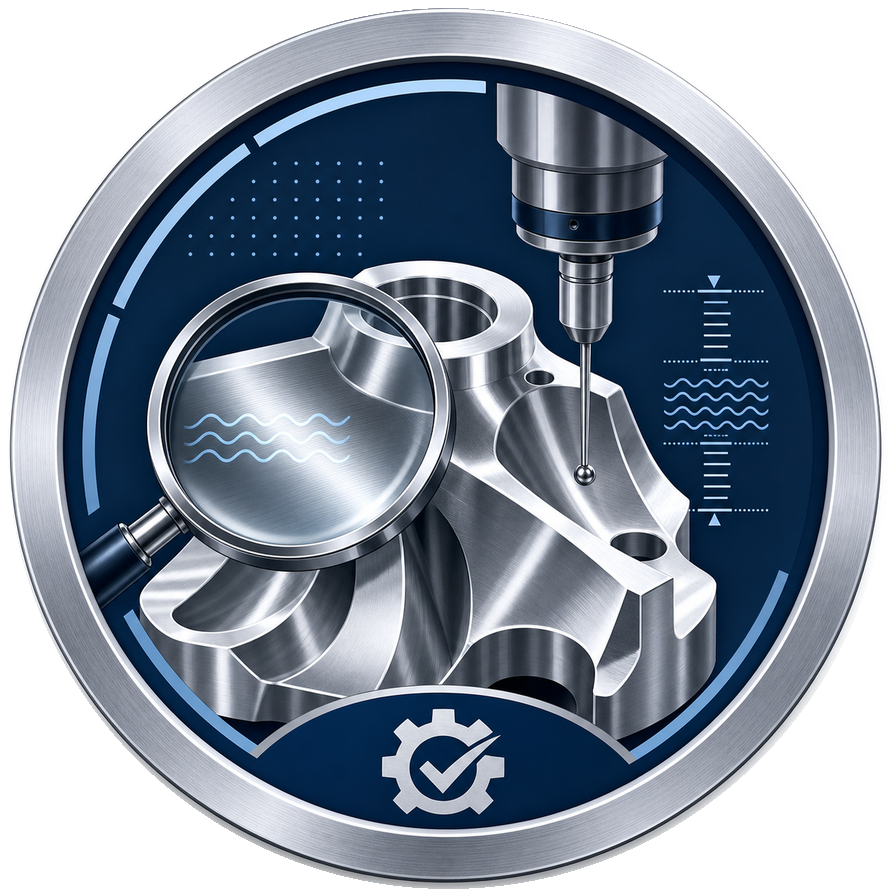
Finish and Inspection
Surface finish, tool marks, burr control, CMM access, and documentation needs are confirmed.

How to Start a 5-Axis CNC Machining Project
We manufacture metal and plastic 5-axis CNC machined parts to match your drawings, performance requirements, and project schedule.

Send CAD files
Send STEP, IGES, X_T, 2D drawings, material, tolerance, quantity, and finish requirements.
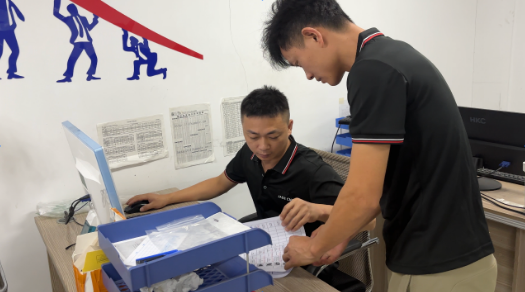
Geometry Review
JADE-CNC reviews tool access, setup direction, wall stability, tolerance risk, and inspection needs.

Quote Confirmation
The quotation is prepared based on material, complexity, machining route, finishing, inspection, and delivery.

Machining and Delivery
Parts are machined, finished, inspected, packed, and shipped according to confirmed requirements.
Get Your Custom 5 Axis CNC Machining
Parts Today!
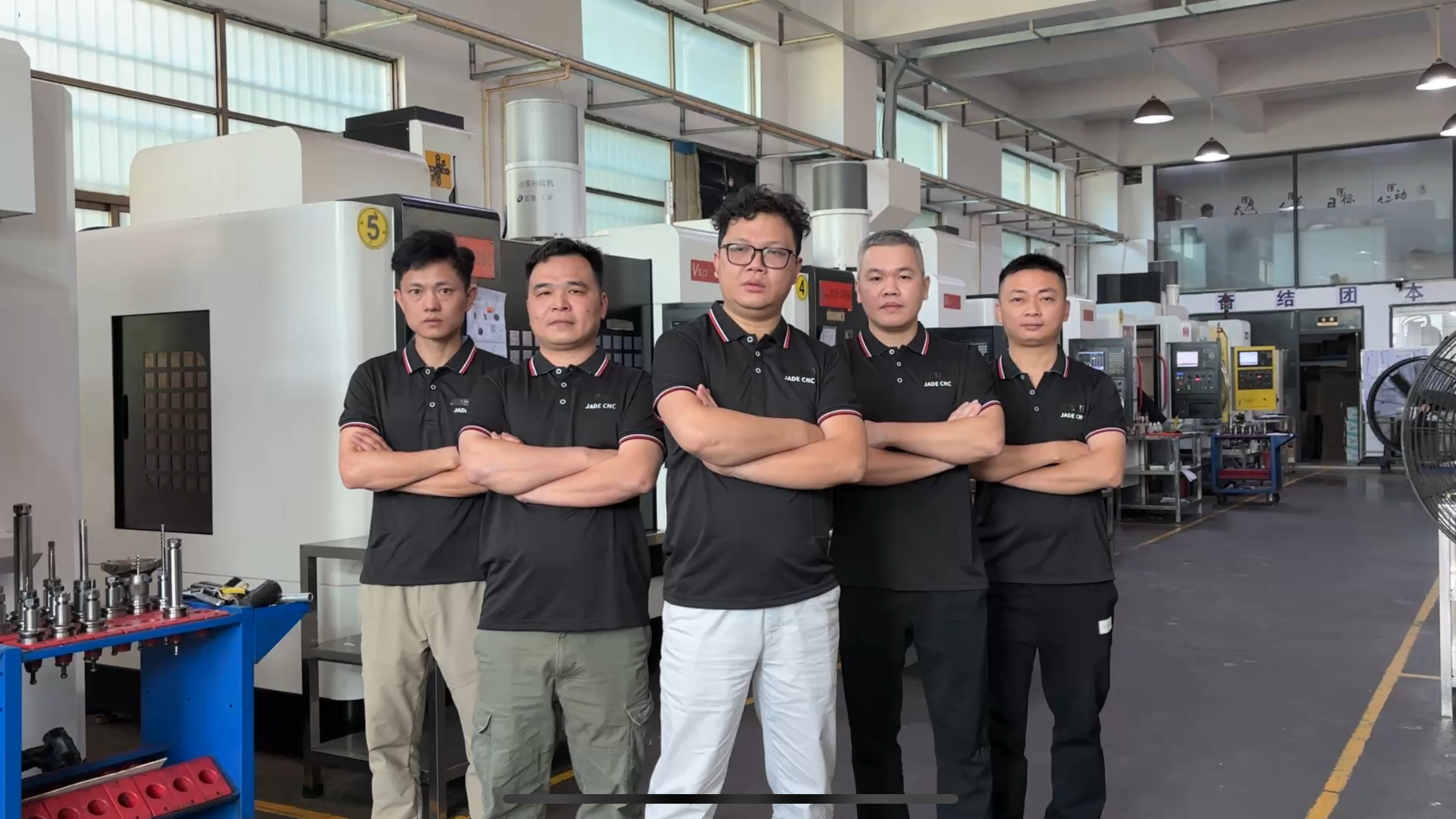
From concept to final production, JADE-CNC supports custom 5-axis CNC machining projects with engineering review, precision machining, finishing, inspection, and delivery coordination. Share your drawings, material, quantity, tolerance, and finish requirements, and our team will prepare a practical quote for your complex precision parts.
FAQ About 5-Axis CNC Machining
5-axis CNC machining is useful for complex parts with angled surfaces, deep features, undercuts, multi-side geometry, tight feature alignment, or difficult tool access.
No. 5-axis machining is best when geometry or setup reduction justifies it. Simple flat or 2.5D features are often more cost-effective with 3-axis milling.
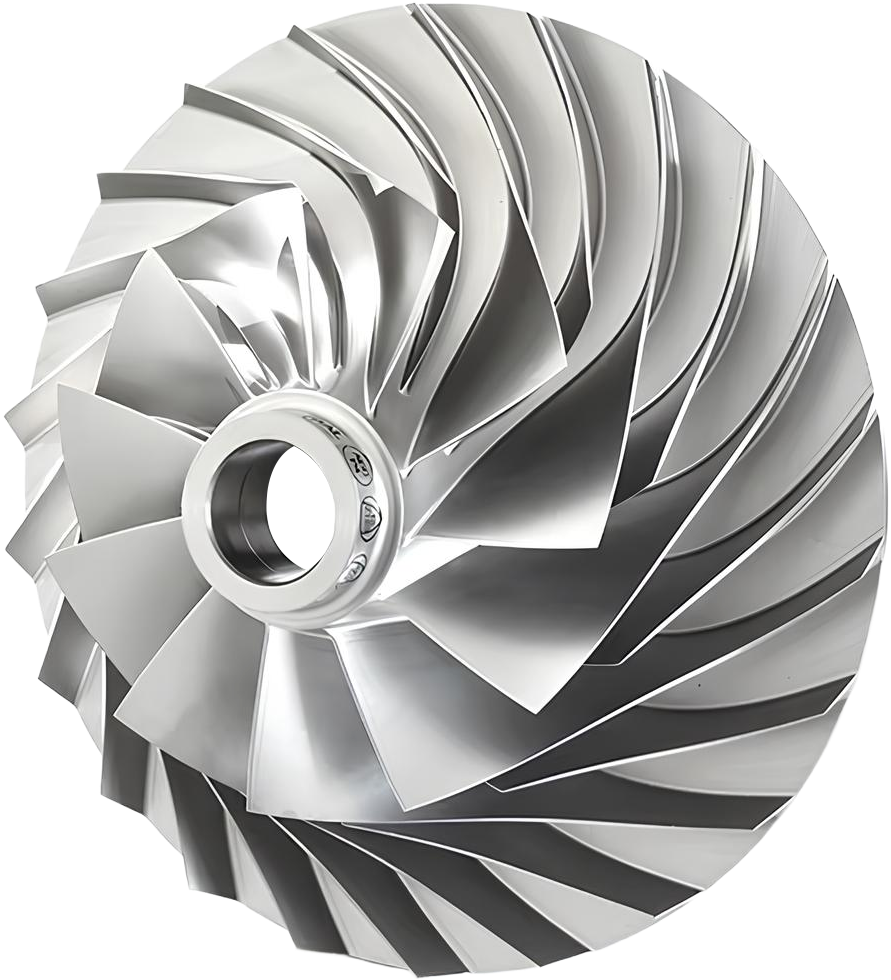
Suitable parts include complex housings, cavities, brackets, impellers, robotics components, optical parts, medical device parts, aerospace-style components, and tooling features.
STEP, IGES, X_T, 3D CAD files, 2D drawings, material grade, tolerance notes, surface finish requirements, quantity, and inspection needs are helpful.
It can help maintain feature alignment by reducing repeated setups, but final accuracy still depends on material, geometry, fixturing, tool access, and inspection method.
Better tool angles can improve surface consistency on complex geometry, but surface finish also depends on material, cutter strategy, tool marks, and finishing requirements.
Common materials include aluminum, stainless steel, steel, brass, copper, bronze, titanium, POM, nylon, PTFE, PEEK, PMMA, PC, and selected special materials.
Usually yes. Programming, setup, machine time, and inspection can cost more, so it should be used when part complexity or setup reduction creates real manufacturing value.
Yes. JADE-CNC can review prototype and low-volume 5-axis machining projects based on drawing, material, tolerance, finish, and inspection requirements.
Inspection may include dimensional checks, CMM inspection, feature alignment review, surface finish checks, thread gauges, FAI, and customer-required documentation.