



CNC Parts Surface Finishing Services
JADE-CNC provides CNC parts surface finishing support for machined metal and plastic components that require corrosion resistance, wear resistance, color, texture, cosmetic appearance, conductivity control, or inspection-ready surfaces.
- Finish options reviewed by material and part function
- Masking, coating thickness, and tolerance impact checked during RFQ
- Inspection and appearance requirements confirmed before finishing

Surface Finishing Options We Offer
Most CNC machined parts need a suitable finish before assembly, testing, shipment, or end use. JADE-CNC reviews surface finishing requirements such as anodizing, hard coat anodizing, electroplating, passivation, polishing, bead blasting, painting, powder coating, black oxide, heat treatment, and laser marking according to the drawing, material, visible surfaces, masking areas, tolerance impact, and inspection needs.
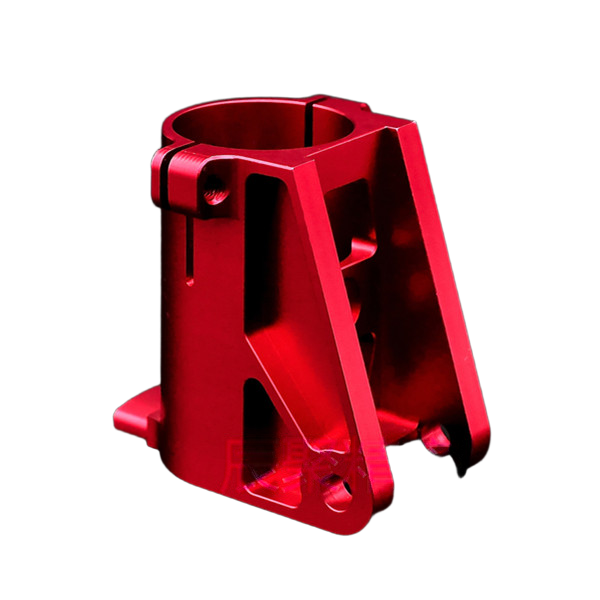
Anodizing
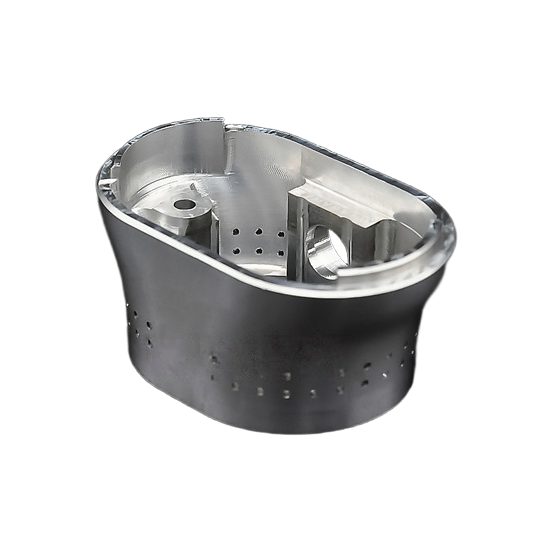
As Machined
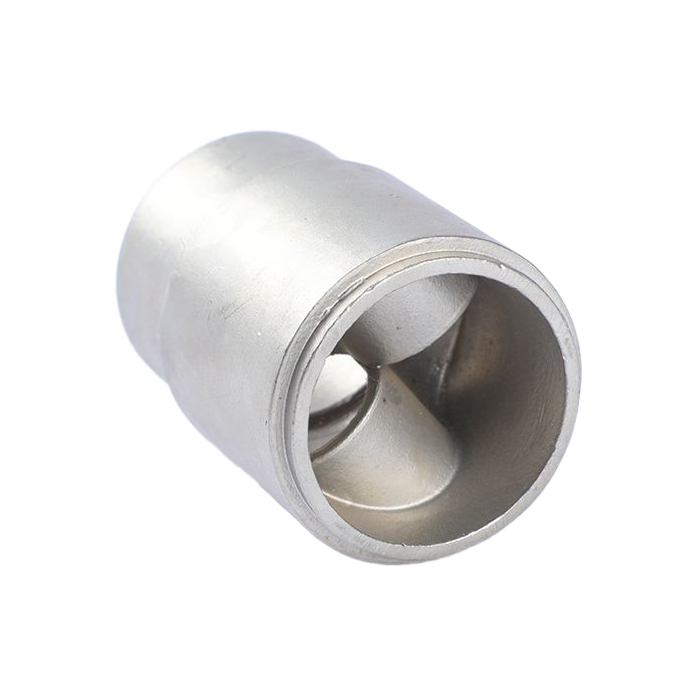
Bead Blasting
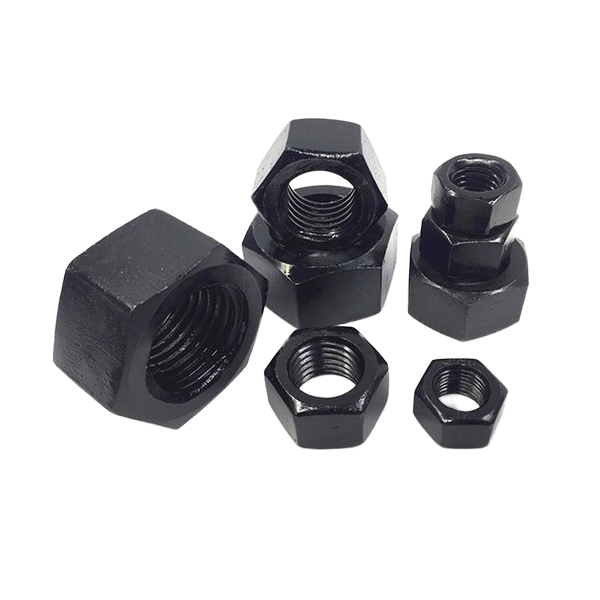
Chromating
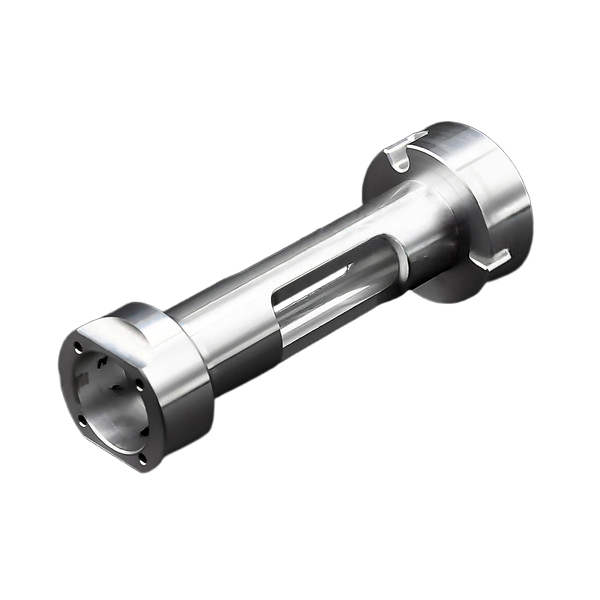
Electroplating
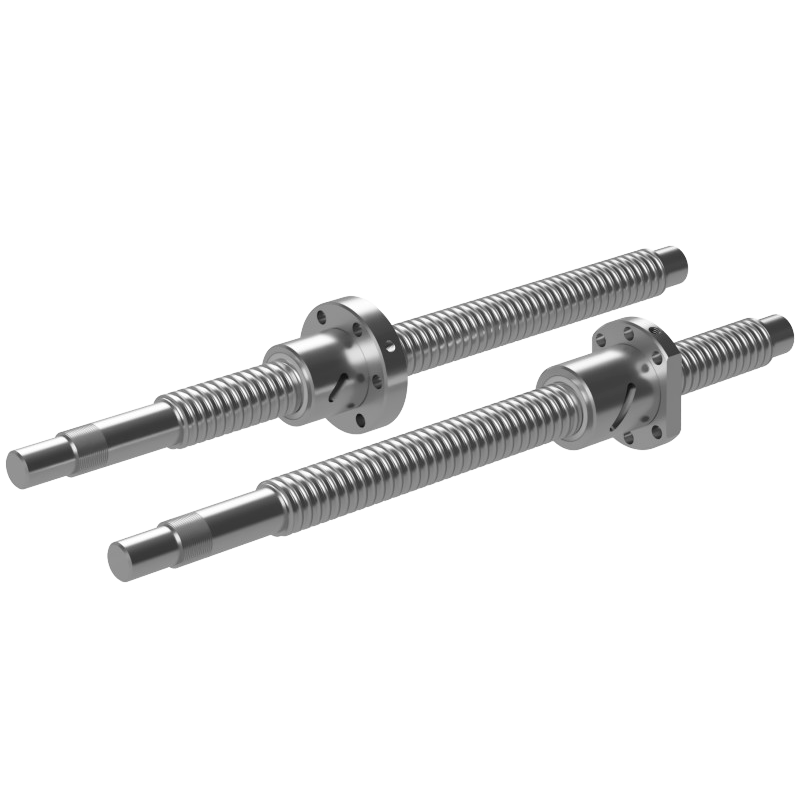
Heat Treating
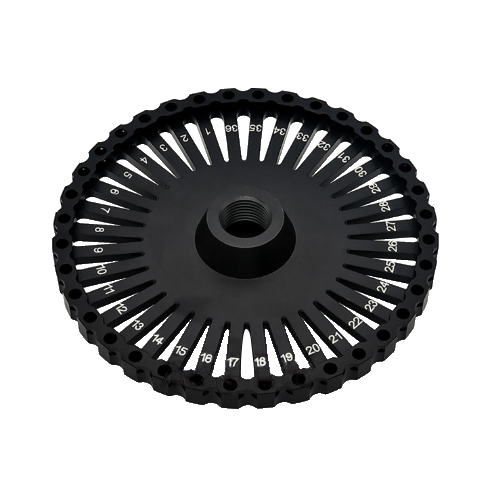
Laser Engraving
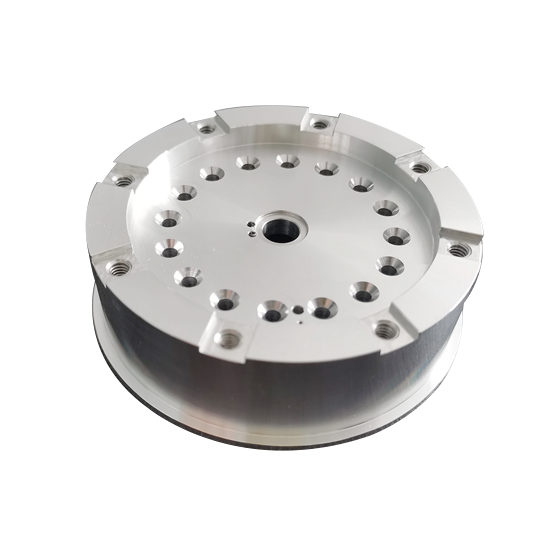
Passivation
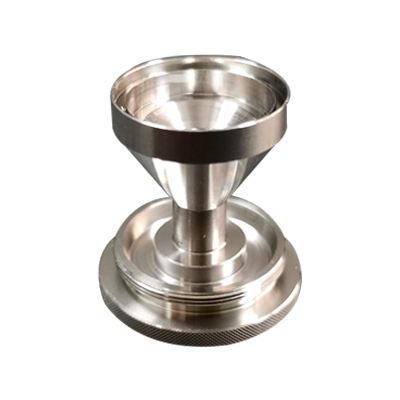
Polishing
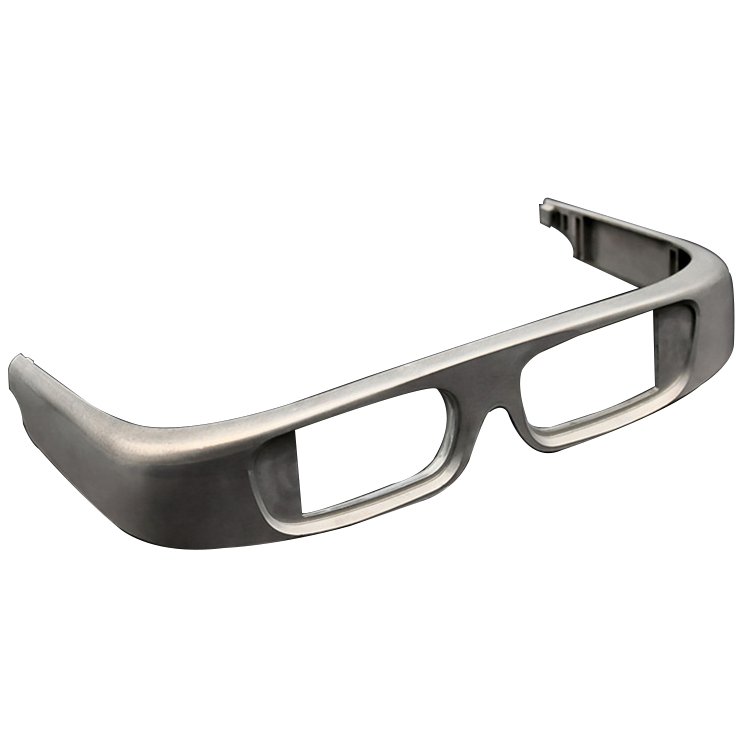
Sandblasting
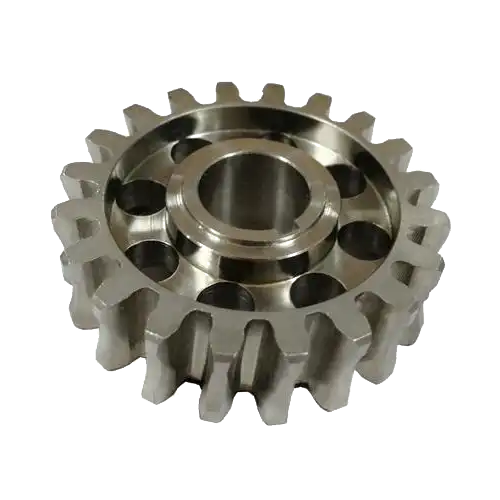
Smooth
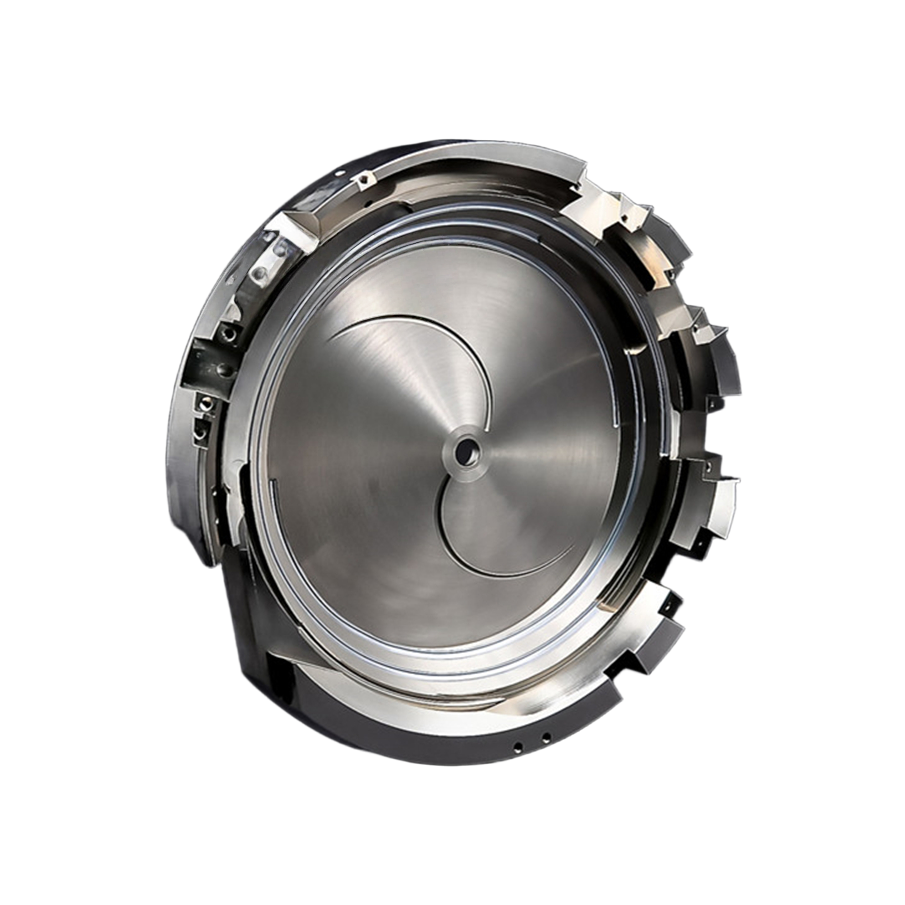
Tumbling
Surface Finish Selection Reference for CNC Parts
Surface finishing affects the appearance, corrosion resistance, wear performance, conductivity, and assembly fit of CNC machined parts. JADE-CNC can review the drawing, material, tolerance, cosmetic requirement, and application environment before recommending a suitable finish.
| Surface Finish | Suitable Materials | Typical Thickness / Effect | Common Purpose | Design / RFQ Notes |
|---|---|---|---|---|
| Type II Anodizing | Aluminum | 5-25 microns | Corrosion protection, color, cosmetic appearance | Confirm color, sealing, and masking for threaded or precision-fit areas. |
| Type III Hard Anodizing | Aluminum | 25-60 microns | Wear resistance, harder surface, functional protection | Allow for dimensional growth and confirm critical tolerance areas before production. |
| Electroless Nickel Plating | Steel, aluminum, copper alloys | 5-50 microns | Uniform coating, corrosion resistance, wear resistance | Useful for complex geometry; confirm coating thickness and post-treatment requirements. |
| Passivation | Stainless steel | No meaningful buildup | Improves stainless corrosion resistance | Suitable when dimensional change must be minimized. Confirm stainless grade and standard requirement. |
| Bead Blasting | Aluminum, stainless steel, steel, brass | Surface texture change | Uniform matte appearance, visual consistency | Cosmetic expectations should be confirmed with sample photos or finish references. |
| Powder Coating | Aluminum, steel | 60-120 microns | Outdoor durability, color, protective coating | Mask threads, holes, grounding surfaces, and precision assembly features. |
| Black Oxide | Steel | Very thin conversion layer | Low reflection, dark appearance, light corrosion protection | Often requires oil or sealing for better protection. Not a heavy corrosion-resistant finish by itself. |
| Laser Marking | Most metals and some plastics | Local surface marking | Part identification, logos, traceability marks | Confirm marking position, size, contrast, and whether the mark is cosmetic or functional. |
Need help choosing a finish for CNC machined parts?
Send your drawings, material, quantity, finish requirement, and inspection notes for engineering review.
Request a CNC Surface Finishing Review
Send your drawing, material grade, surface finish requirement, color or texture reference, masking areas, critical dimensions, inspection needs, and target quantity. JADE-CNC will review whether the requested finish is suitable for the part material, geometry, tolerance, and application.
Surface Finishing FAQ for CNC Machined Parts
JADE-CNC can review anodizing, hard coat anodizing, plating, passivation, polishing, brushing, bead blasting, painting, powder coating, black oxide, heat treatment, laser marking, and other finish requirements based on drawing and material.
The finish should be selected according to material, function, appearance, corrosion exposure, wear requirement, conductivity, masking areas, tolerance impact, and inspection needs.
Yes. Anodizing can add coating thickness and may affect precision-fit areas, threads, holes, and mating surfaces. Critical areas should be marked before finishing.
Hard coat anodizing is usually considered when aluminum parts need better wear resistance, harder surfaces, or functional protection. Thickness and tolerance impact should be reviewed before production.
Yes. Passivation is commonly used for stainless steel parts to improve corrosion resistance without meaningful dimensional buildup.
Yes. Masking areas such as threads, holes, electrical contact surfaces, sealing faces, and tight-tolerance features should be reviewed before finishing.
Color can vary depending on material grade, surface condition, batch, coating process, and supplier conditions. Color expectations should be confirmed with references or samples when appearance is important.
Common checks include visual appearance, coating thickness, roughness, masking condition, critical dimensions, thread fit, and functional surfaces.
Some plastic parts can be polished, bead blasted, painted, marked, or treated depending on the material and application. The finish method should be reviewed case by case.
Please provide drawings, material grade, quantity, required finish, color or texture reference, masking areas, critical dimensions, appearance requirements, and inspection documents if needed.