Medical CNC Machining Services

JADE-CNC provides Medical CNC Machining for medical device parts, medical equipment parts, healthcare components, fixtures, brackets, housings, prototypes, and low-volume parts based on customer drawings and inspection requirements. As a medical machining supplier, we support precision medical components and precision healthcare parts with drawing review, material confirmation, surface finish discussion, and inspection planning before production.

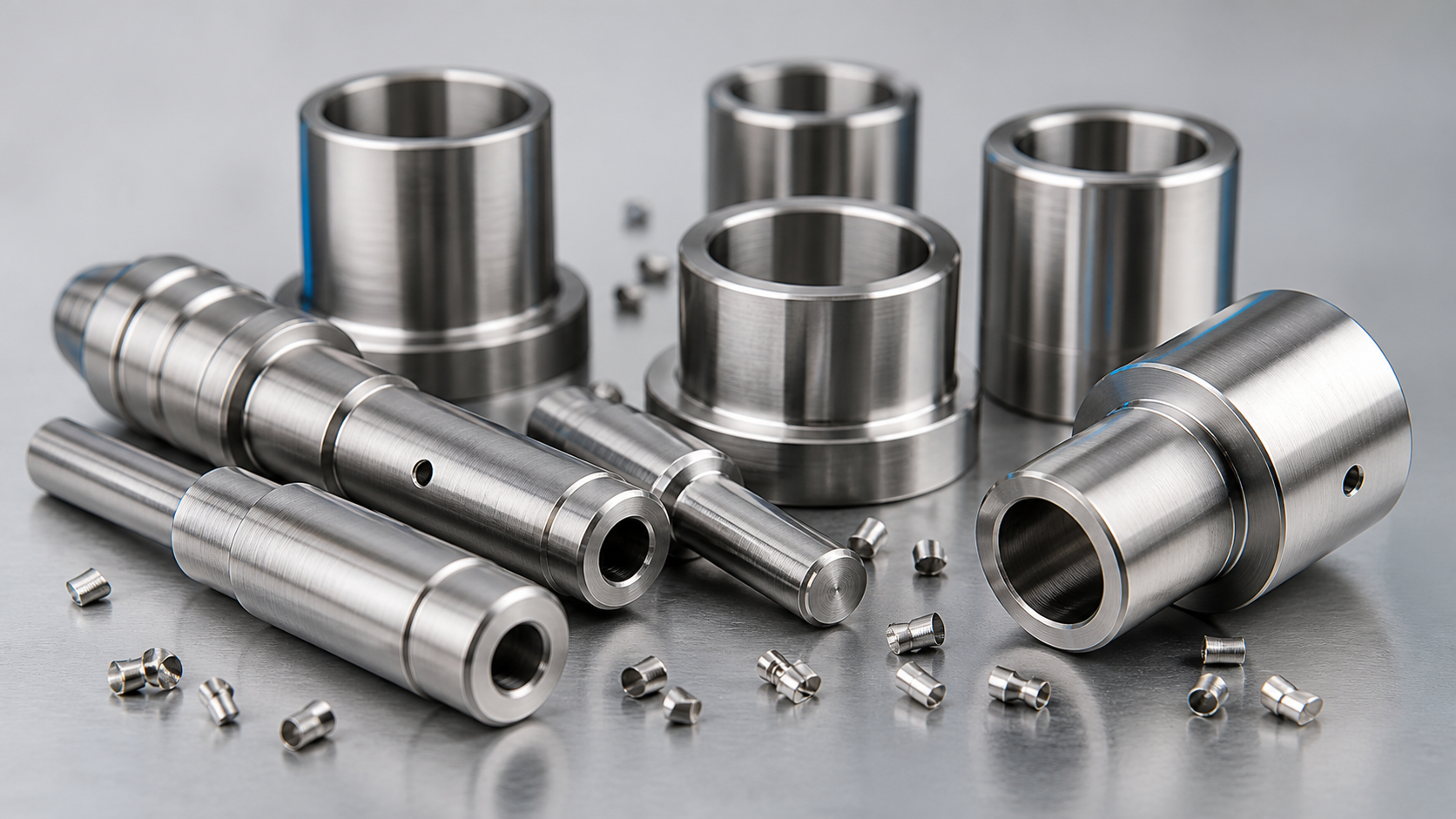
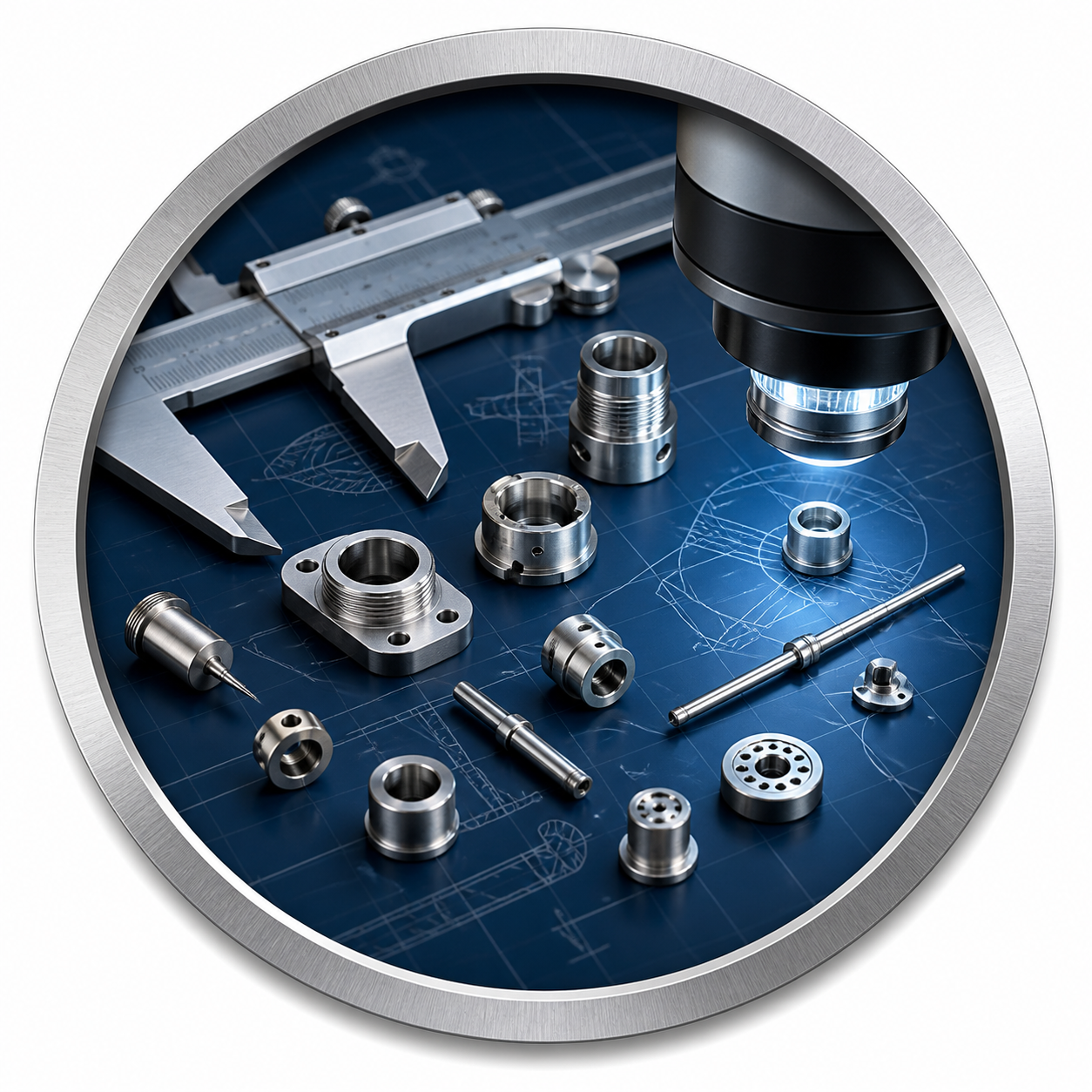
Precision machined metal components for medical device applications

Introduction to Medical CNC Machining

Medical components often require complex geometry, tight tolerances, clean edges, reliable materials, and consistent documentation. JADE-CNC supports medical prototype machining, surgical components, stainless steel medical parts, titanium medical machining, and other drawing-based medical parts when the material grade, tolerance, finish, cleaning, and inspection requirements are clearly confirmed.

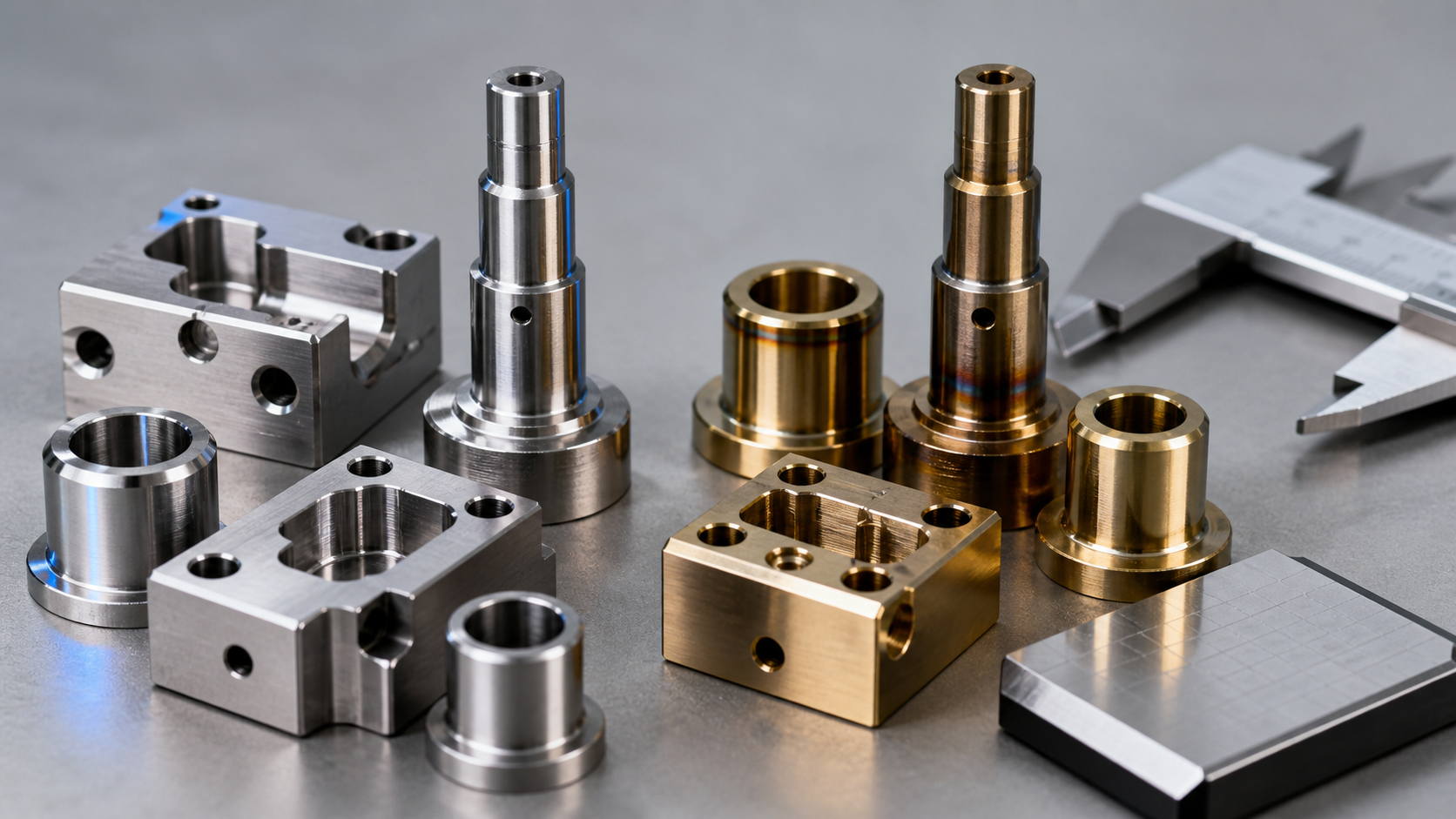
CNC machined medical parts for precision device manufacturing

Why Choose JADE-CNC for Medical CNC Machining?

JADE-CNC supports precision medical machining projects with DFM review, medical prototype machining, material and finish discussion, CNC milling, CNC turning, 5-axis machining, surface finishing coordination, and inspection according to the drawing and order requirements. Our role is to help buyers turn confirmed designs into manufacturable medical device parts with practical process control.

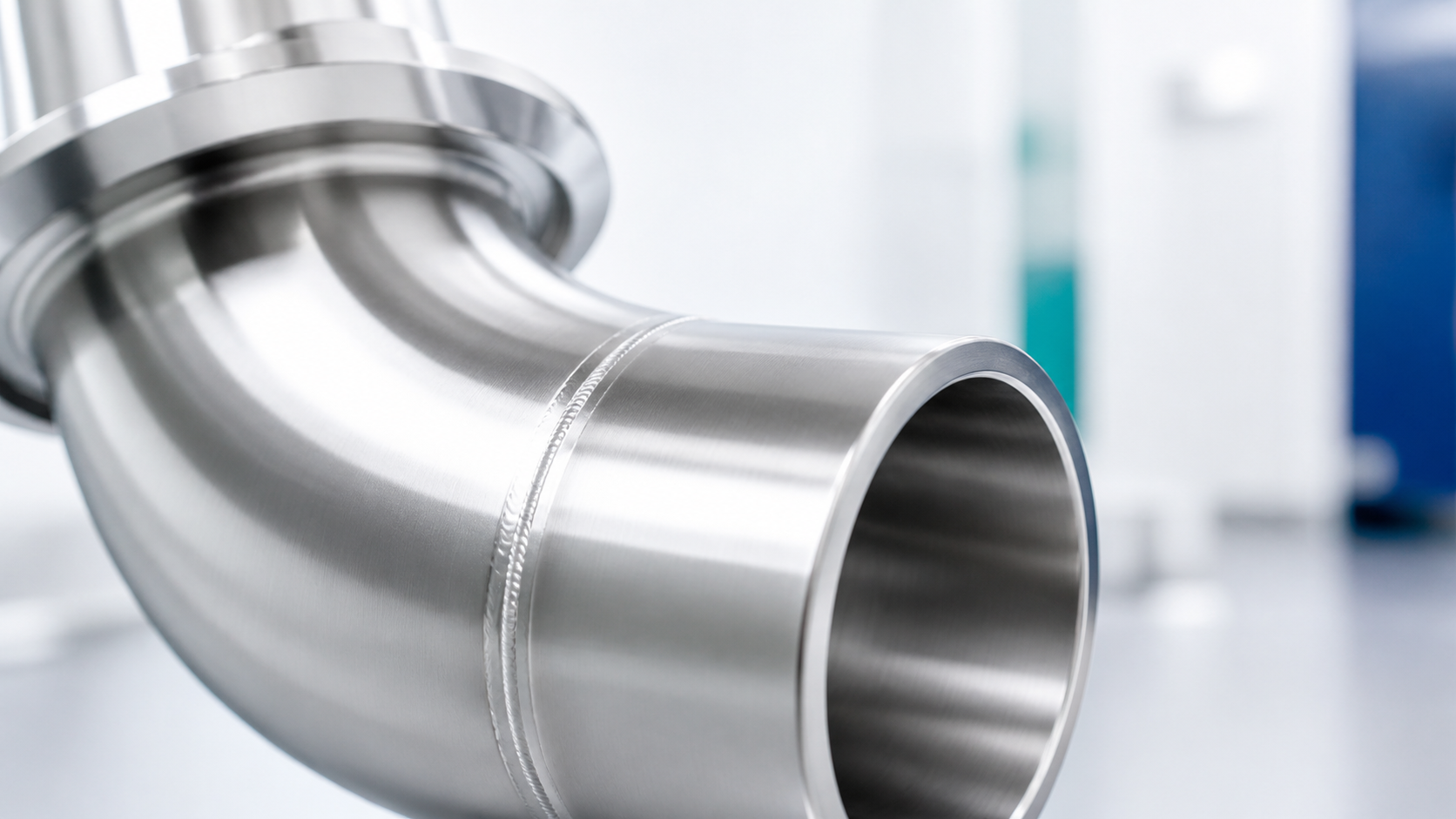
CNC machining material options for medical device components

Materials for Medical Device Machining

Medical device components may require careful material review, clean edges, controlled surfaces, inspection records, and stable dimensions. JADE-CNC reviews material and finish requirements from customer drawings before machining.

  • Engineering plastics: options such as PEEK, PEI, POM, and other plastics can be reviewed when specified by the drawing.
  • Aluminum and stainless steels: commonly used for housings, fixtures, brackets, plates, and equipment hardware.
  • Titanium or special alloys: reviewed only when the customer provides the grade, drawing requirements, and acceptance criteria.
  • Surface finish requirements: burr control, cleaning, masking, passivation, anodizing, or other finish notes should be confirmed before production.

What JADE-CNC Reviews for Medical CNC Machining

Medical-related CNC parts need careful control of drawing requirements, material selection, edge condition, surface finish, critical dimensions, and inspection records. JADE-CNC uses these review points to support controlled machining for prototypes, fixtures, housings, brackets, and precision medical components.

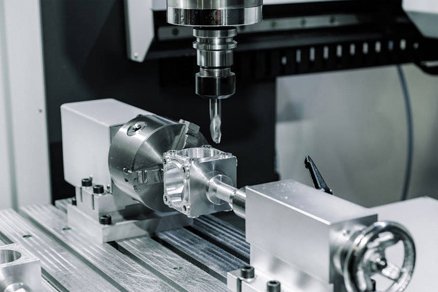
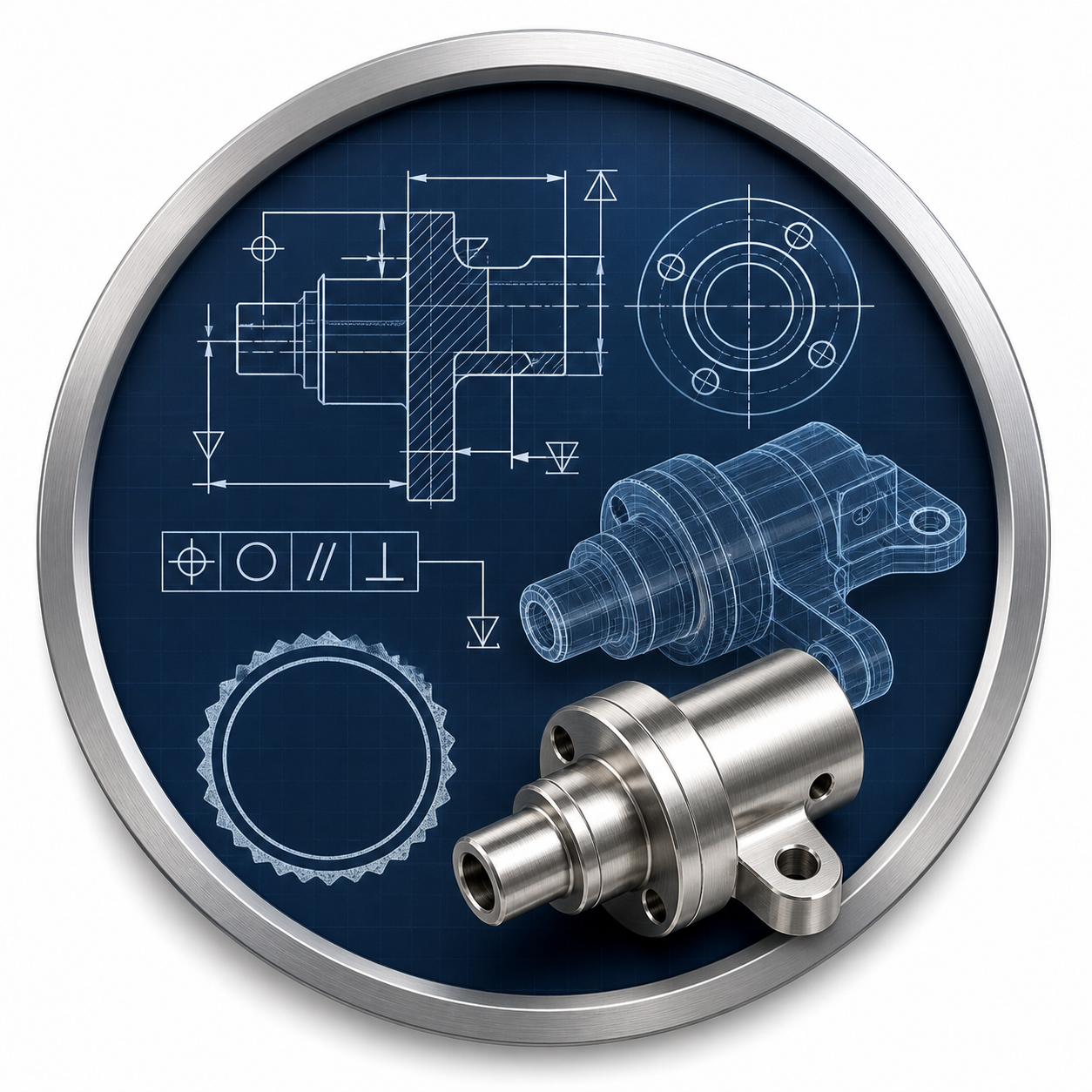
Medical CNC machining drawing and revision control

Drawing and Revision Control

Drawings, CAD files, revision level, critical dimensions, datum references, threads, hole positions, and inspection notes are checked so machining follows the approved project data.

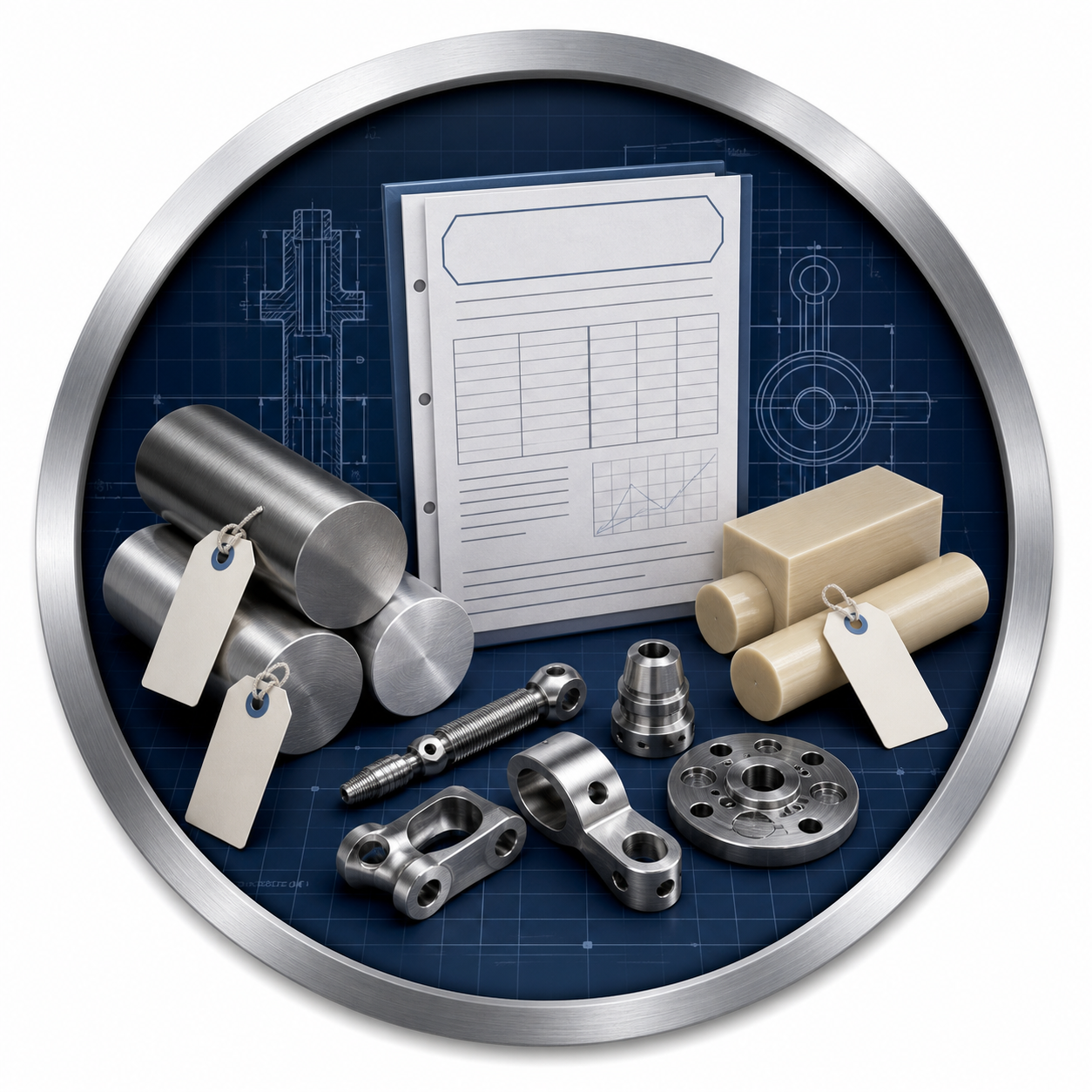
Medical CNC machining material grade confirmation

Material Grade Confirmation

Stainless steel, aluminum, titanium, PEEK, PEI, POM, and other specified materials are reviewed according to the drawing, function, finish, and documentation needs.

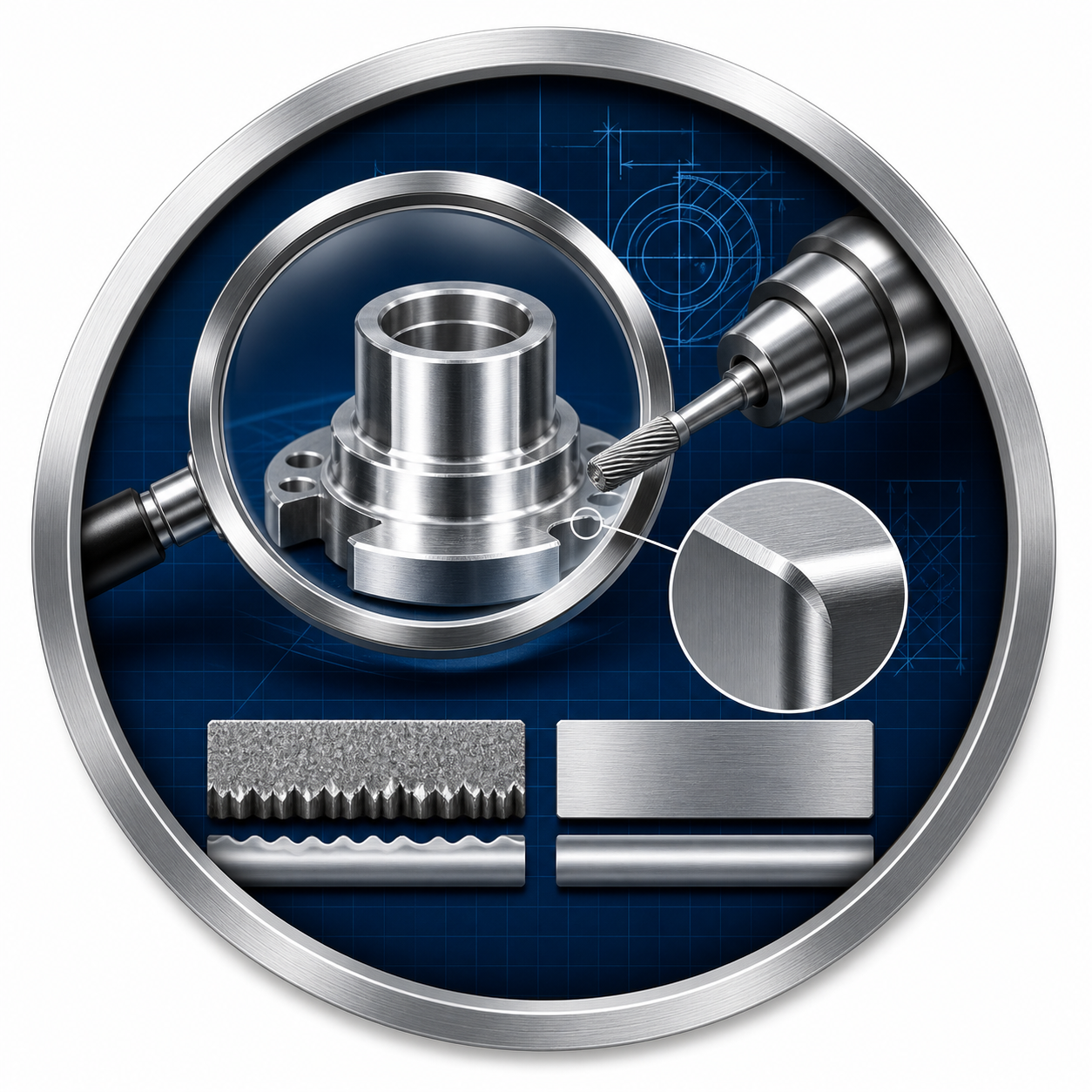
Burr control and surface quality for medical CNC parts

Burr Control and Surface Quality

Edges, small holes, threads, grooves, sealing faces, and contact surfaces are reviewed for burr risk, surface marks, cleaning needs, and finish expectations.

Precision small features for medical CNC machining

Precision Features and Small Components

Thin walls, small shafts, micro holes, fine threads, pockets, slots, and tight-fit features are checked for tool access, stability, and inspection feasibility.

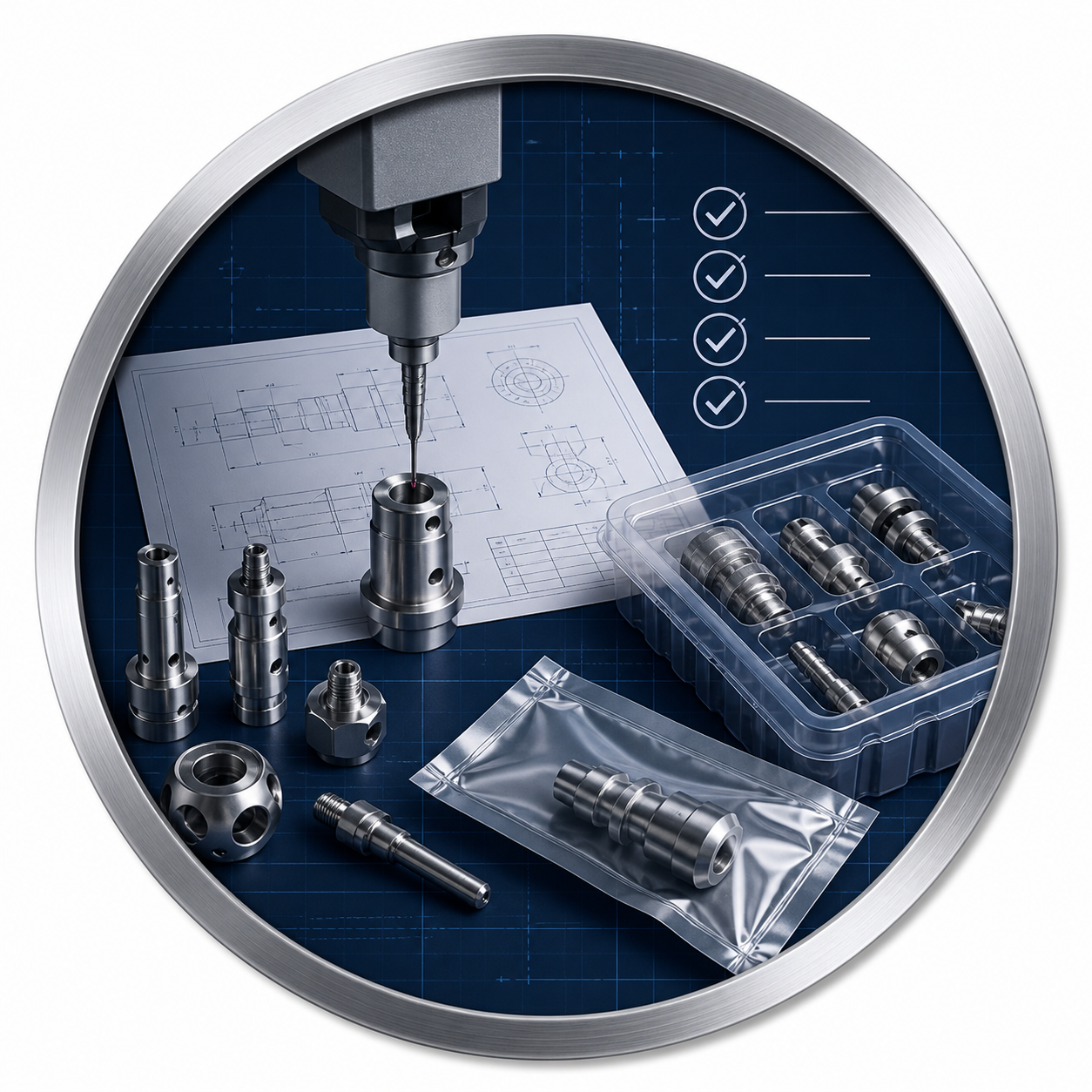
Inspection records and packaging for medical CNC parts

Inspection Records and Packaging

Dimensional checks, CMM reports, first article review, material records, surface inspection, revision control, and protective packaging can be coordinated according to project scope.

Custom Machining for Medical Devices

JADE-CNC uses CNC milling, CNC turning, and 5-axis machining to manufacture drawing-defined medical device and equipment components where dimensional control, surface condition, and documentation matter.

  • Device housings and covers
  • Prototype fixtures and test hardware
  • Instrument-related handles, brackets, and plates
  • Mounting blocks, adapters, and connector hardware
  • Small precision shafts, screws, and turned parts
  • Low-volume production components according to approved drawings
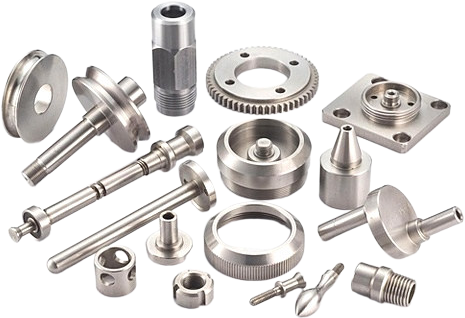
Custom machining for medical device components

How JADE-CNC Supports Medical Component Projects

JADE-CNC supports medical device teams by reviewing drawings, clarifying material and finish notes, planning the CNC machining route, checking critical dimensions, and communicating production risks before prototype or low-volume production.

Engineer Support

Our team reviews manufacturability, wall thickness, tool access, tolerance risks, material notes, and inspection needs before machining medical device components.

Prototype and Low-Volume Support

Prototype and low-volume machining can help teams check fit, assembly, material choice, and design revisions before committing to repeat production.

Material and Finish Clarification

Material grade, surface finish, burr control, cleaning, packaging, and inspection notes are reviewed from the drawing and customer requirements.

Documentation and Inspection Focus

Inspection records, dimensional checks, drawing revision control, and packaging requirements can be coordinated according to the project scope.

Medical Machining Priorities

Medical CNC Machining FAQ

JADE-CNC can review drawing-defined medical device parts, medical equipment components, fixtures, housings, brackets, prototypes, shafts, adapters, and low-volume precision components.

Please provide 3D CAD files, 2D drawings, material grade, revision level, tolerance notes, surface finish, burr control requirements, inspection needs, quantity, and packaging notes.

Yes. Stainless steel parts can be reviewed for machinability, thread fit, surface finish, passivation needs, burr control, dimensional inspection, and documentation requirements.

Titanium parts can be reviewed when the grade, drawing, tolerance, surface finish, and acceptance criteria are clearly defined.

PEEK, PEI, POM, and other engineering plastics can be reviewed when the drawing specifies the material and functional requirements such as insulation, weight, wear, or chemical resistance.

Burr risk is reviewed around small holes, threads, slots, grooves, sharp edges, sealing faces, and contact surfaces. Deburring and edge requirements should be shown on the drawing.

Depending on material and function, projects may include passivation, anodizing, polishing, brushing, cleaning, masking, or other finish requirements specified by the customer.

Dimensional reports, CMM checks, first article review, material records, surface inspection, or selected inspection documentation can be coordinated when required by the project scope.

Yes. Prototype and low-volume medical machining can support fit checks, design revisions, material evaluation, and early production planning based on approved drawings.

JADE-CNC manufactures according to customer drawings and agreed inspection requirements. Any regulatory, validation, or device-level compliance requirements must be defined by the customer.

More CNC Machining Insights

If your medical device or equipment project requires CNC machined prototypes, housings, fixtures, brackets, or precision hardware, share your drawings and requirements for engineering review.

JADE-CNC will review material, tolerance, finish, inspection, documentation, and production needs before quotation.