



Micromecanizado para piezas pequeñas de precisión
JADE-CNC proporciona micromecanizado para componentes de metal y plástico en miniatura que requieren características finas, pequeños agujeros, paredes delgadas, mecanizado de tolerancia estrecha, control de rebabas, y planificación práctica de inspecciones. Nuestro micromecanizado de precisión y micromecanizado CNC admiten componentes micromecanizados., piezas micro CNC, pequeños componentes de precisión, y otros componentes de alta precisión basados en dibujos del cliente.
- Revisión de tolerancia basada en dibujos
- Opciones de acabado superficial
- Coordinación de entrega rápida
- Metales y Plásticos Revisados por Dibujo
Servicio de micromecanizado de alta precisión JADE-CNC
Para piezas de precisión en miniatura y pequeños proyectos de mecanizado de precisión., nuestro equipo revisa dibujos, comportamiento material, profundidad de característica, acceso a herramientas, acabado superficial, y método de medición antes de confirmar el proceso. Este servicio de mecanizado en miniatura se utiliza para micropiezas médicas., microcomponentes electrónicos, piezas pequeñas de precisión, y proyectos que necesitan un fabricante de microcomponentes confiable.
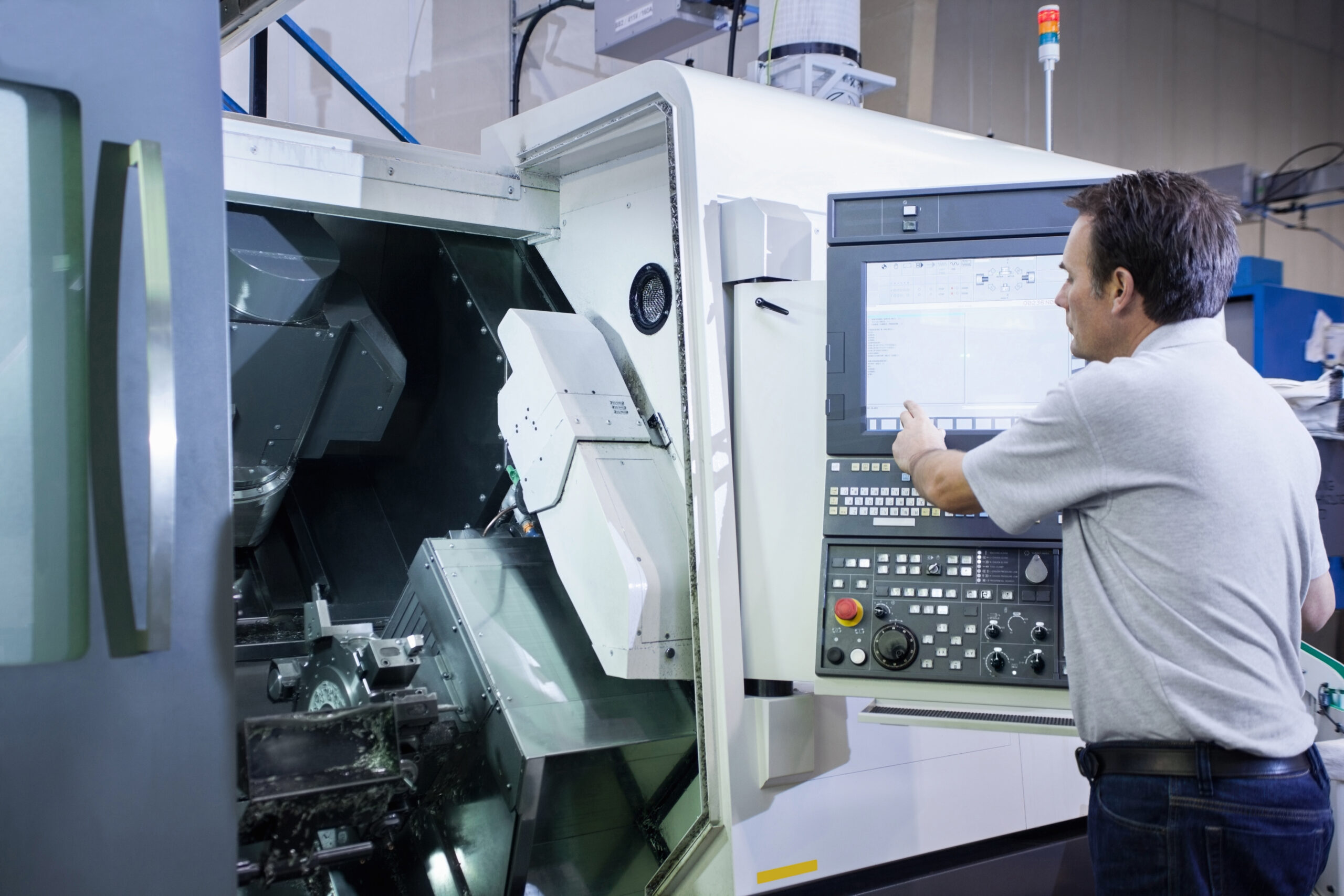
Proceso de dar un título
- ISO 9001:2015 certificado
Estándares industriales
- Conjuntos robóticos
- Cumple con los requisitos industriales
- Soporte de inspección dimensional
- Revisión de ingeniería
Micromecanizado para características finas y piezas pequeñas
Micromecanizado Se utiliza para piezas pequeñas de CNC., componentes en miniatura, agujeros finos, paredes delgadas, tragamonedas, bolsillos pequeños, perfiles detallados, y características que requieren un acceso cuidadoso a las herramientas y un control de las rebabas.
Antes de la cotización, JADE-CNC revisa el dibujo, material, tamaño de característica, profundidad, espesor de pared, acabado superficial, y método de inspección para que la ruta de mecanizado coincida con los requisitos reales de la pieza.
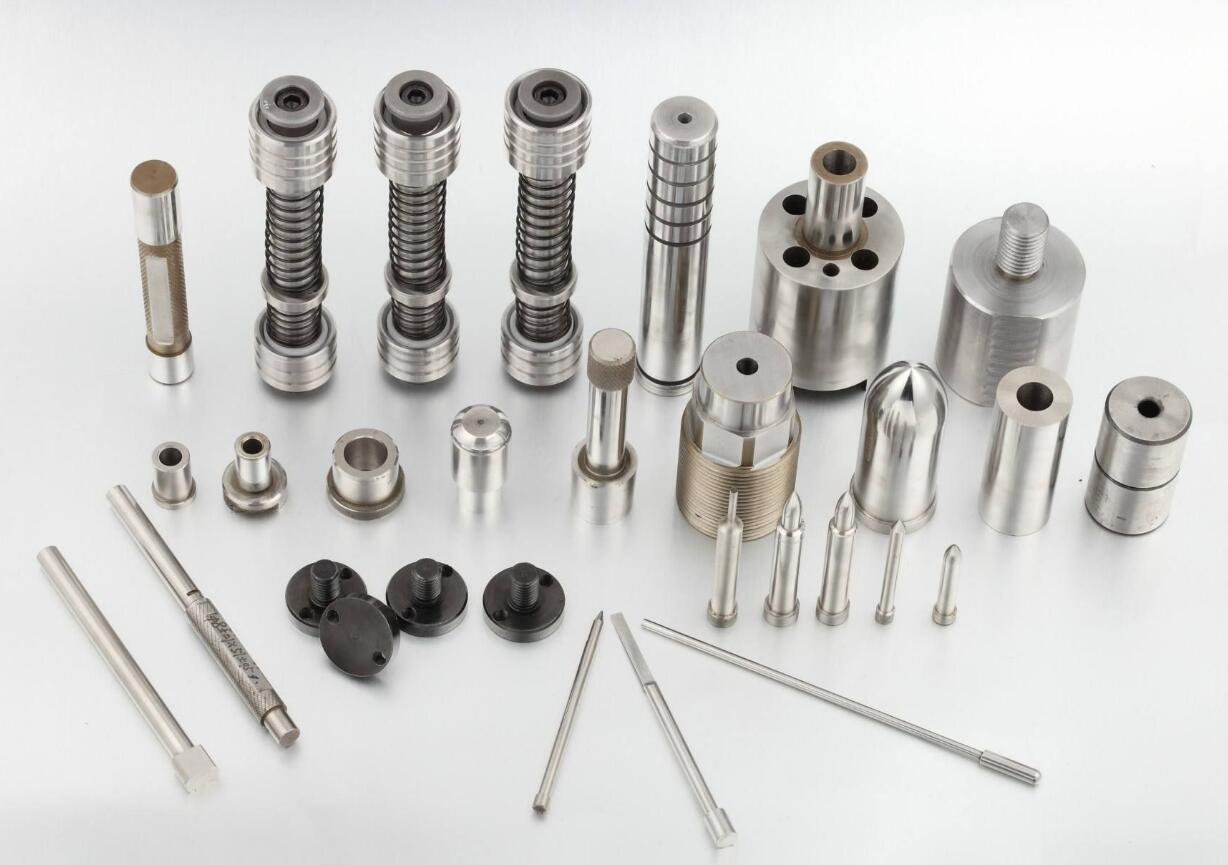
Las características del micromecanizado
|
Escala |
Bellas características, pequeños agujeros, paredes delgadas, y piezas compactas donde el acceso a las herramientas y el método de inspección deben planificarse cuidadosamente. |
|---|---|
|
Tolerancias |
Confirmado por dibujo, material, geometría de características, estrategia de partidos, y método de inspección. |
|
Estampación |
Utiliza herramientas de pequeño diámetro y métodos relacionados con la electroerosión cuando la geometría, material, y el acceso a las funciones los requiere. |
|
Requisitos de la máquina |
Requiere fijación estable, Desviación controlada de la herramienta, estrategia de corte adecuada, y planificación de inspección para características en miniatura. |
|
Enfoque del proceso |
Logra una geometría a microescala directamente mediante la eliminación de material (sustractivo), a diferencia de la litografía de semiconductores (basado en patrones). |
Qué revisa JADE-CNC antes del micromecanizado

Tamaño de característica
Pequeños agujeros, tragamonedas, surcos, paredes delgadas, y los perfiles finos se revisan con respecto al acceso a la herramienta, profundidad, y viabilidad de la inspección.
Comportamiento material
Aluminio, acero inoxidable, cobre, latón, titanio, y los plásticos de ingeniería se revisan en función del riesgo de rebabas, deformación, and finish needs.
Acceso a herramientas
Pequeñas herramientas, rasgos profundos, radios de esquina, y las limitaciones de alcance se verifican antes de confirmar el método de mecanizado.
Control de rebabas y bordes
Bordes, agujeros, trapos, tragamonedas, y se revisan las caras cosméticas para desbarbar, limpieza, y requisitos de acabado superficial.

Método de inspección
Las dimensiones críticas pueden requerir una revisión microscópica, medidores, Comprobaciones de la MMC, inspección visual, o registros de medición especificados por el cliente.
Microfresado
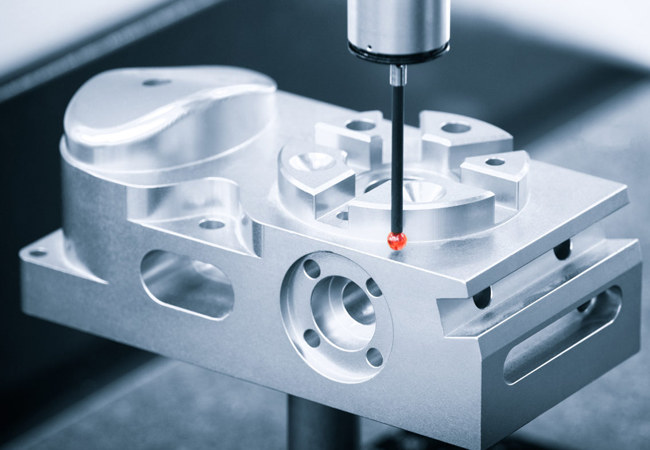
El microfresado utiliza pequeñas herramientas de corte giratorias para mecanizar características finas, bolsillos pequeños, tragamonedas, agujeros, y superficies detalladas en componentes en miniatura.
JADE-CNC revisa las piezas microfresadas por material, profundidad de característica, espesor de pared, acceso a herramientas, requisitos de control de rebabas, acabado superficial, y método de inspección antes de confirmar la ruta de mecanizado y las tolerancias.
Características clave
Microfresado vs.. Fresado convencional
|
Aspecto |
Fresado convencional |
Microfresado |
|---|---|---|
|
Diámetro de la herramienta |
> 1 milímetros |
Herramientas de pequeño diámetro seleccionadas por tamaño de característica, material, profundidad, y acceso. |
|
Tolerancias |
± 0.01 milímetros (10 µm) o más |
Revisión de tolerancia específica del proyecto basada en el método de dibujo e inspección.. |
|
Rigidez de la máquina & Huso |
Rigidez estándar, RPM en los 1000 |
Husillo estable, artículos fijos, agotamiento de la herramienta, y la estrategia de corte son importantes para las características finas.. |
|
Formación de virutas |
Chips continuos o segmentados |
Como polvo, chips fragmentados; La evacuación de virutas es un gran desafío. |
|
Fuerza dominante |
Fuerza de corte |
Deflexión de la herramienta, sin, y vibración convertirse en factores limitantes primarios |
Microerosión
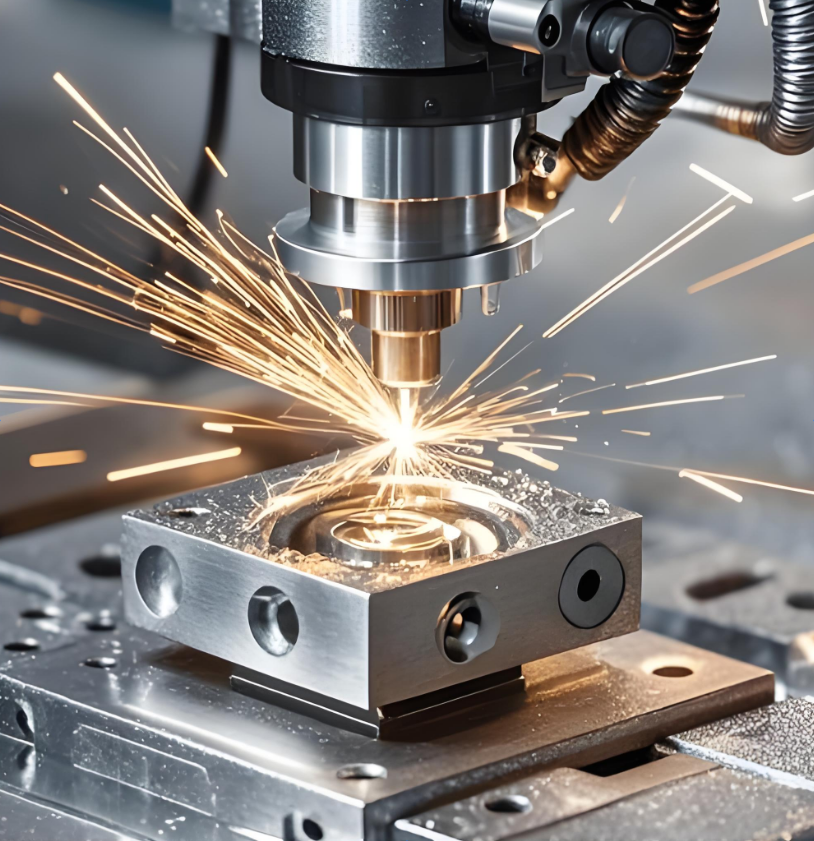
Micro EDM se utiliza cuando los materiales conductores requieren ranuras finas, pequeños agujeros, perfiles delgados, o características detalladas que son difíciles de mecanizar con herramientas de corte. La viabilidad final depende de la conductividad del material., tamaño de característica, profundidad, requisito de tolerancia, condición de la superficie, y método de inspección.
JADE-CNC revisa los requisitos de Micro EDM mediante un dibujo antes de confirmar si EDM, microfresado, perforación, u otra ruta de mecanizado es más adecuada.
Ventajas en Microerosión
- La dureza es irrelevante.
- Sin tensión mecánica ni desviación de la herramienta
- Relaciones de aspecto extremas
- Tolerancias dentro ± 1 µm
Principales tipos de microerosión
|
Tipo |
Descripción del proceso |
Aplicaciones primarias |
|---|---|---|
|
Electroerosión por microhilo |
Utiliza un electrodo de alambre fino para cortar pequeños perfiles 2D y formas detalladas en materiales conductores cuando la electroerosión es adecuada.. |
Pequeños perfiles, componentes conductores planos, tragamonedas, engranajes, accesorios, y características metálicas detalladas cuando se especifique. |
|
Electroerosión por microperforación (o hacer estallar agujeros) |
Utiliza un electrodo fino para crear pequeños agujeros en materiales conductores cuando el dibujo requiere perforación EDM.. |
Pequeños agujeros, agujeros de arranque, características de ventilación, aberturas de precisión, y micropartes conductoras cuando lo especifique el dibujo. |
|
Microerosionadora por inmersión |
Utiliza un electrodo moldeado para mecanizar cavidades pequeñas., lo más hondo, o características conductoras detalladas; Se debe revisar el desgaste del electrodo y la geometría de sus características.. |
Pequeñas cavidades, lo más hondo, características relacionadas con la textura, y geometría detallada de la pieza conductora cuando se confirmen los requisitos del proyecto. |
Revisión de la capacidad de micromecanizado JADE-CNC
Microfresado
Utilizado para bolsillos finos., pequeñas ranuras, perfiles compactos, paredes delgadas, y superficies detalladas cuando el acceso a las herramientas y el control de las rebabas son adecuados.
Revisión de microerosión
Se utiliza para materiales conductores cuando hay agujeros finos., perfiles, o las funciones de difícil acceso requieren una revisión del mecanizado basada en EDM.

Control y limpieza de rebabas
Se revisan las características pequeñas para detectar riesgo de rebabas., rotura de borde, metodo de limpieza, caras cosméticas, y superficies de contacto funcionales.
Planificación de la inspección
El método de medición se confirma según el tamaño de la característica., notas de tolerancia, requisitos de dibujo, y necesidades de documentación del cliente.
Materiales comunes para micromecanizado
Los grupos de materiales comunes incluyen aleaciones de aluminio., stainless steels, aleaciones de cobre, latón, aceros para herramientas, plasticos de ingenieria, y aleaciones especiales seleccionadas cuando el cliente especifica el grado y los requisitos de aceptación..
Aplicaciones típicas
|
Hardware de dispositivos médicos |
Carcasas para dispositivos pequeños, accesorios, hardware relacionado con instrumentos, tornillos de precisión, y piezas prototipo basadas en dibujos aprobados. |
|---|---|
|
Equipos de comunicación y precisión |
Conectores pequeños, paréntesis, carcasas, tragamonedas, agujeros, y características de alineación utilizadas en equipos de precisión. |
|
Electrónica |
Microconectores, sensor housings, soportes en miniatura, platos pequeños, y hardware electrónico compacto. |
|
Herramienta & Fabricación de moldes |
Pequeñas cavidades, inserciones detalladas, características relacionadas con la textura, y componentes de herramientas compactos cuando se proporcionan dibujos. |
Preguntas frecuentes
El micromecanizado se utiliza para piezas pequeñas., agujeros finos, paredes delgadas, tragamonedas, componentes en miniatura, y características detalladas que requieren una revisión cuidadosa del proceso.
Se recomienda un archivo CAD 3D y un dibujo 2D., especialmente cuando las características pequeñas, tolerancias estrictas, control de rebabas, o los requisitos de inspección son importantes.
Los agujeros pequeños se pueden revisar por diámetro., profundidad, material, tolerancia, riesgo de rebabas, y método de inspección antes de confirmar la viabilidad..
Los materiales comunes incluyen el aluminio., acero inoxidable, latón, cobre, titanio, acero, OJEADA, y otros plásticos de ingeniería.
El riesgo de rebabas se revisa según el material., condición de borde, tamaño de característica, método de mecanizado, acceso desbarbado, y superficies funcionales.
Sí. Puede soportar prototipos., muestras funcionales, y piezas pequeñas de bajo volumen cuando los requisitos de dibujo e inspección son claros.
La microerosión puede ser útil para materiales conductores con agujeros pequeños, perfiles finos, o funciones de difícil acceso que no son ideales para herramientas de corte.
La inspección puede incluir revisión microscópica., controles visuales, medidores, Comprobaciones de la MMC, informes dimensionales, o registros de inspección especificados por el cliente.
No. Marcar solo las características críticas ayuda a mejorar la capacidad de fabricación, claridad de inspección, y precisión de la cotización.
Proporcionar grado de material, tamaño de característica, dimensiones críticas, acabado superficial, requisitos de rebabas, necesidades de inspección, y cantidad esperada.