



Mikrobearbeitung für präzise Kleinteile
JADE-CNC bietet Mikrobearbeitung für Miniatur-Metall- und Kunststoffkomponenten, die feine Merkmale erfordern, kleine Löcher, dünne Wände, Bearbeitung mit engen Toleranzen, Gratkontrolle, und praktische Inspektionsplanung. Unsere Präzisions-Mikrobearbeitung und Mikro-CNC-Bearbeitung unterstützen mikrobearbeitete Komponenten, Mikro-CNC-Teile, kleine Präzisionsbauteile, und andere hochpräzise Komponenten basierend auf Kundenzeichnungen.
- Zeichnungsbasierte Toleranzüberprüfung
- Optionen für die Oberflächenbeschaffenheit
- Schnelle Lieferkoordination
- Metalle und Kunststoffe anhand von Zeichnungen überprüft
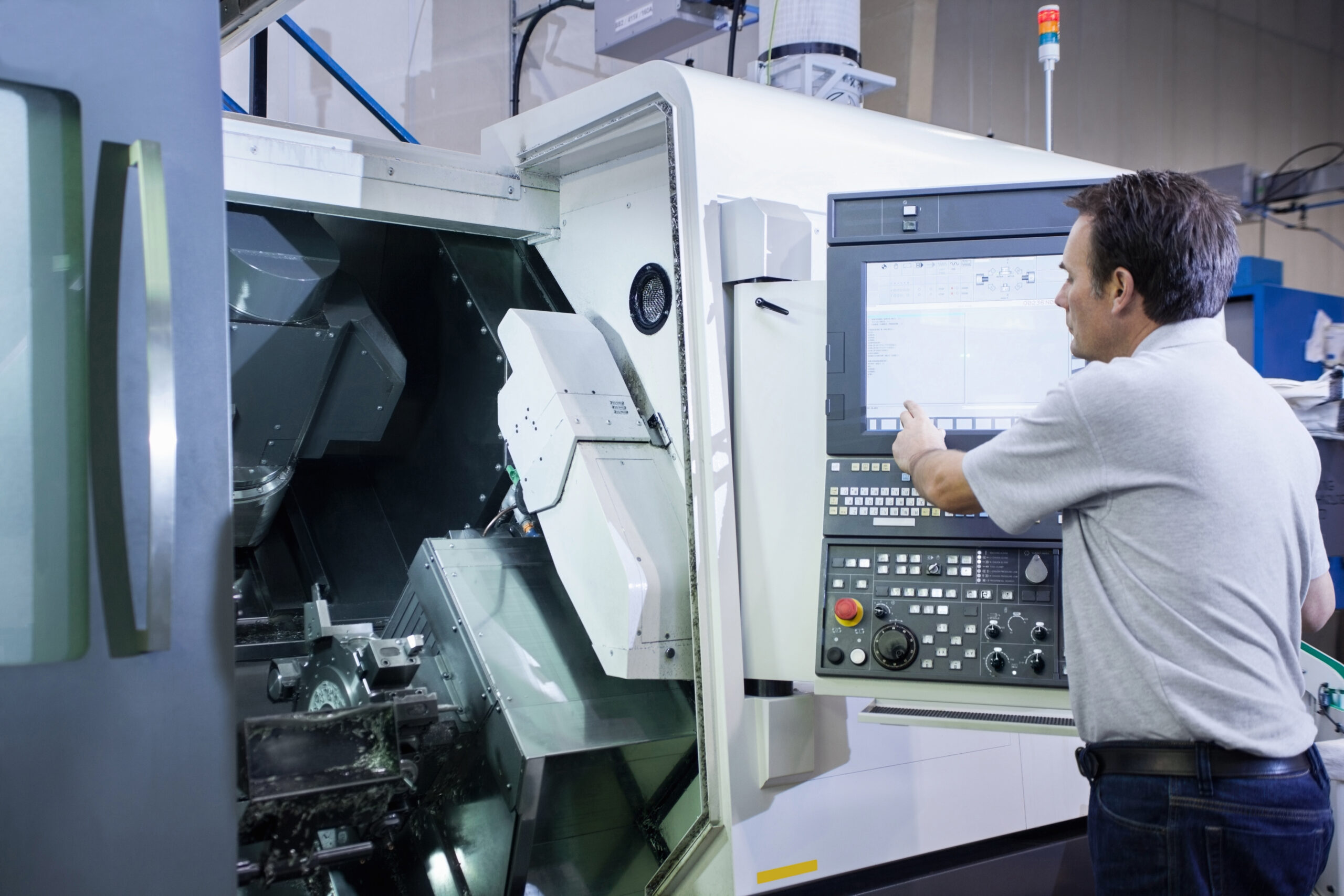
JADE-CNC Hochpräziser Mikrobearbeitungsservice
Für Miniatur-Präzisionsteile und kleine Präzisionsbearbeitungsprojekte, Unser Team überprüft Zeichnungen, Materialverhalten, Merkmalstiefe, Werkzeugzugriff, Oberflächenbeschaffenheit, und Messmethode, bevor Sie den Prozess bestätigen. Dieser Miniaturbearbeitungsservice wird für medizinische Mikroteile eingesetzt, elektronische Mikrokomponenten, Präzisionskleinteile, und Projekte, die einen zuverlässigen Mikrokomponentenhersteller benötigen.
Zertifizierung
- ISO 9001:2015 zertifiziert
Industriestandards
- Robotermontagen
- Entspricht den industriellen Anforderungen
- Unterstützung bei der Maßkontrolle
- Technische Überprüfung
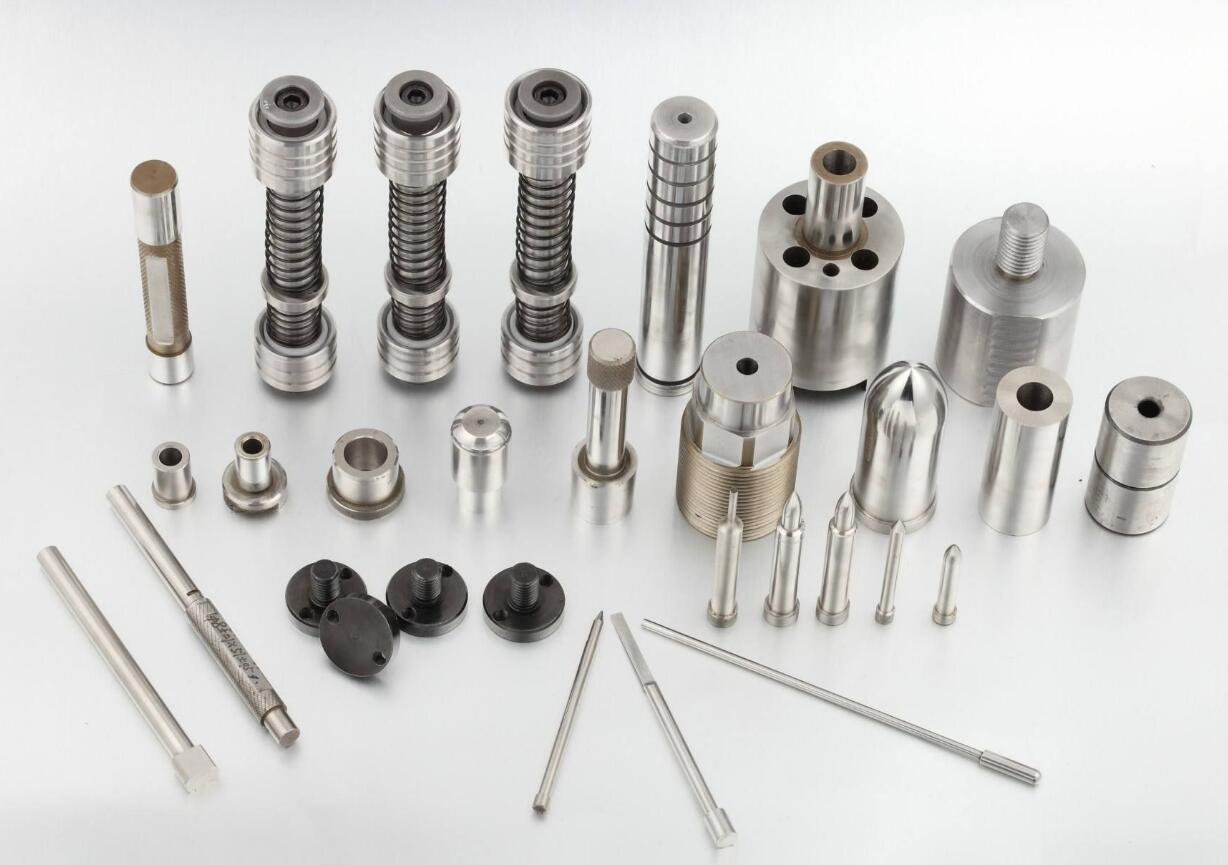
Mikrobearbeitung für feine Merkmale und kleine Teile
Mikrobearbeitung wird für kleine CNC-Teile verwendet, Miniaturbauteile, feine Löcher, dünne Wände, Slots, kleine Taschen, detaillierte Profile, und Funktionen, die einen sorgfältigen Zugang zum Werkzeug und eine Gratkontrolle erfordern.
Vor dem Angebot, JADE-CNC überprüft die Zeichnung, Material, Merkmalsgröße, Tiefe, Wandstärke, Oberflächenbeschaffenheit, und Prüfmethode, damit die Bearbeitungsroute dem tatsächlichen Teilebedarf entspricht.
Die Mikrobearbeitungseigenschaften
|
Skala |
Feine Funktionen, kleine Löcher, dünne Wände, und kompakte Teile, bei denen der Werkzeugzugang und die Inspektionsmethode sorgfältig geplant werden müssen. |
|---|---|
|
Toleranzen |
Durch Zeichnung bestätigt, Material, Feature-Geometrie, Spielstrategie, und Inspektionsmethode. |
|
Werkzeuge |
Verwendet Werkzeuge mit kleinem Durchmesser und EDM-bezogene Methoden für die Geometrie, Material, und Funktionszugriff erfordern sie. |
|
Maschinenanforderungen |
Erfordert eine stabile Befestigung, kontrollierter Werkzeugrundlauf, geeignete Schnittstrategie, und Inspektionsplanung für Miniaturmerkmale. |
|
Prozessfokus |
Erzielt Geometrie im Mikromaßstab direkt durch Materialabtrag (subtraktiv), im Gegensatz zur Halbleiterlithographie (Musterbasiert). |
Was JADE-CNC vor der Mikrobearbeitung überprüft

Feature-Größe
Kleine Löcher, Slots, Rillen, dünne Wände, und feine Profile werden auf Werkzeugzugriff geprüft, Tiefe, und Inspektionsdurchführbarkeit.
Materialverhalten
Aluminium, Edelstahl, Kupfer, Messing, Titan, und technische Kunststoffe werden auf der Grundlage des Gratrisikos überprüft, Verformung, und Finish-Bedürfnisse.
Werkzeugzugriff
Kleine Werkzeuge, tiefe Merkmale, Eckradien, und Reichweitenbeschränkungen werden vor der Bestätigung der Bearbeitungsmethode überprüft.
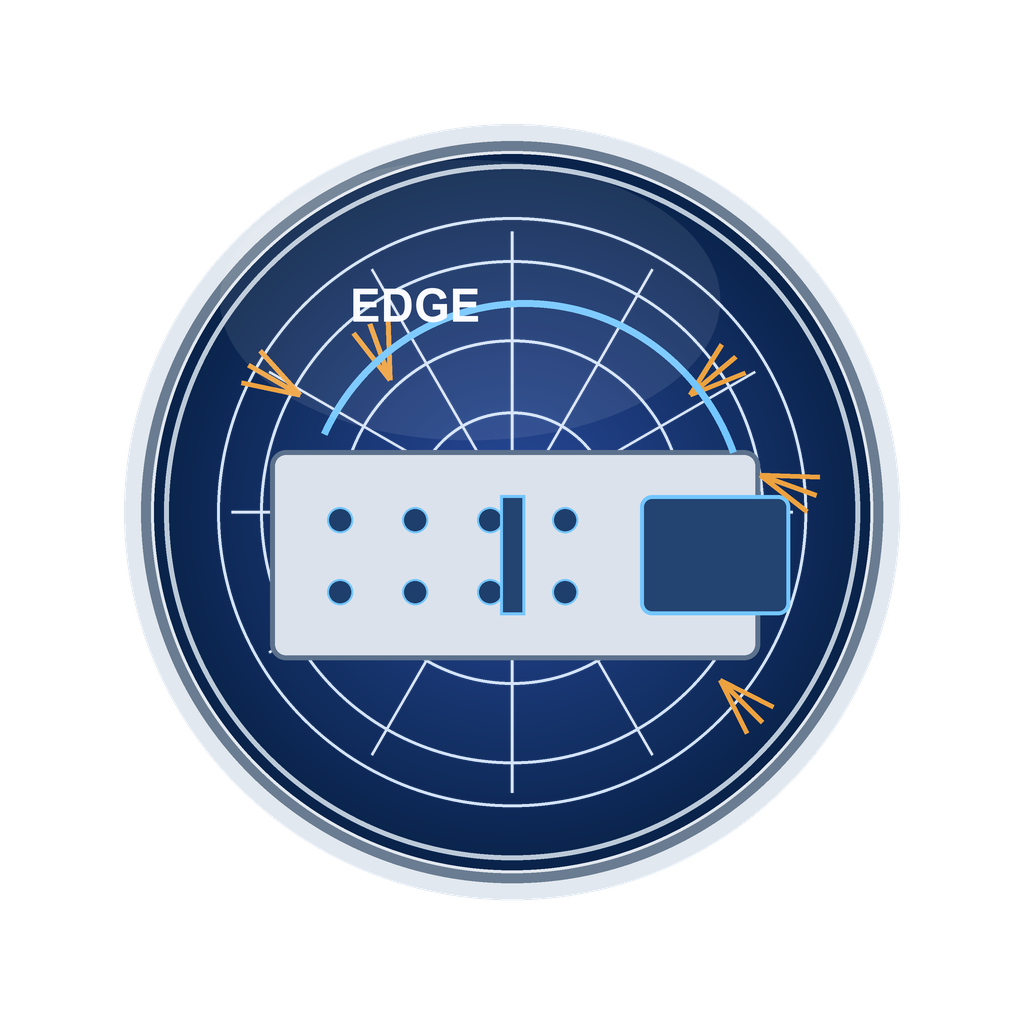
Grat- und Kantenkontrolle
Kanten, Löcher, Threads, Slots, und kosmetische Flächen werden auf Entgratung überprüft, Reinigung, und Anforderungen an die Oberflächenbeschaffenheit.

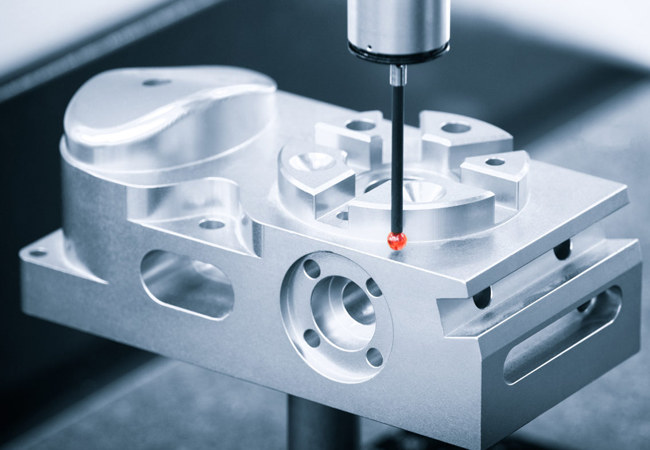
Inspektionsmethode
Kritische Abmessungen erfordern möglicherweise eine Überprüfung unter dem Mikroskop, Messgeräte, CMM-Prüfungen, Sichtprüfung, oder kundenspezifische Messprotokolle.
Mikrofräsen
Beim Mikrofräsen werden kleine rotierende Schneidwerkzeuge verwendet, um feine Merkmale zu bearbeiten, kleine Taschen, Slots, Löcher, und detaillierte Oberflächen in Miniaturbauteilen.
JADE-CNC prüft mikrogefräste Teile nach Material, Merkmalstiefe, Wandstärke, Werkzeugzugriff, Anforderungen an die Gratkontrolle, Oberflächenbeschaffenheit, und Inspektionsmethode, bevor Sie den Bearbeitungsweg und die Toleranzen bestätigen.
Hauptmerkmale
Mikrofräsen vs. Konventionelles Mahlen
|
Aspekt |
Konventionelles Mahlen |
Mikrofräsen |
|---|---|---|
|
Werkzeugdurchmesser |
> 1 mm |
Werkzeuge mit kleinem Durchmesser, ausgewählt nach Merkmalsgröße, Material, Tiefe, und Zugang. |
|
Toleranzen |
± 0.01 mm (10 µm) oder mehr |
Projektspezifische Toleranzüberprüfung anhand der Zeichnungs- und Prüfmethode. |
|
Maschinensteifigkeit & Spindel |
Standardsteifigkeit, Drehzahlen im 1.000er-Bereich |
Stabile Spindel, Vorrichtung, Werkzeugunrundheit, und Schnittstrategie sind wichtig für feine Merkmale. |
|
Spanbildung |
Kontinuierliche oder segmentierte Chips |
Staubartig, fragmentierte Chips; Die Spanabfuhr ist eine große Herausforderung |
|
Dominante Kraft |
Schnittkraft |
Werkzeugablenkung, Auslaufen, und Vibration zu primären limitierenden Faktoren werden |
Mikro-EDM
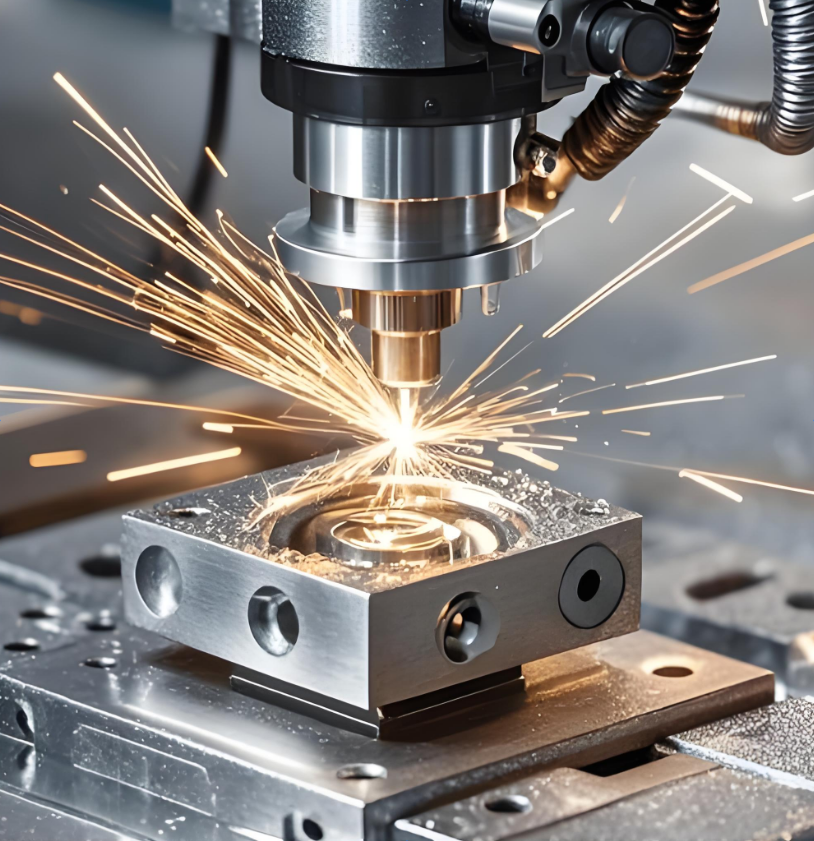
Mikro-EDM wird verwendet, wenn leitfähige Materialien feine Schlitze erfordern, kleine Löcher, dünne Profile, oder detaillierte Merkmale, die mit Schneidwerkzeugen schwer zu bearbeiten sind. Die endgültige Machbarkeit hängt von der Materialleitfähigkeit ab, Merkmalsgröße, Tiefe, Toleranzanforderung, Oberflächenzustand, und Inspektionsmethode.
JADE-CNC überprüft die Mikro-EDM-Anforderungen anhand einer Zeichnung, bevor es bestätigt, ob EDM erforderlich ist, Mikrofräsen, Bohren, oder ein anderer Bearbeitungsweg ist besser geeignet.
Vorteile im Mikro-EDM
- Härte ist irrelevant.
- Keine mechanische Belastung/Werkzeugdurchbiegung
- Extreme Seitenverhältnisse
- Toleranzen innerhalb ± 1 µm
Haupttypen von Mikro-EDM
|
Typ |
Prozessbeschreibung |
Primäre Anwendungen |
|---|---|---|
|
Mikro-Drahterodieren |
Verwendet eine Feindrahtelektrode, um kleine 2D-Profile und detaillierte Formen in leitfähige Materialien zu schneiden, wenn EDM geeignet ist. |
Kleine Profile, flache leitfähige Bauteile, Slots, Getriebe, Vorrichtungen, und detaillierte Metallmerkmale, sofern angegeben. |
|
Mikrobohren EDM (oder Hole Popping) |
Verwendet eine feine Elektrode, um kleine Löcher in leitenden Materialien zu erzeugen, wenn die Zeichnung Erodierbohren erfordert. |
Kleine Löcher, Starterlöcher, Entlüftungsfunktionen, Präzisionsöffnungen, und leitfähige Mikroteile, sofern in der Zeichnung angegeben. |
|
Mikrosenkerodieren |
Verwendet eine geformte Elektrode zur Bearbeitung kleiner Hohlräume, Aussparungen, oder detaillierte leitfähige Merkmale; Elektrodenverschleiß und Merkmalsgeometrie müssen überprüft werden. |
Kleine Hohlräume, Aussparungen, texturbezogene Merkmale, und detaillierte Geometrie der leitfähigen Teile, wenn die Projektanforderungen bestätigt sind. |
Überprüfung der JADE-CNC-Mikrobearbeitungsfähigkeiten
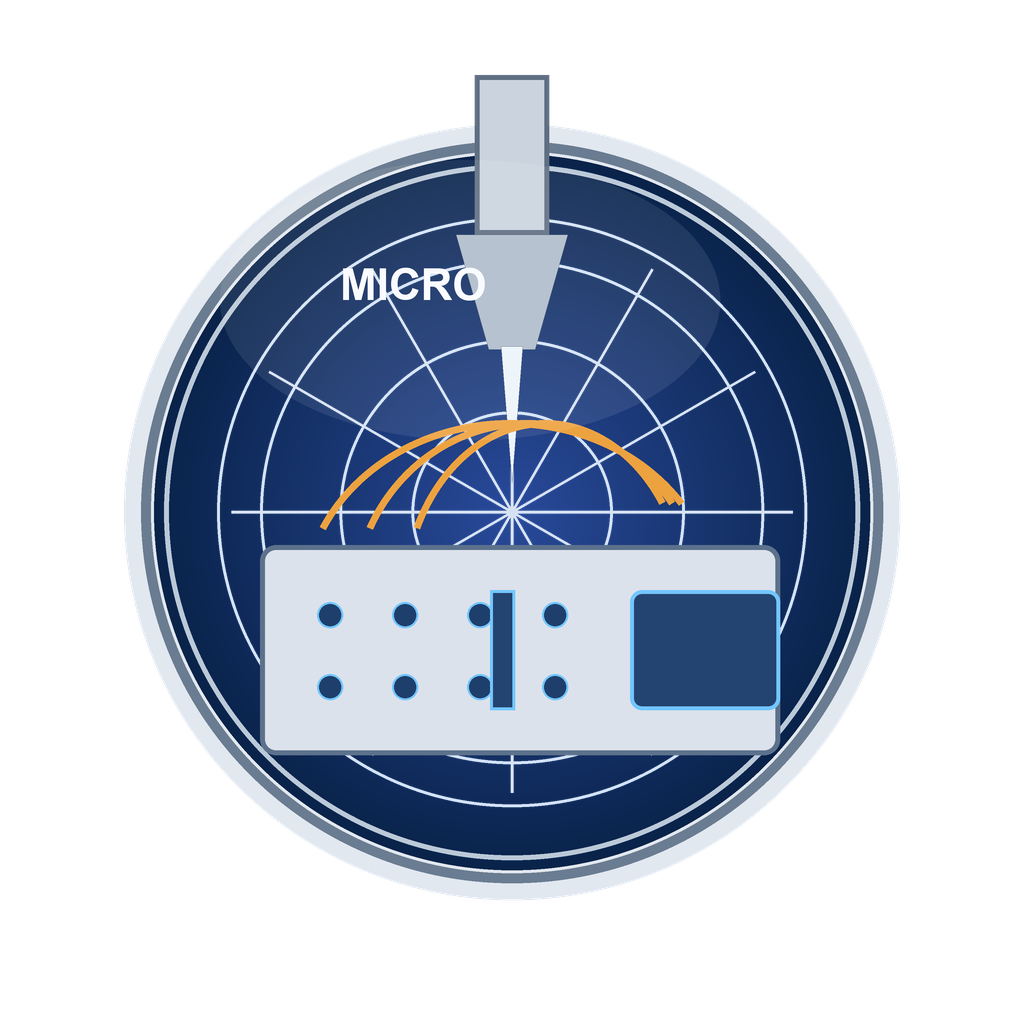
Mikrofräsen
Wird für feine Taschen verwendet, kleine Schlitze, kompakte Profile, dünne Wände, und detaillierte Oberflächen, wenn Werkzeugzugang und Gratkontrolle geeignet sind.
Mikro-EDM-Rezension
Wird für leitfähige Materialien mit feinen Löchern verwendet, Profile, oder schwer zugängliche Merkmale erfordern eine EDM-basierte Bearbeitungsprüfung.

Gratkontrolle und Reinigung
Kleine Merkmale werden auf Gratrisiko überprüft, Kantenbruch, Reinigungsmethode, kosmetische gesichter, und funktionelle Kontaktflächen.
Inspektionsplanung
Die Messmethode wird anhand der Merkmalsgröße bestätigt, Toleranzhinweise, Zeichnungsanforderungen, und Kundendokumentationsanforderungen.
Gängige Materialien für die Mikrobearbeitung
Zu den gängigen Materialgruppen gehören Aluminiumlegierungen, Edelstähle, Kupferlegierungen, Messing, Werkzeugstähle, technische Kunststoffe, und ausgewählte Sonderlegierungen, wenn der Kunde die Qualität und Abnahmeanforderungen angibt.
Typische Anwendungen
|
Hardware für medizinische Geräte |
Kleine Gerätegehäuse, Vorrichtungen, instrumentenbezogene Hardware, Präzisionsschrauben, und Prototypenteile basierend auf genehmigten Zeichnungen. |
|---|---|
|
Kommunikations- und Präzisionsausrüstung |
Kleine Anschlüsse, Klammern, Gehäuse, Slots, Löcher, und Ausrichtungsfunktionen, die in Präzisionsgeräten verwendet werden. |
|
Elektronik |
Mikroanschlüsse, Sensorgehäuse, Miniaturklammern, kleine Teller, und kompakte elektronische Hardware. |
|
Werkzeug & Formenbau |
Kleine Hohlräume, ausführliche Beilagen, texturbezogene Merkmale, und kompakte Werkzeugkomponenten, wenn Zeichnungen bereitgestellt werden. |
FAQ
Für Kleinteile kommt die Mikrobearbeitung zum Einsatz, feine Löcher, dünne Wände, Slots, Miniaturbauteile, und detaillierte Funktionen, die eine sorgfältige Prozessprüfung erfordern.
Eine 3D-CAD-Datei und eine 2D-Zeichnung werden empfohlen, vor allem bei kleinen Features, enge Toleranzen, Gratkontrolle, oder Inspektionsanforderungen wichtig sind.
Kleine Löcher können nach Durchmesser überprüft werden, Tiefe, Material, Toleranz, Gratgefahr, und Inspektionsmethode vor der Bestätigung der Machbarkeit.
Zu den gängigen Materialien gehört Aluminium, Edelstahl, Messing, Kupfer, Titan, Stahl, SPÄHEN, und andere technische Kunststoffe.
Das Gratrisiko wird materialabhängig überprüft, Kantenzustand, Merkmalsgröße, Bearbeitungsmethode, Entgratungszugang, und funktionale Oberflächen.
Ja. Es kann Prototypen unterstützen, Funktionsmuster, und Kleinteile mit geringem Volumen, wenn die Zeichnungs- und Prüfanforderungen klar sind.
Mikro-EDM kann für leitfähige Materialien mit kleinen Löchern nützlich sein, feine Profile, oder schwer zugängliche Funktionen, die für Schneidwerkzeuge nicht ideal sind.
Die Inspektion kann eine Mikroskopprüfung umfassen, Sichtprüfungen, Messgeräte, CMM-Prüfungen, dimensionale Berichte, oder kundenspezifische Prüfprotokolle.
NEIN. Die Kennzeichnung nur kritischer Merkmale trägt zur Verbesserung der Herstellbarkeit bei, Inspektionsklarheit, und Angebotsgenauigkeit.
Geben Sie die Materialqualität an, Merkmalsgröße, kritische Dimensionen, Oberflächenbeschaffenheit, Gratanforderungen, Inspektionsbedarf, und erwartete Menge.