Sheet Metal Fabrication Services

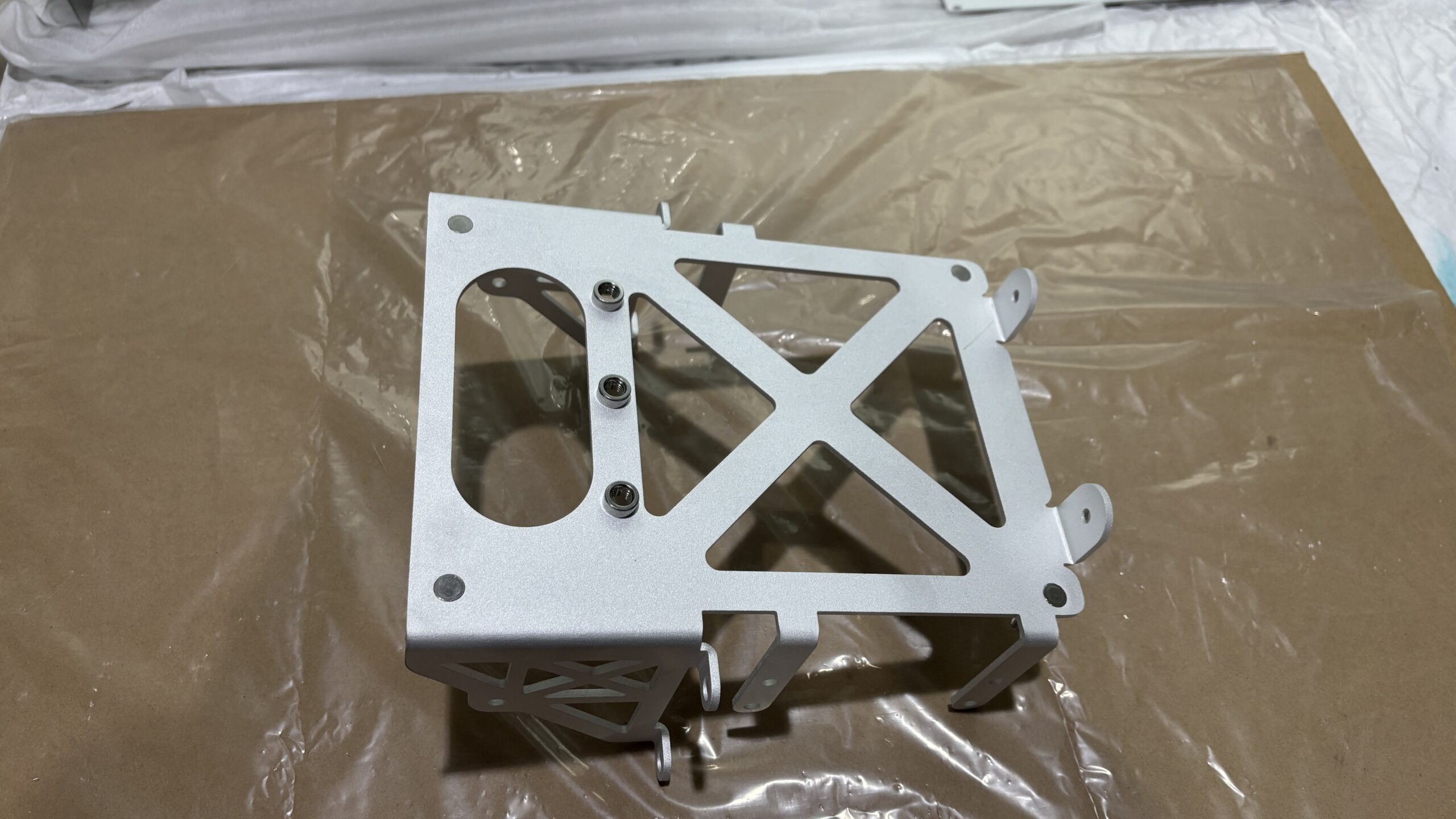
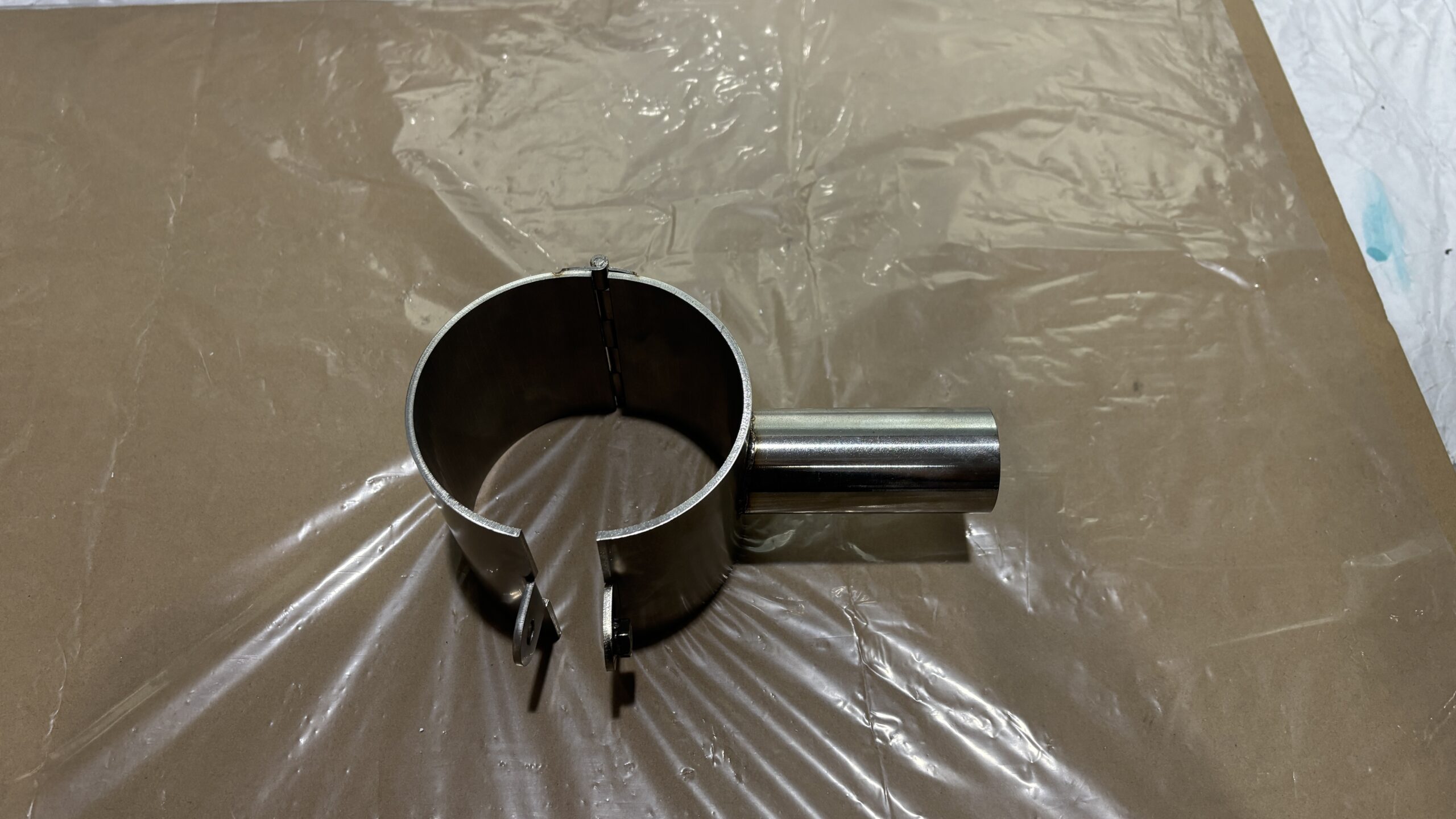
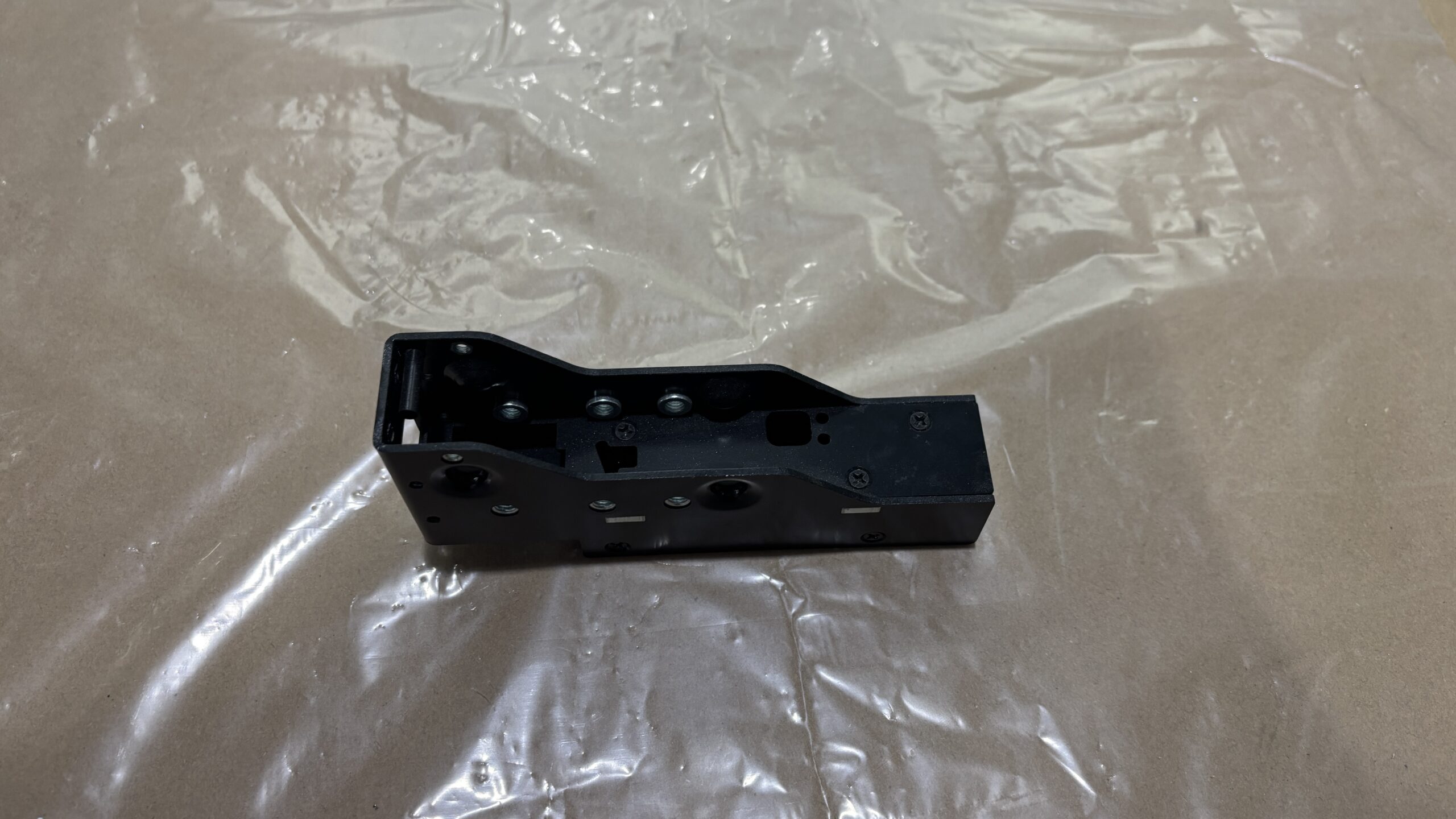
JADE-CNC provides sheet metal fabrication services for custom enclosures, brackets, panels, covers, housings, prototypes, and low-volume metal parts. Projects can include laser cutting, punching, bending, welding, deburring, surface finishing, inspection, and assembly support based on customer drawings.

  • Material, thickness, bend radius, and finish reviewed before quotation
  • Prototype and low-volume sheet metal fabrication support
  • Fabrication route confirmed according to drawing, quantity, tolerance, and delivery needs
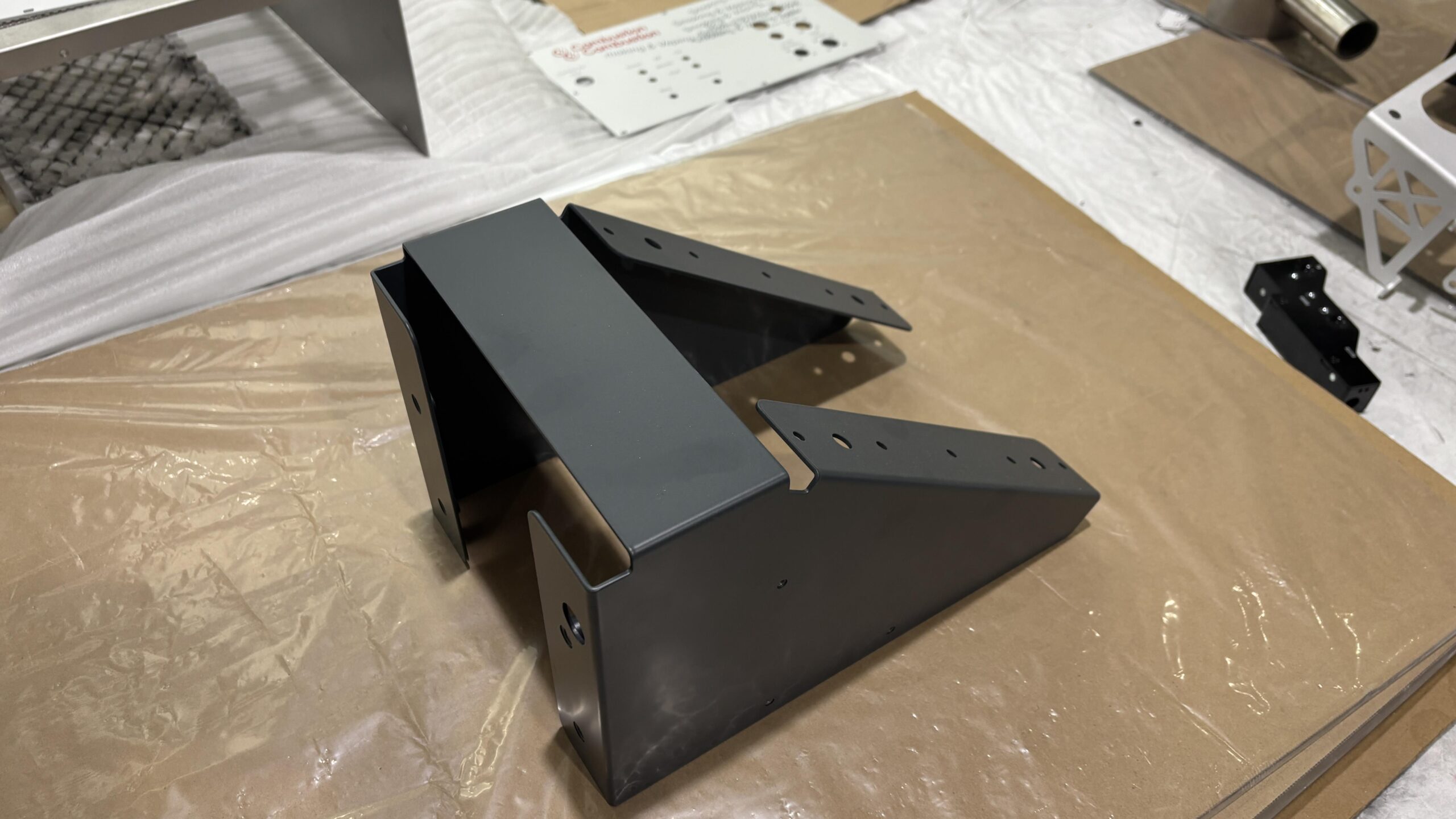
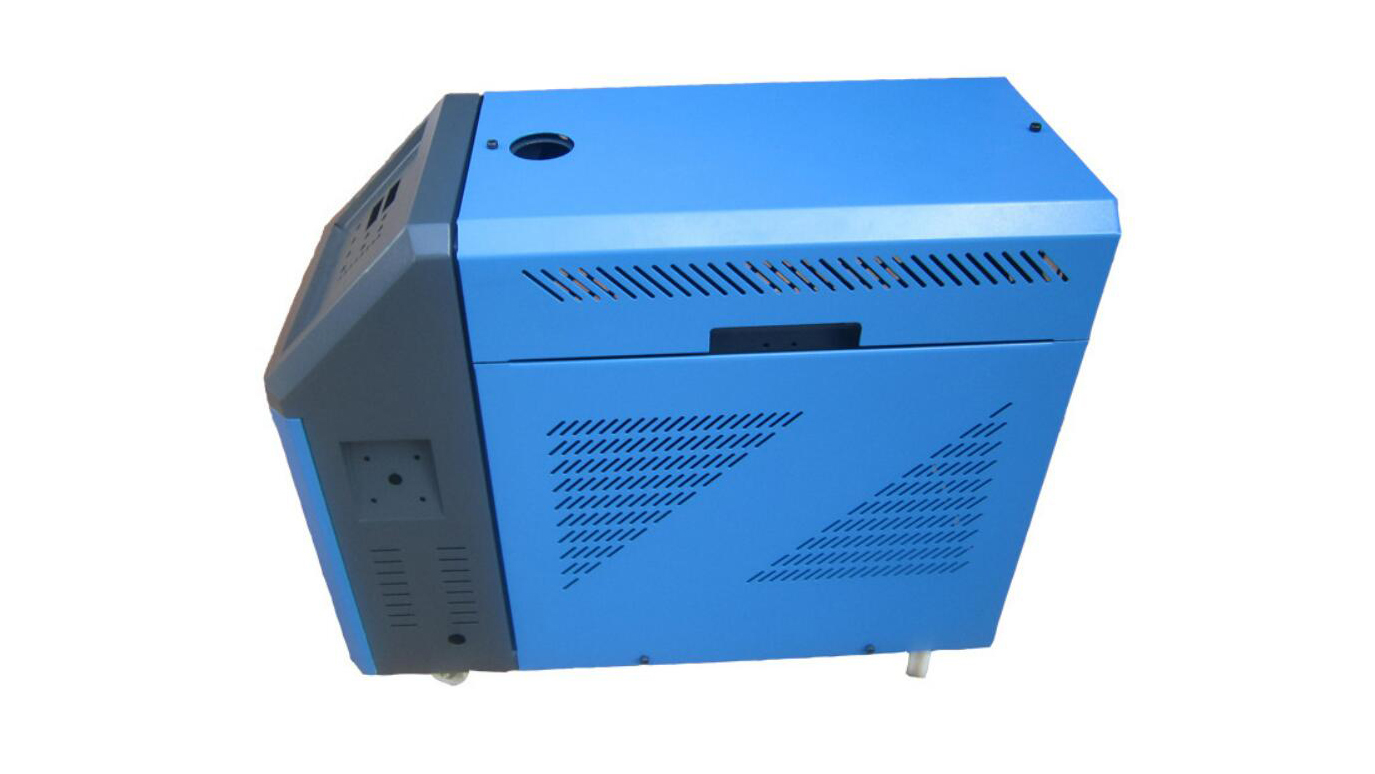
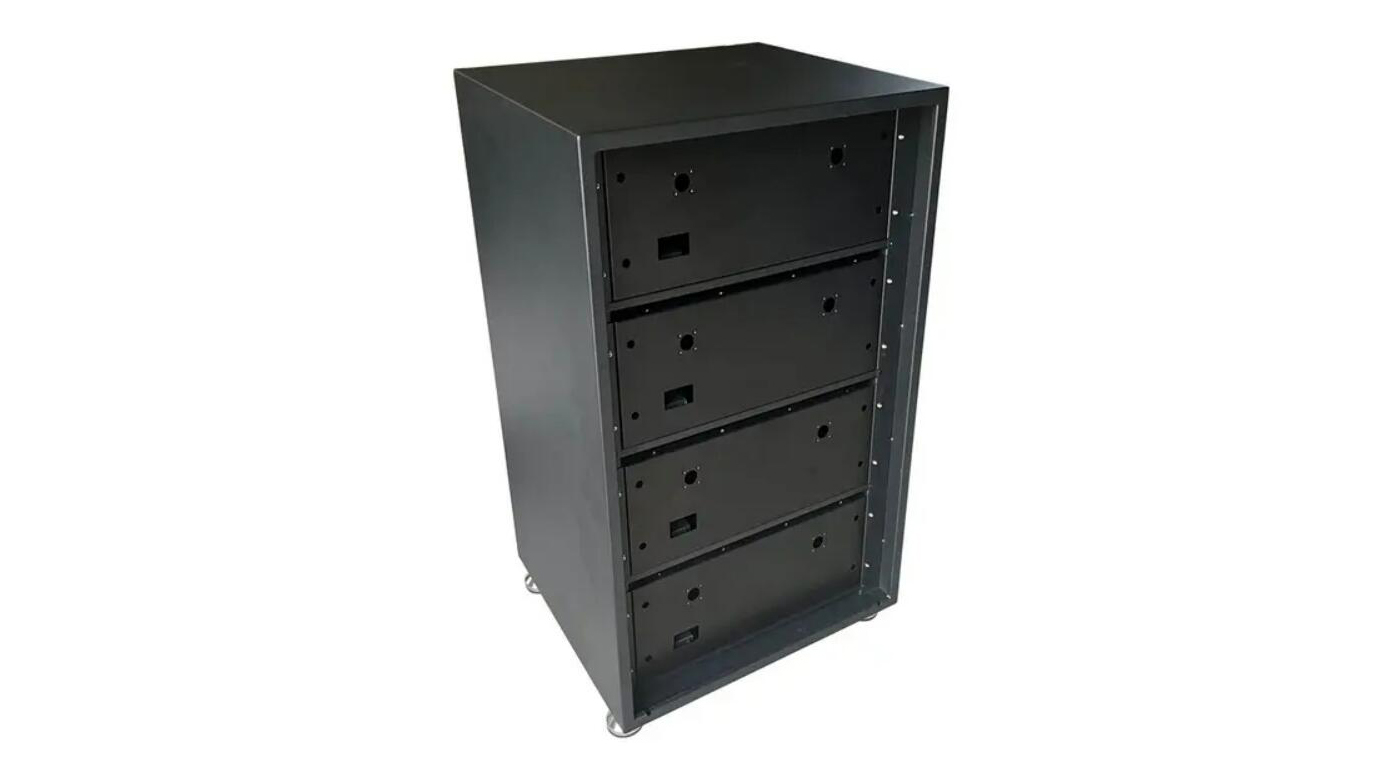
Custom sheet metal enclosure fabrication

Custom Sheet Metal Fabrication Service

Sheet metal fabrication is suitable for parts made from flat metal sheet that need cutting, bending, forming, welding, finishing, or assembly. JADE-CNC reviews each drawing according to material grade, sheet thickness, bend direction, hole position, weld area, surface finish, tolerance requirement, and production quantity before confirming the fabrication route.

Sheet metal laser cutting workshop

Sheet Metal Fabrication Process

Our sheet metal fabrication process covers drawing review, material selection, laser cutting, punching, bending, welding, deburring, surface finishing, inspection, and packing for export-ready delivery.
Laser cutting process for sheet metal parts

Laser Cutting

Using a focused laser beam to melt, burn, or vaporize material, achieving high-precision cuts with excellent edge quality.

Welding process for fabricated metal parts

Welding

Join materials, typically metals, by causing coalescence through heat, pressure, or both, resulting in a permanent bond.

Sheet metal bending process

Bending

Machine force is applied to sheet metal, causing it to plastic ally deform and achieve a desired angle or shape along a straight axis.

Metal stamping process for sheet metal fabrication

Stamping

Using a press and specialized dies to cut or form sheet metal into specific, often complex, two-dimensional or three-dimensional shapes.
What JADE-CNC Reviews Before Sheet Metal Fabrication

Sheet metal parts can look simple on a drawing, but manufacturability depends on material thickness, bend radius, hole position, flat pattern design, welding distortion, surface finish, and inspection requirements. JADE-CNC reviews these details before quotation so the fabrication plan can match the actual part function.

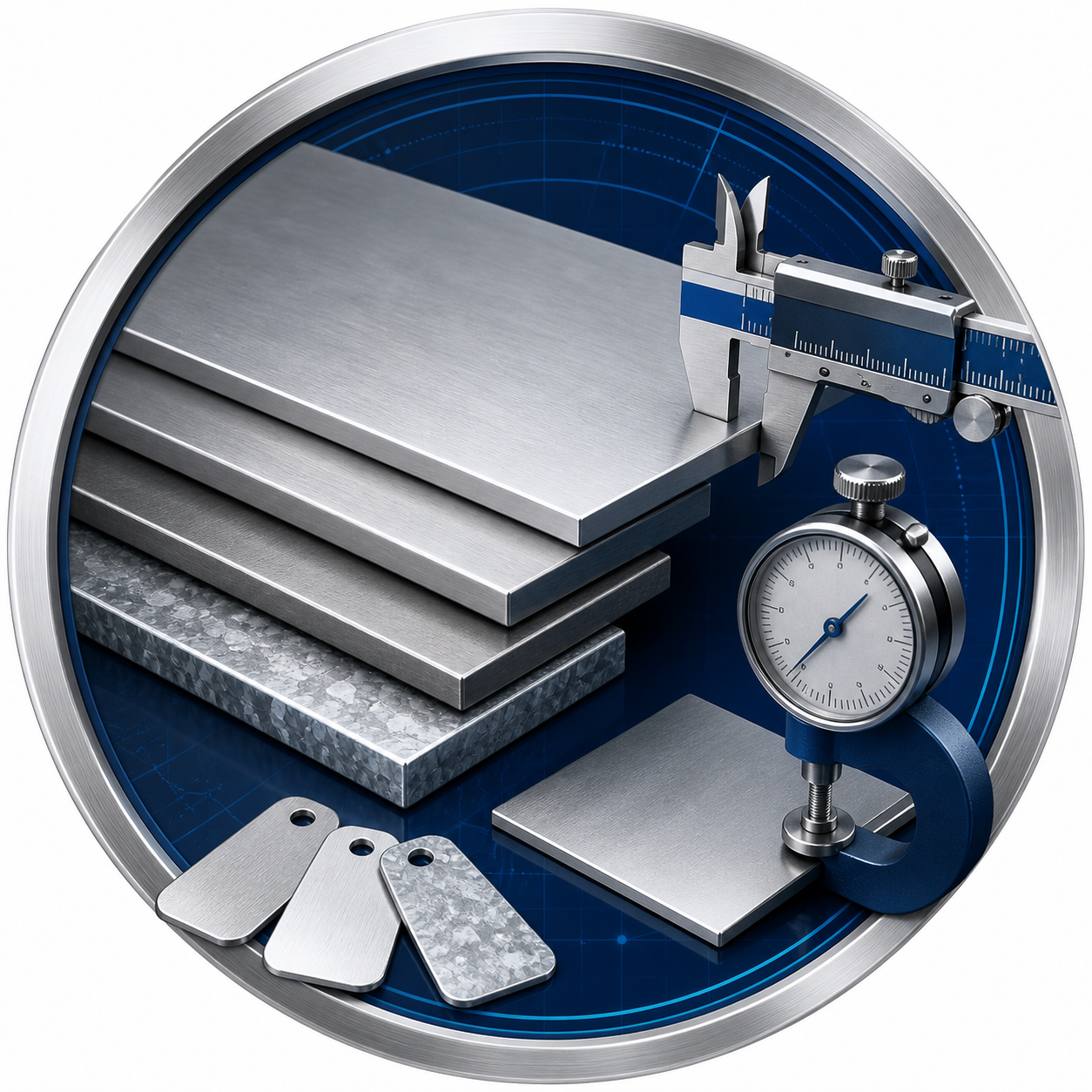
Sheet metal material and thickness review for custom fabrication

Material and Thickness

JADE-CNC reviews material grade, sheet thickness, flatness, corrosion resistance, conductivity, weight, and finish compatibility before fabrication.

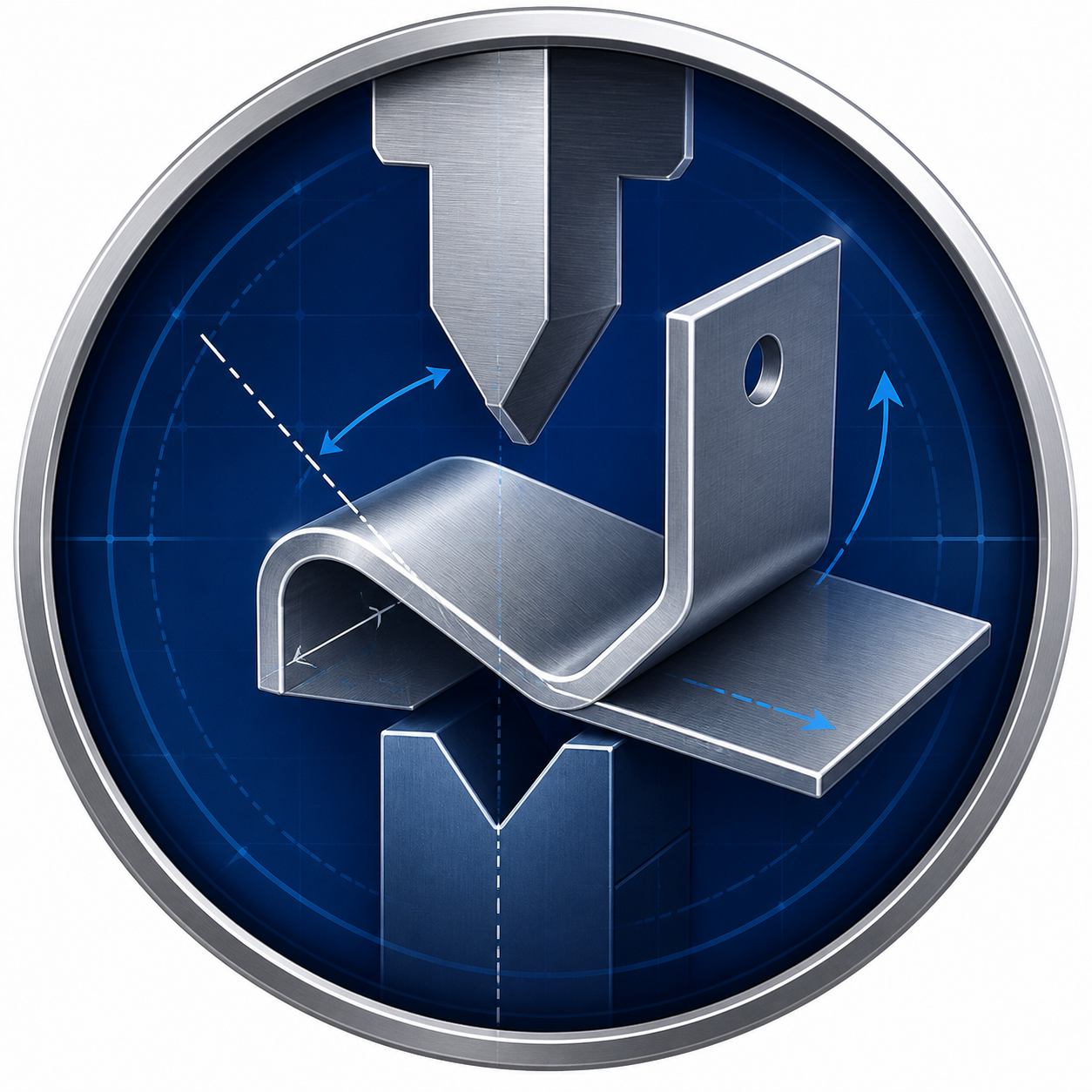
Sheet metal bend radius and forming direction review

Bend Radius and Forming Direction

Bend radius, flange length, forming direction, and bend-to-hole distance are checked to reduce cracking, deformation, and fit issues.

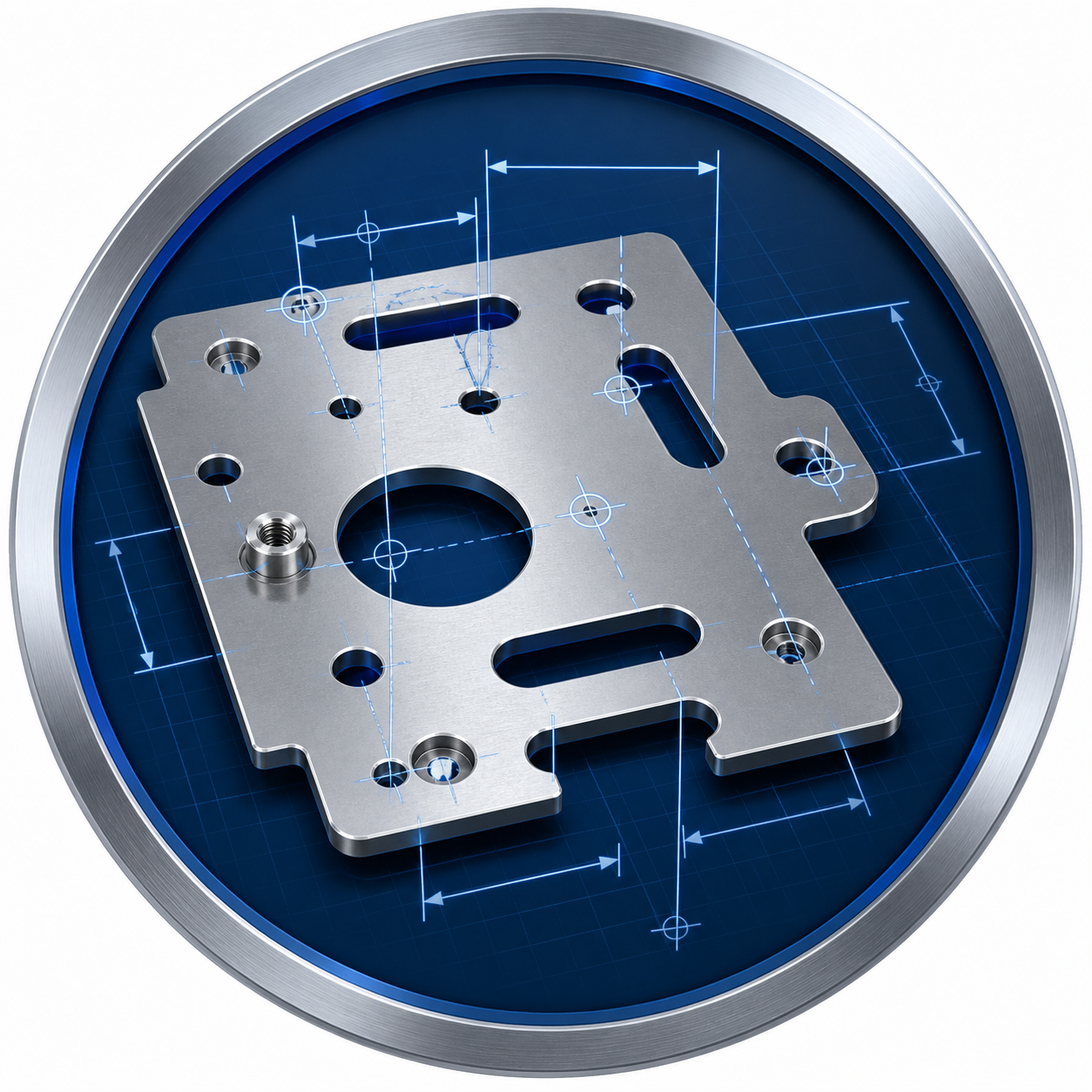
Sheet metal hole slot and feature position review

Hole, Slot, and Feature Position

Hole sizes, slots, countersinks, threaded inserts, and cutout positions are reviewed against cutting, punching, bending, and assembly requirements.

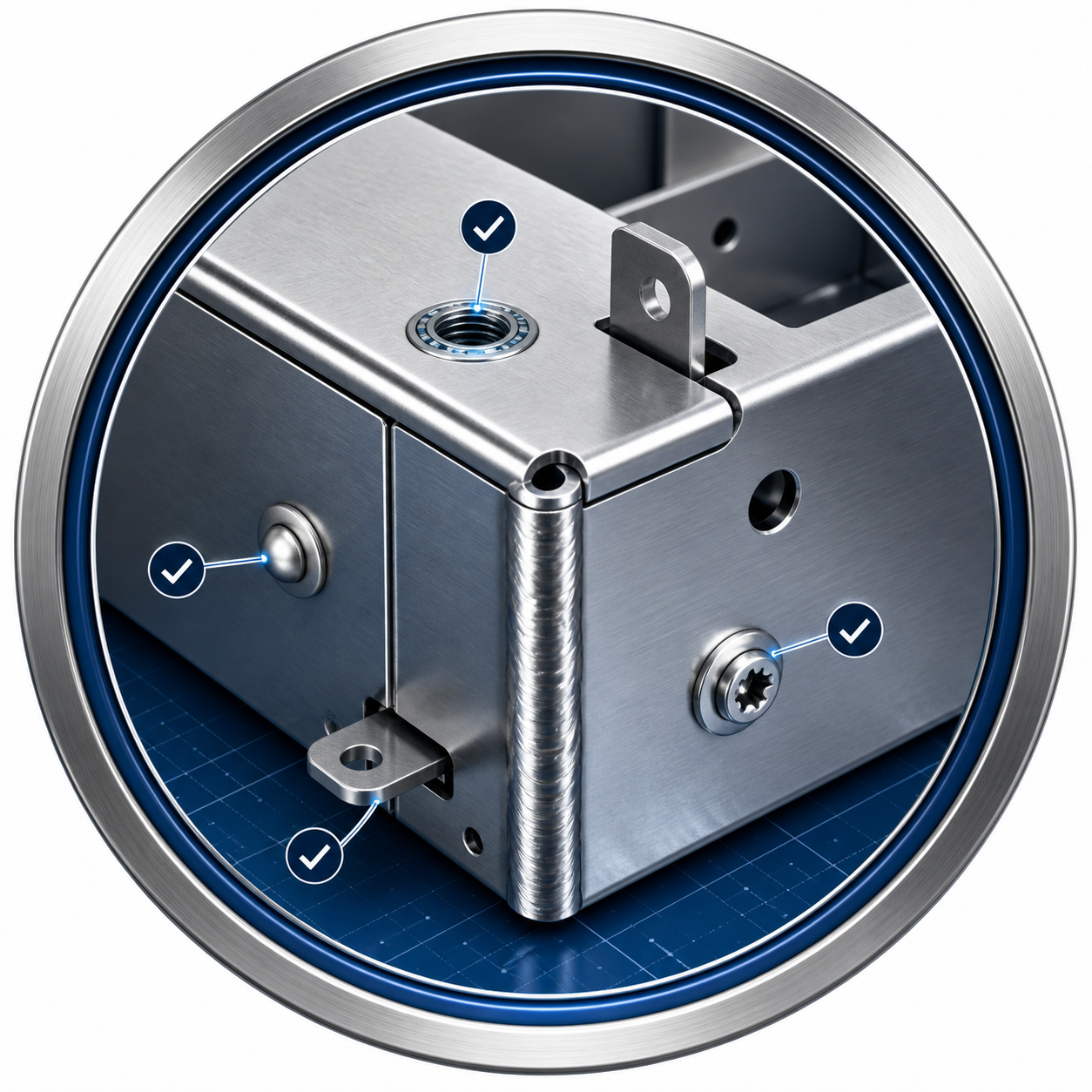
Sheet metal welding insert and assembly area review

Welding and Assembly Areas

Weld locations, seams, tabs, fasteners, PEM inserts, and assembly interfaces are reviewed to control distortion and improve fit.

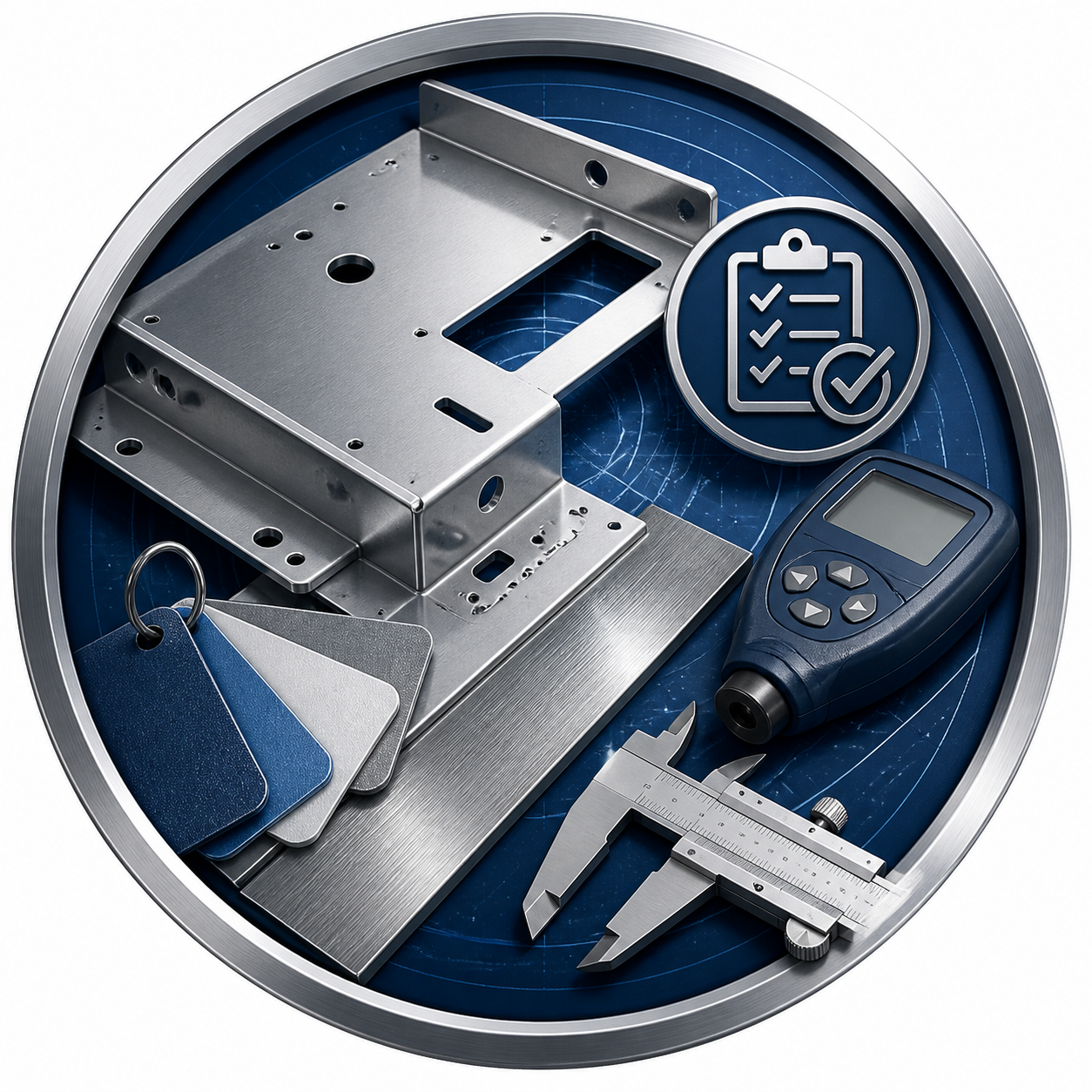
Sheet metal surface finish and inspection requirement review

Finish and Inspection Requirements

Powder coating, anodizing, plating, brushing, passivation, masking, cosmetic surfaces, and inspection requirements are reviewed before production.

Key Factors When Choosing Sheet Metal Materials

Sheet metal material selection should be based on part function, thickness, bending behavior, corrosion exposure, surface finish, welding requirement, appearance, and cost target. For enclosures, brackets, panels, covers, and formed components, material choice also affects bend radius, flatness, hole accuracy, coating quality, and assembly fit.

Sheet metal bending machine
  1. Material Model: Wide range of materials (e.g., mild steel, stainless steel, aluminum) with varying properties for different applications.
  2. Cutting:Utilizing methods like laser cutting, punching, and shearing for precise and efficient blanking.
  3. Forming Processes: Shaping metal through bending, stamping, and deep drawing using presses and dies.
  4. Joining Techniques: Assembling parts primarily via welding, riveting, and fastening.
  5. Surface Finishing: Applying treatments such as powder coating, plating, or anodizing for protection and aesthetics.

Sheet Metal Materials Available at JADE-CNC

Common sheet metal materials include mild steel metal, 304 stainless steel, aluminum, 201 stainless steel sheet, Kovar sheet, and stamped aluminum sheet metal when the drawing, forming method, finish, and inspection requirements are confirmed.

Material Type

Material Description

Recommended Applications

Other Recommendations

Aluminum 5052-H32

High strength, corrosion-resistant, good form ability

Enclosures, brackets, covers, electrical cabinets

Suitable for welding and bending; anodizing is recommended for improved weather resistance

Thickness range: 0.5-6.0 mm

Surface: Anodizing/Sandblasting/Painting

Stainless Steel 304

General-purpose stainless steel, corrosion-resistant, high strength

Food equipment, medical accessories, chemical containers, outdoor structural parts

Prone to work hardening; carbide tools are recommended; control bending radius

Thickness range: 0.5–8.0 mm

Surface: Brushing/Polishing/Passivization

Cold Rolled Steel (SPCC)

Low cost, easy to process, smooth surface

Cabinets, brackets, hardware parts, internal structural components

Rust prevention treatment is required; suitable for mass production; debarring after bending is recommended

Thickness range: 0.6–3.0 mm

Surface: Galvanizing/Painting/Plating

Galvanized Steel (SGCC)

Zinc-coated surface, corrosion-resistant, cost-effective

Outdoor chassis, distribution boxes, ventilation ducts, storage equipment

Avoid welding to prevent damage to the coating; CNC punching and laser cutting are recommended

Thickness range: 0.6–2.5 mm

Surface: Can be painted/film laminated

Copper Alloy (C11000)

Excellent electrical/thermal conductivity, corrosion-resistant, easy to form

Electrical terminals, heat sinks, EMI shielding parts, decorative components

Soft and easily scratched; dedicated molds are recommended; control forming speed

Thickness range: 0.3–3.0 mm

Surface: Polishing/Anti-oxidation treatment

Titanium Grade 2

Lightweight, high strength, excellent corrosion resistance

Aerospace components, medical implant housings, high-end sports equipment

Requires dedicated cutting tools; laser cutting is recommended; stress relief annealing after forming

Thickness range: 0.5–4.0 mm

Surface: Anodizing/Sandblasting optional

Magnesium Alloy AZ31B

Extremely lightweight (density: 1.77 g/cm³), good damping, EMI shielding

Portable device housings, aerospace interiors, optical instrument brackets

Flammable; dry cutting or minimal lubrication is required during machining; chemical nickel plating is recommended for surface protection

Thickness range: 0.8–5.0 mm

Surface Finishes Available at JADE-CNC

Name

Description

Sandblasting

The main function is to remove the dirt and rust on the workpiece surface, increase the adhesion of the workpiece surface and prepare for the subsequent surface treatment

Wire Drawing

Let the material pass through the upper and lower sand belts and pull out traces on the surface of the material

Painting

Liquid baking paint and self-drying spray paint are suitable for some precision products

Products

Electroplating is to attach a layer of other metals on the surface of the material to increase the corrosion resistance of the metal and achieve a certain beautifying effect

Anodizing

A dense protective film is formed on the surface of the workpiece to increase the corrosion resistance of the workpiece Generally, there are two methods: chemical oxidation and anodic oxidation

Silkscreen Printing

The process of silk screen printing various marks on the surface of materials

Sheet Metal Fabrication Capabilities at JADE-CNC

Dimension Detail

Tolerance

Edge to edge, single surface

+/- 0.005 inch

Edge to hole, single surface

+/- 0.005 inch

Hole to hole, single surface

+/- 0.005 inch

Bend to edge / hole, single surface

+/- 0.010 inch

Edge to feature, multiple surface

+/- 0.030 inch

Over formed part, multiple surface

+/- 0.030 inch

Bend angle

+/- 1°

Sheet Metal Fabrication Parts We Make

How to Cooperate with JADE-CNC

Send your 3D CAD file, 2D drawing, material requirement, sheet thickness, quantity, finish requirement, and any assembly or inspection notes. JADE-CNC will review the drawing, fabrication route, forming risk, welding or insert requirements, surface finish, packaging needs, and delivery expectations before preparing a quotation.

Send CAD files for CNC machining quote

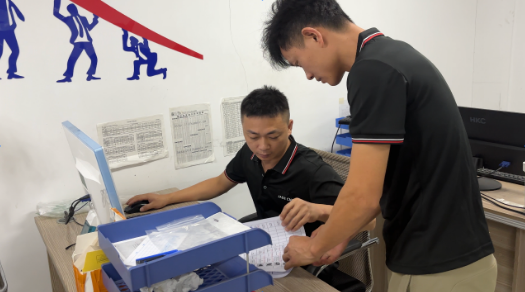
Drawing Review

JADE-CNC reviews CAD files, 2D drawings, material, thickness, bend notes, hole positions, finish requirements, and inspection needs.
CNC machining quote analysis process

Fabrication Planning

The team checks whether the part is suitable for laser cutting, punching, bending, welding, inserts, surface finishing, or assembly support.

CNC machining order confirmation process

Quotation Confirmation

Quotation is prepared based on material, process route, quantity, finish, inspection scope, packaging, and delivery requirements.

Delivery of inspected custom CNC parts

Production and Delivery

Parts are fabricated, checked, finished, packed, and shipped according to the approved drawing and agreed project scope.
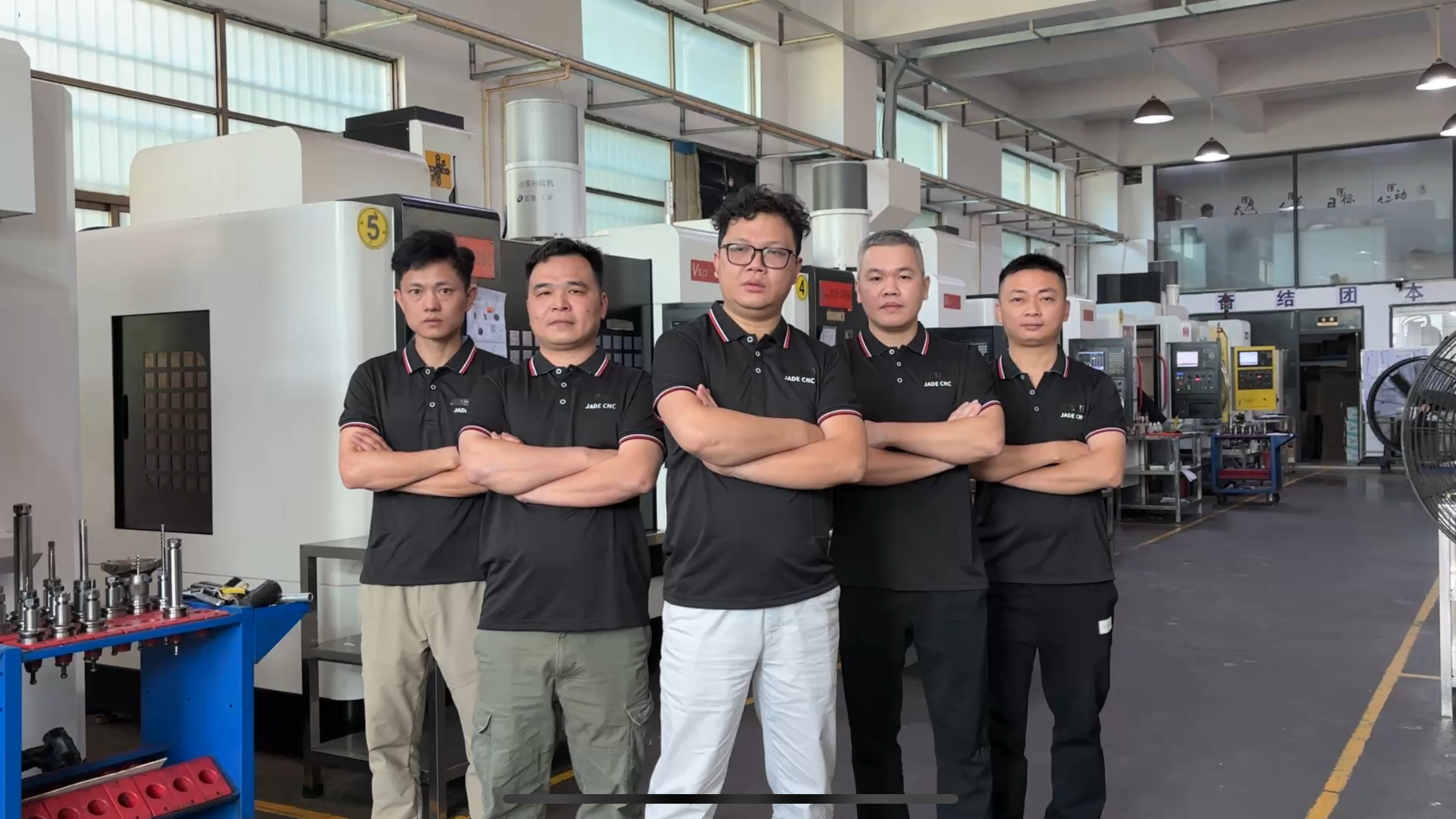
JADE-CNC engineering team for custom manufacturing projects

Get Your Custom Sheet Metal Fabrication Parts Today!

JADE-CNC manufactures custom sheet metal parts from customer drawings, including cut, formed, welded, finished, and assembled components. Share CAD files, material, quantity, finish, tolerance, inspection, and packaging requirements so our team can review manufacturability and prepare a practical fabrication quote.

Sheet Metal Fabrication FAQ

Please provide a 3D CAD file and 2D drawing with material grade, sheet thickness, bend notes, hole positions, tolerances, surface finish, quantity, and assembly or packaging requirements.

Common materials include aluminum, stainless steel, cold rolled steel, galvanized steel, copper alloys, and other sheet metals depending on strength, corrosion resistance, conductivity, weight, surface finish, and forming requirements.

Sheet thickness affects cutting method, bend radius, flange length, hole position, welding distortion, stiffness, weight, and final tolerance. Thickness should be confirmed before quotation.

Yes. JADE-CNC can review prototype and low-volume sheet metal fabrication projects for enclosures, brackets, panels, covers, housings, fixtures, and formed components based on customer drawings.

A sheet metal project may include laser cutting, punching, bending, forming, welding, riveting, PEM inserts, deburring, surface finishing, inspection, assembly support, and packaging.

Bend radius should match the material, sheet thickness, forming direction, flange length, and function of the part. Critical bends should be clearly marked on the drawing.

Yes. Powder coating, anodizing, plating, brushing, polishing, passivation, painting, and other finishes can be reviewed according to material, appearance, corrosion exposure, masking areas, and inspection requirements.

Yes. Welding, rivets, threaded inserts, fasteners, tabs, brackets, and light assembly requirements can be reviewed before production. Weld locations and assembly interfaces should be shown on the drawing.

Sheet metal tolerances depend on material, thickness, cut features, bend features, welding, finish, and part size. Flat cut features and formed parts should be reviewed separately because bending and welding can introduce variation.

Inspection may include dimensional checks, hole and slot position, bend angle, flatness, thread or insert fit, surface finish, coating appearance, quantity, labeling, packaging, and customer-required documentation.