



Micro Machining for Precision Small Parts
JADE-CNC fornisce microlavorazioni per componenti in miniatura in metallo e plastica che richiedono caratteristiche fini, piccoli fori, pareti sottili, lavorazione con tolleranze strette, controllo delle bave, e pianificazione pratica delle ispezioni. La nostra microlavorazione di precisione e la microlavorazione CNC supportano componenti microlavorati, microparti CNC, piccoli componenti di precisione, ed altri componenti di alta precisione su disegno del cliente.
- Revisione della tolleranza basata sul disegno
- Opzioni di finitura superficiale
- Coordinamento della consegna rapida
- Metalli e materie plastiche recensiti da Drawing
Servizio di microlavorazione ad alta precisione JADE-CNC
Per parti di precisione in miniatura e piccoli progetti di lavorazione di precisione, il nostro team esamina i disegni, comportamento materiale, profondità delle caratteristiche, accesso allo strumento, finitura superficiale, e il metodo di misurazione prima di confermare il processo. Questo servizio di lavorazione in miniatura viene utilizzato per microparti mediche, microcomponenti elettronici, minuteria di precisione, e progetti che necessitano di un produttore affidabile di microcomponenti.
Certificazione
- ISO 9001:2015 certificato
Standard industriali
- Assemblaggi robotici
- Conforme ai requisiti industriali
- Supporto per l'ispezione dimensionale
- Revisione di ingegneria
Microlavorazione per caratteristiche fini e piccole parti
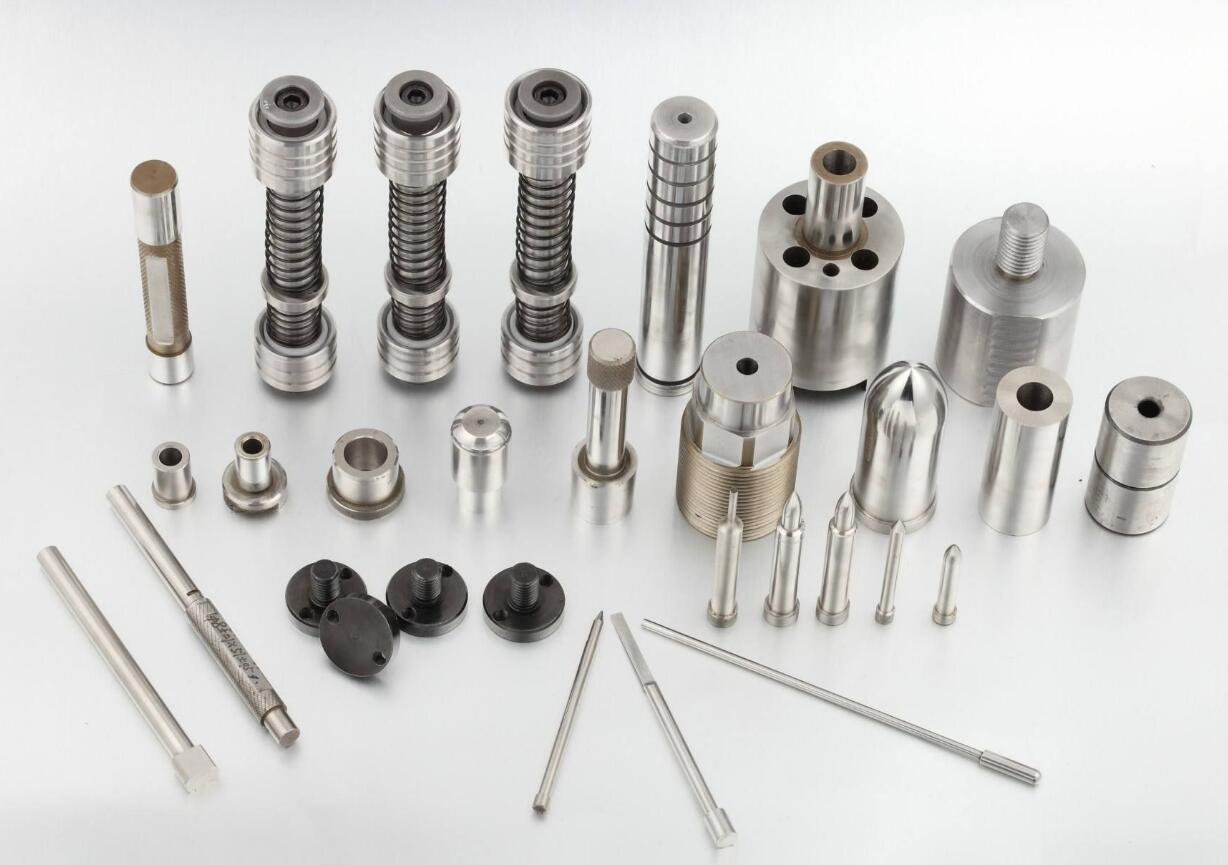
Microlavorazioni viene utilizzato per piccole parti CNC, componenti in miniatura, buchi fini, pareti sottili, slot, piccole tasche, profili dettagliati, e funzionalità che richiedono un attento accesso agli strumenti e un controllo delle bave.
Prima della citazione, JADE-CNC revisiona il disegno, materiale, dimensione della caratteristica, profondità, spessore della parete, finitura superficiale, e metodo di ispezione in modo che il percorso di lavorazione corrisponda ai requisiti effettivi della parte.
Le caratteristiche della microlavorazione
|
Scala |
Caratteristiche raffinate, piccoli fori, pareti sottili, e parti compatte in cui l'accesso agli utensili e il metodo di ispezione devono essere pianificati attentamente. |
|---|---|
|
Tolleranze |
Confermato tramite sorteggio, materiale, geometria delle caratteristiche, strategia del dispositivo, e metodo di ispezione. |
|
Utensileria |
Utilizza utensili di piccolo diametro e metodi correlati all'elettroerosione quando viene modificata la geometria, materiale, e l'accesso alle funzionalità li richiedono. |
|
Requisiti della macchina |
Richiede un fissaggio stabile, runout controllato dell'utensile, strategia di taglio adeguata, e pianificazione delle ispezioni per elementi in miniatura. |
|
Focus sul processo |
Raggiunge la geometria su microscala direttamente tramite la rimozione del materiale (sottrattivo), a differenza della litografia a semiconduttore (basato su modelli). |
Cosa recensisce JADE-CNC prima della microlavorazione
Dimensione caratteristica
Piccoli fori, slot, scanalature, pareti sottili, e i profili fini vengono esaminati rispetto all'accesso agli strumenti, profondità, e fattibilità dell'ispezione.
Comportamento materiale
Alluminio, acciaio inossidabile, rame, ottone, titanio, e i materiali plastici tecnici vengono esaminati in base al rischio di bava, deformazione, e completare le esigenze.
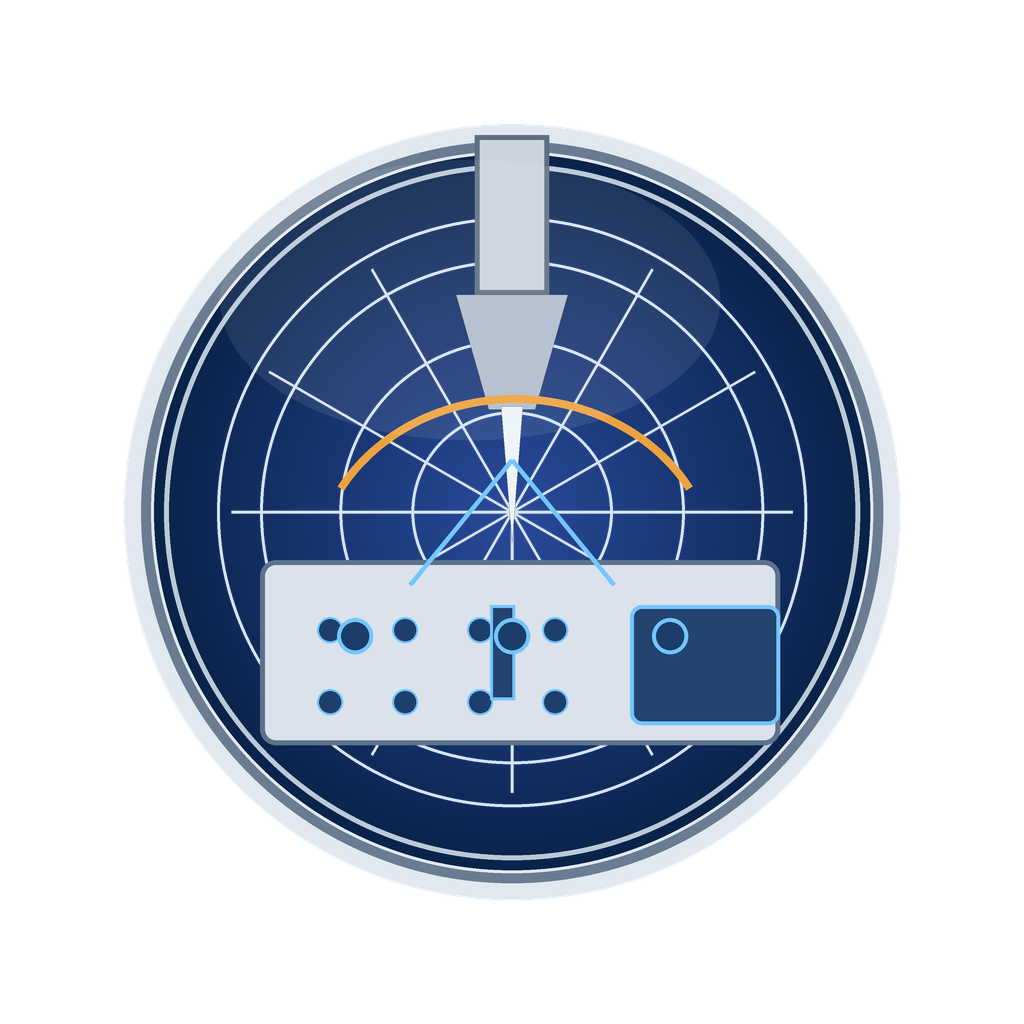
Accesso agli strumenti
Piccoli strumenti, caratteristiche profonde, raggi d'angolo, e i limiti di portata vengono controllati prima di confermare il metodo di lavorazione.
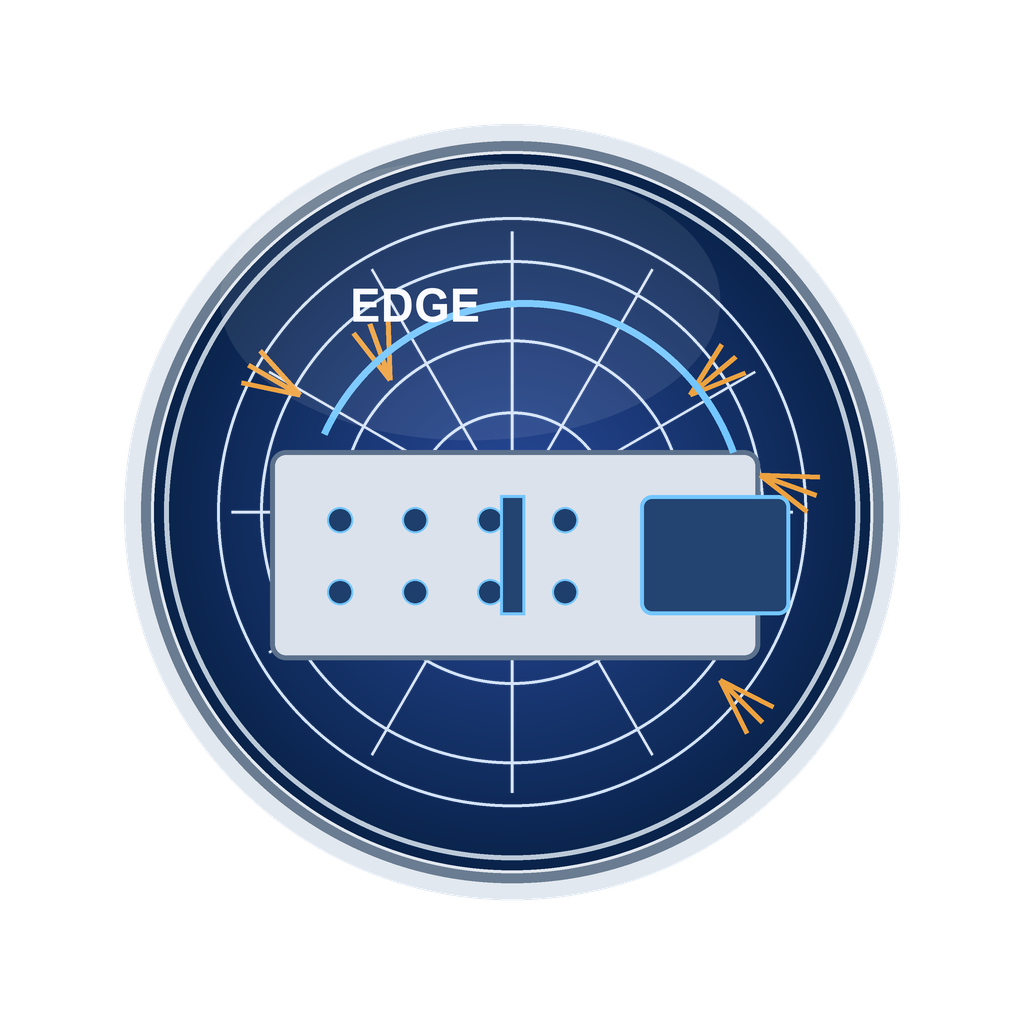
Controllo delle sbavature e dei bordi
Bordi, buchi, discussioni, slot, e le facce cosmetiche vengono esaminate per la sbavatura, pulizia, e requisiti di finitura superficiale.

Metodo di ispezione
Le dimensioni critiche possono richiedere una revisione al microscopio, calibri, Verifiche CMM, ispezione visiva, o registrazioni di misurazioni specificate dal cliente.
Microfresatura
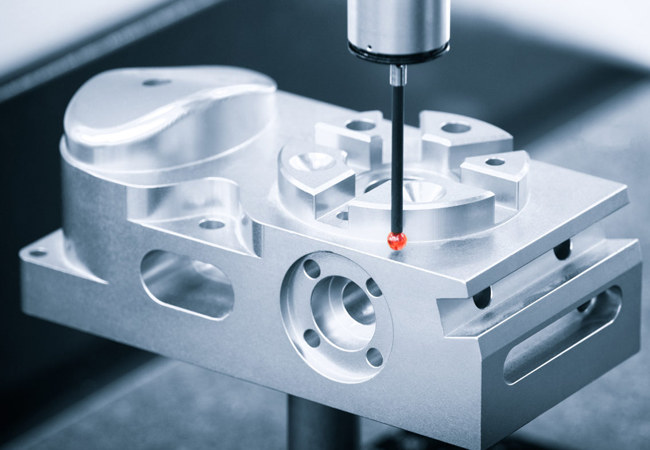
La microfresatura utilizza piccoli utensili da taglio rotanti per lavorare caratteristiche fini, piccole tasche, slot, buchi, e superfici dettagliate in componenti in miniatura.
JADE-CNC esamina le parti microfresate per materiale, profondità delle caratteristiche, spessore della parete, accesso allo strumento, requisiti di controllo delle bave, finitura superficiale, e metodo di ispezione prima di confermare il percorso di lavorazione e le tolleranze.
Caratteristiche principali
Microfresatura vs. Fresatura convenzionale
|
Aspetto |
Fresatura convenzionale |
Microfresatura |
|---|---|---|
|
Diametro dell'utensile |
> 1 mm |
Utensili di piccolo diametro selezionati in base alla dimensione della caratteristica, materiale, profondità, e accesso. |
|
Tolleranze |
± 0.01 mm (10 µm) o più |
Revisione delle tolleranze specifica del progetto basata sul metodo di disegno e ispezione. |
|
Rigidità della macchina & Mandrino |
Rigidità standard, Giri nel migliaio |
Mandrino stabile, apparecchio, esaurimento dell'utensile, e la strategia di taglio sono importanti per le caratteristiche fini. |
|
Formazione di trucioli |
Trucioli continui o segmentati |
Come polvere, chip frammentati; L’evacuazione dei trucioli è una sfida importante |
|
Forza dominante |
Forza di taglio |
Deflessione dell'utensile, esaurire, e vibrazioni diventare i principali fattori limitanti |
Microelettroerosione
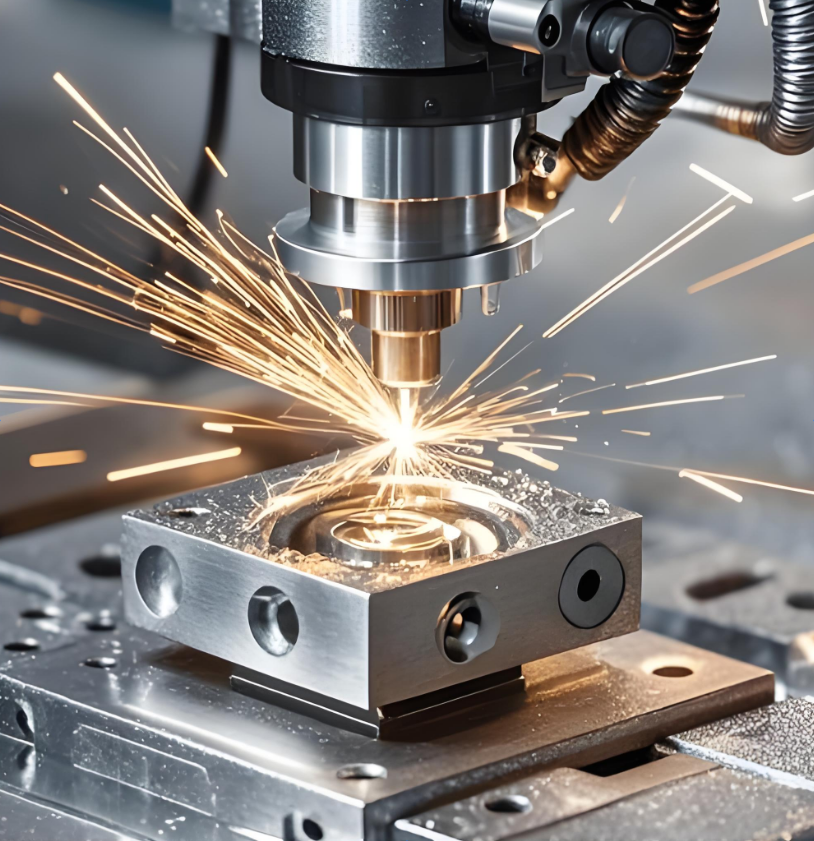
La microelettroerosione viene utilizzata quando i materiali conduttivi richiedono fessure sottili, piccoli fori, profili sottili, o caratteristiche dettagliate difficili da lavorare con utensili da taglio. La fattibilità finale dipende dalla conduttività del materiale, dimensione della caratteristica, profondità, requisito di tolleranza, condizione della superficie, e metodo di ispezione.
JADE-CNC esamina i requisiti della Micro EDM disegnando prima di confermare se l'elettroerosione, microfresatura, perforazione, o un altro percorso di lavorazione è più adatto.
Vantaggi nella microelettroerosione
- La durezza è irrilevante.
- Nessuna sollecitazione meccanica/deflessione dell'utensile
- Proporzioni estreme
- Tolleranze all'interno ± 1 µm
Principali tipi di microelettroerosione
|
Tipo |
Descrizione del processo |
Applicazioni primarie |
|---|---|---|
|
Microelettroerosione a filo |
Utilizza un elettrodo a filo sottile per tagliare piccoli profili 2D e forme dettagliate in materiali conduttivi quando è adatto l'elettroerosione. |
Piccoli profili, componenti conduttivi piatti, slot, ingranaggi, infissi, e caratteristiche dettagliate del metallo quando specificato. |
|
Elettroerosione per microforatura (o Scoppio dei buchi) |
Utilizza un elettrodo sottile per creare piccoli fori in materiali conduttivi quando il disegno richiede una perforazione per elettroerosione. |
Piccoli fori, fori di avviamento, caratteristiche di ventilazione, aperture di precisione, e microparti conduttive quando specificato dal disegno. |
|
Microelettroerosione a tuffo |
Utilizza un elettrodo sagomato per lavorare piccole cavità, recessi, o caratteristiche conduttive dettagliate; è necessario rivedere l'usura degli elettrodi e la geometria delle caratteristiche. |
Piccole cavità, recessi, caratteristiche legate alla trama, e geometria dettagliata della parte conduttiva una volta confermati i requisiti del progetto. |
Revisione della capacità di microlavorazione JADE-CNC
Microfresatura
Utilizzato per tasche sottili, piccole fessure, profili compatti, pareti sottili, e superfici dettagliate quando l'accesso agli utensili e il controllo delle bave sono adatti.
Recensione sulla microelettroerosione
Utilizzato per materiali conduttivi con fori fini, profili, oppure le funzionalità di difficile accesso richiedono una revisione della lavorazione basata sull'elettroerosione.
Controllo e pulizia delle bave
Le piccole caratteristiche vengono esaminate per il rischio di sbavature, rottura del bordo, metodo di pulizia, volti cosmetici, e superfici di contatto funzionali.
Pianificazione delle ispezioni
Il metodo di misurazione è confermato in base alle dimensioni dell'elemento, note di tolleranza, requisiti di disegno, e le esigenze di documentazione del cliente.
Materiali comuni per la microlavorazione
I gruppi di materiali comuni includono le leghe di alluminio, acciai inossidabili, leghe di rame, ottone, acciai per utensili, tecnopolimeri, e leghe speciali selezionate quando il cliente specifica il grado e i requisiti di accettazione.
Applicazioni tipiche
|
Hardware per dispositivi medici |
Custodie per piccoli dispositivi, infissi, hardware relativo allo strumento, viti di precisione, e parti prototipo basate su disegni approvati. |
|---|---|
|
Apparecchiature di comunicazione e di precisione |
Piccoli connettori, parentesi, alloggiamenti, slot, buchi, e caratteristiche di allineamento utilizzate nelle apparecchiature di precisione. |
|
Elettronica |
Microconnettori, alloggiamenti dei sensori, parentesi in miniatura, piccoli piatti, e hardware elettronico compatto. |
|
Attrezzo & Realizzazione di stampi |
Piccole cavità, inserti dettagliati, caratteristiche legate alla trama, e componenti compatti di utensili quando vengono forniti i disegni. |
Domande frequenti
La microlavorazione viene utilizzata per parti di piccole dimensioni, buchi fini, pareti sottili, slot, componenti in miniatura, e funzionalità dettagliate che richiedono un'attenta revisione del processo.
Si consigliano un file CAD 3D e un disegno 2D, soprattutto quando le piccole caratteristiche, tolleranze strette, controllo delle bave, o i requisiti di ispezione sono importanti.
I fori piccoli possono essere esaminati in base al diametro, profondità, materiale, tolleranza, rischio di sbavatura, e metodo di ispezione prima di confermare la fattibilità.
I materiali comuni includono l'alluminio, acciaio inossidabile, ottone, rame, titanio, acciaio, SBIRCIARE, e altri tecnopolimeri.
Il rischio di bave viene esaminato in base al materiale, condizione del bordo, dimensione della caratteristica, metodo di lavorazione, accesso sbavatura, e superfici funzionali.
SÌ. Può supportare prototipi, campioni funzionali, e piccole parti a basso volume quando i requisiti di disegno e ispezione sono chiari.
La microelettroerosione può essere utile per materiali conduttivi con piccoli fori, profili pregiati, o elementi di difficile accesso che non sono ideali per gli utensili da taglio.
L'ispezione può includere la revisione al microscopio, controlli visivi, calibri, Verifiche CMM, rapporti dimensionali, o registrazioni di ispezioni specificate dal cliente.
NO. Contrassegnare solo le funzionalità critiche aiuta a migliorare la producibilità, chiarezza dell'ispezione, e accuratezza della quotazione.
Fornire la qualità del materiale, dimensione della caratteristica, dimensioni critiche, finitura superficiale, requisiti di bava, esigenze di ispezione, e la quantità prevista.