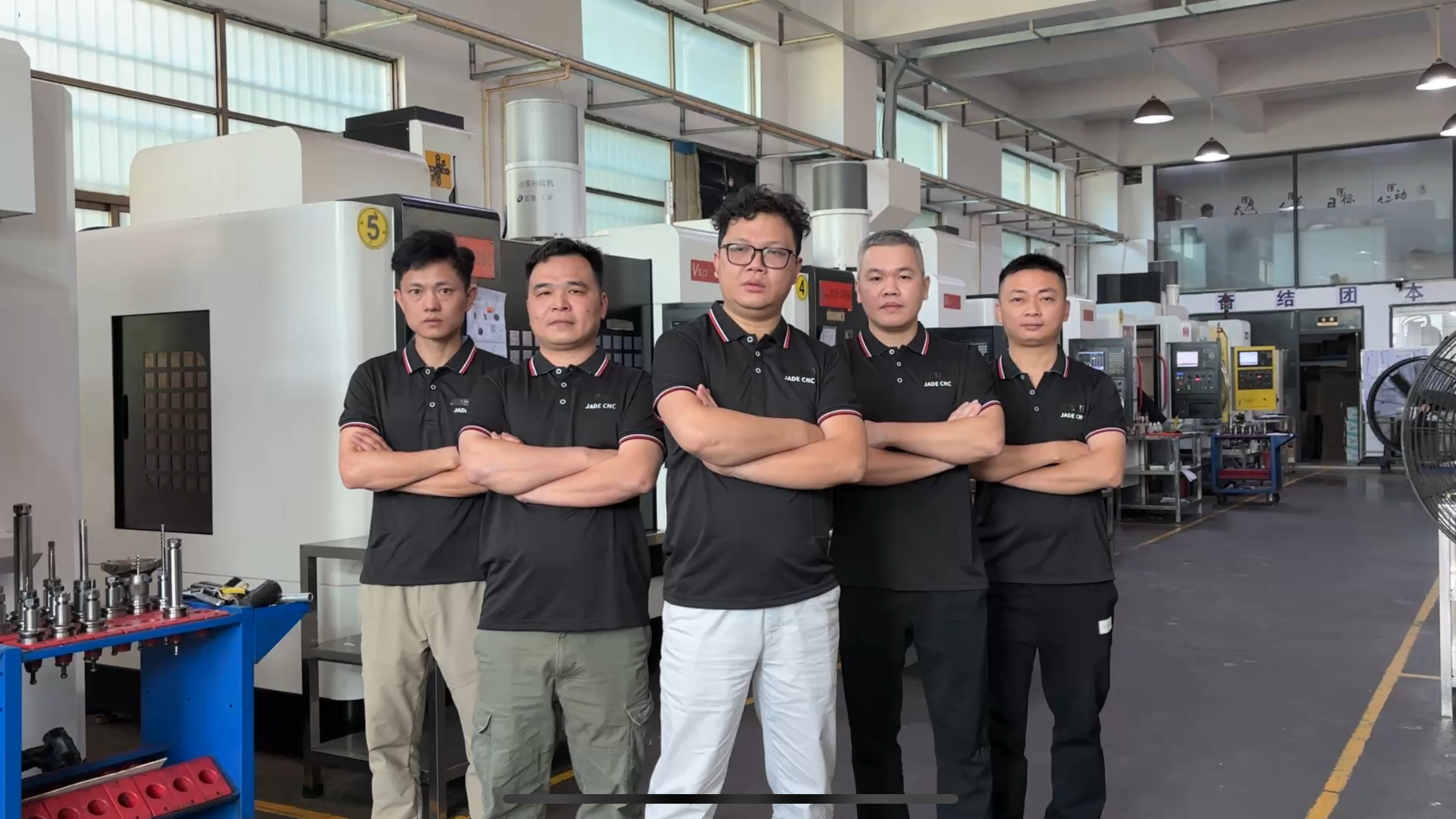


Tornitura CNC di metalli
Il pezzo ruota mentre l'utensile da taglio rimuove il materiale, rendere la tornitura adatta agli alberi, boccole, perni, maniche, parti filettate, e altri componenti metallici cilindrici.

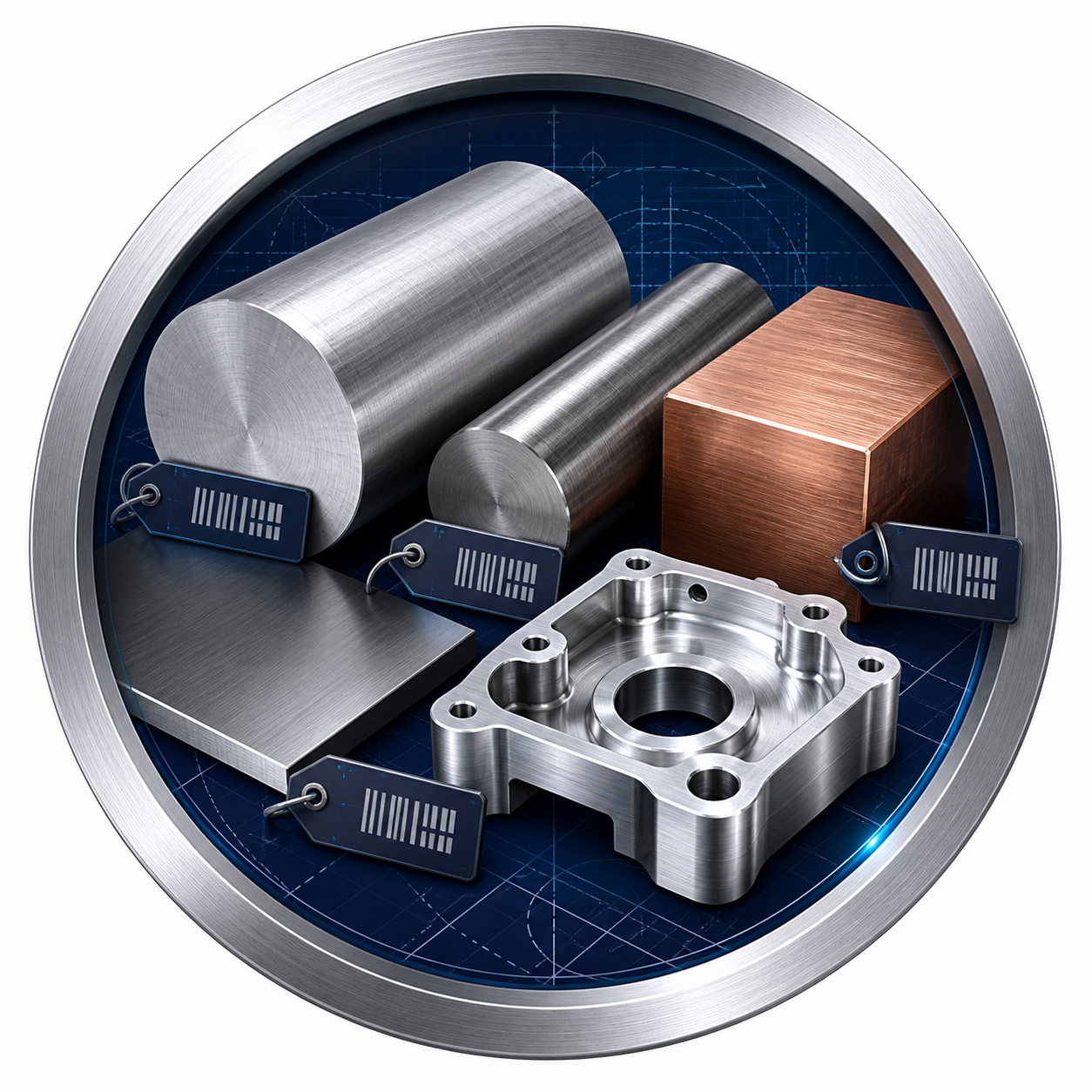
Fresatura CNC di metalli
Gli utensili da taglio rotanti rimuovono il materiale da un pezzo fisso, rendendo la fresatura adatta alle piastre, alloggiamenti, parentesi, tasche, slot, contorni complessi, e caratteristiche metalliche di precisione.

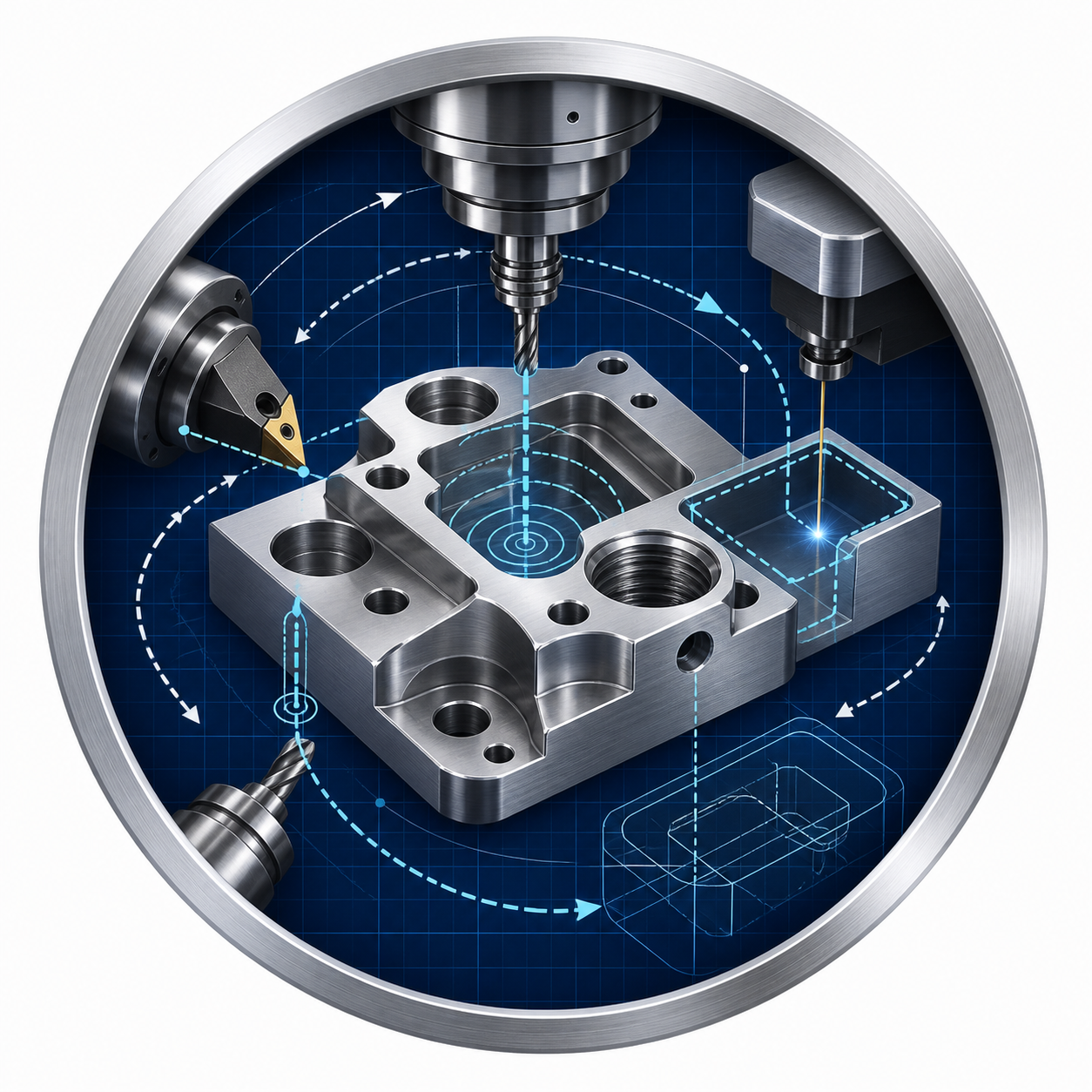
Foratura CNC in metallo
Utilizzato per creare fori e filettature.

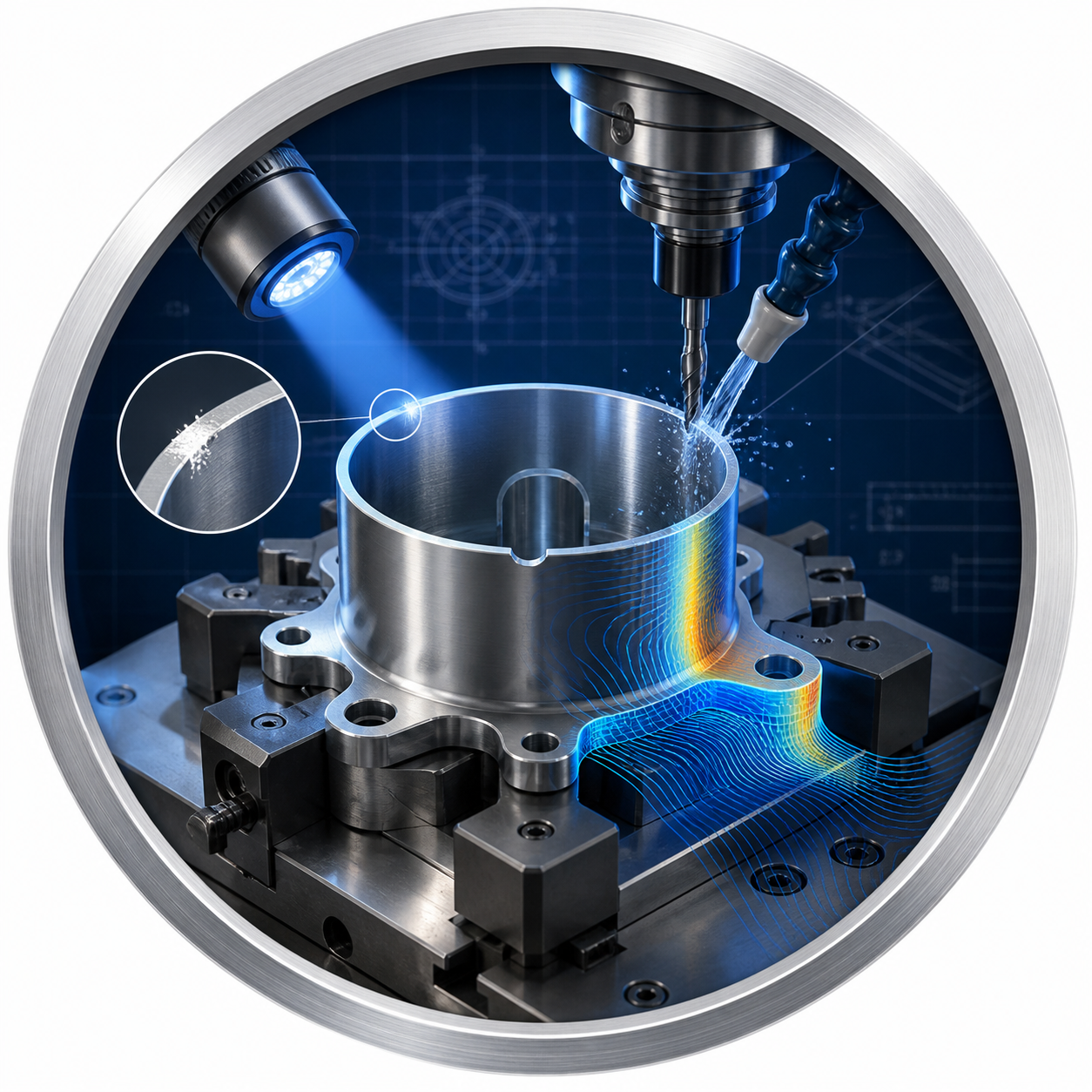
Elettroerosione a filo
Utilizzato per la lavorazione di metalli conduttivi con elevata durezza o geometrie complesse.
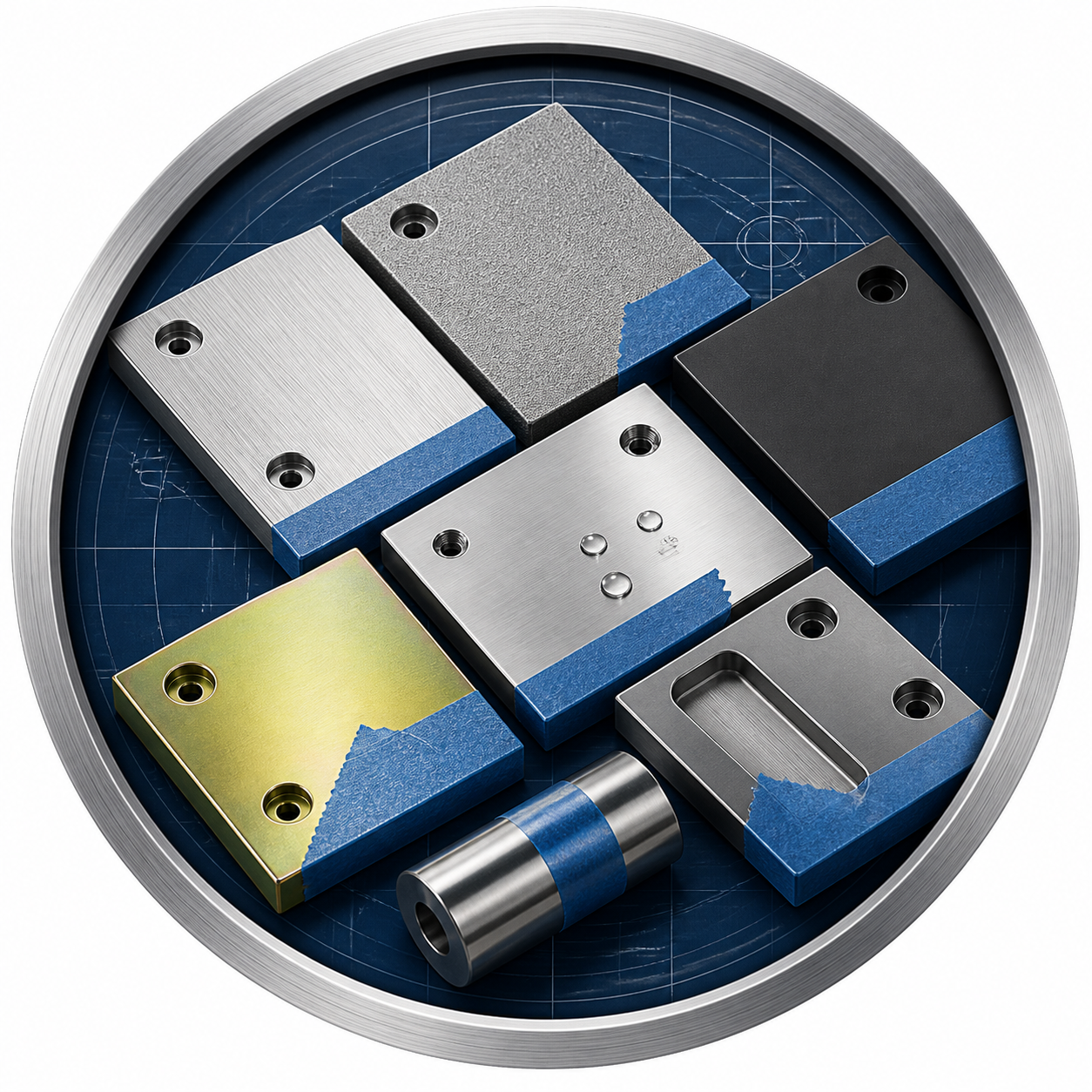
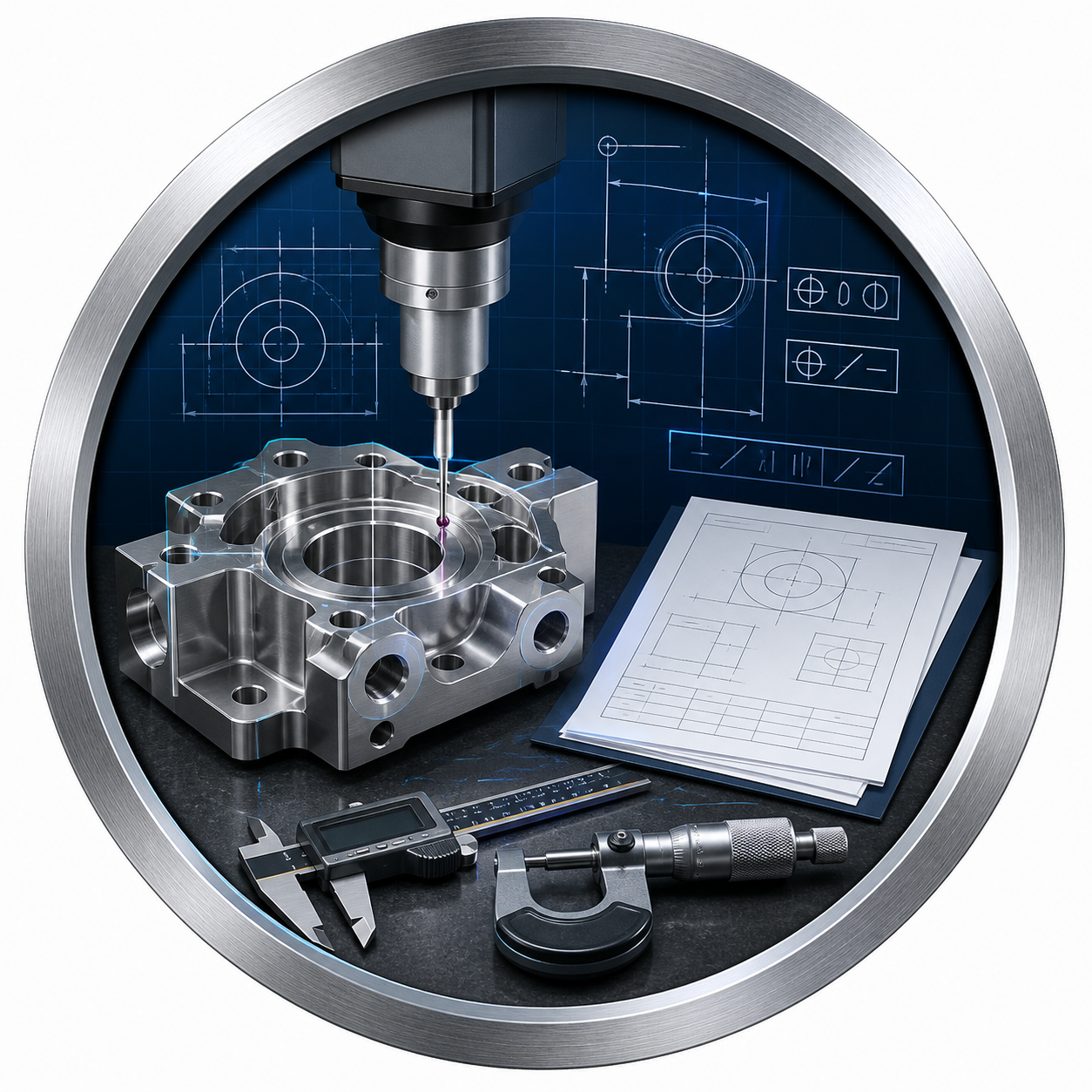
Alluminio è la bEst scelta Di “resistenza-peso-lavorabilità-costo” metallo. che può fare una velocità di lavorazione elevata, ottima finitura superficiale, resistente alla corrosione, e può essere anodizzato per il colore.
Gradi rappresentativi: 6061-T6, 7075-T6, ADC12
Grado del materiale, modulo di riserva, fine, tolleranza, documentazione, e il programma sono confermati durante la richiesta di offerta in base al disegno e alla fornitura disponibile.
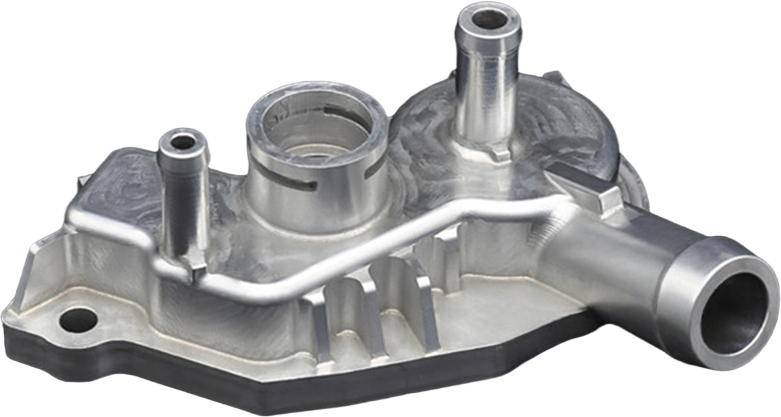
Le applicazioni primarie sono parti strutturali meccaniche, come prototipi, infissi, alberi, ingranaggi, bulloni: parti funzionali che non richiedono estrema robustezza o resistenza alla corrosione.
Gradi rappresentativi: 304/316l (Austenitico); 303 (Lavorazione libera)
Grado del materiale, modulo di riserva, fine, tolleranza, documentazione, e il programma sono confermati durante la richiesta di offerta in base al disegno e alla fornitura disponibile.

Elevata durezza e resistenza all'usura, utilizzato per utensili che lavorano altri materiali o parti soggette a forte abrasione. Quale comune si applica in Pugni, muore, utensili da taglio, componenti antiusura per maschere, calibri
Grado del materiale, modulo di riserva, fine, tolleranza, documentazione, e il programma sono confermati durante la richiesta di offerta in base al disegno e alla fornitura disponibile.
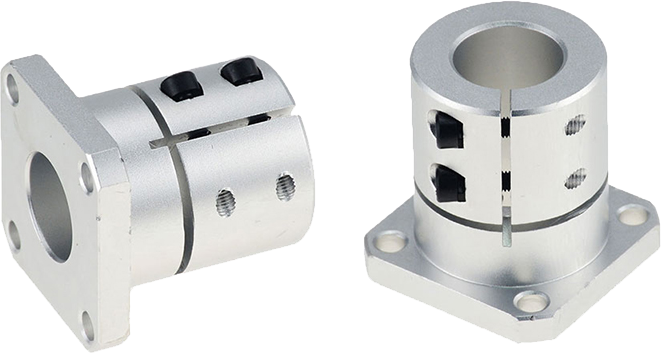
La più alta conduttività elettrica e termica tra i comuni metalli tecnici (secondo solo all'argento), ma morbido e gommoso, rendendolo più difficile da lavorare rispetto all'ottone. Il comune rame si applica alle sbarre collettrici, dissipatori di calore, Elettrodi per elettroerosione, componenti a microonde, applicazioni che richiedono un'elevata conduttività termica/elettrica
Grado del materiale, modulo di riserva, fine, tolleranza, documentazione, e il programma sono confermati durante la richiesta di offerta in base al disegno e alla fornitura disponibile.

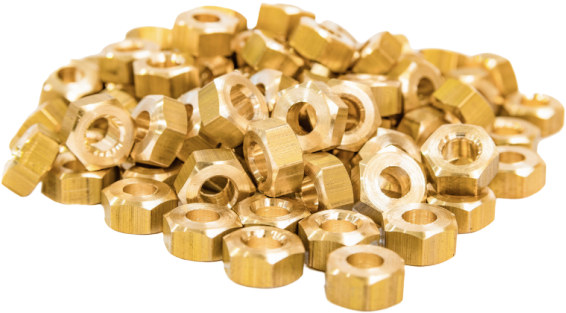
L'ottone è una lega versatile di rame-zinco rinomata per la sua eccellente lavorabilità, aspetto attraente simile all'oro, e buone proprietà meccaniche e di resistenza alla corrosione. È un materiale di base nella lavorazione CNC, soprattutto per parti che richiedono alta precisione, finiture lisce, e geometrie complesse.
Grado del materiale, modulo di riserva, fine, tolleranza, documentazione, e il programma sono confermati durante la richiesta di offerta in base al disegno e alla fornitura disponibile.

Il bronzo è apprezzato per questo alta resistenza, eccellente resistenza all'usura, buona resistenza alla corrosione (soprattutto all'acqua di mare), e proprietà di basso attrito contro altri metalli. È un materiale fondamentale per i cuscinetti, boccole, ingranaggi, e componenti marini.
Grado del materiale, modulo di riserva, fine, tolleranza, documentazione, e il programma sono confermati durante la richiesta di offerta in base al disegno e alla fornitura disponibile.
Costo più basso, facile da lavorare, ottima saldabilità, ma incline alla ruggine (di solito richiede placcatura o verniciatura). IL Applicazioni primarie sono parti strutturali meccaniche, prototipi, infissi, alberi, ingranaggi, bulloni: parti funzionali che non richiedono estrema robustezza o resistenza alla corrosione.
Grado del materiale, modulo di riserva, fine, tolleranza, documentazione, e il programma sono confermati durante la richiesta di offerta in base al disegno e alla fornitura disponibile.

Il metallo commerciale più leggero (densità ~2/3 dell'alluminio), elevata forza specifica, buona capacità di smorzamento, facile da lavorare, La lega di magnesio può essere presa in considerazione per componenti leggeri durante la movimentazione, fine, e i requisiti del progetto sono confermati.
Grado del materiale, modulo di riserva, fine, tolleranza, documentazione, e il programma sono confermati durante la richiesta di offerta in base al disegno e alla fornitura disponibile.

Il titanio è un ad alte prestazioni, metallo leggero rinomato per la sua eccezionalità rapporto resistenza/peso, eccezionale resistenza alla corrosione, ed eccellente biocompatibilità. Sebbene impegnativo e costoso da lavorare, è indispensabile nel settore aerospaziale, medico, e applicazioni ingegneristiche di fascia alta con le sue proprietà uniche.
Grado del materiale, modulo di riserva, fine, tolleranza, documentazione, e il programma sono confermati durante la richiesta di offerta in base al disegno e alla fornitura disponibile.