



Servizi di lavorazione CNC in alluminio per parti personalizzate di precisione
JADE-CNC fornisce lavorazione CNC in alluminio per parti in alluminio personalizzate che necessitano di una struttura leggera, buona lavorabilità, resistenza alla corrosione, dimensioni stabili, e finitura superficiale pulita.
Supportiamo le leghe di alluminio comuni come 6061, 7075, 2024, 5052, 6063, e piastra per utensili MIC-6 basata sui disegni del cliente, requisiti di tolleranza, esigenze di finitura, e quantità di produzione.
- Revisione dei costi prima del preventivo
- Opzioni di consegna rapida dopo la revisione del disegno
- Sono supportati prototipi e ordini a basso volume

Servizi di lavorazione CNC su alluminio personalizzati in Cina
L'alluminio offre un eccellente rapporto resistenza/peso, buona lavorabilità, resistenza alla corrosione, conduttività termica, e un'ampia gamma di opzioni di finitura superficiale. supportiamo prototipi in alluminio, infissi, recinzioni, dissipatori di calore, parentesi, alloggiamenti, e pezzi di produzione con fresatura CNC, girando, perforazione, toccando, anodizzazione, Lavorazione da CAD a CNC, ispezione, e revisione della lavorazione RFQ.

Leghe di alluminio comuni per la lavorazione CNC
|
Grado di alluminio |
Uso tipico |
Focus della revisione JADE-CNC |
|---|---|---|
|
6061 Alluminio |
Parentesi, alloggiamenti, infissi, piatti, e componenti meccanici generali |
Forza equilibrata, lavorabilità, resistenza alla corrosione, compatibilità con l'anodizzazione, e requisiti di tolleranza |
|
7075 Alluminio |
Parti strutturali ad alta resistenza, componenti aerospaziali, parti di robotica, e componenti portanti |
Rapporto resistenza/peso, sollecitazione di lavorazione, rischio di pareti sottili, finitura superficiale, e tolleranza delle caratteristiche critiche |
|
2024 Alluminio |
Parti aerospaziali, componenti strutturali, e applicazioni sensibili alla fatica |
Prestazioni meccaniche, resistenza alla fatica, protezione dalla corrosione, selezione finale, e requisiti di ispezione |
|
5052 Alluminio |
Parti in lamiera, coperture, pannelli, recinzioni, e componenti formati |
Resistenza alla corrosione, condizione di piegatura o formatura, lavorazione dopo la fabbricazione, superfici cosmetiche, e completare la compatibilità |
|
6063 Alluminio |
Estrusioni, profili, cornici, strutture del dissipatore di calore, e parti incentrate sull'aspetto |
Condizione di estrusione, aspetto superficiale, risposta di anodizzazione, planarità, e consistenza dimensionale |
|
Piastra per utensili MIC-6 |
Infissi, piastre di base, piastre di ispezione, piastre per utensili, e componenti piani di precisione |
Stabilità dimensionale, planarità, spessore della piastra, sovrametallo di lavorazione, e metodo di ispezione |
Linee guida DFM per l'alluminio & Suggerimenti per la progettazione
Spessore minimo della parete
- Raccomandato: >=1,0 mm per 6061-T6, >=1,5 mm per 7075-T6
- Minimo assoluto: 0.5mm (6061, muri corti <10mm height)
- Rapporto altezza-spessore: <=8:1 to avoid chatter and deflection
- Suggerimento per la progettazione: Aumentare lo spessore della parete alla base per le nervature alte; utilizzare i tasselli
Raggi degli angoli interni
- Raccomandato: >=1,0 mm (preferibilmente >=1,5 mm)
- Perché: Raggi più piccoli richiedono strumenti più piccoli, avanzamenti più lenti, provocare vibrazioni
- Impatto sui costi: R0,5 mm rispetto a R1,5 mm può aumentare il tempo di lavorazione di 30-50%
- Suggerimento per la progettazione: Utilizza il raggio interno più grande consentito dal tuo progetto; frese standard O1-O12mm
Profondità della filettatura & Buco
- Profondità del foro maschiato: <=2.5xD for through holes, <=1.5xD for blind holes
- Coinvolgimento del thread: 1.5xD minimo per l'alluminio
- Diametro del foro: O minimo 0,5 mm (microforatura), standard >=O1,0 mm
- Rapporto profondità-diametro del foro: <=3:1 standard, <=5:1 with peck drilling
- Suggerimento per la progettazione: Aggiungere un gioco di 0,5xD sul fondo dei fori filettati ciechi
Tolleranza dimensionale di anodizzazione
- Tipo II (5-25uno): La parte cresce di circa 2,5-12,5um per superficie
- Tipo III (25-100uno): La parte cresce di 12,5-50um per superficie
- Attacchi critici: Mascherare superfici di precisione o progettare con gioco
- Fori filettati: Anodizzare prima di maschiare, o mascherare i fili
Altre raccomandazioni DFM
- Rapporto profondità-larghezza della cavità: <=4:1 for milling
- Sottosquadri: Evitare se possibile; richiedono attrezzature speciali
- Dimensione della parte: Massimo 500x400x300 mm (3-asse)
- Planarità: La piastra pressofusa MIC-6 offre una stabilità di planarità superiore
Confronto delle finiture superficiali dell'alluminio
Finitura superficiale | Processo | Spessore | Durezza | Resistere alla corrosione. | Additivo dei costi | Ideale per |
Come lavorato | Fresatrice/tornitura CNC | N / A | N / A | Basso | $0 | Prototipi, parti interne |
Anodizzazione di tipo II (Chiaro) | Acido solforico | 5-15uno | 300-400alta tensione | Bene | $0.5-2 | Scopo generale, protezione dalla corrosione |
Anodizzazione di tipo II (Colore) | Acido solforico+colorante | 5-25uno | 300-400alta tensione | Bene | $1-5 | Parti cosmetiche, prodotti di consumo |
Anodizzazione dura di tipo III | Solforico a bassa temperatura | 25-100uno | 600-800alta tensione | Eccellente | $2-10 | Parti soggette ad usura, industriale, militare |
Conversione cromata | Immersione chimica | 0.5-2uno | N / A | Moderare | $0.3-1 | Primer preverniciato, conduttività elettrica |
Sabbiatura delle perle | Supporti di perle di vetro | N / A | N / A | Basso | $0.5-3 | Opaco uniforme, nascondere i segni degli strumenti |
Spazzolatura | Nastro abrasivo | N / A | N / A | Basso | $1-5 | Grano decorativo, elettronica di consumo |
Lucidatura a specchio | Lucidatura+composto | N / A | N / A | Basso | $2-20 | Ottico, superfici riflettenti |
Verniciatura a polvere | Elettrostatico+polimerizzazione | 50-120uno | 2H-4H | Eccellente | $1-10 | Rivestimento spesso, uso esterno, colori |
Pittura bagnata | Spruzzo+polimerizzazione | 20-50uno | H-2H | Bene | $1-8 | Colori personalizzati, loghi, multicolore |
Nichel chimico | Ni-P autocatalitico | 5-25uno | 500-900alta tensione | Eccellente | $2-15 | Resistenza all'usura, saldabilità, EMI |
Marcatura laser | Incisione laser | N / A | N / A | N / A | $0.2-1 | Loghi, numeri di parte, Codici QR |
Finitura vibrante | Caduta | N / A | N / A | Basso | $0.3-2 | Sbavatura, raggio,parti in lotti |
Passivazione | Acido nitrico/citrico | <0.1uno | N / A | Moderare | $0.2-0.5 | Rimuovere il ferro libero, pre-placcatura |
Revisione della capacità di lavorazione CNC dell'alluminio
La lavorazione CNC dell'alluminio viene spesso selezionata per parti leggere, alloggiamenti, parentesi, infissi, dissipatori di calore, piatti, e componenti strutturali. Prima della lavorazione, la questione chiave non è solo se la parte può essere tagliata, ma se la lega, spessore della parete, zone di tolleranza, finitura superficiale, e il metodo di ispezione sono adatti all'applicazione finale.
- Revisione delle leghe di alluminio
- Selezione del processo di lavorazione
- Tolleranza e controllo delle caratteristiche
- Pianificazione delle finiture e delle ispezioni
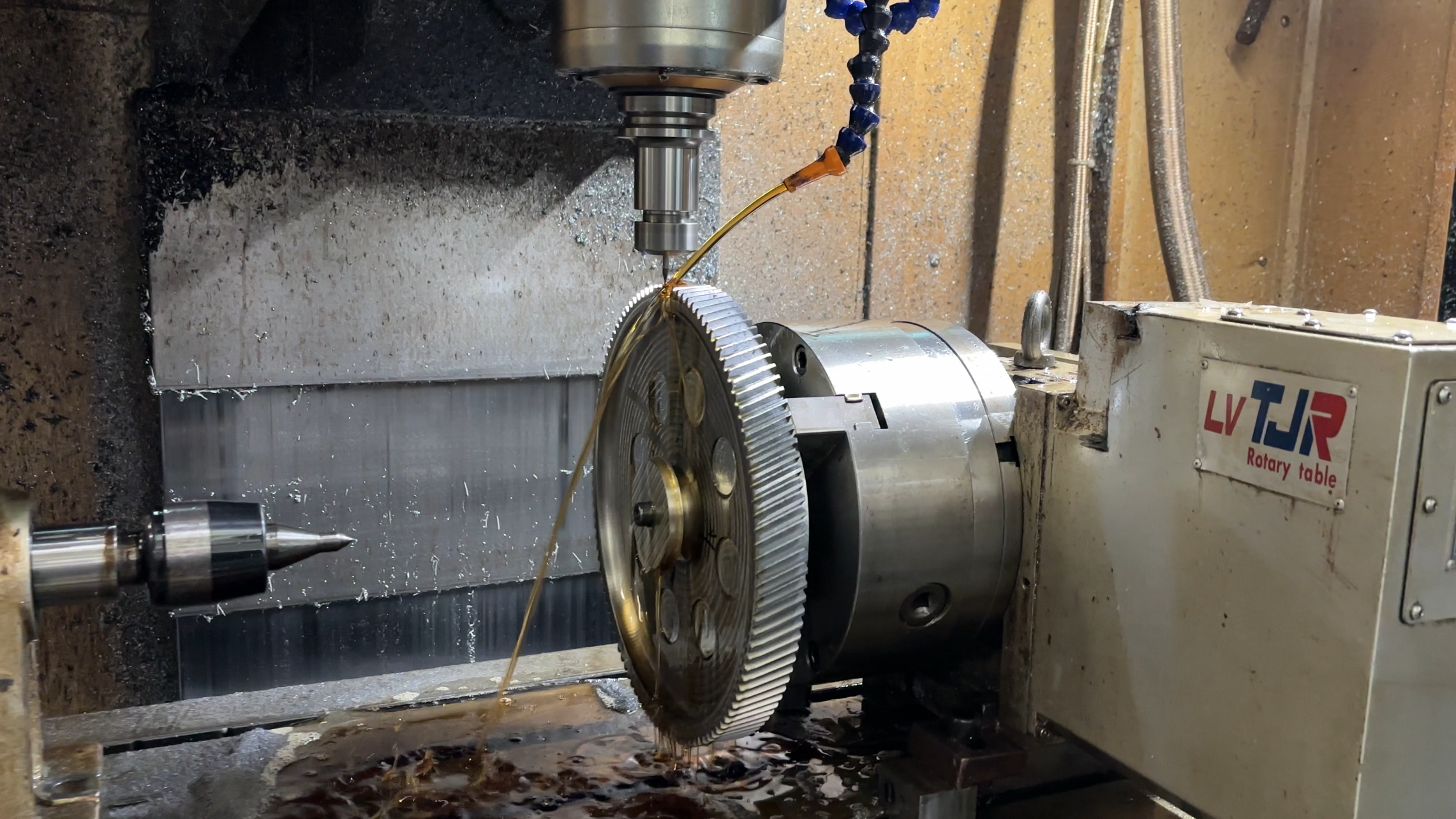
Rischi comuni nella lavorazione dell’alluminio
Le parti in alluminio possono essere influenzate dalla deformazione delle pareti sottili, segni di utensili, sbavature, graffi superficiali, variazione di anodizzazione, e movimento di tolleranza dopo la rimozione del materiale. Questi rischi vengono esaminati prima del preventivo e del piano di lavorazione, metodo di fissaggio, ambito di ispezione, e i requisiti di finitura possono corrispondere al progetto effettivo della parte.
|
Zona di rischio |
Cosa può succedere |
Focus della revisione JADE-CNC |
|---|---|---|
|
Pareti e tasche sottili |
Le sezioni sottili possono vibrare, deformare, o mostrare segni visibili dell'utensile durante la lavorazione. |
Esaminare lo spessore della parete, profondità della tasca, supporto dell'apparecchio, accesso allo strumento, e sequenza di lavorazione. |
|
Planarità e Grandi Superfici |
Piatti, coperture, e gli alloggiamenti potrebbero spostarsi dopo la rimozione del materiale. |
Esaminare le condizioni del materiale, indennità di magazzino, metodo di bloccaggio, bisogni di sollievo dallo stress, e piano di ispezione. |
|
Filettature e fori critici |
Adattamento del filo, posizione del foro, e le caratteristiche di accoppiamento possono influenzare l'assemblaggio. |
Rivedere la tolleranza del foro, profondità della filettatura, riferimenti di dati, superfici di accoppiamento, e controlli del tampone o della CMM. |
|
Finitura superficiale e anodizzazione |
Graffi, segni di lavorazione, variazione di colore, oppure potrebbero verificarsi problemi di mascheramento al termine. |
Esamina i volti cosmetici, Requisito di Ra, tipo di anodizzazione, zone di mascheramento, e completare le esigenze di approvazione. |
Cosa preparare per un preventivo di lavorazione CNC dell'alluminio
- 3File CAD D, 2disegno D
- grado del materiale, quantità, note di tolleranza
- requisiti di finitura superficiale
- eventuali aree estetiche o funzionali che necessitano di un controllo più attento
Il nostro team di ingegneri fornisce:
- Guida alla scelta dei materiali
- Progettazione per la producibilità (DFM) analisi
- Prototipazione attraverso la produzione in serie
- Garanzia di qualità e convalida dei test
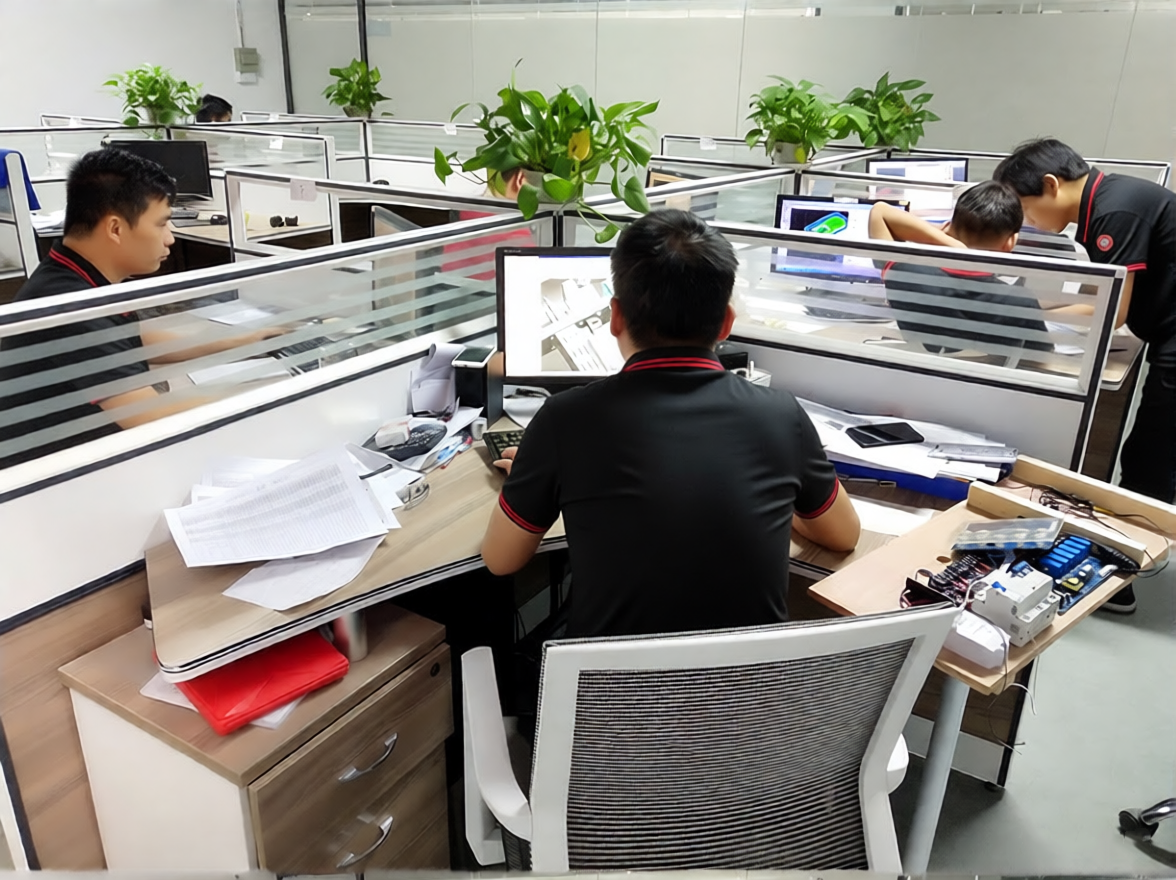
Cosa valuta JADE-CNC prima della lavorazione dell'alluminio
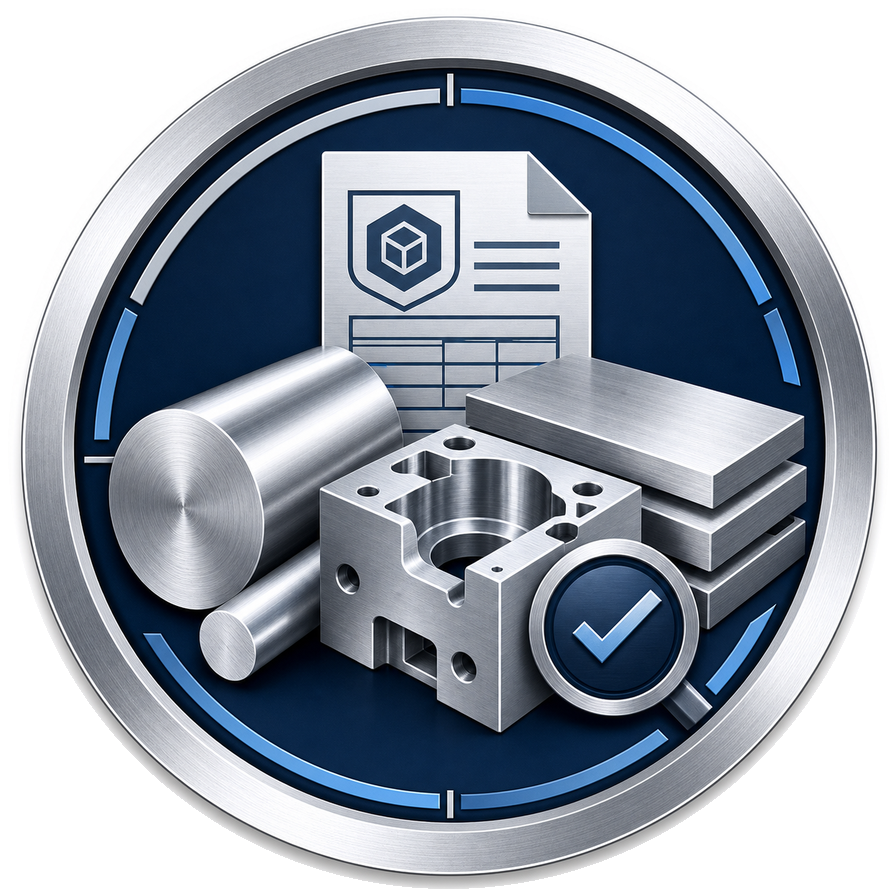
Grado materiale
JADE-CNC esamina il grado di alluminio richiesto, opzioni di materiali equivalenti, modulo di riserva, e finitura compatibilità prima della lavorazione.
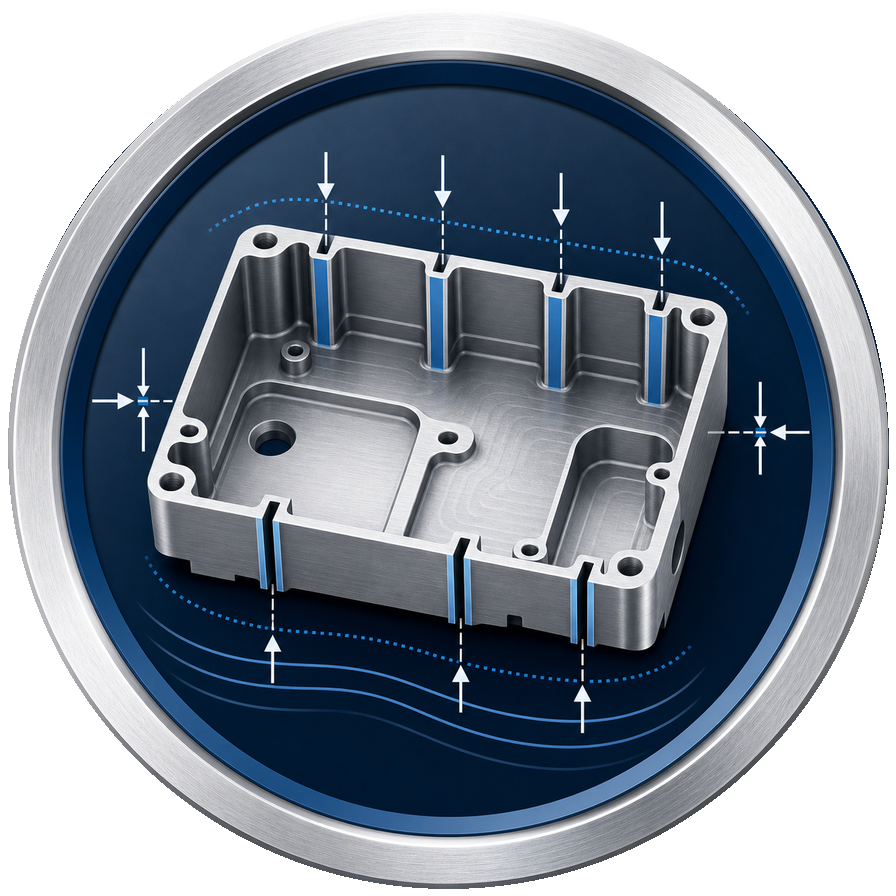
Spessore della parete
Pareti sottili, tasche, costolette, e le strutture leggere vengono controllate per il rischio di deformazione, vibrazione, e stabilità della lavorazione.
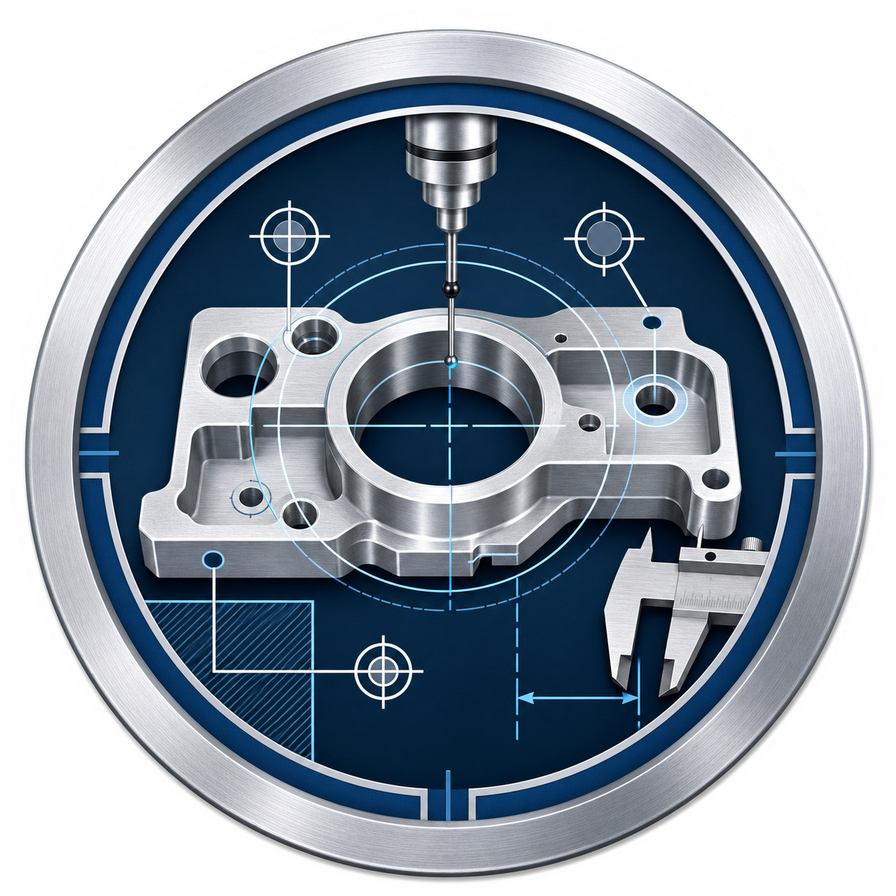
Caratteristiche di tolleranza
Buchi critici, superfici di accoppiamento, riferimenti di dati, planarità, discussioni, e le zone di tolleranza ristrette vengono esaminate prima del preventivo.
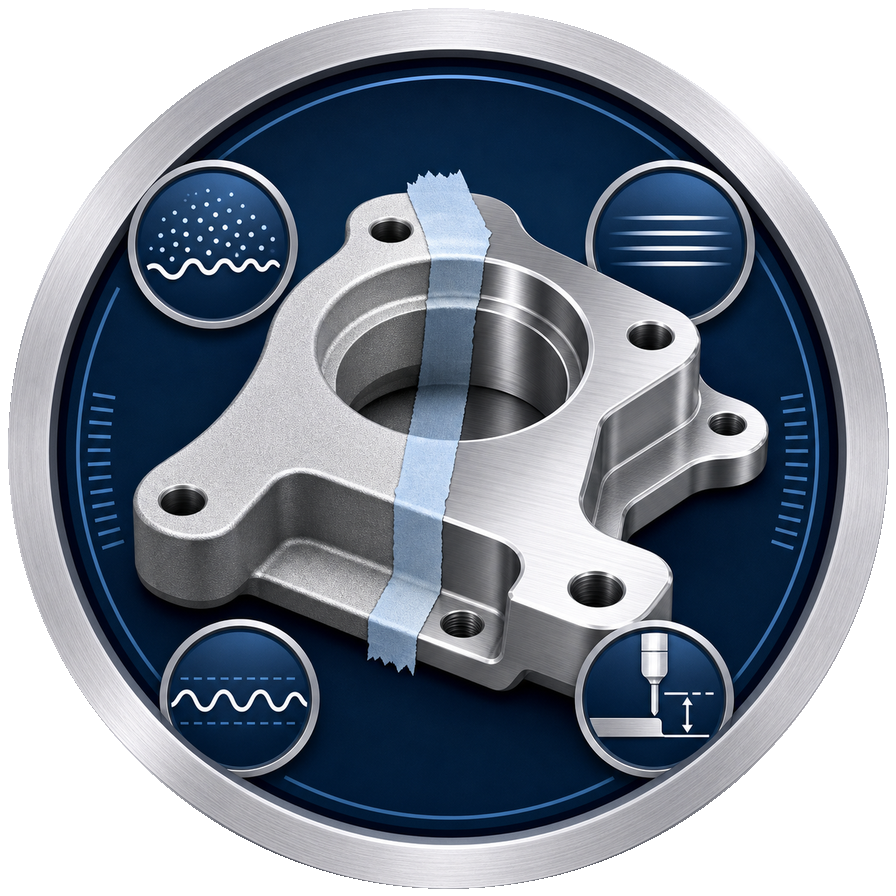
Finitura superficiale
Anodizzazione, sabbiatura, lucidatura, pittura, e i requisiti del lato estetico vengono controllati rispetto al disegno e alle condizioni del materiale.
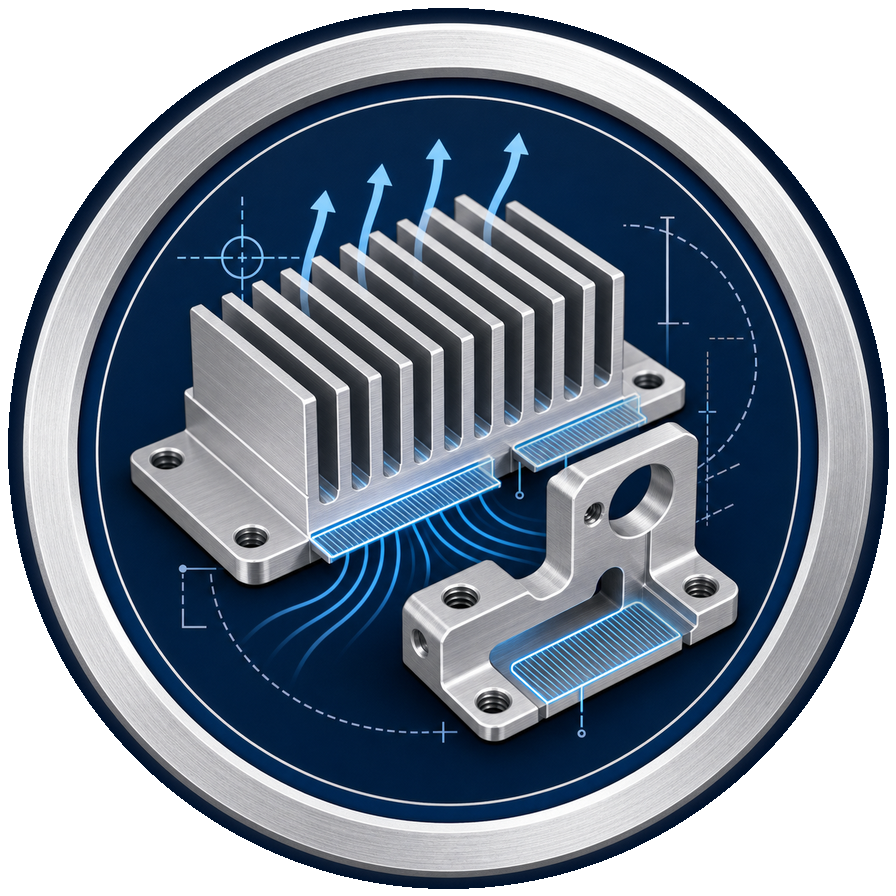
Uso Termico e Funzionale
Per dissipatori di calore, recinzioni, parentesi, e parti elettroniche, JADE-CNC esamina le superfici di contatto termico, aree di montaggio, e vestibilità funzionale.
Applicazioni industriali della lavorazione CNC dell'alluminio
La lavorazione CNC dell'alluminio è ampiamente utilizzata per parti strutturali leggere, custodie elettroniche, dissipatori di calore, parentesi, componenti della robotica, apparecchi di automazione, prototipi di dispositivi medici, parti di comunicazione, e componenti industriali personalizzati.
L'approccio di lavorazione finale dipende dal tipo di alluminio, geometria della parte, requisiti di tolleranza, finitura superficiale, esigenze di ispezione, e la quantità di produzione prevista.

Aerospaziale
Staffe aerospaziali, alloggiamenti, infissi, e parti strutturali leggere

comunicazione
Involucri RF, dissipatori di calore, Alloggiamenti per LED, e parti di gestione termica

Industriale
Piastre di automazione, protezioni della macchina, maschere, infissi, e componenti di robot

Medico & Automobilistico
Prototipi di dispositivi medici, parti di biciclette, componenti automobilistici, e hardware di consumo
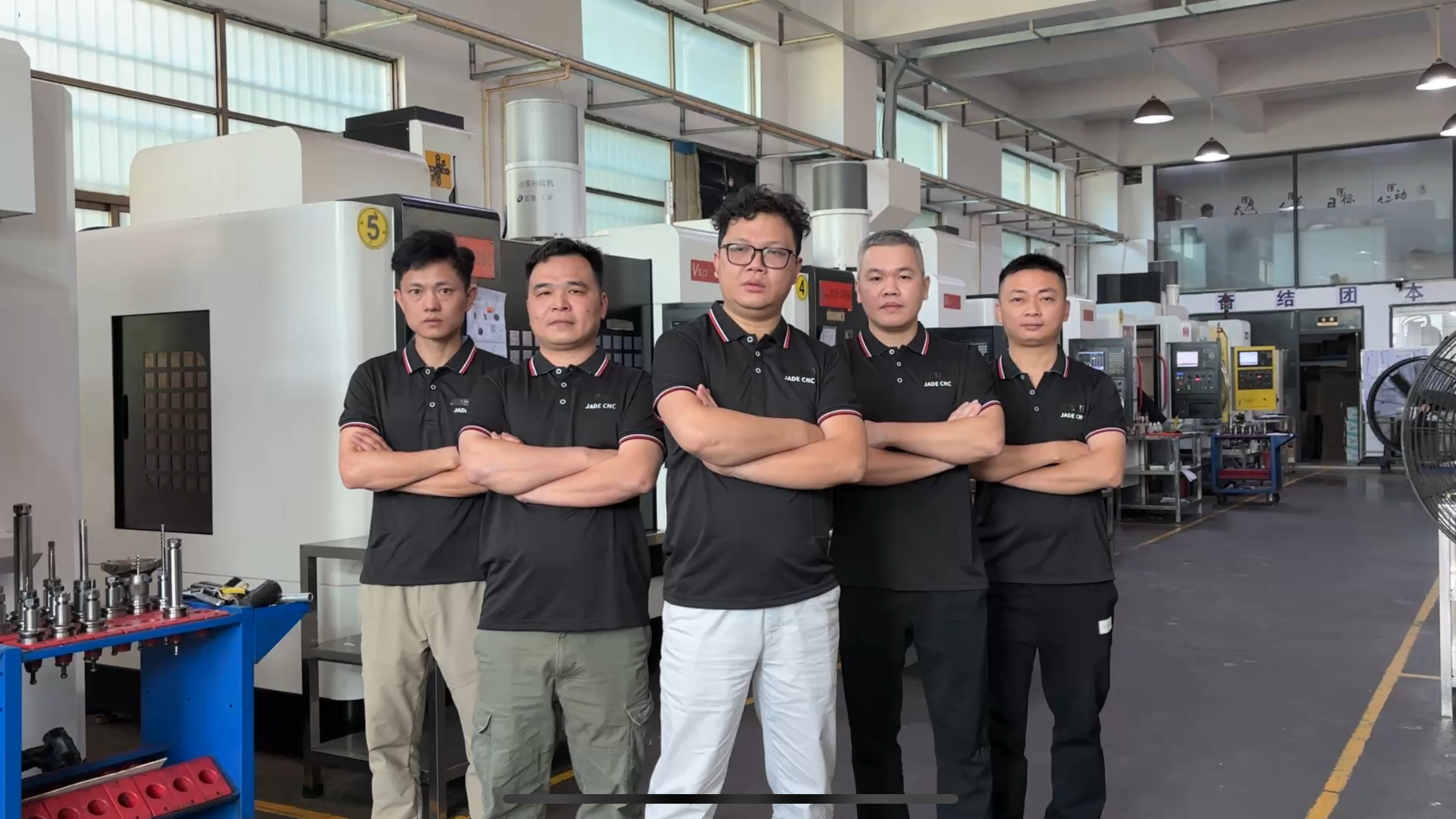
Richiedi una revisione per il tuo progetto di lavorazione CNC dell'alluminio
Invia i disegni delle tue parti in alluminio, grado del materiale, quantità, note di tolleranza, e requisiti di finitura. JADE-CNC esaminerà la lavorabilità, esigenze di ispezione, finitura superficiale, e opzioni di consegna prima del preventivo.
Domande frequenti
6061-T6 è la lega di alluminio più versatile e ampiamente utilizzata per la lavorazione CNC, offrendo un eccellente equilibrio di forza (310 MPa a trazione), lavorabilità, resistenza alla corrosione, ed efficienza in termini di costi. Per requisiti di resistenza più elevati, 7075-T6 (572 MPa a trazione) è preferito per applicazioni aerospaziali e strutturali. Per parti che richiedono eccellente formabilità o resistenza alla corrosione, 5052-H32 è una buona scelta. Presso JADE-CNC, disponiamo di 6061-T6, 7075-T6, 5052, 6063, 2024, e piastra in alluminio pressofuso MIC-6 per lavorazione immediata.
6061-T6: Resistenza alla trazione 310 MPa, prodotto 276 MPa, buona lavorabilità, eccellente resistenza alla corrosione, costo inferiore (~$2,5-3,5/kg). 7075-T6: Resistenza alla trazione 572 MPa, prodotto 503 MPa, più difficile da lavorare, minore resistenza alla corrosione, costo più elevato (~$5-7/kg). 7075 è quasi 2 volte più potente ma costa circa 2 volte di più. Scegliere 6061 a meno che non sia specificatamente richiesta un'elevata resistenza.
SÌ. Offriamo il Tipo II (acido solforico, 5-25uno, opzioni di colore), Tipo III (anodizzazione dura, 25-100uno, eccellente resistenza all'usura), e Tipo I (acido cromico, rivestimento sottile per il settore aerospaziale). Importante: l'anodizzazione aumenta le dimensioni di circa il 50% dello spessore del rivestimento per superficie. Per parti con tolleranze strette, progettazione con tolleranza di anodizzazione o mascheratura di superfici critiche.
Dimensioni generali: +/-0.05mm. Dimensioni critiche: +/-0.01mm. Funzionalità di alta precisione: +/-0.005mm con rettifica. Diametri dei fori: Adatto per H7/H8. Finitura superficiale: Ra 0,8um standard, Ra 0,2um con lucidatura. L'alluminio è uno dei metalli più facili da lavorare con tolleranze strette.
6061-T6: 0.5mm minimo per pareti corte (<10mm), 1.0mm consigliato per pareti superiori a 20 mm. 7075-T6: 0.8minimo mm, 1.5mm consigliato. Mantieni il rapporto altezza-spessore <=8:1 per evitare chiacchiere. Consigliamo >= Spessore della parete di 1,0 mm per la maggior parte delle parti funzionali.
SÌ, lavoriamo regolarmente il 7075-T6 per il settore aerospaziale e della robotica. Utilizziamo utensili in metallo duro con rivestimento TiAlN, velocità ottimizzate (300-500 SFM), refrigerante ad alta pressione, e strumenti affilati per evitare l'incrudimento. Disponiamo di 7075-T6 in lamiera (6-100mm) e barra tonda (O6-O100mm).
La tolleranza dipende dalla geometria, spessore della parete, grado del materiale, dimensione della caratteristica, e accesso per ispezione. I requisiti di tolleranza critica dovrebbero essere mostrati nel disegno 2D.
Offriamo 30+ finiture: Anodizzazione di tipo II/III (chiaro, nero, colori), sabbiatura, spazzolatura, lucidatura a specchio, verniciatura a polvere, conversione del cromato (Alodino), nichel chimico, e marcatura laser. Il più popolare: anodizzazione trasparente/nera e pallinatura + combinazione anodizzata.
SÌ. Disponiamo di 6061-T6 (piastra 3-150mm, barra O3-O200mm), 7075-T6 (piastra 6-100mm, barra O6-O100mm), 5052-H32, 6063-T5, 2024-T351, e piastra fusa MIC-6. Tutto il materiale viene fornito con certificati di prova del mulino (MTC).
Prototipi: 3-5 giorni (semplice), 5-7 giorni (complesso). Basso volume (10-100pz): 7-14 giorni. Produzione (100+): 14-21 giorni. L'anodizzazione aggiunge 3-5 giorni. Servizio urgente 24-48 ore disponibile. Macchine per l'alluminio 2-3 volte più veloci dell'acciaio.