

Aluminum CNC Machining Services
JADE-CNC provides aluminum CNC machining for custom aluminum parts that need lightweight structure, good machinability, resistência à corrosão, stable dimensions, and clean surface finishing.
We support common aluminum alloys such as 6061, 7075, 2024, 5052, 6063, and MIC-6 tooling plate based on customer drawings, tolerance requirements, necessidades de acabamento, e quantidade de produção.
- Cost review before quotation
- Fast delivery options after drawing review
- Prototype and low-volume orders supported

Custom Aluminum CNC Machining Services in China
Aluminum offers an excellent strength-to-weight ratio, good machinability, resistência à corrosão, thermal conductivity, and a wide range of surface finishing options. we supports aluminum prototypes, jogos, recintos, dissipadores de calor, colchetes, alojamentos, and production parts with CNC milling, girando, perfuração, tapping, anodização, CAD to CNC machining, inspeção, and RFQ machining review.

Common Aluminum Alloys for CNC Machining
|
Aluminum Grade |
Typical Use |
JADE-CNC Review Focus |
|---|---|---|
|
6061 Alumínio |
Brackets, alojamentos, jogos, plates, and general machined components |
Balanced strength, machinability, resistência à corrosão, anodizing compatibility, and tolerance requirements |
|
7075 Alumínio |
High-strength structural parts, aerospace components, robotics parts, and load-bearing components |
Strength-to-weight ratio, machining stress, thin-wall risk, acabamento superficial, and critical feature tolerance |
|
2024 Alumínio |
Aerospace parts, structural components, and fatigue-sensitive applications |
Mechanical performance, fatigue resistance, corrosion protection, finish selection, and inspection requirements |
|
5052 Alumínio |
Sheet metal parts, capas, painéis, recintos, and formed components |
Corrosion resistance, bending or forming condition, machining after fabrication, cosmetic surfaces, and finish compatibility |
|
6063 Alumínio |
Extrusions, profiles, quadros, heat sink structures, and appearance-focused parts |
Extrusion condition, surface appearance, anodizing response, planicidade, and dimensional consistency |
|
MIC-6 Tooling Plate |
Fixtures, base plates, inspection plates, tooling plates, and flat precision components |
Dimensional stability, planicidade, plate thickness, machining allowance, and inspection method |
Aluminum CNC Machining Capability Review
Aluminum CNC machining is often selected for lightweight parts, alojamentos, colchetes, jogos, dissipadores de calor, plates, and structural components. Antes da usinagem, the key question is not only whether the part can be cut, but whether the alloy, wall thickness, tolerance zones, acabamento superficial, and inspection method are suitable for the final application.
- Aluminum alloy review
- Machining process selection
- Tolerance and feature control
- Finish and inspection planning
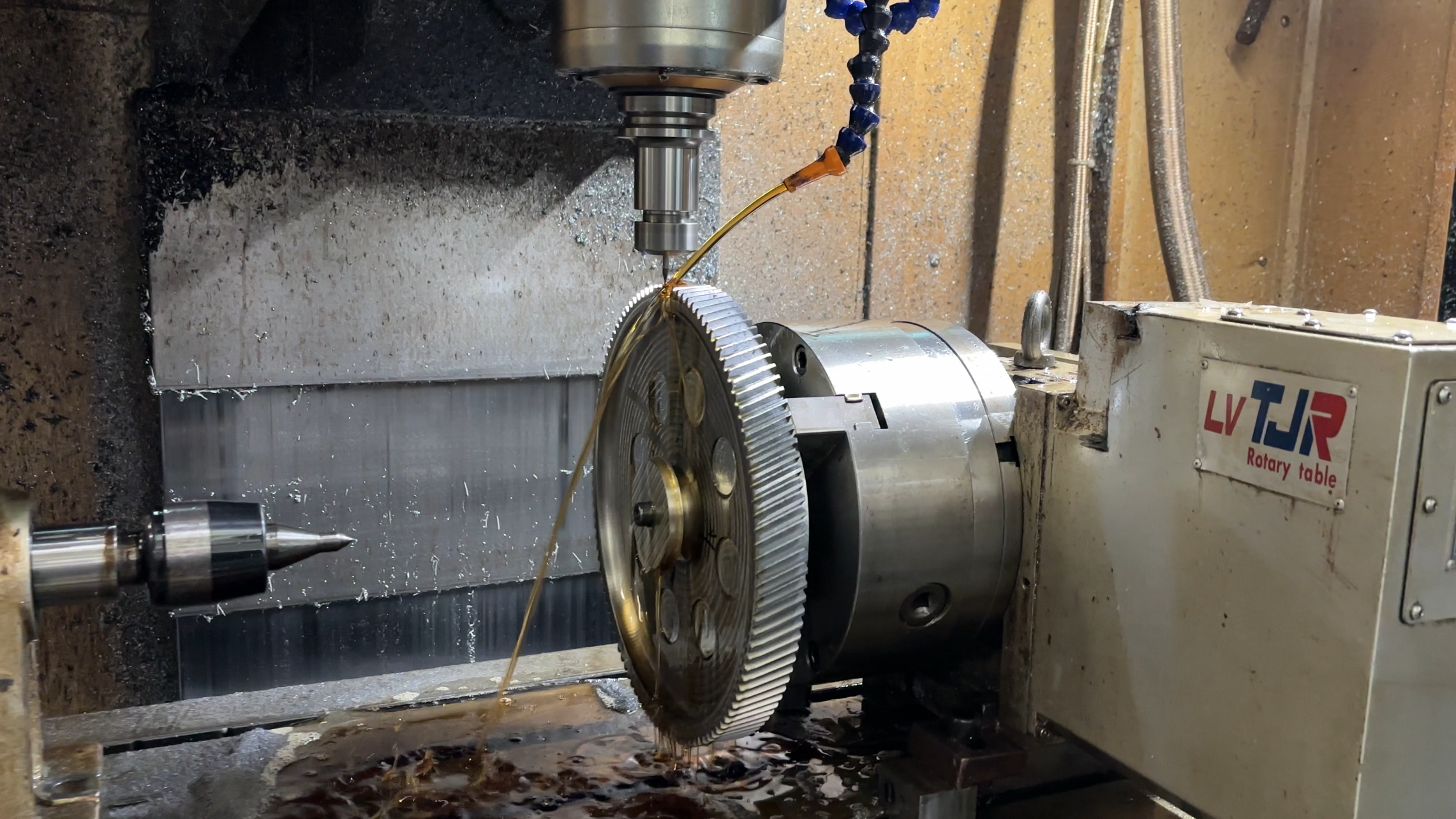
Common Aluminum Machining Risks
Aluminum parts can be affected by thin-wall deformation, marcas de ferramentas, burrs, surface scratches, anodizing variation, and tolerance movement after material removal. These risks are reviewed before quotation so the machining plan, fixture method, escopo de inspeção, and finish requirements can match the actual part design.
|
Risk Area |
What May Happen |
JADE-CNC Review Focus |
|---|---|---|
|
Thin Walls and Pockets |
Thin sections may vibrate, deform, or show visible tool marks during machining. |
Review wall thickness, pocket depth, fixture support, tool access, and machining sequence. |
|
Flatness and Large Surfaces |
Plates, capas, and housings may move after material removal. |
Review material condition, stock allowance, clamping method, stress relief needs, and inspection plan. |
|
Threads and Critical Holes |
Thread fit, hole position, and mating features may affect assembly. |
Review hole tolerance, thread depth, datum references, mating surfaces, and plug gauge or CMM checks. |
|
Surface Finish and Anodizing |
Arranhões, machining marks, color variation, or masking issues may appear after finishing. |
Review cosmetic faces, Ra requirement, anodizing type, masking zones, and finish approval needs. |
What to Prepare for an Aluminum CNC Machining Quote
- 3D CAD file, 2D drawing
- material grade, quantidade, notas de tolerância
- surface finish requirements
- any cosmetic or functional areas that need closer control
Our engineering team provides:
- Material selection guidance
- Design for manufacturability (DFM) analysis
- Prototyping through serial production
- Quality assurance & testing validation
What JADE-CNC Reviews Before Aluminum Machining
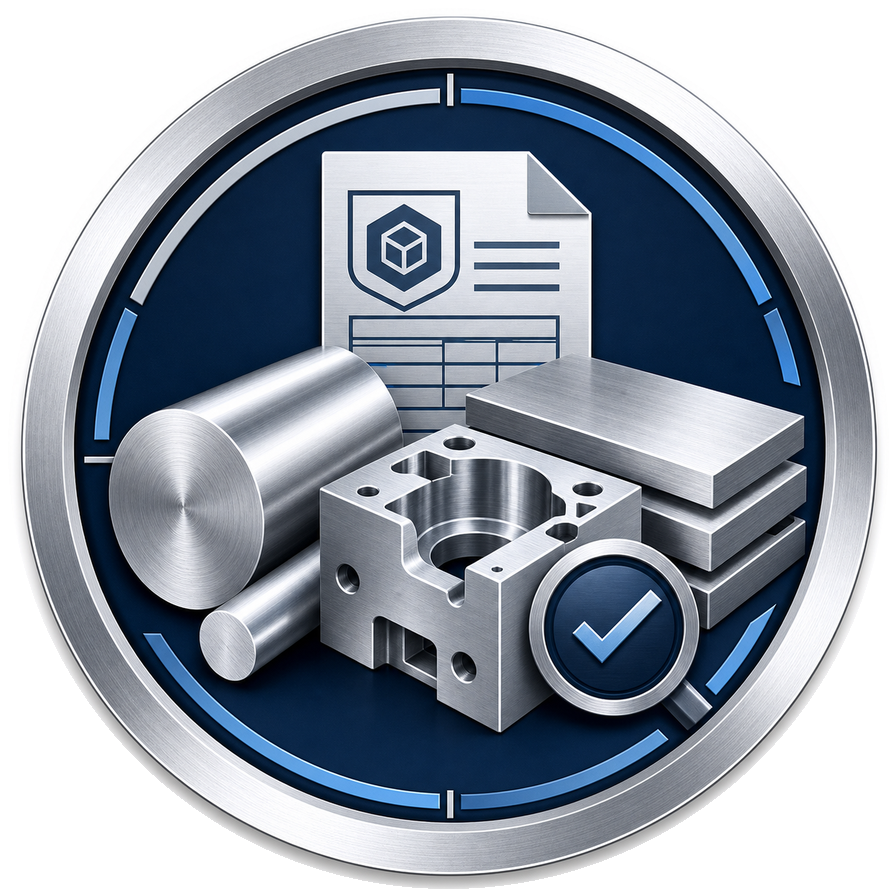
Material Grade
JADE-CNC reviews the requested aluminum grade, equivalent material options, stock form, and finish compatibility before machining.
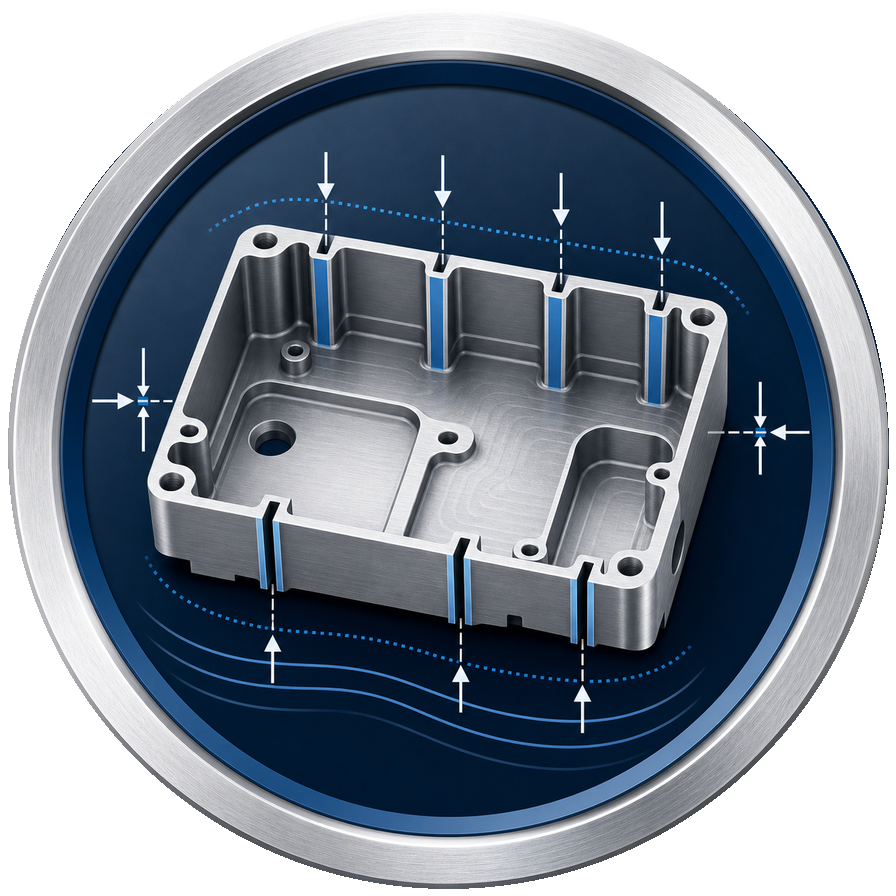
Espessura da Parede
Thin walls, bolsos, ribs, and lightweight structures are checked for deformation risk, vibração, and machining stability.
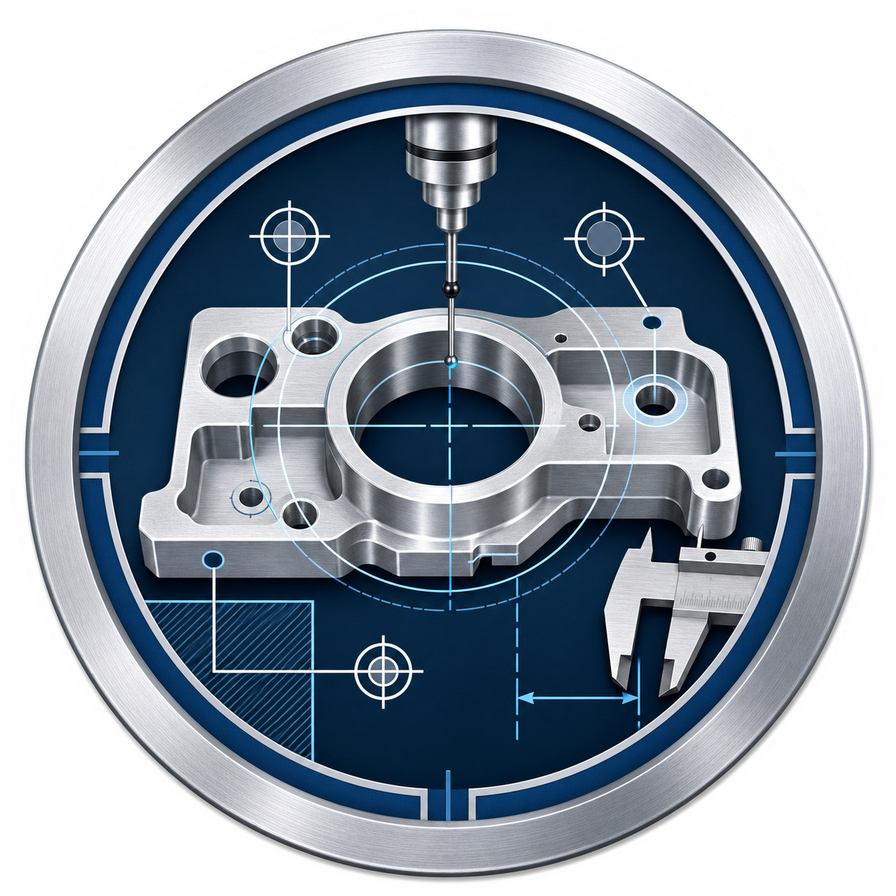
Tolerance Features
Critical holes, mating surfaces, datum references, planicidade, tópicos, and tight tolerance zones are reviewed before quotation.
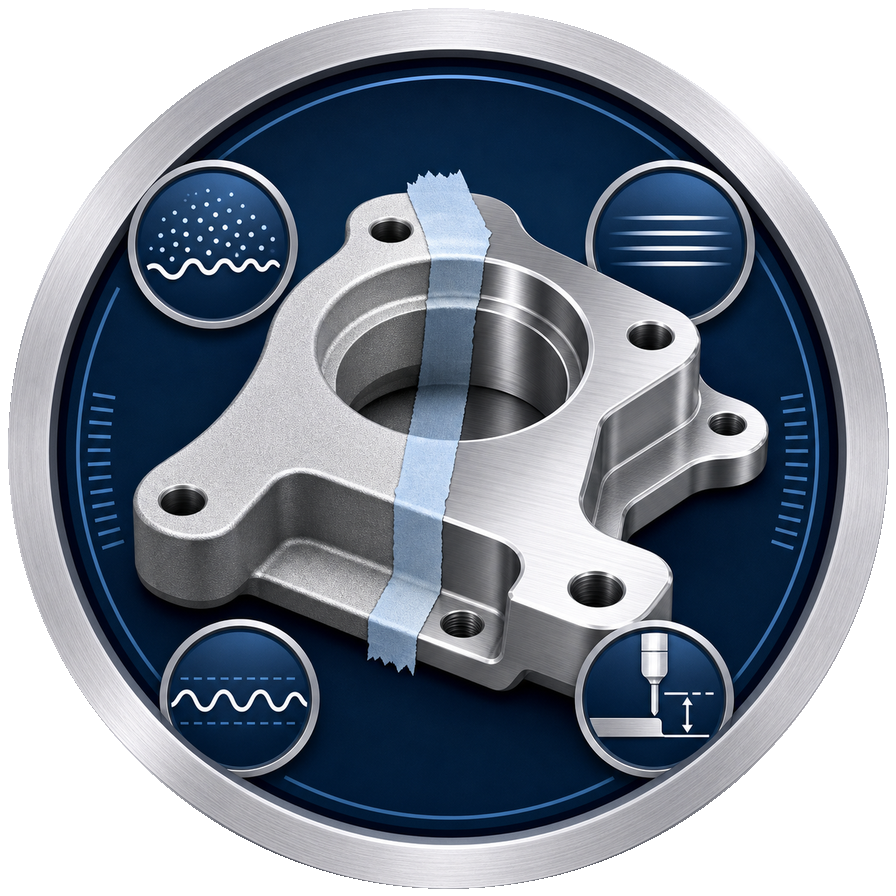
Acabamento de superfície
Anodização, bead blasting, polimento, pintura, and cosmetic face requirements are checked against the drawing and material condition.
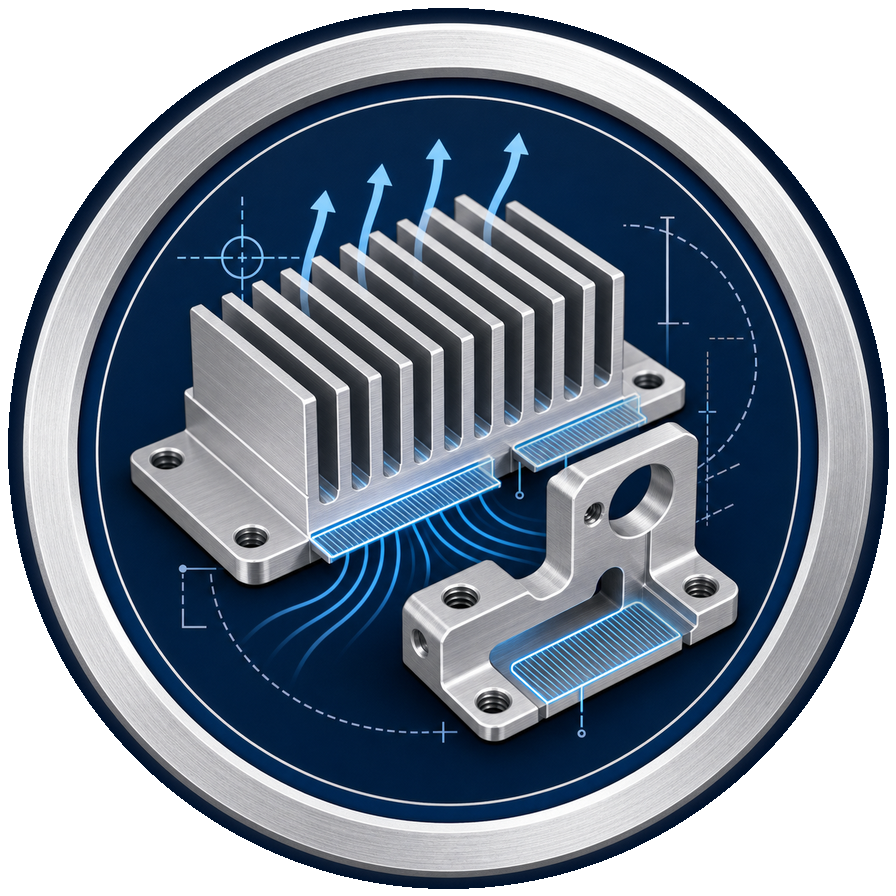
Thermal and Functional Use
For heat sinks, recintos, colchetes, and electronic parts, JADE-CNC reviews thermal contact surfaces, mounting areas, and functional fit.
Industrial Applications of Aluminum CNC Machining
Aluminum CNC machining is widely used for lightweight structural parts, electronic housings, dissipadores de calor, colchetes, robotics components, automation fixtures, medical device prototypes, communication parts, and custom industrial components.
The final machining approach depends on the aluminum grade, part geometry, tolerance requirements, acabamento superficial, inspection needs, and expected production quantity.

Aeroespacial
Aerospace brackets, alojamentos, jogos, and lightweight structural parts

communication
RF enclosures, dissipadores de calor, LED housings, and thermal management parts

Industrial
Automation plates, machine guards, gabaritos, jogos, and robot components

Medical & Automotive
Medical device prototypes, bicycle parts, automotive components, and consumer hardware
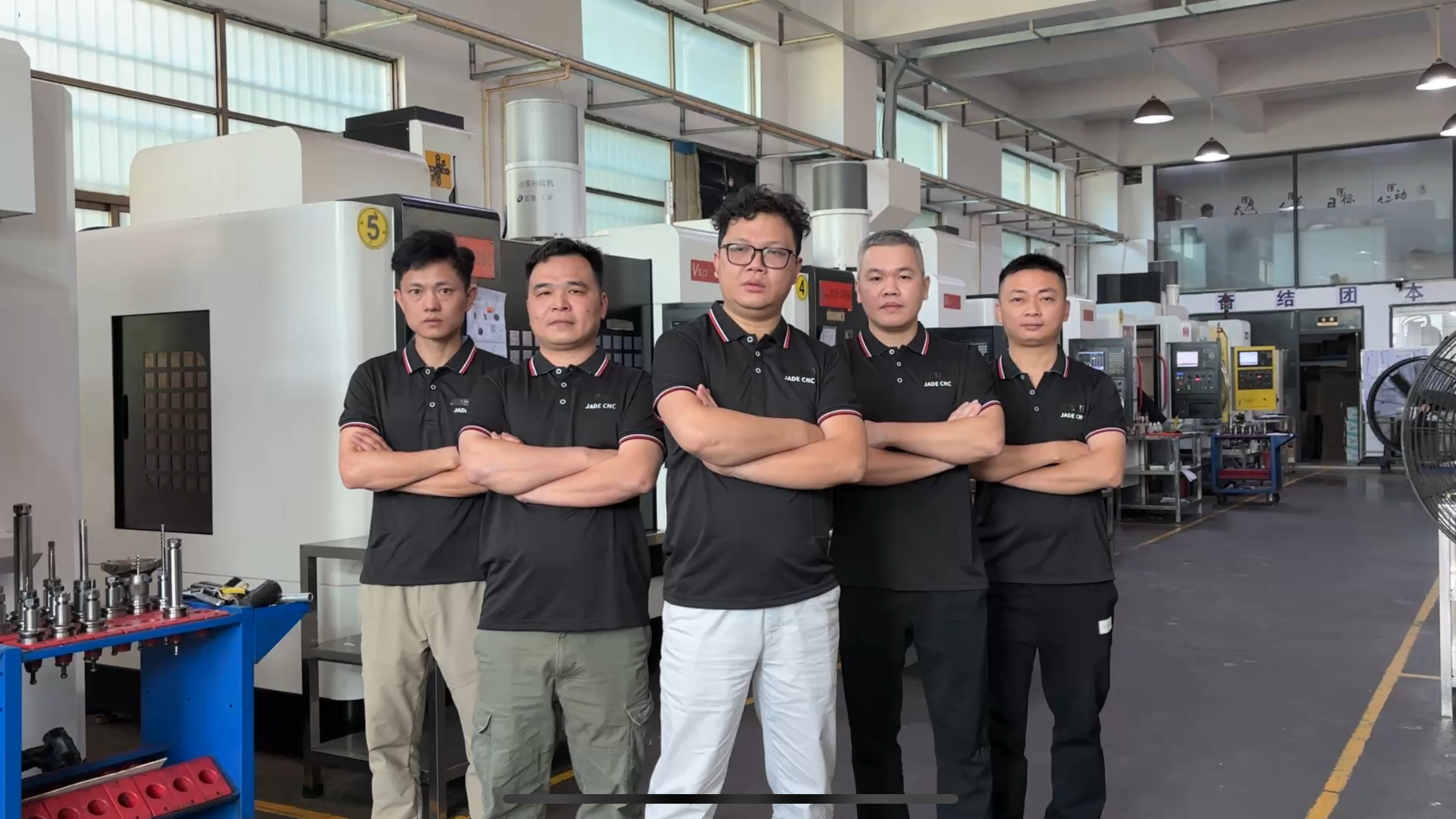
Request a Review for Your Aluminum CNC Machining Project
Send your aluminum part drawings, material grade, quantidade, notas de tolerância, and finish requirements. JADE-CNC will review machinability, inspection needs, acabamento superficial, and delivery options before quotation.
Perguntas frequentes
JADE-CNC can machine common aluminum alloys such as 6061, 7075, 2024, 5052, 6063, and MIC-6 tooling plate based on drawing requirements.
Sim. 6061 is widely used because it offers good machinability, resistência à corrosão, strength, and anodizing compatibility.
7075 is usually selected when the part needs higher strength and a better strength-to-weight ratio, such as structural, aeroespacial, or robotics components.
Sim. Aluminum parts can often be anodized, but the final appearance depends on alloy grade, machining marks, preparação de superfície, masking, and color requirements.
Thin-wall aluminum parts can be machined, but wall thickness, deformation risk, fixação, cutting strategy, and inspection method should be reviewed before production.
Sim. JADE-CNC can review aluminum heat sink parts, including fins, thermal contact surfaces, mounting holes, acabamento superficial, and inspection needs.
Tolerance depends on geometry, wall thickness, material grade, feature size, and inspection access. Critical tolerance requirements should be shown on the 2D drawing.
Please provide STEP or IGES files, 2Desenhos D, material grade, quantidade, finish requirements, notas de tolerância, and any inspection or packaging requirements.
Sim. JADE-CNC can review aluminum prototypes, functional samples, and low-volume CNC machined parts based on project requirements.
Specify the finish type, color, visible surfaces, masking areas, coating thickness if required, and any cosmetic or functional surface requirements on the drawing.