

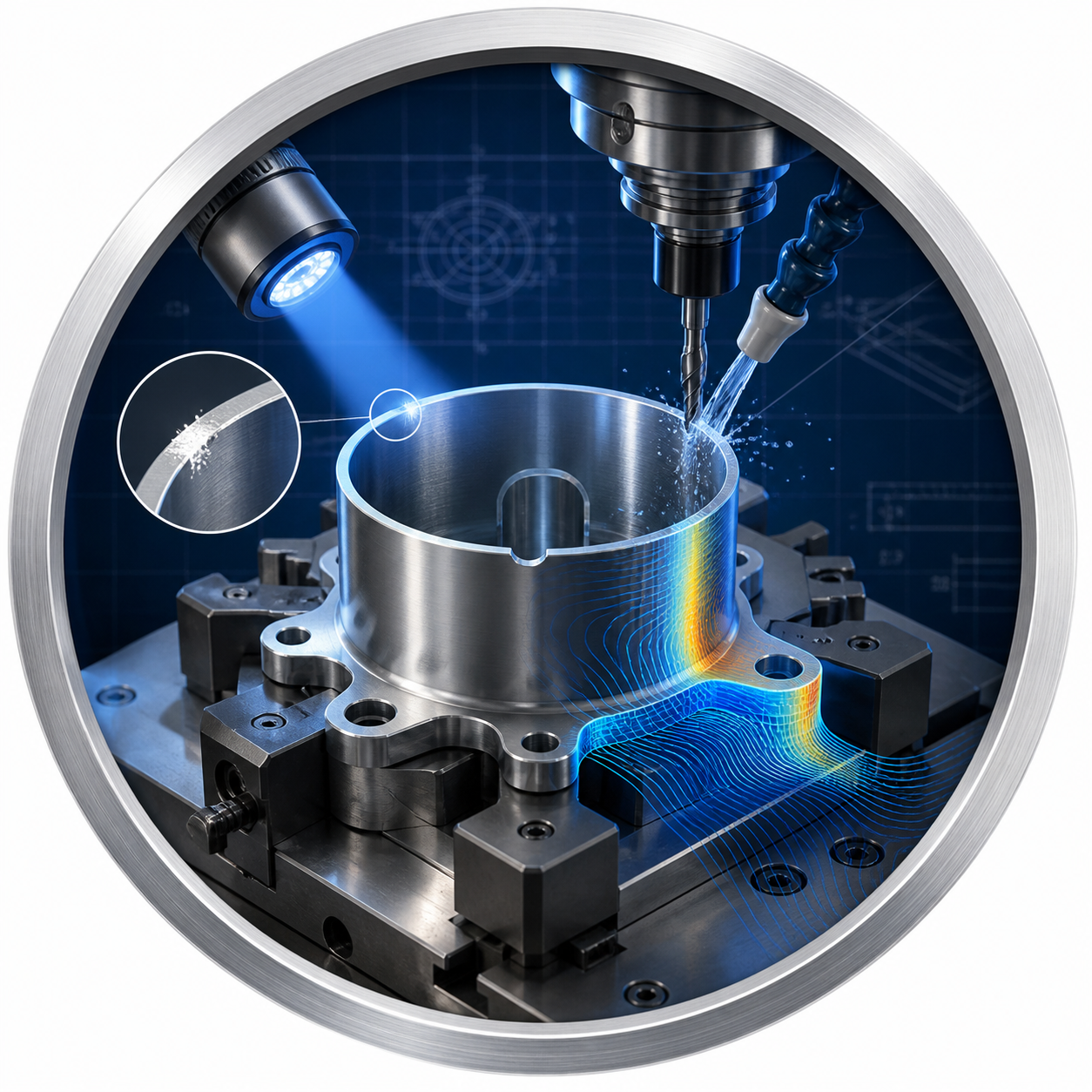
CNC-Drehen von Metall
Das Werkstück dreht sich, während das Schneidwerkzeug Material abträgt, Drehen für Wellen geeignet machen, Buchsen, Stifte, Ärmel, Gewindeteile, und andere zylindrische Metallteile.

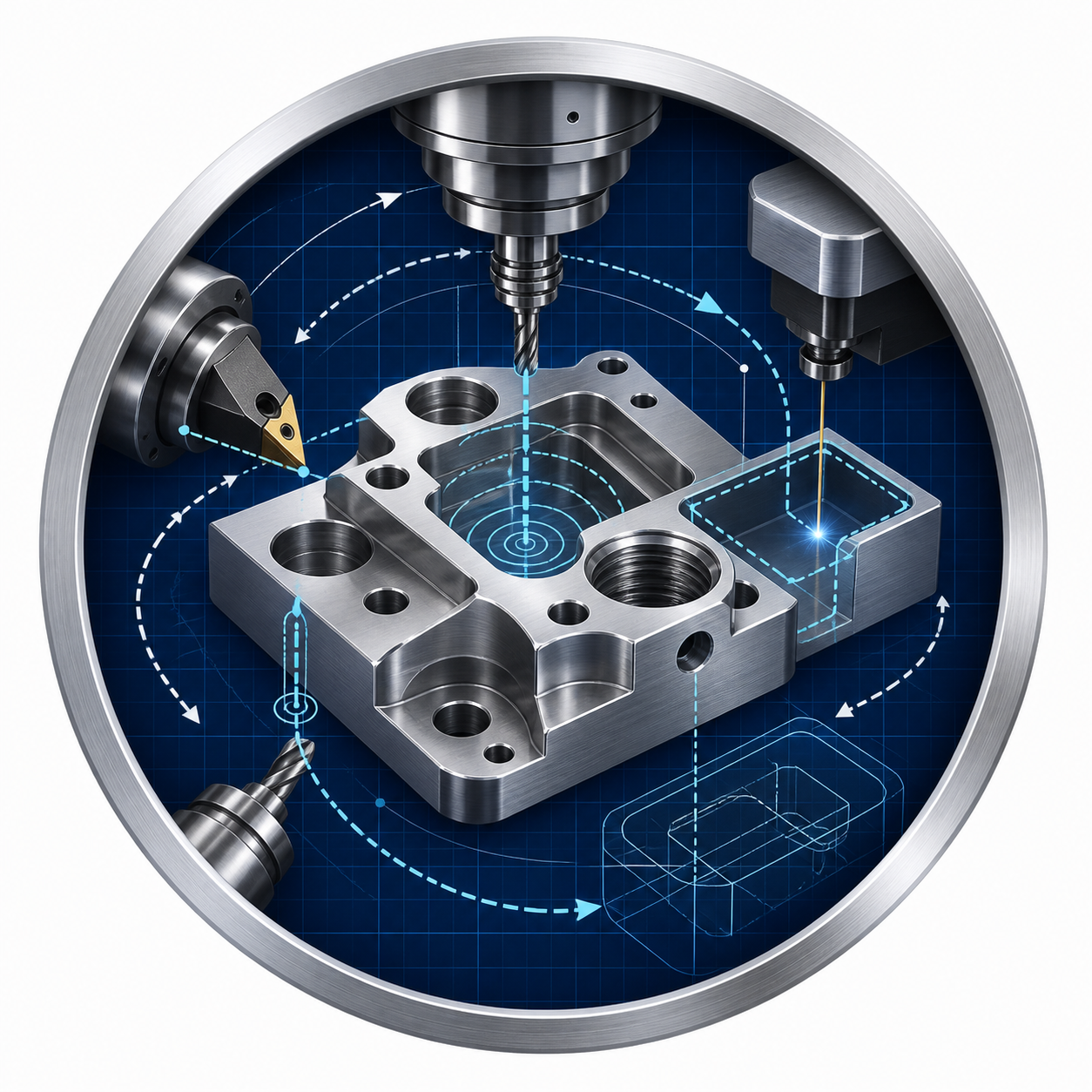
CNC-Fräsen von Metall
Rotierende Schneidwerkzeuge tragen Material von einem feststehenden Werkstück ab, Damit ist das Fräsen für Platten geeignet, Gehäuse, Klammern, Taschen, Slots, komplexe Konturen, und Präzisionsmetallelemente.

Metall-CNC-Bohren
Wird zum Erstellen von Löchern und Gewinden verwendet.

Drahterodieren
Wird zur Bearbeitung von leitfähigen Metallen mit hoher Härte oder komplexen Geometrien verwendet.
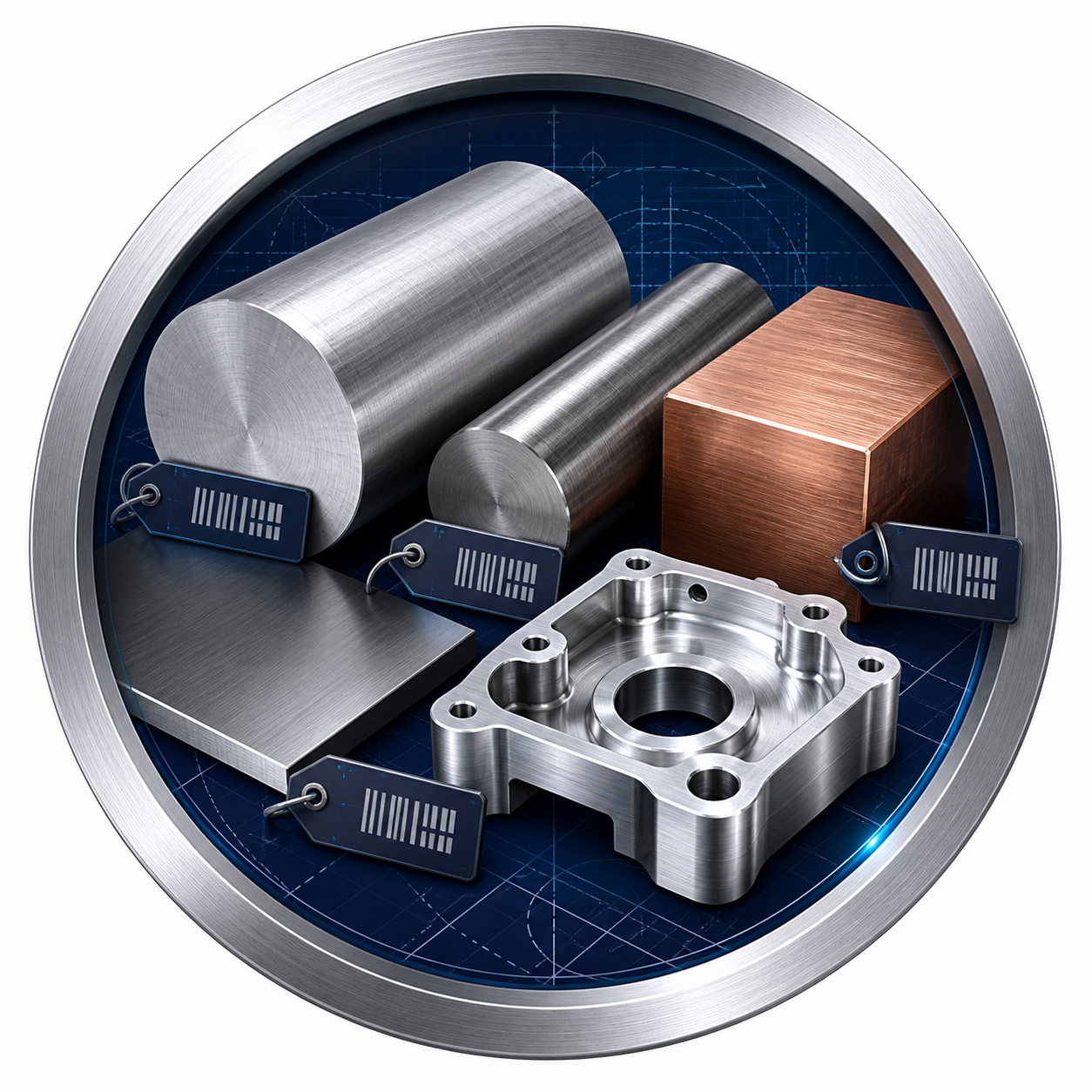
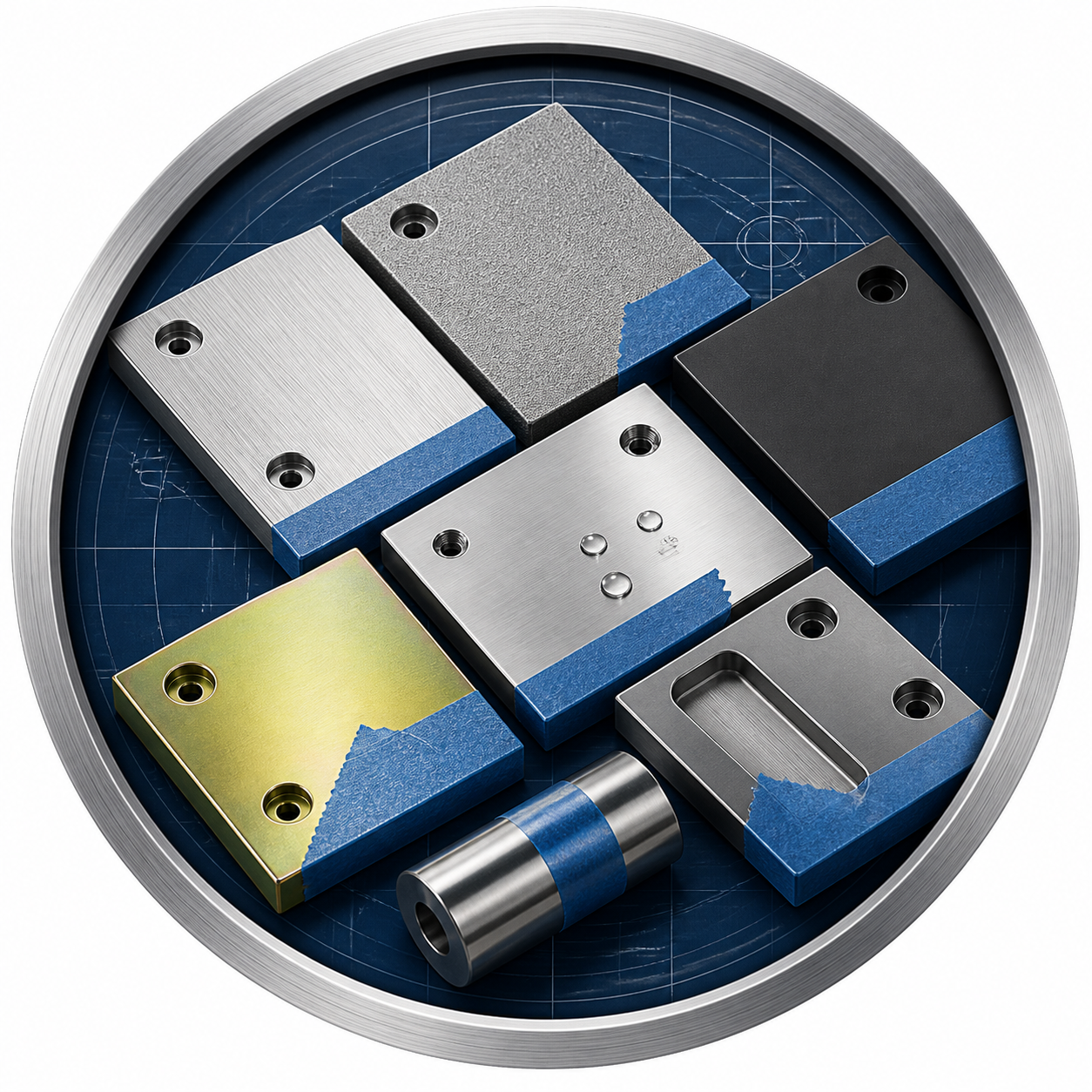
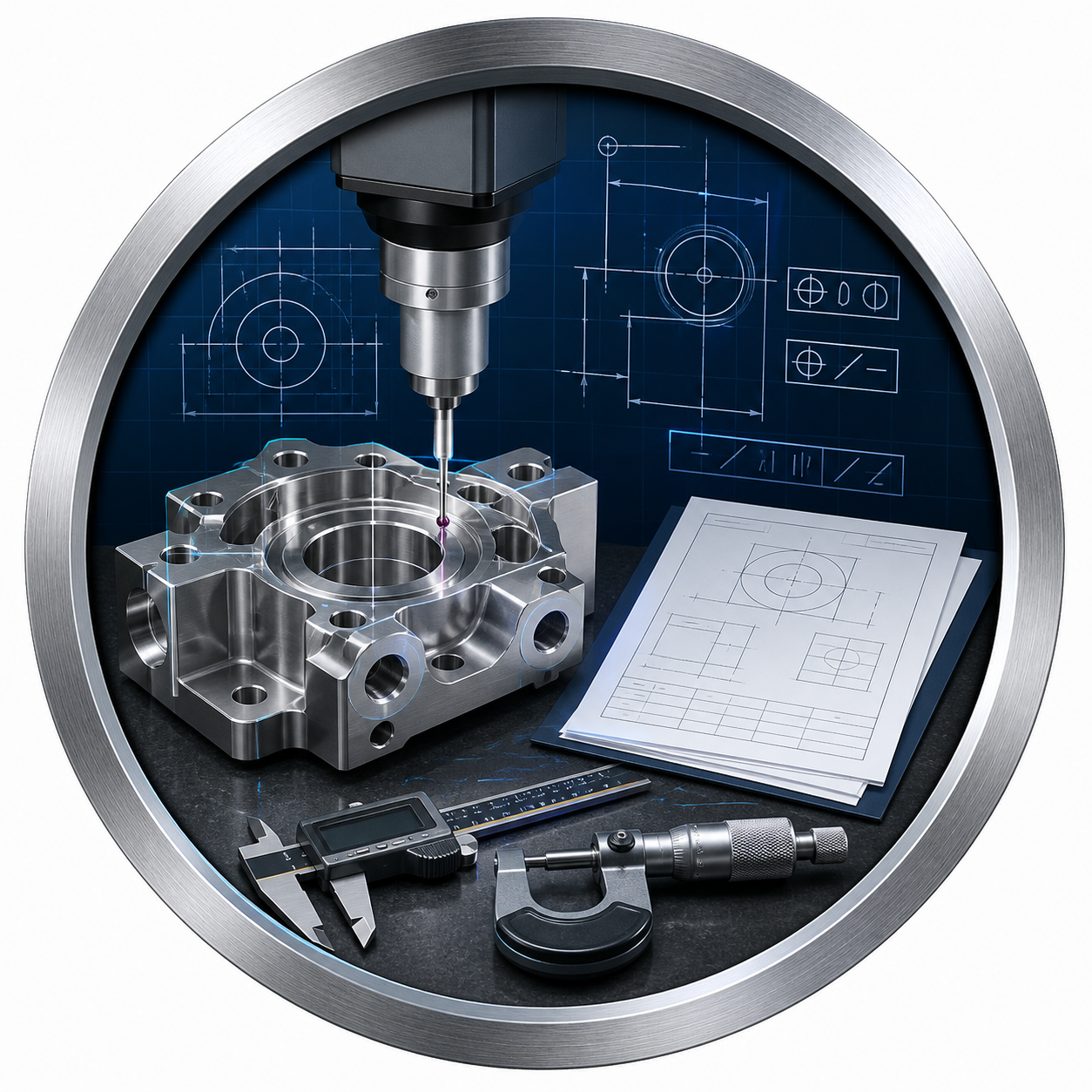
Aluminium ist das bOst Auswahl von “Festigkeit-Gewicht-Bearbeitbarkeit-Kosten” Metall. was eine schnelle Bearbeitungsgeschwindigkeit ermöglichen kann, hervorragende Oberflächengüte, korrosionsbeständig, und kann farblich eloxiert werden.
Repräsentative Noten: 6061-T6, 7075-T6, ADC12
Materialqualität, Lagerform, beenden, Toleranz, Dokumentation, und Zeitplan werden während der Ausschreibung auf der Grundlage der Zeichnung und des verfügbaren Angebots bestätigt.
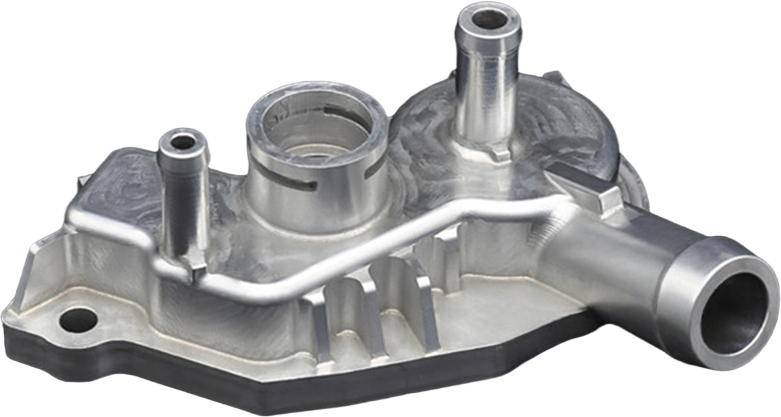
Hauptanwendungsgebiete sind mechanische Strukturteile, wie Prototypen, Vorrichtungen, Wellen, Getriebe, Schrauben – Funktionsteile, die keine extreme Festigkeit oder Korrosionsbeständigkeit erfordern.
Repräsentative Noten: 304/316L (Austenitisch); 303 (Freibearbeitung)
Materialqualität, Lagerform, beenden, Toleranz, Dokumentation, und Zeitplan werden während der Ausschreibung auf der Grundlage der Zeichnung und des verfügbaren Angebots bestätigt.

Hohe Härte und Verschleißfestigkeit, Wird für Werkzeuge verwendet, die andere Materialien oder Teile bearbeiten, die starkem Abrieb ausgesetzt sind. Welches Gemeinsame gilt in Schläge, stirbt, Schneidwerkzeuge, Verschleißteile für Vorrichtungen, Messgeräte
Materialqualität, Lagerform, beenden, Toleranz, Dokumentation, und Zeitplan werden während der Ausschreibung auf der Grundlage der Zeichnung und des verfügbaren Angebots bestätigt.
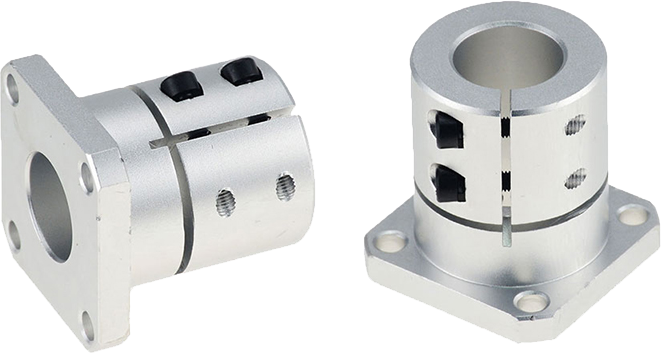
Höchste elektrische und thermische Leitfähigkeit unter den gängigen technischen Metallen (an zweiter Stelle nach Silber), aber weich und gummiartig, Dadurch ist die Bearbeitung schwieriger als bei Messing. In Sammelschienen wird üblicherweise Kupfer verwendet, Kühlkörper, EDM-Elektroden, Mikrowellenkomponenten, Anwendungen, die eine hohe thermische/elektrische Leitfähigkeit erfordern
Materialqualität, Lagerform, beenden, Toleranz, Dokumentation, und Zeitplan werden während der Ausschreibung auf der Grundlage der Zeichnung und des verfügbaren Angebots bestätigt.

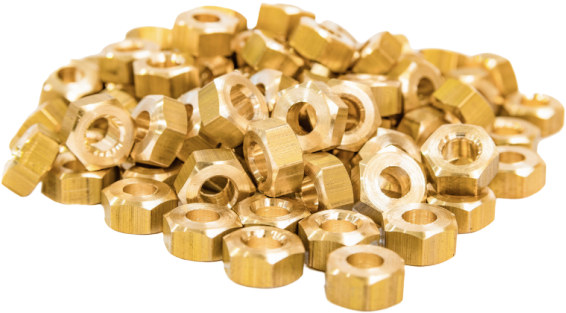
Messing ist eine vielseitige Kupfer-Zink-Legierung, die für ihre hervorragende Bearbeitbarkeit bekannt ist, attraktives goldähnliches Aussehen, und gute mechanische und korrosionsbeständige Eigenschaften. Es ist ein Grundmaterial in der CNC-Bearbeitung, insbesondere für Teile, die eine hohe Präzision erfordern, glatte Oberflächen, und komplexe Geometrien.
Materialqualität, Lagerform, beenden, Toleranz, Dokumentation, und Zeitplan werden während der Ausschreibung auf der Grundlage der Zeichnung und des verfügbaren Angebots bestätigt.

Bronze wird dafür geschätzt hohe Festigkeit, ausgezeichnete Verschleißfestigkeit, gute Korrosionsbeständigkeit (vor allem gegenüber Meerwasser), und geringe Reibungseigenschaften gegenüber anderen Metallen. Es ist ein Grundmaterial für Lager, Buchsen, Getriebe, und Marinekomponenten.
Materialqualität, Lagerform, beenden, Toleranz, Dokumentation, und Zeitplan werden während der Ausschreibung auf der Grundlage der Zeichnung und des verfügbaren Angebots bestätigt.
Niedrigste Kosten, leicht zu bearbeiten, ausgezeichnete Schweißbarkeit, aber anfällig für Rost (erfordert normalerweise eine Beschichtung oder Lackierung). Der Primäre Anwendungen sind mechanische Strukturteile, Prototypen, Vorrichtungen, Wellen, Getriebe, Schrauben – Funktionsteile, die keine extreme Festigkeit oder Korrosionsbeständigkeit erfordern.
Materialqualität, Lagerform, beenden, Toleranz, Dokumentation, und Zeitplan werden während der Ausschreibung auf der Grundlage der Zeichnung und des verfügbaren Angebots bestätigt.

Leichtestes handelsübliches Metall (Dichte ~2/3 von Aluminium), hohe spezifische Festigkeit, gutes Dämpfungsvermögen, leicht zu bearbeiten, Bei leichten Bauteilen kann bei der Handhabung eine Magnesiumlegierung in Betracht gezogen werden, beenden, und Projektanforderungen werden bestätigt.
Materialqualität, Lagerform, beenden, Toleranz, Dokumentation, und Zeitplan werden während der Ausschreibung auf der Grundlage der Zeichnung und des verfügbaren Angebots bestätigt.

Titan ist ein leistungsstark, leichtes Metall bekannt für seine außergewöhnliche Verhältnis von Festigkeit zu Gewicht, hervorragend Korrosionsbeständigkeit, und ausgezeichnet Biokompatibilität. Obwohl die Bearbeitung anspruchsvoll und teuer ist, Es ist in der Luft- und Raumfahrt unverzichtbar, medizinisch, und High-End-Ingenieuranwendungen mit seinen einzigartigen Eigenschaften.
Materialqualität, Lagerform, beenden, Toleranz, Dokumentation, und Zeitplan werden während der Ausschreibung auf der Grundlage der Zeichnung und des verfügbaren Angebots bestätigt.