Plastic CNC Machining Services

JADE-CNC provides Plastic CNC Machining for plastic machined parts and low-volume components made from ABS, nylon, PEEK, PMMA acrylic, polycarbonate, acetal, PTFE, and other engineering plastics. Our engineering plastic machining support starts from customer drawings and includes CAD to CNC machining, material review, machining tolerance discussion, surface finish planning, and inspection before production.

  • Plastic selected by part requirements
  • Cost and process reviewed during RFQ
  • Lead time confirmed after drawing review
  • DFM and inspection support
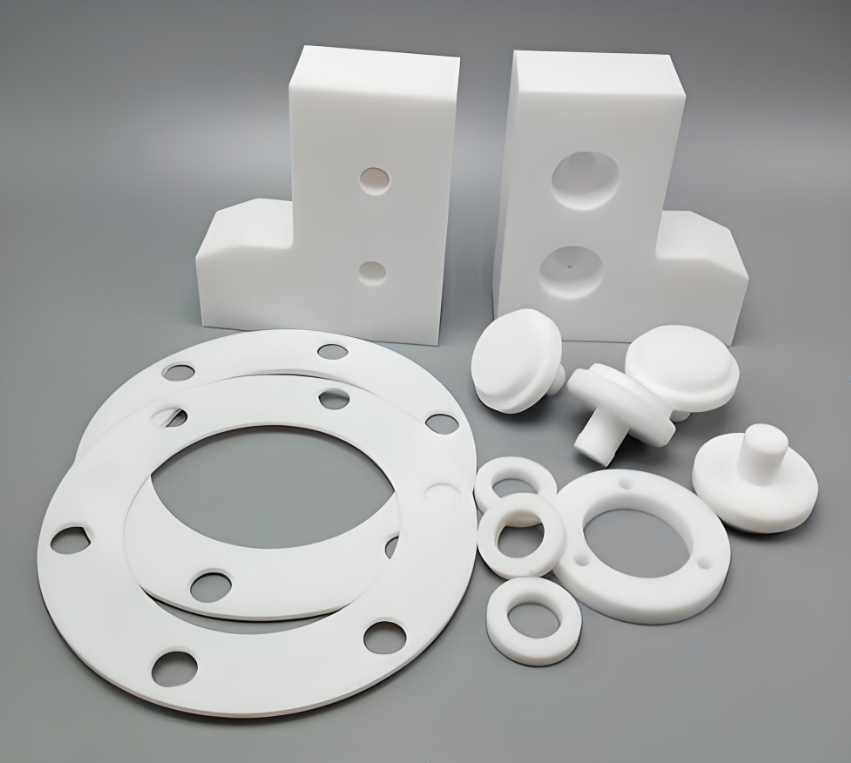
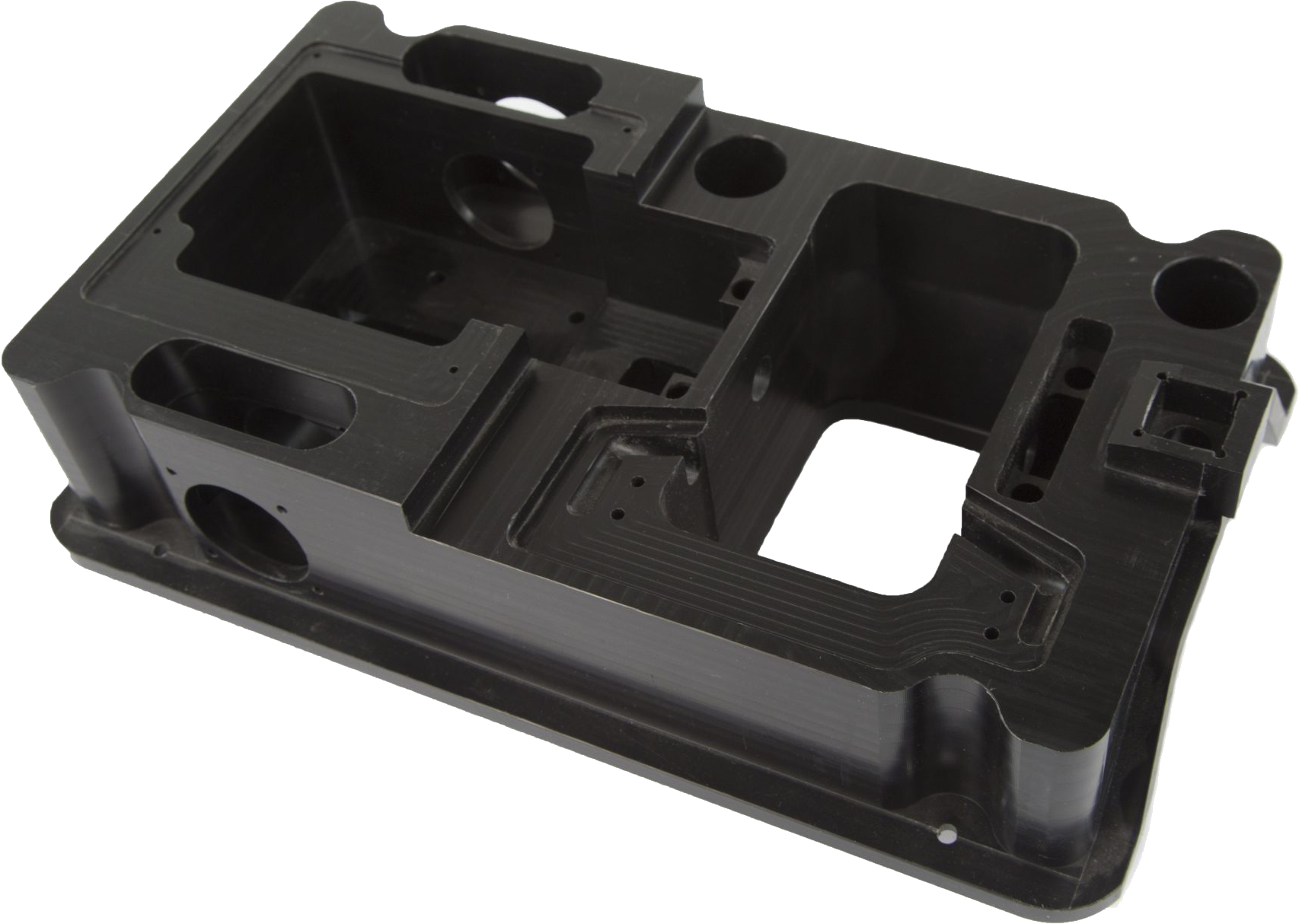
CNC milled plastic precision part

Types of Plastic CNC Machining

CNC milling process for plastic parts

CNC Milling Plastic

Similar to metal machining but good plastic milling typically requires higher spindle speeds and sharper tools.
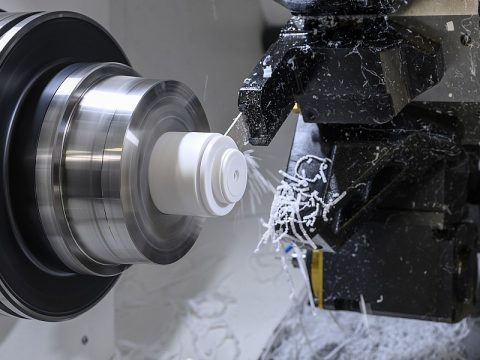
CNC turning process for plastic parts

CNC Turning Plastic

The workpiece rotates while the tool moves linearly, ideal for cylindrical and conical parts.
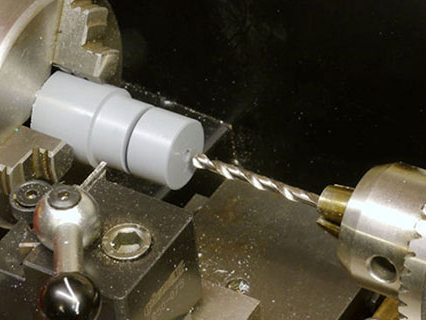
CNC drilling process for plastic parts

CNC Drilling Plastic

Care must be taken with material toughness and thread strength when tapping plastics.

Plastic Machining Materials We Serve

Plastic machining is used to produce custom parts when injection molding is not economical or when tight tolerances, short lead times, and engineering-grade material properties are required. JADE-CNC helps select plastics based on strength, transparency, heat resistance, chemical resistance, dimensional stability, burr behavior, and inspection needs.

What JADE-CNC Reviews Before Plastic CNC Machining

Plastic CNC machined parts need different review logic from metal parts. Material behavior, wall thickness, cutting heat, burr control, moisture absorption, and assembly fit can all affect the final result. JADE-CNC reviews these factors together so the machining process matches the plastic material and part function.

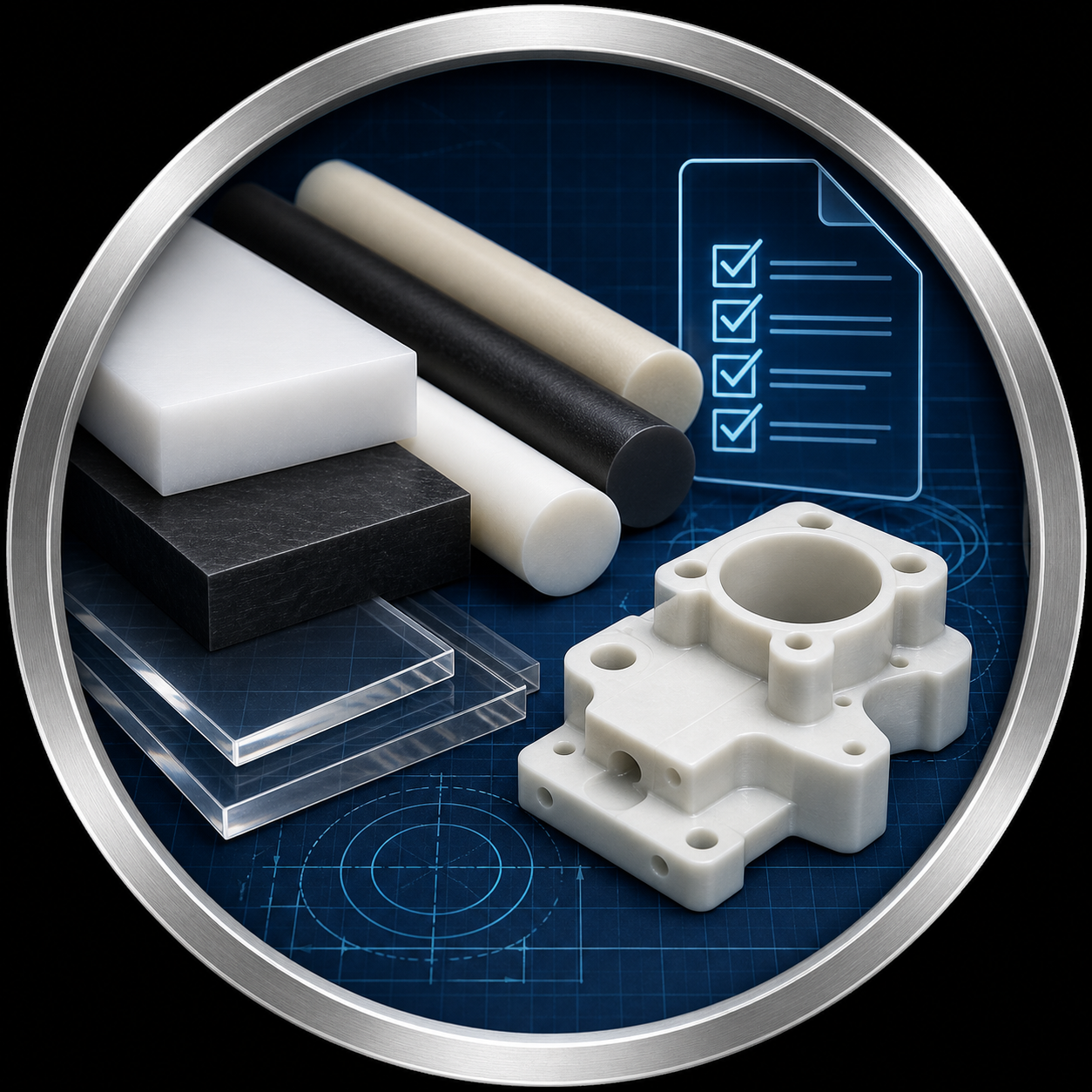
Engineering plastic material selection review for CNC machined parts

Material Selection

JADE-CNC reviews whether POM, PEEK, PTFE, nylon, acrylic, PC, ABS, or other engineering plastics match the part’s strength, wear, temperature, insulation, friction, and application requirements.

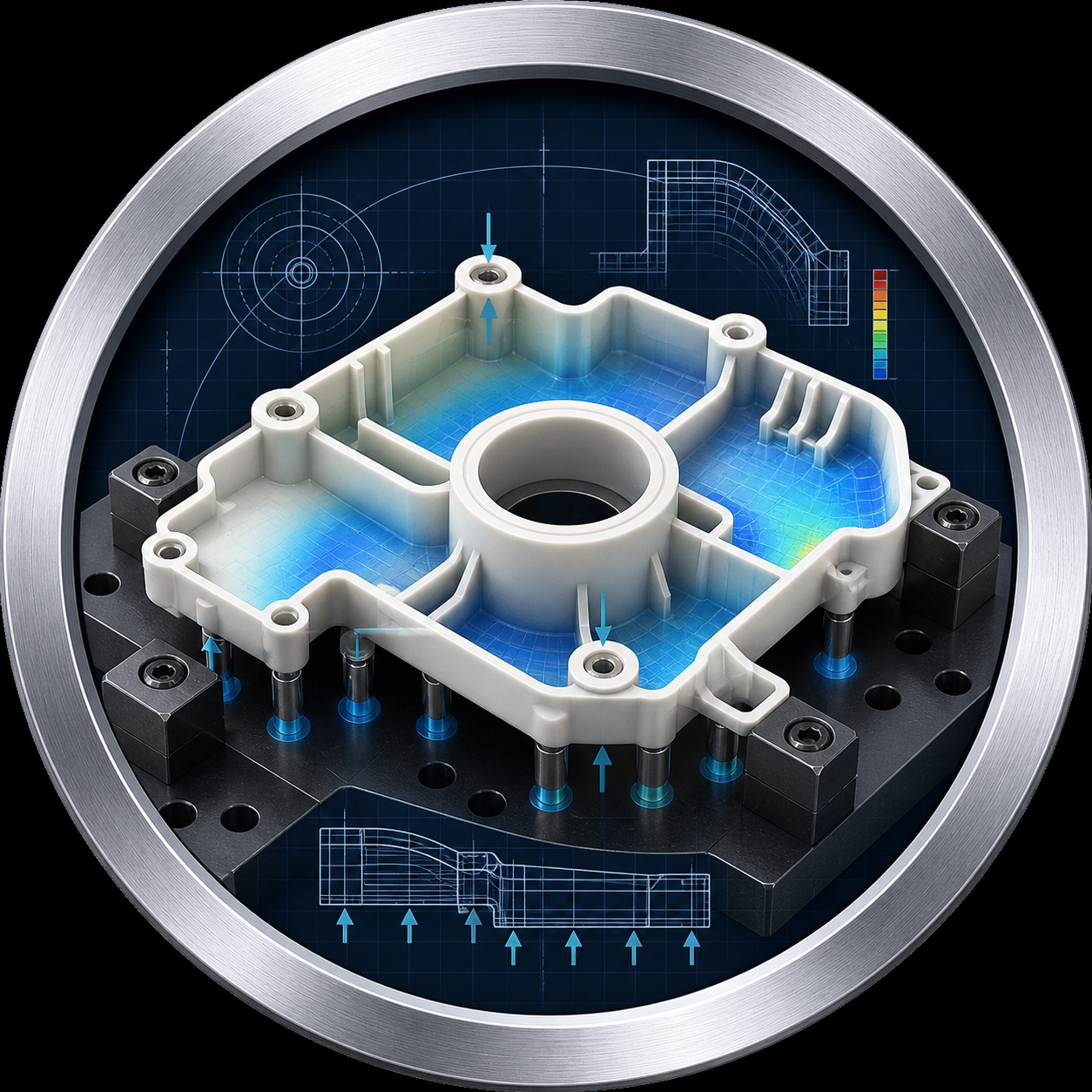
Plastic CNC machined housing geometry and deformation risk review

Geometry and Deformation

Thin walls, deep pockets, ribs, slots, unsupported features, and large flat surfaces are checked for vibration, clamping pressure, and deformation risk during machining.

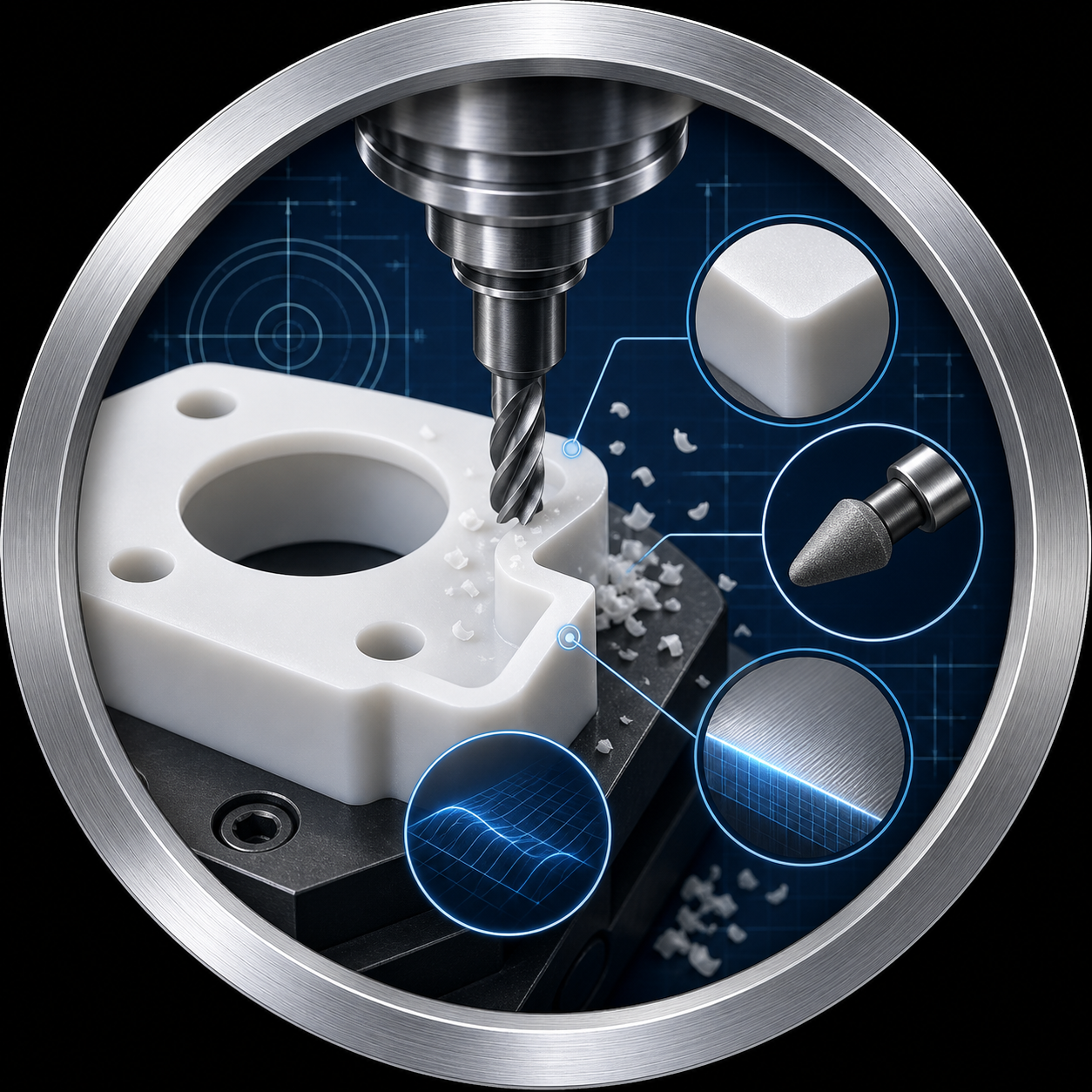
Plastic CNC machining surface quality and burr control

Surface Quality and Burr Control

Plastic parts may show burrs, tool marks, melting, edge breakout, or stress whitening. Tool selection, cutting parameters, and finishing method are reviewed for cleaner machined surfaces.

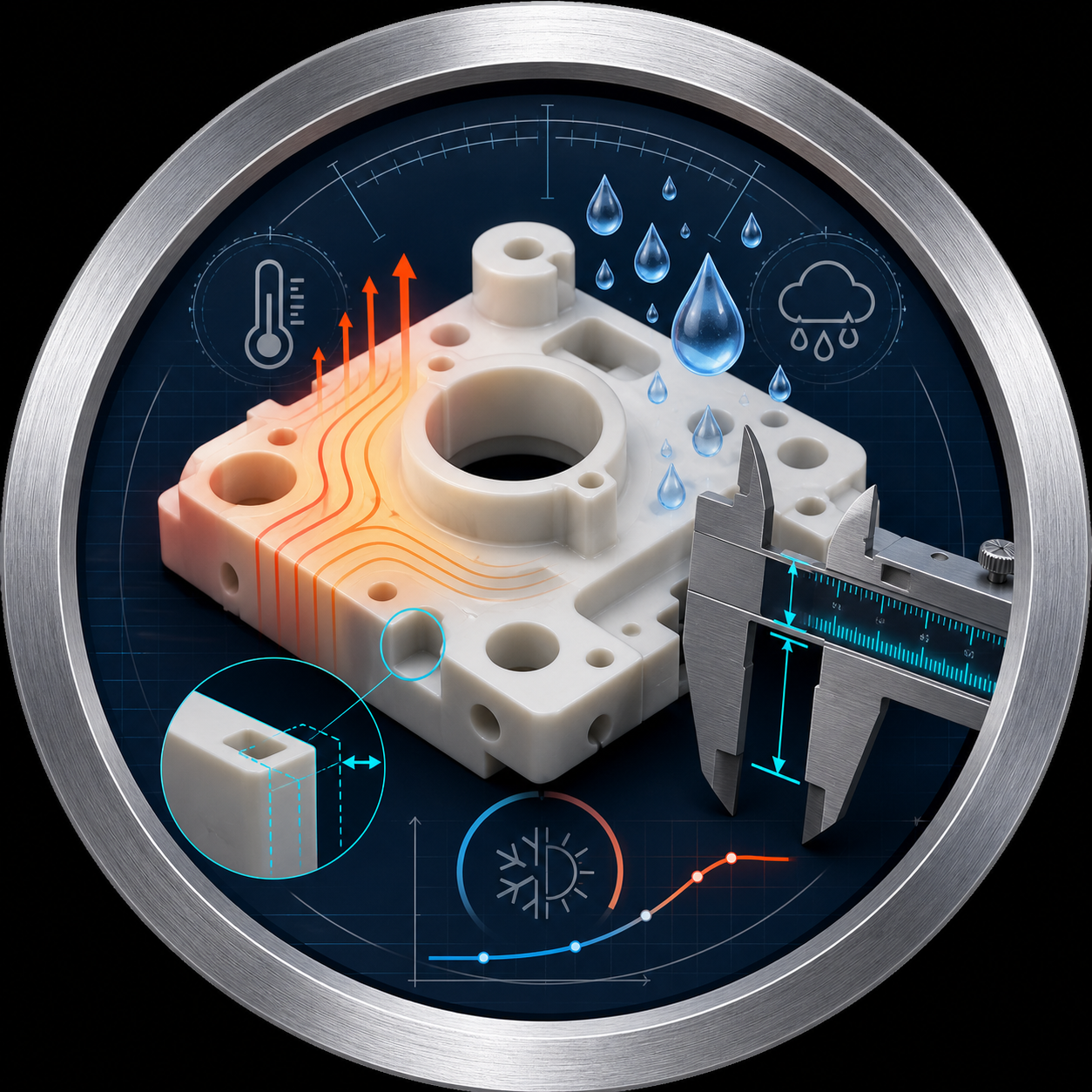
Thermal and Dimensional Stability review for machined plastic parts

Dimensional Stability

Plastic parts can change size with temperature, machining heat, or material conditioning. JADE-CNC reviews operating temperature, wall thickness, tolerance zones, and dimensional stability when the part must maintain fit or function.

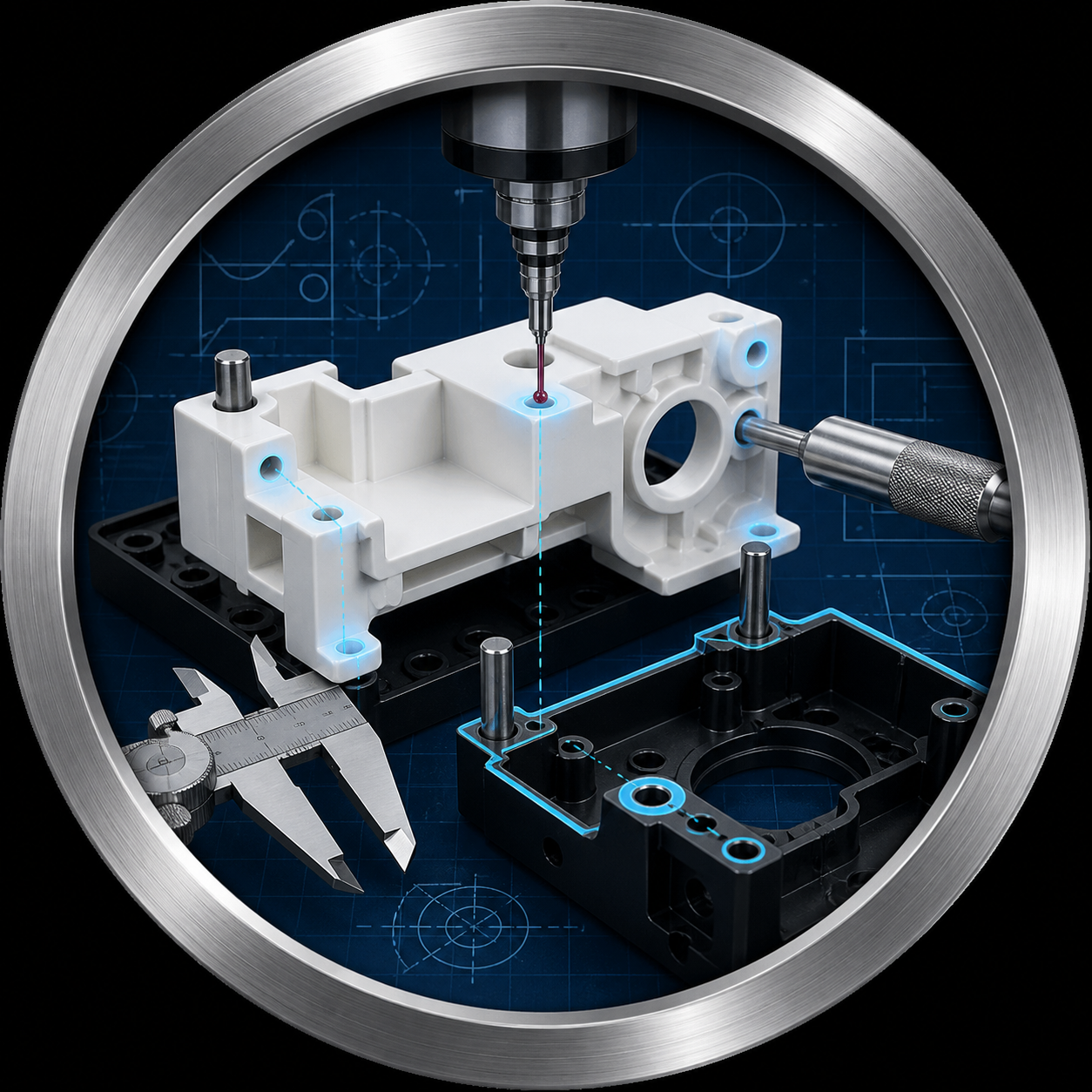
Plastic CNC machined part inspection and assembly fit review

Inspection and Assembly Fit

Critical holes, mating faces, pin locations, thread inserts, sealing surfaces, and assembly interfaces are checked so inspection focuses on the features that affect real use.

Plastic Material Reference

Common Engineering Plastics for CNC Machining

CNC machined plastics are often selected for low friction, insulation, weight reduction, chemical resistance, impact resistance, or high-temperature performance. Plastic material behavior can differ from metals, so tolerance, clamping, heat, and surface finish should be reviewed before production.

These values are typical material-selection references. Final plastic grade, dimensional tolerance, moisture behavior, operating temperature, surface finish, and inspection requirements should be confirmed during RFQ and DFM review.
Plastic Material Best For Watch-outs Typical CNC Parts RFQ Notes
POM / DelrinLow friction, dimensional stability, wear resistanceTemperature and creep limitsGears, bushings, sliding components, fixturesConfirm tolerance and operating temperature.
PEEKHigh temperature and chemical resistanceHigher material cost; application-specific useMedical parts, high-performance insulators, demanding engineering partsConfirm grade, temperature, and documentation needs.
Nylon PA6Wear resistance and toughnessMoisture absorption may affect dimensionsRollers, bushings, wear partsConfirm fit and operating environment.
PTFEChemical resistance and low frictionSoft material; tolerance control can be challengingSeals, sliding pads, chemical-resistant partsConfirm whether tight tolerance is required.
PCImpact resistance and possible transparencyStress cracking and polishing limitsCovers, guards, transparent componentsConfirm optical or cosmetic expectations.
ABSGeneral-purpose plastic machining and prototypesLower strength and temperature resistanceHousings, prototypes, panelsConfirm whether prototype or production use.

Need help selecting a plastic for CNC machining?

If the part requires tight tolerance, heat resistance, chemical resistance, insulation, or low friction, include the application environment with your RFQ.

Request a Quote

Advantages of Plastic CNC Machining

Custom CNC machined plastic parts

Precision Manufacturing

Achieves high accuracy and intricate details, ideal for tight-tolerance prototypes and end-use parts where dimensional stability is critical.

Rapid Prototyping

Enables quick design iterations and functional testing without the need for expensive molds, significantly shortening development cycles.

Material Versatility

Supports a wide range of engineering and commodity plastics, including ABS, Nylon, PEEK, PMMA, and PTFE, each offering distinct properties such as transparency, flexibility, or chemical resistance.

Cost-Effective Production

Eliminates mold costs for low to medium volumes, reduces material waste through efficient nesting, and minimizes setup time, making it economical for custom and small-batch production.

Lightweight & Functional Properties

Produces strong yet lightweight components with inherent benefits such as electrical insulation, vibration damping, and corrosion resistance.

Smooth Finish & Aesthetic Flexibility

Delivers excellent surface quality directly from machining, easily allowing painting, plating, or other finishes for both functional and visual purposes.

Applications of Plastic CNC Machining

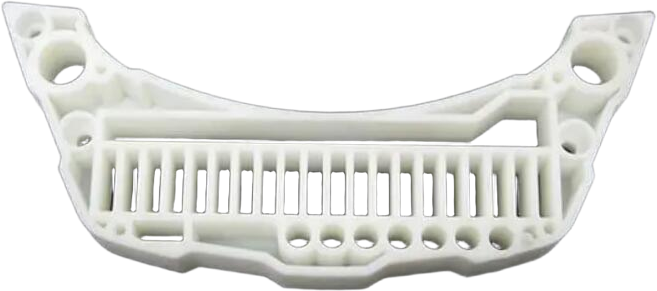
CNC plastic machining is a precise and flexible manufacturing method for prototypes, fixtures, housings, covers, gears, bushings, electronic insulation parts, and other drawing-defined plastic components. It enables complex custom plastic parts without mold tooling and is suitable for engineering validation and low-volume production.

During RFQ machining review, JADE-CNC confirms material grade, stock form, wall design, machining tolerance, finish, documentation, and schedule based on the drawing and plastic material behavior. For automotive plastic materials or other functional plastics, our team checks stiffness, heat resistance, moisture absorption, burr risk, and inspection method before production.
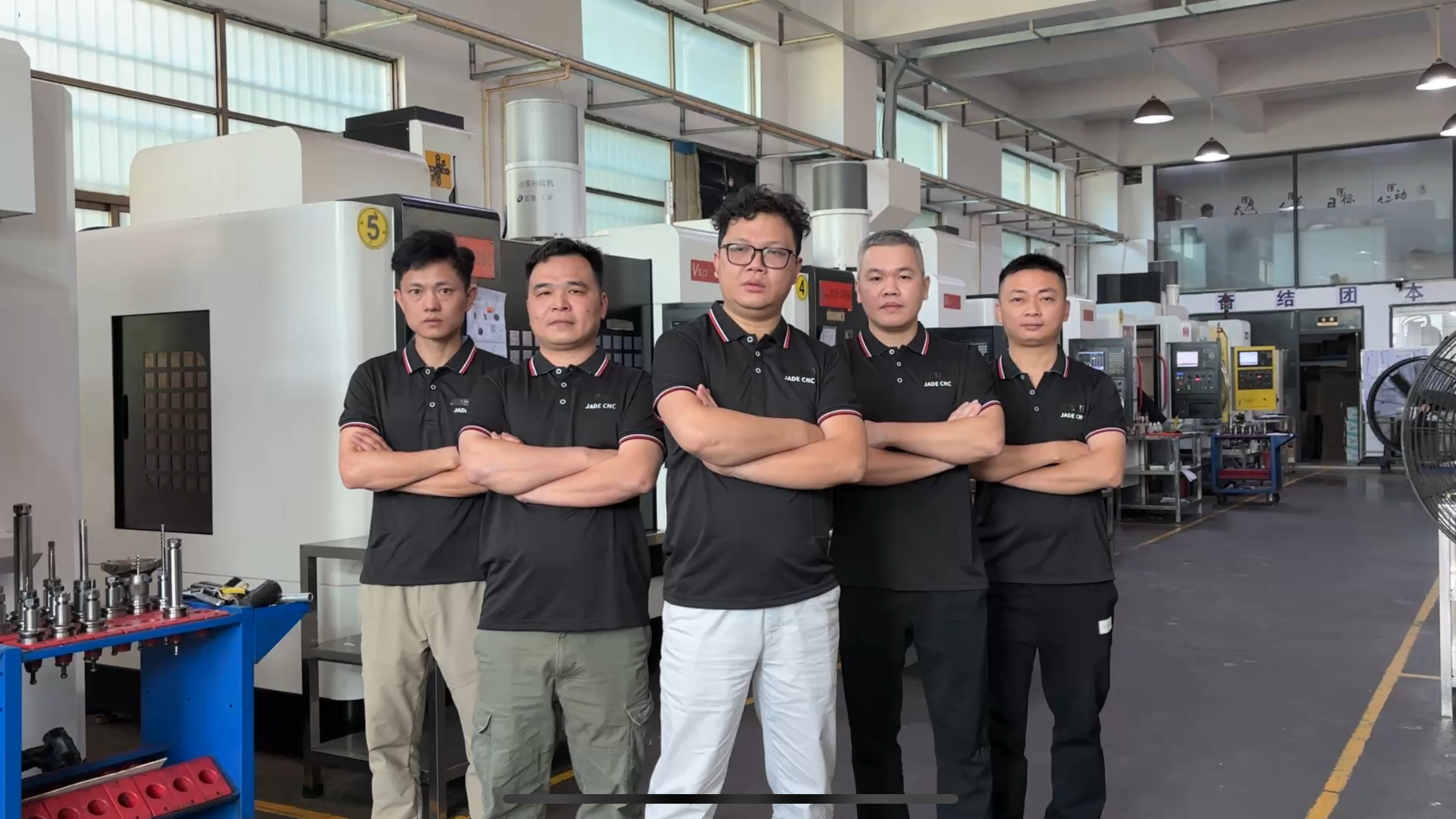
JADE-CNC engineering team for custom manufacturing projects

Get Your Custom CNC Plastic Machining Parts Today!

From concept to final product, JADE-CNC is committed to delivering exceptional quality and an impeccable delivery experience for every order. Whether you need a small quantity of custom parts, prototype fabrication, or high-volume, high-precision components, our experienced engineering team is ready to assist you at any time. Contact us today to get a free sample or a quote for your project. Let’s establish a partnership to make your CNC milled parts precise, durable, and cost-effective.

FAQ

Common CNC machined plastics include POM, PEEK, PTFE, nylon, acrylic, PC, ABS, UHMW, PVC, and other engineering plastics. The best choice depends on strength, temperature, wear, friction, insulation, appearance, and application requirements.

Yes. Plastic materials are usually softer, more heat-sensitive, and more likely to deform than metals. Tooling, clamping, cutting speed, chip control, and inspection planning need to match the plastic material.

Yes. PEEK can be CNC machined for high-performance plastic components, but geometry, tolerance, surface finish, and temperature requirements should be reviewed carefully because the material cost is high.

Plastic parts may deform because of thin walls, internal stress, clamping pressure, heat during machining, moisture absorption, or unsupported features. The risk depends on material, geometry, and machining setup.

Tight tolerances are possible on selected plastic parts, but the final tolerance depends on material stability, part size, wall thickness, temperature, moisture exposure, and inspection method.

Burr control depends on sharp tooling, suitable cutting parameters, stable fixturing, material behavior, and post-machining deburring. Some plastics burr more easily than others.

POM, PTFE, nylon, UHMW, and some filled plastics are often considered for wear or low-friction applications. The final choice should match load, speed, temperature, and mating material.

PEEK and some high-performance engineering plastics are commonly used for higher-temperature applications. The exact material should be selected based on operating temperature, load, and chemical exposure.

Some plastics can be polished, vapor polished, deburred, brushed, or cleaned depending on the material. Acrylic and PC may support clearer visual finishes, while engineering plastics are usually reviewed for functional surface quality.

Send STEP, IGES, or X_T files, 2D drawings, material grade, quantity, tolerance notes, surface finish requirements, color requirements, and any assembly or operating environment details.