

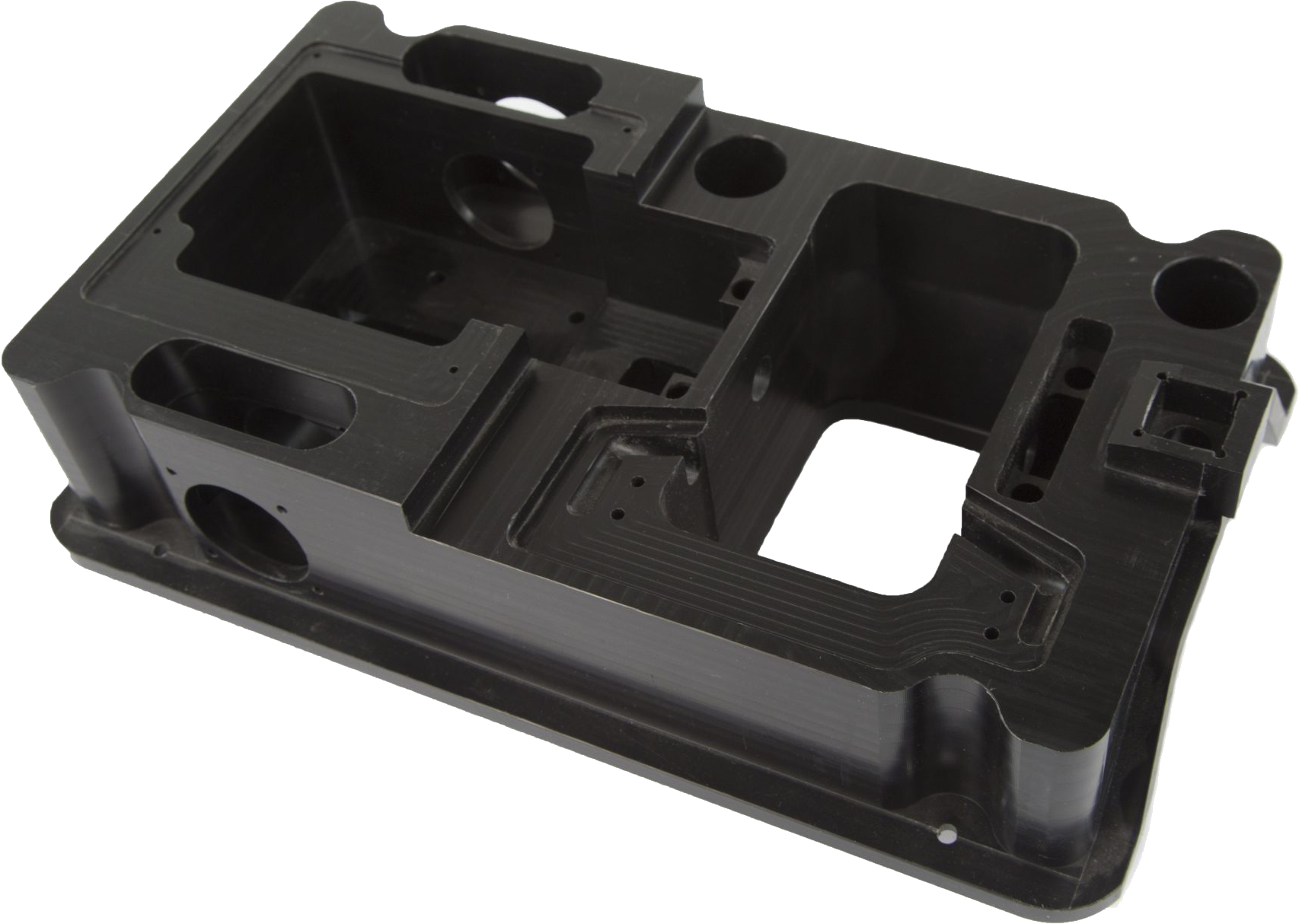

Plástico de fresagem CNC
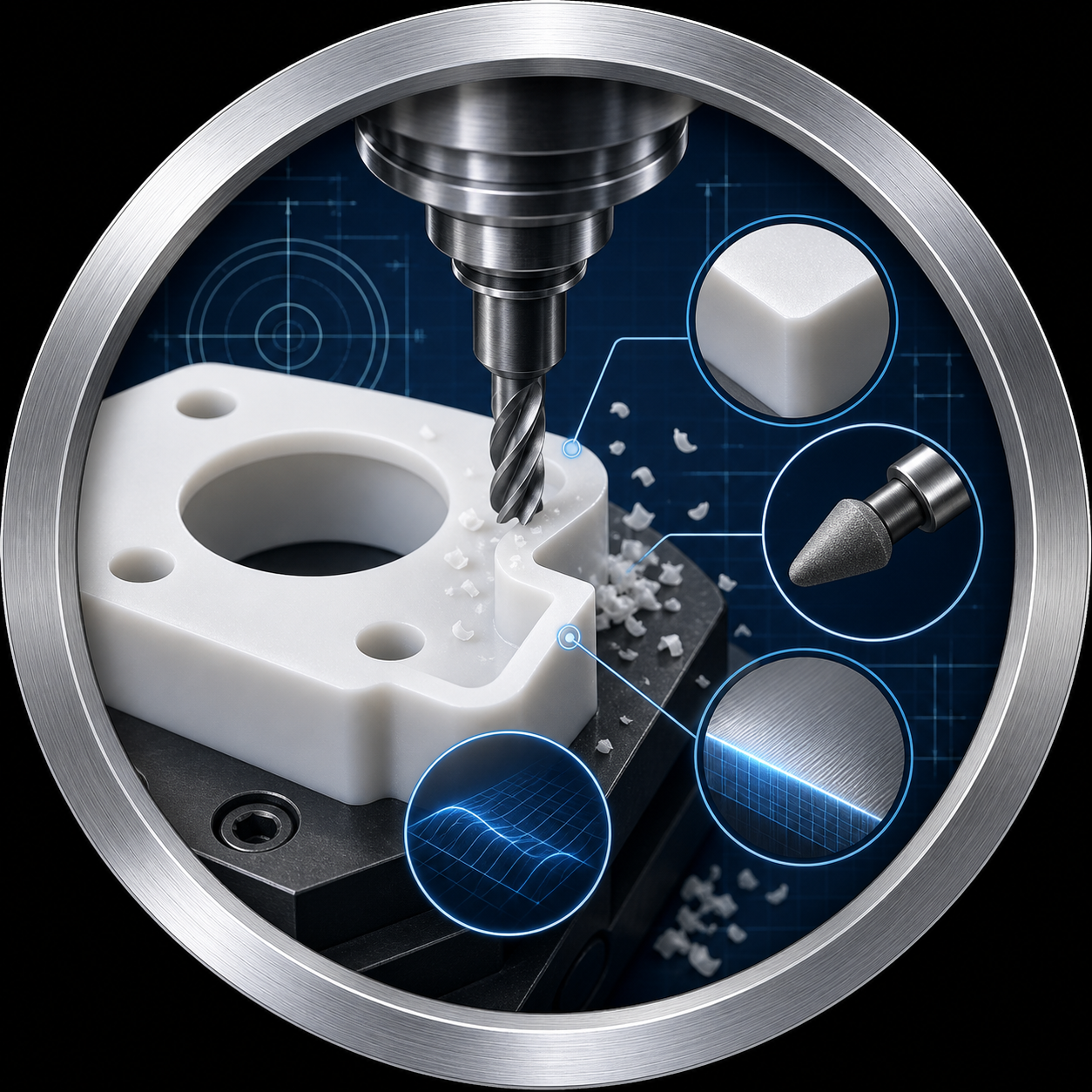
Semelhante à usinagem de metal, mas um bom fresamento de plástico normalmente requer velocidades de fuso mais altas e ferramentas mais afiadas.
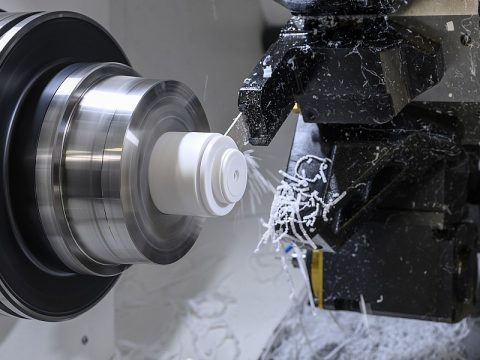
Torneamento CNC de plástico
A peça gira enquanto a ferramenta se move linearmente, ideal para peças cilíndricas e cônicas.
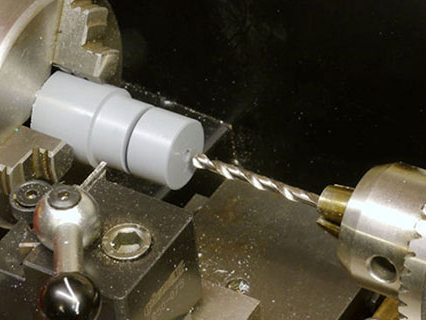
Plástico de perfuração CNC
Deve-se tomar cuidado com a tenacidade do material e a resistência da rosca ao rosquear plásticos.
A escolha preferida para prototipagem de baixo custo, especialmente para peças que requerem testes funcionais, verificações de montagem, e avaliação estética. Pode ser considerado para Invólucros de produtos, peças internas automotivas, e protótipos funcionais.
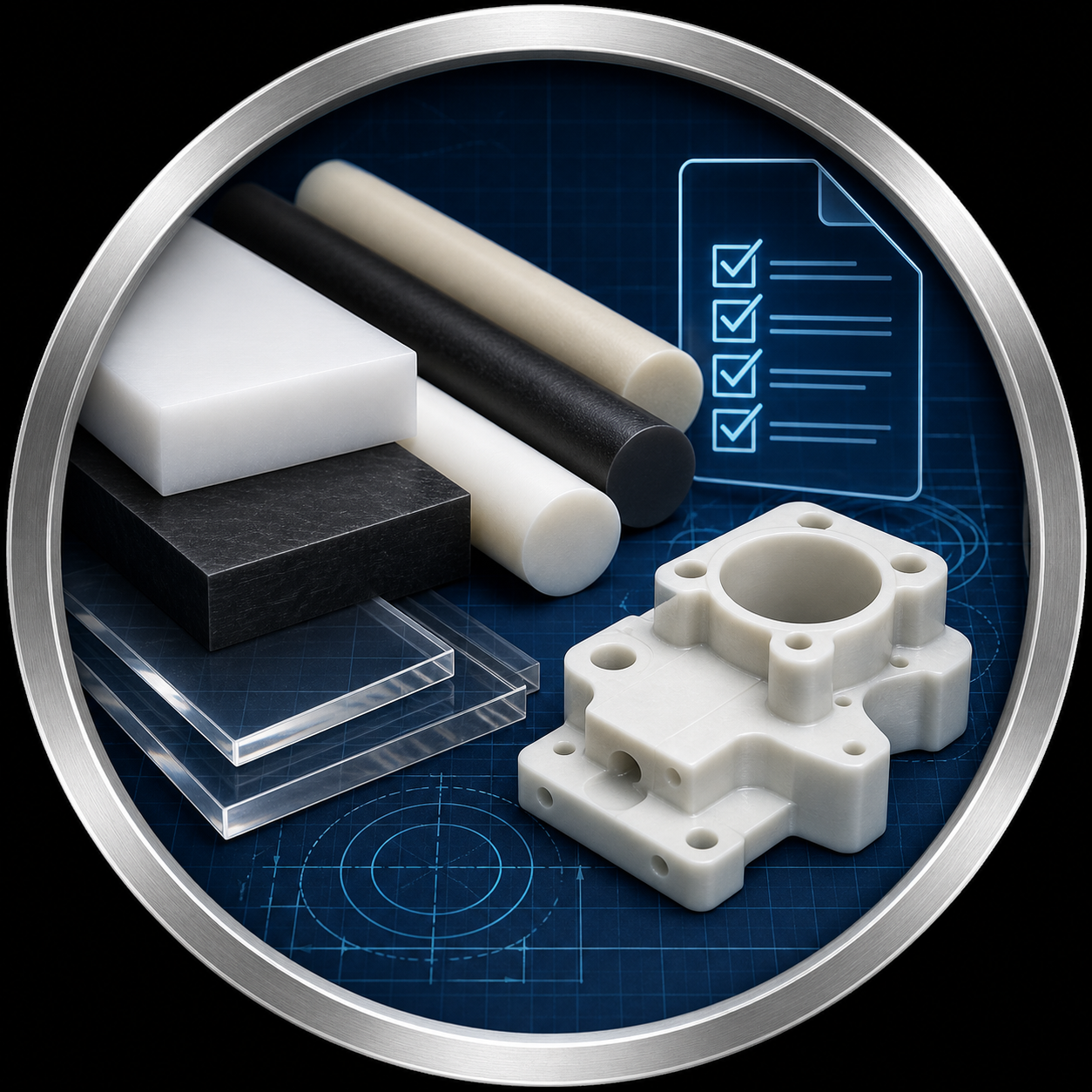
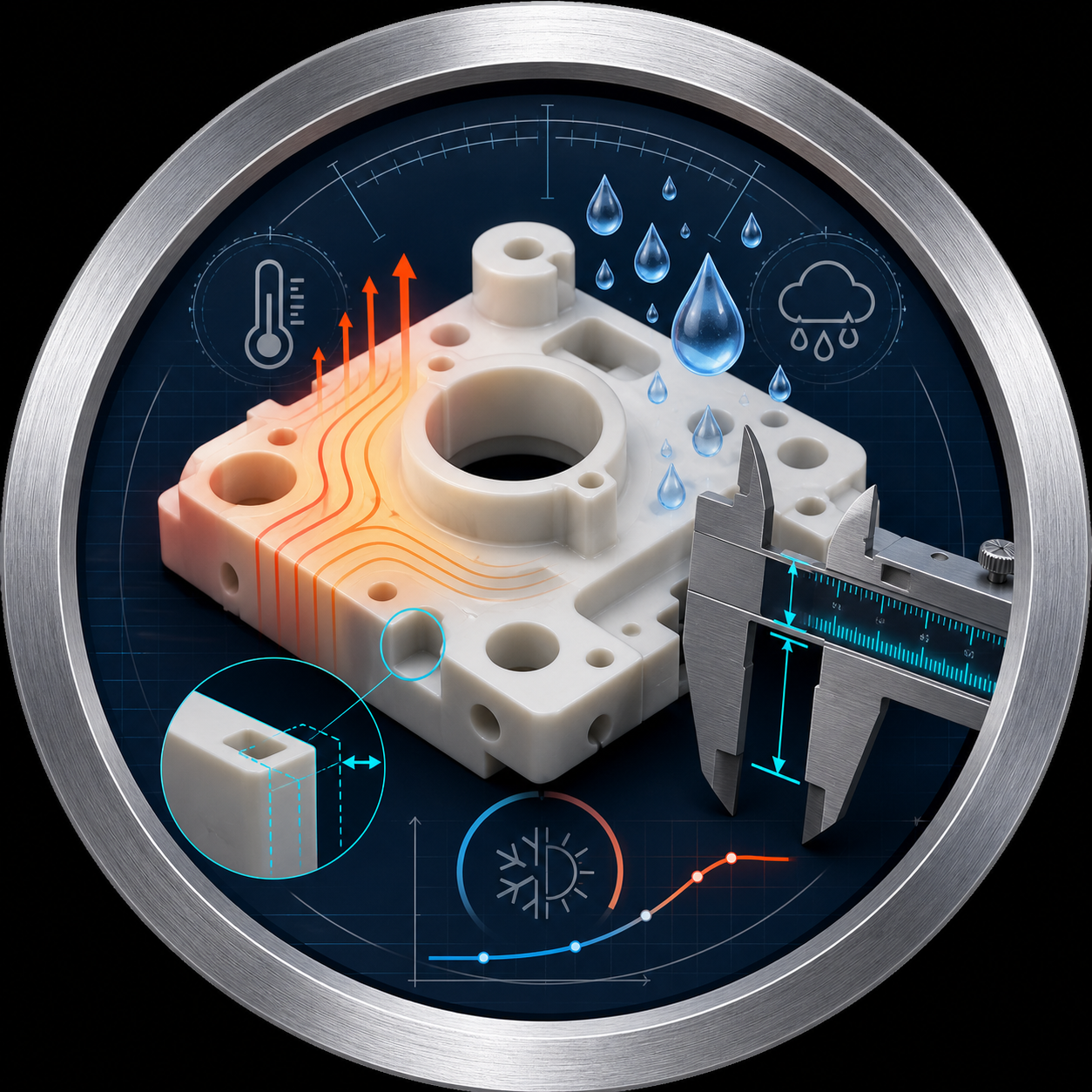
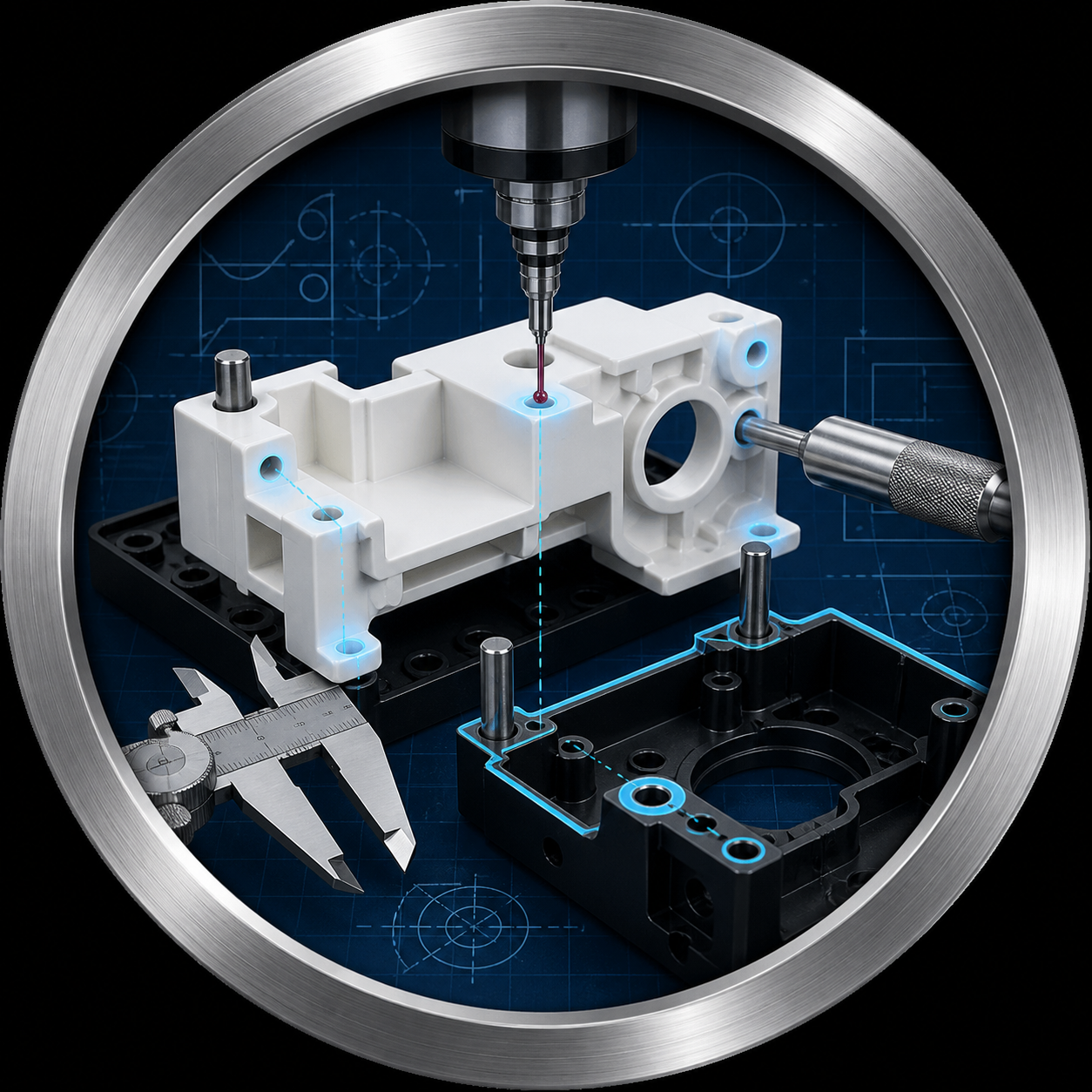
Grau do material, formulário de estoque, projeto de parede, tolerância, terminar, documentação, e o cronograma são confirmados durante a RFQ com base no desenho e no comportamento do material plástico.
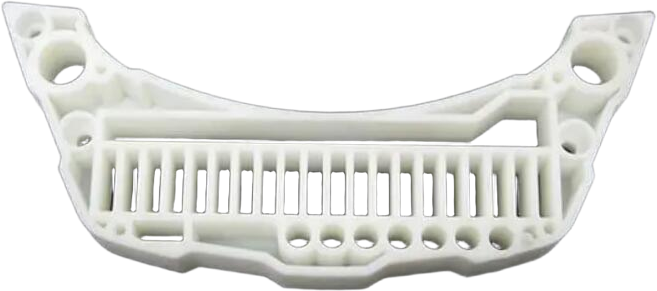
PEEK é um plástico de engenharia usado para peças usinadas que necessitam de maior resistência a temperaturas, desempenho de desgaste, resistência química, ou estabilidade dimensional do que os plásticos comuns.
Grau do material, formulário de estoque, projeto de parede, tolerância, terminar, documentação, e o cronograma são confirmados durante a RFQ com base no desenho e no comportamento do material plástico.

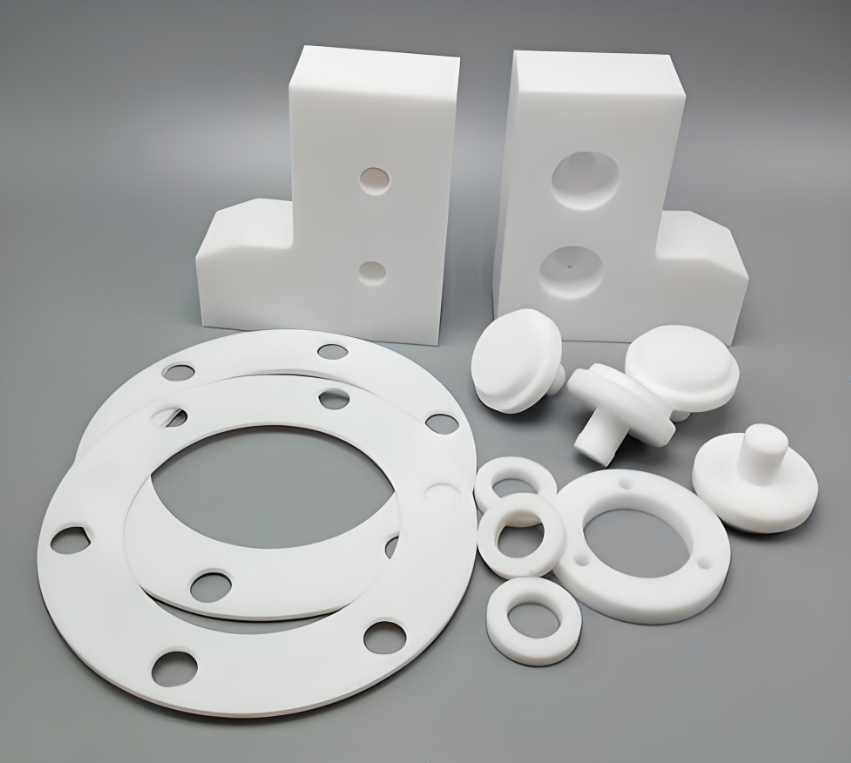
O PTFE é sempre reservado para ambientes especializados que exigem resistência a temperaturas extremas, resistência a produtos químicos fortes, ou propriedades antiaderentes/fricção ultrabaixa. E tem sido usado para selos, juntas, forros de válvula, peças isolantes, utensílios de laboratório, substrato para revestimentos antiaderentes.
Grau do material, formulário de estoque, projeto de parede, tolerância, terminar, documentação, e o cronograma são confirmados durante a RFQ com base no desenho e no comportamento do material plástico.
O PC sempre foi conhecido por ser o melhor escolhido para aplicações que exigem uma combinação de alta resistência ao impacto, transparência, e estabilidade térmica. Pode ser considerado para peças altamente transparentes, como óculos de segurança, escudos anti-motim, tampas de luz automotiva, caixas de dispositivos eletrônicos, componentes transparentes de alta resistência.
Grau do material, formulário de estoque, projeto de parede, tolerância, terminar, documentação, e o cronograma são confirmados durante a RFQ com base no desenho e no comportamento do material plástico.

PMMA tem eclareza óptica excepcional (>92%), boa resistência às intempéries, alta dureza superficial, e pode ser polido até obter um acabamento cristalino. Não éele é a melhor escolha quando alta transparência, excelente aparência, e resistência UV/intempéries são necessárias. Pode ser considerado para luzcriando protótipos.
Grau do material, formulário de estoque, projeto de parede, tolerância, terminar, documentação, e o cronograma são confirmados durante a RFQ com base no desenho e no comportamento do material plástico.

A placa epóxi é valorizada na usinagem CNC por seu excelente isolamento elétrico, boa resistência mecânica, estabilidade dimensional, e versatilidade. Que pode ser usado para gabinetes de equipamentos elétricos, painéis estruturais leves onde o isolamento elétrico é fundamental. Você pode projetá-lo para peças estruturais que exigem mais rigidez do que o acrílico, mas onde o metal é desnecessário.
Grau do material, formulário de estoque, projeto de parede, tolerância, terminar, documentação, e o cronograma são confirmados durante a RFQ com base no desenho e no comportamento do material plástico.

POM'O outro nome é “substituto metálico.” qual fcome alta rigidez, excelente estabilidade dimensional, um coeficiente de atrito muito baixo, e resistência superior à fluência. Máquinas para um bom, acabamento acetinado. POM é pperfeito para peças mecânicas de precisão que necessitam de alta rigidez, baixo atrito, e precisão dimensional, frequentemente para substituir o metal para economizar peso ou evitar corrosão. POM pode ser usado para pengrenagens de precisão, rolamentos, câmeras, válvulas, cabos de faca, e trancar componentes.
Grau do material, formulário de estoque, projeto de parede, tolerância, terminar, documentação, e o cronograma são confirmados durante a RFQ com base no desenho e no comportamento do material plástico.

Náilon é ume eunegócio material para peças móveis que exigem alta resistência ao desgaste, baixo atrito, e durabilidade sob carga cíclica. O nylon pode ser considerado para Engrenagens, rolamentos, rolos, gabaritos, buchas resistentes ao desgaste.
Grau do material, formulário de estoque, projeto de parede, tolerância, terminar, documentação, e o cronograma são confirmados durante a RFQ com base no desenho e no comportamento do material plástico.

PP tem gresistência à fadiga, excelente resistência a solventes químicos, e bom isolamento elétrico. Frágil em baixas temperaturas, o que é adequado para um aplicativodobrar em peças que exigem peso leve, resistência química, design de dobradiça viva, ou itens descartáveis/descartáveis.
Grau do material, formulário de estoque, projeto de parede, tolerância, terminar, documentação, e o cronograma são confirmados durante a RFQ com base no desenho e no comportamento do material plástico.