



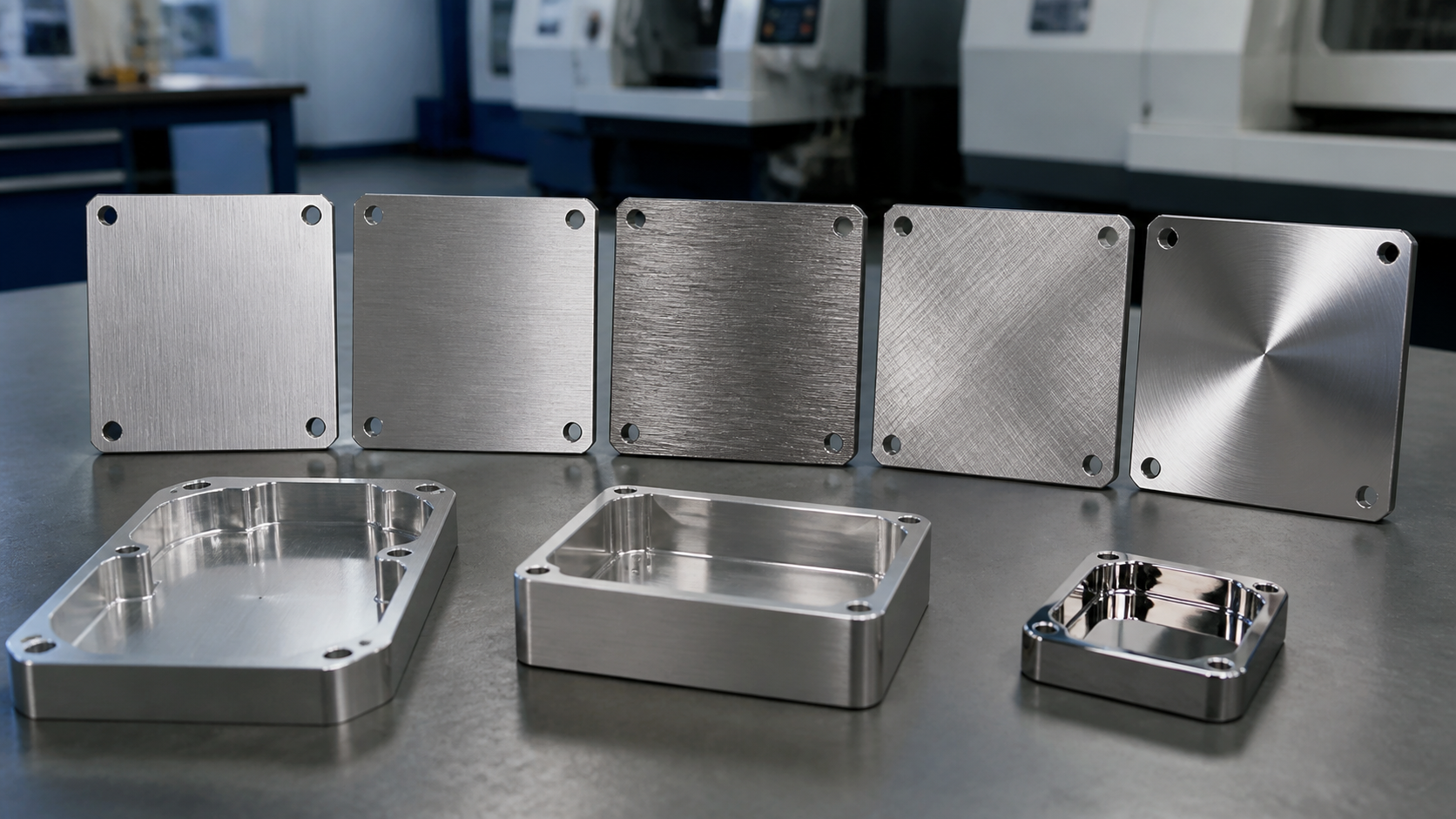
Fırçalanmış yüzey, CNC ile işlenmiş metal parçaların görünümünü iyileştirmenin en uygun maliyetli yollarından biridir. Metal yüzeyinde ince yönlü veya yönsüz tanecikli çizgiler oluşturmak için kontrollü aşındırıcı temas kullanarak, fırçalama, işleme izlerini yumuşatır, parlamayı azaltır, ve bileşenlere rafine bir endüstriyel görünüm kazandırır. Ayrıca daha sonraki anotlama işlemleri için tekdüze bir taban sağlar, pasivasyon, veya parmak izi önleyici kaplama.
Bu kılavuz, fırçalanmış son işlemin temellerini (nasıl çalıştığını) kapsar, mevcut tahıl türleri, farklı metallerde nasıl davrandığı, tasarım sırasında nelere dikkat edilmeli, ve sonuçların prototipten üretime kadar nasıl tutarlı tutulacağı.
Düz veya hafifçe kavisli kozmetik yüzeyler için, Doğrusal saç çizgisi fırçalama en güvenli ve en öngörülebilir seçenektir. Fırçalanmış alüminyumun ardından her zaman eloksal uygulanmalıdır, fırçalanmış paslanmaz çelik gerektiğinde pasifleştirilebilirken. Derin boşluklar, dar yuvalar, ve alttan kesmeler düzgün fırçalama için zayıf adaylardır. Toplu iş tutarlılığı söz konusu olduğunda, hiçbir şey onaylı bir fiziksel numunenin yerini alamaz.
Fırçalanmış Kaplama Nedir??
Tanım ve Süreç
Fırçalanmış kaplama, mekanik aşındırıcı bir yüzey işlemidir. Aşındırıcı bantlar, naylon tekerlekler, veya döner fırçalar iş parçasına kontrollü hızda temas eder, basınç, ve yön, metal üzerinde ince taneli çizgiler bırakmak. Kimyasal tedavilerden farklı olarak, fırçalama yalnızca yüzeyin mikro yapısını sürtünme yoluyla değiştirir; malzemenin kimyasal bileşimini değiştirmez.
CNC ile işlenmiş parçalar için, fırçalama genellikle frezelemeden sonra gelir, dönüm, çapak alma, ve temel temizlik. Amaç, görünür takım yollarını ve kesici işaretlerini tekdüze bir hale dönüştürmektir., kontrollü fırçalanmış metal doku.
Fırçalamak Parlatmak Değildir
Yaygın bir hata, fırçalama ve cilalamayı birbirinin yerine kullanılabilirmiş gibi düşünmektir.. Bunlar temelde farklı süreçlerdir:
- Fırçalama, düşük yansıtma özelliğine ve görünür yön çizgilerine sahip mat bir doku oluşturur.
- Parlatma yüksek parlaklık sağlar, Neredeyse hiç dokusu olmayan ve güçlü yansıtıcılığa sahip ayna benzeri yüzey.
- Fırçalama endüstriyel kozmetik parçalara uygundur; cilalama dekoratif veya lüks bileşenler için daha iyidir.
Teknik Not
Çizimlerde ve satın alma siparişlerinde her zaman Fırçalı veya Cilalı'yı açıkça belirtin. İki süreç farklı araçlar kullanıyor, sarf malzemeleri, ve kabul kriterleri. Bunları karıştırmak üretim ölçeğinde yeniden çalışmaya yol açar.
Yüzey Pürüzlülüğü Referansı
Farklı fırçalama stilleri farklı pürüzlülük aralıklarına karşılık gelir. Aşağıdaki değerler tipik endüstri referanslarıdır; gerçek sonuçlar malzemeye göre değişir, aşındırıcı tanecik, ve proses parametreleri.
Fırçalama Tipi | Aşındırıcı Kum | Yüzey Pürüzlülüğü (ra) | Görsel Karakter |
İnce saç çizgisi | 320# – 600# | 0.4 – 0.8 bir | Yoğun paralel çizgiler, yumuşak mat |
Standart doğrusal | 180# – 320# | 0.8 – 1.6 bir | Açık görünür tahıl, güçlü endüstriyel his |
İri tane | 80# – 180# | 1.6 – 3.2 bir | Belirgin doku, cesur görünüm |
Rastgele saten | Naylon / dokunmamış tekerlek | 0.6 – 1.2 bir | Yönsüz iç içe geçmiş tahıl, yumuşak mat |
Neden CNC ile İşlenmiş Parçalarda Fırçalanmış Son İşlem Kullanılmalıdır??
İşlenmiş Yüzeylerin Sınırlamaları
CNC makinesinden çıkan parçalar genellikle görünür takım yolları taşır, ince kesici işaretleri, takım değişikliklerinde tanık hatları, ve yüzler arasında hafif renk farklılıkları. Bunların hiçbiri bir montajın içine gizlenmiş parçalar için önemli değil. Ancak görünür muhafazalar için, paneller, ve kapakları, Yüzey kalitesi ürünün nasıl algılandığını doğrudan etkiler.
Altı Temel Fayda
- İşlenmiş yüzeylerde daha düzgün bir görünüm için küçük CNC takım izlerini yumuşatır.
- Atölye aydınlatması veya doğrudan güneş ışığı altında parlamayı azaltır.
- Ayna cilalamanın aşırı parlak görünümü olmadan birinci sınıf bir endüstriyel doku sunar.
- Hafif günlük çizikleri daha iyi gizler - özellikle de çizik damarlara paralel olduğunda.
- Eloksallama için tutarlı bir ön işlem yüzeyi oluşturur, pasivasyon, veya parmak izi önleyici kaplama.
- Prototipten üretime kadar güvenilir bir şekilde çoğalır, referans numunesinin onaylanması şartıyla.
Marka Kimliği Değeri
Markalı ürünler ve görünür endüstriyel donanımlar için, tutarlı bir fırçalanmış metal kaplama, ürünün görsel kimliğinin bir parçası haline gelebilir. İnce doğrusal fırçalama, temiz ve teknik olarak okunur; rastgele saten fırçalama daha yumuşak ve daha lüks bir his verir. Tek tip bir yüzey işleme dili, bir markanın profesyonel imajını son kullanıcılar nezdinde güçlendirir.
Fırçalama Süreci, Adım adım
Tutarlı bir fırçalanmış metal kaplama, hem yukarı yönde işlemenin kalitesine hem de aşağı yöndeki parametrelerin kontrolüne bağlıdır. İşte standart süreç akışı.
Yedi Adımlı Süreç
Adım | Operasyon | Anahtar Kontrol Noktası |
Frezeleme, dönüm, sondaj, dokunarak, kaba boyut kontrolü | Kozmetik yüz aleti izlerini fırçalanabilir aralıkta tutun | |
2 Çapak alın ve temizleyin | Keskin çapakları giderin, cips, yağ, ve yüzey kirleticileri | Çapaklar tane çizgilerinin atlanmasına ve anormal aşınmaya neden olur |
Büyük kusurları düzeltin (derin çukurlar, ezikler, ağır alet izleri) | Fırçalama büyük kusurları düzeltemez – onları yukarı yönde halledin | |
4 Fırçalama | Aşındırıcı bant / teker / naylon fırça; kontrol hızı, yön, basınç, kum | Yönü kilitle, baskıyı eşit tutun, Sarf malzemelerini zamanında değiştirin |
5 Fırçalama sonrası temizlik | Aşındırıcı tozu ve kalıntıları giderin, özellikle deliklerde ve kenarlarda | Artık toz kaplamanın yapışmasını olumsuz etkiler |
6 Koruyucu kaplama | Alüminyumun anodize edilmesi; Gerektiğinde paslanmaz çeliği pasifleştirin veya kaplayın | Fırçalanmış dokuyla uyumluluğu doğrulayın |
7 Son muayene | Tahılları karşılaştırın, renk, ve onaylanmış numuneye göre tekdüzelik | Yalnızca fiziksel karşılaştırma – fotoğraflar kabul kriteri değildir |
Temel Süreç Parametreleri
Fırçalama Yönü
Fırçalama yönü proses belgelerinde kilitlenmelidir. Ortak yönler yataydır, dikey, radyal (yuvarlak parçalar için), veya belirli bir açı. Bir parti yatay olarak ve bir sonraki parti dikey olarak fırçalanırsa, her ikisi de teknik olarak fırçalanmış, ancak bir araya getirildiğinde görsel olarak eşleşmezler.
Aşındırıcı Kum ve Sarf Malzemeleri
Tane boyutu doğrudan tane inceliğini belirler. Daha ince irmik (daha yüksek sayılar) daha incelikli üretmek, daha düzgün çizgiler; daha iri taneler daha kalın taneler üretir, daha görünür doku. Naylon aşındırıcı diskler ve dokuma olmayan diskler rastgele saten efektler için kullanılır ve yönsel tanecik bırakmaz.
Basınç ve Hız
Aşırı basınç kenarları yuvarlatabilir, yüzeyi yakmak, veya düzensiz taneler oluşturun. Yetersiz basınç takım izlerini kapatamıyor. Hız, kesme verimliliğini ve yüzey sıcaklığını etkiler, ve malzeme sertliğine göre ayarlanmalıdır. Paslanmaz çelik, daha zor olmak, genellikle daha düşük hızlarda çalışır ve aşındırıcıları daha hızlı tüketir.
Süreç Uyarısı
Fırçalama sırasında keskin kenarlar hafifçe yuvarlanır (tipik olarak R0.1-R0.3). Bir parçanın kesin keskin kenar veya uyum gereksinimleri varsa, çizimde bu alanları fırçasız olarak işaretleyin, veya fazladan işleme stoğu bırakın.
Yaygın Fırçalanmış Kaplama Çeşitleri ve Görsel Efektleri
Farklı fırçalama stilleri çok farklı görsel sonuçlar üretir. Doğru seçim parça geometrisine bağlıdır, ürün konumlandırma, maliyet hedefi, ve kabul standartları.
Tip | Görsel Efekt | Süreç Notları | Tipik Kullanım |
Doğrusal saç çizgisi | Sürekli paralel tane, temiz endüstriyel görünüm | Tanımlanması en kolay, incelemek, ve tutarlı olun | Ekipman panelleri, alüminyum muhafazalar, boşluk kapakları, enstrüman muhafazaları |
Rastgele saten | Yumuşak yönsüz mat, ince iç içe geçmiş doku | Naylon / dokunmamış tekerlek, yönlülük yok | Tüketiciye yönelik dekoratif paneller, kozmetik kapakları |
Çapraz fırçalama | İki yönlü tahıl, katmanlı görünüm | Farklı yönlerde iki geçiş gerektirir, daha yüksek maliyet | Üst düzey gösterge panelleri, seçilmiş dekoratif yüzeyler |
Dalga fırçalama | Akan dalgalı tane deseni | Özel fikstür gerektirir, karmaşık süreç | Yalnızca süs parçaları; fonksiyonel CNC parçaları için önerilmez |
Endüstriyel CNC ile işlenmiş parçaların çoğu için, Doğrusal saç çizgisi fırçalama en güvenli ve en yaygın seçimdir. Çizim üzerinde belirtmek daha kolaydır, denetlemek daha kolay, ve gruplar arasında tekrarlanması daha kolay. Çapraz ve dalgalı fırçalama daha yoğun emek gerektirir ve genellikle yüksek değerli dekoratif yüzeyler için kullanılır..
Fırçalanmış Alüminyum vs. Fırçalanmış Paslanmaz Çelik
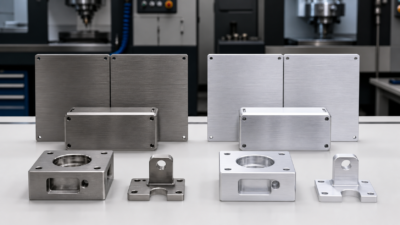
Alüminyum ve paslanmaz çelik fırçalamaya farklı tepki verir. Aynı aşındırıcı parametreler farklı görsel sonuçlar üretebilir, ve tedavi sonrası gereksinimler aynı değildir.
Malzeme Karşılaştırması
Boyut | Alüminyum Alaşım | Paslanmaz çelik | Bakır (Referans) |
Sertlik | Yumuşak (HB 60-150) | Daha yüksek (HB 150-300) | Yumuşak (HB 40-80) |
Basınç kontrolü | Aşırı kesmeyi önlemek için sıkı bir şekilde kontrol edilmelidir | Daha yüksek basınçla başa çıkabilir | Deforme edilmesi çok kolay, minimum basınç kullanın |
Sarf malzemesi aşınması | Düşük | Yüksek (kemerler daha hızlı aşınır) | Orta |
Doğal korozyon direnci | Ilıman – korunmaya ihtiyacı var | Harika (304 / 316) | Fakir – hızla oksitlenir ve kararır |
Tedavi sonrası | Eloksal şiddetle tavsiye edilir | Pasivasyon veya parmak izi önleyici kaplama (isteğe bağlı) | Anti-oksidasyon tedavisi gerekli |
Renk seçenekleri | Eloksallamadan sonra zengin (siyah, gümüş, altın, mavi, vesaire.) | Doğal metal tonu; kaplama seçenekleri mevcut | Doğal bakır tonu, zamanla kararır |
Parmak izi hassasiyeti | Yüksek (çıplak alüminyum) | Ilıman | Yüksek |
Fırçalanmış Alüminyumda Nelere Dikkat Edilmeli?
- Çıplak fırçalanmış alüminyum hızla oksitlenir ve parmak izleri gösterir. Açıkta kalan parçalar anodize edilmelidir.
- Eloksallama, damarın görsel kontrastını hafifçe değiştirir – numune aşamasında onaylayın.
- Rafın parçayla temas ettiği alanların gözden kaçırılmasını önlemek için fırçalama yönünü anotlama rafı konumlarıyla koordine edin.
- Yaygın alaşımlar 6061, 6063, Ve 7075 iyi fırçala. Gözeneklilik nedeniyle dökme alüminyum genellikle önerilmez.
Fırçalanmış Paslanmaz Çelikte Nelere Dikkat Edilmeli?
- 304 beygir sınıfı mı; 316 son derece korozif ortamlar için kullanılır (deniz, kimyasal).
- Paslanmaz çelik, fırçalamadan sonra zaten iyi bir korozyon direncine sahiptir; pasifleştirme bunu daha da iyileştirebilir.
- Parmak izi önleme (İLE İLGİLİ) kaplama parmak izi tutulmasını önemli ölçüde azaltır – sık dokunulan paneller için kullanışlıdır.
- Fırçalama sırasında demir kirliliğinden kaçının; paslanmaz çeliğe özel aşındırıcılar ve aletler kullanın.
Seçim Kılavuzu
İletişim boşlukları ve ekipman muhafazaları için, fırçalanmış alüminyumu seçin + anotlama (hafif, renk seçenekleri). Dış mekan ekipmanları için, gıda ve tıbbi uygulamalar, ve görünür donanım, fırçalanmış paslanmaz çeliği seçin (daha iyi korozyon direnci, daha soğuk metalik ton).
Fırçalanmış vs. Cilalı vs. Boncuk Püskürtülmüş
Bir yüzey kaplaması seçerken, fırçalama, parlatma, boncuk patlatma, ve düz eloksal en sık karşılaştırılan dört işlemdir. Her birinin kendi tatlı noktası vardır – yanlış olanı seçmek para israfına neden olur veya görünüm hedefini kaçırır.
Tedavi | Dış görünüş | Tahıl Yönü | Yansıtıcılık | Maliyet | En İyisi |
Fırçalanmış | Görünür tanecikli mat metalik | Yönlü / saten | Düşük | Orta | Muhafazalar, paneller, kozmetik boşluklar |
Ayna cilası | Çok parlak yansıtıcı, ayna benzeri | Hiçbiri | Çok yüksek | Yüksek | Dekoratif parçalar, lüks ürünler, yansıtıcı bileşenler |
Boncuk patlatıldı | Buzlu mat, ince taneli doku | Yönsüz | Düşük | Düşük-Orta | İşleme izlerini gizlemek için tekdüze mat kaplama |
Düz eloksal | Renkli veya doğal mat | Önceden fırçalanmadıkça fırçalanmış tahıl yok | Düşük-Orta | Orta | Korozyon ve aşınma direnci gerektiren alüminyum fonksiyonel parçalar |
Fırçalanmış vs. Cilalı Paslanmaz Çelik
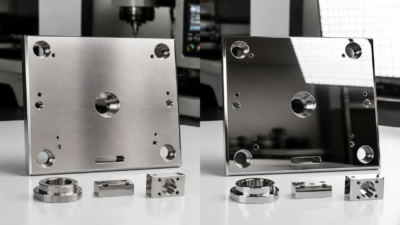
Parlatılmış paslanmaz çelik pürüzsüzdür, parlak, ve aynaya benzer – güçlü bir şekilde yansıtır ve her parmak izini ve çiziği gösterir. Fırçalanmış paslanmaz çelikte görünür tane çizgileri bulunur, daha düşük yansıtma, ve daha yumuşak bir endüstriyel görünüm. Endüstriyel paneller için, makine kapakları, enstrüman muhafazaları, ve görünür CNC parçaları, fırçalamak genellikle daha pratik bir seçimdir: parlamayı keser ve hafif çizikleri gizler.
Fırçalanmış vs. Boncuk Püskürtüldü
Hedef berrak metalik bir doku veya kontrollü yönlü bir doku ise, fırçalamak daha iyi uyum sağlar. Amaç yalnızca işleme işaretlerini yönsüz mat bir yüzeyin arkasına gizlemekse, boncuk püskürtme genellikle daha uygun maliyetlidir. Kumlanmış yüzeylerde tane yönü yoktur ve karmaşık geometriye daha iyi uyum sağlar, ancak fırçalamanın sağladığı kesin endüstriyel görünümü sağlayamazlar.
Tasarım Kontrol Listesi: 6 Fırçalanmış Son İşlemi Belirtmeden Önce Onaylanması Gerekenler
Fırçalanmış metal sonuçlarını öngörülebilir hale getirmek ve üretimde yeniden yapılan işleri azaltmak için, Çizimler ve teknik belgelerle ilgili aşağıdaki altı öğeyi açıklığa kavuşturun.
Kozmetik Yüzeyleri Tanımlayın
Hangi yüzlerin kozmetik, hangilerinin işlevsel olduğunu açıkça işaretleyin. Her yüzeyin fırçalanması gerekmez, ve bazı yüzeyler uyumu etkiliyorsa fırçalanmamalıdır, sızdırmazlık, topraklama, veya montaj. Kozmetik yüzleri işlevsel yüzlerden ayırmak için 3D modelde farklı renkler veya katmanlar kullanmak iyi bir uygulamadır..
Fırçalama Yönünü Belirleyin
Yatay olarak seslen, dikey, radyal, veya gerekli başka herhangi bir tahıl yönü. Çoklu kozmetik yüze sahip parçalar için, yüz başına yönü belirtin ve bitişik yüzler arasındaki geçişlerin kabul edilebilir olup olmadığını onaylayın. Belirsizliği önlemek için yönü bir veriye bağlayın.
Tane İriliğini Tanımlayın
İnce saç çizgisini belirtin, standart saten, iri taneli, veya örnek bazlı bir doku seviyesi. Hem aşındırıcı tane aralığını hem de hedef yüzey pürüzlülüğünü dahil edin (ra). Yalnızca fırçalanmış kelimesiyle parça sipariş etmek, tedarikçiler arasında yoruma çok fazla yer bırakıyor.
Geometri Risklerini İnceleyin
Eşit şekilde fırçalanması zor olan özellikleri değerlendirin:
- Derinliğin genişliği aştığı derin cepler – alttan duvara geçiş kolaylıkla gözden kaçırılır.
- Altındaki dar yuvalar 3 mm genişliğinde – fırçalama aletleri içeriye ulaşamıyor.
- Alttan kesmeler – sınırlı alet erişimi süreksiz gren oluşturur.
- Yoğun kaburga bölgeleri – kaburga yan duvarları ve kökleri düzensiz doku gösterir.
- R0,5'ten daha sıkı iç köşeler – aşındırıcı tekerlekler ulaşamıyor, parlak keskin kenarlar bırakarak.
Koruyucu Kaplamayı Onayla
Eloksal olup olmadığını onaylayın, pasivasyon, kaplama, veya parmak izi önleme işlemi fırçalamanın ardından gelir. Bu işlemler hem dayanıklılığı hem de nihai görsel görünümü etkiler.. Kombine fırçalamayı her zaman onaylayın + numune aşamasında korumalı kaplama, her adım ayrı ayrı değil.
Kabul Kriterlerini Fiziksel Bir Örnekle Belirleyin
Üretim ölçütü olarak fiziksel bir prototip örneği kullanın, tane yönünü tanımlama, pürüzlülük seviyesi, renk, ve kabul edilebilir kozmetik aralık. Fotoğraflar iletişime yardımcı oluyor ancak kabul için yeterli değil – aydınlatma açısı, fırçalanmış dokunun görünüşünü önemli ölçüde değiştirir.
Tasarım Kontrol Listesi
İşaretlenmiş kozmetik yüzeyler | Belirtilen fırçalama yönü | Tane iriliği / kum tanımlanmış | Geometri riskleri gözden geçirildi | Tedavi sonrası onaylandı | Fiziksel numune imzalandı
Tipik Uygulamalar ve Endüstri Kullanım Durumları
Fırçalanmış yüzey, görünümün önemli olduğu CNC ile işlenmiş parçalarda yaygın olarak kullanılır., dokunmak, ve ürün konumlandırma konusu. Aşağıda endüstriye göre tipik uygulamalar yer almaktadır.
İletişim ve RF Ekipmanları
- RF muhafazaları – fırçalanmış alüminyum + Eloksal kaplama, koruma performansını görünümle dengeler.
- Filtre ve birleştirici gövdeler – Doğrusal fırçalama hassas endüstriyel görünümü güçlendirir.
- Baz istasyonu panelleri – fırçalanmış paslanmaz çelik dış mekanlarda iyi dayanır.
Endüstriyel Kontrol ve Enstrümantasyon
- Endüstriyel kontrol panelleri, HMI muhafazaları – Parlamayan yüzeyler atölye aydınlatmasına uygundur.
- Gösterge ön panelleri, osiloskop muhafazaları – Doğrusal fırçalama hassasiyet ve profesyonellik taşır.
- Sensör ve verici muhafazaları – fırçalanmış paslanmaz çelik korozyona karşı dayanıklıdır ve temizlenmesi kolaydır.
Tıbbi ve Laboratuvar Ekipmanları
- Tıbbi cihaz muhafazaları, cerrahi alet bileşenleri – fırçalanmış paslanmaz çeliğin dezenfekte edilmesi kolaydır ve kimyasallara dayanıklıdır.
- Laboratuvar gösterge panelleri – mat yüzeyler görsel dikkat dağınıklığını en aza indirir.
- Dental ve estetik cihaz muhafazaları – anodize edilmiş fırçalanmış alüminyum, zengin renkler ve birinci sınıf bir his sunar.
Tüketici Elektroniği ve Akıllı Ev
- Üst düzey yönlendiriciler, NAS muhafazaları – alüminyum fırçalama + Eloksallama algılanan kaliteyi yükseltir.
- Akıllı hoparlörler, akıllı ev panelleri – saten fırçalama dokunuşta pürüzsüz bir his verir.
- Dizüstü bilgisayar ve monitör muhafazaları – ince saç çizgisi fırçalama klasik bir premium tasarım dilidir.
Havacılık ve Savunma
- Aviyonik muhafazalar – fırçalanmış alüminyum + Sert eloksal, hafifliği aşınma direnciyle birleştirir.
- Havadaki ekipman panelleri – katı görünüm tutarlılığı gereksinimleri.
- Savunma elektroniği – fırçalanmış paslanmaz çelik, düşük yansıtma ve azaltılmış görsel imza sunar.
Kalite Kontrol: Seri Üretimde Fırçalanmış Son İşlemin Tutarlı Tutulması
Tutarlılık, mükemmel bir örnekten daha önemlidir. Partiler arasındaki tane farklılığı, fırçalanmış finisajda en yaygın kalite şikayetidir. İşte temel kontrol faktörleri:.
Yedi Tutarlılık Faktörü
Kontrol Faktörü | Gereklilik | Arıza Modu |
Gelen işleme kalitesi | Kozmetik yüzeylerde stabil takım izi derinliği ve düzlüğü | Alet izleri kapatılamayacak kadar derin; yüzey dalgalanması düzensiz taneciklere neden olur |
Fikstürleme | Tutarlı veri yüzleri, düzgün temas basıncı | Aynı parça farklı alanlarda farklı tane derinliği gösterir |
Aşındırıcı kum | Belirtilen kayış modeli, planlanmış değiştirme | Kum sürüklenmesi tane iriliğinin değişmesine neden olur |
Fırçalama yönü | İşlem belgelerinde kilitli, operatör eğitimi | Yön uyumsuzluğu montaj sonrasında görsel tutarsızlığa neden oluyor |
Takım basıncı | Pnömatik / hidrolik parametreler düzeltildi | Basınç değişimi tane derinliğini ve kenar yuvarlamasını değiştirir |
Temizlik | Standartlaştırılmış süreç, toz denetimi | Artık toz kaplamanın yapışmasına ve görünümüne zarar verir |
Tedavi sonrası | Eloksal / Pasivasyon parametreleri düzeltildi | Gruplar arasında renk ve parlaklık kayması |
Fiziksel Numune Sistemi
En pratik kalite yöntemi, prototip aşamasında fiziksel bir altın numunenin onaylanmasıdır., ve üretim sırasında ilk ürün ve son ürün karşılaştırmalarını sürdürün. Örnek tanımlamalıdır:
- Son tane yönü ve irilik seviyesi.
- Ölçülen yüzey pürüzlülüğü (ra).
- Koruyucu kaplamanın ardından renk ve parlaklık.
- Kabul edilebilir kozmetik kusur aralığı (örneğin, küçük doku değişimi, kenar görünümü).
- Onay tarihi, sürüm numarası, ve yetkili imza.
Kalite Uyarısı
Fotoğraf ve videolar fiziksel bir örneğin yerini alamaz. Fırçalanmış damarın görsel görünümü büyük ölçüde aydınlatma açısına ve yoğunluğuna bağlıdır – aynı yüzey farklı ışık altında tamamen farklı görünebilir. Kabul fiziksel karşılaştırmaya dayanmalıdır.
Son Düşünceler ve Sonraki Adımlar
Fırçalanmış kaplama, CNC ile işlenmiş parçaların görsel kalitesini önemli ölçüde artırabilir, özellikle görünür alüminyum ve paslanmaz çelik bileşenler için. Rafine bir mat metal doku yaratır, parlamayı azaltır, ve muhafazalar verir, paneller, Kapaklar, ve boşluklara profesyonel bir endüstriyel görünüm kazandırır.
Bu dedi ki, fırçalamak evrensel bir çözüm değildir. Malzeme özellikleri, geometri, tane yönü, yüzey kusurları, ve tedavi sonrası hepsi nihai sonucu etkiler. Her parça düzgün fırçalamaya uygun değildir, ve her işleme işareti gizlenemez. Başarılı bir fırçalama projesi, tasarım aşamasında üretilebilirlik incelemesini gerektirir, Prototip aşamasında fiziksel numune onayı, ve üretim sırasında disiplinli süreç kontrolü.

Leo Liang, Kurucu R ile En İyi Ortak&D
JADE-CNC Kurucusu LEO, yirmi yıldan fazla endüstri uzmanlığını getiren, Leo kariyerine çırak olarak başladı ve yüzey işleme ve CNC işleme konusundaki becerilerini geliştirdi.