



Servicios de acabado de superficies de piezas CNC
JADE-CNC proporciona soporte de acabado de superficies de piezas CNC para componentes mecanizados de metal y plástico que requieren resistencia a la corrosión., resistencia al desgaste, color, textura, apariencia cosmética, control de conductividad, o superficies listas para inspección.
- Opciones de acabado revisadas por material y función de la pieza
- enmascaramiento, espesor del recubrimiento, y el impacto de la tolerancia se verifica durante la solicitud de cotización
- Requisitos de inspección y apariencia confirmados antes de terminar.

Opciones de acabado de superficies que ofrecemos
La mayoría de las piezas mecanizadas por CNC necesitan un acabado adecuado antes del montaje., pruebas, envío, o uso final. JADE-CNC revisa los requisitos de acabado de superficies como el anodizado, anodizado de capa dura, galvanoplastia, pasivación, pulido, voladura de cuentas, cuadro, recubrimiento en polvo, óxido negro, tratamiento térmico, y marcado láser según el dibujo., material, superficies visibles, áreas de enmascaramiento, impacto de tolerancia, y necesidades de inspección.
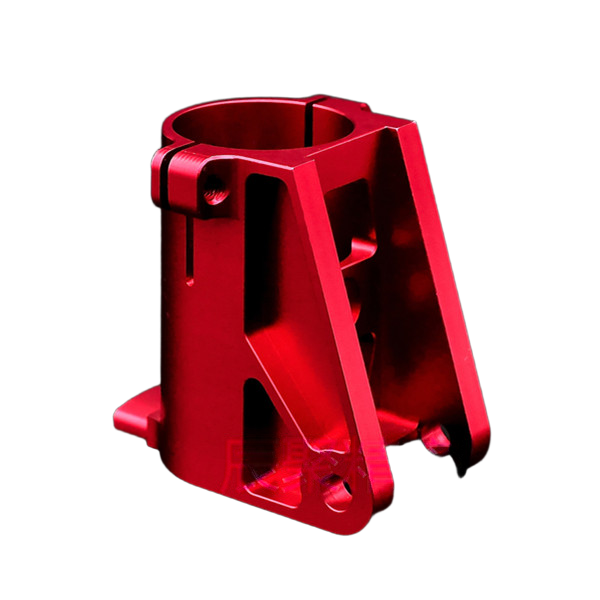
Anodizado
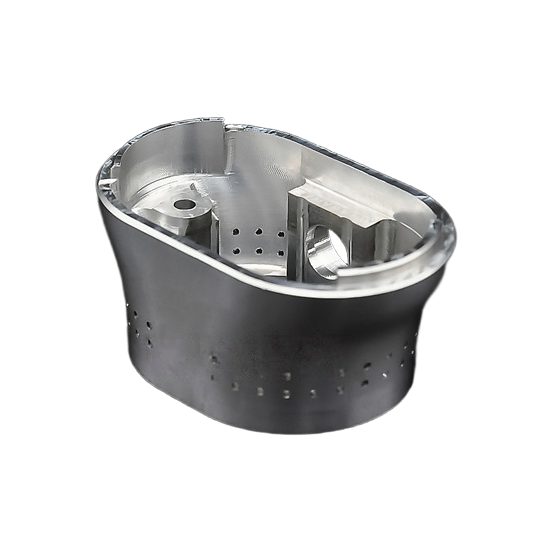
Como mecanizado
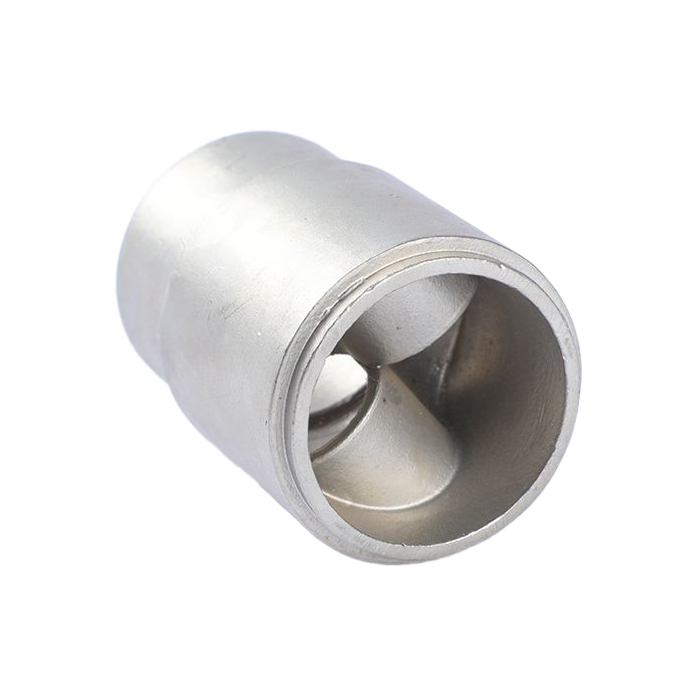
Granallado
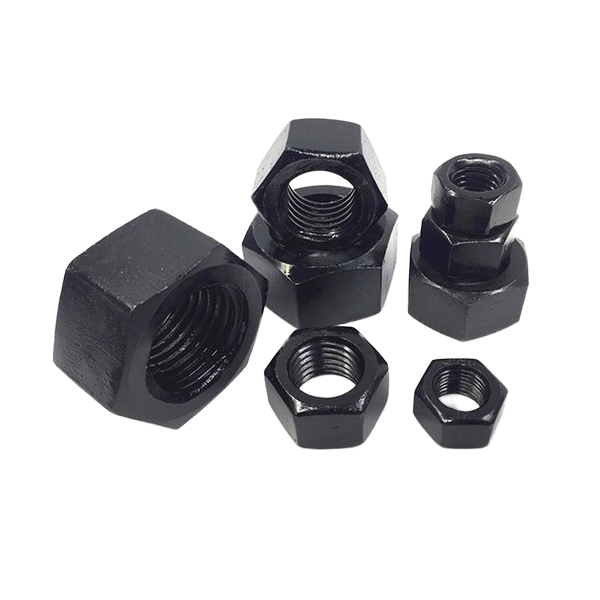
cromacion
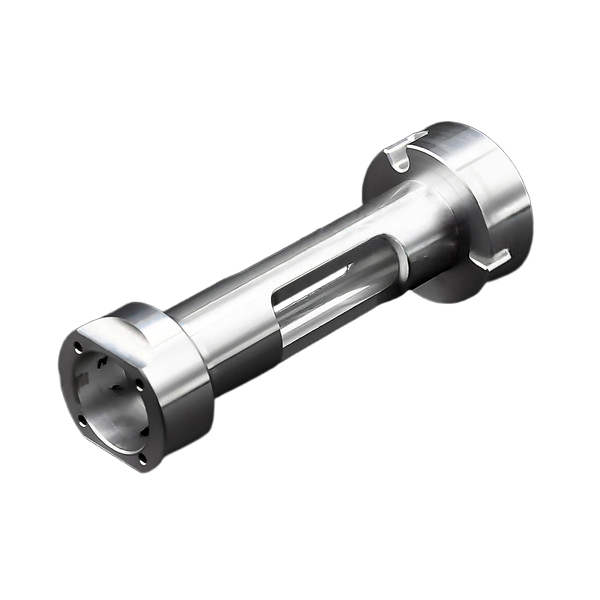
galvanoplastia
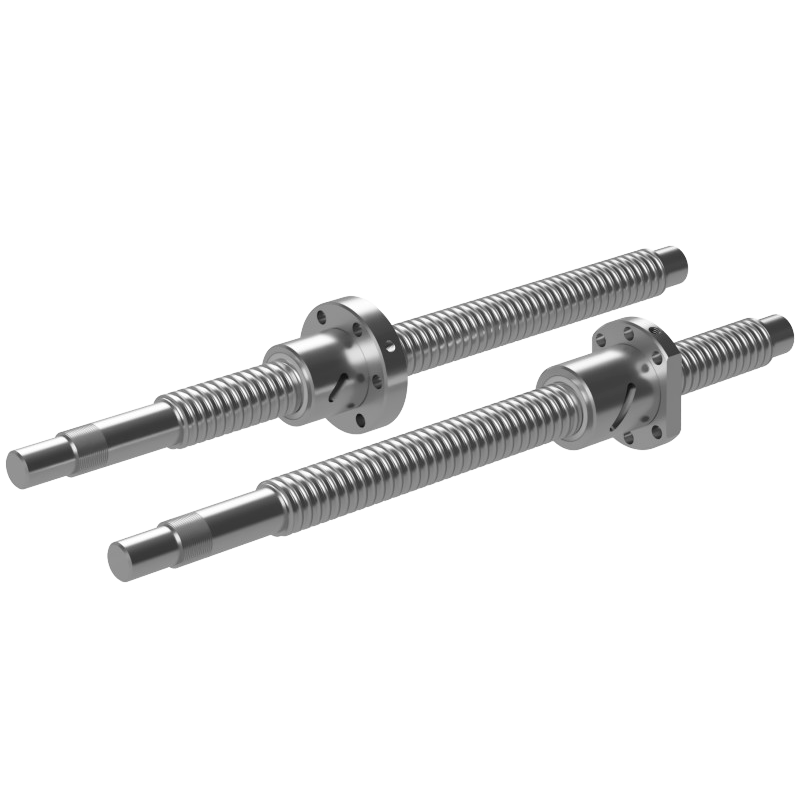
Tratamiento térmico
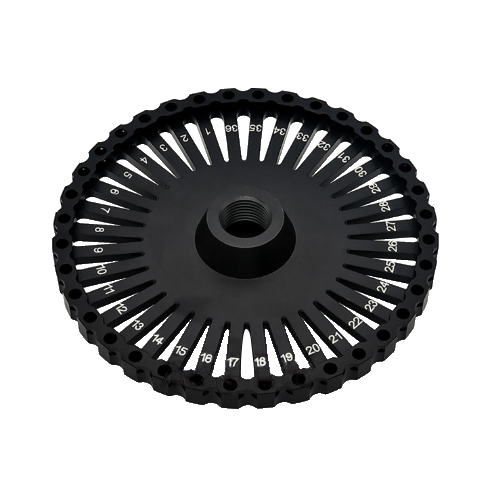
Grabado láser
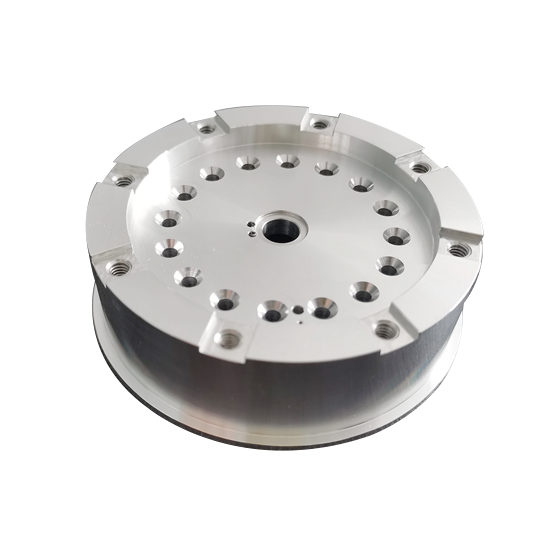
Pasivación
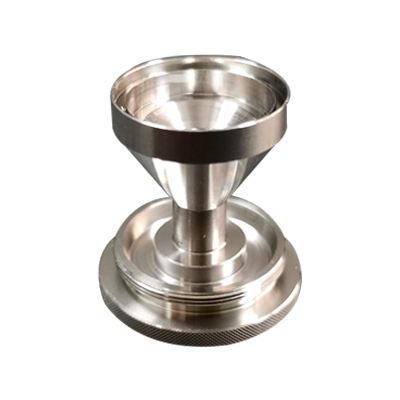
Pulido
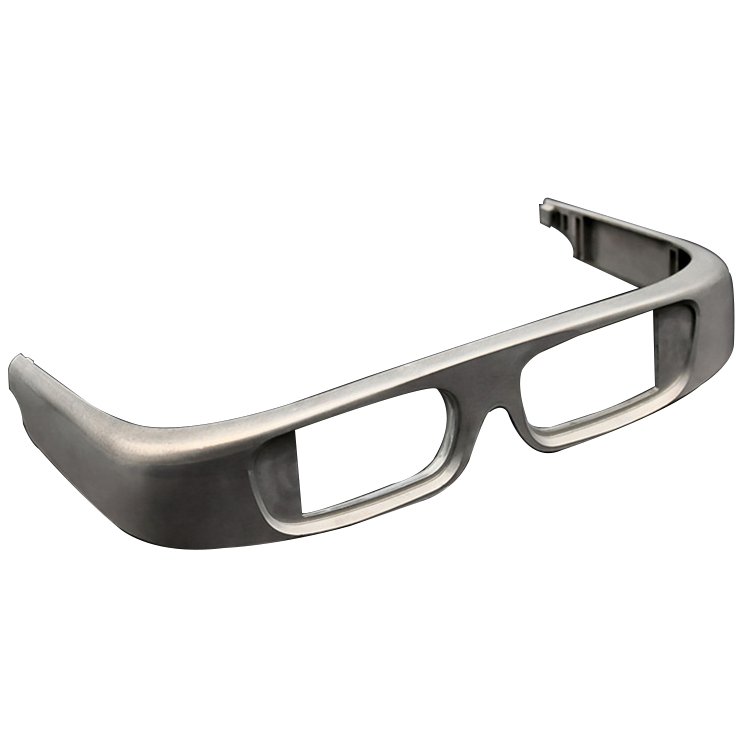
Arenado
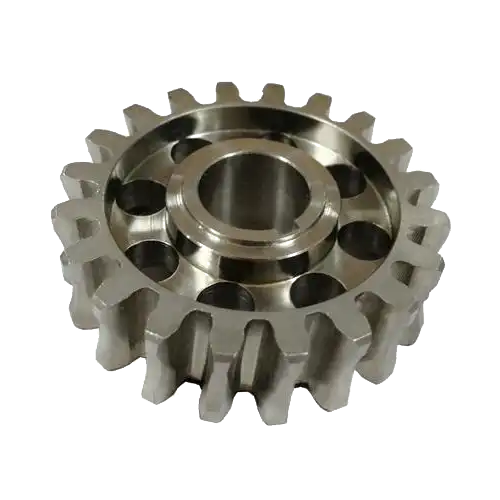
Liso
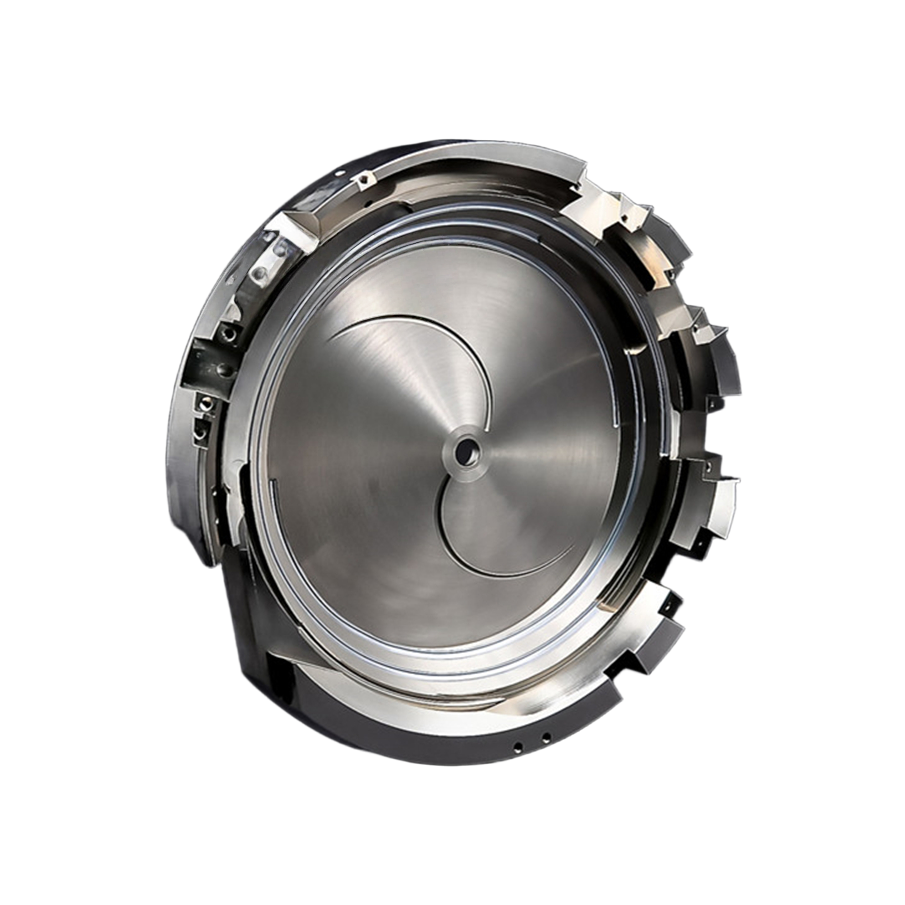
cayendo
Referencia de selección de acabado superficial para piezas CNC
El acabado de la superficie afecta la apariencia., resistencia a la corrosión, rendimiento de desgaste, conductividad, y montaje de piezas mecanizadas por CNC. JADE-CNC puede revisar el dibujo., material, tolerancia, requisito cosmético, y entorno de aplicación antes de recomendar un acabado adecuado.
| Acabado superficial | Materiales adecuados | Espesor típico / Efecto | Propósito común | Diseño / Notas de solicitud de cotización |
|---|---|---|---|---|
| Anodizado tipo II | Aluminio | 5-25 micrones | Protección contra la corrosión, color, apariencia cosmética | Confirmar color, caza de focas, y enmascaramiento para áreas roscadas o de ajuste de precisión. |
| Anodizado duro tipo III | Aluminio | 25-60 micrones | Resistencia al desgaste, superficie más dura, protección funcional | Permitir el crecimiento dimensional y confirmar las áreas de tolerancia críticas antes de la producción.. |
| Niquelado no electrolítico | Acero, aluminio, aleaciones de cobre | 5-50 micrones | Recubrimiento uniforme, resistencia a la corrosión, resistencia al desgaste | Útil para geometría compleja; Confirmar el espesor del recubrimiento y los requisitos de postratamiento.. |
| Pasivación | Acero inoxidable | Sin acumulación significativa | Mejora la resistencia a la corrosión del acero inoxidable. | Adecuado cuando se debe minimizar el cambio dimensional. Confirmar el grado de acero inoxidable y el requisito estándar.. |
| Granallado | Aluminio, acero inoxidable, acero, latón | Cambio de textura superficial | Aspecto mate uniforme, consistencia visual | Las expectativas cosméticas deben confirmarse con fotografías de muestra o referencias de acabado.. |
| Recubrimiento en polvo | Aluminio, acero | 60-120 micrones | Durabilidad al aire libre, color, revestimiento protector | Hilos de máscara, agujeros, superficies de puesta a tierra, y características de ensamblaje de precisión. |
| Óxido negro | Acero | Capa de conversión muy fina | Baja reflexión, apariencia oscura, protección ligera contra la corrosión | A menudo requiere aceite o sellado para una mejor protección.. No es un acabado resistente a la corrosión por sí solo.. |
| Marcado láser | La mayoría de los metales y algunos plásticos. | Marcado de superficie local | Identificación de piezas, logotipos, marcas de trazabilidad | Confirmar la posición de marcado, tamaño, contraste, y si la marca es cosmética o funcional. |
Necesita ayuda para elegir un acabado para piezas mecanizadas por CNC?
Envía tus dibujos, material, cantidad, requisito de acabado, y notas de inspección para revisión de ingeniería.
Solicite una revisión de acabado de superficies CNC
Envía tu dibujo, grado del material, requisito de acabado superficial, referencia de color o textura, áreas de enmascaramiento, dimensiones críticas, necesidades de inspección, y cantidad objetivo. JADE-CNC revisará si el acabado solicitado es el adecuado para el material de la pieza, geometría, tolerancia, y aplicación.
Preguntas frecuentes sobre acabado de superficies para piezas mecanizadas CNC
JADE-CNC puede revisar el anodizado, anodizado de capa dura, enchapado, pasivación, pulido, cepillado, voladura de cuentas, cuadro, recubrimiento en polvo, óxido negro, tratamiento térmico, marcado láser, y otros requisitos de acabado basados en el dibujo y el material..
El acabado debe seleccionarse según el material., función, apariencia, exposición a la corrosión, requisito de desgaste, conductividad, áreas de enmascaramiento, impacto de tolerancia, y necesidades de inspección.
Sí. La anodización puede agregar espesor al recubrimiento y afectar las áreas de ajuste de precisión., trapos, agujeros, y superficies de contacto. Las áreas críticas deben marcarse antes de terminar..
El anodizado de capa dura generalmente se considera cuando las piezas de aluminio necesitan una mejor resistencia al desgaste., superficies más duras, o protección funcional. El impacto del espesor y la tolerancia deben revisarse antes de la producción..
Sí. La pasivación se utiliza comúnmente en piezas de acero inoxidable para mejorar la resistencia a la corrosión sin una acumulación dimensional significativa..
Sí. Enmascarar áreas como hilos., agujeros, superficies de contacto electrico, caras de sellado, y las características de tolerancia estricta deben revisarse antes de terminar.
El color puede variar según el grado del material., condición de la superficie, lote, proceso de recubrimiento, y condiciones del proveedor. Las expectativas de color deben confirmarse con referencias o muestras cuando la apariencia es importante..
Los controles comunes incluyen la apariencia visual., espesor del recubrimiento, aspereza, condición de enmascaramiento, dimensiones críticas, ajuste de rosca, y superficies funcionales.
Algunas piezas de plástico se pueden pulir., granallado, pintado, marcado, o tratado dependiendo del material y aplicación. El método de acabado debe revisarse caso por caso..
Por favor proporcione dibujos, grado del material, cantidad, acabado requerido, referencia de color o textura, áreas de enmascaramiento, dimensiones críticas, requisitos de apariencia, y documentos de inspección si es necesario.