



Services de finition de surface de pièces CNC
JADE-CNC fournit un support de finition de surface de pièces CNC pour les composants usinés en métal et en plastique qui nécessitent une résistance à la corrosion, résistance à l'usure, couleur, texture, aspect cosmétique, contrôle de conductivité, ou surfaces prêtes à être inspectées.
- Options de finition examinées par matériau et fonction de la pièce
- Masquage, épaisseur du revêtement, et impact des tolérances vérifiés lors de la RFQ
- Exigences d’inspection et d’apparence confirmées avant la finition

Options de finition de surface que nous proposons
La plupart des pièces usinées CNC nécessitent une finition appropriée avant l'assemblage, essai, expédition, ou utilisation finale. JADE-CNC examine les exigences de finition de surface telles que l'anodisation, anodisation à couche dure, galvanoplastie, passivation, polissage, microbillage, peinture, revêtement en poudre, oxyde noir, traitement thermique, et marquage laser selon le dessin, matériel, surfaces visibles, zones de masquage, impact sur la tolérance, et les besoins en matière d'inspection.
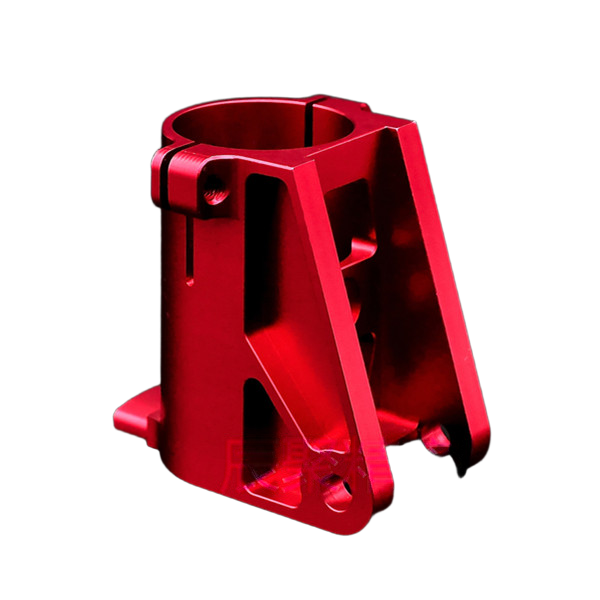
Anodisation
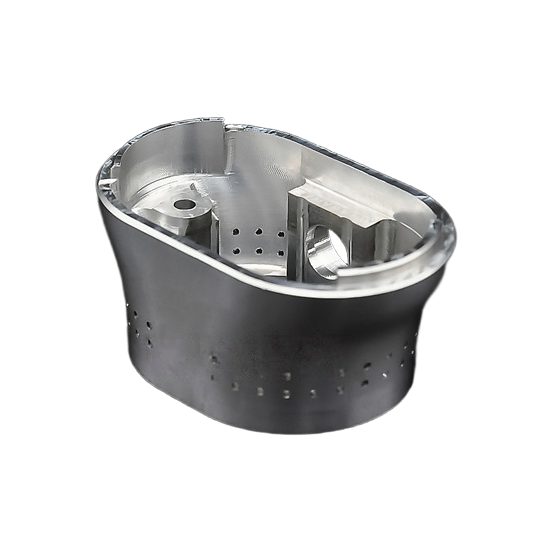
Tel qu'usiné
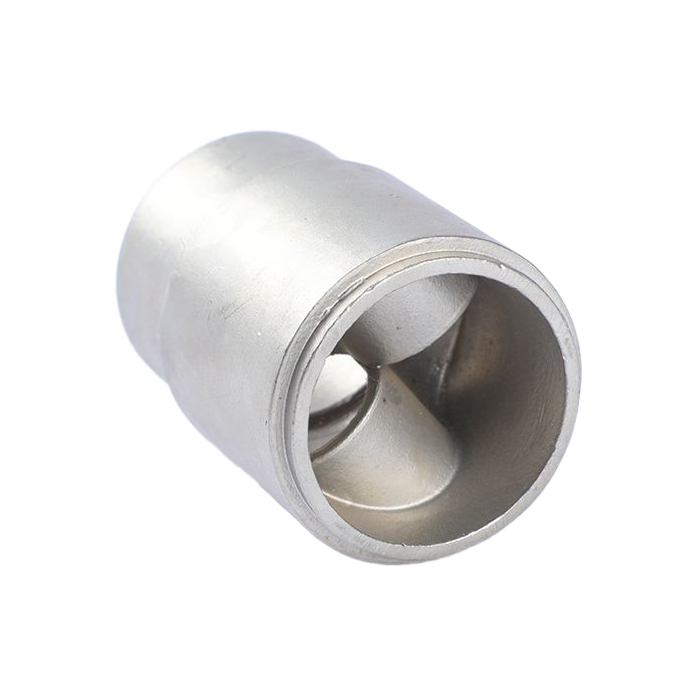
Microbillage
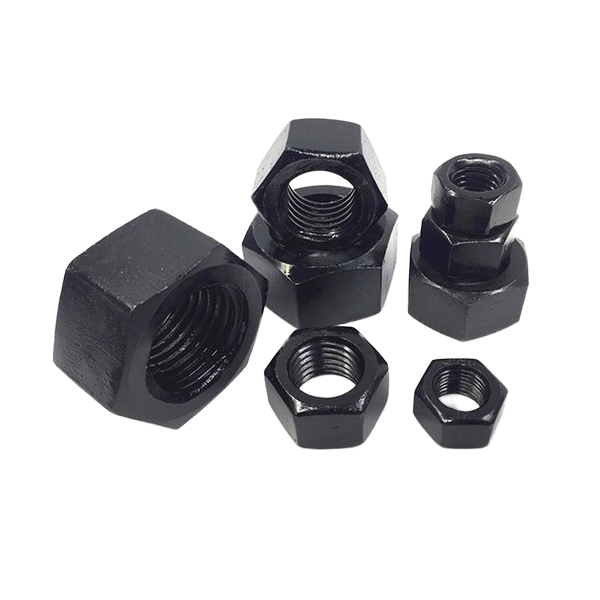
Chromatisation
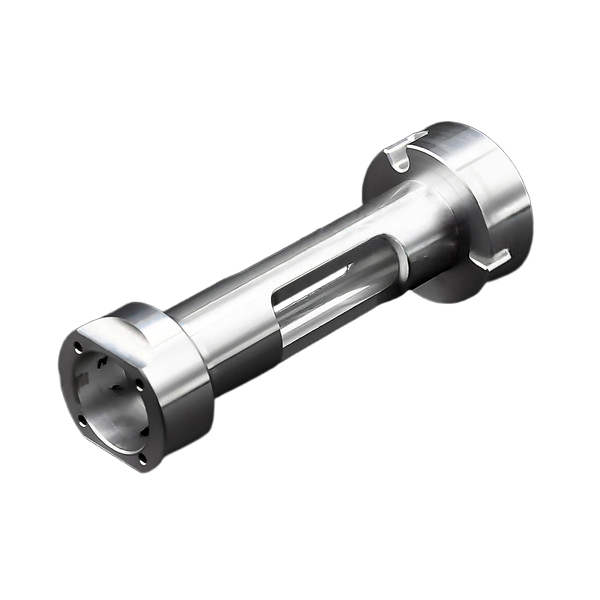
Galvanoplastie
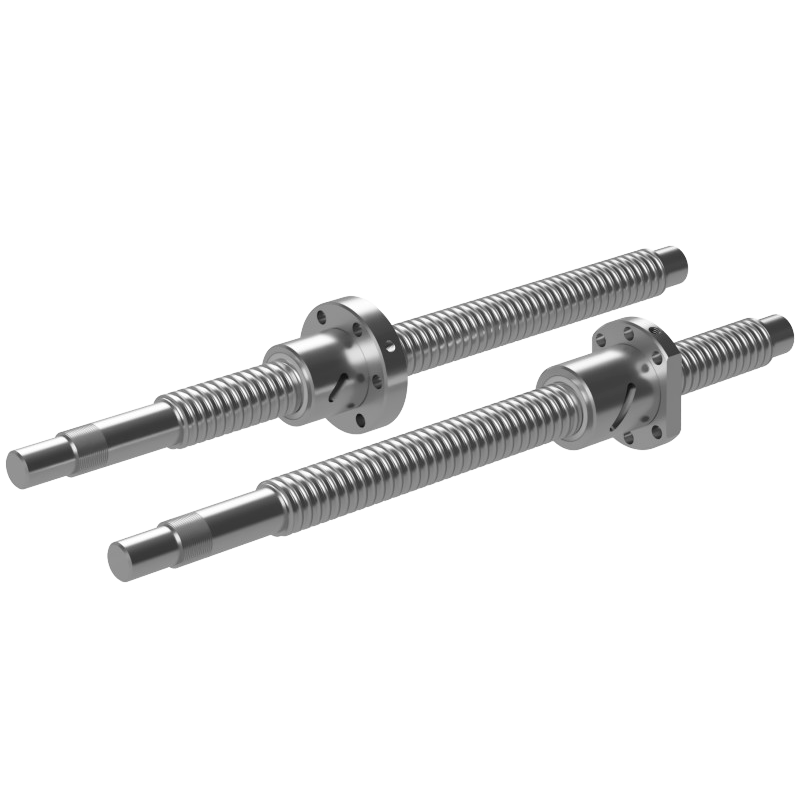
Traitement thermique
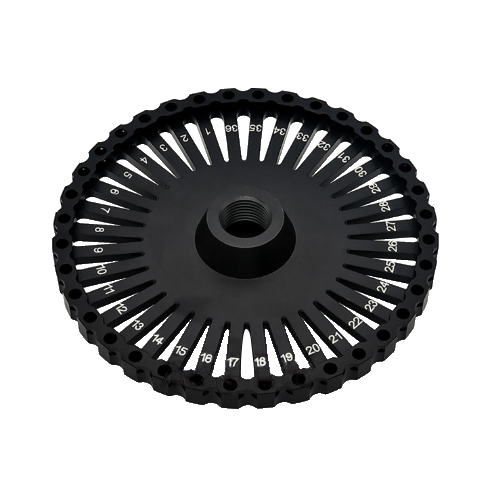
Gravure Laser
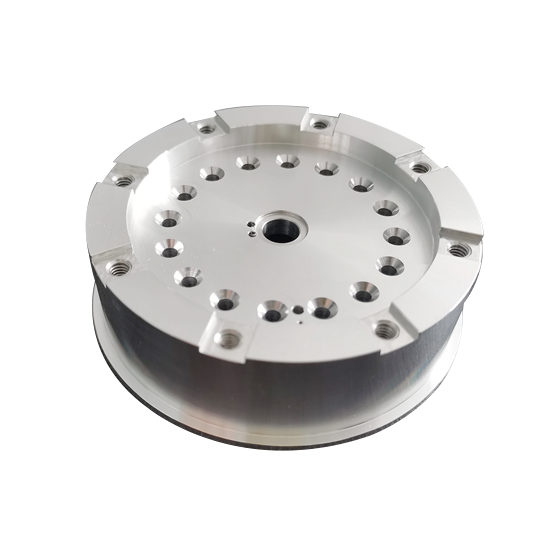
Passivation
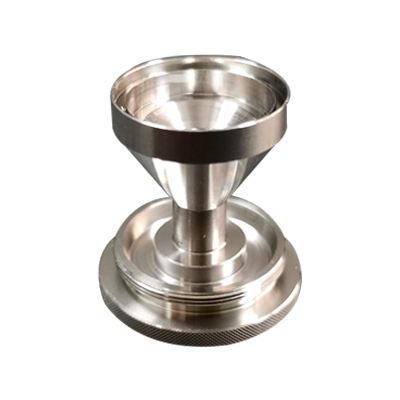
Polissage
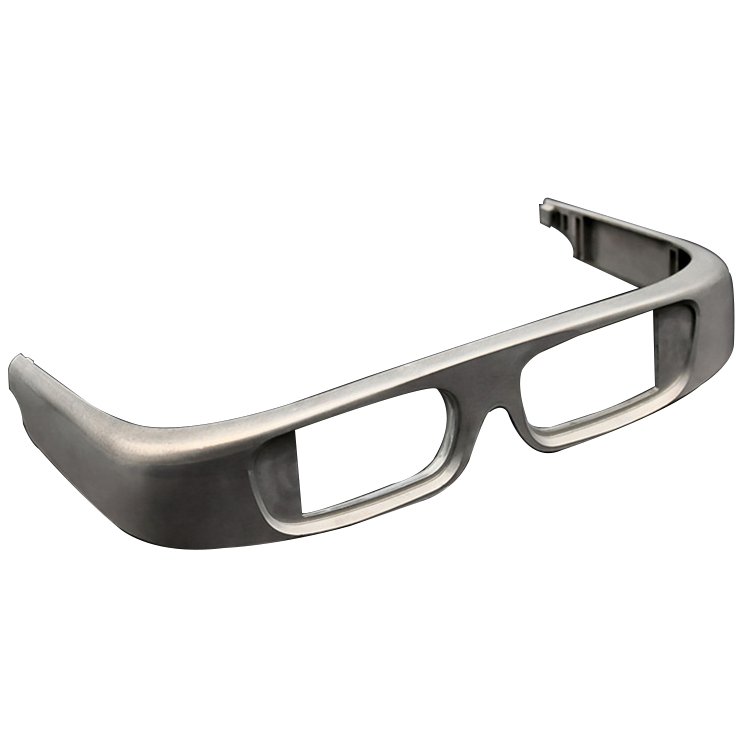
Sablage
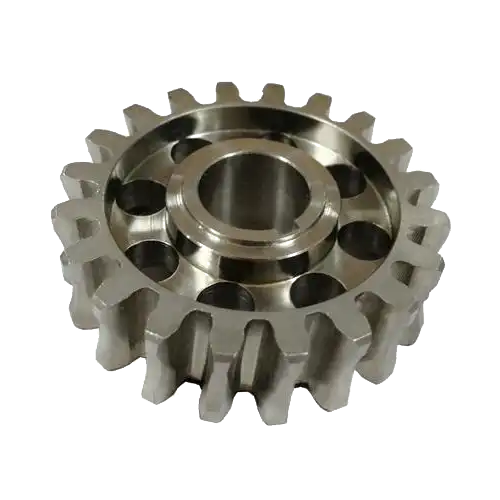
Lisse
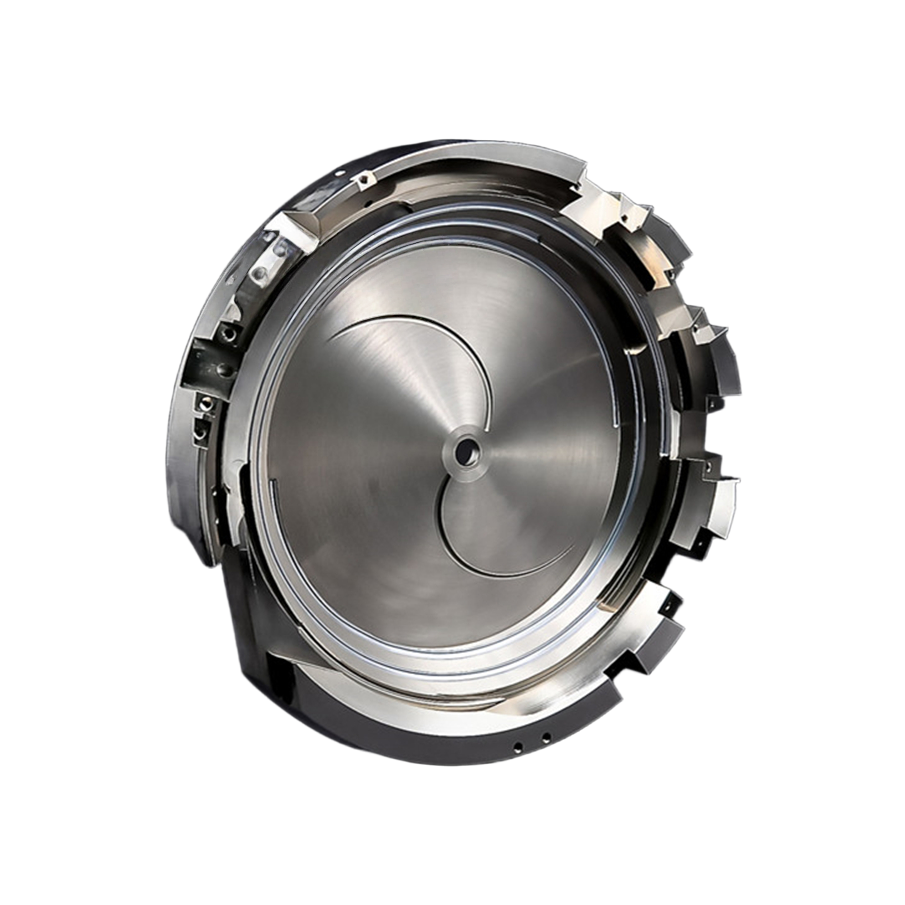
Dégringolade
Référence de sélection de l'état de surface pour les pièces CNC
La finition de surface affecte l'apparence, résistance à la corrosion, performance à l'usure, conductivité, et assemblage de pièces usinées CNC. JADE-CNC peut revoir le dessin, matériel, tolérance, exigence cosmétique, et l'environnement d'application avant de recommander une finition appropriée.
| Finition de surface | Matériaux appropriés | Épaisseur typique / Effet | Objectif commun | Conception / Remarques sur la demande de prix |
|---|---|---|---|---|
| Anodisation de type II | Aluminium | 5-25 microns | Protection contre la corrosion, couleur, aspect cosmétique | Confirmer la couleur, scellage, et masquage des zones filetées ou ajustées avec précision. |
| Anodisation dure de type III | Aluminium | 25-60 microns | Résistance à l'usure, surface plus dure, protection fonctionnelle | Permettre la croissance dimensionnelle et confirmer les zones de tolérance critiques avant la production. |
| Placage autocatalytique au nickel | Acier, aluminium, alliages de cuivre | 5-50 microns | Revêtement uniforme, résistance à la corrosion, résistance à l'usure | Utile pour la géométrie complexe; confirmer l'épaisseur du revêtement et les exigences de post-traitement. |
| Passivation | Acier inoxydable | Aucune accumulation significative | Améliore la résistance à la corrosion de l'acier inoxydable | Convient lorsque le changement dimensionnel doit être minimisé. Confirmer la qualité inoxydable et les exigences standard. |
| Microbillage | Aluminium, acier inoxydable, acier, laiton | Changement de texture de surface | Aspect mat uniforme, cohérence visuelle | Les attentes cosmétiques doivent être confirmées par des exemples de photos ou des références de finition. |
| Revêtement en poudre | Aluminium, acier | 60-120 microns | Durabilité en extérieur, couleur, revêtement protecteur | Fils de masque, trous, surfaces de mise à la terre, et caractéristiques d'assemblage de précision. |
| Oxyde noir | Acier | Couche de conversion très fine | Faible réflexion, aspect sombre, légère protection contre la corrosion | Nécessite souvent de l’huile ou un joint pour une meilleure protection. Pas une finition très résistante à la corrosion en soi. |
| Marquage laser | La plupart des métaux et certains plastiques | Marquage local des surfaces | Identification des pièces, logos, marques de traçabilité | Confirmer la position du marquage, taille, contraste, et si la marque est cosmétique ou fonctionnelle. |
Besoin d'aide pour choisir une finition pour les pièces usinées CNC?
Envoyez vos dessins, matériel, quantité, exigence de finition, et notes d'inspection pour l'examen technique.
Demander un examen de finition de surface CNC
Envoyez votre dessin, qualité du matériau, exigence de finition de surface, référence de couleur ou de texture, zones de masquage, dimensions critiques, besoins d'inspection, et quantité cible. JADE-CNC examinera si la finition demandée est adaptée au matériau de la pièce, géométrie, tolérance, et candidature.
FAQ sur la finition de surface pour les pièces usinées CNC
JADE-CNC peut revoir l'anodisation, anodisation à couche dure, placage, passivation, polissage, brossage, microbillage, peinture, revêtement en poudre, oxyde noir, traitement thermique, marquage laser, et autres exigences de finition basées sur le dessin et le matériau.
La finition doit être choisie en fonction du matériau, fonction, apparence, exposition à la corrosion, exigence d'usure, conductivité, zones de masquage, impact sur la tolérance, et les besoins en matière d'inspection.
Oui. L'anodisation peut ajouter de l'épaisseur au revêtement et affecter les zones d'ajustement précis, fils de discussion, trous, et surfaces de contact. Les zones critiques doivent être marquées avant de terminer.
L'anodisation à couche dure est généralement envisagée lorsque les pièces en aluminium nécessitent une meilleure résistance à l'usure., surfaces plus dures, ou protection fonctionnelle. L'impact sur l'épaisseur et la tolérance doit être examiné avant la production.
Oui. La passivation est couramment utilisée pour les pièces en acier inoxydable afin d'améliorer la résistance à la corrosion sans accumulation dimensionnelle significative..
Oui. Zones de masquage telles que les fils, trous, surfaces de contact électrique, faces d'étanchéité, et les caractéristiques de tolérance serrée doivent être examinées avant de terminer.
La couleur peut varier en fonction de la qualité du matériau, état de surface, lot, processus de revêtement, et conditions des fournisseurs. Les attentes en matière de couleur doivent être confirmées par des références ou des échantillons lorsque l'apparence est importante.
Les contrôles courants incluent l'apparence visuelle, épaisseur du revêtement, rugosité, état de masquage, dimensions critiques, ajustement du filetage, et surfaces fonctionnelles.
Certaines pièces en plastique peuvent être polies, microbillé, peint, marqué, ou traité selon le matériau et l'application. La méthode de finition est à revoir au cas par cas.
Veuillez fournir des dessins, qualité du matériau, quantité, finition requise, référence de couleur ou de texture, zones de masquage, dimensions critiques, exigences d'apparence, et documents d'inspection si nécessaire.