



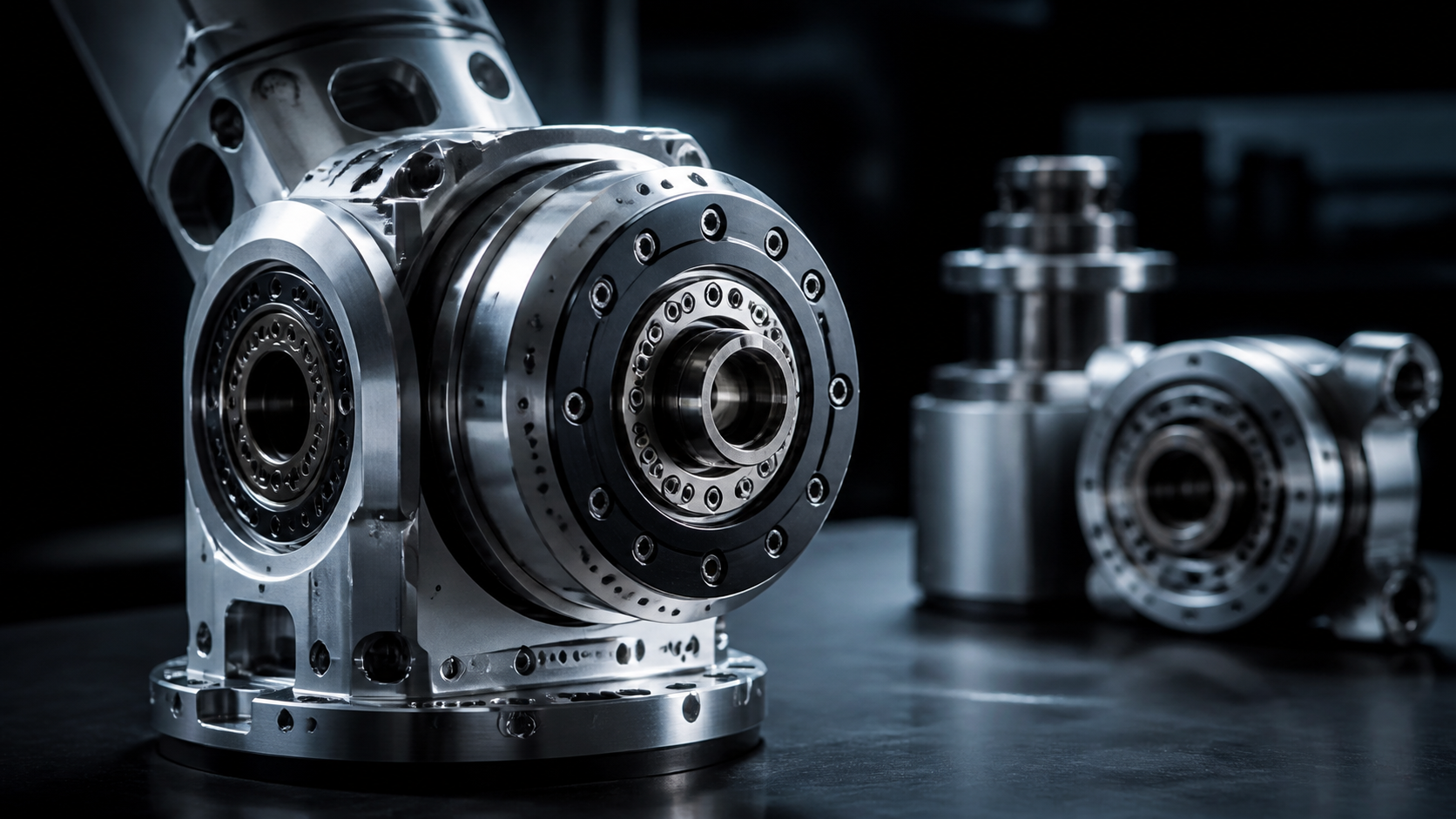
ロボットシステムにおいて, 動作の精度は関節から始まります.
ロボットは外から見ると先進的に見えるかもしれない, しかし、その動作の安定性は機械部品の精度に大きく依存します。. その中で, ロボットジョイントハウジングは最も重要な部品の 1 つです. ベアリングをサポートしています, ギアシステム, モーター, 軸間の構造的な接続.
で ロボット関節部品 CNC加工, ベアリングシートなどの詳細, 取り付け面, データム参照, 同心, 加工公差は慎重に管理する必要があります. ジョイントハウジングのわずかなずれでも位置ずれが発生する可能性があります, 振動, ノイズ, 不均一な負荷分散, 長期的なパフォーマンスの問題.
ロボットジョイントハウジングは単なる構造部品ではありません. モーションの精度に直接影響します, 荷重移動, システムの信頼性.
ロボットジョイントハウジングとは?
ロボット ジョイント ハウジングは、ロボット ジョイント内の主要な動作要素をサポートおよび調整するために使用される精密機械コンポーネントです。.
ロボットの設計に応じて, それはサポートするかもしれない:
- ベアリング
- ハーモニックドライブまたはギアシステム
- モーター
- シャフト
- 取付面
- 構造接続点
その主な機能は、正確な回転とロボット軸間の安定した荷重伝達を保証することです。.
ハウジングが正確に加工されていない場合, ベアリングが正しく装着されていない可能性があります, モーターとギアボックスの位置が合っていない可能性があります, または、動作中に関節が振動を発生する可能性があります. ロボット応用向け, これは再現性に影響を与える可能性があります, 位置決め精度, 耐用年数, システム全体のパフォーマンス.
ベアリングシートの精度は非常に重要です
ベアリングシートはロボットジョイントハウジングの最も重要な機能の一つです.
ベアリング シートは、適切なフィット感を維持しながらベアリングをしっかりと保持する必要があります。, 真円度, そしてアライメント. ボアがきつすぎる場合, 組み立てが困難になり、ベアリング応力が増加する可能性があります. 緩すぎる場合, 負荷がかかるとベアリングが移動し、動作精度が低下する可能性があります.
精密ロボット関節部品の多くに, ベアリングシートの公差は、次のような狭い範囲内で制御する必要がある場合があります。 ±0.01mm, 図面や用途に応じて.
ベアリングシートの品質が影響する:
- 回転の滑らかさ
- 組み立て時のフィット感
- 荷重伝達
- 騒音・振動
- 軸受の寿命
- 動作再現性
これが精密ボーリングの理由です, 慎重なツール選択, CNC加工では厳格な検査が不可欠です.
モーター間の調整, ギアボックス, ベアリングを制御する必要がある
ロボット ジョイント ハウジングは、多くの場合、複数のモーション コンポーネントを一緒に接続します。. モーター, ギアボックス, ハーモニックドライブ, ベアリング, 軸, 取り付け面は 1 つのシステムとして機能する必要があります.
これらの機能が揃っていない場合, ジョイントに不均一な負荷がかかる可能性があります, 振動, 摩擦, または早期摩耗.
重要な調整要件には次のものが含まれる場合があります。:
- 同心
- 平行度
- 直角度
- データム関係
- 穴位置精度
- 取付面平面度
CNC加工では, これらの要件はデータム計画を通じて制御されます, 治具の設計, 多軸加工戦略, そして検査. 複雑なロボットジョイントハウジング用, 多くの場合、特徴間の関係は単一の次元よりも重要です.
パーツは視覚的には正しく見えるかもしれません, ただし、モーターのボアとベアリングシートが同心でない場合は、, 最終的なロボット関節が正しく動作しない可能性があります.
薄肉構造は変形の危険性を生む
ロボット部品は多くの場合軽量である必要があります. 多くのロボットジョイントハウジングが薄肉構造を使用しているのはこのためです, ポケット, 肋骨, 最適化されたキャビティ.
軽量設計により慣性が低減され、ロボットの動作パフォーマンスが向上します。. しかし, 薄肉加工により製造上の課題が生じる.
CNC加工中, 薄い壁は次のような理由で変形する可能性があります。:
- 切削抵抗
- クランプ圧力
- 内部材料応力
- 発熱
- 不均一な材料の除去
- 工具の振動
変形が抑えられていない場合, 最終的なハウジングの平面度が失われる可能性があります, 真円度, または寸法安定性.
JADE-CNC は最適化されたツールパスを通じて薄肉加工を管理します, 安定したワーク保持, 制御された切断パラメータ, 適正な取り代, そして段階的な検査.
熱と振動は長期的な性能に影響を与える
ロボットの関節は動的負荷の下で動作します. モーターは熱を発生します, ギアはトルクを伝達します, ベアリングは繰り返しの動きを伝えます. ジョイントハウジングは、これらの動作条件下でも安定した状態を維持する必要があります.
加工が不十分な表面, 不正確なベアリングシート, または取り付け面の位置がずれていると、動作中の振動と熱が増加する可能性があります. 時間とともに, 寿命が短くなったり、動作が不安定になる場合があります。.
ロボットシステム向け, 精密加工は寸法検査に合格するだけではありません. 実際の使用条件下で長期的な信頼性をサポートすることが重要です.
そのため、ロボット関節ハウジングの製造には、加工精度とアプリケーション性能の両方を考慮する必要があります。.
CNC 加工がロボットのジョイントハウジングの課題をどのように解決するか
CNC 加工は複雑なキャビティを作成できるため、ロボットのジョイント ハウジングに最適です。, 正確な穴, 取り付け面, ネジ穴, 金属またはエンジニアリングプラスチック材料からのマルチアングルフィーチャー.
JADE-CNCにて, ロボット CNC 加工サービスには部品の切断だけではありません. 生産前, 図面をレビューします, CADファイル, 材料, 公差, ツールアクセス, 表面仕上げ要件, データム参照, 及び検査範囲.
ロボットの関節ハウジングおよび関連動作部品用, 私たちは通常適用します:
- 複雑なキャビティの高速 CNC フライス加工
- ベアリングシートの精密ボーリング加工
- 5-マルチアングルフィーチャーの軸加工
- 薄肉構造の制御された加工戦略
- ベアリングと取り付けインターフェースの表面仕上げ管理
- 重要な寸法の検査計画
このプロセスは寸法精度の向上に役立ちます, 組み立ての信頼性, 部品間の一貫性.
ロボットコンポーネント向けの主要な CNC 加工機能
ロボットのジョイント部品では、多くの場合、フライス加工の組み合わせが必要になります。, つまらない, 掘削, たたく, 旋回, そして表面仕上げ.
JADE-CNC は、次のような精密部品をサポートします。:
- ロボットジョイントハウジング
- ブラケット
- シャフト
- ピン
- 袖
- 軸受関連部品
- モーションシステムコンポーネント
- フライス加工されたハウジング
- 回転フィーチャ
主な加工機能には次のものがあります。:
- までの厳しい許容誤差 ±0.01mm, 部品の形状と図面の要件に応じて
- ベアリング界面の滑らかな表面仕上げ
- 薄肉部品の変形を制御
- 5-複雑な構造の軸CNC加工
- ラピッドプロトタイピングと小ロット生産
- アルマイトなどの表面処理, 研磨, そしてコーティング
最終的な加工ルートは部品の設計によって異なります, 材料, 許容範囲, 量, および検査要件.
ロボットジョイントハウジングの材質選択
材料の選択は強度に影響します, 重さ, 加工安定性, 表面処理, そしてコスト.
ロボットジョイントハウジングの一般的な材料には次のものがあります。:
アルミニウム 7075
7075 アルミニウムは軽くて強い. 重量を抑えつつ、より高い機械的強度が必要な場合によく使用されます。.
アルミニウム 6061
6061 アルミニウムはコスト効率が良い, 機械加工可能, ロボットのハウジングに広く使用されています, 括弧, および構造コンポーネント.
ステンレス鋼
ステンレス鋼はより高い強度と耐食性を提供します, しかし、アルミニウムよりも重く、加工が困難です。.
チタン
チタンは強度が要求されるハイエンド用途に使用されます, 低体重, 耐食性. 材料の挙動により、慎重な加工制御が必要です.
エンジニアリングプラスチック
POMなどの素材, ナイロン, PEEK は軽量化のために使用される場合があります。, 低摩擦, 電気絶縁, または特別な申請要件.
信頼できる機械加工サプライヤーは、部品の機能に基づいて材料の選択を評価するのに役立ちます。, 許容範囲, 生産量, そして作業環境.
試作から小ロット生産まで
ロボティクス開発には設計の繰り返しが含まれることがよくあります.
ロボットジョイントハウジングは少量で試作可能, テストされた, 修正された, そしてまた生産されました. そのため、迅速な対応と柔軟な製造が重要になります.
JADE-CNCサポート:
- ラピッドCNCプロトタイピング
- 小ロット生産
- 加工前の図面レビュー
- 製造のための設計のフィードバック
- 材料とプロセスの提案
- 表面仕上げ調整
- 重要な機能の検査
ロボット工学チーム向け, これにより、精度要件を維持しながら開発サイクルを短縮できます。.
優れたプロトタイプは外観を確認するためだけに使用されるものではありません. アセンブリも検証する必要があります, 動き, アライメント, 長期的なパフォーマンスリスク.
ロボットの関節部品の検査が重要な理由
ロボットのジョイントハウジングには通常、連携して動作する必要があるいくつかの重要な機能が含まれています. したがって、検査は機能的側面に焦点を当てる必要があります, 全体の大きさだけでなく.
重要な検査ポイントには次のようなものがあります。:
- ベアリングシートの直径
- 穴の真円度
- 同心
- 取付面平面度
- 穴の位置
- 糸の品質
- 肉厚
- データム関連の寸法
- 接触部の表面仕上げ
高精度部品用, 出荷前に検査報告書が必要になる場合があります. これは、部品が図面および組み立て要件を満たしているかどうかを顧客が確認するのに役立ちます.
結論
ロボット動作の精度は正確な機械コンポーネントから始まります.
精密に加工されたロボットジョイントハウジングにより、安定した回転が保証されます。, 正確な位置合わせ, スムーズな荷重移動, そして長期的な信頼性. ベアリングシート, 取り付け面, データム参照, 薄壁構造, 加工公差はすべて慎重に管理する必要があります.
JADE-CNC は、ロボット関節ハウジングおよび関連モーションコンポーネントの CNC 加工サービスを提供します, CADからCNCへの製造をサポート, 材料の選択, 精密フライス加工, つまらない, 5-軸加工, 表面仕上げ, 試作から小ロット生産までの検査計画と検査計画.
CTA
ロボット関節ハウジングや関連動作部品のロボット部品メーカーを探しています?
JADE-CNC はアルミニウム部品の RFQ 加工要件をレビューできます, 機械加工されたチタン部品, フライス加工されたハウジング, 回転シャフト, ピン, 袖, 最も実用的な生産ルートを確認する前に、ベアリング関連の機能を確認してください。.
よく比較されるプロジェクトの場合、 CNC旋盤部品工場, CNC旋盤アルミ部品工場, CNC旋削部品メーカー, または CNC旋盤部品メーカー, JADE-CNCは旋削かどうかの評価も可能, フライス加工, 5-軸加工, または組み合わせたプロセスが最適なソリューションです.
最終工程は図面に応じて異なります, 材料, 許容範囲, 表面仕上げ, 量, 及び検査範囲.
CAD ファイルを自由に共有してください.
目次

レオ・リャン, R社の創業者ベストパートナー&D
JADE-CNC 創設者 LEO, 20年以上の業界専門知識をもたらした人物, レオは見習いとしてキャリアをスタートし、表面処理と CNC 加工のスキルを実践しています。.