



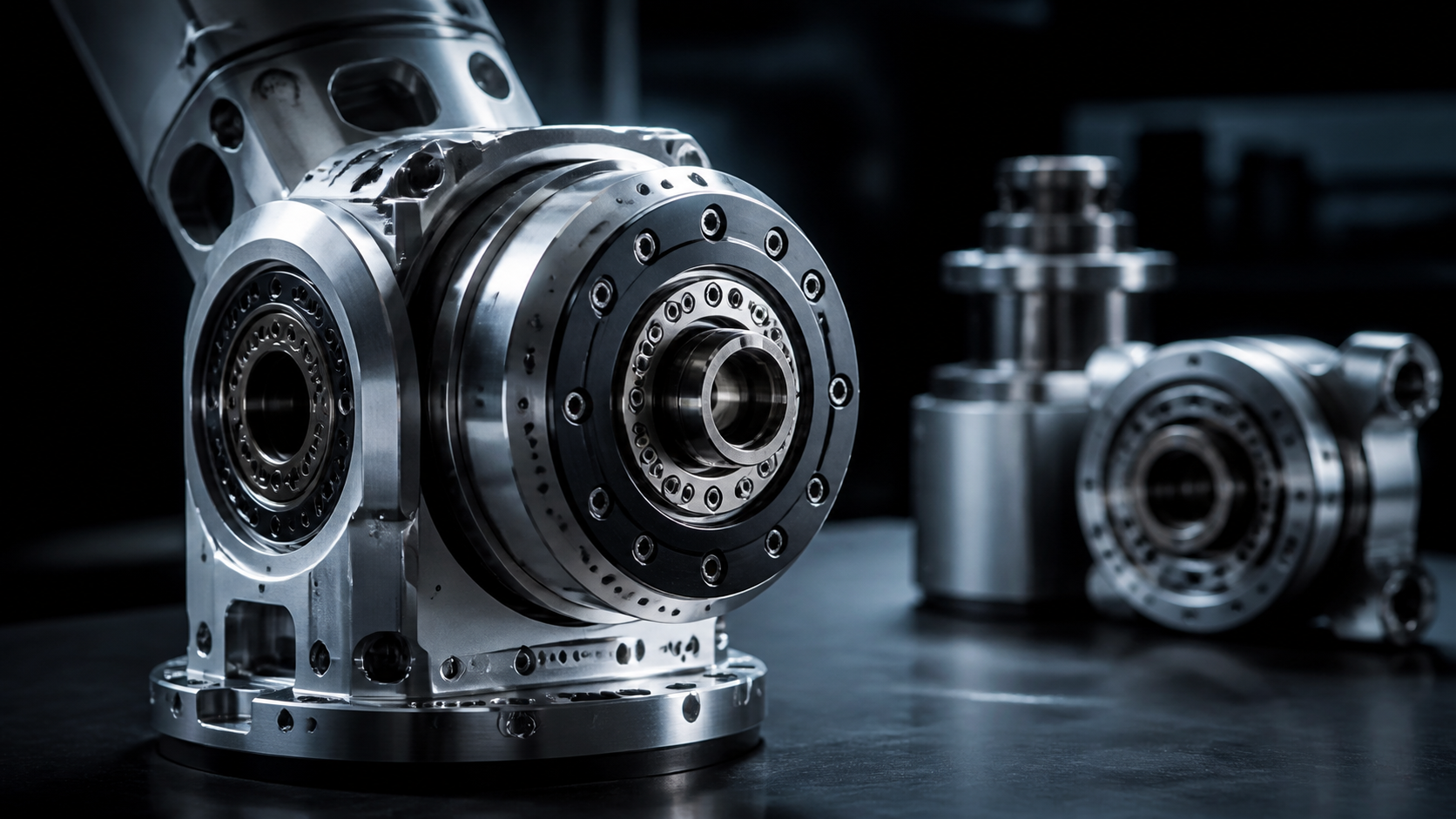
في الأنظمة الروبوتية, تبدأ دقة الحركة عند المفصل.
قد يبدو الروبوت متقدمًا من الخارج, لكن استقرار حركتها يعتمد بشكل كبير على دقة مكوناتها الميكانيكية. فيما بينها, يعد غلاف مفصل الروبوت أحد الأجزاء الأكثر أهمية. وهو يدعم المحامل, أنظمة التروس, المحركات, والوصلات الهيكلية بين المحاور.
في أجزاء الروبوت المشتركة بالقطع باستخدام الحاسب الآلي, تفاصيل مثل تحمل المقاعد, وجوه التركيب, مراجع المسند, تركيز, ويجب التحكم في تحمل الآلات بعناية. حتى الانحرافات الصغيرة في السكن المشترك يمكن أن تؤدي إلى اختلال, اهتزاز, ضوضاء, توزيع الحمل غير المتكافئ, ومشاكل الأداء على المدى الطويل.
إن المساكن المشتركة للروبوت ليست مجرد أجزاء هيكلية. أنها تؤثر بشكل مباشر على دقة الحركة, نقل الحمولة, وموثوقية النظام.
ما هو الإسكان المشترك للروبوت?
يعتبر غلاف مفصل الروبوت مكونًا ميكانيكيًا دقيقًا يستخدم لدعم ومواءمة عناصر الحركة الرئيسية داخل المفصل الآلي.
اعتمادا على تصميم الروبوت, قد يدعم:
- محامل
- المحركات التوافقية أو أنظمة التروس
- المحركات
- مهاوي
- وجوه التركيب
- نقاط الاتصال الهيكلية
وتتمثل وظيفتها الرئيسية في ضمان الدوران الدقيق ونقل الحمل المستقر بين محاور الروبوت.
إذا لم يتم تشكيل السكن بدقة, قد لا يجلس المحمل بشكل صحيح, قد لا تتم محاذاة المحرك وعلبة التروس, أو قد يولد المفصل اهتزازاً أثناء الحركة. لتطبيقات الروبوتات, يمكن أن يؤثر هذا على التكرار, دقة تحديد المواقع, خدمة الحياة, والأداء العام للنظام.
تعتبر دقة مقعد التحمل أمرًا بالغ الأهمية
تعتبر المقاعد الحاملة من بين أهم الميزات في العلب المفصلية للروبوت.
يجب أن يحمل مقعد المحمل المحمل بشكل آمن مع الحفاظ على الملاءمة المناسبة, استدارة, والمحاذاة. إذا كان التجويف ضيقًا جدًا, يصبح التجميع صعبًا وقد يزيد الضغط على التحمل. إذا كان فضفاضًا جدًا, قد يتحول المحمل تحت الحمل ويقلل من دقة الحركة.
للعديد من أجزاء وصلات الروبوت الدقيقة, قد يلزم التحكم في تحمل المقعد ضمن نطاقات ضيقة مثل ± 0.01 ملم, اعتمادا على الرسم والتطبيق.
تؤثر جودة المقعد المحمل:
- نعومة الدوران
- تناسب الجمعية
- نقل الحمولة
- الضوضاء والاهتزاز
- تحمل الحياة
- تكرار الحركة
هذا هو السبب في أن الدقة مملة, اختيار دقيق للأداة, والتفتيش الصارم ضروري أثناء التصنيع باستخدام الحاسب الآلي.
المحاذاة بين المحرك, علبة التروس, ويجب التحكم في المحمل
غالبًا ما يربط مبيت مفصل الروبوت العديد من مكونات الحركة معًا. المحرك, علبة التروس, محرك توافقي, تحمل, رمح, ويجب أن تعمل الأسطح المتصاعدة كنظام واحد.
إذا لم تتم محاذاة هذه الميزات, قد يواجه المفصل حملاً غير متساوٍ, اهتزاز, احتكاك, أو ارتداء سابق لأوانه.
قد تتضمن متطلبات المحاذاة الهامة:
- تركيز
- التوازي
- عمودية
- علاقة مسند
- دقة موضع الثقب
- تركيب تسطيح الوجه
في التصنيع باستخدام الحاسب الآلي, يتم التحكم في هذه المتطلبات من خلال تخطيط المسند, تصميم لاعبا اساسيا, استراتيجية المعالجة متعددة المحاور, والتفتيش. للمساكن المشتركة الروبوتية المعقدة, غالبًا ما تكون العلاقة بين الميزات أكثر أهمية من أي بُعد منفرد.
قد يبدو الجزء صحيحًا بصريًا, ولكن إذا كان تجويف المحرك ومقعد التحمل غير متحدين المركز, قد لا يعمل المفصل الآلي النهائي بشكل صحيح.
هياكل الجدران الرقيقة تخلق خطر التشوه
غالبًا ما تحتاج أجزاء الروبوتات إلى أن تكون خفيفة الوزن. هذا هو السبب في أن العديد من المساكن المشتركة للروبوت تستخدم هياكل جدران رقيقة, جيوب, الأضلاع, والتجويف الأمثل.
يساعد التصميم خفيف الوزن على تقليل القصور الذاتي وتحسين أداء حركة الروبوت. لكن, تخلق معالجة الجدران الرقيقة تحديات التصنيع.
أثناء التصنيع باستخدام الحاسب الآلي, قد تتشوه الجدران الرقيقة بسبب:
- قوة القطع
- ضغط لقط
- الإجهاد المادي الداخلي
- توليد الحرارة
- إزالة المواد بشكل غير متساو
- اهتزاز الأداة
إذا لم يتم التحكم في التشوه, قد يفقد السكن النهائي التسطيح, استدارة, أو استقرار الأبعاد.
يدير JADE-CNC عملية تصنيع الجدران الرقيقة من خلال مسارات الأدوات المحسنة, عمل مستقر, معلمات القطع التي تسيطر عليها, بدل الآلات المناسبة, والتفتيش خطوة بخطوة.
تؤثر الحرارة والاهتزاز على الأداء على المدى الطويل
تعمل مفاصل الروبوت تحت الحمل الديناميكي. المحركات تولد الحرارة, التروس تنقل عزم الدوران, والمحامل تحمل حركة متكررة. يجب أن يظل السكن المشترك مستقرًا في ظل ظروف التشغيل هذه.
الأسطح المجهزة بشكل سيء, مقاعد تحمل غير دقيقة, أو يمكن أن تؤدي وجوه التثبيت غير المحاذاة إلى زيادة الاهتزاز والحرارة أثناء التشغيل. متأخر , بعد فوات الوقت, فقد يؤدي ذلك إلى تقليل عمر الخدمة أو التسبب في حركة غير مستقرة.
للأنظمة الروبوتية, لا تقتصر المعالجة الدقيقة على اجتياز فحص الأبعاد فقط. يتعلق الأمر بدعم الموثوقية طويلة المدى في ظل ظروف العمل الحقيقية.
ولهذا السبب يجب أن يأخذ تصنيع الإسكان المشترك للروبوت في الاعتبار دقة المعالجة وأداء التطبيق.
كيف تعمل التصنيع باستخدام الحاسب الآلي على حل تحديات الإسكان المشترك للروبوت
إن التصنيع باستخدام الحاسب الآلي مناسب تمامًا لعلب وصلات الروبوت لأنه يمكن أن ينتج تجاويف معقدة, مملة دقيقة, وجوه التركيب, ثقوب مترابطة, وميزات متعددة الزوايا من المواد المعدنية أو البلاستيكية الهندسية.
في JADE-CNC, تشمل خدمات التصنيع الآلي باستخدام الحاسب الآلي أكثر من مجرد قطع الجزء. قبل الإنتاج, نراجع الرسومات, ملفات CAD, مواد, التسامح, الوصول إلى الأداة, متطلبات الانتهاء من السطح, مراجع المسند, ونطاق التفتيش.
لعلب مفصل الروبوت وأجزاء الحركة ذات الصلة, نحن نطبق عادة:
- طحن CNC عالي السرعة للتجاويف المعقدة
- مملة دقيقة لتحمل المقاعد
- 5-تصنيع المحور لميزات متعددة الزوايا
- استراتيجيات التصنيع الخاضعة للرقابة لهياكل الجدران الرقيقة
- التحكم في تشطيب السطح للمحامل وواجهات التثبيت
- تخطيط التفتيش للأبعاد الحرجة
تساعد هذه العملية على تحسين دقة الأبعاد, موثوقية التجميع, والاتساق جزء إلى جزء.
قدرات التصنيع باستخدام الحاسب الآلي الرئيسية لمكونات الروبوتات
غالبًا ما تتطلب الأجزاء المفصلية للروبوت مزيجًا من الطحن, ممل, حفر, التنصت, تحول, والتشطيب السطحي.
يدعم JADE-CNC المكونات الدقيقة مثل:
- العلب المشتركة للروبوت
- بين قوسين
- مهاوي
- دبابيس
- الأكمام
- تحمل الأجزاء ذات الصلة
- مكونات نظام الحركة
- المساكن المطحونة
- تحولت الميزات
وتشمل قدرات التصنيع الرئيسية:
- التسامح الشديد يصل إلى ± 0.01 ملم, اعتمادًا على هندسة الأجزاء ومتطلبات الرسم
- تشطيب سطح أملس لواجهات التحمل
- تشوه متحكم فيه لأجزاء الجدران الرقيقة
- 5-محور التصنيع باستخدام الحاسب الآلي للهياكل المعقدة
- النماذج الأولية السريعة وإنتاج دفعة صغيرة
- التشطيب السطحي مثل أنودة, تلميع, والطلاء
يعتمد مسار المعالجة النهائي على تصميم الجزء, مادة, تسامح, كمية, ومتطلبات التفتيش.
اختيار المواد لمساكن الروبوت المشتركة
يؤثر اختيار المواد على القوة, وزن, استقرار الآلات, المعالجة السطحية, والتكلفة.
تشمل المواد الشائعة لمساكن مفصل الروبوت:
الألومنيوم 7075
7075 الألومنيوم خفيف الوزن وقوي. يتم استخدامه غالبًا عندما تكون هناك حاجة إلى قوة ميكانيكية أعلى مع الحفاظ على الوزن منخفضًا.
الألومنيوم 6061
6061 الألومنيوم فعال من حيث التكلفة, يمكن تشكيله, وتستخدم على نطاق واسع لمساكن الروبوت, بين قوسين, والمكونات الهيكلية.
الفولاذ المقاوم للصدأ
يوفر الفولاذ المقاوم للصدأ قوة أعلى ومقاومة للتآكل, لكنه أثقل وأصعب في التصنيع من الألومنيوم.
التيتانيوم
يستخدم التيتانيوم في التطبيقات المتطورة التي تتطلب القوة, وزن منخفض, ومقاومة التآكل. إنها تتطلب تحكمًا دقيقًا في التصنيع نظرًا لسلوكها المادي.
هندسة البلاستيك
مواد مثل بوم, نايلون, ويمكن استخدام نظرة خاطفة للوزن الخفيف, منخفضة الاحتكاك, العزل الكهربائي, أو متطلبات التطبيق الخاصة.
يجب أن يساعد مورد الآلات الموثوق به في تقييم اختيار المواد بناءً على وظيفة الجزء, تسامح, كمية الإنتاج, وبيئة العمل.
من النموذج الأولي إلى الإنتاج بكميات صغيرة
غالبًا ما يتضمن تطوير الروبوتات تكرارًا متكررًا للتصميم.
قد يتم تصميم نموذج أولي لغطاء مشترك للروبوت بكميات صغيرة, تم اختباره, معدل, ثم أنتجت مرة أخرى. وهذا يجعل الاستجابة السريعة والتصنيع المرن أمرًا مهمًا.
يدعم JADE-CNC:
- النماذج الأولية السريعة باستخدام الحاسب الآلي
- إنتاج دفعة صغيرة
- مراجعة الرسم قبل المعالجة
- ردود الفعل من التصميم للتصنيع
- اقتراحات المواد والعملية
- تنسيق التشطيب السطحي
- التفتيش على الميزات الهامة
لفرق الروبوتات, وهذا يساعد على تقصير دورات التطوير مع الحفاظ على متطلبات الدقة.
لا يتم استخدام النموذج الأولي الجيد للتحقق من المظهر فقط. ويجب أيضًا التحقق من التجميع, حركة, تنسيق, ومخاطر الأداء على المدى الطويل.
لماذا يعتبر فحص الأجزاء المشتركة للروبوت أمرًا مهمًا
تحتوي مبيتات وصلات الروبوت عادةً على العديد من الميزات المهمة التي يجب أن تعمل معًا. ولذلك ينبغي أن يركز التفتيش على الأبعاد الوظيفية, ليس فقط الحجم الكلي.
قد تشمل نقاط التفتيش الهامة:
- تحمل قطر المقعد
- استدارة تتحمل
- تركيز
- تركيب تسطيح الوجه
- موضع الثقب
- جودة الخيط
- سمك الجدار
- الأبعاد المتعلقة بالمسند
- الانتهاء من سطح مناطق الاتصال
للأجزاء عالية الدقة, قد تكون هناك حاجة لتقارير التفتيش قبل الشحن. يساعد هذا العملاء على التأكد مما إذا كانت القطعة تلبي متطلبات الرسم والتجميع.
خاتمة
تبدأ الدقة في الحركة الآلية بمكونات ميكانيكية دقيقة.
يساعد الغلاف المفصلي الآلي المُجهز جيدًا على ضمان الدوران المستقر, محاذاة دقيقة, نقل الحمل على نحو سلس, والموثوقية على المدى الطويل. تحمل المقاعد, وجوه التركيب, مراجع المسند, هياكل جدران رقيقة, ويجب التحكم في تفاوتات التصنيع بعناية.
توفر JADE-CNC خدمات التصنيع باستخدام الحاسب الآلي لعلب وصلات الروبوت ومكونات الحركة ذات الصلة, دعم التصنيع CAD إلى CNC, اختيار المواد, طحن الدقة, ممل, 5-تجهيز المحور, التشطيب السطحي, وتخطيط التفتيش من النموذج الأولي إلى إنتاج الدفعات الصغيرة.
الحث على اتخاذ إجراء
هل تبحث عن شركة مصنعة لمكونات الروبوتات لمساكن مفصل الروبوت أو أجزاء الحركة ذات الصلة?
يمكن لـ JADE-CNC مراجعة متطلبات تصنيع RFQ لمكونات الألومنيوم, أجزاء التيتانيوم تشكيله, المساكن المطحونة, مهاوي تحولت, دبابيس, الأكمام, والميزات المتعلقة بالمحامل قبل تأكيد طريق الإنتاج الأكثر عملية.
بالنسبة للمشاريع التي غالبًا ما تتم مقارنتها بـ a مصنع قطع غيار CNC, مصنع قطع الألمنيوم CNC, الشركة المصنعة لأجزاء تحول CNC, أو الشركات المصنعة لقطع التصنيع باستخدام الحاسب الآلي, يمكن لـ JADE-CNC أيضًا تقييم ما إذا كان الدوران, طحن, 5-تجهيز المحور, أو أن العملية المشتركة هي الحل الأفضل.
العملية النهائية تعتمد على الرسم, مادة, تسامح, الانتهاء من السطح, كمية, ونطاق التفتيش.
لا تتردد في مشاركة ملفات CAD الخاصة بك معنا.
جدول المحتويات
ليو ليانغ, أفضل شريك مؤسس مع R&د
JADE-CNC مؤسس LEO, الذي يجلب أكثر من عقدين من الخبرة في الصناعة, بدأ ليو حياته المهنية كمتدرب ومارس مهاراته في معالجة الأسطح والتصنيع باستخدام الحاسب الآلي.