



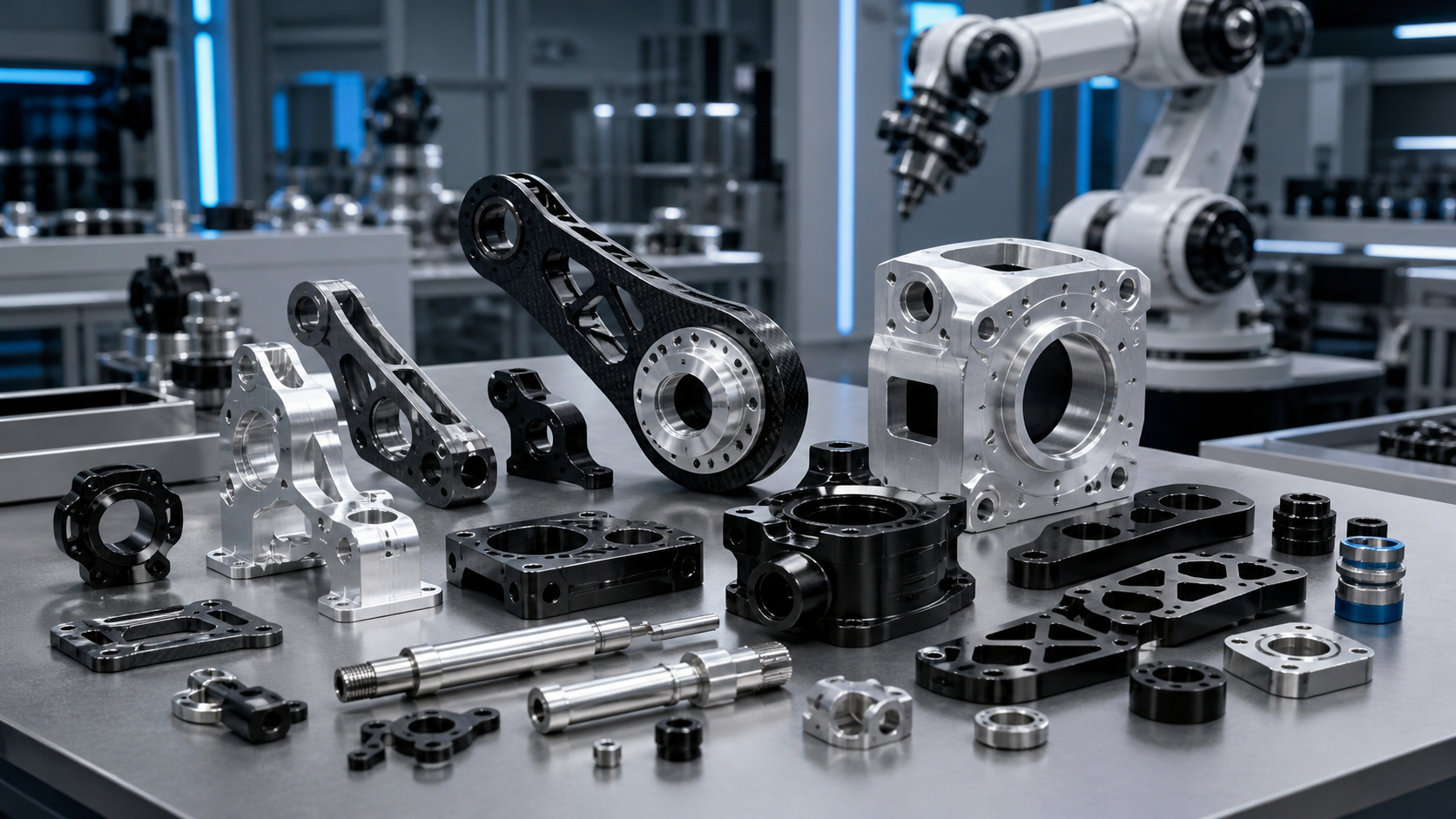
製造業, 描画ベースのモーションのサポート, ハウジング, およびアセンブリ関連コンポーネント.
ロボットエンジニア向け, 優れた機械加工サプライヤーは部品を製造するだけではありません. これは、寸法精度と組み立ての信頼性を維持しながら、チームがより迅速に反復作業を行うのに役立ちます。.
ロボットのプロトタイピングには精度とスピードが必要
ロボット工学プロジェクトでは、複数回のテストと調整が行われることがよくあります.
電子機器のレイアウトを変更した後、ロボットのハウジングを変更する必要がある場合があります. 関節コンポーネントは動作テスト後に公差調整が必要になる場合があります. エンドエフェクター ブラケットには、グリッパーの検証後に新しい取り付け穴パターンが必要になる場合があります. センサーエンクロージャはフィールドテスト後に設計の更新が必要になる場合があります.
これは、ロボットの部品が「一度だけで完了」することはほとんどないことを意味します。
Rの場合&Dチーム, 機械加工プロセスは精度と反復速度の両方をサポートする必要があります. サプライヤーの対応が遅い場合、または図面の変更を明確に理解できない場合, 開発スケジュールが遅れる可能性があります.
JADE-CNC はラピッド CNC プロトタイピングと小規模バッチ生産をサポートしているため、ロボット工学チームが構造を検証できます, 組み立て, 開発を遅らせることなく機能します.
構造部品およびハウジング部品
ロボットの構造部品とハウジングはシステム全体の機械的基盤を提供します.
共通部品には次のものが含まれます:
- ロボットハウジング
- モーターカバー
- コントロールエンクロージャ
- 内部サポートフレーム
- 取付板
- 保護カバー
- 軽量構造コンポーネント
これらの部分は単純に見えるかもしれません, しかし、多くの場合、慎重なエンジニアリング制御が必要です. 剛性, 重さ, 取り付け基準, 組み立て順序, 表面仕上げ, 再現性がすべて重要.
ロボット部品メーカーは、構造部品がどのようにモーターと接続されるかを理解する必要があります, センサー, ケーブル, ファスナー, そして可動機構. ハウジングが安定していない場合や基準面が正確でない場合, アセンブリ全体が影響を受ける可能性があります.
JADE-CNC は構造部品とハウジング部品の機械加工性をレビューします, 材料の選択, データム参照, 再現可能な加工品質.
関節および運動関連コンポーネント
ロボットの関節は動作パフォーマンスに直接影響します.
関節および運動関連のコンポーネントには、多くの場合、次のものが含まれます。:
- ジョイントハウジング
- ベアリングシート
- フランジ
- シャフトサポート
- モーター取り付けインターフェース
- ギアボックスの取り付け機能
- 精密スペーサーとスリーブ
これらの部品については, 小さな加工エラーが大きな動作の問題になる可能性があります. 同軸度, 直角度, 平坦度, フィット, ベアリングシートの精度はスムーズな回転に直接影響します, 振動, 荷重移動, 長期安定性.
例えば, ベアリングシートとモーター取付面の位置が少しずれている場合, ジョイントはまだ組み立てられる可能性があります, しかしそれは摩擦を生むかもしれない, 振動, または動作中の不均一な摩耗.
これが、JADE-CNC がロボット コンポーネントの加工において重要な寸法とデータムの関係に細心の注意を払う理由です。.
エンドエフェクターと取り付け構造
エンドエフェクターと EOAT はロボット開発中に変更されることがよくあります.
グリッパーには新しいフィンガーのデザインが必要になる場合があります. 取り付けフレームを別のツールに適合させる必要がある場合があります. ブラケットにはさらに剛性が必要な場合があります, 体重が減る, または別のケーブルルート. 初期段階のロボット工学プロジェクトでは, これらの変化は正常です.
CNC 加工は、迅速な設計の反復と強力な機械的パフォーマンスをサポートするため、エンドエフェクター構造に役立ちます。.
共通のエンドエフェクタおよび取り付け部品には以下が含まれます。:
- グリッパーフレーム
- EOAT取り付けプレート
- ツールブラケット
- アダプタープレート
- センサーマウント
- 軽量アルミニウム構造
- 精密位置決めブロック
JADE-CNC を使用すると、ロボット工学チームがこれらの部品を迅速かつ正確に製造できるため、エンジニアは工具や量産の準備に長時間待つことなく、実際のアセンブリをテストできます。.
センサーと電子機器の筐体
ロボットはカメラをよく使用します, センサー, 通信モジュール, 制御盤, およびその他の電子システム.
これらのコンポーネントには安定した保護エンクロージャが必要です. 寸法安定性を確保するために、CNC 加工された金属部品がよく使用されます。, シールド, 熱放散, 強さ, または高級な外観が必要です.
センサーと電子機器の筐体には必要な場合があります:
- 正確な取り付け穴
- 内部空洞をきれいにする
- ケーブル開口部
- ネジ付きフィーチャー
- シール面
- シールドに関する考慮事項
- 放熱面
- アルマイトや塗装などの表面仕上げ
これらの部品については, アセンブリの信頼性は外観と同じくらい重要です. カメラハウジング, 例えば, センサーを正しい位置に保持する必要があります. 通信モジュールのエンクロージャには、きれいな合わせ面と制御されたコーティング領域が必要な場合があります.
JADE-CNC は、ロボット エレクトロニクスおよびセンサー システム用の CNC 機械加工された金属およびプラスチックのエンクロージャをサポートします.
ロボット部品の材料の選択
ロボットの部品ごとに必要な材料が異なります.
ロボット CNC 加工に一般的な材料には次のものがあります。:
アルミニウム
アルミは軽い, 機械加工可能, 費用対効果が高い. ロボットの筐体などに広く使われています, 括弧, カバー, ヒートシンク, および構造コンポーネント.
鋼鉄
スチールは、より高い耐荷重性や耐摩耗性が必要な部品に強度と耐久性を提供します。.
ステンレス鋼
ステンレス鋼は強度と耐食性を提供します, 要求の厳しい環境や高強度コンポーネントに適しています。.
エンジニアリングプラスチック
POMなどの素材, ナイロン, パソコン, ABS, PEEK は軽量化のために使用される場合があります。, 低摩擦, 絶縁, または特殊な機能部品.
最適な材料は部品の機能によって異なります, 強度要件, 目標体重, 許容範囲, 表面仕上げ, そして生産量.
JADE-CNC は機械加工前に材料オプションを検討して、ロボット工学チームが実用的なルートを選択できるようにします。.
厳しい公差と安定した品質
ロボット部品は、モーション システム内で複数のコンポーネントを組み合わせる必要があるため、厳しい公差が必要になることがよくあります。.
公差の問題はアセンブリ全体で積み重なる可能性がある. 1 つのブラケットに小さなエラー, ハウジングにまた小さなエラーが発生, ジョイントインターフェイスの別のエラーが組み合わされて、より大きな位置合わせの問題が発生する可能性があります.
だからこそ試作段階から安定したCNC加工品質が重要.
JADE-CNC は、図面要件と部品形状に応じた厳しい公差加工をサポートします. 出荷前に重要な機能を検査できるため、エンジニアが組み立ての準備が整っているかどうかを確認できます。.
ロボット工学プロジェクトの場合, 品質は一次元だけではありません. すべての重要な機能が正しく連携して動作するかどうかが重要です.
プロトタイプから小ロットまでの柔軟性
ロボット開発は多くの場合、1 つまたはいくつかのプロトタイプから始まります. テスト後, デザインが更新され、再度生産される場合があります. 構造が検証されると, プロジェクトは小規模バッチ生産に移行する可能性があります.
機械加工サプライヤーはこの移行をスムーズにサポートする必要があります.
JADE-CNC は試作から小ロット生産まで柔軟に対応します. これにより、ロボット工学チームは製造プロセスの継続性を維持しながら開発を進めることができます。, 素材の選択, 仕上げ, および検査基準.
初期段階のプロジェクト向け, この柔軟性により、通信コストが削減され、開発速度が向上します。.
エンジニアリングに優しいコミュニケーションが重要
ロボット工学エンジニアは、多くの場合、単純な見積もり以上のものを必要とします。.
製造可能性に関するフィードバックが必要な場合があります, 公差の実現可能性, 代替材料, ツールアクセス, 壁の厚さ, 仕上げオプション, または検査方法.
エンジニアリングフレンドリーなコミュニケーションにより、加工開始前のミスを防止します. また、チームが設計上の意思決定を迅速に行うのにも役立ちます.
JADE-CNCにて, 図面ベースのコミュニケーションと実際のプロセスレビューをサポートします. フィーチャーの加工が難しい場合, 検査費用がかかる, または変形の危険性があります, 生産前に考えられる解決策について話し合うことができます.
これは、設計がまだ進化している場合に特に価値があります。.
開発を遅らせることなくエンジニアの検証を支援
ロボティクスRにおけるCNC加工のゴール&Dは部品を納品するだけではありません.
目標は、エンジニアが構造を検証できるようにすることです, フィット, 動き, 組み立ても早くなります.
JADE-CNC は、ロボット部品が最初のバージョンで最終決定されることはほとんどないことを理解しています. デザインは進化する. アセンブリが調整される. 許容誤差が積み重なる. テスト中に新たな問題が発生する.
私たちの役割は、ロボット工学チームがより少ない遅延でコンセプトからテスト済みのハードウェアに移行できるように、信頼性の高い精密部品と応答性の高いサポートを提供することです。.
ロボット工学チームへの実践的なアドバイス
CNC加工ロボット部品をご依頼の場合, 提供すると便利です:
- 2公差付きD図面
- 3D CADファイル
- 材料要件
- 重要なアセンブリ寸法
- データム参照
- モーション関連のサーフェス
- ベアリングまたはシャフトの適合要件
- 表面仕上げ要件
- 量
- 試作段階または生産段階
- 検査報告書の要件
- 判明している場合、将来の設計変更が予想される
明確な情報は、JADE-CNC が適切な加工方法を選択するのに役立ちます, 試合戦略, 検査計画, そして配送ルート.
結論
ロボット産業の CNC 加工は、プロトタイピングおよび初期の検証時に特に重要です. この段階では, ロボットチームには精度が必要です, 反復速度, 組み立ての信頼性, およびエンジニアリングサポート.
JADE-CNC はロボットハウジングをサポートします, 関節および運動関連コンポーネント, エンドエフェクター構造, 取付部品, センサーエンクロージャ, 試作から小ロット生産までの精密金属またはプラスチック部品.
アルミの経験がある方, 鋼鉄, ステンレス鋼, エンジニアリングプラスチック, 精密仕上げ, および図面ベースのCNC加工, JADE-CNC は、ロボット工学エンジニアが開発を遅らせることなく設計を検証するのに役立ちます.
CTA
ロボット構造に取り組んでいる場合, ジョイント, エンドエフェクター, センサーエンクロージャ, または精密金属部品, JADE-CNC は次のビルドまたはイテレーションをサポートする準備ができています.
描いた絵を共有する, CADファイル, 材料要件, 量, 私たちと一緒に目標を組み立てましょう. お客様のプロジェクトのレビューをお手伝いし、実用的な CNC 加工ソリューションを提供します.
目次
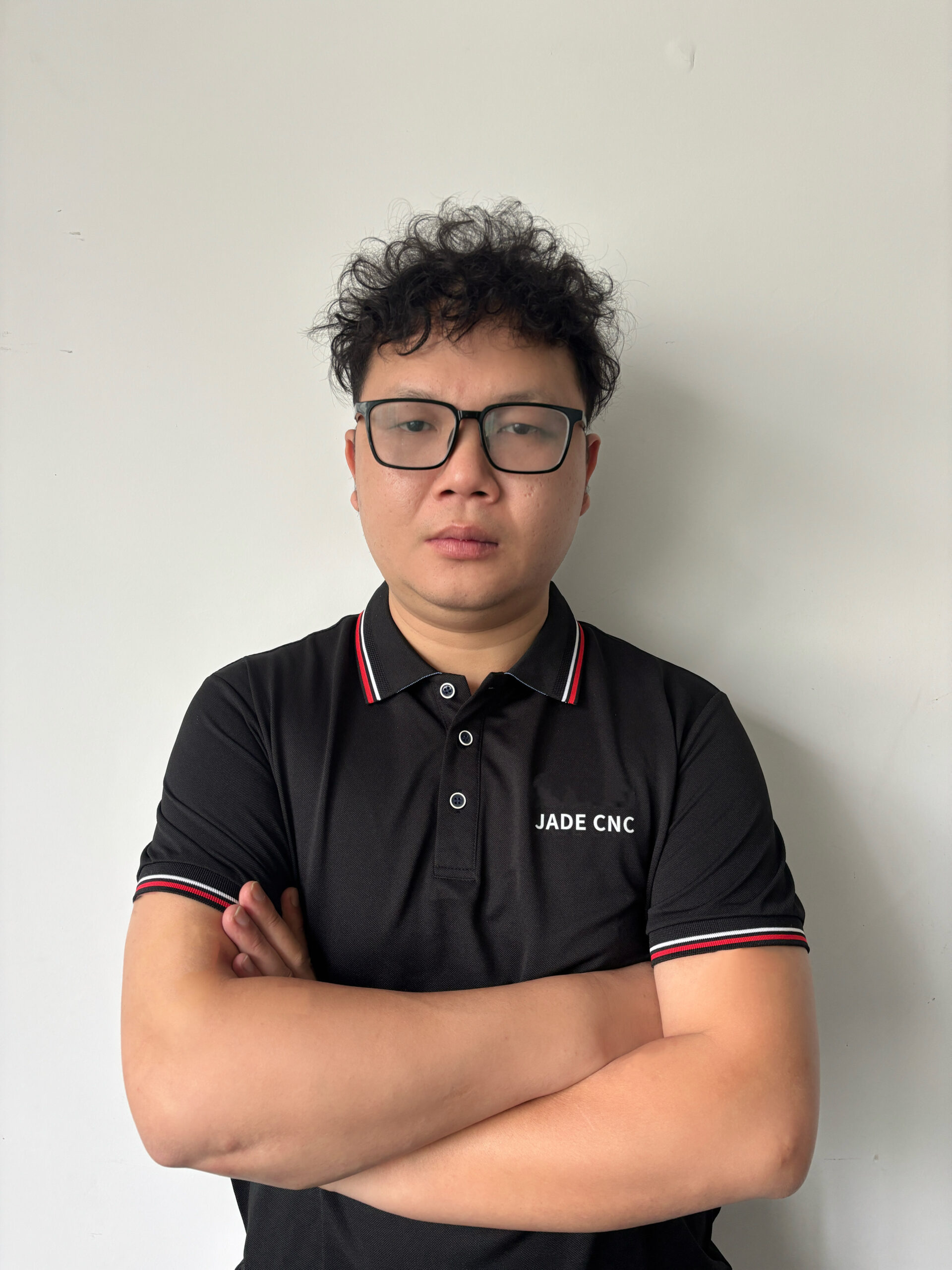
レオ・リャン, R社の創業者ベストパートナー&D
JADE-CNC 創設者 LEO, 20年以上の業界専門知識をもたらした人物, レオは見習いとしてキャリアをスタートし、表面処理と CNC 加工のスキルを実践しています。.