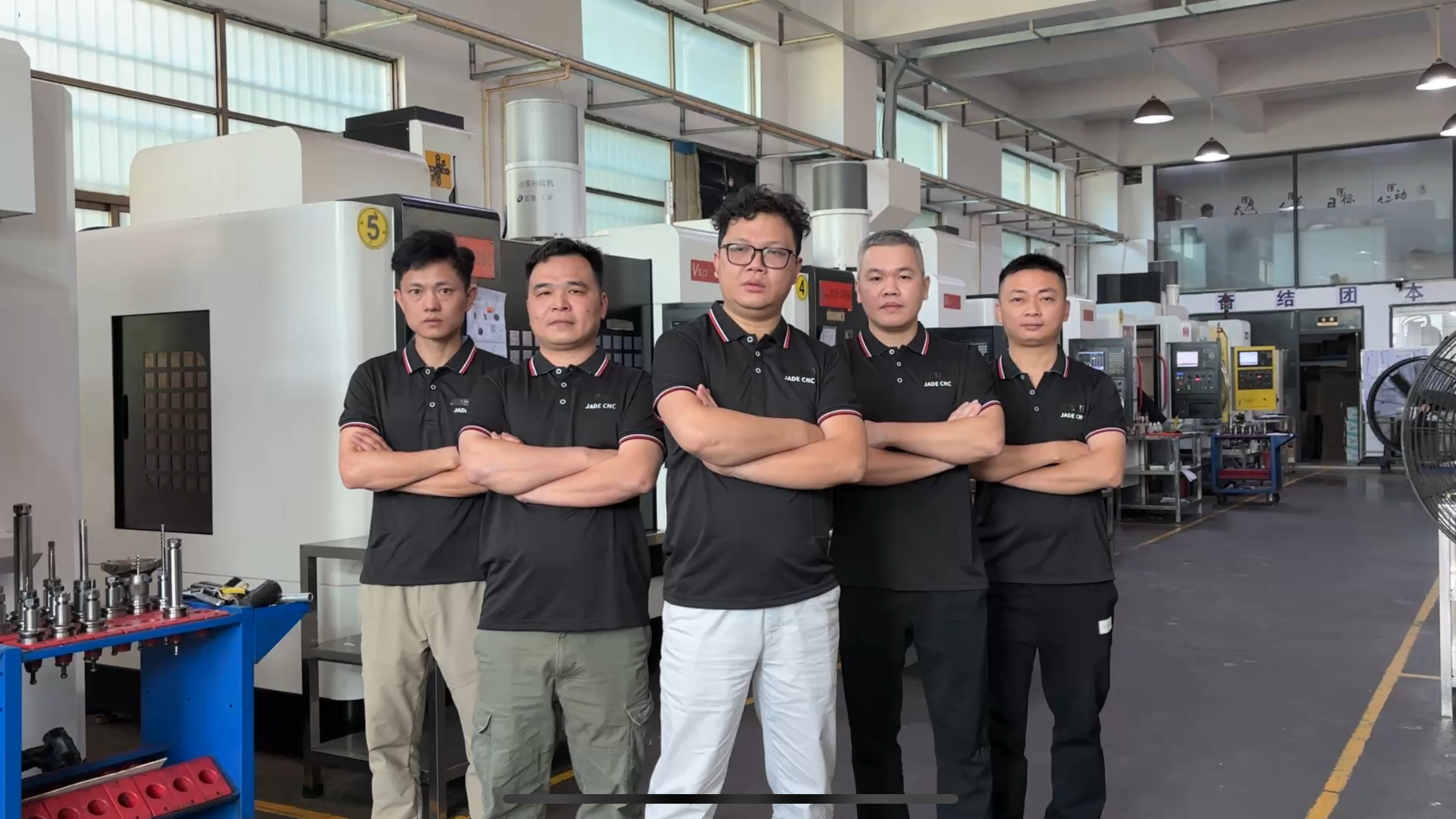
Metal CNC Machining
JADE-CNC supports metal CNC machining for drawing-defined aluminum, stainless steel, copper, brass, titanium, alloy steel, and other engineering metal parts. This page helps you compare metal machining methods, material choices, surface finish options, tolerance planning, and inspection requirements for prototypes, low-volume parts, and repeat production.
- Material and stock form matched to the drawing
- Milling, turning, drilling, EDM, and finishing route reviewed
- Tolerance and inspection scope planned around critical features
- Prototype, low-volume, and repeat production support
What Is Metal CNC Machining?
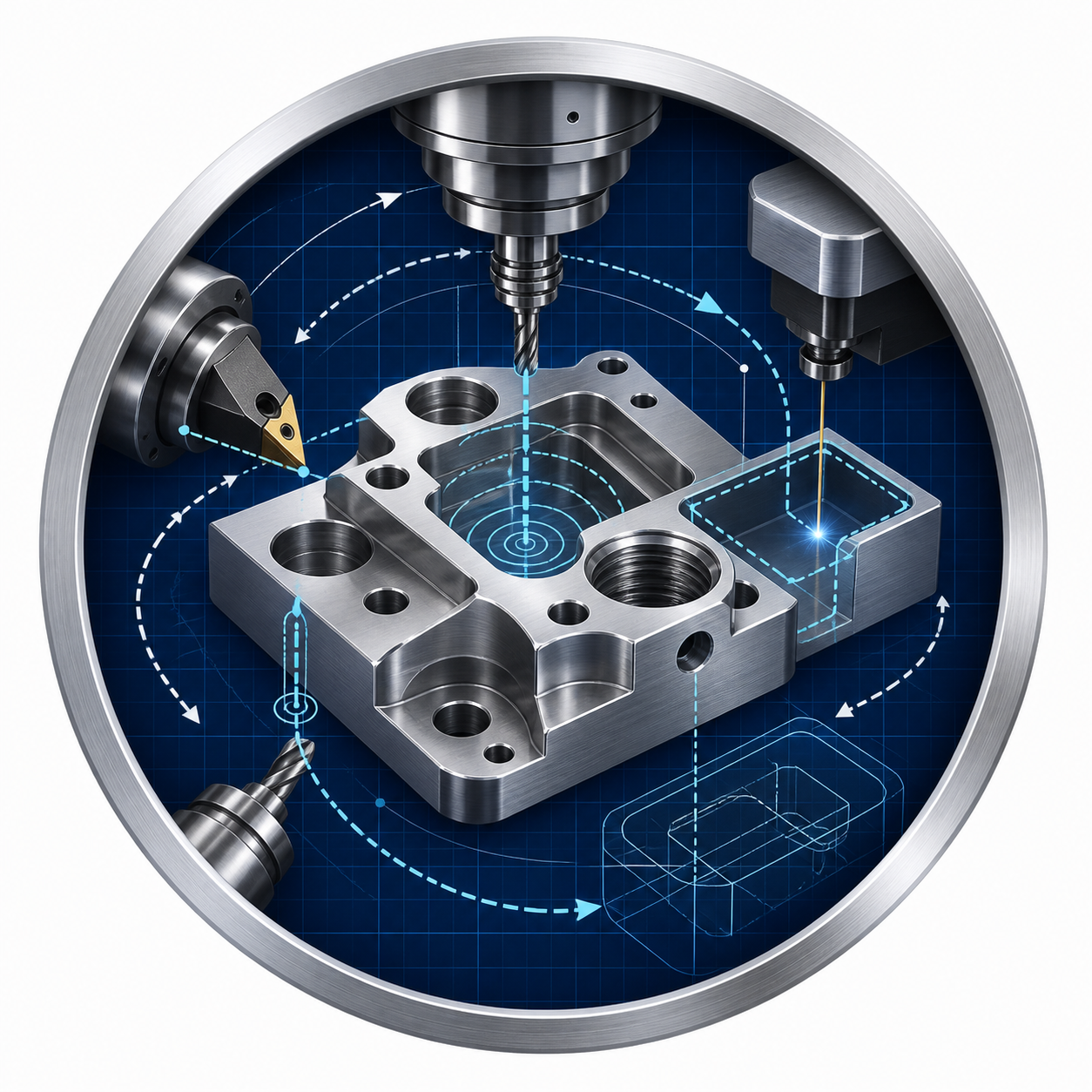
Metal CNC machining shapes metal blanks through milling, turning, drilling, tapping, EDM, and finishing operations using computer-controlled equipment. JADE-CNC supports CNC milling machining for CNC milling metals, as well as turned metal components, prototypes, fixtures, housings, brackets, shafts, and production parts that need stable dimensions and repeatable inspection.
Types of Metal CNC Machining
During RFQ machining review, JADE-CNC confirms the material grade, stock form, machining tolerance, surface finish, documentation needs, and schedule based on the drawing and available supply. For aluminum metal cutting, machining aluminum parts, or producing other metal components, our team checks machinability, fixture access, burr risk, coating impact, and inspection method before production.

Metal CNC Turning
The workpiece rotates while the cutting tool removes material, making turning suitable for shafts, bushings, pins, sleeves, threaded parts, and other cylindrical metal components.

Metal CNC Milling
Rotating cutting tools remove material from a fixed workpiece, making milling suitable for plates, housings, brackets, pockets, slots, complex contours, and precision metal features.

Metal CNC Drilling
Used for creating holes and threads.

Wire EDM
Used for machining conductive metals with high hardness or complex geometries.
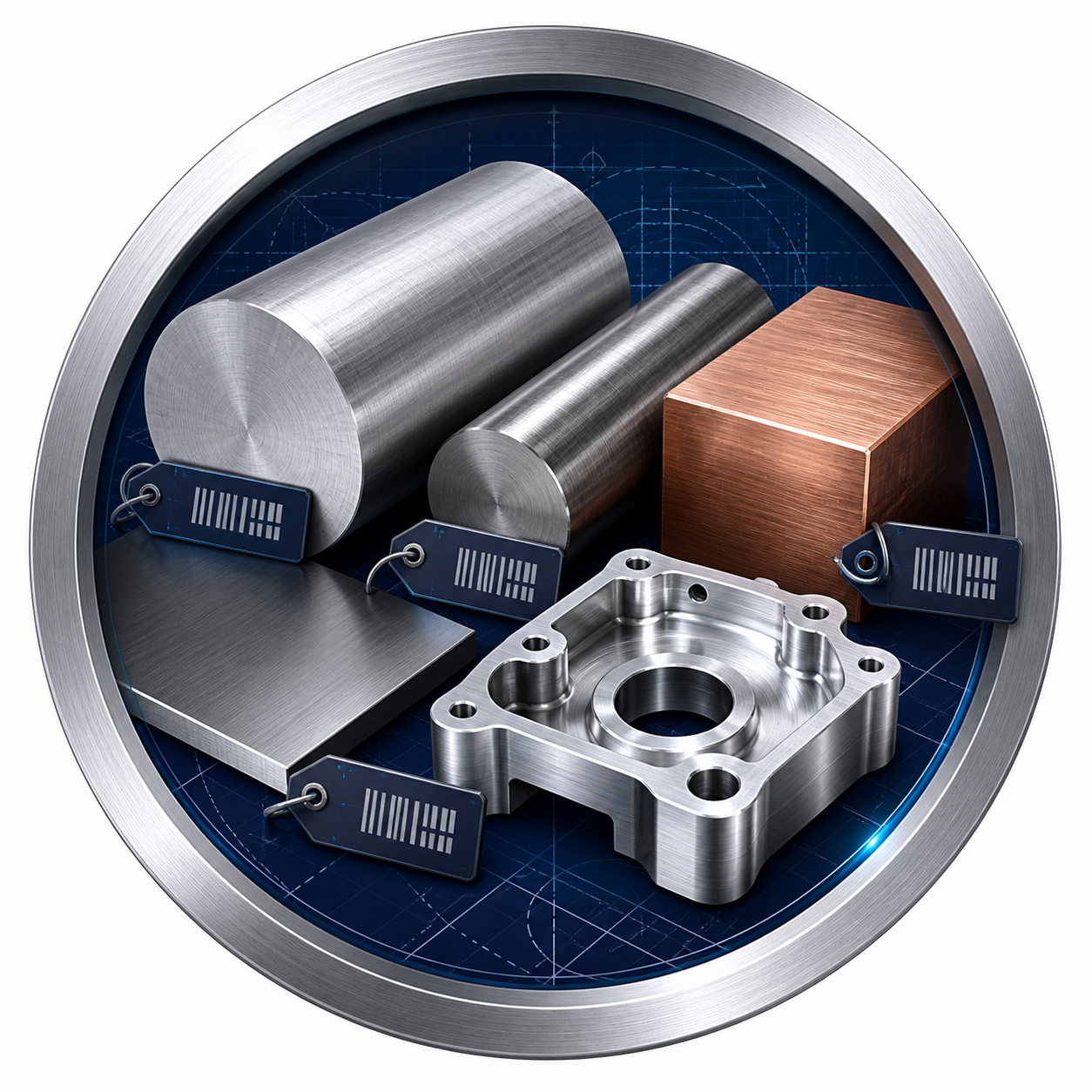
What JADE-CNC Reviews Before Metal CNC Machining
Metal parts can fail manufacturing expectations when material, geometry, surface finish, tolerance, and inspection requirements are treated separately. JADE-CNC reviews these points together so the machining route can match the drawing and application.
Metal Grade and Stock Form
Material grade, hardness, stock size, blank allowance, equivalent material options, and documentation needs are checked before machining route planning.
Machining Route and Tool Access
Milling, turning, drilling, tapping, EDM, and multi-axis access are reviewed around pockets, holes, threads, deep features, internal corners, and setup direction.
Burr, Deformation, and Heat Control
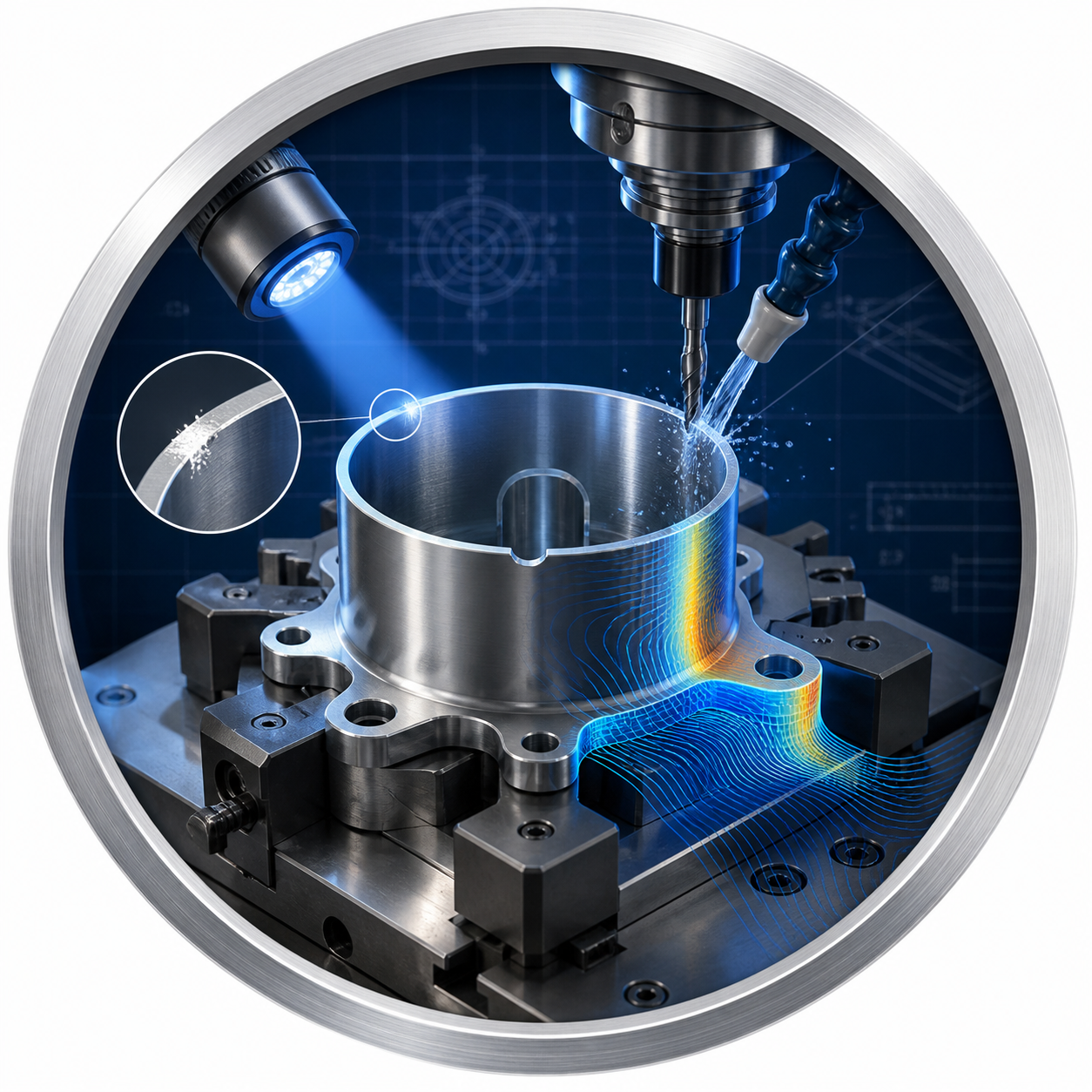
Thin walls, sharp edges, soft metals, hard alloys, heat buildup, and stress release are reviewed to reduce burrs, distortion, tool marks, and dimensional movement.
Surface Finish and Corrosion Protection
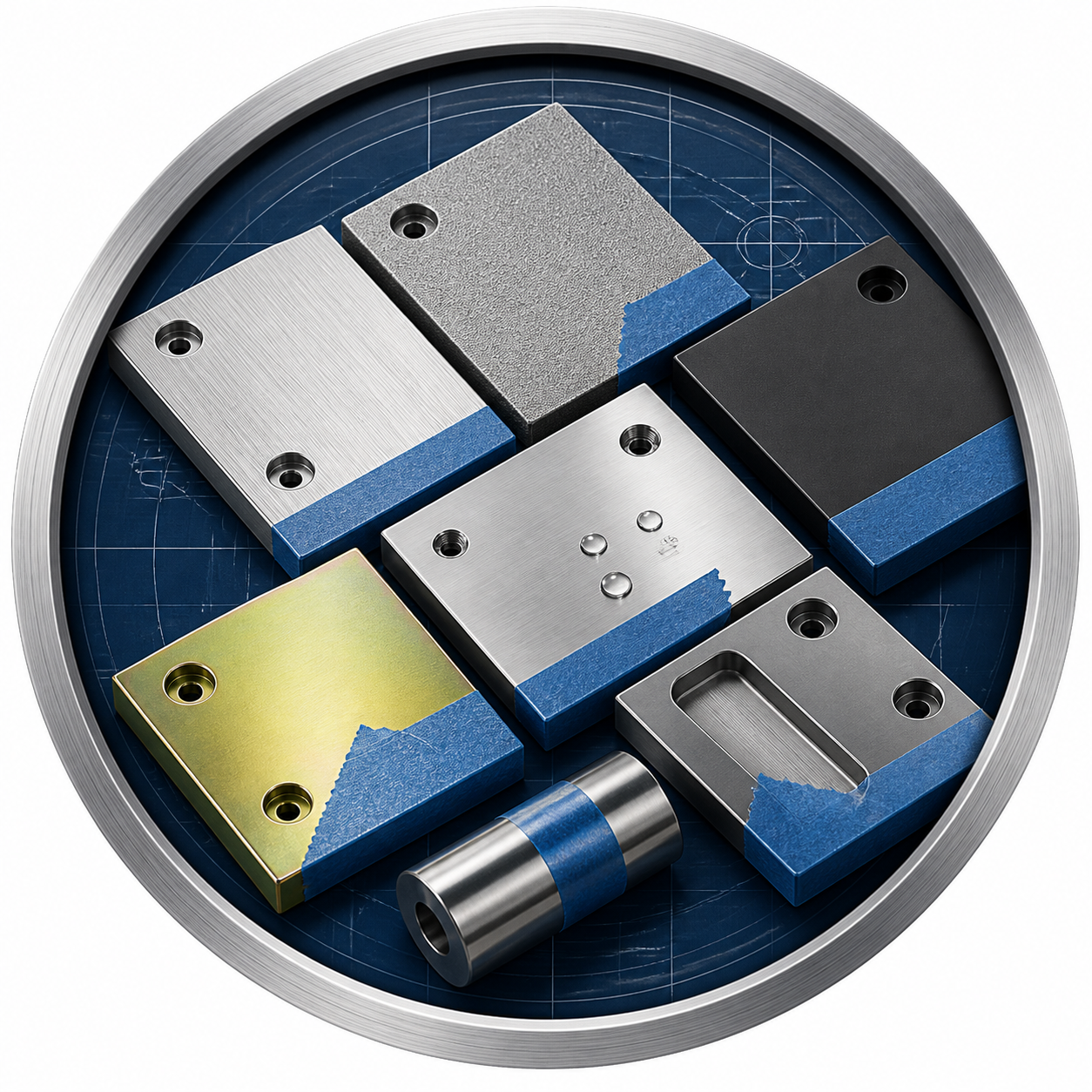
Anodizing, passivation, plating, black oxide, polishing, bead blasting, painting, and masking are matched to material, function, appearance, and corrosion exposure.
Inspection and Documentation
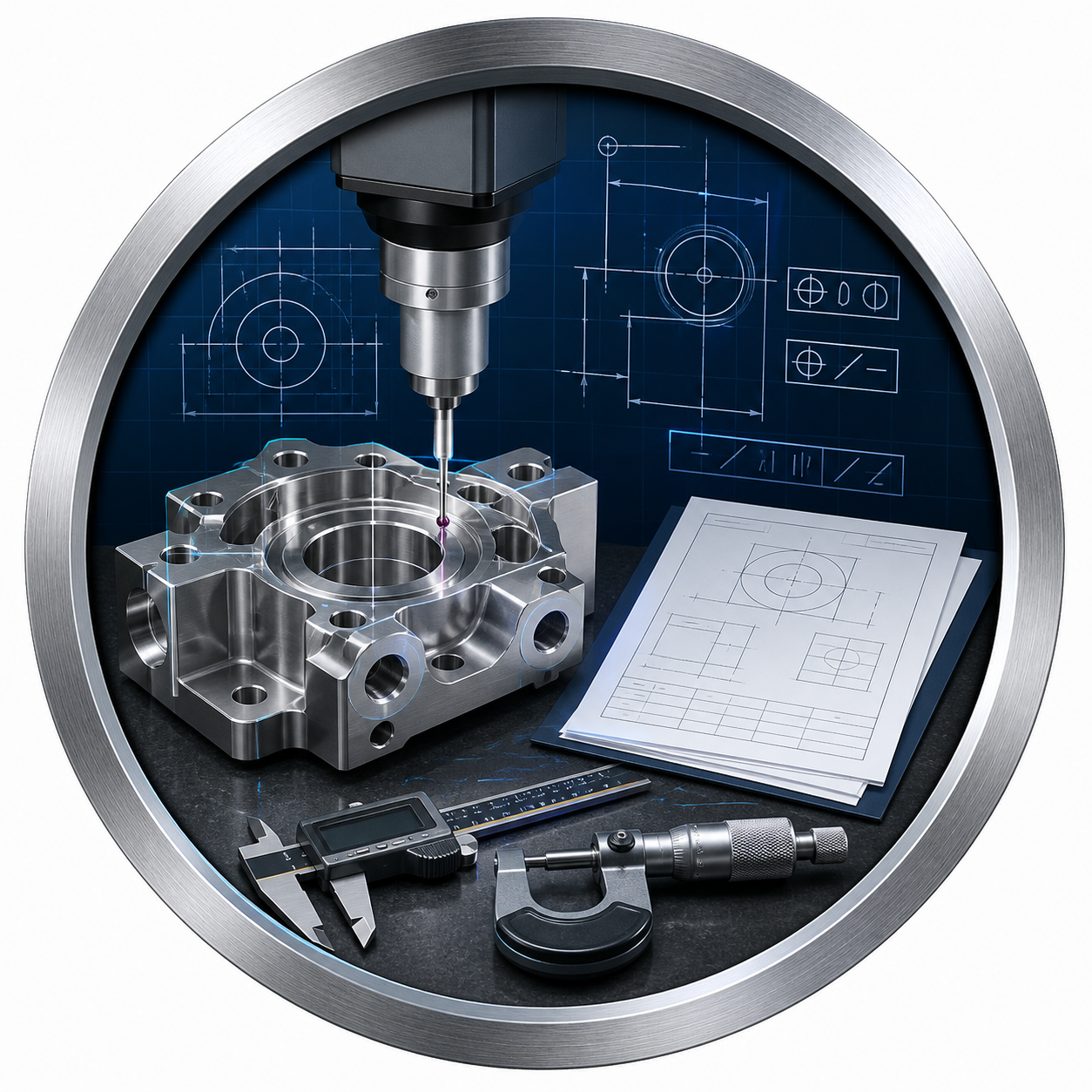
Critical dimensions, flatness, thread fit, hole position, mating surfaces, material records, and dimensional reports can be coordinated according to project requirements.
Metal Machining Materials We Serve
Aluminum is the best choice of “strength-weight-machinability-cost” metal. which can do fast machining speed, excellent surface finish, corrosion-resistant, and can be anodized for color.
Representative Grades: 6061-T6, 7075-T6, ADC12
Material grade, stock form, finish, tolerance, documentation, and schedule are confirmed during RFQ based on the drawing and available supply.
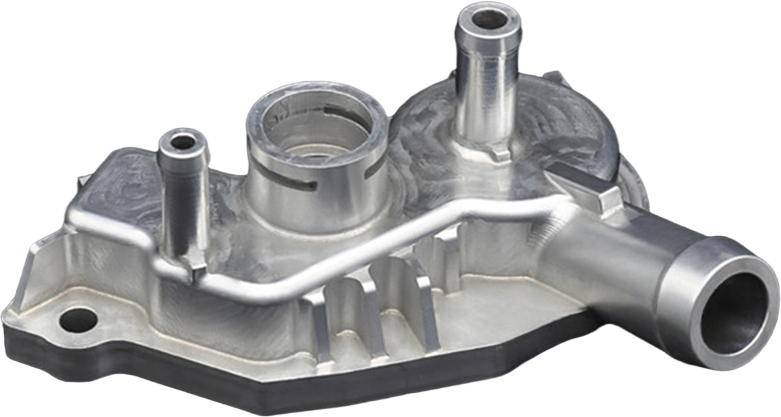
Primary Applications is Mechanical structural parts, like prototypes, fixtures, shafts, gears, bolts—functional parts not requiring extreme strength or corrosion resistance.
Representative Grades: 304/316L (Austenitic); 303 (Free-Machining)
Material grade, stock form, finish, tolerance, documentation, and schedule are confirmed during RFQ based on the drawing and available supply.

High hardness and wear resistance, used for tools that machine other materials or parts suffering severe abrasion. Which common applies in Punches, dies, cutting tools, wear components for jigs, gauges
Material grade, stock form, finish, tolerance, documentation, and schedule are confirmed during RFQ based on the drawing and available supply.
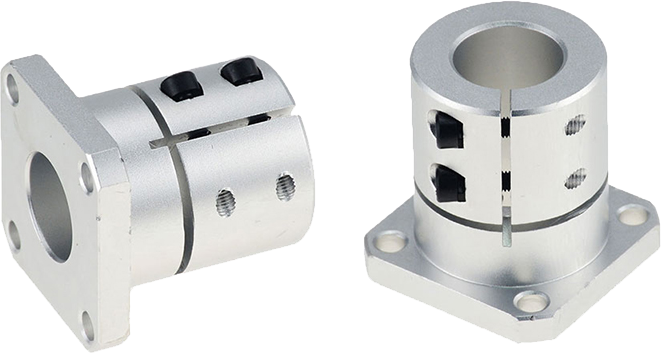
Highest electrical and thermal conductivity among common engineering metals (second only to silver), but soft and gummy, making it more challenging to machine than brass. Copper common applies in Busbars, heat sinks, EDM electrodes, microwave components, applications demanding high thermal/electrical conductivity
Material grade, stock form, finish, tolerance, documentation, and schedule are confirmed during RFQ based on the drawing and available supply.

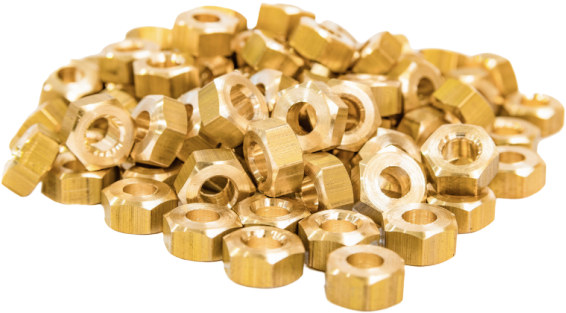
Brass is a versatile copper-zinc alloy renowned for its excellent machinability, attractive gold-like appearance, and good mechanical and corrosion-resistant properties. It is a staple material in CNC machining, especially for parts requiring high precision, smooth finishes, and complex geometries.
Material grade, stock form, finish, tolerance, documentation, and schedule are confirmed during RFQ based on the drawing and available supply.

Bronze is prized for its high strength, excellent wear resistance, good corrosion resistance (especially to seawater), and low friction properties against other metals. It is a fundamental material for bearings, bushings, gears, and marine components.
Material grade, stock form, finish, tolerance, documentation, and schedule are confirmed during RFQ based on the drawing and available supply.
Lowest cost, easy to machine, excellent weldability, but prone to rust (usually requires plating or painting). The Primary Applications are Mechanical structural parts, prototypes, fixtures, shafts, gears, bolts—functional parts not requiring extreme strength or corrosion resistance.
Material grade, stock form, finish, tolerance, documentation, and schedule are confirmed during RFQ based on the drawing and available supply.

Lightest commercial metal (density ~2/3 of aluminum), high specific strength, good damping capacity, easy to machine, Magnesium alloy may be considered for lightweight components when handling, finish, and project requirements are confirmed.
Material grade, stock form, finish, tolerance, documentation, and schedule are confirmed during RFQ based on the drawing and available supply.

Titanium is a high-performance, lightweight metal renowned for its exceptional strength-to-weight ratio, outstanding corrosion resistance, and excellent biocompatibility. While challenging and expensive to machine, it is indispensable in aerospace, medical, and high-end engineering applications with its unique properties.
Material grade, stock form, finish, tolerance, documentation, and schedule are confirmed during RFQ based on the drawing and available supply.

Common Metals for CNC Machined Parts
Different metals require different machining strategies, tolerance planning, surface finishing, and inspection attention. The table below helps buyers compare common CNC metals before sending an RFQ.
| Metal | Best For | Watch-outs | Typical CNC Parts | Related Finish Options |
|---|---|---|---|---|
| Aluminum 6061 | Balanced machining, cost, weight, and corrosion resistance | Lower strength than 7075 | Housings, fixtures, panels, heat-transfer parts | Anodizing, bead blasting |
| Aluminum 7075 | High-strength lightweight components | Higher cost; thin-wall stress and distortion may matter | Structural brackets, robotics parts, precision frames | Hard anodizing, bead blasting |
| Stainless Steel 304 | Corrosion-resistant general stainless parts | More difficult to machine than aluminum | Industrial parts, medical device components, fixtures | Passivation, polishing |
| Stainless Steel 316 | Stronger corrosion resistance in demanding environments | Higher cost and machining difficulty | Medical, marine, chemical-exposure parts | Passivation, electropolishing |
| Copper C110 | Thermal and electrical conductivity | Soft material; burr and deformation control matter | Heat-transfer parts, conductive components, RF parts | Polishing, nickel plating |
| Brass C360 | Stable, efficient machining and clean finish | Lower conductivity than pure copper | Fittings, connectors, turned parts | Nickel plating, polishing |
| Carbon Steel 1018 | Cost-effective general mechanical parts | Requires finish for corrosion protection | Shafts, plates, brackets, machinery components | Black oxide, zinc plating, painting |
Need help selecting a metal for CNC machining?
Share your drawing, required metal grade, surface finish, tolerance, and quantity so JADE-CNC can review machinability and quote requirements.
Advantages of Metal CNC Machining
Precision and Accuracy
Supports drawing-based tolerances and repeatable inspection for reliable metal part quality.
High Repeatability & Stability
Ensures consistent part quality from prototyping through medium-volume production.
Complex Geometries
Capable of producing intricate shapes and multi-axis features in a single setup.
Versatility
Suitable for a wide range of metals, part sizes, and production volumes—from prototypes to mass production.
Cost-Effectiveness
Reduces waste, labor, and errors, offering high value for low to medium volume runs.
Sustainability
Features 100% recyclable waste and high material utilization.
Applications of Metal CNC Machining
Get Your Custom Metal CNC Machining Parts Today!
Send your metal part drawings with material grade, quantity, tolerance notes, surface finish, and inspection requirements. JADE-CNC can help align the machining route, finish process, and inspection scope with the approved drawing.
FAQ
Yes. If the drawing allows equivalent material, JADE-CNC can review available grades and confirm whether the substitute matches the functional and manufacturing requirement.
Tolerance depends on part size, material, geometry, setup, wall thickness, and inspection method. Critical tolerance zones should be marked clearly on the drawing.
Yes. Common options include anodizing, passivation, plating, black oxide, bead blasting, polishing, painting, and other finishes depending on material and application.
Yes. Harder materials may require slower cutting, more tool wear control, additional setup planning, or post-machining treatment, which can affect cost and lead time.
Burrs can come from sharp edges, thin walls, soft metals, intersecting holes, slots, and tool exit areas. Deburring requirements should be confirmed for functional and cosmetic surfaces.
Aluminum and brass are usually easier to machine than stainless steel, titanium, and hardened tool steel. The final machining plan depends on grade, geometry, tolerance, and finish requirement.
Yes. JADE-CNC can support prototype, low-volume, and repeat metal CNC machining when drawings, material, quantity, tolerance, and finish requirements are available.
Useful files include 3D CAD models, 2D drawings, material grade, quantity, surface finish, tolerance notes, inspection requirements, and any assembly or packaging requirements.
Mark critical dimensions, threads, flatness, hole positions, mating surfaces, and functional areas on the drawing. JADE-CNC can align inspection scope with the project requirement.
JADE-CNC can review aluminum, stainless steel, copper, brass, bronze, mild steel, tool steel, titanium, magnesium, and other engineering metals according to the drawing and material requirement.