


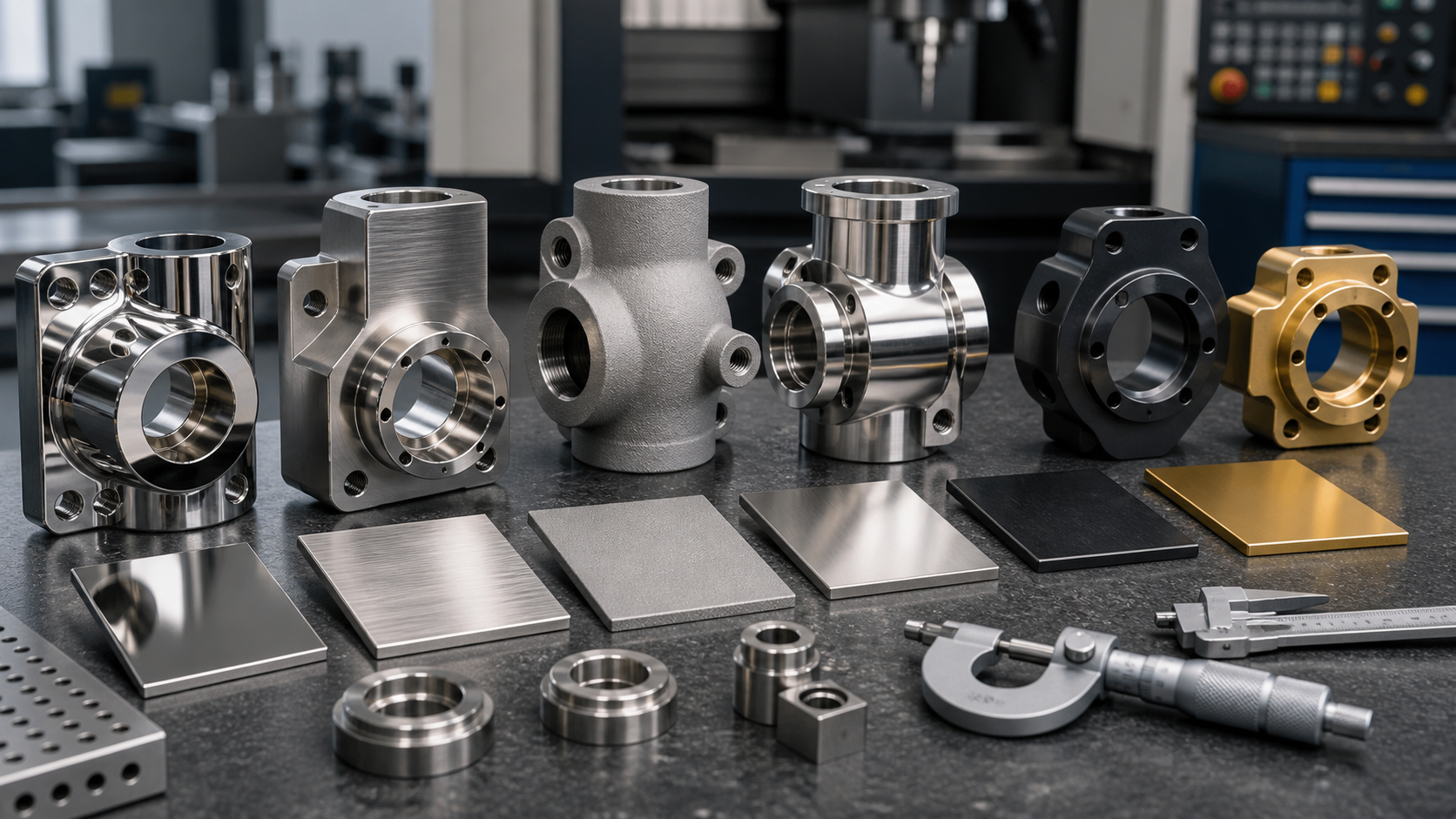
إن التشطيب السطحي للأجزاء المصنوعة من الفولاذ المقاوم للصدأ ليس خطوة تجميلية نهائية - بل هو جزء من خدمة التصنيع باستخدام الحاسب الآلي. تتطلب العديد من المشاريع إعادة العمل بعد اجتياز الأبعاد للفحص بالفعل, ليس لأن مركز التصنيع يفتقر إلى الدقة, ولكن لأن علامات الأداة, نتوءات, بقايا التنظيف, التخميل, التلميع الكهربائي, ولم يتم أخذ تغييرات الأبعاد النهائية في الاعتبار معًا أثناء تخطيط العملية. للطب, آلات الغذاء, أجسام صمامات السوائل, أجزاء المظهر, والمكونات المجمعة, يؤثر تشطيب السطح بشكل مباشر على خطر التآكل, التحقق من صحة التنظيف, تصريح التجميع, واتساق الدفعة.
في مراجعات مشروع JADE-CNC, يتم تأكيد متطلبات السطح مع درجة المواد, بدل الآلات, طريقة التثبيت, وعناصر التفتيش. والغرض بسيط: لا تنتظر حتى يتم تشكيل الجزء لاكتشاف ذلك “لا يمكن تحقيق قيمة Ra هذه,” “تم توسيع فتحة الثقب هذه بعد التلميع الكهربائي,” أو “يحتاج السطح الحرج إلى إعادة التقنيع بعد التفجير.”
أولاً, تحديد المشكلة التي يحلها تشطيب السطح
يصف العملاء عادةً المتطلبات بأنها “أكثر إشراقا قليلا,” “يجب ألا تصدأ,” “يجب أن يجتاز التدقيق الغذائي,” أو “لا توجد علامات أداة على السطح.” من الناحية الهندسية, يجب تقسيم هذه الأوصاف إلى متطلبات قابلة للتصنيع والفحص: درجة المظهر, نطاق الخشونة, متطلبات مقاومة التآكل, ما إذا كان الجزء يستخدم في التطبيقات الطبية أو تطبيقات الاتصال الغذائي, ما إذا كانت هناك حاجة إلى علاج ما بعد اللحام, ما هي الأبعاد الأبعاد الوظيفية, وما هي المناطق التي يجب ألا تتم إزالة المواد منها.
قضية مشتركة | بالقطع & حكم الانتهاء | المخاطر المشتركة |
علامات الأداة أو الثرثرة على السطح | تأكيد ما إذا كان الانتهاء من الآلات, طحن, أو أن هناك حاجة إلى التلميع - لا تعتمد فقط على المعالجة اللاحقة لتغطيته | لا يمكن للتلميع إصلاح علامات الثرثرة العميقة بشكل موثوق; سيكون مظهر الدفعة غير متناسق |
الجزء عرضة للصدأ | التحقق من المواد, تلوث الآلات, تنظيف, التخميل, أو طريق التلميع الكهربائي | يمكن أن يتسبب تلوث رقائق الحديد والمناطق المتضررة بالحرارة في ظهور بقع الصدأ حتى عليها 304/316 |
أبعاد ضيقة | التمييز بين أبعاد ما قبل المعالجة وما بعد المعالجة على الرسم | التلميع الكهربائي, التفجير, والمعالجة المسبقة لـ PVD يمكن أن تغير الحواف وفتحات الفتحات |
التطبيقات الطبية أو الغذائية | تأكيد التخميل, التلميع الكهربائي, التعبئة والتغليف النظيفة, ومتطلبات التوثيق | لا يمكن لمعالجة المظهر فقط أن تحل محل إدارة النظافة وإمكانية التتبع |
هناك ست عمليات تشطيب سطحية شائعة الاستخدام للفولاذ المقاوم للصدأ: تلميع ميكانيكي, تنظيف الأسنان بالفرشاة, تفجير حبة, التخميل, التلميع الكهربائي, وطلاء PVD. ولكل منها مبدأ مختلف, تأثير, يكلف, والتطبيق المناسب. يشرح هذا الدليل جميع العمليات الست بالتفصيل, يوفر إرشادات الاختيار والاعتبارات العملية, ويساعدك على اختيار العملية الصحيحة قبل تقديم الطلب.
ست عمليات في لمحة: قارن الاختلافات في جدول واحد
ابدأ بجدول نظرة عامة يضع المعلمات الأساسية لجميع العمليات الست جنبًا إلى جنب لإعطاء نقطة بداية واضحة قبل تفاصيل العملية.
عملية | مبدأ | تأثير السطح | تحسين التآكل | إزالة المواد | التكلفة النسبية |
تلميع ميكانيكي | الاحتكاك الميكانيكي يزيل المخالفات السطحية | مرآة/لمسة نهائية من الساتان, ساطع | واسطة (يزيل طبقة العيب) | 0.01-0.05 ملم | منخفض – متوسط |
تنظيف الأسنان بالفرشاة | الحزام/الفرشاة يخلق نسيجًا اتجاهيًا | الحبوب المستقيمة/العشوائية, ماتي | قليل | 0.005-0.02 ملم | قليل |
تفجير الخرزة | تأثير جلخ عالي الضغط على السطح | ماتي موحدة, خشن | قليل | 0.005-0.01 ملم | قليل |
التخميل | المعالجة الكيميائية تدعم تكوين الفيلم السلبي | المظهر لم يتغير بشكل أساسي | عالي (التحويل الكيميائي) | لا شيء تقريبا | قليل |
التلميع الكهربائي | يزيل الذوبان الكهروكيميائي القمم السطحية | مرآة فائقة النعومة, لمعان عالية | عالي (إزالة + التخميل) | 0.01-0.03 ملم | متوسطة - عالية |
طلاء PVD | ترسيب البخار الفيزيائي لطلاء السيراميك | الذهب / الأسود / جونميتال الخ. | عالي (حماية الطلاء) | طلاء 1 – 3 ميكرومتر | عالي |
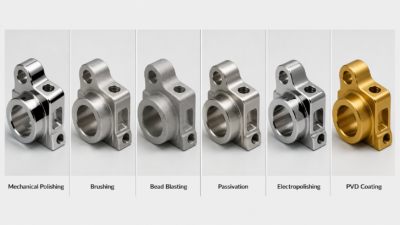
شرح ست عمليات بالتفصيل
تلميع ميكانيكي
التلميع الميكانيكي هو طريقة التشطيب السطحي الأكثر تقليدية والأكثر استخدامًا. عجلات الطحن, أحزمة كاشطة, وتقوم العجلات القماشية بإزالة علامات الأداة والمخالفات السطحية تدريجيًا من خلال الاحتكاك الميكانيكي, تحقيق النهاية النهائية للمرآة أو الساتان. تتراوح درجات التلميع من التلميع الخشن (را 1.6 ميكرومتر) لتلميع غرامة (را 0.2 ميكرومتر) مرآة النهاية (را 0.05 ميكرومتر) - كلما ارتفعت الدرجة, كلما ارتفعت تكلفة العمالة.
تتمثل ميزة التلميع الميكانيكي في تنوعه - حيث يمكن تلميع العديد من أجزاء الفولاذ المقاوم للصدأ, والتكاليف يمكن السيطرة عليها نسبيا. وتتمثل العيوب في عدم إمكانية الوصول إلى التجاويف المعقدة والفتحات الداخلية العميقة, تلميع اليد لديه اتساق ضعيف, وتتقلب الجودة بشكل ملحوظ في دفعات كبيرة. بالإضافة إلى ذلك, التلميع يزيل كمية صغيرة من المواد (0.01-0.05 ملم), لذا فإن الأجزاء عالية الدقة تتطلب بدل تلميع.
في الممارسة العملية, يستخدم التلميع الميكانيكي بشكل شائع لأجزاء المظهر, المكونات الزخرفية, والأسطح الملامسة للمعدات الغذائية. لكن, للقطع الطبية وعالية النظافة, قد لا يكون التلميع الميكانيكي وحده كافيًا - فهو عادةً ما يتم دمجه مع التلميع الكهربائي أو التخميل.
تنظيف الأسنان بالفرشاة
يستخدم التنظيف بالفرشاة أحزمة كاشطة أو آلات تنظيف بالفرشاة لإنشاء قوام اتجاهي على السطح. تشمل الأنماط الشائعة الحبوب المستقيمة (شعري) والحبوب العشوائية (ندفة الثلج). الأسطح المصقولة لها ملمس غير لامع, الحبوب الموحدة, وشعور راقي. فهي أكثر مقاومة للخدش من التشطيبات المرآة, وتكون الخدوش الطفيفة أقل وضوحًا.
تنظيف الأسنان بالفرشاة منخفض التكلفة وفعال, مناسبة للألواح المسطحة الكبيرة والأسطح المنحنية البسيطة. لكن, حبة الفرشاة لها اتجاهية, لذلك يجب تنسيق اتجاه الحبوب مع هندسة الجزء أثناء التصميم. أجزاء ملحومة ومن الصعب تنظيف الأسطح المنحنية المعقدة, ويمكن أن تصبح الحبوب متقطعة. عادة ما تكون خشونة السطح المصقول Ra 0.4–1.6μm, مع تحسن محدود في التآكل — يوصى بالتخميل في البيئات المسببة للتآكل.
حاويات الالكترونيات الاستهلاكية, اللوحات الزخرفية المعمارية, وألواح أدوات المطبخ هي التطبيقات الأكثر شيوعًا لتنظيف الأسنان بالفرشاة. كلاهما 304 و 316 مناسبة للتنظيف بالفرشاة, مع الحد الأدنى من الاختلاف في النتائج.
تفجير الخرزة
يستخدم تفجير الخرز الهواء المضغوط لدفع الخرز الزجاجي, حبات السيراميك, أو أكسيد الألومنيوم بسرعة عالية على سطح الجزء, خلق سطح خشن غير لامع موحد من خلال التأثير. الأسطح المتفجرة غير اتجاهية وذات ملمس متساوي, تقليل وضوح علامات التصنيع الخفيفة والاختلاف الطفيف في السطح. إنها إحدى طرق تشطيب الأسطح الأقل تكلفة.
المعلمات الرئيسية هي نوع الكاشطة وحجم الحصى. يؤدي تفجير الخرزة الزجاجية إلى حدوث غرامة, سطح ناعم; حبات السيراميك تكون أكثر صلابة وذات ملمس خشن; ينتج أكسيد الألومنيوم السطح الأكثر خشونة ولكن مع التصاق قوي, مناسبة كقاعدة للطلاء أو الترابط اللاحق. إزالة المواد ضئيلة (0.005-0.01 ملم), مع تأثير الأبعاد ضئيلة, لكن الأجزاء ذات الجدران الرقيقة تتطلب الانتباه إلى التشوه الناتج عن ضغط التفجير.
يستخدم التفجير بشكل شائع للأجزاء الميكانيكية الداخلية, تركيبات, حاويات المعدات, وكعلاج أساسي للطلاء أو الربط اللاحق. تتميز الأسطح المتفجرة بخشونة عالية وتميل إلى تراكم الملوثات, مما يجعلها غير مناسبة للأغذية أو أسطح الاتصال الطبية ما لم يتبعها تلميع كهربائي أو تخميل.
التخميل
التخميل هو معالجة كيميائية يتم فيها غمر أجزاء الفولاذ المقاوم للصدأ في حمض النيتريك أو محلول حمض الستريك, إزالة الحديد والملوثات الحرة من السطح وتعزيز تكوين طبقة سلبية كثيفة من أكسيد الكروم. هذا الفيلم السلبي هو السبب الأساسي وراء وجود الفولاذ المقاوم للصدأ “غير القابل للصدأ” — عندما يتلف الكروم السطحي أو يتلوث أثناء المعالجة, التخميل يعيد مقاومة التآكل.
التخميل لا يغير المظهر أو الأبعاد, منخفضة التكلفة, وغالبًا ما يستحق التقييم بالنسبة لأجزاء CNC المصنوعة من الفولاذ المقاوم للصدأ - وخاصة الأجزاء الملحومة أو الأجزاء المعرضة للتآكل. تظهر الأجزاء الخاملة مقاومة أفضل للتآكل, لكن الفيلم السلبي رقيق جدًا (مقياس النانو) ويمكن أن تتضرر بسبب الاحتكاك الميكانيكي. لذلك, التخميل هو عادة العملية النهائية, أو استخدامها مع طرق التشطيب الأخرى.
يتم تحديد التخميل عادة للأغراض الطبية, طعام, البحرية, وأجزاء من الفولاذ المقاوم للصدأ حساسة للتآكل, ولكن الشرط النهائي يجب أن يأتي من الرسم, معيار, أو بيئة الخدمة. يعتبر تخميل حامض الستريك أكثر صداقة للبيئة ومناسب للصناعات الغذائية والطبية, بينما يوفر تخميل حمض النيتريك نتائج أكثر استقرارًا ويستخدم على نطاق واسع في التطبيقات الصناعية.
التلميع الكهربائي
يمكن فهم التلميع الكهربائي على أنه “الطلاء الكهربائي العكسي” — الجزء بمثابة الأنود في محلول المنحل بالكهرباء, وعندما يتم تطبيق التيار, يتم إذابة القمم السطحية المجهرية بشكل تفضيلي, تحقيق لمسة نهائية مرآة فائقة النعومة. على عكس التلميع الميكانيكي, التلميع الكهربائي هو انحلال كيميائي، ولا ينتج عنه أي إجهاد أو تشوه ميكانيكي, ويمكن علاج التجاويف المعقدة بشكل موحد, ثقوب عميقة, والفجوات الدقيقة.
تشمل المزايا العملية للتلميع الكهربائي: يمكن أن تصل خشونة السطح إلى Ra 0.1–0.4μm, أكثر سلاسة من التلميع الميكانيكي; فهو يزيل الحديد والملوثات الحرة في نفس الوقت, توفير تأثير التخميل; فهي خالية من النتوءات وخالية من الإجهاد, مع مقاومة أفضل للتآكل من التخميل وحده. تتمثل المفاضلات في التكلفة الأعلى وإزالة المواد النموذجية بمقدار 0.01-0.03 مم (تتطلب حساب بدل للأجزاء عالية الدقة), ونتائج متفاوتة حسب درجة الفولاذ المقاوم للصدأ - 316/316L تنتج بشكل عام نتائج أفضل من 304.
غالبًا ما يستخدم التلميع الكهربائي لمكونات السوائل عالية النظافة, الأنابيب الداخلية للأغذية والمشروبات, معدات أشباه الموصلات, ومكونات طبية مختارة حيث تتطلب المواصفات ذلك. للأجزاء الملحومة, تأكد من أن اللحام سلس قبل التلميع الكهربائي, وإلا فقد يحدث الإفراط في التلميع أو التلميع الزائد عند اللحام.
الأجزاء الطبية المصنوعة من الفولاذ المقاوم للصدأ وأجزاء الفولاذ المقاوم للصدأ للآلات الغذائية لا تتطلب دائمًا تلميعًا كهربائيًا. الأساس الحقيقي للحكم هو الرسم, تحديد, وسيلة الاتصال, طريقة التنظيف, ومتطلبات التدقيق. لمزيد من السيناريوهات الطبية, الرجوع إلى تصنيع الأجزاء الطبية من الفولاذ المقاوم للصدأ; لهياكل الآلات الغذائية, الرجوع إلى آلات الغذاء تصنيع الفولاذ المقاوم للصدأ.
طلاء PVD
PVD (ترسيب البخار المادي) يؤين المعادن مثل التيتانيوم أو الكروم في بيئة مفرغة وترسبها على سطح الجزء, تشكيل طلاء سيراميك بسمك 1-3 ميكرومتر. الألوان الشائعة تشمل الذهب (تين), أسود (محتوى قابل للتنزيل), جونميتال (تي سي إن), والأزرق. يمكن أن توفر الطلاءات PVD صلابة عالية, مقاومة التآكل, لون يمكن التحكم فيه, وحماية إضافية للسطح عندما تكون الركيزة والمعالجة المسبقة مناسبة.
يتميز طلاء PVD بتكلفة عالية ومتطلبات معالجة مسبقة صارمة - يجب أن يكون السطح أملسًا وموحدًا قبل الطلاء, تتطلب عادةً تلميعًا ميكانيكيًا أو تنظيف الأسنان بالفرشاة أولاً, وإلا فإن العيوب الأساسية سوف تظهر من خلال الطلاء. يبلغ سمك الطلاء 1-3μm فقط ولا يؤثر على دقة الأبعاد, لكن تصميم الأقنعة والتركيبات للأجزاء المعقدة يمكن أن يؤثر على تجانس الطلاء, مع طبقات أرق في الثقوب الداخلية والأخاديد العميقة.
يستخدم PVD عادة للأجزاء الزخرفية الراقية, مشاهدة الحالات, أدوات القطع, مكونات القالب, والتطبيقات التي تتطلب مقاومة التآكل والديكور. كلاهما 304 و 316 يمكن أن تكون مناسبة لطلاء PVD عند التنظيف, التنشيط, اخفاء, ويتم التحكم في تصميم التركيبات.
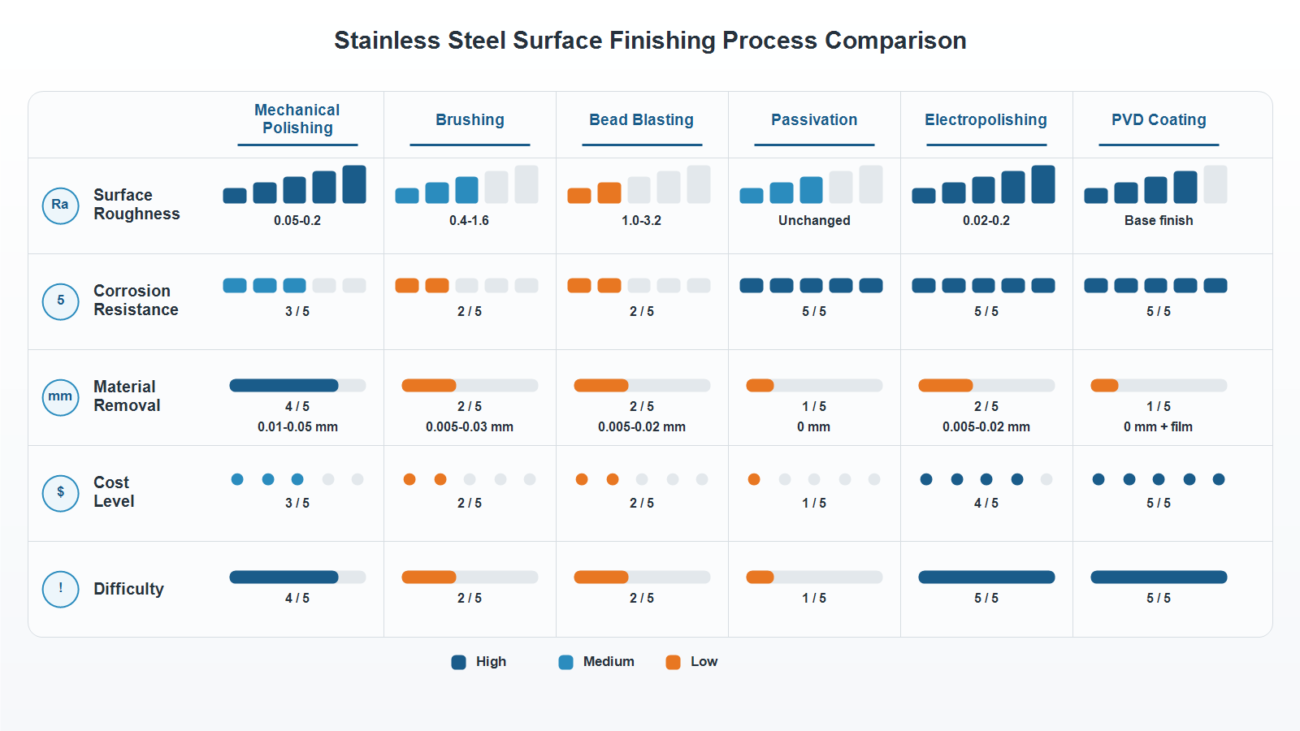
فتحة الصورة 2: مقارنة معلمات العمليات الست (يمكن تصميمه كإنفوجرافيك)
مجموعات العملية: عندما لا تكون عملية واحدة كافية
في الإنتاج, غالبًا ما لا تتمكن عملية تشطيب واحدة من تلبية جميع الوظائف, مستحضرات التجميل, ومتطلبات التآكل. فيما يلي طرق الجمع الأكثر شيوعًا.
التدفق القياسي للأجزاء الملحومة هو: اللحام ← تلبيس اللحام ← التلميع الميكانيكي ← التخميل. اللحام يدمر الفيلم السلبي من الفولاذ المقاوم للصدأ, ويظهر تغير في اللون بسبب الأكسدة بالقرب من مكان اللحام - وعادةً ما تحتاج المنطقة المصابة إلى تلبيس اللحام أو تنظيفه أولاً, تليها التخميل عندما تكون مقاومة التآكل مطلوبة. للصناعات الغذائية والطبية الأنابيب الملحومة, يمكن أيضًا تحديد الصقل الكهربائي لضمان أن يكون الجزء الداخلي سلسًا وخاليًا من الزوايا الميتة.
للأجزاء التي تتطلب مقاومة عالية للتآكل بالإضافة إلى جودة المظهر العالية, الجمع “التلميع الميكانيكي ← التلميع الكهربائي ← التخميل” يستخدم عادة. يزيل التلميع الميكانيكي علامات وعيوب الأدوات الرئيسية, يحقق التلميع الكهربائي سطحًا فائق النعومة, والتخميل يوفر الحماية النهائية. هذا المزيج يكلف أكثر, ولكنها قد تكون مناسبة للأغراض الطبية, البحرية, والمعدات الحساسة للتآكل عندما تدعمها المواصفات.
الأجزاء الزخرفية شائعة الاستخدام “بالفرشاة / التفجير ← طلاء PVD”. يتم تنظيف الطبقة الأساسية أو تفجيرها لإنشاء نسيج, ويضع PVD طبقة فوق النسيج - مما يحافظ على النسيج مع إضافة اللون ومقاومة التآكل. لاحظ أن جودة العلاج الأساسي قبل PVD تحدد بشكل مباشر المظهر النهائي.
للأجزاء العامة الحساسة للتكلفة, “التلميع الميكانيكي/الفرشاة ← التخميل” يكفي. المظهر يلبي المتطلبات, التخميل يعيد مقاومة التآكل, ويتم تقليل التكلفة.
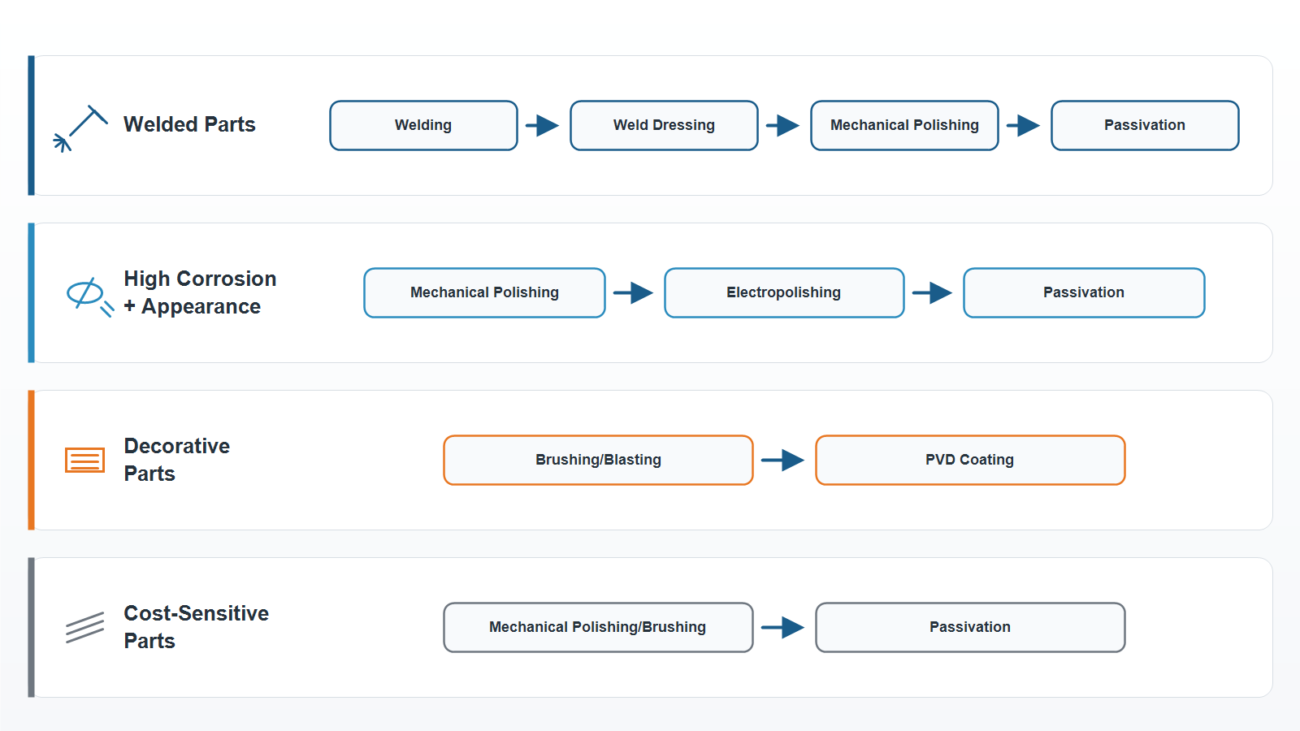
فتحة الصورة 3: مخطط تدفق مجموعة العمليات المشتركة (4 مسارات الجمع النموذجية)
دليل الاختيار: اختر العملية حسب التطبيق
كل من العمليات الست لها تطبيقاتها المناسبة. عندما تكون في شك, استخدم الإرشادات التالية.
طلب | العملية الموصى بها | سبب |
المظهر العام/الأجزاء الزخرفية | التلميع الميكانيكي أو بالفرشاة | تكلفة منخفضة, المظهر يلبي المتطلبات |
قطع الديكور / الساعات / الأدوات الراقية | طلاء بي في دي (قاعدة مصقولة / مصقولة) | ارتداء المقاومة + التحكم في اللون + مظهر متسق |
الأسطح الملامسة للمعدات الغذائية | تلميع ميكانيكي + التخميل | سلس + مقاومة للتآكل, الغذاء الصف |
تصميمات داخلية لأنابيب الطعام/نظافة عالية | التلميع الكهربائي + التخميل | فائقة النعومة, لا زوايا ميتة, سهلة التنظيف |
يزرع الطبية / الأدوات الجراحية | التلميع الكهربائي + التخميل | قابلة للتنظيف + مقاومة للتآكل + لدغ تسيطر عليها |
المعدات البحرية/الأجزاء الكيميائية | التخميل أو التلميع الكهربائي | أولوية مقاومة التآكل, المظهر ثانوي |
الأجزاء/التركيبات الميكانيكية الداخلية | تفجير حبة | بأقل تكلفة, يخفي علامات الأداة |
الأجزاء الهيكلية الملحومة | تلبيس اللحام + التخميل | يستعيد مقاومة التآكل في منطقة اللحام |
الأجزاء التي تتطلب الطلاء/الربط اللاحق | تفجير حبة | السطح الخشن يزيد من الالتصاق |
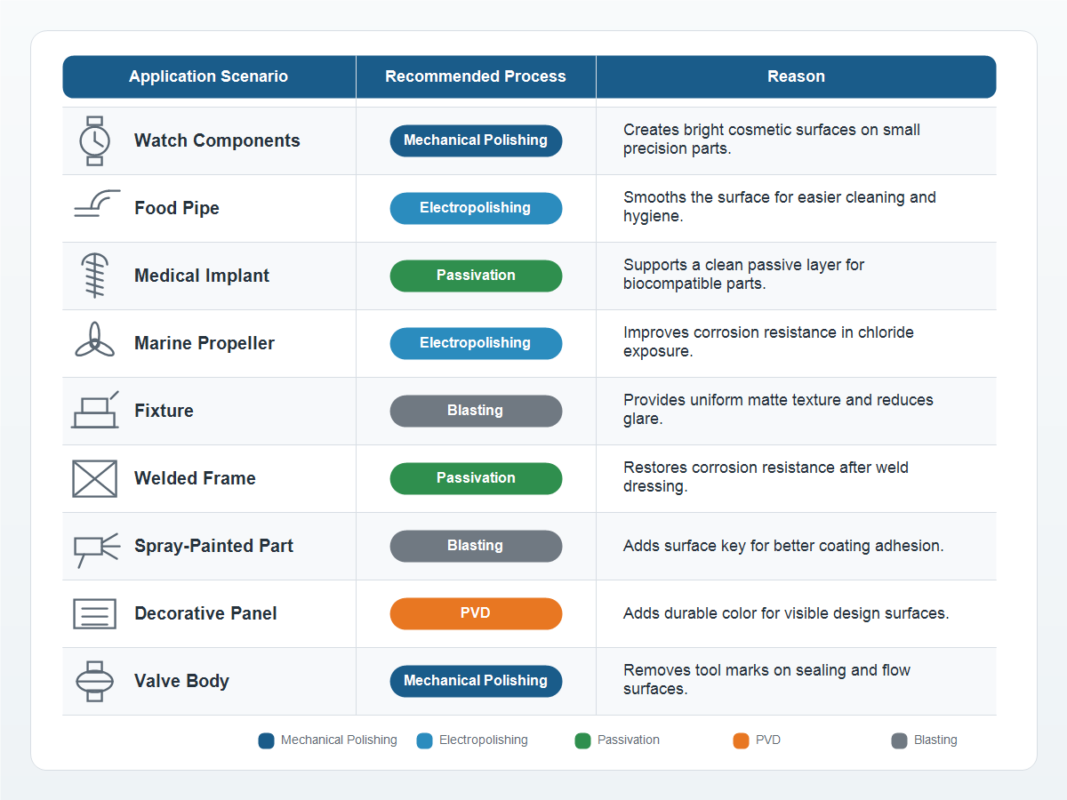
فتحة الصورة 4: الجدول المرجعي للعملية الموصى بها للتطبيق
كيف يتعامل JADE-CNC مع تشطيب السطح
يمكن لـ JADE-CNC إدارة الآلات ذات خمسة محاور, تصنيع مطحنة دوارة, إزالة الأزيز, تنظيف, التخميل, التلميع الكهربائي, PVD, فحص الأبعاد النهائي, ومتطلبات التعبئة والتغليف ضمن خطة تصنيع واحدة. للعملاء في الخارج, ويقلل هذا النهج المتكامل من مشاكل التسليم بين المتاجر المتعددة وحدود المسؤولية غير الواضحة, مع تحسين التحكم في المهلة الزمنية أيضًا, اتساق الدفعة, ومخاطر الخردة.
خاتمة
ينبغي الحكم على اختيار التشطيب السطحي مع وظيفة الجزء, مادة, علامات التصنيع, متطلبات التنظيف, خطر الأبعاد, وطريقة الفحص النهائية. أرسل رسوماتك ثلاثية الأبعاد/ثنائية الأبعاد, الصف المادي, خشونة الهدف, متطلبات المظهر, وسيلة الاتصال, الأبعاد الحرجة, والحجم السنوي. يمكن أن يساعد JADE-CNC في تقييم المسار المناسب لتصنيع CNC وتشطيب السطح.
مقالات ذات صلة بالفولاذ المقاوم للصدأ
- الفولاذ المقاوم للصدأ التصنيع باستخدام الحاسب الآلي: الدليل الكامل لحل المشكلات
- تصنيع الأجزاء الطبية من الفولاذ المقاوم للصدأ: 316مادة L, متطلبات العملية والامتثال
- آلات الغذاء تصنيع الفولاذ المقاوم للصدأ: مواد صحية, اللحام والتشطيب السطحي
- لحام الفولاذ المقاوم للصدأ لأجزاء الآلات باستخدام الحاسب الآلي: تيج, اللحام بالليزر والتحكم في التشويه
- مشاكل التصنيع باستخدام الحاسب الآلي الفولاذ المقاوم للصدأ & الحلول: الحافة المبنية, ارتداء الأداة, التدريبات المكسورة & الثرثرة

ليو ليانغ, أفضل شريك مؤسس مع R&د
JADE-CNC مؤسس LEO, الذي يجلب أكثر من عقدين من الخبرة في الصناعة, بدأ ليو حياته المهنية كمتدرب ومارس مهاراته في معالجة الأسطح والتصنيع باستخدام الحاسب الآلي.