



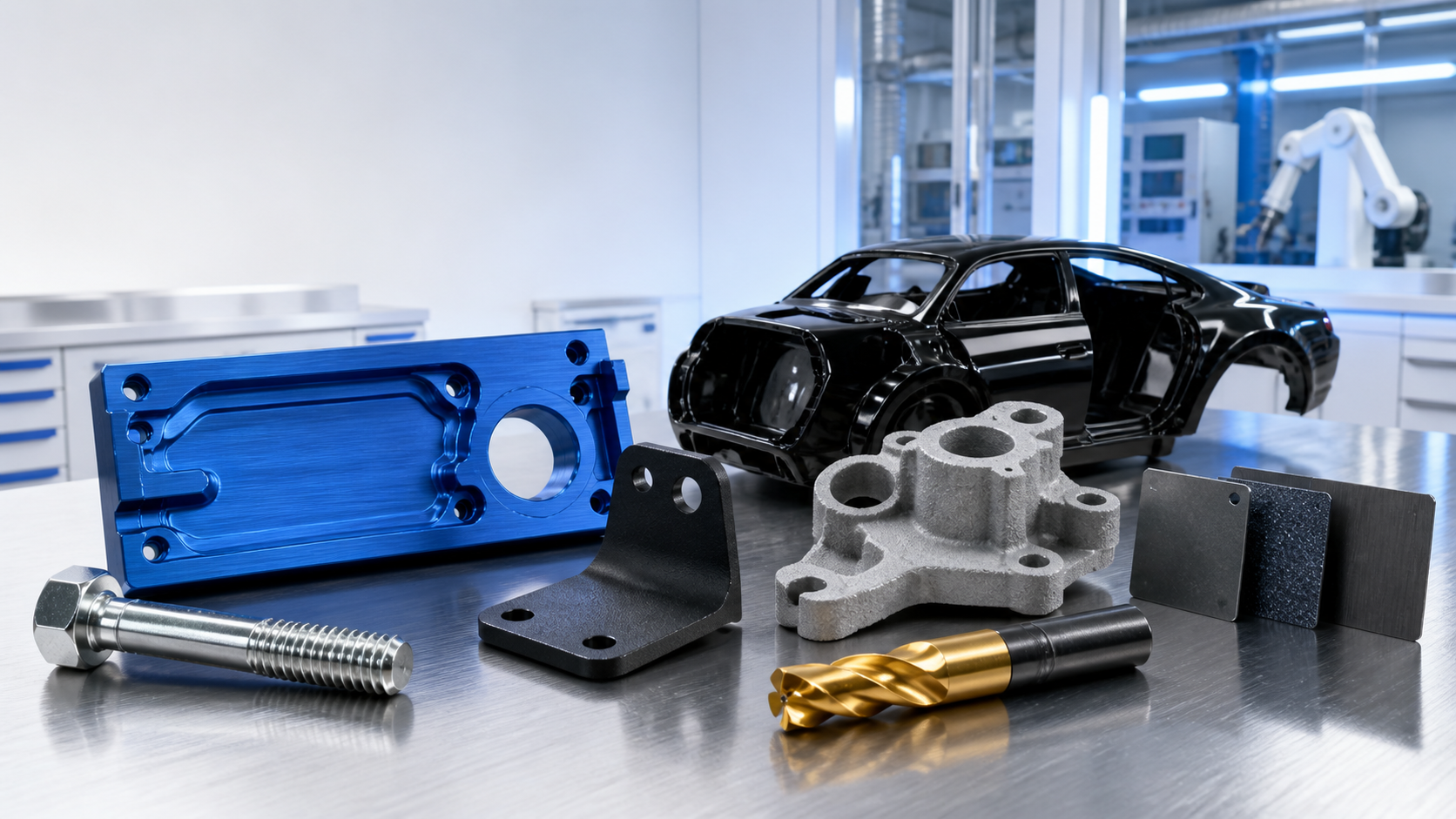
Обработка поверхности – это не только внешний вид. Это меняет то, как деталь противостоит коррозии., носить, нагревать, влага, химикаты, электрический контакт, и механические повреждения. В этом руководстве сравниваются семь широко используемых процессов обработки поверхности и объясняется, когда следует выбирать каждый из них..
Обзор процессов обработки поверхности
Оглавление
- Почему обработка поверхности имеет значение
- Гальваника: Нанесение металлического слоя
- Анодирование: Выращивание оксидной пленки из алюминия
- Напыление покрытия: Создание органического защитного барьера
- Электрофоретическое покрытие: Формирование однородной грунтовочной пленки
- Микродуговое оксидирование: Создание керамической пленки на легких сплавах
- PVD-вакуумное покрытие: Нанесение функциональных тонких пленок
- Химические конверсионные покрытия: Изменение поверхности путем химической реакции
- Как выбрать правильную обработку поверхности
- Почему тестирования солевым туманом недостаточно
- Заключительные мысли
Почему обработка поверхности имеет значение
В механическом производстве, автомобильная инженерия, бытовая электроника, аэрокосмический, и других отраслях с высокой надежностью, Обработка поверхности может напрямую определить, как долго прослужит деталь..
Один и тот же базовый материал может работать по-разному после разной обработки поверхности.. Коррозионная стойкость, износостойкость, электропроводность, изоляция, поведение при трении, и внешний вид может все существенно измениться.
Другими словами, обработка поверхности – это не просто косметический этап. Создает функциональный поверхностный слой, сохраняя при этом объемные свойства подложки максимально неизменными..
Не существует универсального «лучшего» способа обработки поверхности.. Правильный выбор зависит от подложки., геометрия, требуемая функция, среда обслуживания, размерный допуск, последующая сборка, расходы, и нормативные ограничения.
Сегодня, Решения по отделке поверхности также определяются более строгими экологическими требованиями и требованиями соответствия.. К ним относятся замена шестивалентного хрома., трехвалентная или безхромовая пассивация, системы покрытий с низким содержанием летучих органических соединений, низкотемпературные порошковые покрытия, предварительная обработка цирконием или силаном, Обзоры, связанные с PFAS, и более строгие проверки автомобильных специальных процессов.
Гальваника: Нанесение металлического слоя
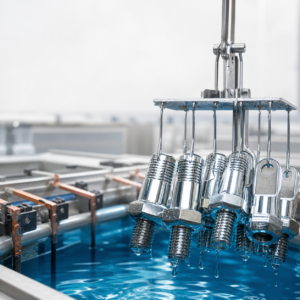
Процесс гальваники
При гальванике используется внешнее поле постоянного тока для восстановления ионов металлов из электролита на поверхности заготовки.. Заготовкой обычно является катод., в то время как анод может быть растворимым или нерастворимым в зависимости от химического состава ванны..
Обычные гальванические слои включают цинк., цинк-никелевый сплав, никель, медь, хром, серебро, золото, твердый хром, и композитные системы, такие как химическое никелирование с последующим гальванопокрытием..
Различные слои покрытия служат разным целям.:
- Цинкование в основном используется для защиты стали от коррозии..
- Цинк-никелевое покрытие часто используется для изготовления автомобильных крепежей с более высокими эксплуатационными характеристиками и коррозионностойких деталей..
- Никелирование может обеспечить защиту, износостойкость, и декоративный внешний вид.
- Медное покрытие часто используется в качестве подложки., проводящий слой, или переходный слой.
- Золотое и серебряное покрытие часто используется в электрических контактах и декоративных деталях премиум-класса..
- Твердый хром используется для обеспечения износостойкости и восстановления размеров., хотя на его использование все больше влияет экологическое законодательство.
Типичная последовательность операций:
Очистка → промывка → удаление или травление ржавчины → активация → дополнительная затирка или грунтовка → основное покрытие → промывка → пассивация или герметизация → сушка → проверка..
Предварительная обработка имеет решающее значение. Масло, оксидная окалина, ржавчина, остатки полировочного состава могут вызвать образование пузырей., дырочки, и местное расслоение.
Ключевые риски:
- Неравномерная толщина покрытия.
- Плохое покрытие глубоких ям., канавки, и полости.
- Водородное охрупчивание после травления или плакирования высокопрочной стали..
- Экологическое давление со стороны тяжелых металлов, сточные воды, и уход за баней.
- Постоянная замена систем шестивалентного хрома на трехвалентный хром или альтернативы, не содержащие хрома..
Еда на вынос:
Гальваника подходит, когда деталь нуждается в металлическом функциональном слое для защиты от коррозии., проводимость, паяемость, износостойкость, ремонт, или украшение. Для высокопрочных несущих деталей, контроль водородного охрупчивания должен быть четко указан.
Анодирование: Выращивание оксидной пленки из алюминия
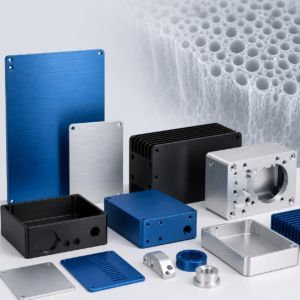
Процесс анодирования
Анодирование в основном используется для алюминия и алюминиевых сплавов.. Его также можно применять к титану., магний, и другие клапанные металлы в особых условиях.
Ключевое отличие от гальваники заключается в том, что при анодировании не образуется внешний металлический слой.. Вместо, он преобразует поверхность подложки в оксидную пленку посредством электрохимического оксидирования..
Для алюминиевых сплавов, анодная пленка состоит в основном из оксида алюминия. Это может улучшить коррозионную стойкость, износостойкость, электрическая изоляция, и внешний вид.
Типичная последовательность операций:
Размещение → очистка → промывка → щелочное травление или химическое отбеливание → обесцвечивание → анодирование → крашение или электролитическая окраска → герметизация → проверка..
Не каждое изделие требует травления, крашение, или химическая полировка. Процесс следует выбирать по внешнему виду., функция, сплав, терпимость, и стоимость.
Свежие анодные пленки пористые.. Это делает их пригодными для поглощения красителей., но это также делает их уязвимыми для заражения. Поэтому герметизация необходима для обеспечения коррозионной стойкости и стабильности цвета..
Обычное анодирование часто используется для:
- Корпуса для бытовой электроники.
- Архитектурные алюминиевые профили.
- Инструменты и конструктивные элементы.
- Общая защита и декоративная окраска.
Твердое анодирование часто используется для:
- Поршни, цилиндры, и направляющие.
- Гидравлические компоненты.
- Алюминиевые детали, требующие повышенной износостойкости.
Жесткие анодные пленки могут быть очень твердыми., но они также относительно хрупкие. Их не следует рассматривать как замену прочности основного материала..
Ключевые риски:
- Различные алюминиевые сплавы могут давать разный цвет., блеск, и однородность пленки.
- Анодные пленки растут как внутрь, так и наружу., затрагивающие дыры, подходит, и прецизионные нити.
- Плохая герметизация снижает коррозионную стойкость..
- Высокая стабильность цвета требует контроля партии сплава., предварительная обработка, и шероховатость поверхности.
Еда на вынос:
Анодирование особенно подходит для алюминиевых деталей, нуждающихся в защите., изоляция, износостойкость, или декоративный цвет. Для прецизионных компонентов, Толщина пленки и размерный рост должны учитываться при проектировании..
Напыление покрытия: Создание органического защитного барьера
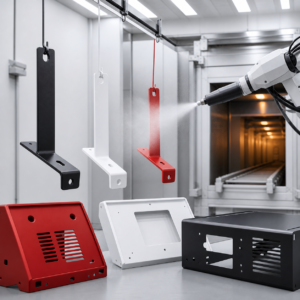
Процесс нанесения покрытия распылением
Промышленное распыление наносит на заготовку жидкую краску или порошковое покрытие и образует сплошную пленку за счет испарения., химическая реакция, обогрев, или комбинация этих механизмов.
Напыление покрытия широко используется на стальных конструкциях., автомобильные детали, техника, корпуса приборов, алюминиевые изделия, мебель, и строительные компоненты.
Это не следует рассматривать просто как «добавление цвета». Во многих случаях, срок службы больше зависит от предварительной обработки, праймерная система, толщина пленки, покрытие края, и качество отверждения, чем цвет верхнего слоя.
Преимущества жидкого покрытия:
- Широкий выбор химических покрытий.
- Гибкий цвет, блеск, и контроль внешнего вида.
- Подходит для праймера., грунтовщик, базовое покрытие, прозрачный лак, и высокая декоративная отделка.
- Некоторые системы могут отверждаться при комнатной или низкой температуре..
Основным недостатком является то, что жидкие системы могут генерировать летучие органические соединения., требующий правильного дизайна стенда, вентиляция, защита от взрыва, и обработка выхлопных газов.
Преимущества порошковой покраски:
- Высокая степень использования материала.
- Обычно нет традиционного растворителя.
- Относительно толстая пленка.
- Хорошая ударопрочность и коррозионная стойкость.
- Подходит для автоматизированного массового производства..
Порошковое покрытие обычно требует термоотверждения.. Субстрат, вставки, клеи, и собранные детали должны выдерживать фактическую температуру детали..
Ключевые контрольные точки:
- Чистота и шероховатость поверхности.
- Качество конверсионного покрытия.
- Вязкость покрытия, содержание твердых веществ, и состояние порошка.
- Расстояние распылителя, угол, давление распыления, и электростатическое напряжение.
- Толщина влажной и сухой пленки.
- Фактическая температура детали и время отверждения.
Распространенные дефекты:
Кратеры, апельсиновая цедра, провисание, грязь, дырочки, плохо прячешься, слабая адгезия, изменение цвета, несоответствие глянца, недостаточное отверждение, и чрезмерное отверждение.
Еда на вынос:
Напыление подходит для защиты от коррозии., украшение, и устойчивость к атмосферным воздействиям. Системы с низким содержанием летучих органических соединений, водные покрытия, покрытия с высоким содержанием сухого остатка, и технологии порошков низкой степени отверждения становятся все более важными.
Электрофоретическое покрытие: Формирование однородной грунтовочной пленки
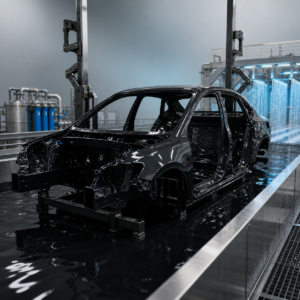
Процесс электрофоретического покрытия
Электрофоретическое покрытие, часто называемый электронным пальто, погружает проводящую заготовку в ванну для нанесения покрытия на водной основе. Электрическое поле постоянного тока перемещает заряженные частицы смолы и пигмента на поверхность заготовки., где они откладываются и образуют пленку.
Катодное электронное покрытие широко используется в автомобильной промышленности для обеспечения однородной антикоррозионной грунтовки кузовов транспортных средств и металлических компонентов..
По сравнению с обычным распылением, Электронное пальто имеет лучшую метательную силу. Он может закрывать швы, полости, и сложные конструкции, до которых трудно добраться краскопультам.
Типичная последовательность операций:
Обезжиривание → промывка → подготовка поверхности или конверсионная обработка → промывка деионизированной водой → электронное покрытие → промывка для восстановления ультрафильтрата → промывка деионизированной водой → обжиг → проверка.
Предварительная обработка чрезвычайно важна. Масло, ржавчина, оксидная окалина, или ненормальная конверсионная пленка может привести к образованию кратеров, дырочки, плохая адгезия, и ранняя коррозия.
Ключевые параметры:
- Твердые вещества для ванны, рН, и проводимость.
- Температура ванны.
- Напряжение и время включения.
- Метод ввода заготовки.
- Анодная система и система ультрафильтрации.
- Температура выпекания, время выпечки, и толщина пленки.
Общие проблемы:
- Пленка слишком тонкая или слишком толстая.
- Недостаточное покрытие полости.
- Пинхолы, кратеры, и частицы.
- Следы электронного покрытия и следы контакта со стойкой.
- Недопекание.
- Коррозия, начиная с краев, сварные швы, и слабые внутренние области.
Еда на вынос:
E-coat высокоэффективен в качестве антикоррозийной грунтовки для проводящих металлических деталей., особенно автомобильные конструкции. Он не подходит для обычных непроводящих пластмасс, если не используется дополнительная проводящая подготовка..
Микродуговое оксидирование: Создание керамической пленки на легких сплавах
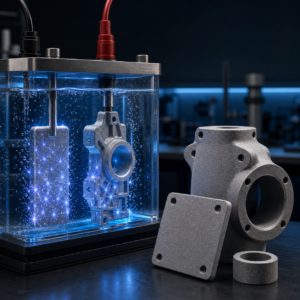
Процесс микродугового оксидирования
Микродуговое оксидирование, также известное как плазменно-электролитическое окисление или ПЭО., используется на алюминии, магний, титан, и другие вентильные металлы.
Под относительно высоким напряжением, на поверхности металла возникают микроразряды. Электрохимический, термохимический, и плазменные реакции образуют керамическую оксидную пленку.
По сравнению с традиционным анодированием, микродуговое оксидирование создает слой, более похожий на керамический. Это может обеспечить более высокую твердость, износостойкость, термостойкость, и диэлектрические характеристики.
Типичная последовательность операций:
Очистка → выгрузка → погружение в электролит → линейное изменение напряжения или импульсная мощность → микродуговое оксидирование → промывка → герметизация или композитная обработка → проверка.
Пленка микродугового оксидирования обычно включает в себя:
- Плотный внутренний слой возле подложки.
- Функциональный средний слой.
- Относительно пористый внешний слой.
Пористый внешний слой может снизить коррозионную стойкость, если его не лечить.. Приложения с высокой степенью коррозии часто требуют герметизации., электронное покрытие, рисование, или другое комплексное лечение.
Общие приложения:
- Компоненты из легких сплавов для аэрокосмической отрасли.
- Детали автомобильного двигателя и трансмиссии.
- Износостойкие детали из алюминия и магниевого сплава..
- Структуры электронных устройств.
- Отдельные медицинские изделия и специальные функциональные компоненты.
Основные ограничения:
- Высокое напряжение и энергопотребление.
- Более высокая стоимость оборудования.
- Более шероховатая поверхность, чем при обычном анодировании.
- Ограниченные варианты цвета.
- Риск ожога на острых углах или в местах с сильным полем зрения..
- Толстые пленки могут повлиять на размеры и усталостные характеристики..
Еда на вынос:
Микродуговое оксидирование не следует выбирать только потому, что оно «жесткое». Шероховатость поверхности, требования к уплотнению, изменение размеров, риск усталости, и более поздняя сборка должна все быть оценена.
PVD-вакуумное покрытие: Нанесение функциональных тонких пленок
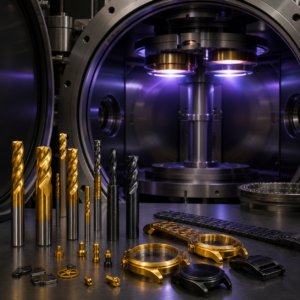
Процесс вакуумного покрытия PVD
PVD означает физическое осаждение из паровой фазы.. В вакууме, испарение, распыление, катодная дуга, или родственные методы высвобождают атомы или ионы из исходного материала и наносят их на заготовку в виде тонкой пленки..
Обычные пленки PVD включают TiN., TiCN, ТиАлН, КрН, АлКрН, DLC, металлические декоративные пленки, и многослойные или градиентные покрытия.
PVD в основном используется в двух областях.:
- Функциональные твердые покрытия для режущих инструментов, формы, и изнашиваемые детали.
- Декоративные покрытия для часов, аппаратное обеспечение, сантехника, мобильные устройства, и потребительские товары премиум-класса.
Типичная последовательность операций:
Точная очистка → загрузка → вакуумная откачка → нагрев и дегазация → ионная очистка или травление → осаждение → охлаждение → проверка..
PVD-пленки обычно имеют толщину от долей микрометра до нескольких микрометров.. Они могут быть трудными, объемный свет, визуально привлекательный, и подходит для многослойного дизайна.
Однако, PVD имеет четкий эффект прямой видимости. Глубокие дыры, канавки, и затененные участки могут получить недостаточное покрытие. Планетарное вращение, вращение детали, и дизайн светильников часто используются для улучшения покрытия.
Ключевые риски:
- Плохая очистка приводит к расслоению.
- Недостаточная твердость или опора подложки.
- Чрезмерное внутреннее напряжение пленки.
- Дефекты краев и затененные области.
- Изменение цвета и толщины в зависимости от положения камеры.
- Закалка или деформация подложки из-за температуры осаждения.
- Шероховатость поверхности копируется через тонкую пленку.
Еда на вынос:
PVD-покрытия могут быть очень твердыми., но они не улучшают автоматически общую износостойкость. Если основание слишком мягкое, слишком грубо, или плохо подготовлен, твердая пленка может треснуть или отслоиться. HiPIMS, DLC, и многослойные наноструктурированные покрытия все чаще используются в высокопроизводительных приложениях..
Химические конверсионные покрытия: Изменение поверхности путем химической реакции
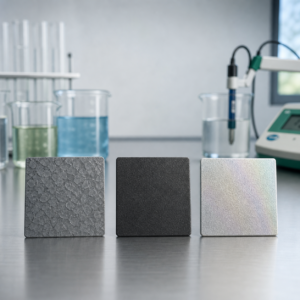
Процесс химического конверсионного покрытия
Химическое конверсионное покрытие — это не просто внешний слой, нанесенный на подложку.. Он образуется, когда поверхность подложки вступает в реакцию с обрабатывающим раствором и образует связующую компаундную пленку..
Общие процессы включают фосфатирование стали., фосфат цинка, фосфат марганца, фосфат железа, конверсионная обработка алюминия, черная окись или воронение стали, и конверсионные покрытия без содержания хрома..
Фосфатирование
Фосфатирование образует фосфатную конверсионную пленку на металлических поверхностях..
В основном он используется для:
- Предварительная обработка деталей перед покраской или нанесением электронного покрытия.
- Улучшить адгезию органического покрытия..
- Повышение устойчивости к коррозии под пленкой.
- Уменьшите трение и удерживайте масло.
- Поддержка смазки при холодной штамповке.
Качество фосфата часто оценивают по весу покрытия, а не только по толщине..
Важные элементы управления включают очистку., удаление ржавчины, кондиционирование поверхности, общая кислота, свободная кислота, концентрация ускорителя, температура, время лечения, состав субстрата, полоскание, и сушка.
Черный оксид или воронение
Традиционный высокотемпературный щелочной черный оксид на стали образует тонкую пленку, состоящую в основном из магнетита.. Для чернения при комнатной температуре может использоваться другой химический состав, и не следует предполагать, что он обеспечивает одинаковую эффективность..
Черный оксид оказывает очень незначительное влияние на размер.. Обычно используется для крепежа., инструменты, огнестрельное оружие, механические части, недорогое украшение, и кратковременная защита от ржавчины.
Однако, черный оксид сам по себе имеет ограниченную коррозионную стойкость. Обычно требуется смазка, депиляция воском, или герметизация.
Еда на вынос:
Химические конверсионные покрытия недороги., тонкий, и подходит для серийного производства. Они также широко используются в качестве предварительной обработки перед покраской или нанесением электронного покрытия.. Но их автономная коррозионная стойкость ограничена., и контроль состояния ванны имеет решающее значение.
Как выбрать правильную обработку поверхности
Процесс | Типичные субстраты | Основные функции | Слой персонажа | Типичные риски |
Гальваника | Сталь, медь, обработанные пластмассы | Защита от коррозии, проводимость, износостойкость, украшение | Отложение металла или сплава | Водородное охрупчивание, неравномерная толщина, экологическая нагрузка |
Анодирование | Алюминиевые сплавы | Защита, изоляция, украшение, износостойкость | Оксидная пленка на месте | Цветовая вариация, хрупкость, изменение размеров |
Напыление покрытия | Металлы и некоторые неметаллы | Защита от коррозии, украшение, устойчивость к атмосферным воздействиям | Относительно толстая органическая пленка | Адгезия, лечение, визуальные дефекты |
Электронное пальто | Проводящие металлы | Однородная антикоррозийная грунтовка | Хорошее покрытие полости | Чувствительность перед лечением, дырочки, недостаточная сила броска |
Микродуговое оксидирование | Алюминий, магний, титановые легкие сплавы | Высокая твердость, износостойкость, термостойкость | Керамическая оксидная пленка | Шероховатость, пористость, высокое энергопотребление |
ПВД | Металлы, керамика, обработанные пластмассы | Высокая твердость, низкое трение, украшение | Тонкая пленка микрометрового масштаба | Слежение, адгезия, поддержка субстрата |
Химическое конверсионное покрытие | Сталь, цинк, алюминий | Основа краски, контроль трения, недорогая защита от ржавчины | Тонкая реакционная пленка | Ограниченная автономная коррозионная стойкость, чувствительность к ванне |
Прежде чем выбрать процесс, ответь на эти вопросы:
- Что такое субстрат, и совместимо ли это с процессом?
- Требуется ли продукту устойчивость к коррозии?, износостойкость, изоляция, проводимость, украшение, или комбинация функций?
- Будет ли деталь обращена к солевому распылению?, циклическая влажность, конденсация, УФ, химическое воздействие, высокая температура, или истирание?
- Может ли конструкция выдерживать рост пленки?, наращивание края, маскировка, или постобработка?
- Есть ли в геометрии глубокие отверстия?, полости, слепые зоны, острые углы, сварные швы, или дренажные ловушки?
- Выдерживает ли субстрат травление, высокое напряжение, температура вакуума, взрывные работы, или выпечка?
- Соответствуют ли объем производства и стоимость выбранному процессу и требованиям контроля??
- Выполняем спецификации заказчика, экологические правила, RoHS/REACH, Обзоры, связанные с PFAS, и разрешения на сточные воды позволяют использовать химию?
- Позже буду сварку, связь, рисование, электрический контакт, уплотнение, или точность сборки пострадает?
- Могут ли последствия отказа оправдать пломбирование?, пальто, дуплексная система, или избыточная защита?
Почему тестирования солевым туманом недостаточно
Испытание солевого тумана часто используется для сравнения обработки поверхности., но результат легко переоценить.
Испытание солевым туманом полезно для:
- Сравнение стабильности процесса в пределах одного семейства покрытий.
- Контроль процессов поставщика.
- Тестирование соответствия стандарту продукции.
- Обнаружение пористости, проблемы с уплотнением, или проблемы перед лечением.
Однако, часы работы в солевом тумане не следует рассматривать как равные реальному сроку службы..
На фактическое поведение коррозии влияет циклическое изменение температуры и влажности., конденсация, УФ-воздействие, химикаты, изменения температуры, истирание, щели, гальваническая коррозия, повреждение сборки, загрязнение, и условия обслуживания.
Полная оценка может также включать внешний вид., разница в цвете, толщина пленки или вес покрытия, адгезия, твердость, износостойкость, пористость, шероховатость, химическая стойкость, устойчивость к влажности, изменение размеров, и функциональное тестирование.
Еда на вынос:
Испытание солевым туманом — полезный инструмент контроля качества, но это не должно быть единственным основанием для оценки обработки поверхности.. План проверки должен соответствовать функции продукта., риск отказа, и спецификации заказчика.
Заключительные мысли
Гальваника, анодирование, напыление покрытия, электронное покрытие, микродуговое оксидирование, ПВД, и химические конверсионные покрытия изменяют поверхности посредством различных механизмов.: осаждение металла, окисление субстрата, органическое покрытие, электрополевое осаждение, плазменная реакция, вакуумное осаждение из паровой фазы, и химическая конверсия.
Хорошая обработка поверхности не обязательно должна быть самой толстой., самый дорогой, или самый сложный вариант.
Лучшим выбором является тот, который создает стабильную, проверяемый, повторяемые характеристики поверхности при соблюдении функциональных возможностей продукта, производство, расходы, и требования соответствия.
Предлагаемые теги:
Обработка поверхности, инженерия поверхности, гальваника, анодирование, напыление покрытия, электрофоретическое покрытие, электронное пальто, микродуговое оксидирование, ПЭО, ПВД-покрытие, химическое конверсионное покрытие, защита от коррозии, производственный процесс

Лео Лян, Основатель, лучший партнер R&Д
Основатель JADE-CNC Лео, который обладает более чем двадцатилетним опытом работы в отрасли, Лео начал свою карьеру в качестве ученика и практиковал свои навыки в области обработки поверхностей и обработки на станках с ЧПУ..