



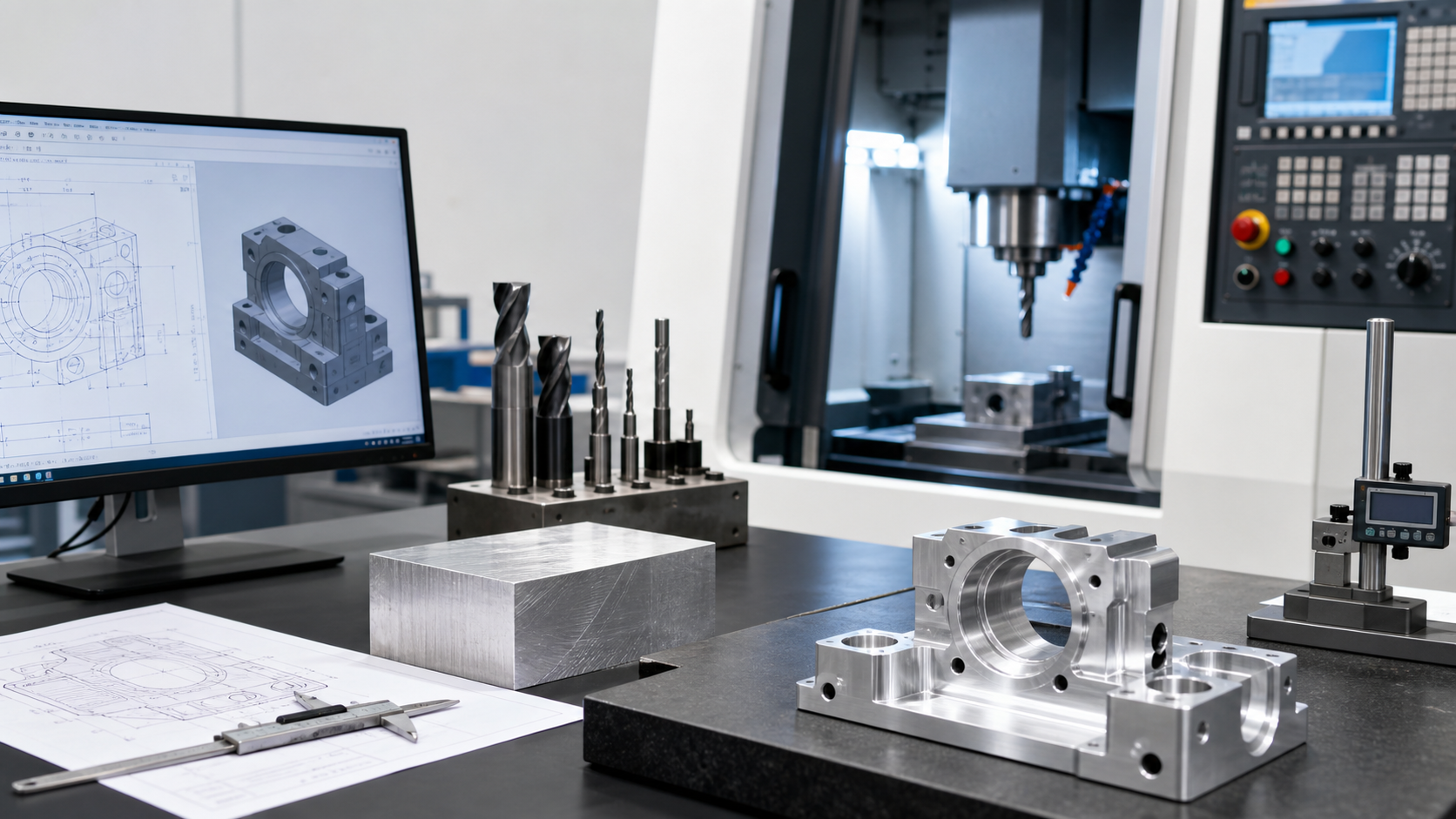
Wielu klientów słyszało termin CNC, ale mogą nie w pełni rozumieć, co dzieje się za gotową precyzyjną częścią. Części CNC nie można wykonać po prostu przez umieszczenie materiału w maszynie i naciśnięcie przycisku. Za każdym obrabianym elementem, jest recenzja rysunku, programowanie, trzymanie pracy, obróbka, gratowanie, wykończenie powierzchni, i inspekcja.
W tym artykule, wyjaśnimy na czym polega obróbka CNC i jak JADE-CNC zamienia rysunek lub model 3D klienta w niezawodną część fizyczną.
Co oznacza CNC?
CNC oznacza Komputerowe sterowanie numeryczne.
W prostych słowach, Obróbka CNC oznacza wykorzystanie sterowanych komputerowo maszyn do usuwania materiału z przedmiotu obrabianego zgodnie z zaprogramowaną ścieżką narzędzia. Maszyna postępuje zgodnie z instrukcjami cyfrowymi, podczas gdy narzędzie tnące usuwa materiał w kontrolowany sposób.
Instrukcje te kontrolują szczegóły, takie jak:
- Ruch narzędzia
- Głębokość cięcia
- Szybkość podawania
- Prędkość wrzeciona
- Zmiany narzędzi
- Sekwencja obróbki
- Pozycja współrzędnych roboczych
W porównaniu z obróbką ręczną, Obróbka CNC zapewnia lepszą powtarzalność, wyższa wydajność, i bardziej stabilna precyzja. Po prawidłowym przygotowaniu procesu, maszyna może wielokrotnie wytwarzać tę samą cechę z kontrolowaną dokładnością.
CNC rozpoczyna się od rysunku klienta lub modelu 3D
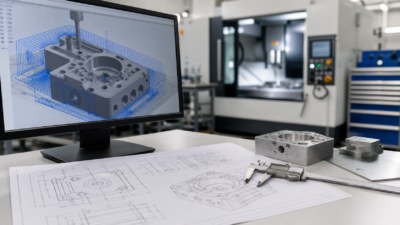
Każda część obrabiana CNC zaczyna się od projektu.
Klient zazwyczaj dostarcza rysunek 2D, 3Model D, lub oba. Pliki te informują dostawcę, jak część powinna wyglądać i jak powinna działać.
Przed rozpoczęciem produkcji, JADE-CNC dokładnie przegląda rysunek. Ważne informacje obejmują:
- Tworzywo
- Tolerancja
- Wykończenie powierzchni
- Wątki
- Rozmiary otworów
- Wymiary krytyczne
- Odniesienia do danych
- Ilość
- Wymagania aplikacji
Ten krok jest bardzo ważny. Jeśli rysunek jest niejasny, końcowa część może nie spełniać wymagań klienta dotyczących montażu lub wydajności.
Na przykład, dziura może wyglądać prosto, ale może wymagać szczególnej tolerancji, głębokość gwintu, wkręcać, lub wykończenie powierzchni. Płaska powierzchnia może wymagać kosmetycznych zmian, związane z uszczelnieniem, lub używany jako punkt odniesienia do montażu. Dane te należy potwierdzić przed obróbką.
Przegląd techniczny pomaga zapobiegać problemom produkcyjnym

Obróbka CNC to nie tylko odczytywanie wymiarów.
Podczas przeglądu technicznego, zespół sprawdza, czy część można obrobić wydajnie i dokładnie. Może to obejmować dostęp do narzędzi, grubość ścianki, głębokie kieszenie, ostre narożniki wewnętrzne, wykonalność tolerancji, metoda zaciskania, i wymagania wykończeniowe.
Dobry przegląd techniczny może pomóc w zidentyfikowaniu potencjalnych problemów przed rozpoczęciem produkcji.
Na przykład:
- Głęboka, wąska szczelina może wymagać specjalnego narzędzia.
- Cienka ścianka może odkształcić się podczas obróbki.
- Wąska tolerancja może wymagać dodatkowej kontroli.
- Obróbka powierzchni może mieć wpływ na ostateczne wymiary.
- Gwintowany otwór może wymagać wystarczającej głębokości do montażu.
W JADE-CNC, zrozumienie rysunku jest pierwszym krokiem w kierunku kontrolowania jakości.
Programowanie CAM przekształca projekt w ścieżki narzędzia
Po sprawdzeniu rysunku i modelu, inżynier tworzy ścieżki narzędzi w oprogramowaniu CAM.
CAM oznacza Produkcja wspomagana komputerowo. Jest to proces oprogramowania służący do przekształcania modelu 3D w instrukcje obróbki, które może wykonywać maszyna CNC.
Decyduje inżynier CAM:
- Jakich narzędzi użyć
- Sposób wejścia narzędzia w materiał
- Ilość materiału do usunięcia w każdym przejściu
- Które powierzchnie obrabiać jako pierwsze
- Jak uniknąć kolizji
- Jak kontrolować jakość powierzchni
- Jak pozostawić naddatek na obróbkę
- Jak ukończyć krytyczne funkcje
Ten etap ma bezpośredni wpływ na jakość obróbki. Dobra ścieżka narzędzia może poprawić wykończenie powierzchni, zmniejszyć zadziory, kontrolować deformację, i chronić żywotność narzędzia.
Program jest wysyłany do maszyny CNC
Gdy ścieżka narzędzia będzie już gotowa, program obróbki przesyłany jest do maszyny CNC.
Operator sprawdza panel sterowania maszyny, potwierdza program, przygotowuje narzędzia, i weryfikuje konfigurację przed rozpoczęciem cięcia.
Ten krok łączy projekt cyfrowy z fizycznym procesem produkcyjnym.
Chociaż maszyny CNC są sterowane komputerowo, wykwalifikowani operatorzy są nadal niezbędni. Sprawdzają konfigurację, potwierdzić długość narzędzia, ustawić współrzędne, monitorować warunki skrawania, i upewnij się, że proces przebiega bezpiecznie i dokładnie.
Trzymanie robocze: Prawidłowe mocowanie materiału
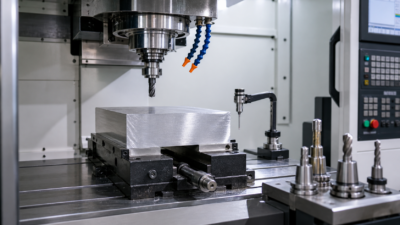
Przed rozpoczęciem obróbki, surowiec musi być bezpiecznie zaciśnięty.
Mocowanie to proces mocowania materiału we właściwej pozycji, tak aby narzędzie tnące mogło go dokładnie obrobić. Może to obejmować imadło, zaciski, miękkie szczęki, płyty mocujące, mocowanie próżniowe, lub niestandardowe oprawy.
Dobre trzymanie robocze musi zapewniać stabilność części bez powodowania deformacji.
Jeśli materiał porusza się podczas obróbki, wymiary mogą się przesunąć. Jeśli siła mocowania jest zbyt duża, cienkie lub delikatne części mogą się zdeformować. Jeśli pozycjonowanie nie jest powtarzalne, funkcje z różnych konfiguracji mogą się nie zgadzać.
W JADE-CNC, mocowanie i pozycjonowanie są ważnymi elementami procesu obróbki.
Instalacja narzędzi i konfiguracja współrzędnych pracy
Po zaciśnięciu materiału, operator instaluje narzędzia skrawające i ustala współrzędną pracy.
Współrzędna robocza informuje maszynę CNC, gdzie znajduje się część. Jeśli współrzędne są nieprawidłowe, maszyna może ciąć w niewłaściwej pozycji, nawet jeśli sam program jest prawidłowy.
Równie ważna jest instalacja narzędzi. Każde narzędzie musi pasować do programu, i kompensacja długości narzędzia muszą być ustawione prawidłowo.
Preparat ten wpływa:
- Dokładność wymiarowa
- Pozycja otworu
- Wykończenie powierzchni
- Bezpieczeństwo narzędzi
- Stabilność obróbki
Dokładne ustawienie pomaga zapewnić, że maszyna podąża ścieżką narzędzia dokładnie zgodnie z planem.
Obróbka CNC usuwa materiał w kontrolowany sposób
Gdy już wszystko będzie przygotowane, rozpoczyna się obróbka.
Narzędzie tnące usuwa materiał zgodnie z zaprogramowaną ścieżką. W zależności od części, Obróbka CNC może obejmować frezowanie, wiercenie, stukający, nudny, konturowanie, obróbka kieszeni, lub obróbka 5-osiowa.
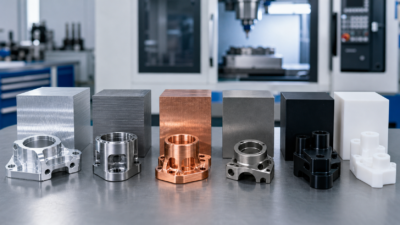
Różne materiały wymagają różnych strategii cięcia. Aluminium, stal nierdzewna, miedź, tytan, POM, ABS, i komputer PC mogą być obrabiane maszynowo, ale każdy materiał zachowuje się inaczej.
Na przykład:
- Maszyny aluminiowe są wydajne, ale nadal wymagają kontroli zadziorów.
- Stal nierdzewna wymaga starannej kontroli temperatury i zużycia narzędzi.
- Miedź może być lepka i może wymagać specjalnego oprzyrządowania.
- Tytan wymaga stabilnego cięcia i zarządzania ciepłem.
- Konstrukcyjne tworzywa sztuczne mogą odkształcać się lub topić, jeśli ciepło nie jest kontrolowane.
Wartością obróbki CNC jest elastyczność materiału, kontrolowana dokładność, i powtarzalna produkcja.
Gratowanie i czyszczenie po obróbce
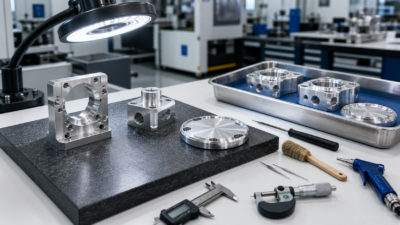
Po obróbce, część zazwyczaj nie jest gotowa do natychmiastowej dostawy.
Wokół otworów mogą pozostać małe zadziory, krawędzie, szczeliny, wątki, i kieszenie. Płyn do cięcia, frytki, lub kurz mogą również pozostać na powierzchni lub wewnątrz elementów wewnętrznych.
JADE-CNC może wykonać gratowanie i czyszczenie po obróbce, aby przygotować część do kontroli, wykończeniowy, lub montaż.
Gratowanie pomaga usunąć ostre krawędzie i mały, niechciany materiał. Czyszczenie pomaga usunąć wióry, olej, i pozostałość.
Ten krok jest ważny, ponieważ zadziory mogą mieć wpływ na montaż, obróbka powierzchni, i doświadczenie klienta.
Wykończenie powierzchni poprawia funkcjonalność i wygląd
Niektóre części CNC wymagają dodatkowego wykończenia powierzchni.
Typowe opcje wykończenia obejmują:
- Anodowanie
- Piaskowanie
- Malarstwo
- Malowanie proszkowe
- Polerowanie
- Szczotkowanie
- Platerowanie
- Pasywacja
Wykończenie powierzchni może poprawić odporność na korozję, twardość, wygląd, odporność na zużycie, lub wydajność powłoki.
Jednakże, wykończenie należy rozpatrywać łącznie z obróbką skrawaniem. Niektóre powłoki dodają grubości. Niektóre powierzchnie wymagają maskowania. Niektóre twarze kosmetyczne wymagają szczególnej ochrony podczas mocowania i przenoszenia.
Do wysokiej jakości części CNC, obróbkę i wykańczanie należy zaplanować jako jeden kompletny proces.
Kontrola końcowa potwierdza jakość
Przed dostawą, część należy sprawdzić.
Kontrola końcowa może obejmować sprawdzenie wymiarów, wątki, wykończenie powierzchni, zadziory, dziury, wygląd, i krytyczne cechy. W zależności od wymagań części, narzędzia kontrolne mogą obejmować zaciski, mikrometry, mierniki, wysokościomierze, Sprzęt CMM, lub kontrola wzrokowa pod oświetleniem.
Dla klientów, najważniejsze jest nie tylko to, ile maszyn posiada dostawca. Chodzi o to, czy dostawca rozumie rysunki, tolerancje, i kontrola jakości.
Niezawodny dostawca obróbki CNC powinien być w stanie kontrolować cały proces, od przeglądu projektu do kontroli końcowej.
Dlaczego obróbka CNC jest wartościowa
Obróbka CNC jest szeroko stosowana, ponieważ oferuje trzy główne zalety:
Dokładność
Maszyny CNC mogą wytwarzać precyzyjne elementy zgodnie z zaprogramowanymi ścieżkami narzędzia i wymaganiami rysunkowymi.
Powtarzalność
Gdy proces jest kontrolowany, Obróbka CNC może wytwarzać spójne części w prototypach, małe partie, i przebiegi produkcyjne.
Elastyczność materiału
Obróbka CNC może przetwarzać wiele materiałów, w tym aluminium, stal nierdzewna, miedź, tytan, POM, ABS, komputer, oraz inne materiały inżynierskie w zależności od projektu.
Dzięki temu obróbka CNC nadaje się do robotyki, sprzęt komunikacyjny, automatyzacja, elektronika, urządzenia medyczne, komponenty lotnicze, maszyny przemysłowe, i niestandardowe części precyzyjne.
Wniosek
Kiedy widzisz małą część obrobioną CNC, może to wyglądać prosto. Ale za tym kryje się kompletny proces produkcyjny.
Niezawodna część CNC przechodzi przegląd techniczny, Programowanie CAM, trzymanie pracy, konfiguracja maszyny, instalacja narzędzia, obróbka, gratowanie, czyszczenie, wykończenie powierzchni, i kontrola końcowa.
To właśnie sprawia, że rysunek lub model 3D klienta staje się niezawodną częścią fizyczną.
W JADE-CNC, skupiamy się nie tylko na urządzeniach do obróbki skrawaniem, ale także na czerpaniu zrozumienia, kontrola tolerancji, planowanie procesu, koordynacja końcowa, i kontrola jakości.
wezwanie do działania
Potrzebujesz niestandardowych części obrabianych CNC z rysunku lub modelu 3D?
Wyślij JADE-CNC swoje pliki CAD, 2Rysunki D, wymagania materiałowe, ilość, potrzeby tolerancji, i wymagania dotyczące wykończenia powierzchni. Nasz zespół może pomóc w przejrzeniu Twojego projektu i zapewnić praktyczne rozwiązanie w zakresie obróbki CNC.
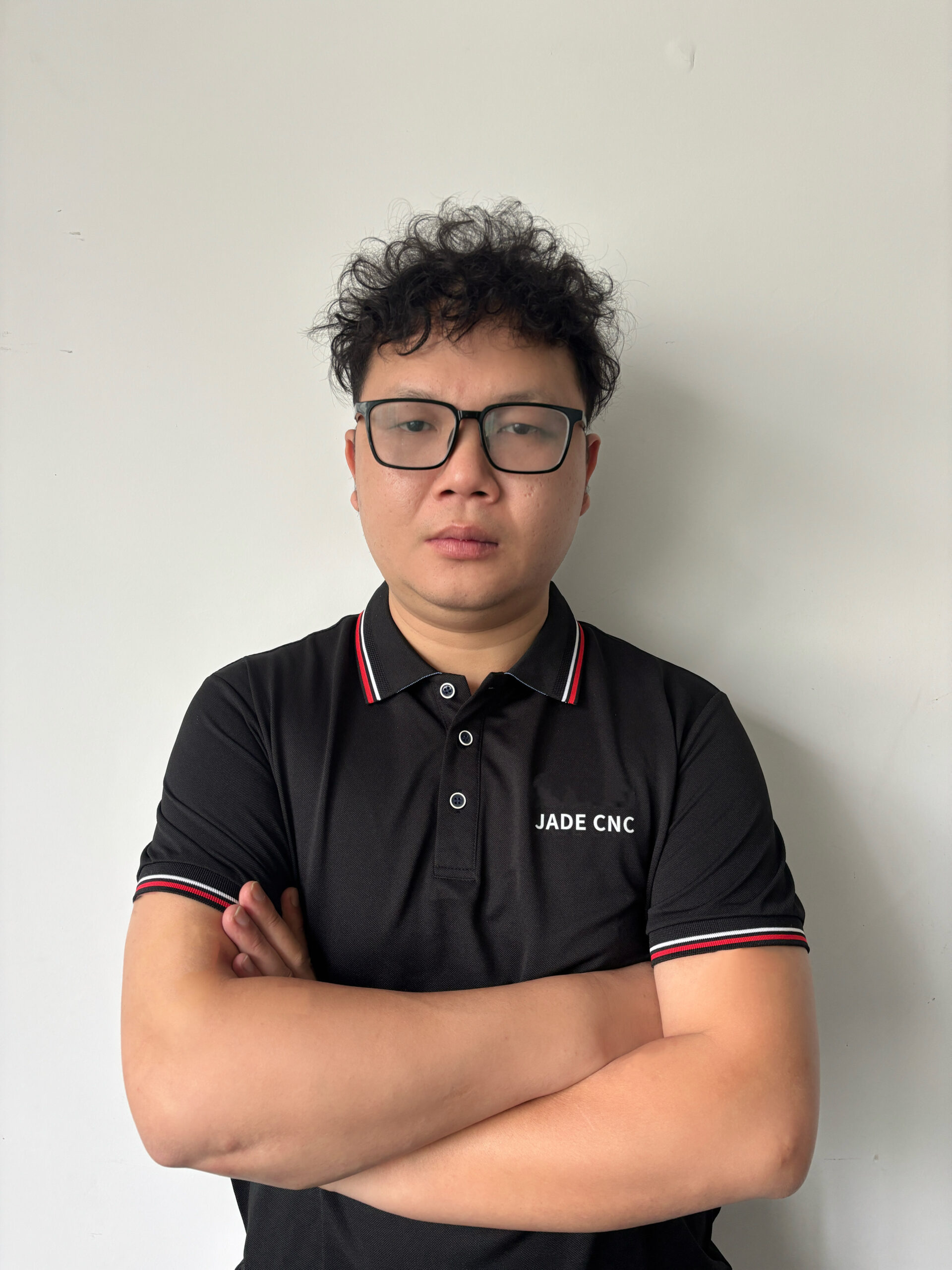
Leo Lianga, Założyciel Najlepszy Partner z R&D
Założyciel JADE-CNC, LEO, który wnosi ponad dwudziestoletnie doświadczenie branżowe, Leo rozpoczął karierę jako praktykant i ćwiczy swoje umiejętności w zakresie obróbki powierzchni i obróbki CNC.