



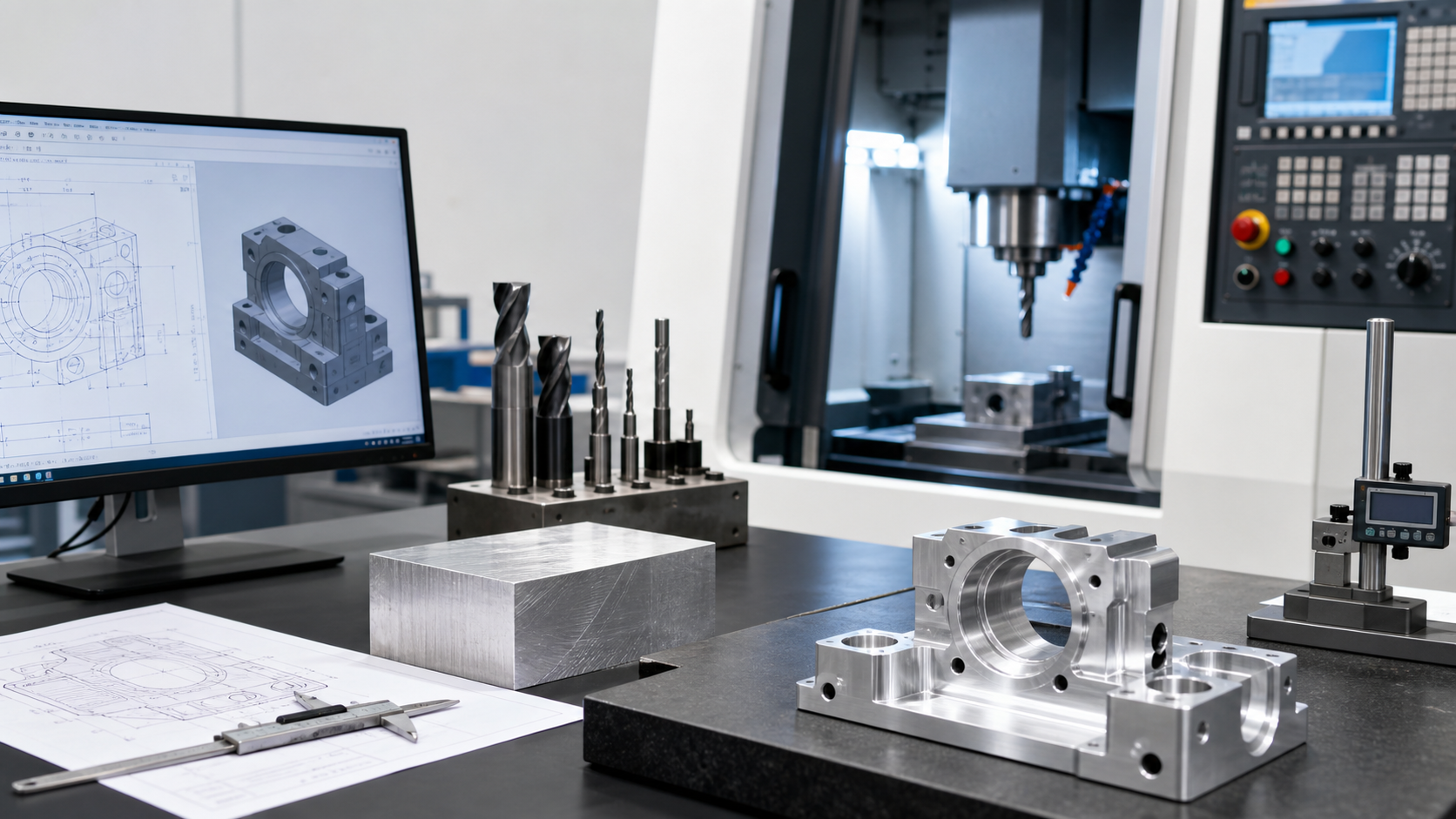
Birçok müşteri CNC terimini duymuştur, ancak bitmiş bir hassas parçanın arkasında ne olduğunu tam olarak anlayamayabilirler. Bir CNC parçası basitçe malzemeyi makineye koyarak ve bir düğmeye basarak yapılmaz.. İşlenmiş her bileşenin arkasında, çizim incelemesi var, programlama, iş tutma, işleme, çapak alma, yüzey bitirme, ve muayene.
Bu makalede, CNC işlemenin ne anlama geldiğini ve JADE-CNC'nin müşterinin çizimini veya 3D modelini nasıl güvenilir bir fiziksel parçaya dönüştürdüğünü açıklayacağız..
CNC Ne Demektir??
CNC anlamına gelir Bilgisayar Sayısal Kontrolü.
Basit anlamda, CNC işleme, programlanmış bir takım yoluna göre iş parçasından malzeme çıkarmak için bilgisayar kontrollü makinelerin kullanılması anlamına gelir. Makine dijital talimatları takip ediyor, kesici takım malzemeyi kontrollü bir şekilde kaldırırken.
Bu talimatlar aşağıdaki gibi ayrıntıları kontrol eder::
- Takım hareketi
- Kesme derinliği
- İlerleme hızı
- Mil hızı
- Araç değişiklikleri
- İşleme sırası
- İş koordinatı konumu
Manuel işlemeyle karşılaştırıldığında, CNC işleme daha iyi tekrarlanabilirlik sağlar, daha yüksek verimlilik, ve daha istikrarlı hassasiyet. Süreç doğru şekilde hazırlandıktan sonra, makine aynı özelliği kontrollü doğrulukla tekrar tekrar üretebilir.
CNC Müşteri Çizimi veya 3D Model ile Başlar
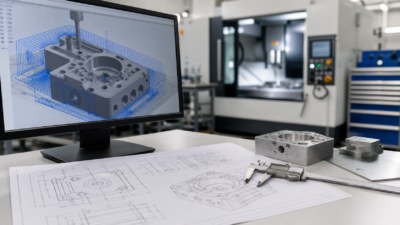
CNC ile işlenmiş her parça bir tasarımla başlar.
Müşteri genellikle 2 boyutlu bir çizim sağlar, 3D modeli, veya her ikisi. Bu dosyalar tedarikçiye parçanın neye benzemesi gerektiğini ve nasıl çalışması gerektiğini anlatır.
Üretim başlamadan önce, JADE-CNC çizimi dikkatle inceler. Önemli bilgiler şunları içerir::
- Malzeme
- Hoşgörü
- Yüzey kalitesi
- Konular
- Delik boyutları
- Kritik boyutlar
- Veri referansları
- Miktar
- Başvuru gereksinimleri
Bu adım çok önemli. Çizim net değilse, son parça müşterinin montaj veya performans gereksinimlerini karşılamayabilir.
Örneğin, bir delik basit görünebilir, ancak belirli bir toleransa ihtiyaç duyabilir, iplik derinliği, havşa, veya yüzey kalitesi. Düz bir yüzeyin kozmetik olması gerekebilir, sızdırmazlıkla ilgili, veya montaj referansı olarak kullanılır. Bu ayrıntılar işlemeden önce onaylanmalıdır.
Mühendislik İncelemesi Üretim Sorunlarını Önlemeye Yardımcı Olur

CNC işleme sadece boyutları okumakla ilgili değildir.
Mühendislik incelemesi sırasında, Ekip, parçanın verimli ve doğru bir şekilde işlenip işlenemeyeceğini kontrol eder. Bu, araca erişimi içerebilir, duvar kalınlığı, derin cepler, keskin iç köşeler, tolerans fizibilite, sıkma yöntemi, ve bitirme gereksinimleri.
İyi bir mühendislik incelemesi, üretimden önce potansiyel sorunların belirlenmesine yardımcı olabilir.
Örneğin:
- Derin ve dar bir yuva özel bir alet gerektirebilir.
- İnce bir duvar işleme sırasında deforme olabilir.
- Sıkı bir tolerans ek inceleme gerektirebilir.
- Yüzey işlemi son boyutları etkileyebilir.
- Dişli bir deliğin montaj için yeterli derinliğe ihtiyacı olabilir.
JADE-CNC'da çalışıyor, çizimi anlamak kaliteyi kontrol etmeye yönelik ilk adımdır.
CAM Programlama Tasarımı Takım Yollarına Dönüştürür
Çizim ve model incelendikten sonra, mühendis CAM yazılımında takım yolları oluşturur.
CAM anlamına gelir Bilgisayar Destekli İmalat. 3D modeli CNC makinesinin takip edebileceği işleme talimatlarına dönüştürmek için kullanılan yazılım sürecidir..
CAM mühendisi karar verir:
- Hangi araçları kullanmalı
- Alet malzemeye nasıl girer?
- Her geçişte ne kadar malzemenin kaldırılacağı
- İlk önce hangi yüzeylerin işleneceği
- Çarpışma nasıl önlenir
- Yüzey kalitesi nasıl kontrol edilir
- İşleme ödeneği nasıl bırakılır
- Kritik özellikler nasıl tamamlanır?
Bu aşamanın işleme kalitesi üzerinde doğrudan etkisi vardır. İyi bir takım yolu yüzey kalitesini iyileştirebilir, çapakları azaltmak, deformasyonu kontrol etmek, ve takım ömrünü koruyun.
Program CNC Makinaya Gönderilir
Takım yolu hazır olduğunda, işleme programı CNC makinesine gönderilir.
Operatör makinenin kontrol panelini kontrol eder, programı onaylıyor, araçları hazırlar, ve kesim başlamadan önce kurulumu doğrular.
Bu adım, dijital tasarımı fiziksel üretim süreciyle birleştirir.
CNC makineleri bilgisayar kontrollü olmasına rağmen, vasıflı operatörler hala gereklidir. Kurulumu kontrol ediyorlar, takım uzunluğunu onaylayın, koordinatları ayarla, kesme koşullarını izleyin, ve sürecin güvenli ve doğru bir şekilde çalıştığından emin olun.
İş tutma: Malzemeyi Doğru Şekilde Sıkıştırmak
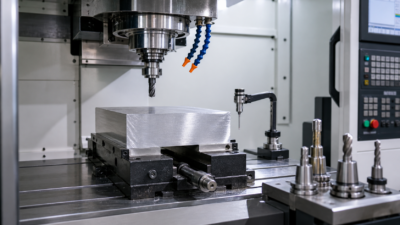
İşleme başlamadan önce, Hammadde güvenli bir şekilde sıkıştırılmalıdır.
İş parçası tutma, kesici takımın malzemeyi doğru bir şekilde işleyebilmesi için malzemeyi doğru pozisyonda sabitleme işlemidir.. Bu bir mengene içerebilir, kelepçeler, yumuşak çeneler, fikstür plakaları, vakumlu iş tutma, veya özel armatürler.
İyi iş bağlama parçayı deformasyona neden olmadan sabit tutmalıdır.
Malzeme işleme sırasında hareket ederse, boyutlar değişebilir. Sıkıştırma kuvveti çok güçlüyse, ince veya hassas parçalar deforme olabilir. Konumlandırma tekrarlanamıyorsa, farklı kurulumlardaki özellikler hizalanmayabilir.
JADE-CNC'da çalışıyor, iş parçası tutma ve konumlandırma işleme sürecinin önemli parçalarıdır.
Takım Kurulumu ve İş Koordinat Kurulumu
Malzeme sıkıştırıldıktan sonra, operatör kesici takımları kurar ve iş koordinatını ayarlar.
İş koordinatı CNC makinesine parçanın nerede bulunduğunu bildirir. Koordinat yanlışsa, programın kendisi doğru olsa bile makine yanlış konumda kesim yapabilir.
Alet kurulumu da aynı derecede önemlidir. Her araç programla eşleşmelidir, ve takım uzunluğu telafisi doğru şekilde ayarlanmalıdır.
Bu hazırlık etkiler:
- Boyutsal doğruluk
- Delik konumu
- Yüzey kalitesi
- Alet güvenliği
- İşleme stabilitesi
Doğru kurulum, makinenin takım yolunu tam olarak planlandığı gibi takip etmesini sağlamaya yardımcı olur.
CNC İşleme Malzemeyi Kontrollü Bir Şekilde Kaldırır
Her şey hazır olduktan sonra, işleme başlıyor.
Kesici takım malzemeyi programlanan yola göre çıkarır. Parçaya bağlı olarak, CNC işleme frezelemeyi içerebilir, sondaj, dokunarak, sıkıcı, şekillendirme, cep işleme, veya 5 eksenli işleme.
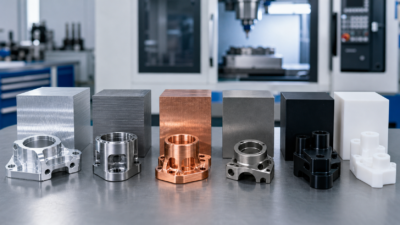
Farklı malzemeler farklı kesme stratejileri gerektirir. Alüminyum, paslanmaz çelik, bakır, titanyum, POM, ABS'ler, ve PC'nin tümü işlenebilir, ancak her malzeme farklı davranır.
Örneğin:
- Alüminyum makineleri verimlidir ancak yine de çapak kontrolüne ihtiyaç duyar.
- Paslanmaz çelik dikkatli bir ısı ve takım aşınma kontrolü gerektirir.
- Bakır yapışkan olabilir ve özel aletlere ihtiyaç duyabilir.
- Titanyum istikrarlı kesme ve ısı yönetimi gerektirir.
- Isı kontrol edilmezse mühendislik plastikleri deforme olabilir veya eriyebilir.
CNC işlemenin değeri malzeme esnekliğidir, kontrollü doğruluk, ve tekrarlanabilir üretim.
İşleme Sonrası Çapak Alma ve Temizleme
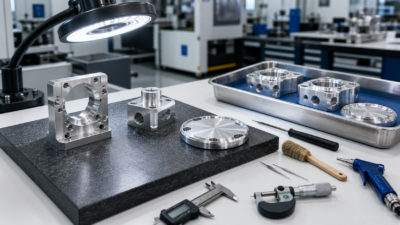
İşleme sonrası, Parça genellikle hemen teslimata hazır değildir.
Deliklerin etrafında küçük çapaklar kalabilir, kenarlar, yuvalar, Konular, ve cepler. Kesme sıvısı, cips, veya yüzeyde veya dahili özelliklerin içinde toz da kalabilir.
JADE-CNC, parçayı incelemeye hazırlamak için işleme sonrasında çapak alma ve temizleme işlemlerini gerçekleştirebilir, bitirme, veya montaj.
Çapak alma, keskin kenarların ve istenmeyen küçük malzemelerin çıkarılmasına yardımcı olur. Temizlik talaşların giderilmesine yardımcı olur, yağ, ve kalıntı.
Çapaklar montajı etkileyebileceğinden bu adım önemlidir, yüzey işleme, ve müşteri deneyimi.
Yüzey İşlemi İşlevi ve Görünümü İyileştirir
Bazı CNC parçaları ek yüzey bitirme gerektirir.
Yaygın sonlandırma seçenekleri şunları içerir::
- Eloksal
- Kumlama
- Tablo
- Toz kaplama
- Parlatma
- Fırçalama
- Kaplama
- Pasivasyon
Yüzey bitirme korozyon direncini artırabilir, sertlik, dış görünüş, aşınma direnci, veya kaplama performansı.
Fakat, bitirme işlemi işlemeyle birlikte düşünülmelidir. Bazı kaplamalar kalınlık katar. Bazı yüzeylerin maskelenmesi gerekir. Bazı kozmetik yüzlerin kelepçeleme ve taşıma sırasında özel korumaya ihtiyacı vardır.
Yüksek kaliteli CNC parçaları için, işleme ve bitirme tek bir süreç olarak planlanmalıdır.
Son Denetim Kaliteyi Onaylıyor
Teslimattan önce, parçanın kontrol edilmesi gerekiyor.
Son muayene boyutların kontrol edilmesini içerebilir, Konular, yüzey kalitesi, çapaklar, delikler, dış görünüş, ve kritik özellikler. Parça ihtiyacına bağlı olarak, muayene araçları kaliperleri içerebilir, mikrometre, göstergeler, yükseklik göstergeleri, CMM ekipmanı, veya aydınlatma altında görsel inceleme.
Müşteriler için, Önemli olan sadece tedarikçinin kaç makineye sahip olduğu değildir. Tedarikçinin çizimleri anlayıp anlamadığı, toleranslar, ve kalite kontrol.
Güvenilir bir CNC işleme tedarikçisi, tasarım incelemesinden son denetime kadar tüm süreci kontrol edebilmelidir..
CNC İşleme Neden Değerlidir
CNC işleme yaygın olarak kullanılmaktadır çünkü üç önemli avantaj sunmaktadır:
Kesinlik
CNC makineleri, programlanan takım yollarına ve çizim gereksinimlerine göre hassas özellikler üretebilir.
Tekrarlanabilirlik
Süreç kontrol edildikten sonra, CNC işleme, prototipler arasında tutarlı parçalar üretebilir, küçük partiler, ve üretim çalışmaları.
Malzeme Esnekliği
CNC işleme birçok malzemeyi işleyebilir, alüminyum dahil, paslanmaz çelik, bakır, titanyum, POM, ABS'ler, bilgisayar, ve tasarıma bağlı olarak diğer mühendislik malzemeleri.
Bu, CNC işlemeyi robotik için uygun hale getirir, iletişim ekipmanı, otomasyon, elektronik, tıbbi cihazlar, havacılık bileşenleri, endüstriyel makineler, ve özel hassas parçalar.
Çözüm
CNC ile işlenmiş küçük bir parça gördüğünüzde, basit görünebilir. Ancak arkasında tam bir üretim süreci var.
Güvenilir bir CNC parçası mühendislik incelemesinden geçer, CAM programlama, iş tutma, makine kurulumu, alet kurulumu, işleme, çapak alma, temizlik, yüzey bitirme, ve son muayene.
Müşterinin çizimini veya 3D modelini güvenilir bir fiziksel parçaya dönüştüren şey budur.
JADE-CNC'da çalışıyor, sadece işleme ekipmanlarına odaklanmıyoruz, ama aynı zamanda çizim anlayışı üzerine, tolerans kontrolü, süreç planlaması, bitirme koordinasyonu, ve kalite denetimi.
CTA
Çiziminizden veya 3D modelinizden özel CNC ile işlenmiş parçalara ihtiyacınız var?
JADE-CNC'ye CAD dosyalarınızı gönderin, 2çizimleri, malzeme gereksinimleri, miktar, hoşgörü ihtiyaçları, ve yüzey bitirme gereksinimleri. Ekibimiz projenizi incelemenize ve pratik bir CNC işleme çözümü sunmanıza yardımcı olabilir.
Leo Liang, Kurucu R ile En İyi Ortak&D
JADE-CNC Kurucusu LEO, yirmi yıldan fazla endüstri uzmanlığını getiren, Leo kariyerine çırak olarak başladı ve yüzey işleme ve CNC işleme konusundaki becerilerini geliştirdi.