



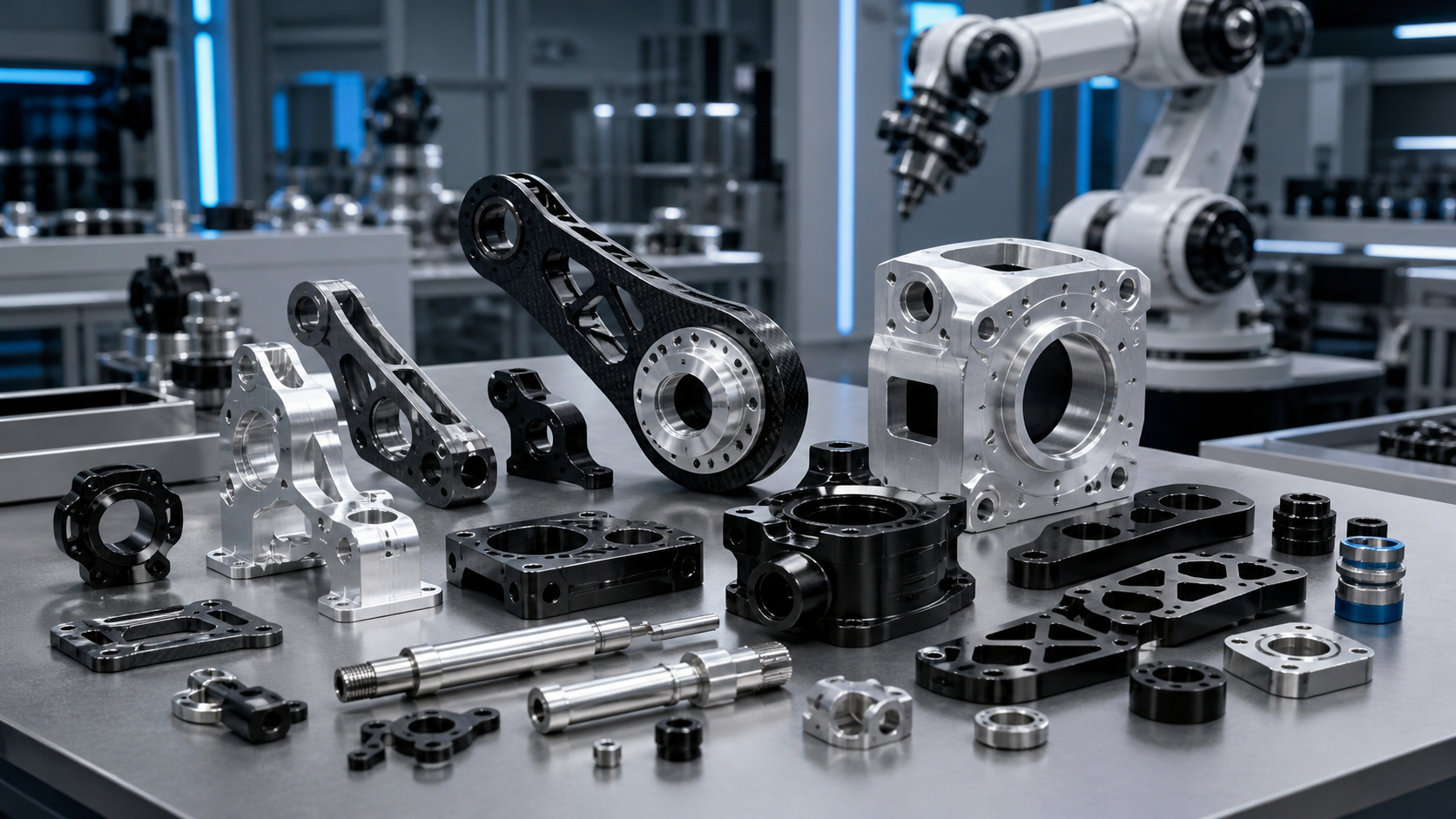
imalat, ve hareket için çizim tabanlı destek, konut, ve montajla ilgili bileşenler.
Robotik mühendisleri için, İyi bir işleme tedarikçisi yalnızca parça üretmemelidir. Boyut doğruluğunu ve montaj güvenilirliğini korurken ekibin daha hızlı yineleme yapmasına yardımcı olmalıdır.
Robotik Prototipleme Hassasiyet ve Hız Gerektirir
Robotik projeleri sıklıkla birden fazla test ve ayarlama aşamasından geçer.
Elektronik düzen değişikliklerinden sonra robot muhafazasının değiştirilmesi gerekebilir. Bir bağlantı bileşeninin hareket testinden sonra tolerans ayarına ihtiyacı olabilir. Uç efektör braketi, tutucu doğrulamasından sonra yeni bir montaj deliği düzenine ihtiyaç duyabilir. Saha testinden sonra sensör muhafazasının tasarım güncellemesine ihtiyacı olabilir.
Bu, robot parçalarının nadiren "tek ve tamam" olduğu anlamına gelir.
R için&D takımları, işleme prosesi hem hassasiyeti hem de yineleme hızını desteklemelidir. Tedarikçi yanıt vermekte yavaşsa veya çizim değişikliklerini açıkça anlayamıyorsa, geliştirme takvimi gecikebilir.
JADE-CNC, robotik ekiplerinin yapıyı doğrulayabilmesi için hızlı CNC prototiplemeyi ve küçük seri üretimi destekler, toplantı, ve gelişimi yavaşlatmadan işlev görme.
Yapısal ve Muhafaza Parçaları
Robotun yapısal parçaları ve muhafazaları tüm sistemin mekanik temelini oluşturur.
Ortak parçalar şunları içerir::
- Robot muhafazaları
- Motor kapakları
- Kontrol muhafazaları
- Dahili destek çerçeveleri
- Montaj plakaları
- Koruyucu kapaklar
- Hafif yapısal bileşenler
Bu parçalar basit görünebilir, ancak sıklıkla dikkatli mühendislik kontrolüne ihtiyaç duyarlar. Sertlik, ağırlık, montaj referansları, montaj sırası, yüzey kalitesi, ve tekrarlanabilirlik çok önemli.
Bir robotik bileşen üreticisi, yapısal parçaların motorlara nasıl bağlandığını anlamalıdır, sensörler, kablolar, bağlantı elemanları, ve hareketli mekanizmalar. Bir muhafaza sabit değilse veya referans yüzeyleri doğru değilse, tüm meclis etkilenebilir.
JADE-CNC, işlenebilirlik açısından yapısal ve muhafaza parçalarını inceliyor, malzeme seçimi, veri referansları, ve tekrarlanabilir işleme kalitesi.
Eklem ve Hareketle İlgili Bileşenler
Robot eklemleri hareket performansını doğrudan etkiler.
Eklem ve hareketle ilgili bileşenler genellikle şunları içerir::
- Ortak muhafazalar
- Rulman koltukları
- Flanşlar
- Şaft destekleri
- Motor montaj arayüzleri
- Şanzıman montaj özellikleri
- Hassas ara parçalar ve manşonlar
Bu parçalar için, Küçük işleme hataları büyük hareket sorunlarına dönüşebilir. Eş eksenlilik, diklik, düzlük, yerleştirmek, ve yatak yuvası doğruluğu düzgün dönüşü doğrudan etkiler, titreşim, yük aktarımı, ve uzun vadeli istikrar.
Örneğin, Rulman yuvası motor montaj yüzüyle biraz yanlış hizalanmışsa, eklem hala birleşebilir, ancak sürtünme yaratabilir, titreşim, veya çalışma sırasında eşit olmayan aşınma.
JADE-CNC'nin robot bileşenlerinin işlenmesinde kritik boyutlara ve veri ilişkilerine yakın ilgi göstermesinin nedeni budur..
Uç Efektör ve Montaj Yapıları
Robot geliştirme sırasında uç efektörler ve EOAT'ler sıklıkla değiştirilir.
Bir tutucunun yeni bir parmak tasarımına ihtiyacı olabilir. Montaj çerçevesinin farklı bir alete uyum sağlaması gerekebilir. Bir braketin daha fazla sertliğe ihtiyacı olabilir, daha az ağırlık, veya farklı bir kablo yolu. Erken aşama robotik projelerinde, bu değişiklikler normaldir.
CNC işleme, hızlı tasarım yinelemesini ve güçlü mekanik performansı desteklediği için uç efektör yapıları için kullanışlıdır..
Ortak uç efektör ve montaj parçaları şunları içerir::
- Tutucu çerçeveler
- EOAT montaj plakaları
- Alet braketleri
- Adaptör plakaları
- Sensör bağlantıları
- Hafif alüminyum yapılar
- Hassas konumlandırma blokları
JADE-CNC, robotik ekiplerinin bu parçaları hızlı ve doğru bir şekilde üretmesine yardımcı olur; böylece mühendisler, takımlama veya seri üretim hazırlığı için çok uzun süre beklemek yerine gerçek montajları test edebilirler..
Sensör ve Elektronik Muhafazaları
Robotlar sıklıkla kamera kullanıyor, sensörler, iletişim modülleri, kontrol panoları, ve diğer elektronik sistemler.
Bu bileşenlerin sağlam ve koruyucu muhafazalara ihtiyacı vardır. Boyutsal kararlılık söz konusu olduğunda genellikle CNC ile işlenmiş metal parçalar kullanılır., koruyucu, ısı dağılımı, kuvvet, veya premium görünüm gereklidir.
Sensör ve elektronik muhafazaları gerekebilir:
- Doğru montaj delikleri
- İç boşlukları temizleyin
- Kablo açıklıkları
- Dişli özellikler
- Sızdırmazlık yüzeyleri
- Koruma hususu
- Isı dağıtım yüzeyleri
- Eloksal veya boyama gibi yüzey bitirme işlemleri
Bu parçalar için, Montaj güvenilirliği görünüm kadar önemlidir. Bir kamera muhafazası, Örneğin, sensörü doğru konumda tutmalısınız. Bir iletişim modülü muhafazasının temiz birleşme yüzeylerine ve kontrollü kaplama alanlarına ihtiyacı olabilir.
JADE-CNC, robotik elektronikler ve sensör sistemleri için CNC ile işlenmiş metal ve plastik muhafazaları destekler.
Robotik Parçalar İçin Malzeme Seçimi
Farklı robot parçaları farklı malzemelere ihtiyaç duyar.
Robotik CNC işleme için ortak malzemeler şunları içerir::
Alüminyum
Alüminyum hafiftir, işlenebilir, ve uygun maliyetli. Robot muhafazaları için yaygın olarak kullanılır, parantez, Kapaklar, ısı yutucular, ve yapısal bileşenler.
Çelik
Çelik, daha yüksek yük kapasitesi veya aşınma direnci gerektiren parçalar için güç ve dayanıklılık sağlar.
Paslanmaz çelik
Paslanmaz çelik güç ve korozyon direnci sunar, zorlu ortamlar veya yüksek mukavemetli bileşenler için uygun hale getirir.
Mühendislik Plastikleri
POM gibi malzemeler, Naylon, bilgisayar, ABS'ler, ve PEEK hafiflik için kullanılabilir, düşük sürtünme, yalıtım, veya özel fonksiyonel parçalar.
En iyi malzeme parçanın işlevine bağlıdır, güç gereksinimi, ağırlık hedefi, tolerans, yüzey kalitesi, ve üretim miktarı.
JADE-CNC, robotik ekiplerinin pratik bir rota seçmesine yardımcı olmak için işleme öncesinde malzeme seçeneklerini inceleyebilir.
Sıkı Toleranslar ve Kararlı Kalite
Robotik parçalar genellikle sıkı toleranslar gerektirir çünkü birden fazla bileşenin bir hareket sisteminde birbirine uyması gerekir.
Tolerans sorunları montaj genelinde birikebilir. Bir parantez içinde küçük bir hata, muhafazadaki başka bir küçük hata, ve eklem arayüzündeki başka bir hata birleşerek daha büyük bir hizalama sorununa yol açabilir.
Bu nedenle prototip aşamasından itibaren istikrarlı CNC işleme kalitesi önemlidir.
JADE-CNC, çizim gereksinimlerine ve parça geometrisine göre sıkı toleranslı işlemeyi destekler. Mühendislerin montaja hazır olduğunu doğrulamalarına yardımcı olmak için kritik özellikler sevkıyattan önce incelenebilir.
Robotik projeler için, kalite sadece tek bir boyuttan ibaret değildir. Tüm önemli özelliklerin bir arada doğru şekilde çalışıp çalışmadığı ile ilgilidir.
Küçük Serilerde Prototip Esnekliği
Robotik geliştirme genellikle bir veya birkaç prototiple başlar. Testten sonra, tasarım güncellenip tekrar üretilebilir. Yapı doğrulandıktan sonra, proje küçük seri üretime geçebilir.
Bir işleme tedarikçisinin bu geçişi sorunsuz bir şekilde desteklemesi gerekir.
JADE-CNC prototipten küçük seri üretime kadar esneklik sağlar. Bu, robotik ekiplerinin üretim sürecinde sürekliliği korurken geliştirmeyi sürdürmesine yardımcı olur, malzeme seçimi, bitirme, ve denetim standartları.
Erken aşamadaki projeler için, bu esneklik iletişim maliyetini azaltabilir ve geliştirme hızını artırabilir.
Mühendislik Dostu İletişim Önemlidir
Robotik mühendisleri genellikle basit bir tekliften daha fazlasına ihtiyaç duyarlar.
Üretilebilirlik konusunda geri bildirime ihtiyaçları olabilir, tolerans fizibilite, malzeme alternatifleri, araç erişimi, duvar kalınlığı, sonlandırma seçenekleri, veya muayene yöntemleri.
Mühendislik dostu iletişim, işleme başlamadan önce hataların önlenmesine yardımcı olur. Ayrıca ekiplerin daha hızlı tasarım kararları almasına yardımcı olur.
JADE-CNC'da çalışıyor, çizim tabanlı iletişimi ve pratik süreç incelemesini destekliyoruz. Bir özelliğin işlenmesi zorsa, muayenesi pahalı, veya deformasyon açısından riskli, Üretimden önce olası çözümleri tartışabiliriz.
Bu, özellikle tasarımlar hâlâ gelişmekteyken değerlidir.
Mühendislerin Geliştirmeyi Yavaşlatmadan Doğrulama Yapmasına Yardımcı Olmak
Robotik R'de CNC işlemenin amacı&D sadece parça teslim etmek değildir.
Amaç, mühendislerin yapıyı doğrulamasına yardımcı olmaktır., yerleştirmek, hareket, ve montajı daha hızlı.
JADE-CNC, robot parçalarının ilk versiyonda nadiren son halini aldığını biliyor. Tasarımlar gelişiyor. Montajlar ayarlanıyor. Toleranslar birikir. Test sırasında yeni sorunlar ortaya çıkıyor.
Rolümüz, robotik ekiplerinin konseptten test edilmiş donanıma daha az gecikmeyle geçebilmesi için güvenilir hassas parçalar ve duyarlı destek sağlamaktır..
Robotik Ekipleri İçin Pratik Tavsiyeler
CNC ile işlenmiş robotik parçalar talep ederken, sağlamak faydalıdır:
- 2Toleranslı D çizimleri
- 3CAD dosyaları
- Malzeme gereksinimleri
- Kritik montaj boyutları
- Veri referansları
- Hareketle ilgili yüzeyler
- Rulman veya şaft uyumu gereksinimleri
- Yüzey bitirme gereksinimleri
- Miktar
- Prototip veya üretim aşaması
- Denetim raporu gereksinimleri
- Biliniyorsa gelecekte beklenen tasarım değişiklikleri
Net bilgiler JADE-CNC'nin doğru işleme yöntemini seçmesine yardımcı olur, fikstür stratejisi, denetim planı, ve teslimat rotası.
Çözüm
Robotik endüstrisi CNC işleme, prototip oluşturma ve erken doğrulama sırasında özellikle önemlidir. Bu aşamada, Robotik ekiplerinin hassasiyete ihtiyacı var, yineleme hızı, montaj güvenilirliği, ve mühendislik desteği.
JADE-CNC robot muhafazalarını destekler, eklem ve hareketle ilgili bileşenler, uç efektör yapıları, montaj parçaları, sensör muhafazaları, ve prototipten küçük seri üretime kadar hassas metal veya plastik bileşenler.
Alüminyum konusunda tecrübeli, çelik, paslanmaz çelik, mühendislik plastikleri, hassas yüzeyler, ve çizim tabanlı CNC işleme, JADE-CNC, robot mühendislerinin geliştirmeyi yavaşlatmadan tasarımları doğrulamasına yardımcı oluyor.
CTA
Robot yapıları üzerinde çalışıyorsanız, eklemler, uç efektörler, sensör muhafazaları, veya hassas metal bileşenler, JADE-CNC bir sonraki yapınızı veya yinelemenizi desteklemeye hazır.
Çizimlerinizi paylaşın, CAD dosyaları, malzeme gereksinimleri, miktar, ve bizimle montaj hedefleri. Projenizi incelemenize ve pratik bir CNC işleme çözümü sunmanıza yardımcı olabiliriz.
İçindekiler
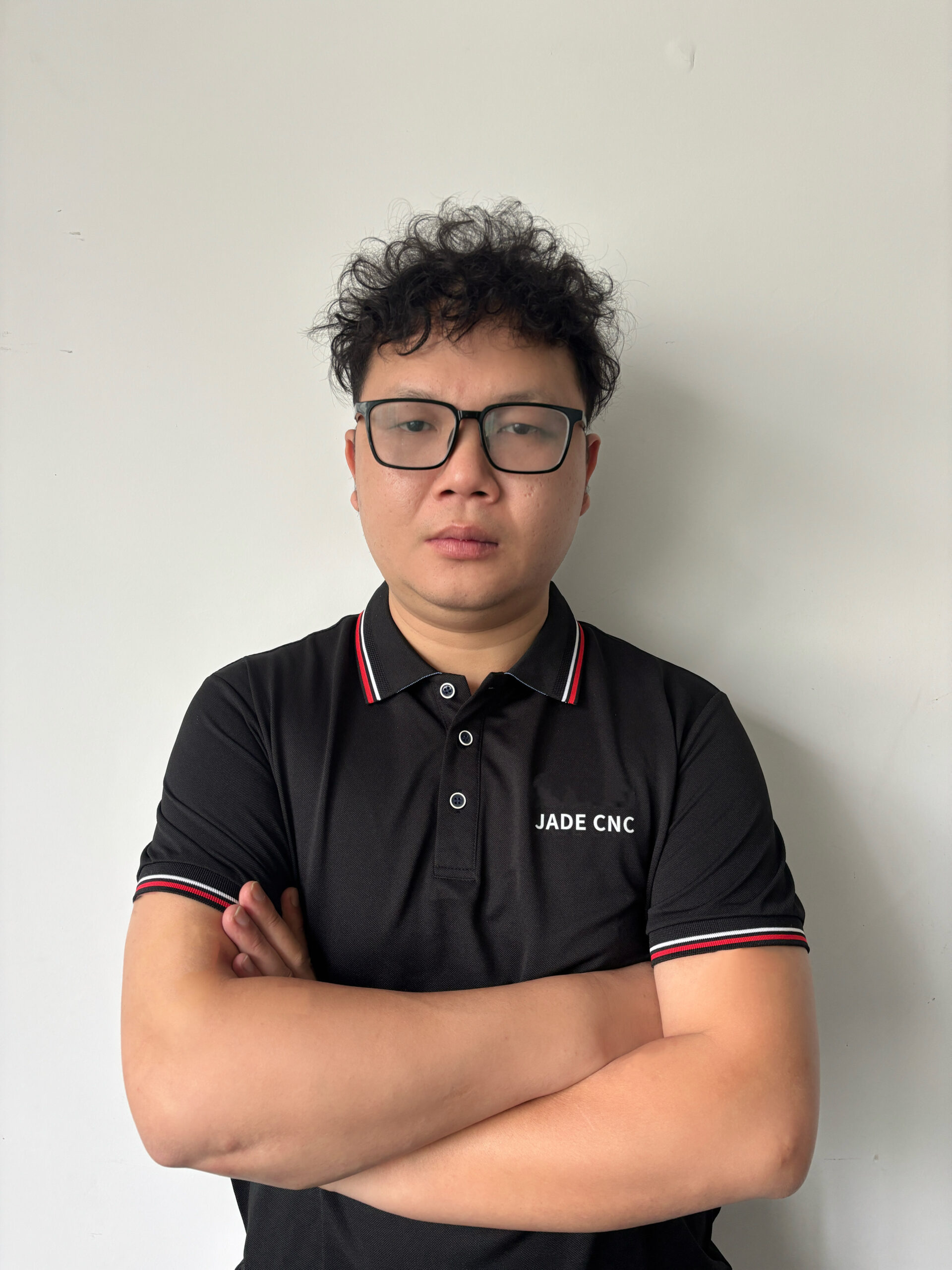
Leo Liang, Kurucu R ile En İyi Ortak&D
JADE-CNC Kurucusu LEO, yirmi yıldan fazla endüstri uzmanlığını getiren, Leo kariyerine çırak olarak başladı ve yüzey işleme ve CNC işleme konusundaki becerilerini geliştirdi.