



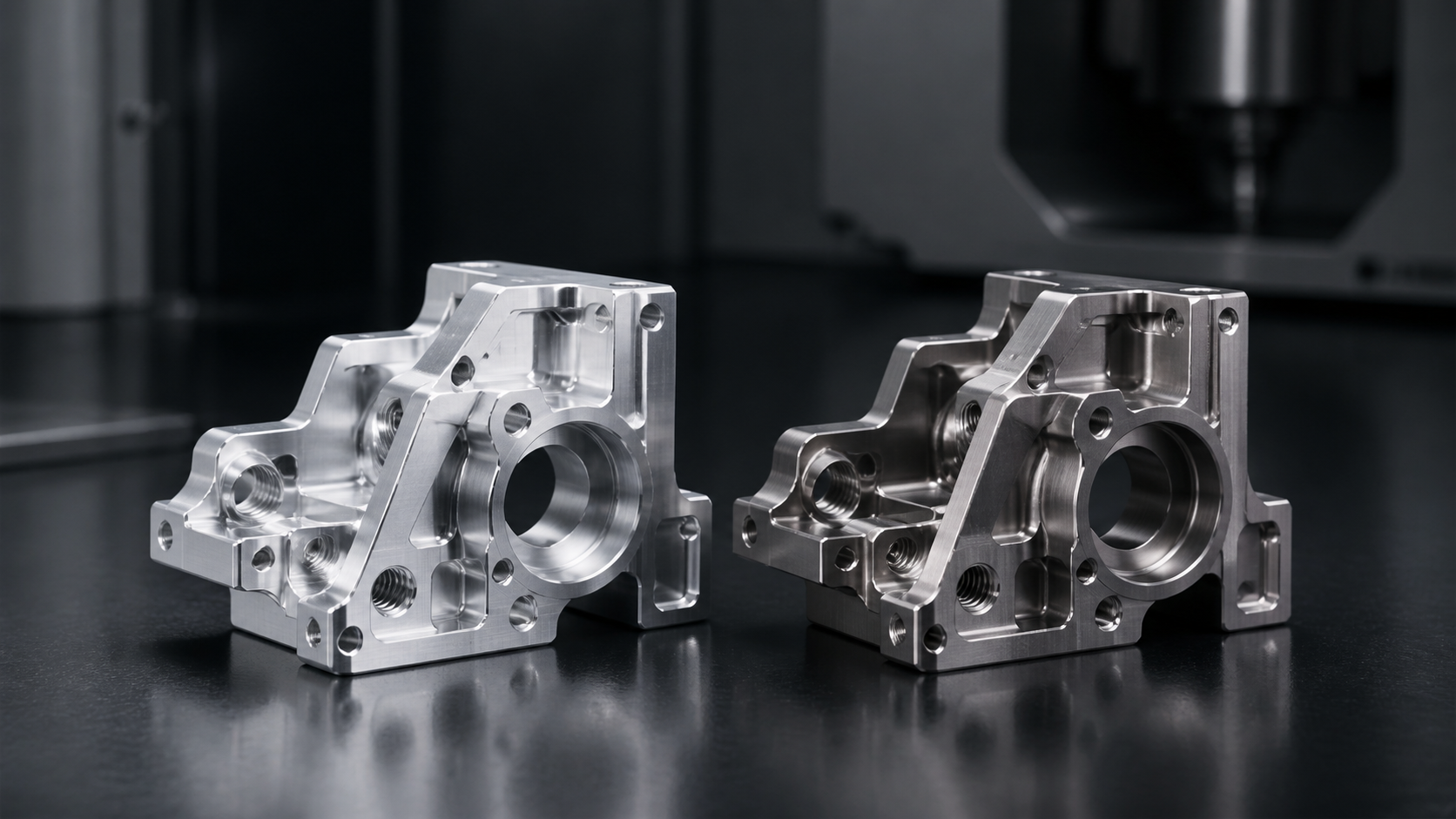
Le decisioni relative alla lavorazione CNC di alluminio o acciaio inossidabile influiscono sul peso, forza, comportamento alla corrosione, stabilità della lavorazione, opzioni di finitura, ispezione, e costo. JADE-CNC esamina la scelta dei materiali in alluminio e acciaio inossidabile insieme ai disegni, geometria, esigenze di finitura, requisiti di ispezione, quantità, e la funzione della parte in modo che il preventivo possa corrispondere all'uso previsto.
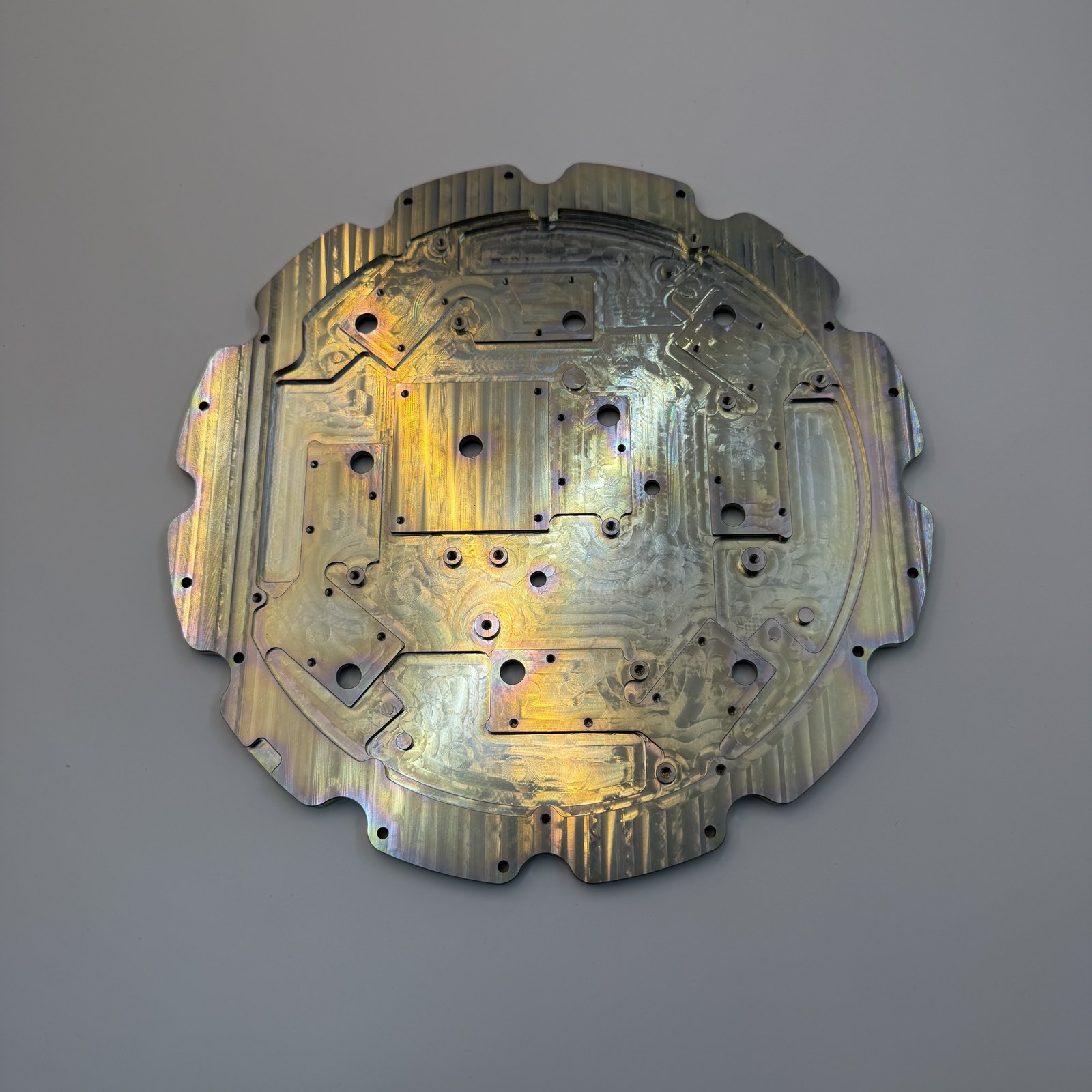
Confronto rapido: Alluminio vs acciaio inossidabile
| Fattore | Lavorazione CNC dell'alluminio | Lavorazione CNC dell'acciaio inossidabile |
|---|---|---|
| Peso | Utile quando il peso della parte inferiore è importante per gli alloggiamenti, pannelli, parentesi, infissi, e componenti in movimento. | Più pesante dell'alluminio e spesso selezionato quando è più resistente, resistenza alla corrosione, o la durabilità ha più valore della riduzione del peso. |
| Lavorabilità | Spesso supporta una lavorazione efficiente e una buona finitura superficiale quando il design è adatto. | Spesso necessita di una revisione più attenta del taglio del calore, usura degli utensili, tenuta del lavoro, controllo delle bave, e qualità della superficie finita. |
| Resistenza alla corrosione | Può essere abbinato a finiture adeguate come anodizzazione o rivestimento in base alle esigenze applicative ed estetiche. | Spesso rivisto per la resistenza alla corrosione, passivazione, lucidatura, e ambienti operativi esigenti. |
| Finitura | Anodizzazione, sabbiatura, lucidatura, rivestimento, e l'aspetto estetico sono argomenti di revisione comuni. | Passivazione, lucidatura, sabbiatura, placcatura, e i requisiti di finitura resistente alla corrosione sono argomenti di revisione comuni. |
Quando l'alluminio è spesso una scelta pratica per il CNC
L'alluminio viene spesso rivisto per parti in cui il peso, lavorabilità, prestazione termica, aspetto, e l’efficienza in termini di costi è importante. È comunemente usato per alloggiamenti lavorati, coperture, pannelli, dissipatori di calore, parentesi, infissi, e componenti di precisione che necessitano di una finitura lavorata pulita o di una superficie anodizzata.
JADE-CNC può rivedere lo spessore della parete, caratteristiche filettate, costole sottili, volti cosmetici, planarità, requisiti di anodizzazione, e punti di ispezione post-lavorazione prima del preventivo. Per parti che necessitano di uno stretto controllo estetico, il materiale e il trattamento superficiale devono essere discussi insieme.
Quando l'acciaio inossidabile è spesso la soluzione migliore
L'acciaio inossidabile viene spesso rivisto per parti lavorate a CNC che necessitano di prestazioni meccaniche più elevate, resistenza alla corrosione, resistenza all'usura, caratteristiche filettate durevoli, o prestazioni stabili in ambienti più difficili. Può essere una scelta pratica per le parentesi, alberi, raccordi, componenti di interesse medico, parti di automazione, e componenti meccanici di precisione quando l'applicazione lo richiede.
Perché l'acciaio inossidabile può influire sui tempi di lavorazione, usura degli utensili, controllo del calore, sbavature, e finitura superficiale, JADE-CNC esamina la geometria e i requisiti critici prima del preventivo. Ciò aiuta ad allineare il processo di lavorazione, ispezione, e finire le aspettative in anticipo.
Fattori decisionali materiali prima della richiesta di offerta
Funzione parte
Esaminare il carico, rigidità, Indossare, sigillatura, movimento, trasferimento di calore, comportamento elettrico, e interfacce di assemblaggio.
Ambiente
Controlla l'umidità, esposizione alla corrosione, temperatura, prodotti chimici, condizioni esterne, e requisiti di pulizia.
Finitura
Revisione dell'anodizzazione, passivazione, lucidatura, sabbiatura, placcatura, rivestimento, mascheramento, e aspettative cosmetiche.
Ispezione
Esaminare le dimensioni critiche, dimensioni finite, riferimenti di dati, superfici di assemblaggio, e le esigenze di documentazione.
Fattori di costo e tempi di consegna
La scelta del materiale può influire sul costo della materia prima, velocità di lavorazione, usura degli utensili, strategia di installazione, tenuta del lavoro, rischio rottami, finitura superficiale, tempo di ispezione, e imballaggio. L’alluminio può spesso supportare una lavorazione efficiente, mentre l'acciaio inossidabile può richiedere un maggiore controllo del processo per il calore, vita dell'utensile, sbavature, e finitura superficiale.
JADE-CNC esamina questi fattori durante la quotazione invece di trattare la scelta del materiale come una semplice linea di prezzo. Lo stesso disegno può richiedere una diversa pianificazione del processo quando cambia il materiale.
Come JADE-CNC esamina i progetti in alluminio e acciaio inossidabile
- Controlla la geometria dei disegni 2D e dei modelli CAD 3D, tolleranze, la data, e caratteristiche critiche.
- Esaminare le note sulla qualità dei materiali o le alternative accettabili fornite dal cliente.
- Valutare i requisiti di finitura superficiale insieme alla selezione del materiale.
- Esaminare le funzionalità filettate, pareti sottili, tasche, volti cosmetici, e zone interessate dalla finitura.
- Discutere la documentazione dell'ispezione, esigenze del primo articolo, e punti di accettazione dei pezzi finiti quando richiesto.
- Instradare il progetto verso una fase pratica di preventivo in base alla quantità, funzione, e requisiti di produzione.
Pagine correlate di JADE-CNC
Domande frequenti
JADE-CNC può rivedere le opzioni in alluminio e acciaio inossidabile prima del preventivo?
L'alluminio è più facile da lavorare rispetto all'acciaio inossidabile?
Quando l'acciaio inossidabile è una scelta migliore per le parti lavorate a CNC?
I requisiti di finitura superficiale possono influenzare la scelta del materiale?
Richiedi la revisione della lavorazione CNC in alluminio o acciaio inossidabile
Condividi il tuo disegno, File CAD, grado del materiale, finitura superficiale, quantità, note di tolleranza, e requisiti dell'applicazione. JADE-CNC esaminerà le informazioni sul progetto e confermerà la fase successiva del preventivo.