



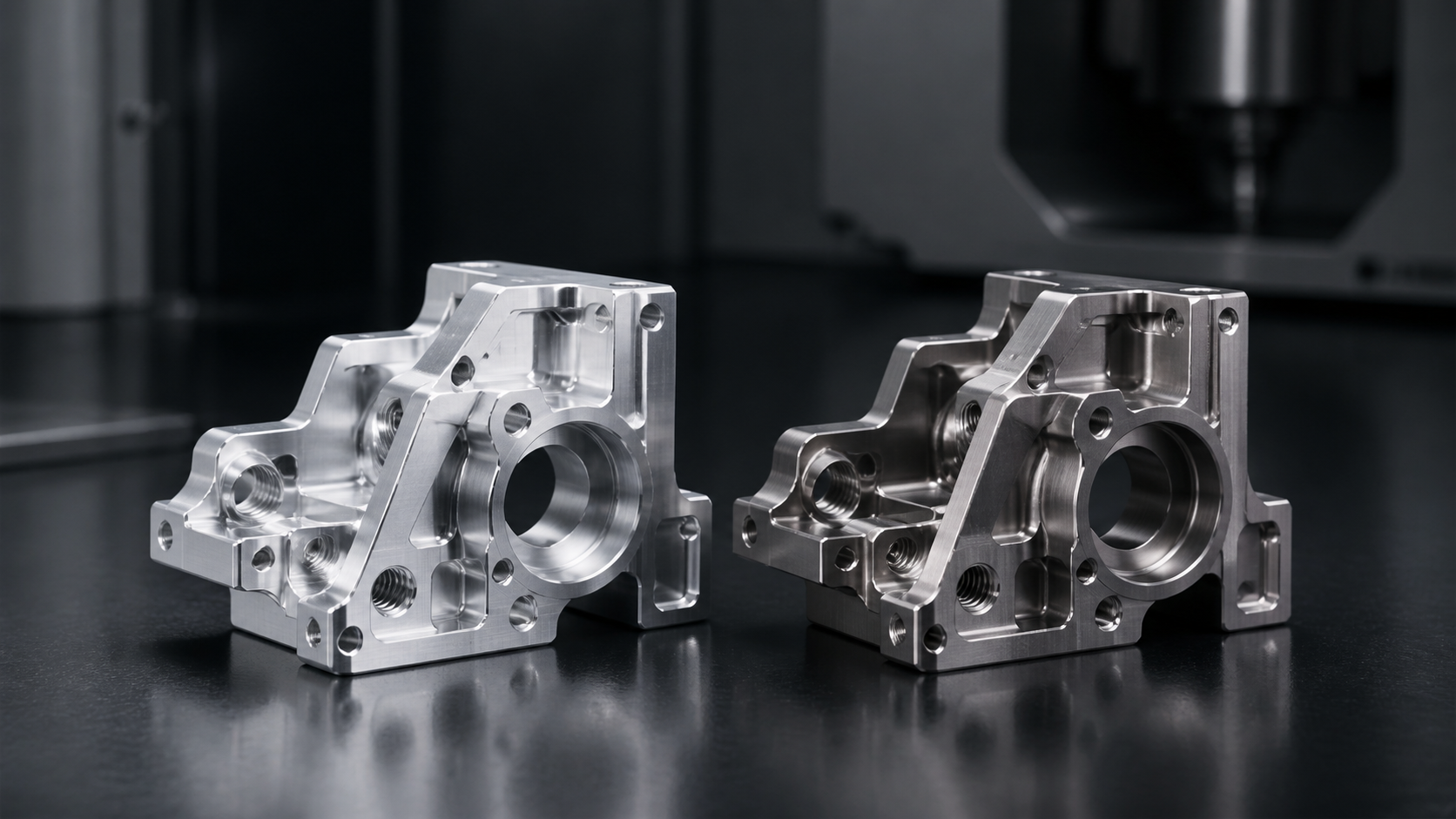
Alüminyum ve Paslanmaz CNC İşleme kararları ağırlığı etkiler, kuvvet, korozyon davranışı, işleme stabilitesi, bitiş seçenekleri, denetleme, ve maliyet. JADE-CNC, alüminyum ve paslanmaz çelik malzeme seçimini çizimlerle birlikte inceliyor, geometri, bitirme ihtiyaçları, muayene gereksinimleri, miktar, ve parça işlevi, böylece teklifin amaçlanan kullanıma uygun olması sağlanır.
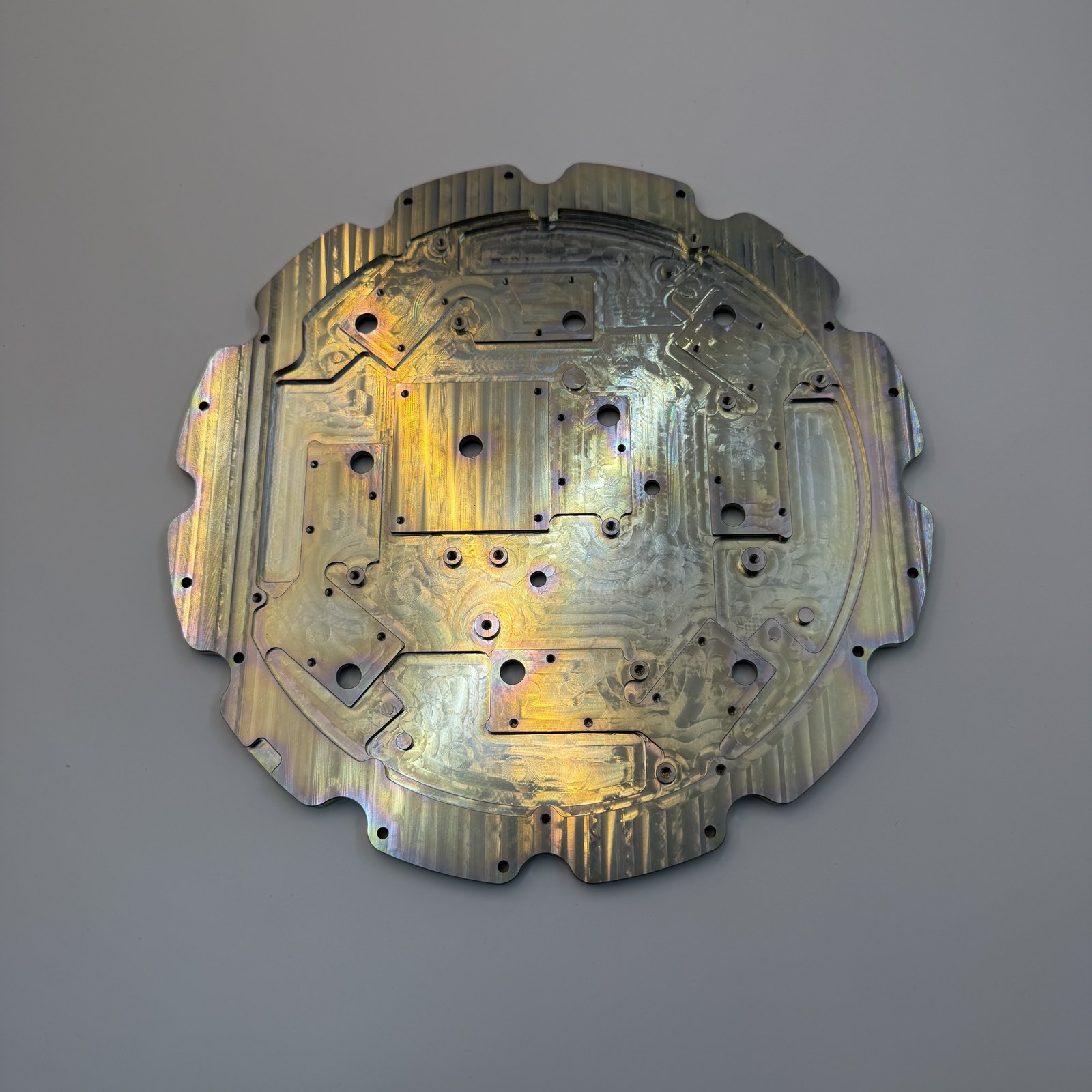
Hızlı Karşılaştırma: Alüminyum ve Paslanmaz Çelik
| Faktör | Alüminyum CNC işleme | Paslanmaz çelik CNC işleme |
|---|---|---|
| Ağırlık | Muhafazalar için düşük parça ağırlığının önemli olduğu durumlarda kullanışlıdır, paneller, parantez, demirbaşlar, ve hareketli bileşenler. | Alüminyumdan daha ağırdır ve genellikle dayanıklı olduğunda seçilir, korozyon direnci, veya dayanıklılık, ağırlığın azaltılmasından daha fazla değer taşır. |
| İşlenebilirlik | Tasarım uygun olduğunda genellikle verimli işlemeyi ve iyi yüzey kalitesini destekler. | Çoğu zaman kesme ısısının daha dikkatli bir şekilde gözden geçirilmesi gerekir, takım aşınması, iş tutma, çapak kontrolü, ve bitmiş yüzey kalitesi. |
| Korozyon direnci | Uygulama ve görünüm ihtiyaçlarına göre eloksal veya kaplama gibi uygun son işlemlerle eşleştirilebilir. | Genellikle korozyon direnci açısından incelenir, pasivasyon, parlatma, ve zorlu çalışma ortamları. |
| Bitirme | Eloksal, boncuk patlatma, parlatma, kaplama, ve kozmetik görünüm yaygın inceleme konularıdır. | Pasivasyon, parlatma, boncuk patlatma, kaplama, ve korozyona dayanıklı yüzey gereksinimleri ortak inceleme konularıdır. |
Alüminyum Çoğunlukla Pratik Bir CNC Seçimi Olduğunda
Alüminyum genellikle ağırlığın önemli olduğu parçalar için gözden geçirilir., işlenebilirlik, termal performans, dış görünüş, ve maliyet verimliliği önemli. İşlenmiş gövdelerde yaygın olarak kullanılır, Kapaklar, paneller, ısı yutucular, parantez, demirbaşlar, ve temiz işlenmiş bir yüzeye veya anodize yüzeye ihtiyaç duyan hassas bileşenler.
JADE-CNC duvar kalınlığını inceleyebilir, dişli özellikler, ince kaburga, kozmetik yüzler, düzlük, eloksal gereksinimleri, ve teklif öncesi işleme sonrası muayene noktaları. Sıkı görünüm kontrolü gerektiren parçalar için, malzeme ve yüzey işleminin birlikte tartışılması gerekir.
Paslanmaz Çelik Çoğunlukla Daha Uygun Olduğunda
Paslanmaz çelik, daha güçlü mekanik performansa ihtiyaç duyan CNC ile işlenmiş parçalar için sıklıkla gözden geçirilir., korozyon direnci, aşınma direnci, dayanıklı dişli özellikler, veya daha zorlu ortamlarda istikrarlı performans. Braketler için pratik bir seçim olabilir, miller, bağlantı parçaları, tıpla ilgili bileşenler, otomasyon parçaları, ve uygulama gerektirdiğinde hassas mekanik bileşenler.
Çünkü paslanmaz çelik işleme süresini etkileyebilir, takım aşınması, ısı kontrolü, çapaklar, ve yüzey kalitesi, JADE-CNC, teklif vermeden önce geometriyi ve kritik gereksinimleri inceler. Bu, işleme sürecini hizalamaya yardımcı olur, denetleme, ve beklentileri erken bitirmek.
RFQ Öncesi Önemli Karar Faktörleri
Parça Fonksiyonu
Yükü inceleyin, sertlik, giymek, sızdırmazlık, hareket, ısı transferi, elektriksel davranış, ve montaj arayüzleri.
Çevre
Nemi inceleyin, korozyona maruz kalma, sıcaklık, kimyasallar, dış mekan koşulları, ve temizlik gereksinimleri.
Bitirme
Eloksallamayı inceleyin, pasivasyon, parlatma, boncuk patlatma, kaplama, kaplama, maskeleme, ve kozmetik beklentiler.
Denetleme
Kritik boyutları inceleyin, bitmiş boyutlar, veri referansları, montaj yüzeyleri, ve dokümantasyon ihtiyaçları.
Maliyet ve Teslim Süresi Faktörleri
Malzeme seçimi hammadde maliyetini etkileyebilir, işleme hızı, takım aşınması, kurulum stratejisi, iş tutma, hurda riski, yüzey bitirme, muayene süresi, ve paketleme. Alüminyum çoğu zaman verimli işlemeyi destekleyebilir, paslanmaz çelik ise ısı için daha fazla proses kontrolü gerektirebilir, takım ömrü, çapaklar, ve yüzey kalitesi.
JADE-CNC, malzeme seçimini basit bir fiyat çizgisi olarak ele almak yerine, teklif sırasında bu faktörleri gözden geçirir. Aynı çizim malzeme değiştiğinde farklı süreç planlaması gerektirebilir.
JADE-CNC Alüminyum ve Paslanmaz Çelik Projelerini Nasıl İnceliyor?
- Geometri için 2 boyutlu çizimleri ve 3 boyutlu CAD modellerini kontrol edin, toleranslar, tarih, ve kritik özellikler.
- Müşteri tarafından sağlanan malzeme notlarını veya kabul edilebilir alternatifleri inceleyin.
- Malzeme seçimiyle birlikte yüzey kalitesi gereksinimlerini değerlendirin.
- Mesaj dizili özellikleri inceleyin, ince duvarlar, cepler, kozmetik yüzler, ve bitirme işleminden etkilenen alanlar.
- Denetim belgelerini tartışın, ilk makale ihtiyaçları, ve gerektiğinde bitmiş parça kabul noktaları.
- Projeyi miktara dayalı pratik bir teklif adımına yönlendirin, işlev, ve üretim gereksinimleri.
İlgili JADE-CNC Sayfaları
SSS
JADE-CNC, teklif vermeden önce alüminyum ve paslanmaz çelik seçeneklerini inceleyebilir mi??
Alüminyumun işlenmesi paslanmaz çeliğe göre daha mı kolaydır??
CNC ile işlenmiş parçalar için paslanmaz çelik ne zaman daha iyi bir seçimdir??
Yüzey bitirme gereksinimleri malzeme seçimini etkileyebilir mi??
Alüminyum veya Paslanmaz Çelik CNC İşleme İncelemesi İsteyin
Çiziminizi paylaşın, CAD dosyası, malzeme kalitesi, yüzey kalitesi, miktar, tolerans notları, ve başvuru koşulları. JADE-CNC proje bilgilerini inceleyecek ve bir sonraki teklif adımını onaylayacaktır.