



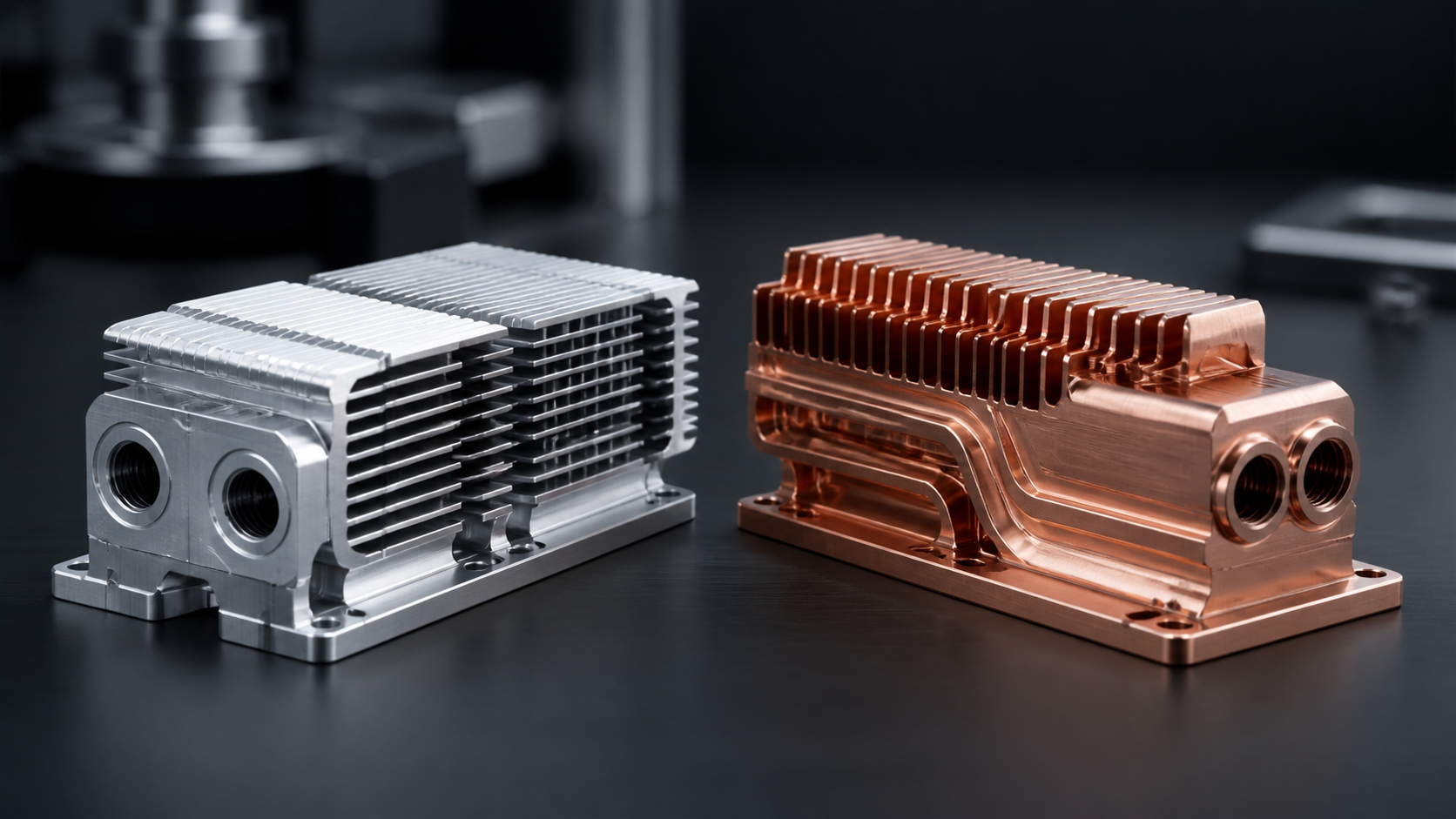
Aluminium und Kupfer sind gängige Materialien für CNC-bearbeitete Teile, bei denen Wärmeübertragung erforderlich ist, elektrische Leitfähigkeit, Gewichtskontrolle, und Präzisionsmontage. JADE-CNC prüft die Auswahl von Aluminiumsorten wie z 5052 Aluminium vs 6061, 6061 Aluminium vs 7075, 6061 vs 5052 Aluminium, 6061 vs 6063 Aluminiumfestigkeit, 6063 vs 6061 Aluminium, 7075 Aluminium vs 6061, 7075 vs 6061 Aluminium, Aluminium 5052 vs 6061, und Aluminium 6061 t6 vs t6511 zusammen mit Zeichnungen, Geometrie, Abschluss, Inspektion, und Produktionsmenge, damit das Angebot den Projektanforderungen des Kunden entsprechen kann.
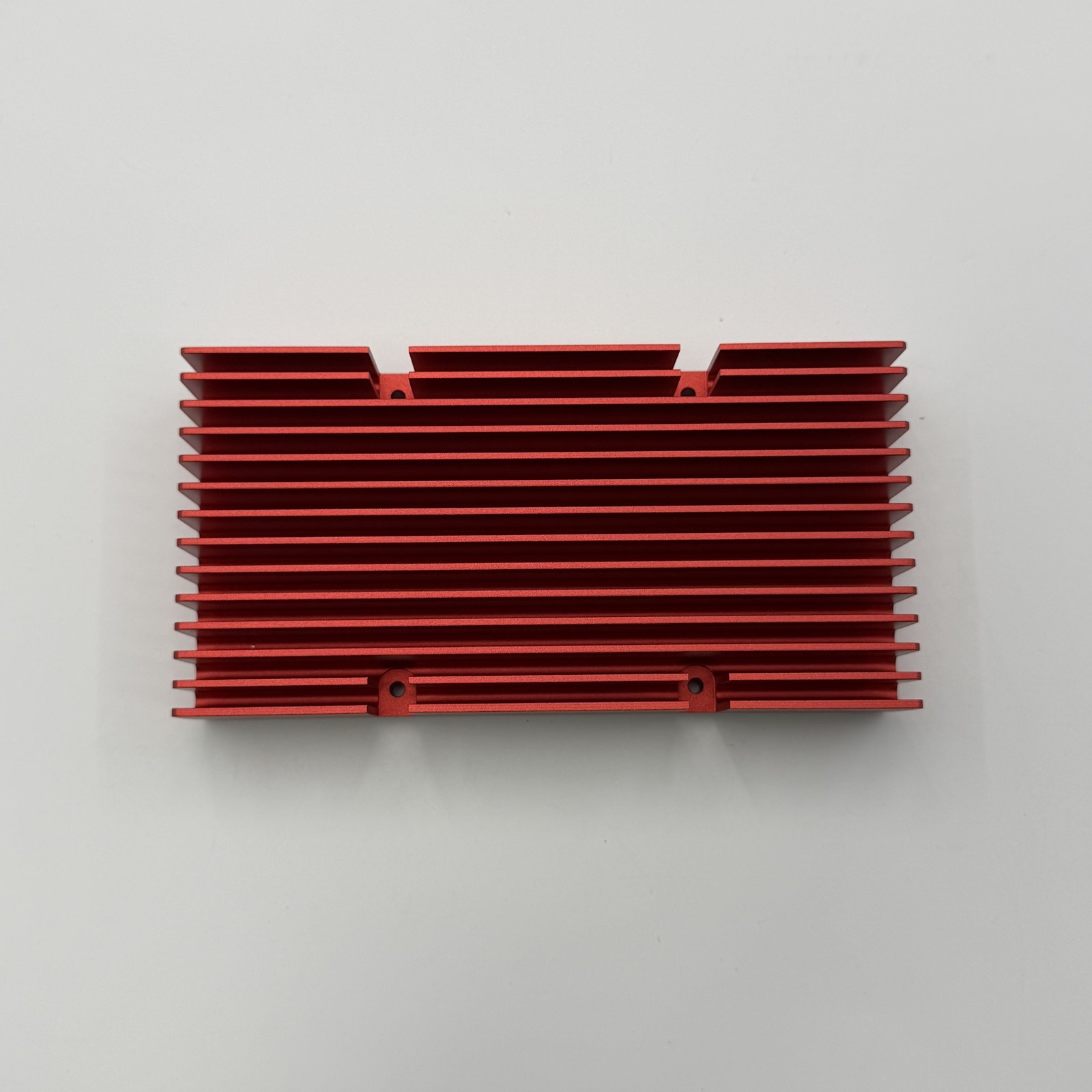
Schneller Vergleich: Aluminium vs. Kupfer
| Faktor | CNC-Bearbeitung von Aluminium | CNC-Bearbeitung von Kupfer |
|---|---|---|
| Thermofunktion | Wird oft bei der Wärmeübertragung ausgewählt, geringes Gewicht, Bearbeitbarkeit, und praktische Kosten müssen ausgewogen sein. | Wird oft ausgewählt, wenn eine stärkere thermische oder elektrische Leitfähigkeit eine wichtige funktionelle Anforderung ist. |
| Gewicht | Bei beweglichen Teilen kann ein geringeres Gewicht hilfreich sein, kompakte Baugruppen, und größere maschinell bearbeitete Strukturen. | Eine höhere Dichte kann das Gewicht erhöhen, Dies kann die Montage beeinträchtigen, Versand, und Montagedesign. |
| Bearbeitbarkeit | Unterstützt häufig eine effiziente Bearbeitung und saubere Oberflächen, wenn die Teilegeometrie geeignet ist. | Erfordert eine sorgfältige Überprüfung des Schneidverhaltens, Gratkontrolle, Verformungsgefahr, und Oberflächenqualität. |
| Abschluss | Eloxieren, Beschichtung, Perlenstrahlen, und kosmetische Oberflächen sind häufige Rezensionsthemen. | Überzug, Polieren, Antioxidationsbedarf, und Anforderungen an leitfähige Oberflächen sind häufige Überprüfungsthemen. |
Wenn Aluminium für Wärmeübertragungsteile oft praktisch ist
Aluminium wird häufig für bearbeitete Teile verwendet, die eine Wärmeübertragung bei geringerem Gewicht und effizienter Bearbeitung erfordern. Dies kann eine praktische Option für Wärmeübertragungsgehäuse sein, Montageplatten, Abdeckungen, Vorrichtungen, Paneele, und Teile, die eloxiert werden müssen oder ein kontrolliertes Erscheinungsbild benötigen.
JADE-CNC kann den thermischen Kontaktbereich überprüfen, Wandstärke, Taschentiefe, Befestigungslöcher, Gewindefunktionen, kosmetische Oberflächen, Eloxierungsanforderungen, und kritische Abmessungen vor dem Angebot. Dies trägt dazu bei, die Materialauswahl mit der Herstellbarkeit und Prüfplanung zu verbinden.
Wenn Kupfer oft für CNC-bearbeitete Teile geprüft wird
Kupfer wird oft überprüft, wenn die Leitfähigkeit eine Hauptfunktion ist, einschließlich elektrischer Kontaktkomponenten, Wärmeübertragungsschnittstellen, leitfähige Blöcke, Erdungsteile, und spezielle Wärmemanagementkomponenten. Die Auswahl des Kupfermaterials kann sich auf die Bearbeitungszeit auswirken, Gratkontrolle, Teilehandling, und Oberflächenschutz.
JADE-CNC prüft die Geometrie der Kupferteile sorgfältig, da die Wände dünn sind, scharfe Kanten, tiefe Taschen, und kosmetische Oberflächen können die Prozessplanung beeinflussen. Auch die Erwartungen an die Endbearbeitung und den Oxidationsschutz müssen während der Angebotsanfrage besprochen werden, wenn sie sich auf das endgültige Erscheinungsbild oder die Funktion auswirken.
Technische Überprüfungsfaktoren vor der Ausschreibung
Wärmeweg
Überprüfen Sie die Kontaktflächen, Montagedruck, Standort der Wärmequelle, Luftstrom, Ebenheit der Oberfläche, und Schnittstellenanforderungen.
Elektrische Funktion
Überprüfen Sie die Leitfähigkeit, Kontaktflächen, Beschichtungsbedarf, Erdungsfunktionen, Isolationsgrenzen, und Montageschnittstellen.
Bearbeitungsgeometrie
Überprüfen Sie dünne Wände, tiefe Taschen, Rippen, Löcher, Threads, Gratempfindliche Kanten, und Merkmale, die sich auf die Werkstückspannung auswirken.
Finish und Inspektion
Überprüfen Sie die kosmetischen Anforderungen, Beschichten/Plattieren, Fertigmaße, Ebenheit, Oberflächenzustand, und Erwartungen melden.
Kosten- und Produktionsüberlegungen
Aluminium und Kupfer können zu unterschiedlichen Angebots- und Produktionsplänen führen. Rohstoffkosten, Bearbeitungsgeschwindigkeit, Werkzeugverschleiß, Gratentfernung, Oberflächenbeschaffenheit, Ausschussrisiko, Inspektionszeit, und Verpackungen können sich ändern, wenn sich das Material ändert.
JADE-CNC überprüft diese Faktoren im Rahmen des RFQ-Prozesses. Wenn eine Zeichnung entweder Aluminium oder Kupfer zulässt, Die Überprüfung kann vergleichen, welche Option besser zum funktionalen Ziel passt, Enderwartung, Menge, und Produktionsbudget.
Informationen zu JADE-CNC-Bewertungen für Aluminium- oder Kupferprojekte
- 2D-Zeichnung und 3D-CAD-Datei für Geometrie, Toleranz, und Montageüberprüfung.
- Hinweise zur Materialqualität oder akzeptable Materialalternativen.
- Thermische oder elektrische Anforderungen, die sich auf die Materialauswahl auswirken.
- Kontaktflächen, Montageschnittstellen, Gewindefunktionen, und gratempfindliche Bereiche.
- Oberflächenveredelung, Farbe, Oxidationsschutz, Überzug, oder Eloxierungserwartungen.
- Menge, Produktionsphase, Inspektionsdokumentation, und Lieferanforderungen.
Verwandte JADE-CNC-Seiten
FAQ
Kann JADE-CNC Aluminium- und Kupferoptionen für Wärmeübertragungsteile prüfen??
Ist Kupfer für die Wärmeübertragung immer besser als Aluminium??
Warum wird Aluminium häufig für bearbeitete Wärmeübertragungsteile verwendet??
Was sollten Kunden zur Überprüfung der Aluminium- oder Kupfer-RFQ mitteilen??
Fordern Sie eine Bewertung zur CNC-Bearbeitung von Aluminium oder Kupfer an
Teilen Sie Ihre Zeichnung, CAD-Datei, Materialqualität, Wärmeübertragungs- oder Leitfähigkeitsanforderungen, Oberflächenbeschaffenheit, Menge, Toleranzhinweise, und Inspektionsbedarf. JADE-CNC prüft die Projektinformationen und bestätigt den nächsten Angebotsschritt.