


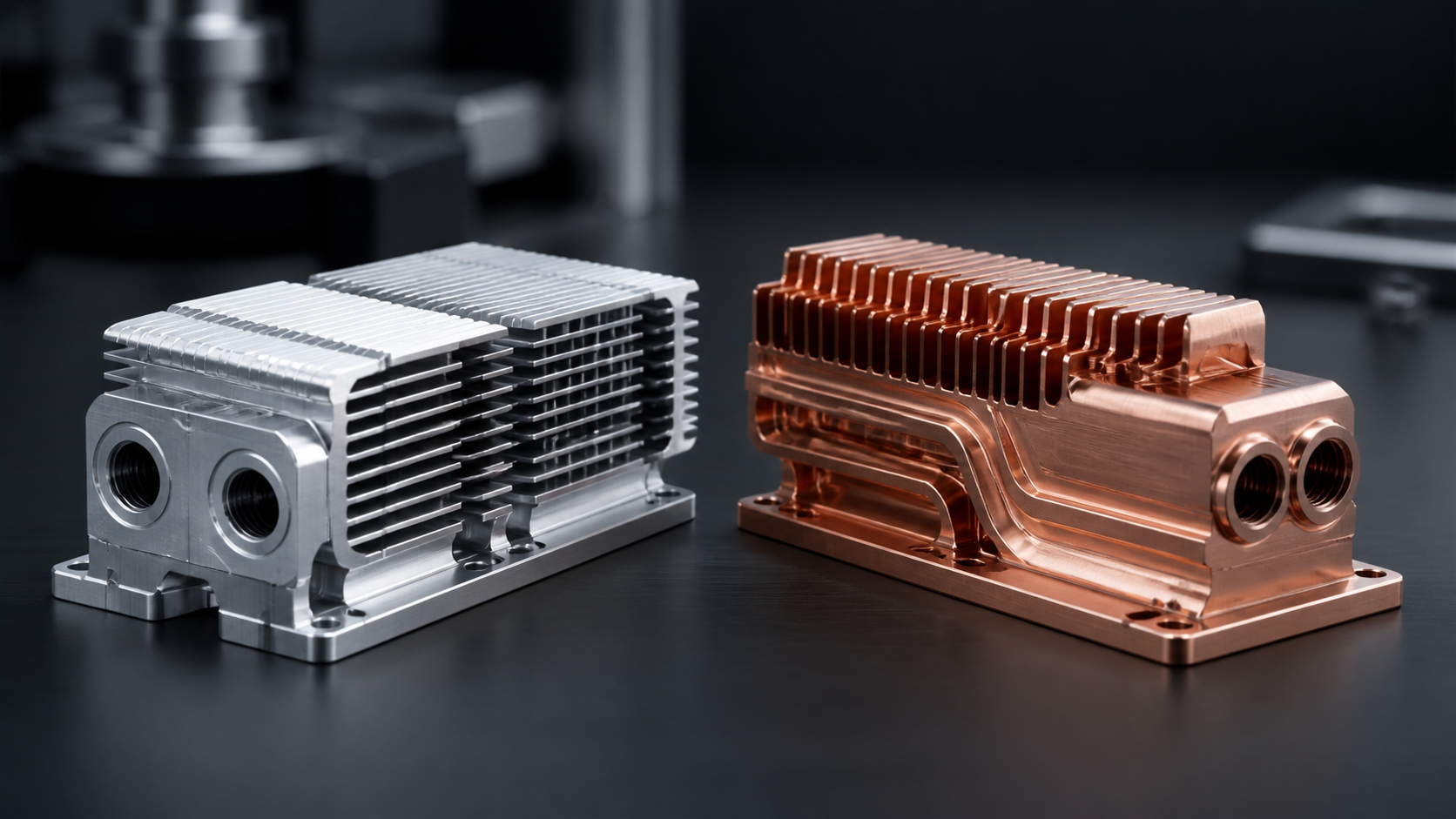
Aluminum and copper are both common materials for CNC machined parts that involve heat transfer, electrical conductivity, weight control, and precision assembly. JADE-CNC reviews aluminum grade choices such as 5052 aluminum vs 6061, 6061 aluminum vs 7075, 6061 vs 5052 aluminio, 6061 vs 6063 aluminum strength, 6063 vs 6061 aluminio, 7075 aluminum vs 6061, 7075 vs 6061 aluminio, aluminio 5052 vs 6061, and aluminum 6061 t6 vs t6511 together with drawings, geometría, refinamiento, inspección, and production quantity so the quotation can match the customer project requirements.
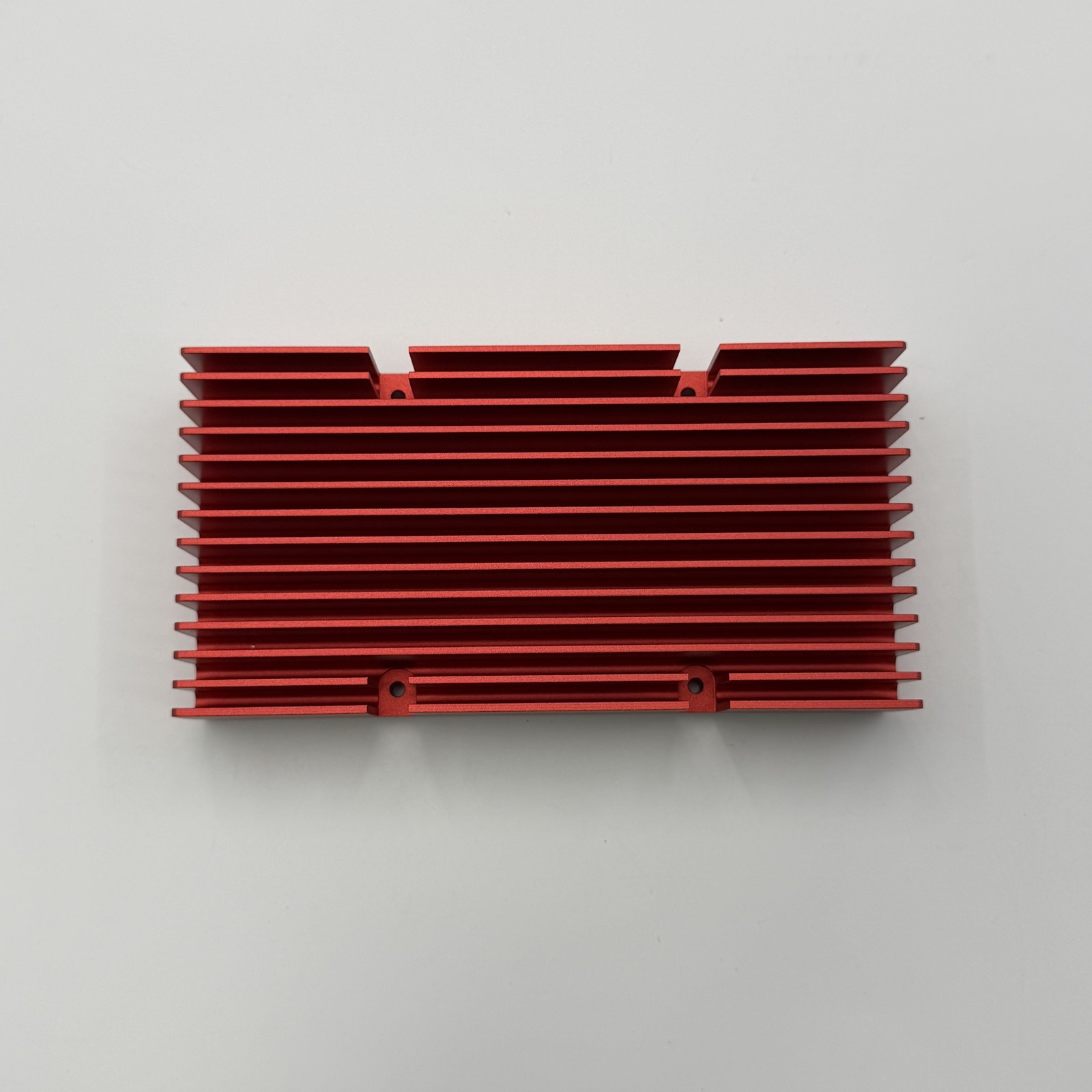
Quick Comparison: Aluminum vs Copper
| Factor | Aluminum CNC machining | Copper CNC machining |
|---|---|---|
| Thermal function | Often selected when heat transfer, low weight, maquinabilidad, and practical cost need to be balanced. | Often selected when stronger thermal or electrical conductivity is a key functional requirement. |
| Weight | Lower weight can help with moving parts, compact assemblies, and larger machined structures. | Higher density can add weight, which may affect mounting, shipping, and assembly design. |
| maquinabilidad | Often supports efficient machining and clean surfaces when part geometry is suitable. | Requires careful review of cutting behavior, control de rebabas, deformation risk, and surface quality. |
| Finishing | Anodizado, revestimiento, voladura de cuentas, and cosmetic finishes are common review topics. | Enchapado, pulido, anti-oxidation needs, and conductive surface requirements are common review topics. |
When Aluminum Is Often Practical for Heat Transfer Parts
Aluminum is often used for machined parts that need heat transfer with lower weight and efficient machining. It can be a practical option for heat-transfer housings, mounting plates, cubre, accesorios, paneles, and parts that need anodizing or a controlled appearance.
JADE-CNC can review the thermal contact area, wall thickness, pocket depth, mounting holes, threaded features, cosmetic surfaces, anodizing requirements, and critical dimensions before quotation. This helps connect material choice with manufacturability and inspection planning.
When Copper Is Often Reviewed for CNC Machined Parts
Copper is often reviewed when conductivity is a primary function, including electrical contact components, heat transfer interfaces, conductive blocks, grounding parts, and specialized thermal-management components. Copper material selection can affect machining time, control de rebabas, part handling, and surface protection.
JADE-CNC reviews copper part geometry carefully because thin walls, sharp edges, deep pockets, and cosmetic surfaces can influence process planning. Finishing and anti-oxidation expectations also need to be discussed during RFQ when they affect final appearance or function.
Engineering Review Factors Before RFQ
Thermal Path
Review contact surfaces, mounting pressure, heat source location, airflow, surface flatness, and interface requirements.
Electrical Function
Review conductivity, contact surfaces, plating needs, grounding features, insulation boundaries, and assembly interfaces.
Machining Geometry
Review thin walls, deep pockets, ribs, agujeros, trapos, burr-sensitive edges, and features that affect workholding.
Finish and Inspection
Review cosmetic requirements, coating/plating, finished dimensions, llanura, condición de la superficie, and report expectations.
Cost and Production Considerations
Aluminum and copper can lead to different quotation and production plans. Raw material cost, machining speed, tool wear, burr removal, acabado superficial, scrap risk, inspection time, and packaging can all change when the material changes.
JADE-CNC reviews these factors as part of the RFQ process. If a drawing allows either aluminum or copper, the review can compare which option better matches the functional target, finish expectation, cantidad, and production budget.
Information JADE-CNC Reviews for Aluminum or Copper Projects
- 2D drawing and 3D CAD file for geometry, tolerancia, and assembly review.
- Material grade notes or acceptable material alternatives.
- Thermal or electrical requirements that affect material choice.
- Contact surfaces, mounting interfaces, threaded features, and burr-sensitive areas.
- Surface finishing, color, oxidation protection, enchapado, or anodizing expectations.
- Cantidad, production stage, inspection documentation, and delivery requirements.
Related JADE-CNC Pages
Preguntas frecuentes
Can JADE-CNC review aluminum and copper options for heat transfer parts?
Is copper always better than aluminum for heat transfer?
Why is aluminum common for machined heat transfer parts?
What should customers share for aluminum or copper RFQ review?
Request Aluminum or Copper CNC Machining Review
Share your drawing, CAD file, grado del material, heat transfer or conductivity requirements, acabado superficial, cantidad, notas de tolerancia, y necesidades de inspección. JADE-CNC will review the project information and confirm the next quotation step.