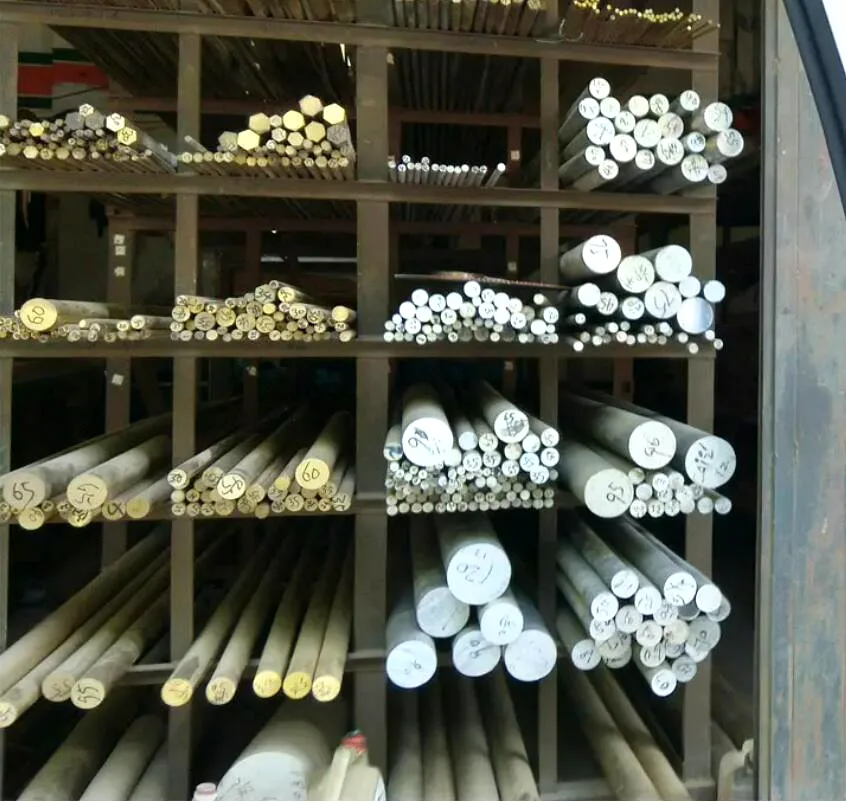
CNC Machining Materials Guide
Use this CNC machining materials guide to compare metal and plastic options for custom machined parts. Material choice affects strength, weight, corrosion resistance, conductivity, heat resistance, tolerance stability, surface finish, and inspection requirements.
Common CNC Machining Materials Used by JADE-CNC
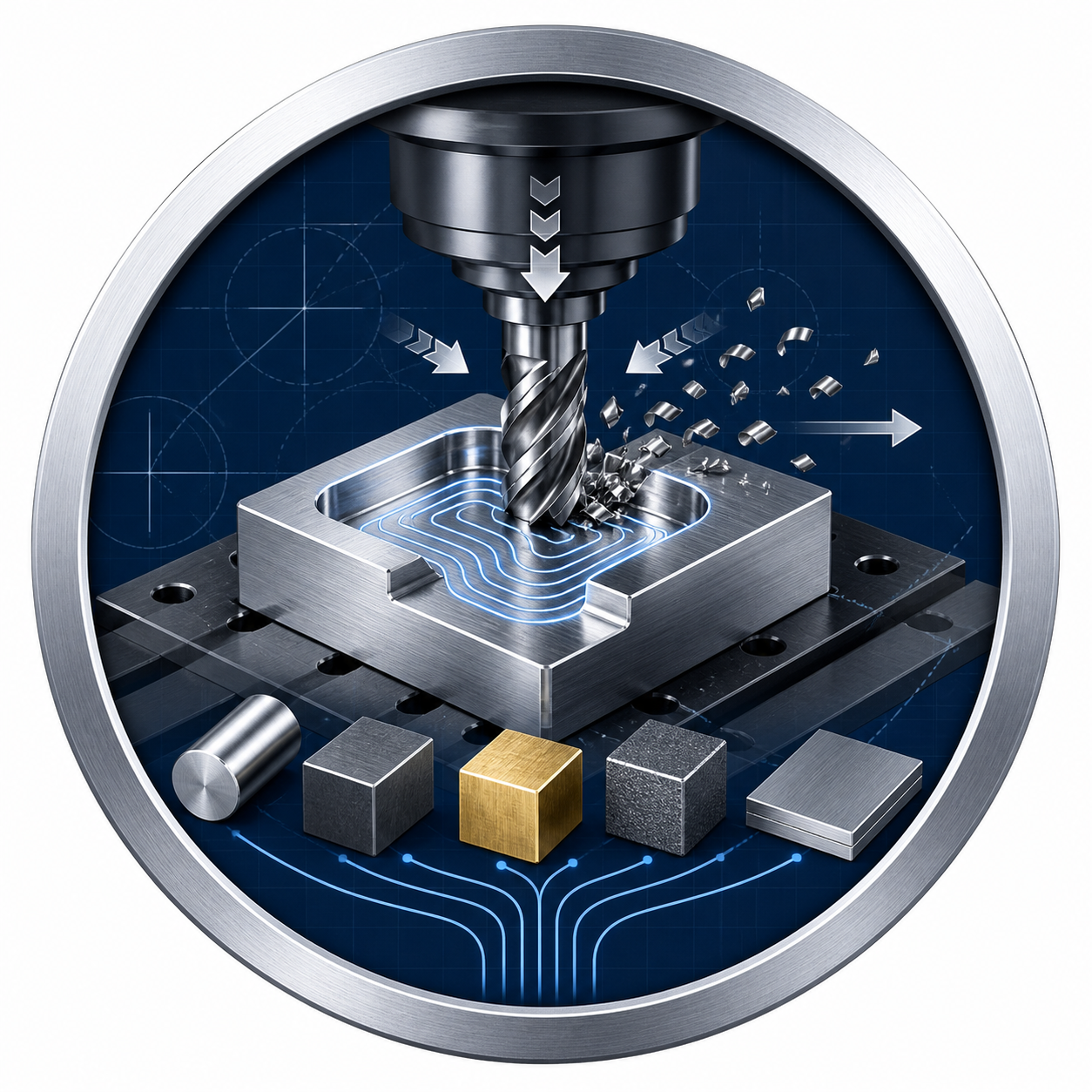
JADE-CNC manufactures prototype and production parts from commercially available metal CNC machining materials and plastic CNC machining materials, and can also review customer-supplied materials when required. This material guide helps buyers compare CNC material properties, machining behavior, finishing impact, tolerance stability, and inspection needs before sending an RFQ.
Metal CNC Machining
Metal CNC machined parts are commonly made from aluminum, stainless steel, copper, brass, titanium, and alloy steel when strength, rigidity, conductivity, heat resistance, corrosion resistance, or dimensional stability is required. JADE-CNC can review aluminum CNC machining, stainless steel machining, copper machining, titanium machining, alloy machining, and related finishing or inspection requirements according to the drawing.
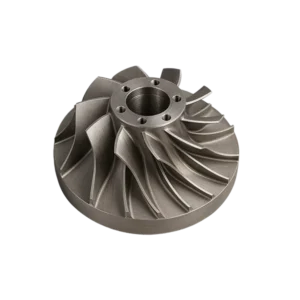
Superalloy CNC Machining
High-temperature and corrosion-resistant alloys may be selected for demanding industrial parts when strength, heat resistance, and inspection requirements justify the machining difficulty. JADE-CNC reviews tooling, cutting strategy, and quality requirements before quotation.
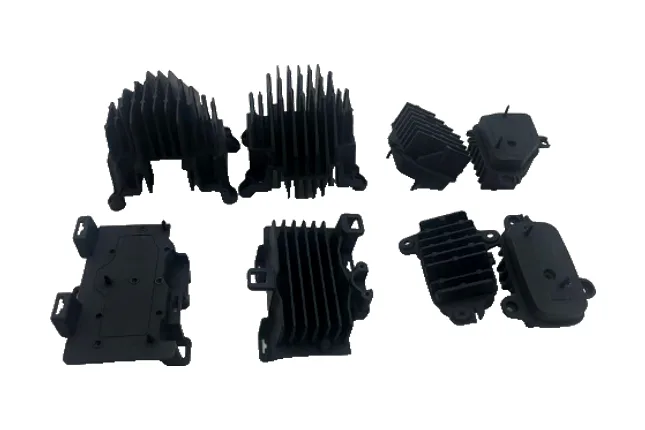
Heat Sink CNC Machining
Heat sink materials and geometry affect thermal performance, machining cost, surface finish, and assembly. JADE-CNC reviews fins, channels, flatness, material, and finish requirements before machining heat sink components.
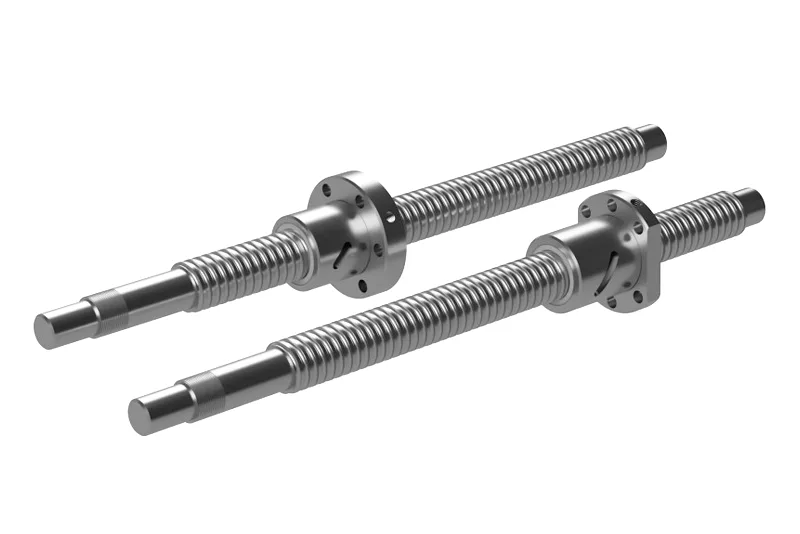
Kovar Alloy CNC Machining
Kovar alloy is used when controlled thermal expansion is important for glass, ceramic, or semiconductor-related assemblies. Drawing requirements, tolerance control, and inspection should be reviewed before machining.
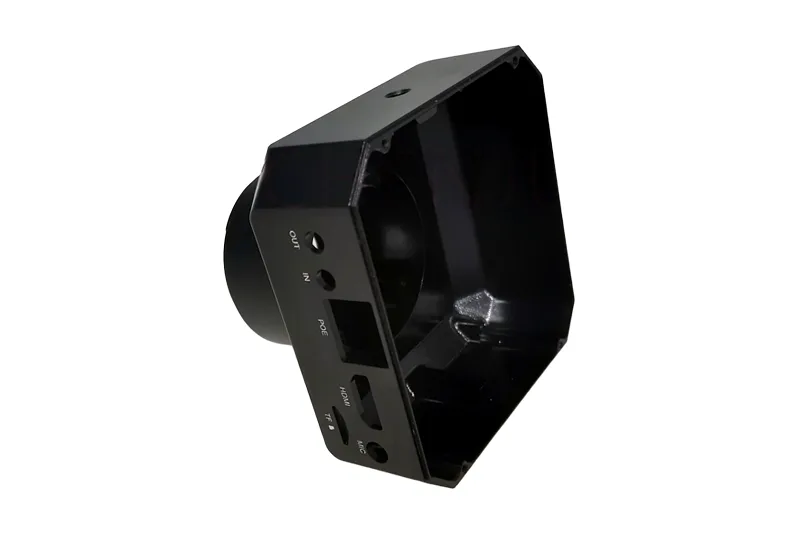
Plastic CNC Machining
Engineering plastics such as ABS, acrylic, polycarbonate, nylon, PEEK, PTFE, and acetal can be used for plastic machining when lightweight, insulating, transparent, chemically resistant, or low-friction parts are required. Material stability, moisture absorption, burr control, surface finish, and tolerance behavior should be reviewed early.
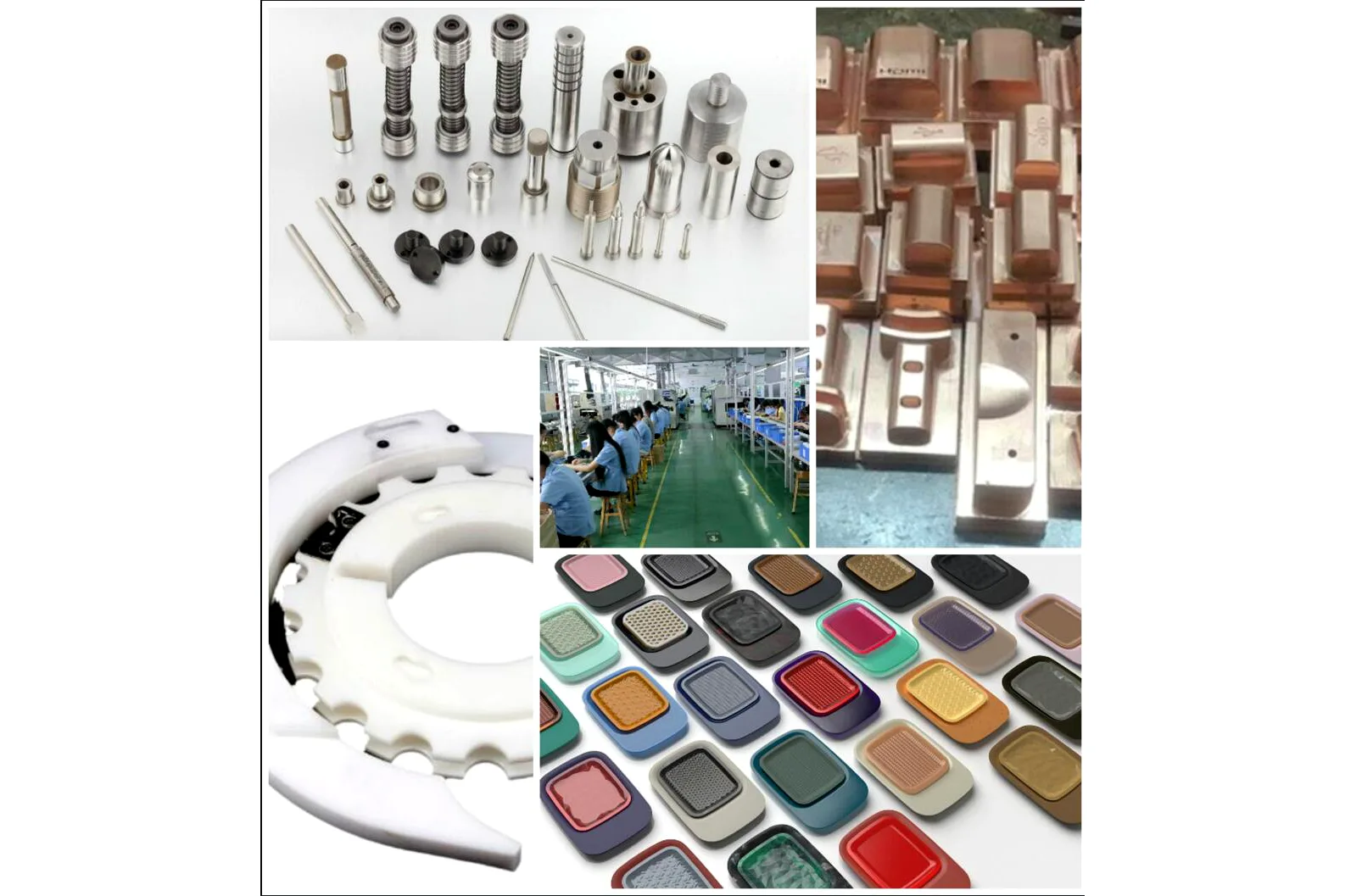
One-Stop CNC Machining Solution
For projects that need machining, finishing, inspection, and assembly support, JADE-CNC coordinates the manufacturing workflow so drawings, material requirements, surface finish, quality checks, and delivery expectations stay aligned.
CNC Machining Material Selection Guide
Material selection affects machining cost, dimensional stability, surface finish, strength, weight, corrosion resistance, conductivity, and final inspection. JADE-CNC can review material options based on the drawing, part function, production quantity, finish requirement, and application environment.
| Material | Category | Key Properties | Machinability | Typical CNC Applications | Surface Finish Options |
|---|---|---|---|---|---|
| Aluminum 6061-T6 | Aluminum | General-purpose, lightweight, corrosion resistant | Excellent | Housings, brackets, fixtures, communication parts | Anodizing, bead blasting, powder coating |
| Aluminum 7075-T6 | Aluminum | High strength-to-weight ratio | Good | Structural brackets, robotics components, precision frames | Hard anodizing, bead blasting |
| Stainless Steel 304 | Stainless Steel | Corrosion resistant, widely available | Medium | Industrial parts, medical device components, fixtures | Passivation, polishing, bead blasting |
| Stainless Steel 316 | Stainless Steel | Better corrosion resistance in harsh environments | Medium | Medical, marine, chemical-exposure components | Passivation, electropolishing |
| Carbon Steel 1018 | Carbon Steel | Low carbon, cost-effective, easy to machine | Excellent | General machinery parts, plates, shafts | Black oxide, zinc plating, painting |
| Copper C110 | Copper | High thermal and electrical conductivity | Fair | Heat-transfer parts, busbars, RF components | Polishing, nickel plating |
| Brass C360 | Brass | Free-cutting, stable finish, good conductivity | Excellent | Connectors, valves, fittings, turned parts | Nickel plating, polishing |
| POM / Delrin | Engineering Plastic | Low friction, stable, good wear properties | Excellent | Gears, sliding parts, fixtures, bushings | As machined |
| PEEK | High-Performance Plastic | High temperature and chemical resistance | Good | Medical, aerospace-adjacent, demanding engineering parts | As machined |
| PC | Engineering Plastic | Impact resistance and possible transparency | Good | Covers, protective parts, transparent components | Polishing, painting |
Not sure which material is suitable for your CNC machined part?
Send the drawing, application, quantity, and finish requirement for material review.
What JADE-CNC Reviews Before CNC Material Selection
Choosing a CNC machining material is not only about selecting a grade from a list. The right material should match the part function, machining method, tolerance requirement, surface finish, application environment, and inspection needs.
Material Function
JADE-CNC reviews whether the part needs strength, low weight, corrosion resistance, electrical conductivity, heat resistance, wear resistance, insulation, or dimensional stability.
Machinability
Different metals and plastics affect tool wear, cutting speed, burr control, surface quality, and machining cost. The machining route should match the material behavior.
Tolerance Stability
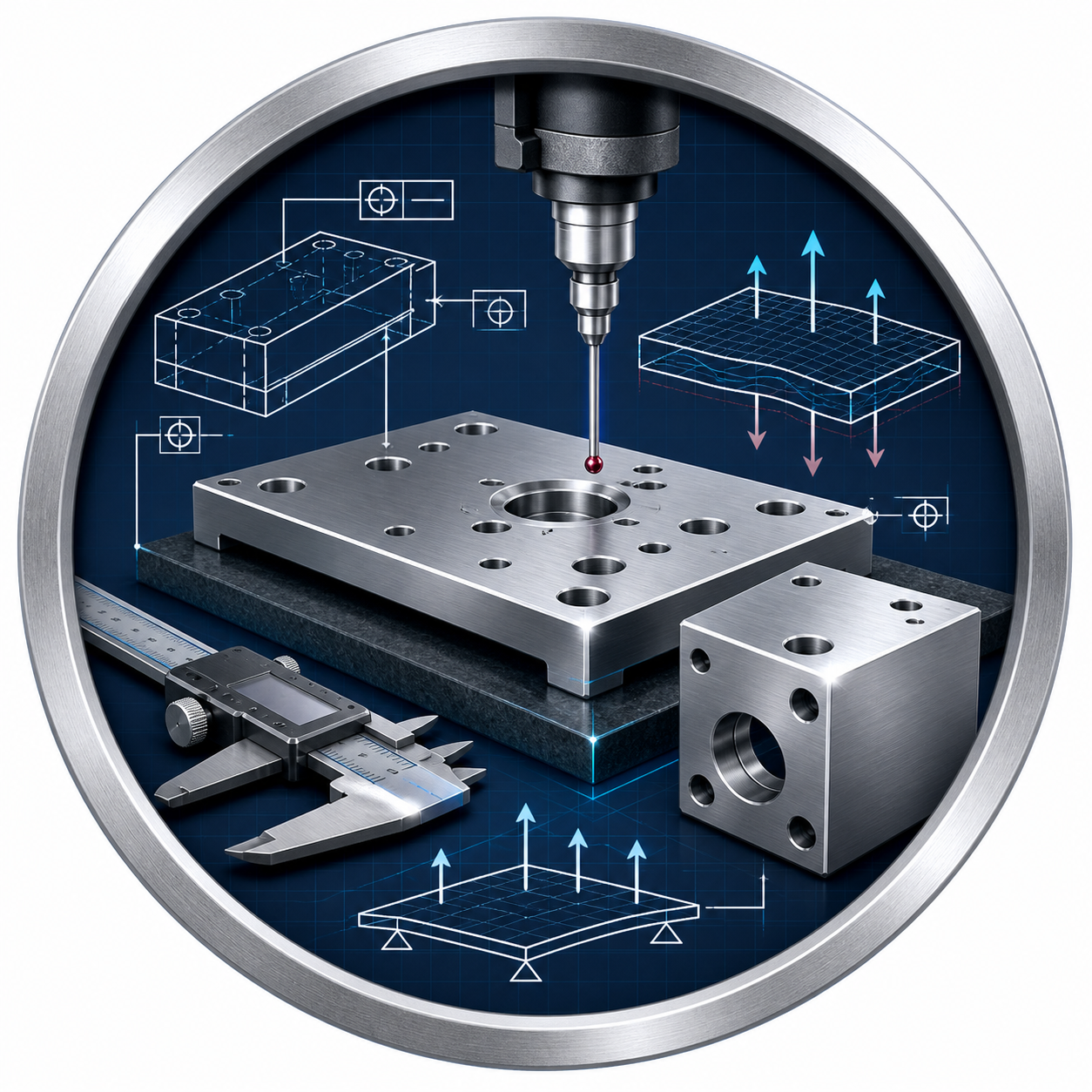
Material stress, wall thickness, heat treatment, moisture absorption, and part geometry can affect dimensional stability during and after machining.
Surface Finish Compatibility
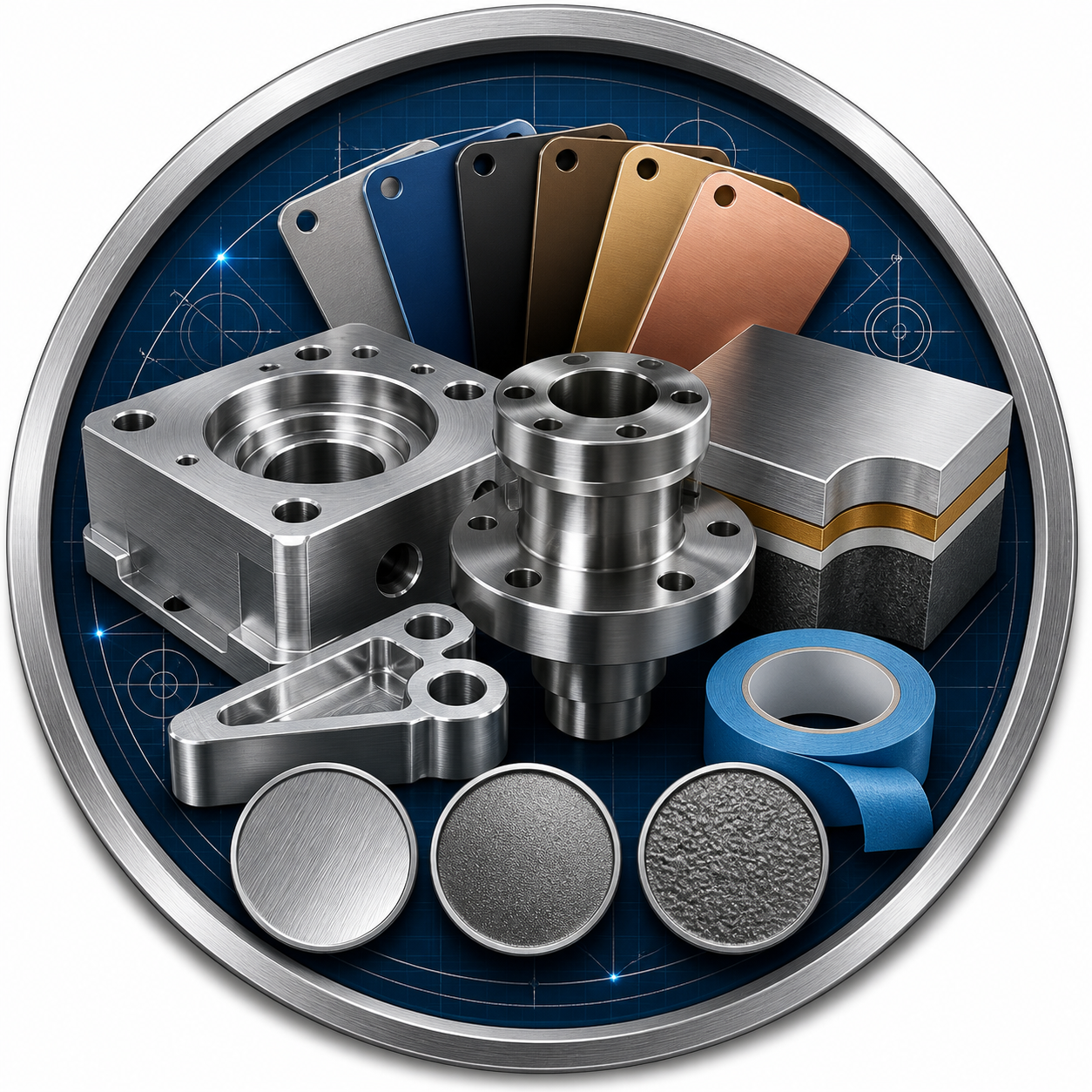
Anodizing, plating, passivation, polishing, bead blasting, painting, and coating requirements should be checked against the selected material and functional surfaces.
Inspection and Traceability
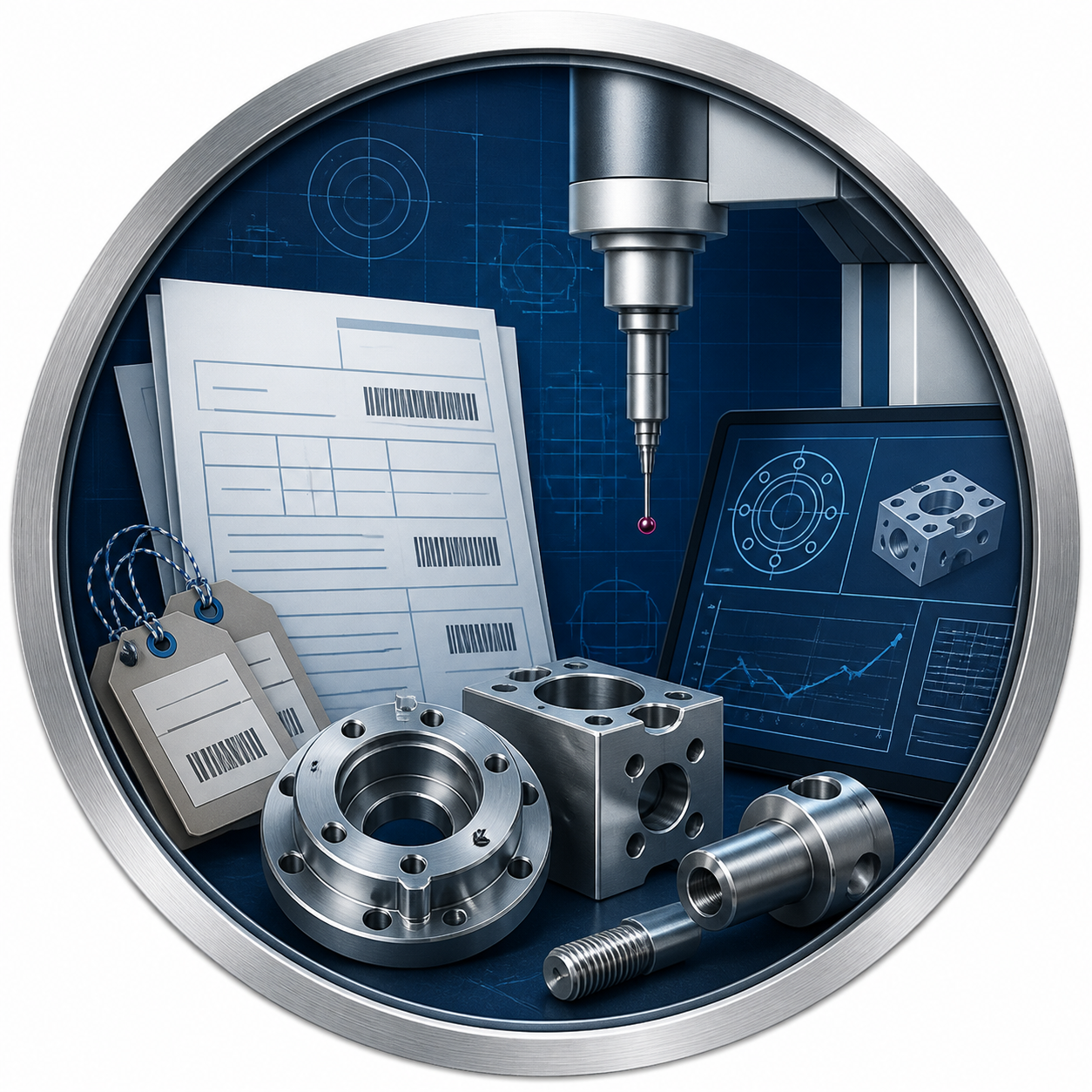
For projects that need reports or material records, JADE-CNC can coordinate dimensional checks, selected feature inspection, material confirmation, and documentation requirements.
Common CNC machining materials include aluminum, stainless steel, carbon steel, alloy steel, copper, brass, titanium, POM, PEEK, PTFE, PC, ABS, acrylic, nylon, and other engineering plastics.
Start from the part function. Strength, weight, corrosion resistance, conductivity, heat resistance, tolerance stability, surface finish, and inspection requirements should be considered together.
Common aluminum grades include 6061, 7075, 2024, 5052, 6063, and MIC-6 tooling plate. Each grade has different strength, machinability, corrosion resistance, and finishing behavior.
Stainless steel is often selected when corrosion resistance, strength, wear resistance, or appearance is important. 304 and 316 are common options for CNC machined stainless steel parts.
Copper and brass are often used when electrical conductivity, thermal conductivity, or stable machining of small turned features is important.
Yes. POM, PEEK, PTFE, PC, ABS, acrylic, nylon, and other plastics can be CNC machined, but material movement, burr control, moisture absorption, and tolerance behavior should be reviewed.
Yes. Material cost, machinability, tool wear, setup difficulty, finishing requirements, and inspection needs all affect CNC machining cost.
Yes. Anodizing, plating, passivation, polishing, bead blasting, painting, and coating results depend on material grade, surface condition, geometry, and masking requirements.
Customer-supplied materials can be reviewed when material grade, stock form, certification needs, machining allowance, and handling requirements are clear.
Please send 3D CAD files, 2D drawings, material grade or preferred options, application environment, tolerance notes, surface finish requirements, quantity, and inspection needs.