Mass Production Machining Services
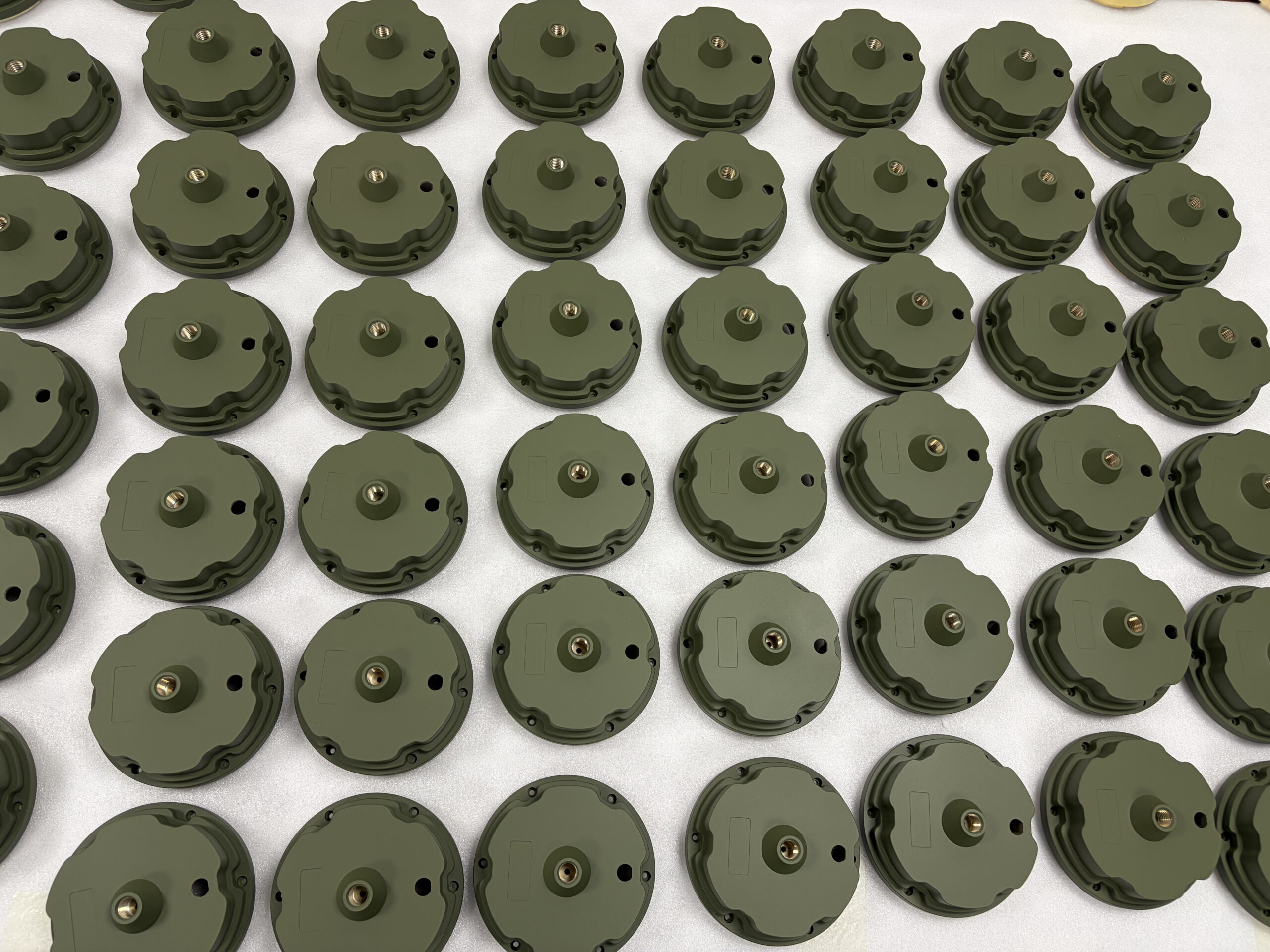
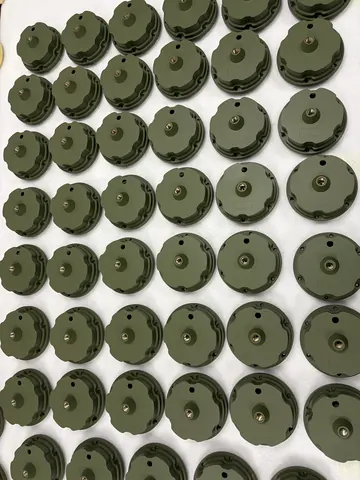
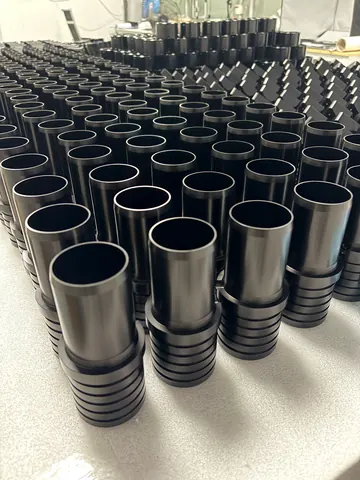
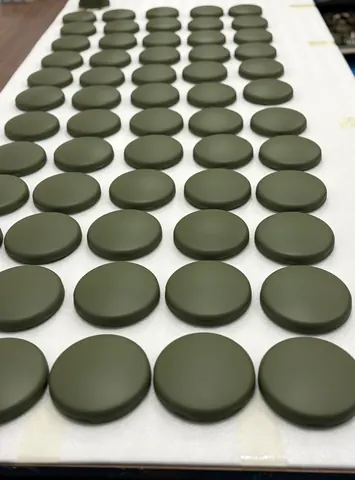
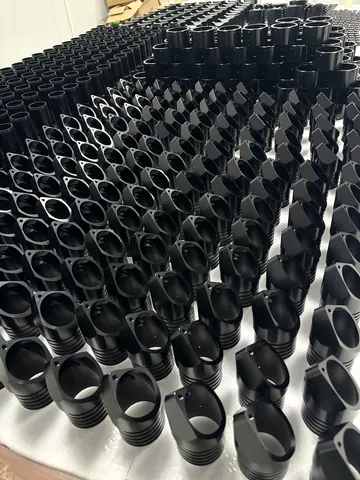
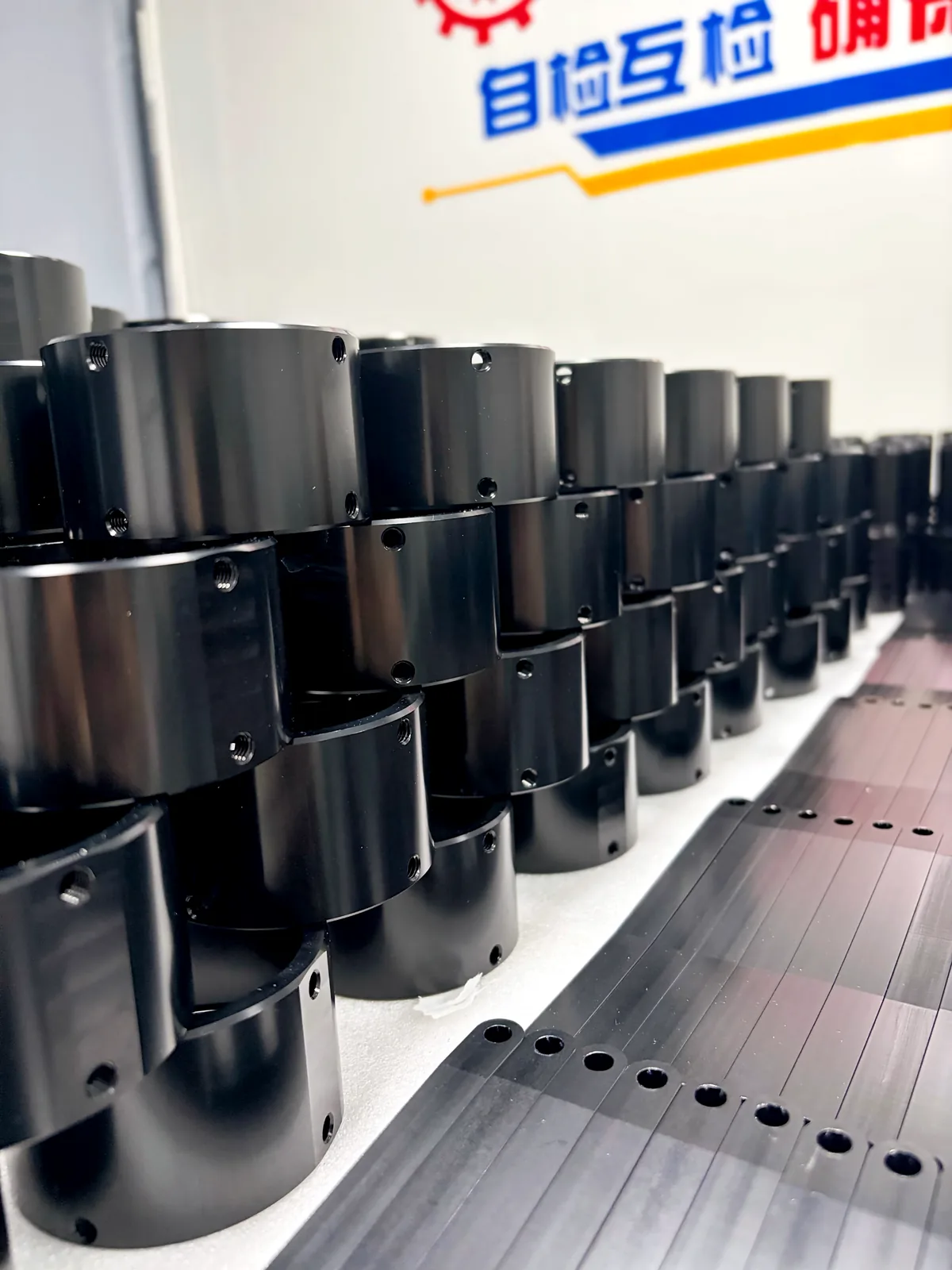
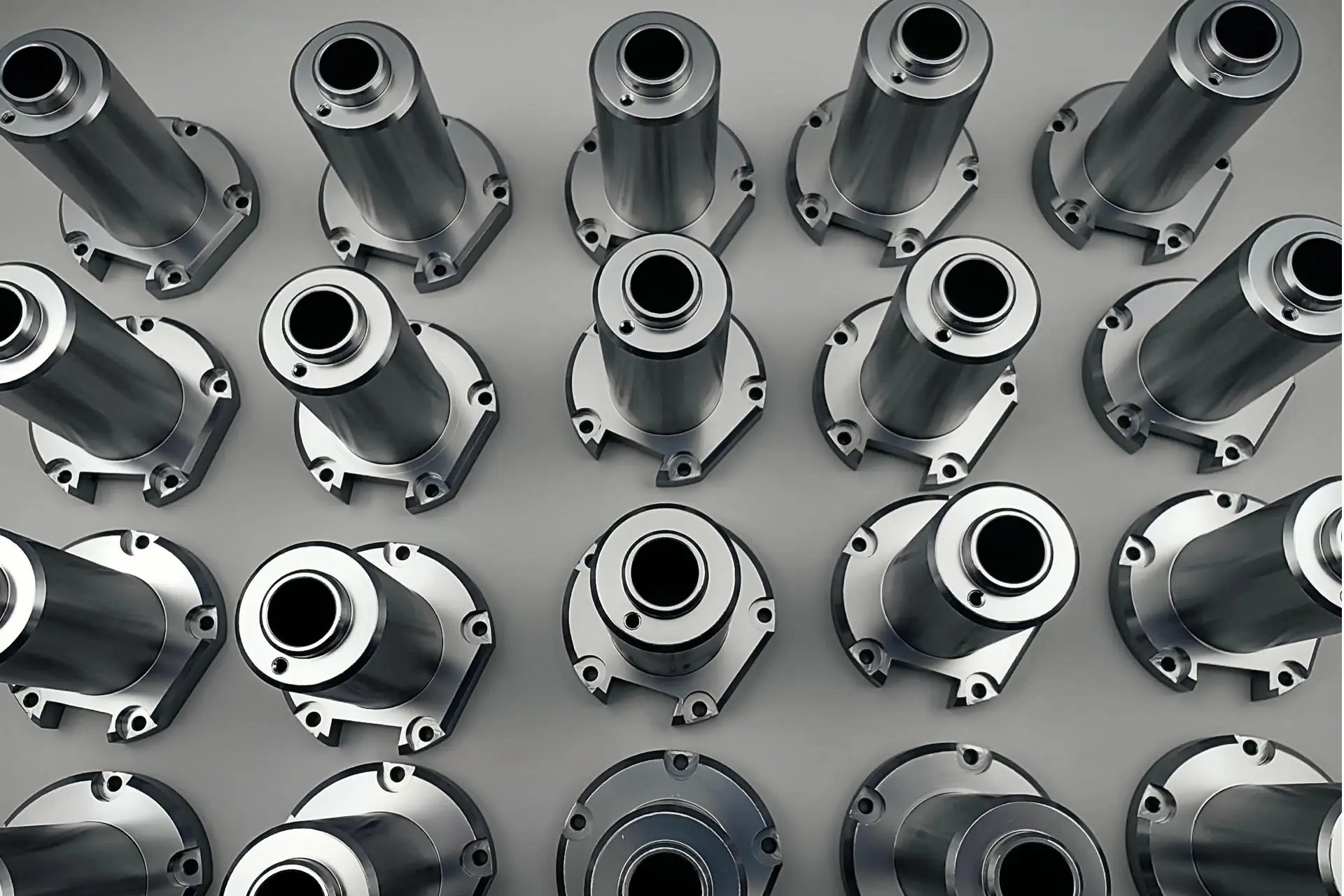
JADE-CNC supports mass production machining for repeat CNC parts after prototype or pilot-run approval. Each production project is reviewed around approved drawings, stable fixtures, material control, inspection frequency, surface finishing, packaging, and delivery schedule.
- Repeatable CNC production after sample approval
- Fixture and process planning for stable batches
- Inspection planning for critical dimensions
- Surface finishing and assembly coordination
- Consistent quality for ongoing production demand
Do We Accept Mass Production Machining?
Yes. JADE-CNC supports production CNC machining when drawings, samples, material requirements, and inspection expectations are ready for repeat manufacturing. The goal is not only to make more parts, but to keep each approved batch consistent in geometry, finish, documentation, and delivery.
- Repeat orders and scheduled production batches
- Production-ready drawings and approved samples
- Stable material, finish, and inspection requirements
- Parts that need repeatable machining and delivery
Mass Production CNC Machining Capabilities
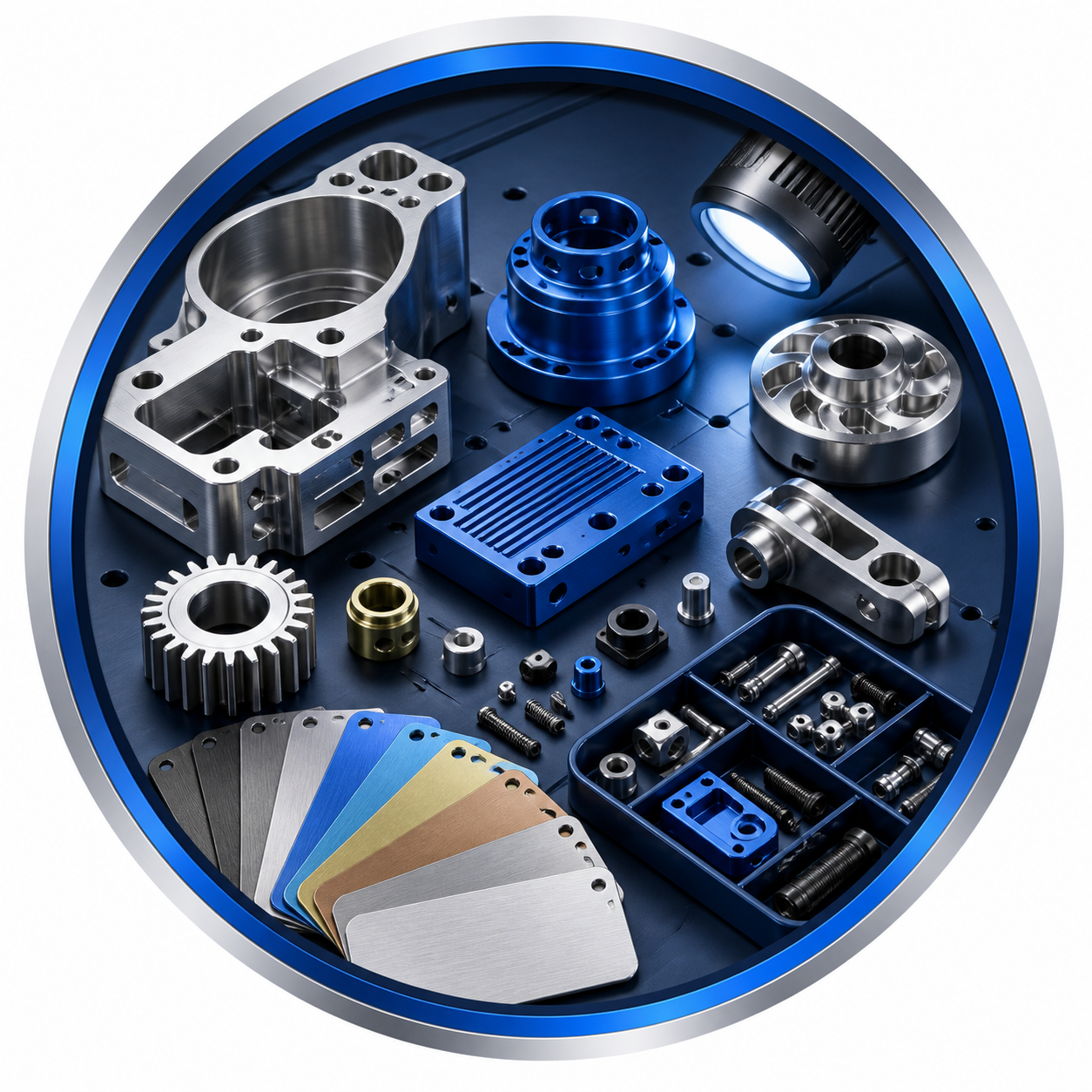
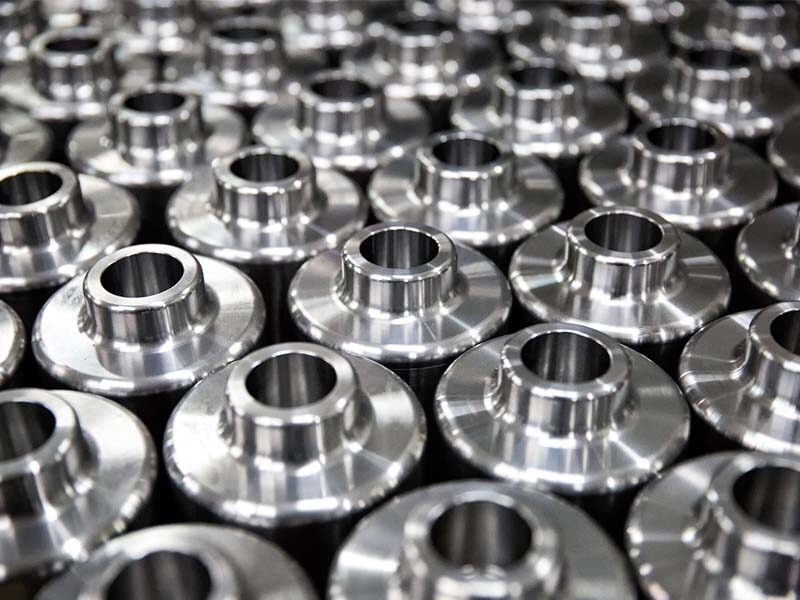
For production CNC machining programs, JADE-CNC can coordinate CNC milling, CNC turning, 5-axis machining, EDM, grinding, surface finishing, inspection, assembly support, and export packaging according to the approved production plan.

CNC Turning
Precision cylindrical machining with stationary tools and rotating workpieces for shafts, connectors, and more.

CNC Milling
Automated cutting via rotating tool, shaping parts from metal or plastic with complex contours and accuracy.

5-Axis Milling
Two rotational axes plus three linear axes, delivering rapid, accurate machining of intricate geometries.

Wire Sink EDM
Electric discharge to cut detailed shapes or tight internal profiles into hard materials.

Swiss Machining
Precision screw machining for close-tolerance parts, ideal for electronics & medical use.

Honing & Grinding
Abrasive finishing techniques for ultra-precise surface flatness, tolerance, and finish quality.
What JADE-CNC Reviews Before Mass Production Machining
Approved Sample and Drawing Control
Production starts from approved drawings, confirmed samples, material notes, tolerance requirements, and finish specifications.
Fixture and Process Stability
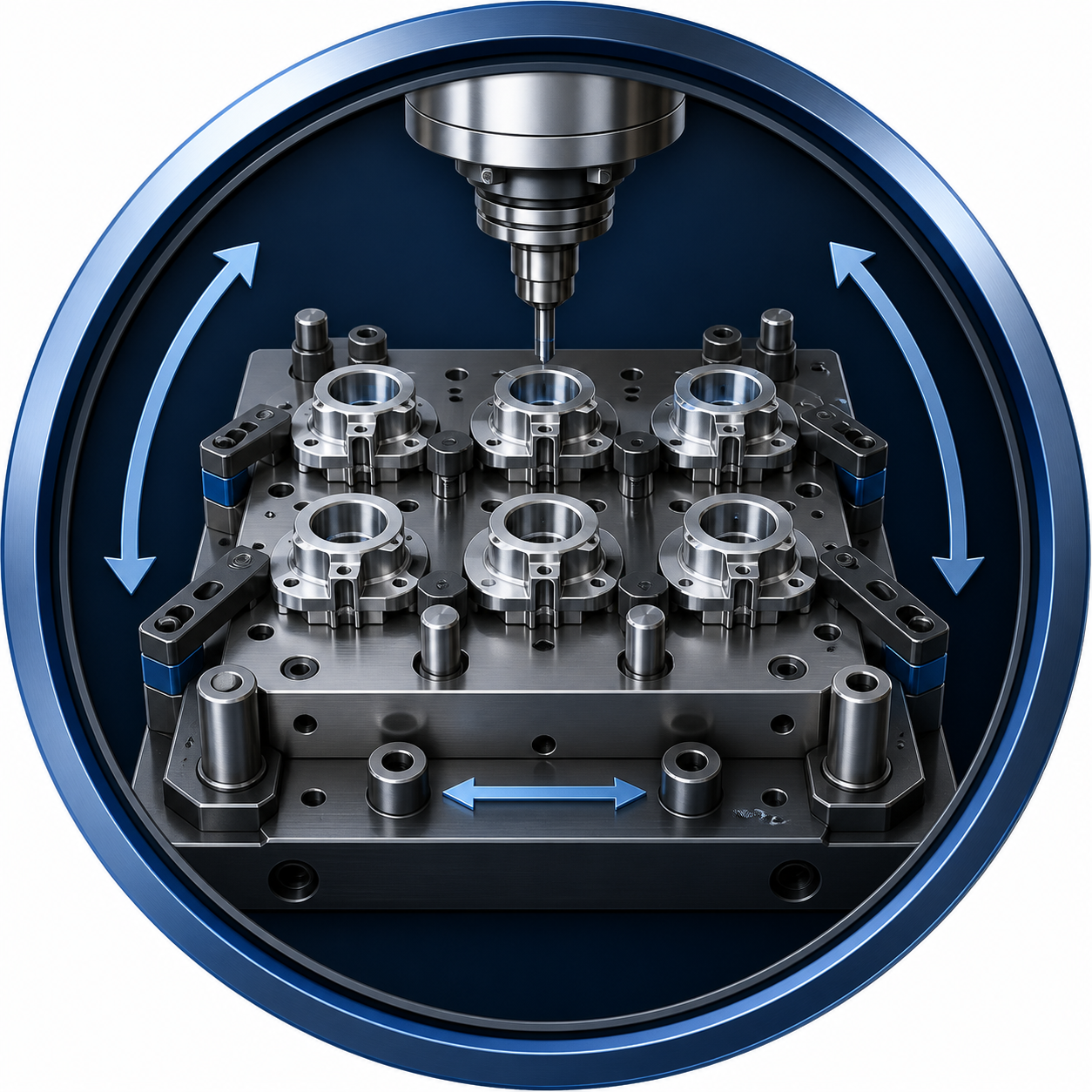
Fixtures, setup direction, locating points, and machining sequence are reviewed so repeat batches can be produced consistently.
Material and Batch Traceability
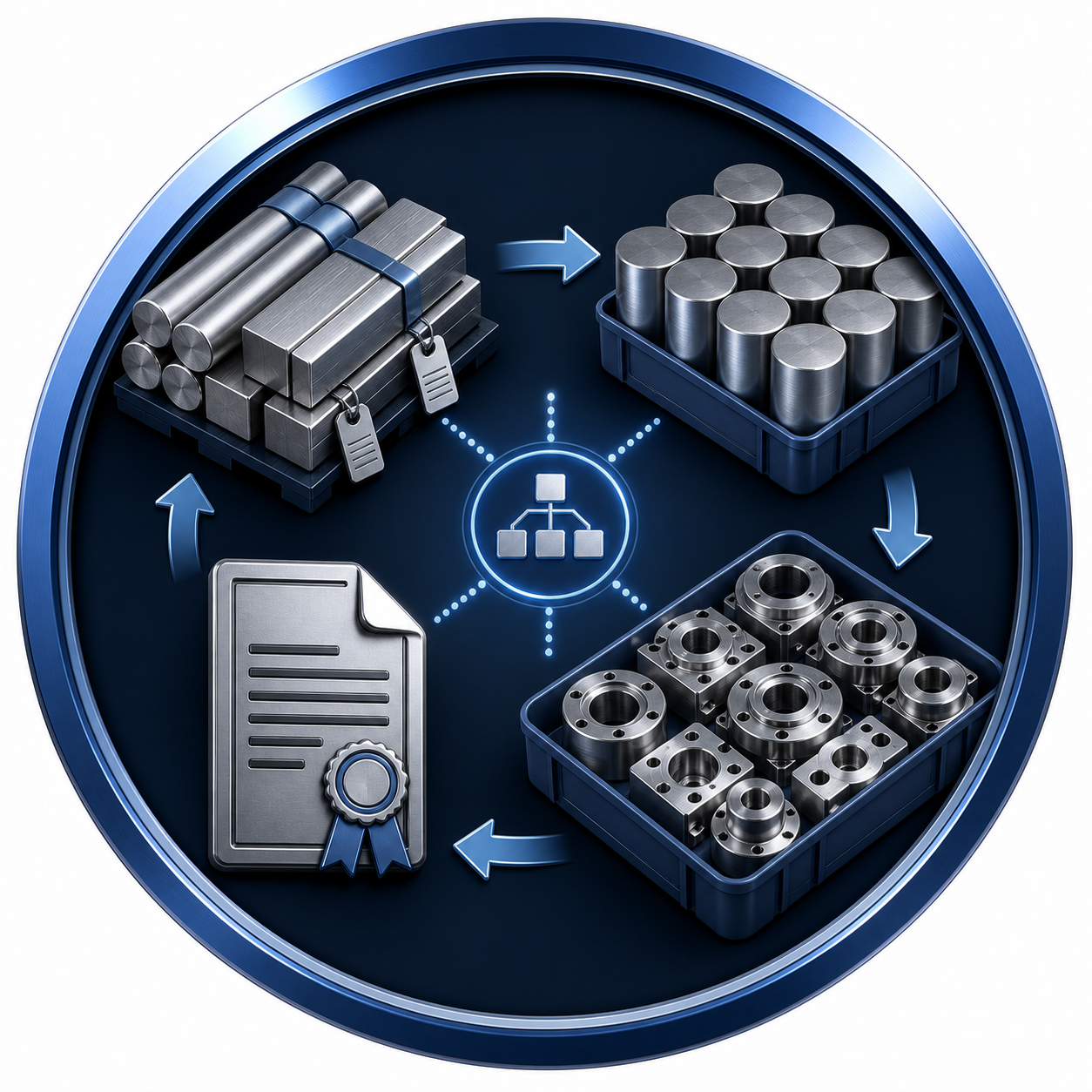
Material grade, blank preparation, batch records, and equivalent material options are confirmed when project requirements call for traceability.
Tool Life and Process Control
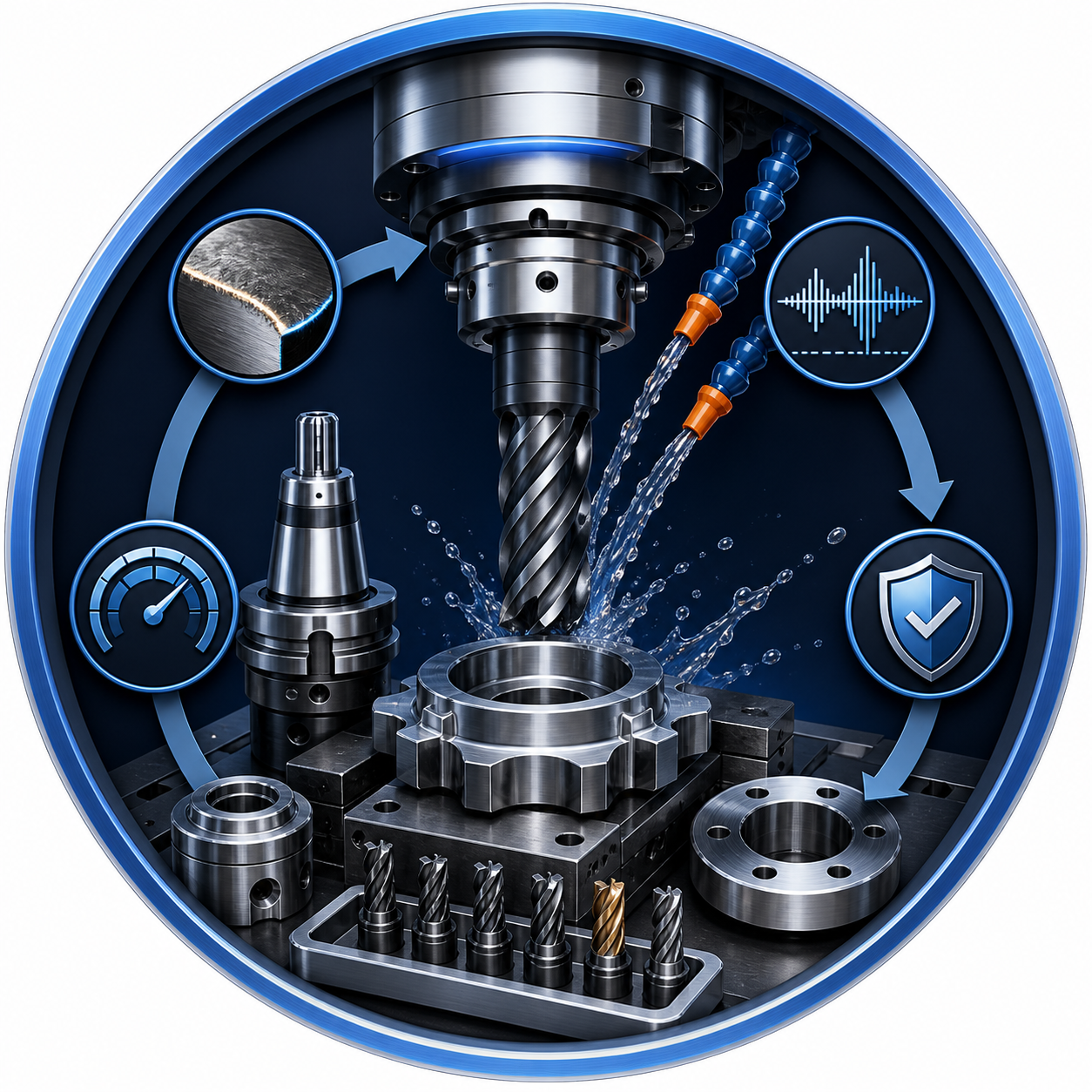
Tool wear, cutting strategy, coolant, setup repeatability, and process-sensitive features are reviewed before scheduled production.
Inspection Frequency and Quality Records
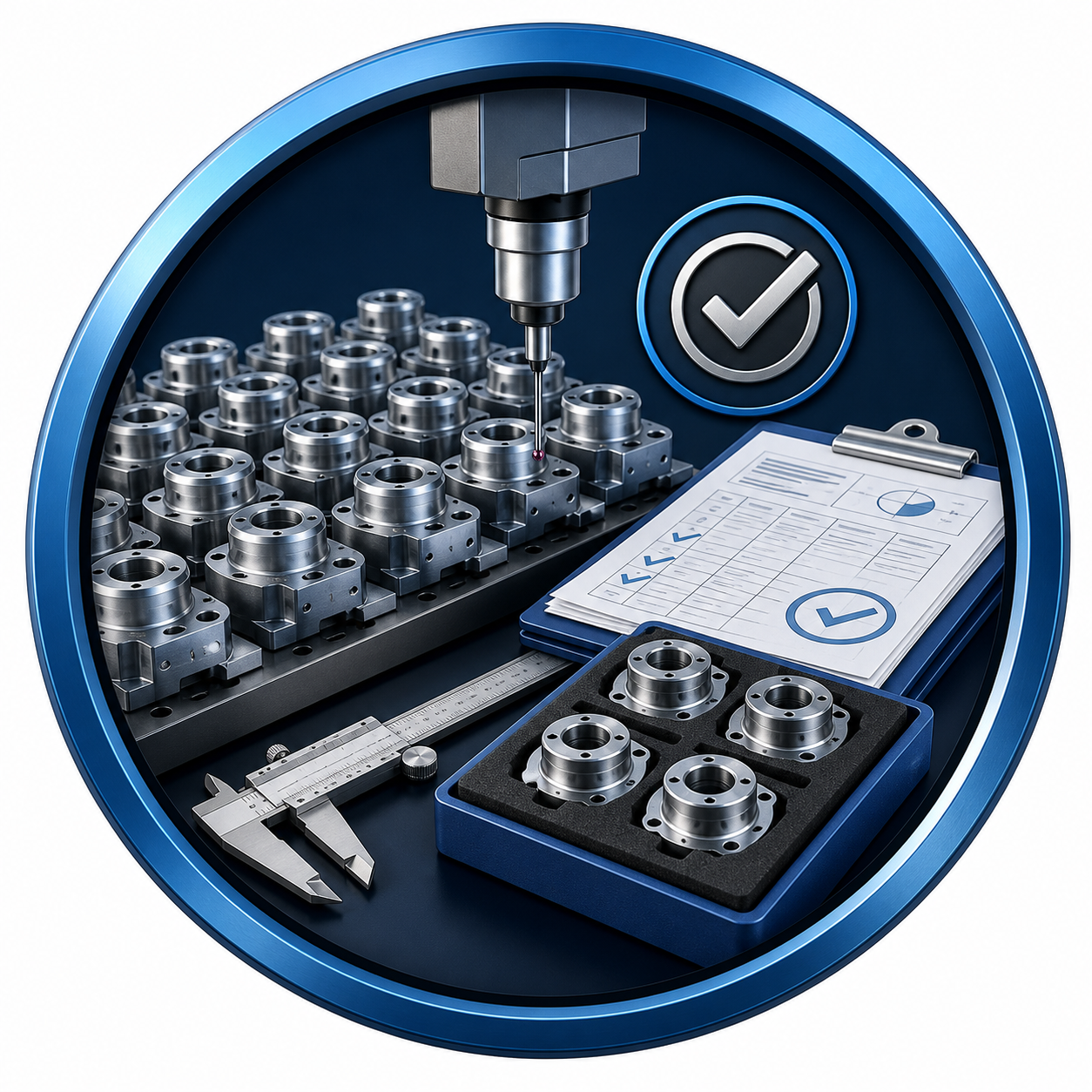
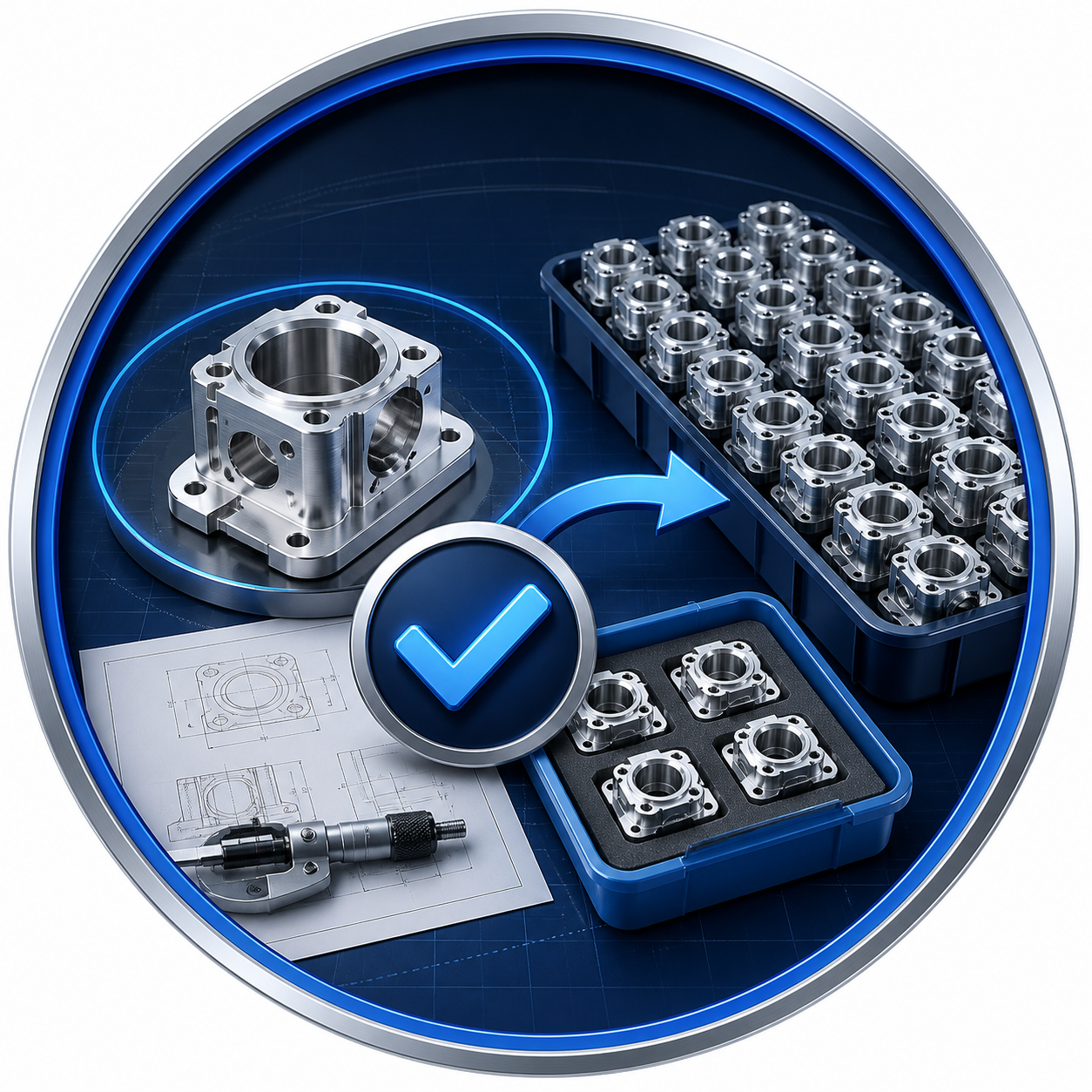
Critical dimensions, sampling level, CMM reports, FAI-style records, finish checks, and shipment documents are matched to the project risk.
Move From Prototype to Mass Production
- Reduced Production Risks
- Enhanced Cost Efficiency
- Inspection and process control
Why Production CNC Machining Needs Process Control
Mass production machining depends on repeatable setup, stable material supply, controlled tool wear, inspection planning, and clear packaging requirements. These controls help reduce variation between batches and support long-term repeat orders.
- Approved sample and drawing control
- Fixture and setup repeatability
- Material and batch traceability when required
- Tool life and process-sensitive feature review
- Inspection frequency matched to part risk
- Finish, assembly, packaging, and delivery planning
Mass Production Support for Repeat CNC Parts
Pilot Run Confirmation
Before repeat production begins, JADE-CNC reviews sample approval status, drawing revision, tolerance notes, material grade, finish requirements, and inspection scope.
Scheduled Batch Production
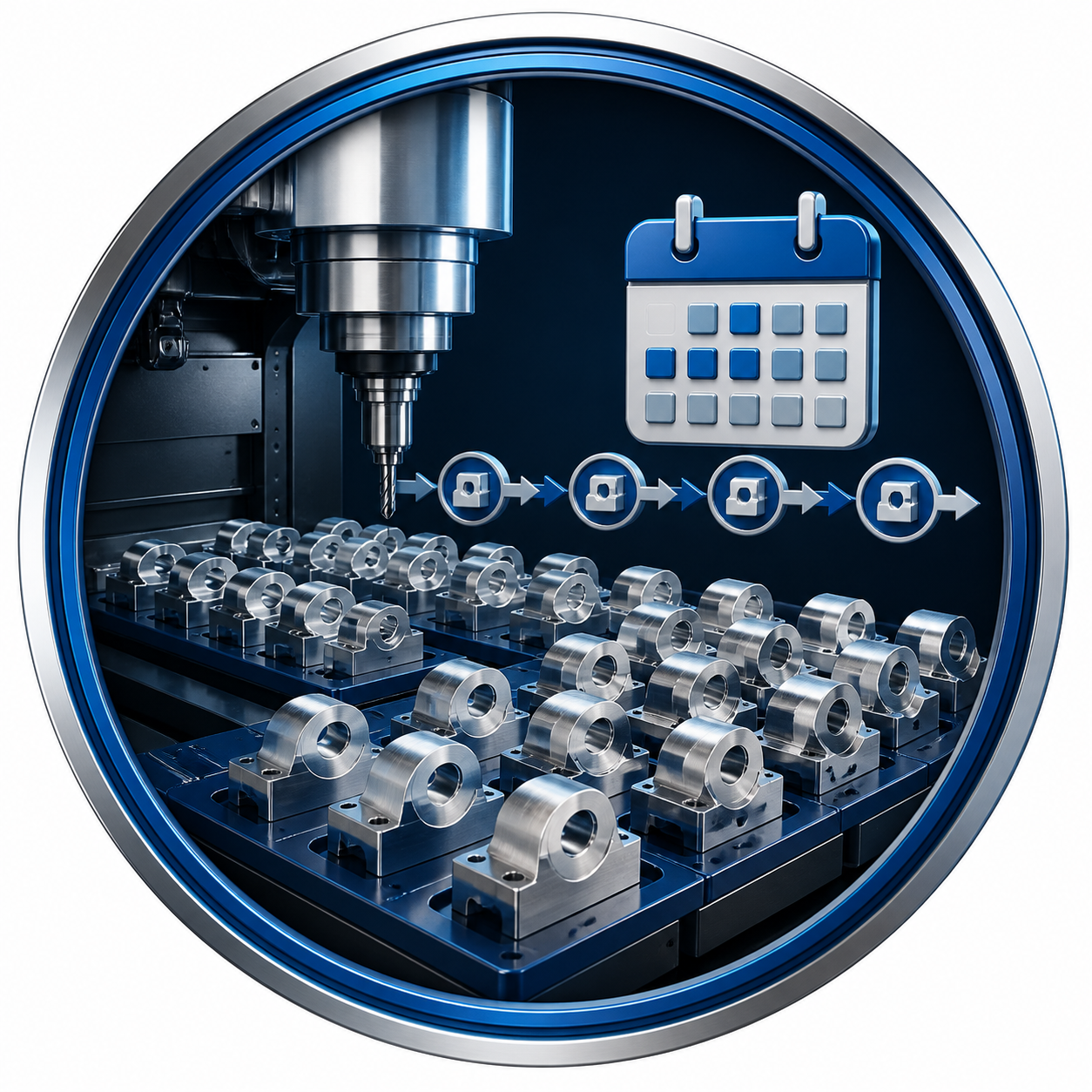
For repeat orders, production can be planned around batch quantity, delivery timing, material availability, fixture use, and inspection workload.
Surface Finish and Assembly Coordination
Finishing, marking, masking, coating, assembly, and cosmetic requirements are confirmed before production planning when they affect function or appearance.
Packaging and Delivery Readiness
Packaging method, part protection, labeling, shipment documents, and delivery requirements are reviewed before finished parts are released.
How We Process Mass Production Machining

CAD/CAM PROGRAMMING
Drawings are converted into CNC programs, ensuring precise tool paths and accuracy.

MATERIAL SELECTION
Identify the right model metal or plastic, cut, and readied for precise machining.

CNC MACHINING Process
Milling, turning, or drilling shapes the part to precision dimensions and specifications

FINISHING
Deburred, Polished treated, and inspected to meet surface quality and painting.

Mass Production Machining by Industry

Aerospace
We produce lightweight, high-strength components with precise tolerances, using materials like aluminum, titanium, and high-performance alloys.

Satellite Communications
From prototype development to custom parts, we deliver precision-machined parts for bracket, housing and receivers.

Antenna Devices
We machine high precision position antenna housing, heatsink and RF filters, which is special hard finishing requirements.

Medical Industry
Our precision machining capabilities produce high precision Stents, surgical tool tips, minimally invasive device components, We maintain tight tolerance to ensure fitness.

Robotics
Mechanical components for robotics, including arms, joints, and frames. Our small-batch flexibility supports rapid prototyping, design changes, and production.
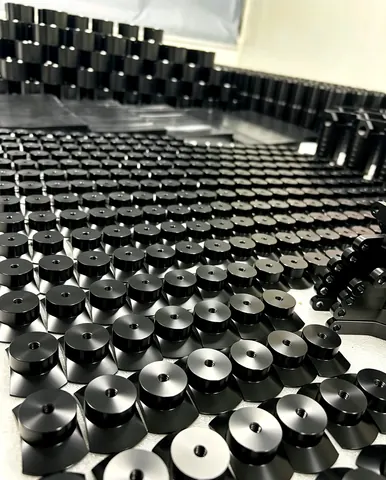
Online CNC Machining Service for Mass Production
Mass Production CNC Machining FAQ
Mass production CNC machining is used when a part design has been confirmed and repeatable batches are needed. It focuses on stable setup planning, consistent machining quality, inspection control, finishing coordination, packaging, and delivery planning.
A part is usually ready for mass production when the drawing, material grade, tolerance requirements, surface finish, inspection scope, and functional requirements are confirmed. If the design is still changing, prototype or pilot production should be reviewed first.
JADE-CNC reviews CAD files, 2D drawings, material requirements, key dimensions, tolerance zones, surface finish notes, inspection needs, and delivery expectations before production planning. This helps identify machining risks before repeat batch production begins.
First article inspection helps confirm that the machining setup, tooling, material, dimensions, surface finish, and inspection method match the approved drawing before larger quantities are produced.
Yes. Surface finishing such as anodizing, passivation, plating, polishing, bead blasting, painting, or other finishing processes can be coordinated with production machining. Finish requirements should be reviewed early because they may affect dimensions, appearance, and delivery planning.
Repeat production consistency depends on clear drawings, stable setup planning, controlled material requirements, inspection records, finish notes, and packaging requirements. For repeat orders, previous production records can help support consistent batch planning.
Mass production CNC machining can be used for aluminum, stainless steel, brass, copper, steel, titanium, PEEK, and other engineering plastics. The final material choice depends on strength, weight, corrosion resistance, thermal needs, cost, and application requirements.
Some production parts may require fixtures, soft jaws, or dedicated setup planning to improve repeatability and reduce handling variation. Fixture needs depend on part shape, tolerance, machining access, quantity, and inspection requirements.
Inspection records may include dimensional reports, CMM reports, first article inspection records, surface finish checks, material records, coating checks, or customer-required documentation, depending on the agreed project scope.
Please provide 3D CAD files, 2D drawings, material grade, expected quantity, tolerance requirements, critical features, surface finish requirements, inspection needs, packaging requirements, and target delivery schedule.