

Robotics CNC Machining Solutions
JADE-CNC provides Robotics CNC Machining for robotic parts and automation components based on customer drawings. We machine robot joint parts, joint housings, base plates, motor mounts, frames, linear motion components, end-effectors, brackets, shafts, and precision hardware with material, tolerance, finish, and inspection requirements reviewed before production.
- Prototype to Production Support
- Drawing-Based Tolerance Review
- Surface Finish Options
- Lead Time Reviewed by Project

CNC Machined Parts for Robotics and Automation
Robotics and automation equipment often depends on precision robotics parts, robotic mechanism parts, industrial robot parts, and precision automation parts that must fit reliably, support moving assemblies, control weight, hold critical interfaces, and remain consistent across prototype and repeat orders.
As a robotics components machining supplier for drawing-based projects, JADE-CNC supports robot components machining with CNC milling and turning, material and finish planning, inspection coordination, and production communication for custom robot components and automation hardware.

JADE-CNC Capabilities for Robotics Components
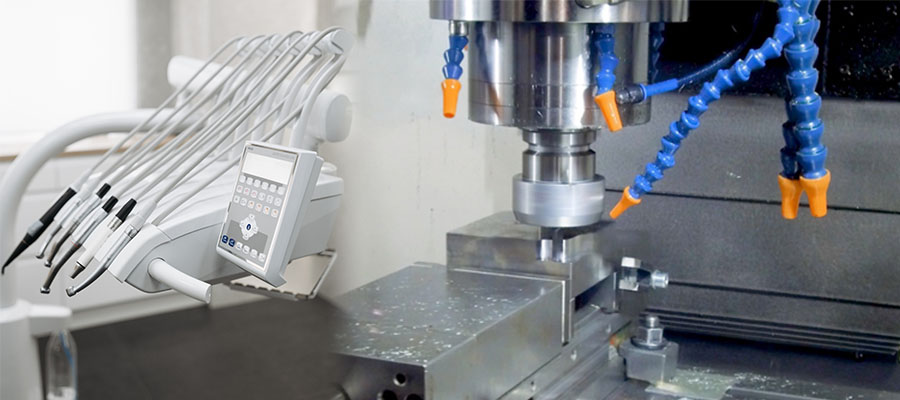
Large-Format CNC Machining
For robot bases, gear housings, frames, mounting plates, and large structural components.
Rigid Turning and Milling for Structural Parts
Machining robot bases, shafts, housings, plates, mounts, and other structural components according to drawing requirements.
Gear, Spline, and Shaft-Related Machining Support
Machining gear blanks, sprocket-related features, splined shafts, and mating features when specified by the customer drawing.
Weldment Preparation & Finish Machining
Precision machining of welded frames and robotic assemblies to final dimensions.
Surface Treatments & Coatings
Anodizing, plating coordination, passivation, bead blasting, painting, and other finishes reviewed by material, wear, corrosion, and assembly needs.
What JADE-CNC Reviews for Robotics CNC Machining
Robotics CNC machining requires more than producing the part shape. Joint interfaces, bearing seats, motor mounts, lightweight structures, assembly faces, surface finish, and repeat-order consistency all affect how the component performs inside a moving system.
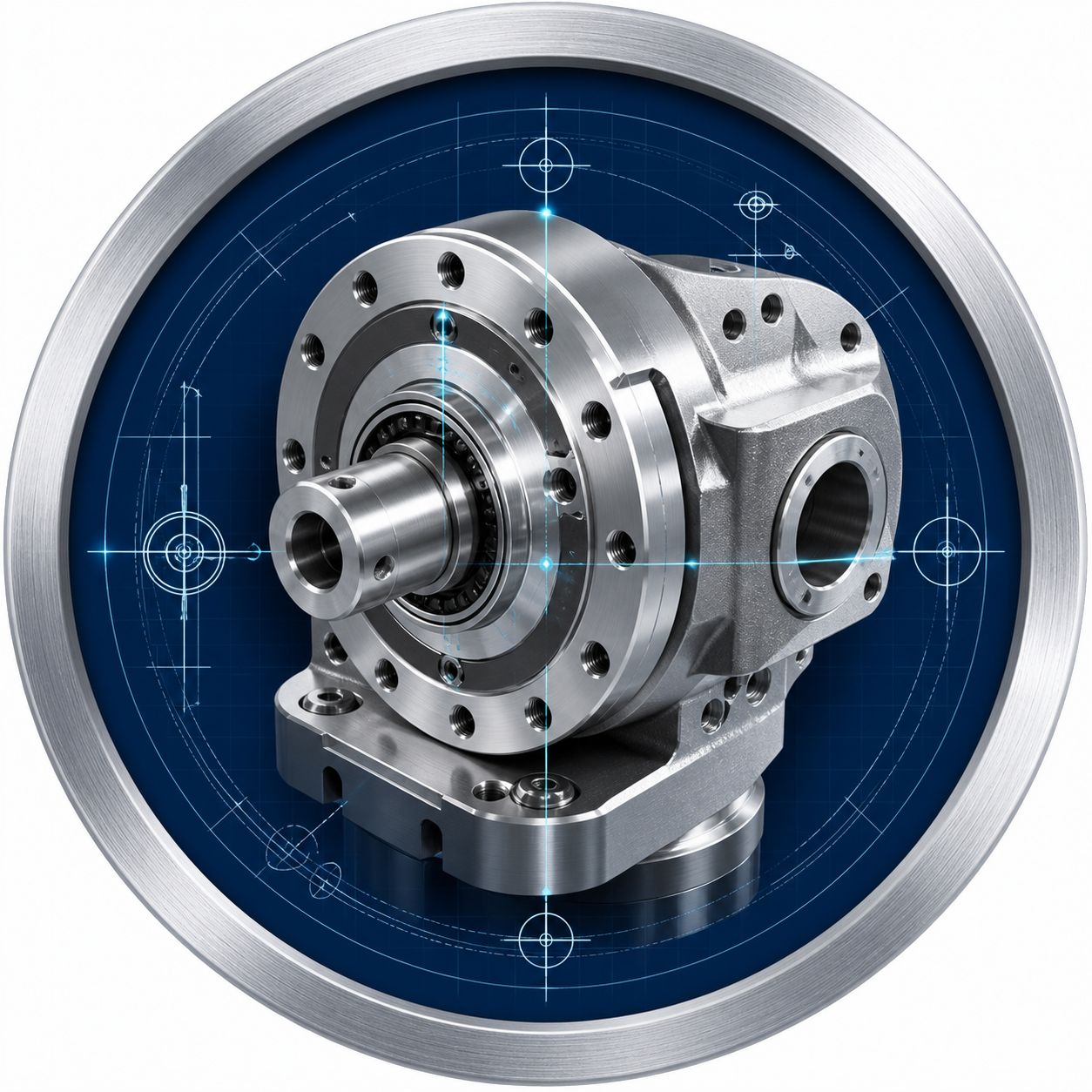
Robotic Joint and Motion Interface
JADE-CNC reviews bearing seats, shaft interfaces, bolt patterns, dowel holes, datum references, and mating surfaces that affect robotic joint alignment and motion stability.
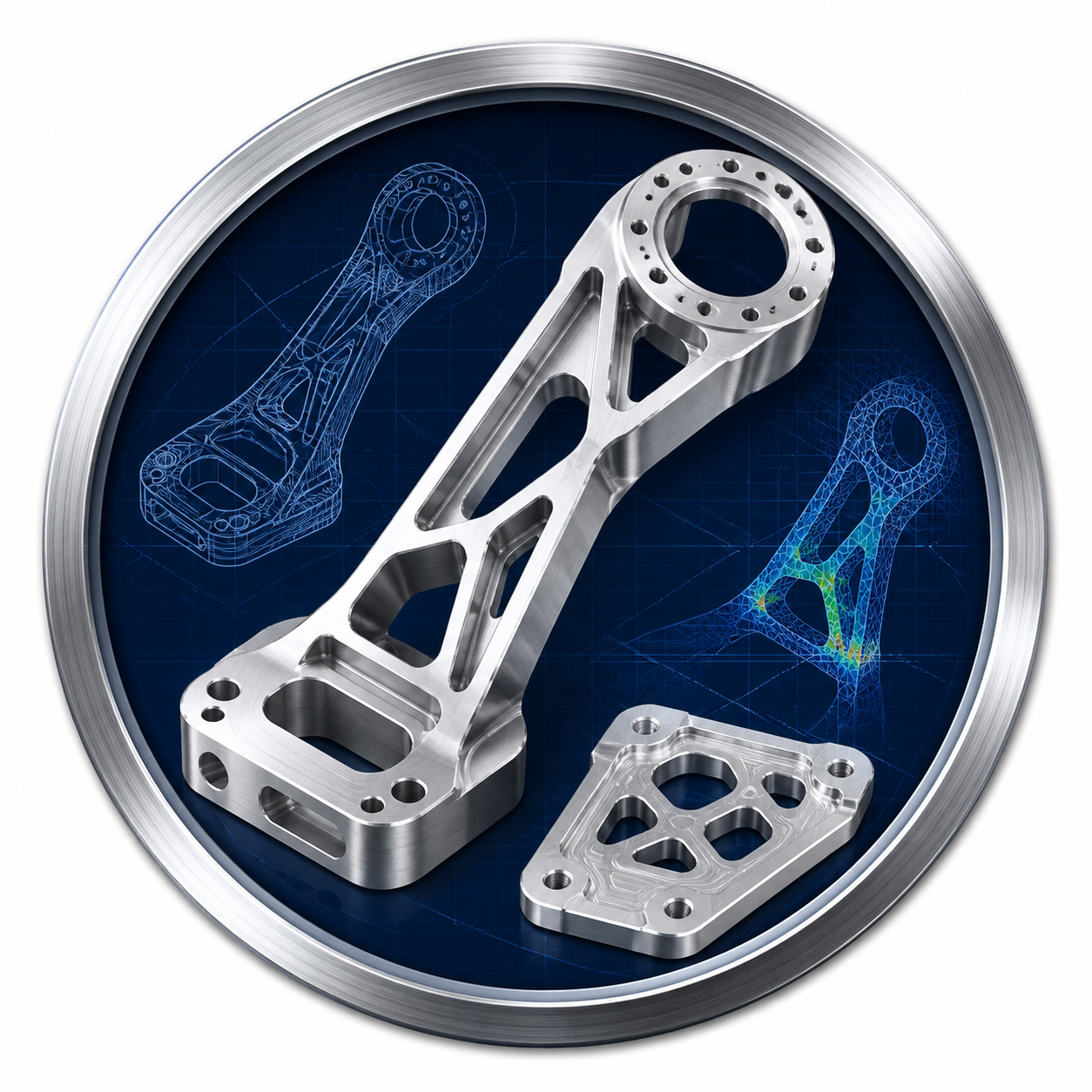
Lightweight Structural Parts
Robot arms, brackets, frames, plates, and support structures are reviewed for weight reduction, rigidity, wall thickness, pocket design, and deformation risk during machining.
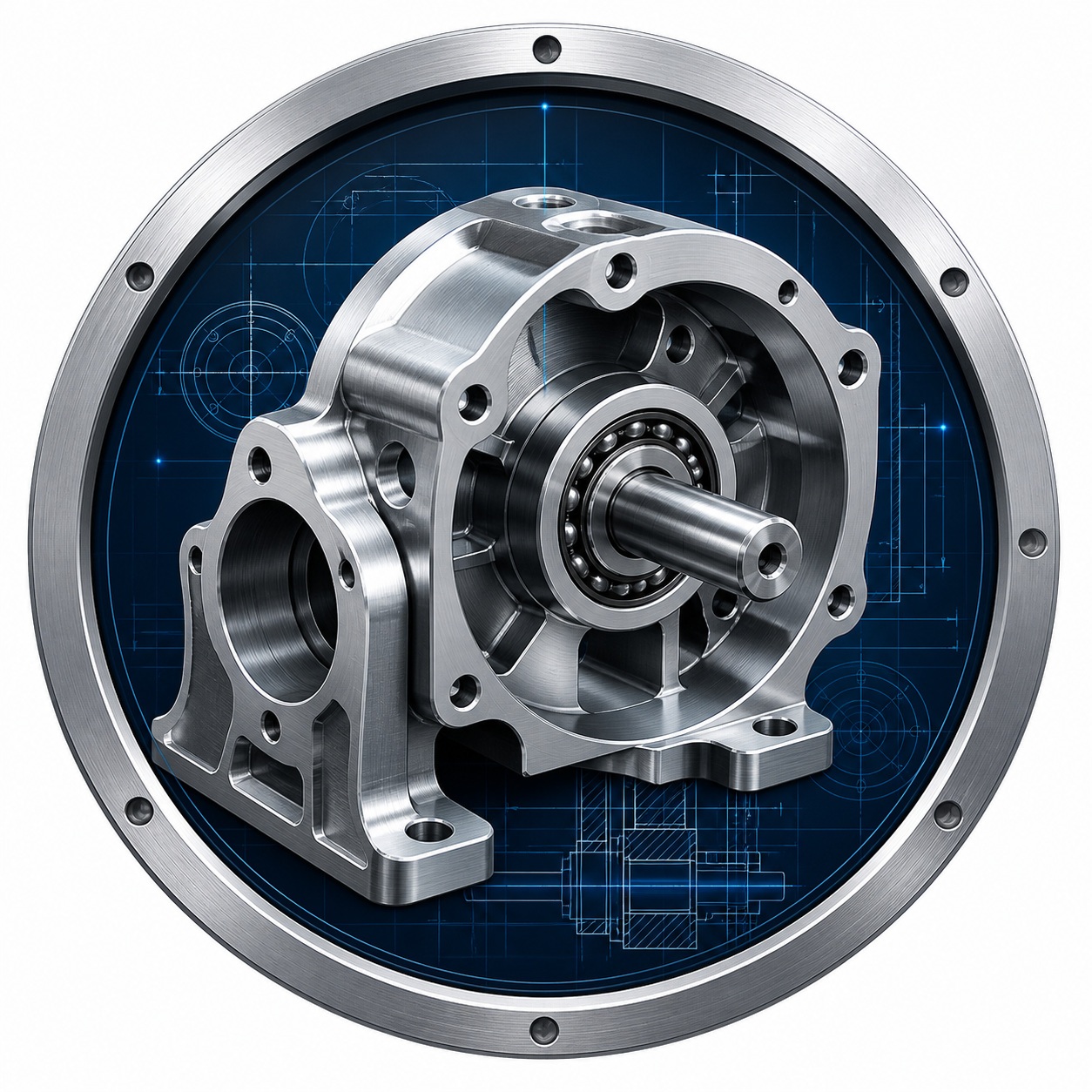
Motor Mounts and Gear Housings
Motor mounts, gear housings, reducers, and drive-related parts are checked for concentricity, flatness, bore accuracy, threaded features, and assembly fit.
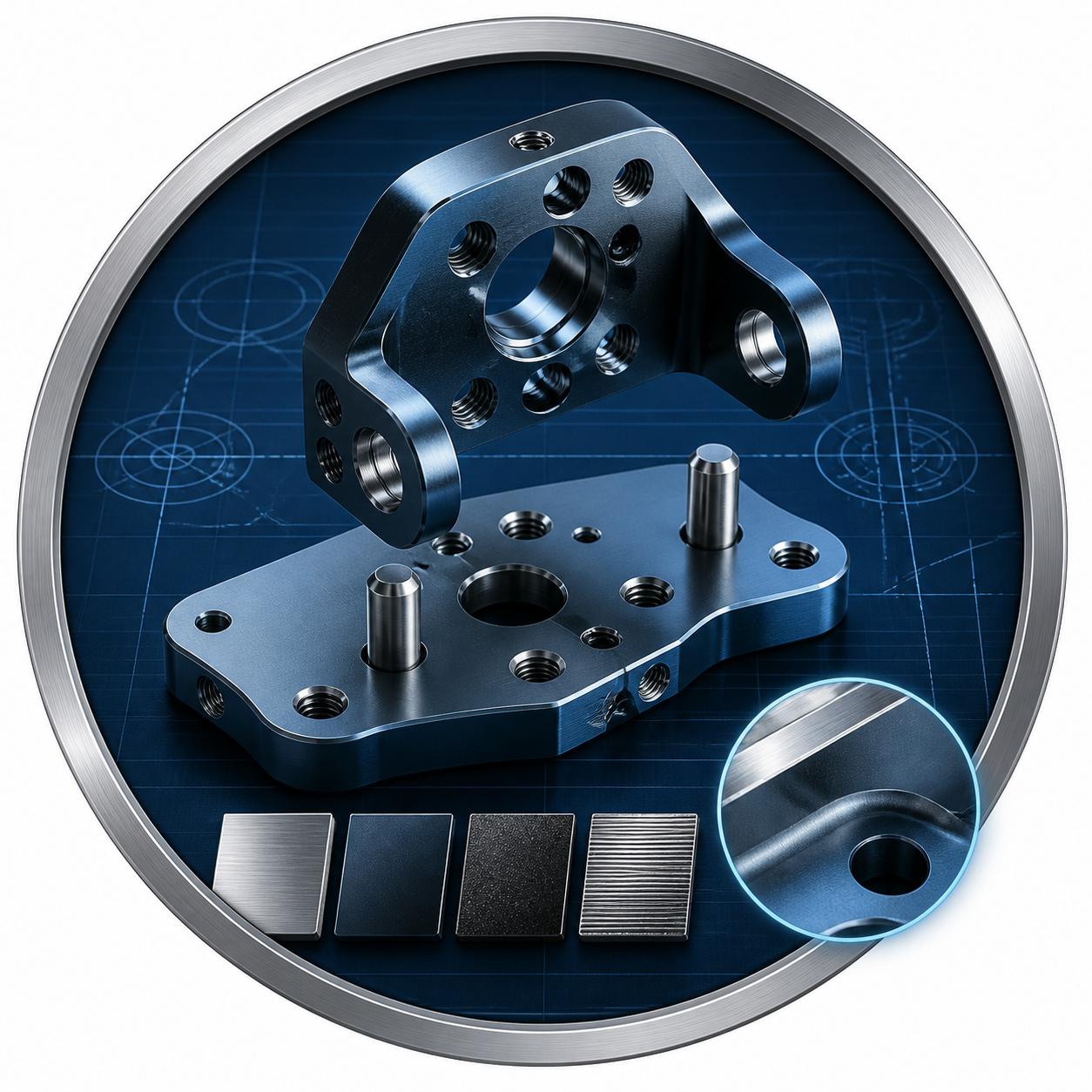
Surface Finish and Assembly Fit
Anodizing, bead blasting, passivation, coating, masking, and cosmetic surfaces are reviewed together with threaded holes, locating faces, and functional contact areas.
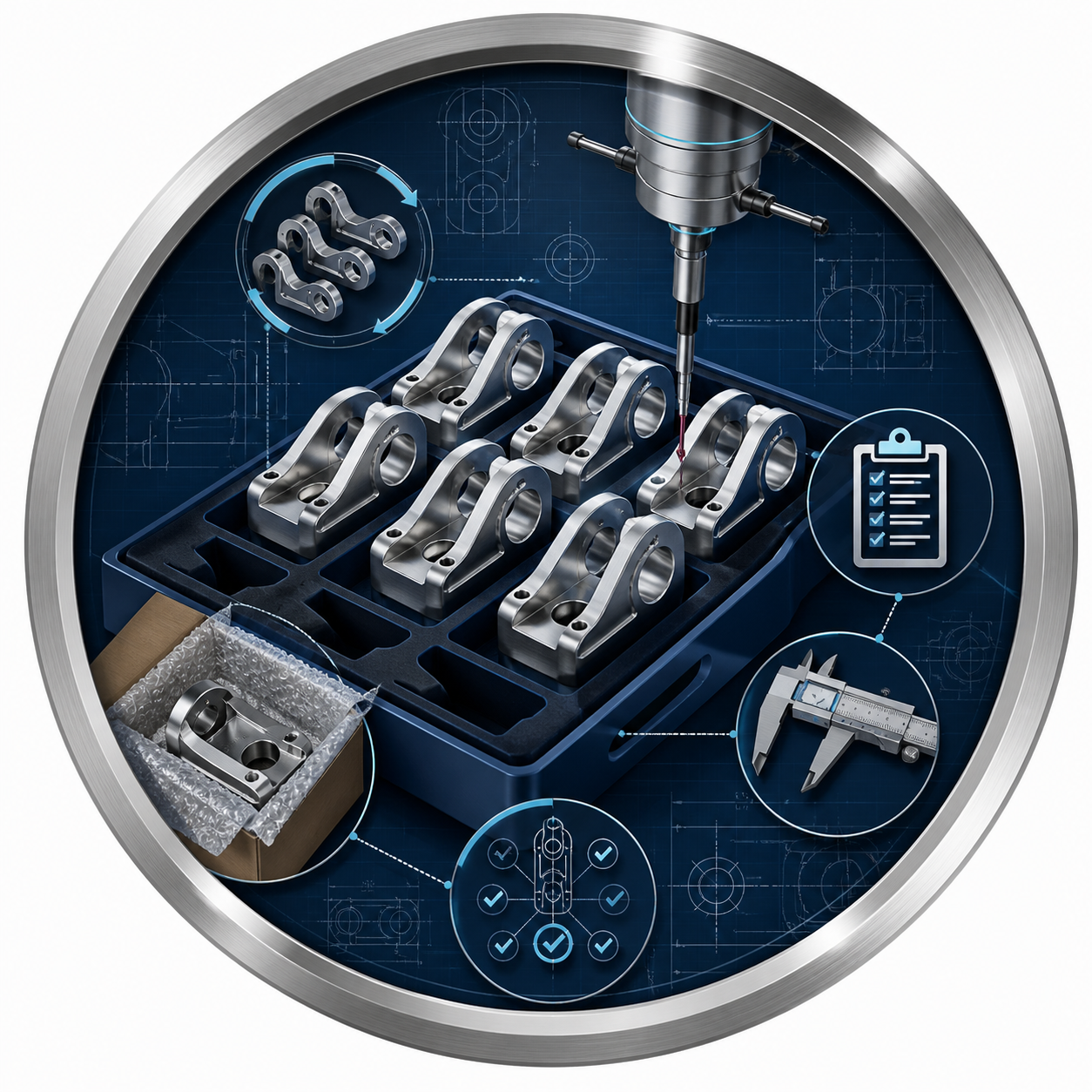
Repeat Production and Inspection
For repeat robotics components, JADE-CNC can coordinate dimensional inspection, CMM checks, revision control, packaging protection, and production notes based on confirmed drawings.
Material Selection for Robotics Components
Material choice affects weight, strength, wear resistance, corrosion resistance, surface finish, and assembly stability in robotics and automation components. JADE-CNC reviews the specified material grade together with the drawing, tolerance, finish, and functional requirements.
|
Material Type |
Instructions for use |
|---|---|
|
Aluminum 6061 / 7075 |
Robot arms, brackets, housings, frames, lightweight plates, motor mounts, and automation fixtures that need a balance of strength, weight, and machinability. |
|
Stainless Steel |
Shafts, pins, fasteners, guides, brackets, and structural parts that require strength, corrosion resistance, or wear resistance. |
|
Carbon Steel / Alloy Steel |
Load-bearing robot bases, structural plates, drive-related parts, and components that require higher strength or surface treatment. |
|
Brass / Bronze |
Bushings, sleeves, bearing-related parts, low-friction components, and selected wear surfaces. |
|
Engineering Plastics |
POM, Nylon, UHMW, PEEK, and other plastics can be reviewed for guide rails, spacers, insulating parts, wear strips, lightweight fixtures, and non-metallic motion components. |
|
Surface Finish Options |
Anodizing, passivation, black oxide, plating, painting, bead blasting, and polishing can be reviewed based on material, assembly use, wear, corrosion, and appearance requirements. |
From Design to Deployment: CNC Workflow for Robotics
Performance-Driven Design Review
We review drawings for load paths, wear areas, assembly interfaces, material notes, finish requirements, and features that may affect machining or inspection.
Prototype and Fit Validation Support
Produce prototypes or small batches for dimensional checks, assembly trials, motion-interface review, and customer-side validation.
Pre-Production Optimization
Review machining sequence, fixture approach, finish, inspection points, and packaging before moving toward repeat production.
Production & Quality Assurance
Inspection plans can include dimensional checks, surface finish review, and documentation according to drawing and order requirements.
Repeat Orders and Replacement Parts
Support repeat orders and replacement parts by referencing confirmed drawings, inspection records, packaging needs, and agreed production notes.
Ready to Manufacture Robotics CNC Machined Parts?

Robotics CNC Machining FAQ
JADE-CNC can review robot joint housings, motor mounts, base plates, frames, brackets, shafts, end-effector components, gear housings, linear motion parts, fixtures, and automation hardware based on customer drawings.
Please provide 3D CAD files, 2D drawings, material grade, quantity, tolerance notes, critical interfaces, surface finish requirements, inspection needs, and assembly-related requirements.
Yes. Robot joint parts can be reviewed for bearing seats, shaft interfaces, bolt patterns, datum references, concentricity, flatness, and assembly fit.
Yes. Lightweight robot brackets, arms, frames, and plates can be reviewed for pocket design, wall thickness, rigidity, deformation risk, and machining access.
Common materials include aluminum 6061, aluminum 7075, stainless steel, alloy steel, brass, bronze, POM, nylon, UHMW, PEEK, and other engineering plastics depending on the drawing and application.
Yes. Prototype robotics parts can support fit checks, motion-interface review, material evaluation, assembly testing, and design revision before repeat production.
Yes. Low-volume robotics CNC machining can support pilot builds, replacement parts, automation fixtures, custom machine components, and early production runs.
Important tolerance areas often include bearing bores, shaft fits, dowel holes, mounting faces, motor alignment features, flatness, perpendicularity, and mating surfaces.
Yes. Depending on the material and function, parts can be reviewed for anodizing, passivation, black oxide, plating, bead blasting, painting, polishing, masking, and coating requirements.
Dimensional reports, CMM checks, first article review, material records, surface inspection, or selected inspection documentation can be coordinated when required by the project scope.